High-purity chemical intermediates and premium additives manufactured to exacting ISO standards.
![Famous Bis-[3-(trimethoxysilyl)-propyl]amine CAS 82985-35-1 Products, Product](https://site.cdnfile.io/www.boctoksilicone.com/b7a8c47713f462756c9e61cb65cea17f300_300.webp)
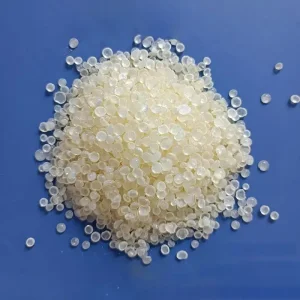
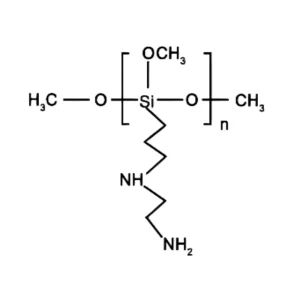
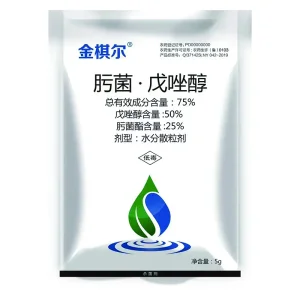
Room Temperature Vulcanizing (RTV) Liquid Silicone Rubber has transitioned from a niche sealing agent to one of the most critical structural components of modern industrial design. Its unique chemical architecture—featuring a repeating siloxane (Si-O-Si) backbone with high bond energy—provides outstanding resistance to thermal aging, UV radiation, corona discharges, and extreme weather conditions.
Globally, the commercial and industrial demand for RTV silicone is accelerating, driven by three major market shifts:
Exploring the molecular functionalization of coupling agents and silicone rubbers that drive modern mechanical properties.
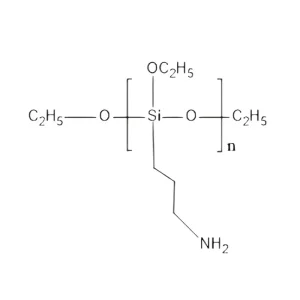
Organofunctional silanes bridging the gap between inorganic fillers (silica, glass, metals) and organic matrices. Our specialized 12 series include:
Fluid polymers designed for high performance under extreme temperature variation and severe chemical exposure. Key formulations:
Custom polymer chains engineered for specific curing triggers and cross-linking densities. Delivering outstanding vulcanization properties:
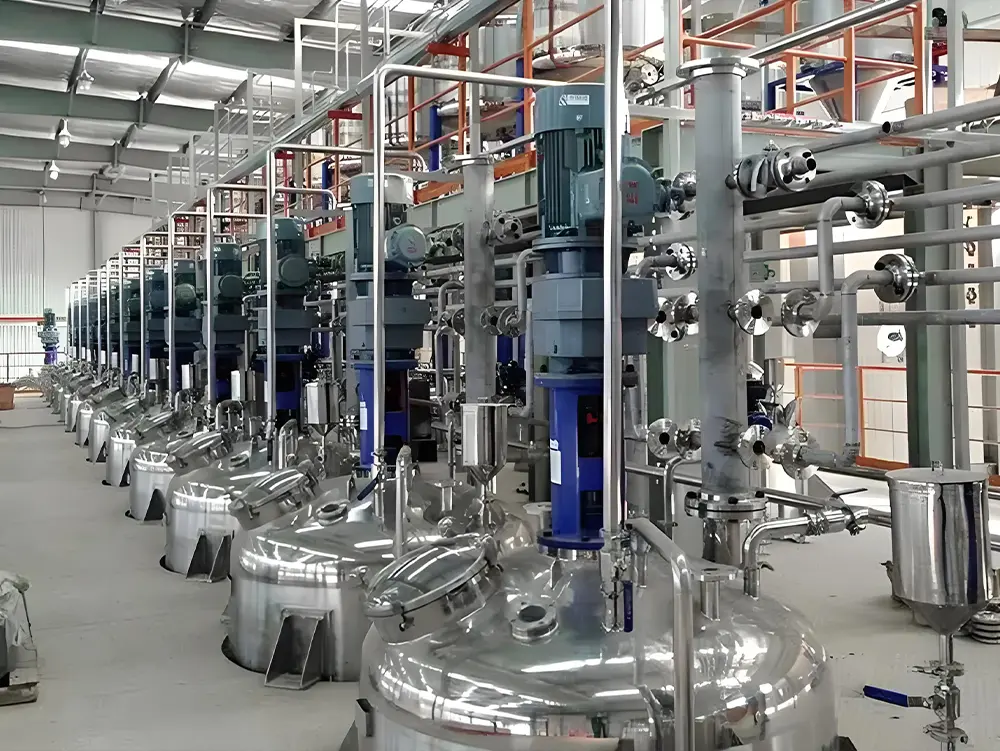

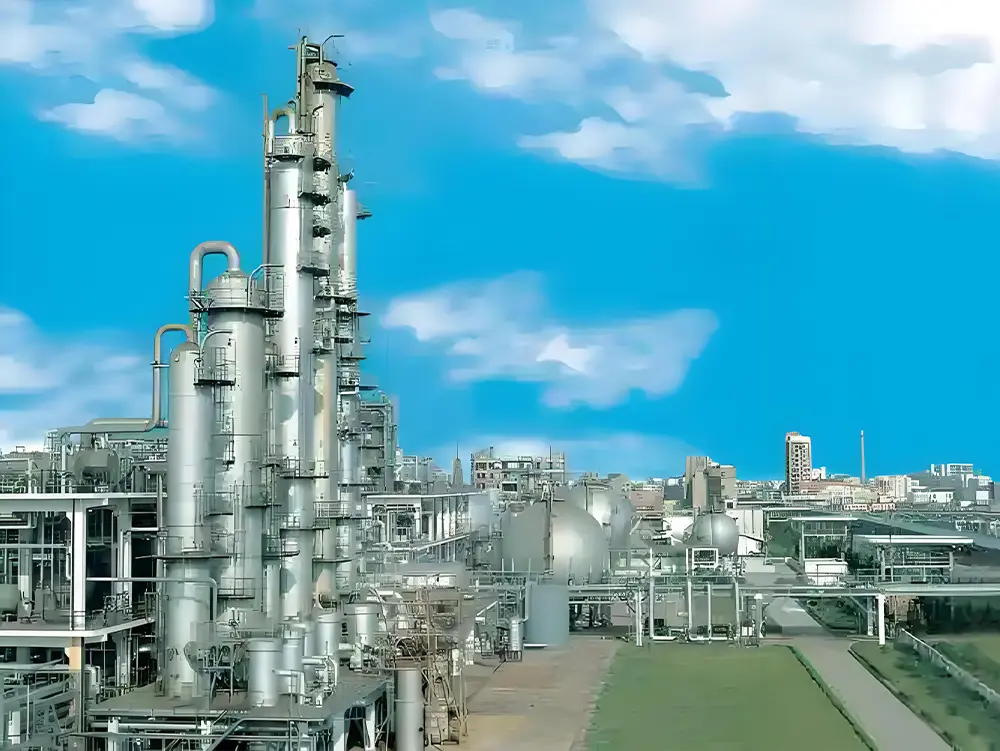
Sourcing raw materials on a global scale requires suppliers to guarantee more than just a chemical compound. Procurement teams require absolute continuity of supply, rigorous environmental compliance, and process safety that prevents catastrophic interruptions.
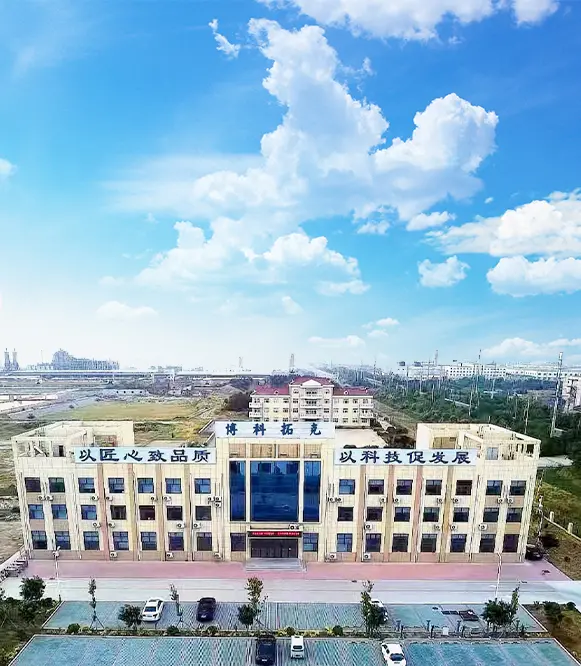
To address this, Boctok invested US$65 million to establish a state-of-the-art chemical manufacturing facility inside the Bohai Industrial Park (Shouguang City, Shandong Province). This plant is engineered around the Industry 4.0 framework:
A decade-long footprint of leadership in organosilicon and specialty polymer materials serving Russian and global enterprises.
Founded in 2012, Shandong Boctok Chemical Co. was established as a global marketing and sales center for domestic and overseas businesses, achieving an annual sales volume of US$280 million in 2023. Over the years, the BOCTOK brand has specialized in serving the Russian market and industrial consumers globally, delivering chemical solutions tailored to challenging operating environments.
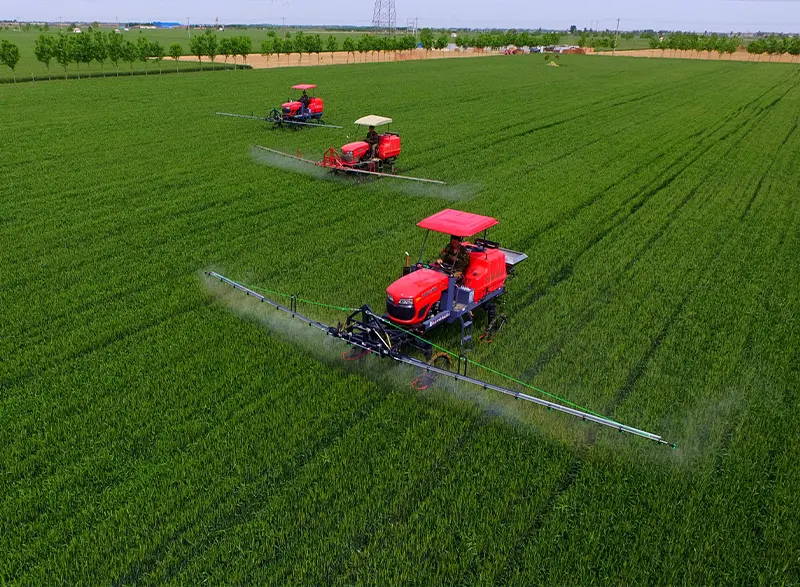
Boctok operates across three main strategic product categories: organosilicones (featuring 12 series of silane coupling agents and crosslinkers), hydrocarbon petroleum resins (C9 hydrogenated, C5, and modified formulations), and agrochemical intermediates. Our comprehensive solutions improve the physical performance of coatings, electrical insulation, automotive sealants, and agricultural products.
To support massive global customization, we maintain tight quality controls from feedstock procurement to final delivery. Our products are exported to North America, Europe, Japan, South Korea, Australia, South America, the Middle East, India, Southeast Asia, and Russia, earning the trust of industrial buyers and Fortune 500 corporations alike.

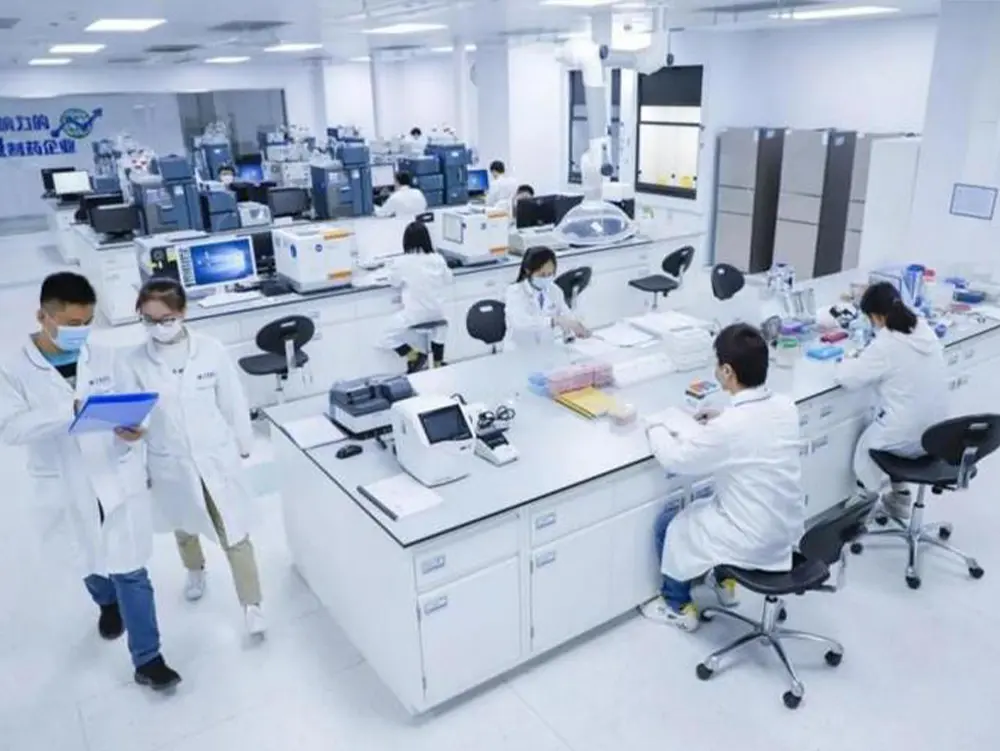
Our products undergo rigorous multi-stage laboratory testing to ensure every single batch meets international parameters.

Advanced lines enable an annual output of 30,000 tons of silane coupling agents, supporting high volume customization.

Technical chemical engineers are available 24/7 online to assist with viscosity profiling, formulation adjustment, and product compatibility.

Optimized dry bulk and chemical shipping logistics network ensures timely transit to global ports and inland warehouses.
Combining high-purity organosilicon, hydrocarbon resins, and agricultural materials under a single, quality-controlled factory source.
How our organosilicon, hydrocarbon resins, and agricultural intermediates solve real-world engineering challenges across industries.




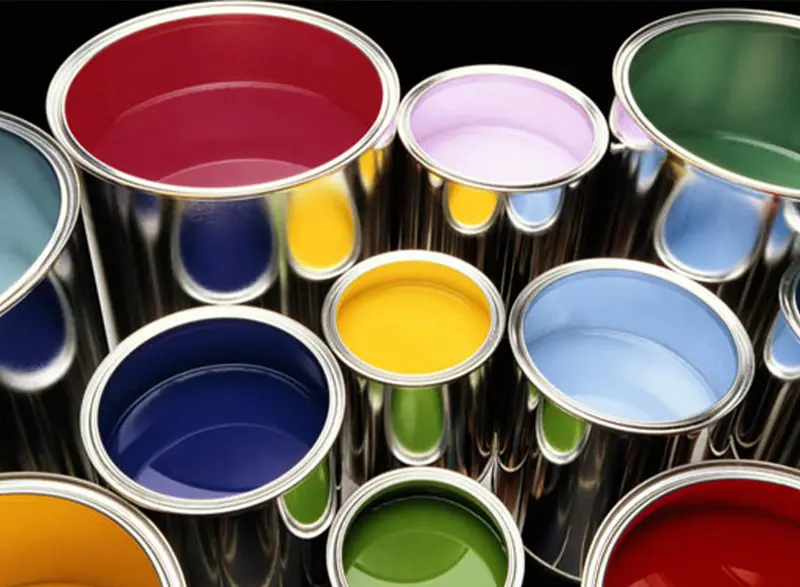
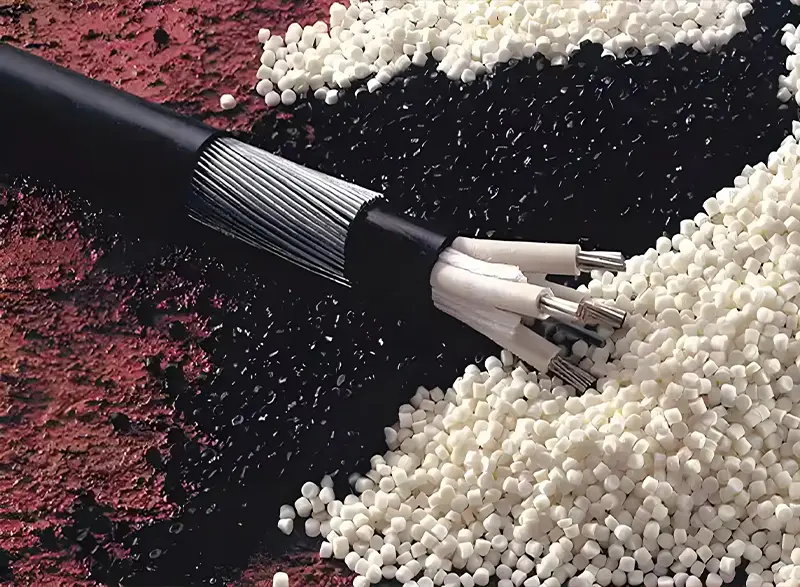
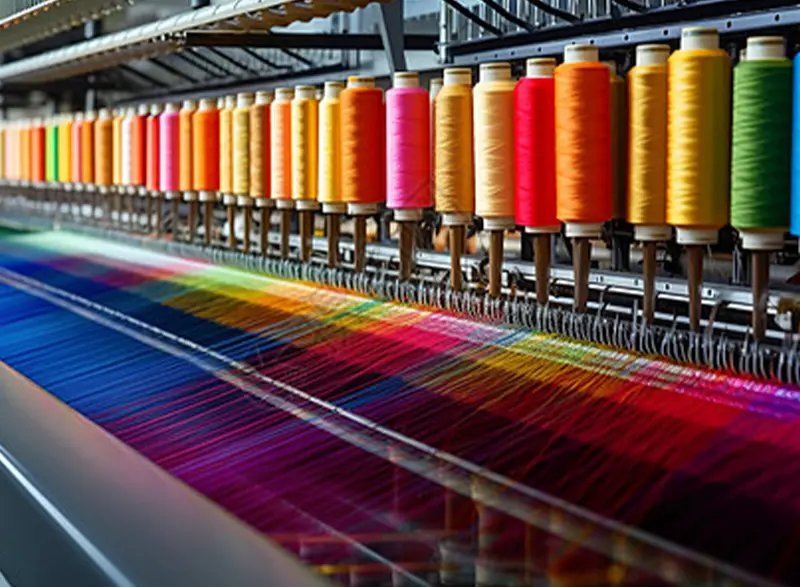
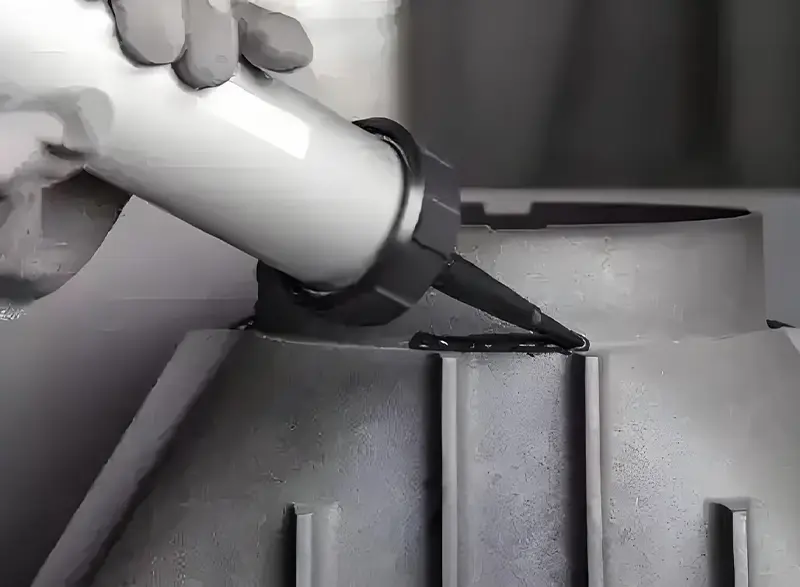











Answers to complex material design, curing mechanisms, and supply logistics questions from our chemical engineering team.
RTV-1 (One-Component) systems vulcanize by drawing ambient humidity from the air. When exposed, moisture triggers a hydrolysis reaction of the silane crosslinker, releasing curing byproducts (such as acetic acid, alcohol, or oxime) and establishing a cross-linked network from the outside in. RTV-2 (Two-Component) systems utilize either a condensation catalyst or a platinum-catalyzed addition reaction (hydrosilylation). RTV-2 cures uniformly throughout the mass regardless of thickness, without relying on external moisture, making it ideal for deep-section potting.
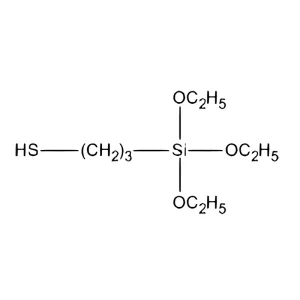
Silane coupling agents have a hybrid chemical structure represented by Y-R-Si(OR)3. The hydrolyzable alkoxy groups (OR) react with inorganic substrates like silica, glass fiber, or metals to form covalent siloxane bonds. The organofunctional group (Y) co-polymerizes or physical-entangles with organic polymers (epoxies, polyurethanes, rubbers). By bridging these incompatible materials, silanes improve tensile strength, shear resistance, and prevent water ingress at the interfaces.
Pure polydimethylsiloxane (PDMS) networks have low mechanical strength. Blending in MQ or VMQ resins—which are highly branched, three-dimensional siloxane clusters—acts as molecular reinforcement. The rigid resin cores act as filler particles, while vinyl groups (in VMQ) co-vulcanize with the base rubber. This hybrid formulation dramatically increases tear strength, elongation at break, and hardness of the final elastomer.
Our resilience is rooted in our domestic raw material integration. By locating our operations in Shouguang's Bohai Chemical Park, we source key feedstocks directly from SINOPEC and PetroChina. Combined with our US$65 million investment in 6 automated DCS lines yielding 30,000 tons of silane coupling agents annually, we maintain control over our production yields and scheduling, bypassing upstream logistics bottlenecks.
Vinyl silanes (such as vinyltrimethoxysilane or vinyltriethoxysilane) are the industry standard for cross-linking polyethylene (XLPE) in hot-water pipes and electrical cables. The vinyl group grafts onto the polyethylene backbone via free radical initiation, and the alkoxy groups subsequently cross-link upon exposure to moisture. This provides thermal resistance up to 90°C under continuous load, and up to 250°C during short-circuit situations.
Viscosity stability is governed by controlling the polymerization process and neutralizing the catalysts. Our DCS remote-control system regulates reaction temperatures to within ±0.5°C and monitors agitation speed. Post-polymerization, the active catalyst is carefully neutralized, and volatiles are stripped under high-vacuum conditions. This ensures that when our liquid silicone reaches your factory, its viscosity remains within the specification limit.
Yes, we customize RTV silicones by incorporating high loadings of thermally conductive, non-conductive mineral fillers such as Alumina (Al2O3) or Aluminum Nitride (AlN). Our customized formulation achieves thermal conductivities ranging from 0.8 to 3.0 W/m·K, while retaining high dielectric breakdown voltage (>20 kV/mm) for delicate microelectronic potting.
Standard methyl silicone rubbers exhibit glass transition temperatures (Tg) around -60°C. By introducing bulky phenyl groups into the siloxane backbone, the crystallization of the PDMS chain is disrupted. This drops the glass transition temperature, allowing the 120 Methyl Phenyl rubber to remain flexible and functional in extreme environments as low as -115°C, making it ideal for aerospace and arctic sealing.
Further industrial-grade silanes, vulcanizing agents, and high-purity catalysts for composite fabrication.
 Boctok Chemical