Explore our high-purity silane coupling agents, advanced polymers, and industrial formulation additives engineered to elevate surface integrity and mechanical performance.
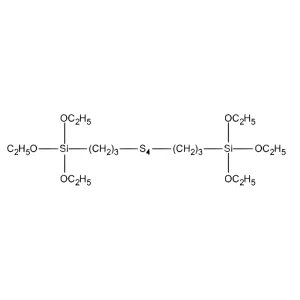
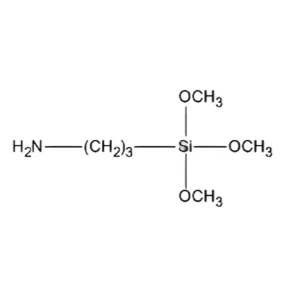
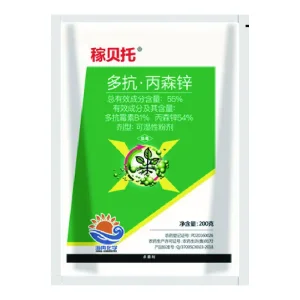
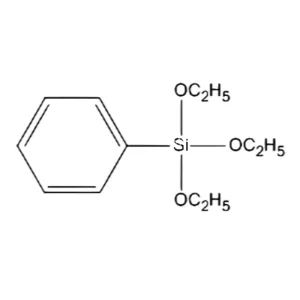
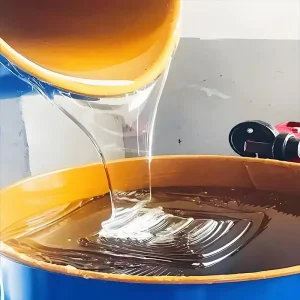
In modern industrial polymer chemistry and materials engineering, the boundary interface between inorganic materials (such as glass fibers, silica fillers, and metal oxides) and organic matrices (including thermosetting resins, thermoplastics, and elastomers) dictates the final structural strength, moisture resistance, and longevity of the composite system. Among specialized silane compounds, Propyltriethoxysilane (PTEO) stands out as an elite organosilicon structure designed to address specific requirements in surface modification, extreme hydrophobicity, and filler dispersion.
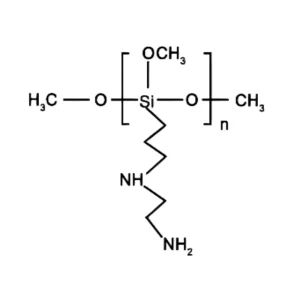
Propyltriethoxysilane (Chemical Formula: C9H22O3Si, CAS No. 2550-02-9) features a short-chain alkyl group (propyl) directly bound to the silicon atom, flanked by three hydrolyzable ethoxy groups. The unique steric hindrance and balanced hydrolysis kinetics of the propyl group allow it to build highly uniform hydrophobic films. Compared to shorter methyl-based coatings, the propyl structure offers improved durability and resistance to wear, while avoiding the excessive bulkiness of longer alkyl chains that can inhibit chemical anchoring.
The molecular mechanics of PTEO are initiated through a two-step reaction pathway:
A Globally Recognized Infrastructure for Advanced Organosilicon Production and Supply Chain Integrity
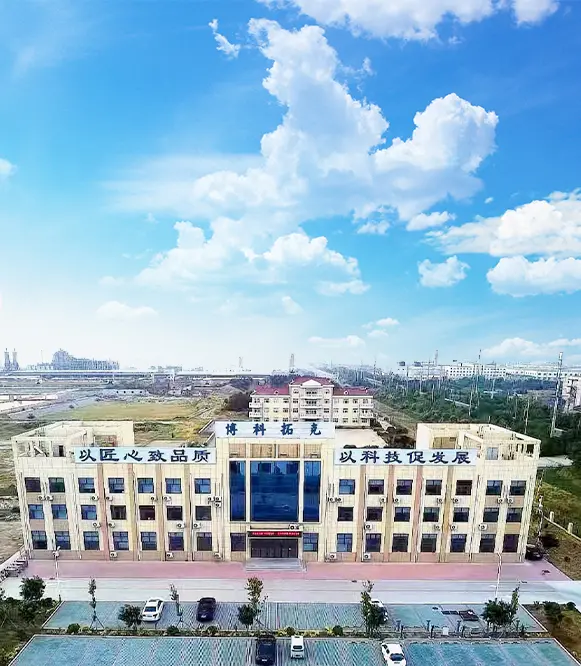
Shandong Boctok Chemical Co. was founded in 2012 as a marketing and sales center for Boctok™ domestic and overseas businesses, achieving sales of US$280 million in 2023. The BOCTOK brand specializes in serving the Russian and global markets, bridging the gap between raw chemical output and sophisticated target-use processing. With core infrastructure designed for massive chemical material syntheses, we ensure that specialized silanes, resins, and polymers reach key industrial sectors on time and with absolute specification compliance.
To support high-volume needs, Boctok invested US$65 million to build a state-of-the-art facility in Bohai Industrial Park, a provincial chemical industry park in Shouguang City, Shandong Province. This complex boasts 6 automatic DCS (Distributed Control System) production lines. Integrated safety instrument systems (SIS) and strict ISO9001 quality management ensure that our outputs, including propyltriethoxysilane and related organosilicons, maintain identical batch-to-batch molecular weight spreads and chemical purity.
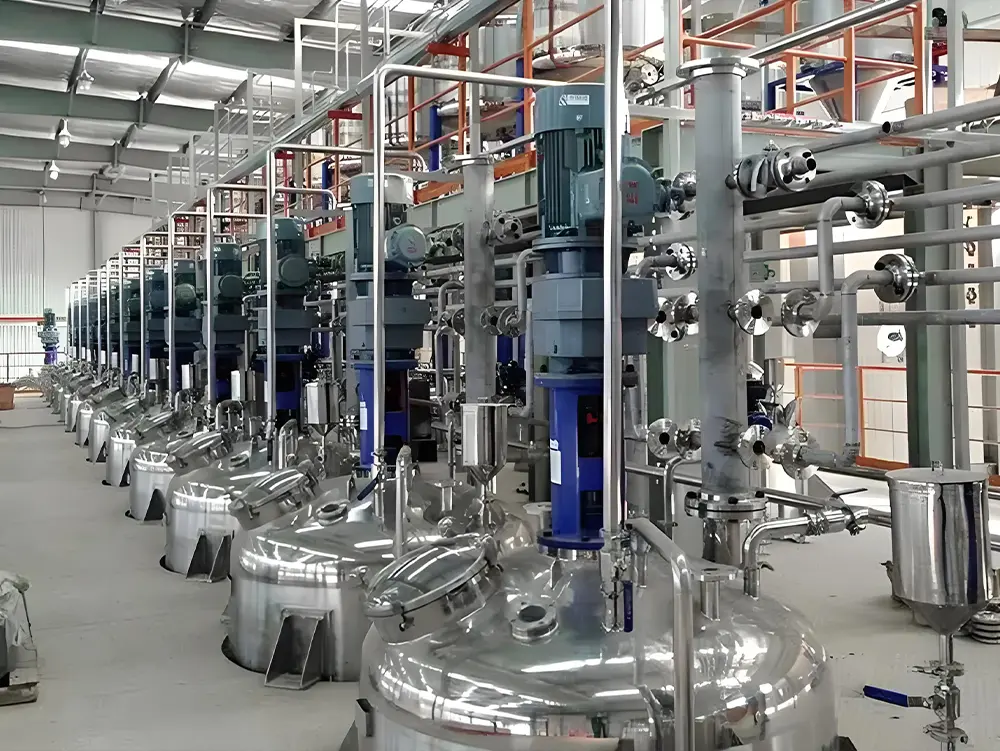


As industrial demands escalate toward longer service lives and harsher operating environments, standard formulation bases struggle to maintain adhesive bond lines. Propyltriethoxysilane acts as a structural linker, shielding materials from moisture penetration, thermal cracking, and electrochemical erosion. Boctok's organosilicon solutions provide deep integration across diverse vertical sectors:

The penetration of chloride ions and moisture causes reinforcement rusting and concrete carbonation. Incorporating propyltriethoxysilane into masonry sealants builds an impenetrable, breathable, hydrophobic barrier. It deep-penetrates the silicate matrices of stone, brick, and concrete, lowering capillary water absorption by up to 90% without hindering moisture escape.

Propyltriethoxysilane serves as a crucial coupling agent in glass-fiber reinforced polymers (GFRP) and mineral-filled thermoplastics. By treating silica, glass fibers, or magnesium hydroxide with PTEO prior to compound mixing, the mechanical strength, flexural modulus, and wet electrical properties of the resulting composites are significantly enhanced.

Integrating PTEO into paint formulations provides self-cleaning, anti-graffiti, and weatherproofing qualities. The propyl group yields a low-surface-energy matrix that dirt, water, and oily pigments cannot easily wet. This is essential for marine protective layers, bridge structures, and architectural facades exposed to harsh acid rain.
In addition to organosilicons, Boctok's Tier II business focus covers premium petroleum resins. We manage three operating hydrocarbon resin factories located in Zibo, Fushun, and Nanjing. Drawing on reliable feedstocks from SINOPEC and PetroChina, we produce C9 hydrogenated resins, C5 hydrocarbon resins, and dicyclopentadiene. These act as tackifiers in industrial sealants and adhesive formulations, working synergistically with our silane coupling agents to maximize adhesion on problematic substrates.
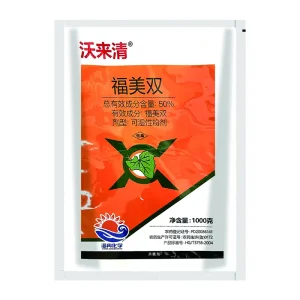
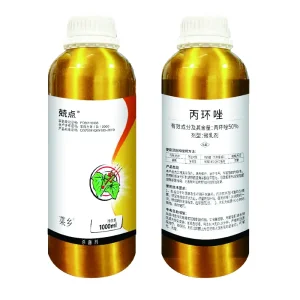
For the agrochemical market, Boctok manufactures intermediates and raw materials for the production of pesticides, fungicides, insecticides, seed treatments, herbicides, and plant growth regulators. Our advanced chemical synthesis pathways guarantee that raw biological protection compounds achieve maximum target efficacy and environmental compliance.
Explore the physical footprint of our silane and resin technologies inside active industrial environments.





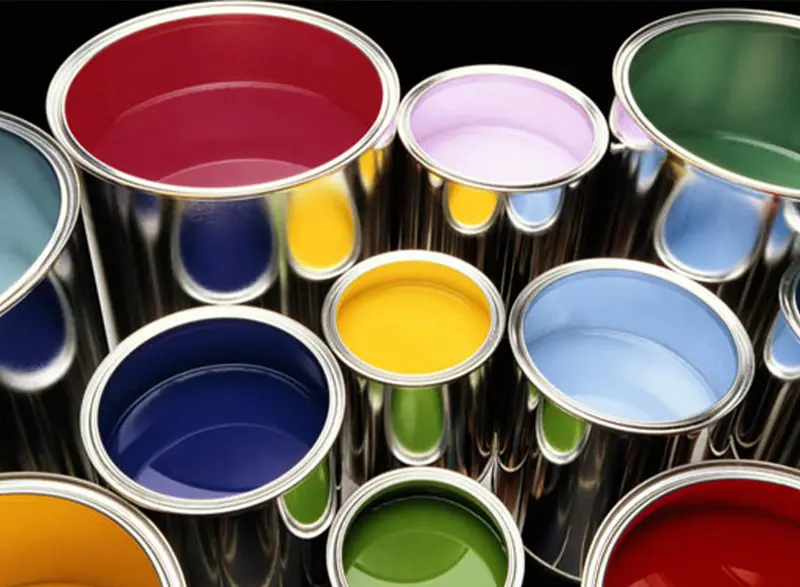
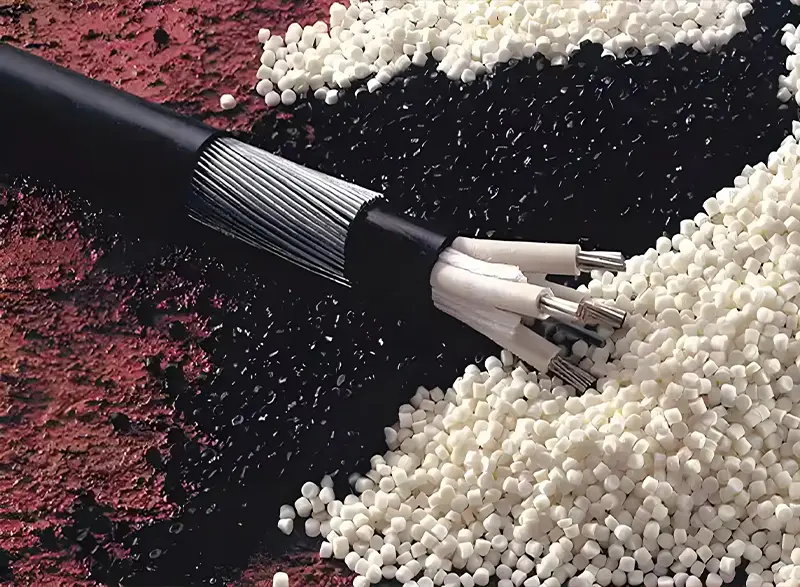

Our chemicals serve as fundamental components in advanced processing environments across global markets.

High-purity organic synthesis pathways and custom raw materials for high-efficiency insecticides and biological treatments.

Organo-functional silicone fluids and premium hydrocarbon resins that optimize texture, shelf-life stability, and moisture-barrier characteristics.
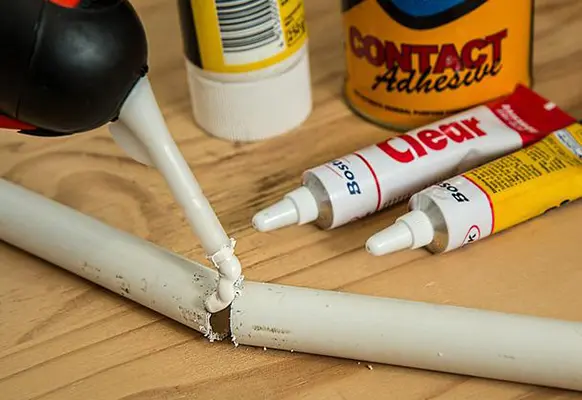
Tackifiers, crosslinkers, and adhesion promoters optimized for heavy automotive, aerospace, and structural civil construction.
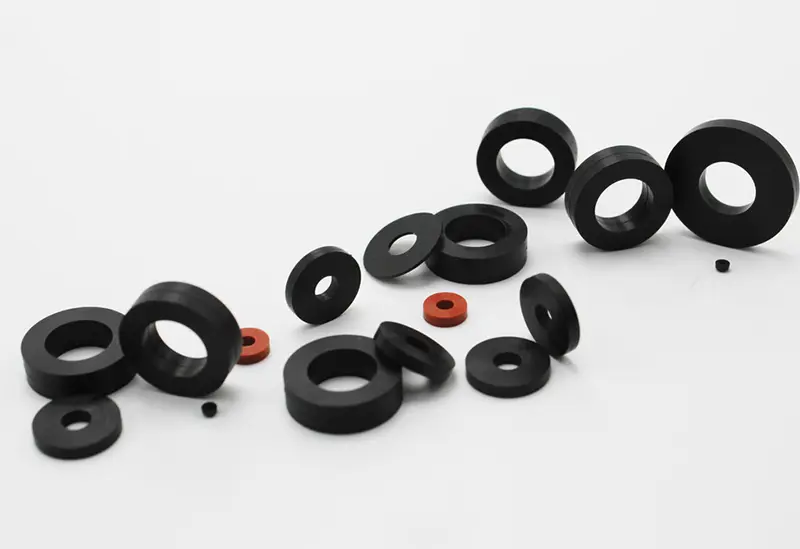
Sulfur-silane coupling and alkyl-silane treatment parameters that improve silica dispersion in green tires and high-durability seals.
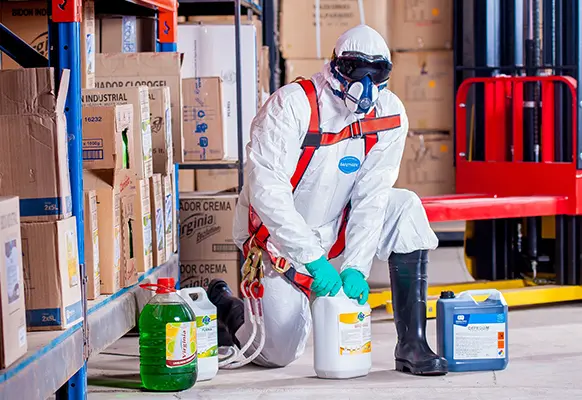
Improving chemical resistance, surface hardness, and anti-graffiti properties through specialized silane monomer grafting.
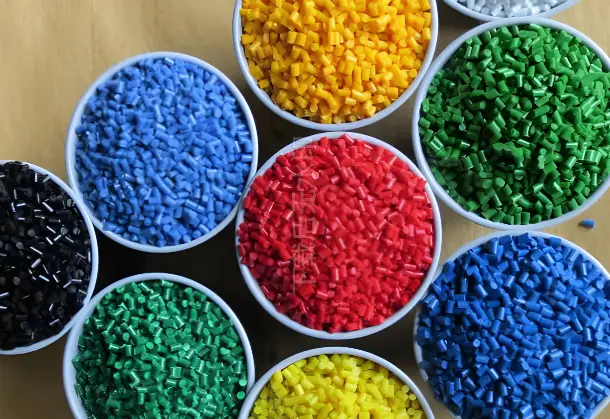
Optimizing filler compatibility to reduce melt viscosity during extrusion, while enhancing mechanical yield and impact resistance.
As a prominent manufacturer and global supplier, Shandong Boctok Chemical Co. maintains an integrated sales, logistical, and technical response network designed for seamless delivery. In 2023, our trade footprint achieved sales of US$280 million, reflecting deep partnerships across North America, Europe, Japan, South Korea, Australia, South America, the Middle East, India, Southeast Asia, and Russia.
We recognize that modern industrial procurement involves complex regional compliance, trade customs, and specific storage requirements. To address these demands, our business units have integrated three core service models:
Our Shouguang City manufacturing site is engineered for sustainability. Operations feature state-of-the-art waste gas collection systems and closed-circuit wastewater treatment systems. This ensures full compliance with environmental protection regulations, helping client organizations maintain responsible supply chains without compromising chemical performance.
The silane coupling industry is transitioning toward greener chemistry, reduced VOC emissions, and application-specific molecule designs. Our technical roadmap focuses on three strategic pillars:
Standard triethoxysilanes release ethanol during the bonding phase, while trimethoxysilanes release methanol. To support strict occupational health standards, Boctok is researching oligomeric and water-dispersible silane systems. These systems form stable aqueous emulsions, eliminating volatile solvents and organic emissions during substrate preparation.
With the expansion of 5G/6G communication systems and high-density semiconductor packaging, requirements for ultra-low dielectric losses (Df) and dielectric constants (Dk) are soaring. Our future product line will introduce ultra-pure, low-halide phenyl and propyl silane derivatives, designed for next-generation copper clad laminates (CCL) and micro-circuit boards.
Our hydrocarbon resin research center is actively developing bio-based hydrocarbon resins and investigating renewable chemical inputs from co-product cracking systems. Our goal is to decrease carbon intensity while maintaining identical adhesive performance in hot-melt sealants and pressure-sensitive tapes.
Expert answers to chemical mechanics, processing guidelines, and storage parameters.
The core difference lies in the hydrolysis rate and the byproduct released. Trimethoxysilanes hydrolyze much faster than triethoxysilanes, but they release toxic methanol. Triethoxysilanes (PTEO) release non-toxic ethanol, making them safer for user application, environmental compliance, and worker health, while providing a more controlled hydrolysis rate that allows for a more uniform coating thickness.
Under sealed conditions, protected from atmospheric moisture and kept at ambient temperatures (below 30°C/86°F), PTEO has a shelf life of 12 to 18 months. Because the molecule hydrolyzes easily upon contact with ambient humidity, containers must be kept tightly closed. Nitrogen purging is highly recommended when resealing partially used containers.
Our production facilities utilize automated Distributed Control Systems (DCS) combined with Safety Instrument Systems (SIS). These systems monitor reactions in real-time, tracking temperature profiles, pressure indicators, and raw material feeds. Each batch undergoes gas chromatography (GC) testing to ensure chemical composition, purity, and reactive index consistency before packaging and shipment.
Yes. Although silanes typically undergo hydrolysis upon contact with water, stable aqueous solutions or emulsions can be formulated using suitable surfactants and pH stabilizers. Maintaining a neutral or slightly basic pH inhibits self-condensation, keeping the hydrolyzed silanol groups stable in solution until dry-down and curing.
Explore our targeted product range, formulated to meet demanding global quality criteria.
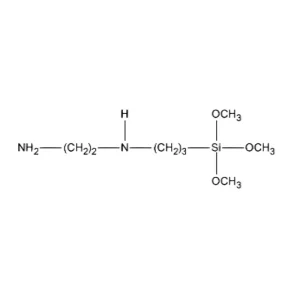
 Boctok Chemical