Explore our first selection of globally trusted organosilicon compounds, specialized catalysts, and fine chemical formulations.
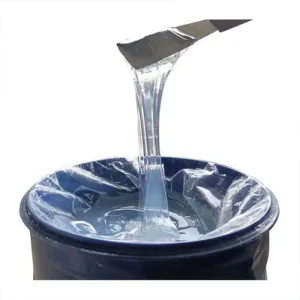
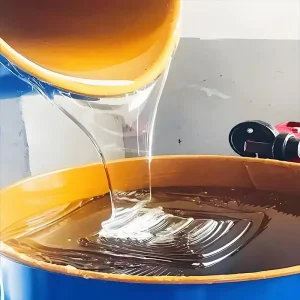
The global demand for Precision Electronic Liquid Silicone Rubber (LSR) has seen exponential growth over the past decade, primarily fueled by the rapid expansion of the electric vehicle (EV) sector, micro-electronics packaging, and 5G network infrastructures. Liquid Silicone Rubber is unique due to its outstanding thermal stability, superior dielectric strength, low compression set, and remarkable flexibility across extreme temperature ranges. As electronic components become smaller and more integrated, standard high-consistency rubber (HCR) and traditional injection-molded plastics are failing to meet the tight tolerances required by modern electronic designers.
Today, the precision electronic LSR ecosystem is a highly specialized market where material science meets extreme mechanical design. The material must sustain high performance under demanding conditions: resisting ozone, UV light, moisture, and high thermal currents within compact component housings. Globally, tier-one electronic suppliers demand LSR compounds that feature rapid curing cycles, excellent self-bonding properties to diverse substrates, and ultra-high chemical purity to prevent contact contamination. Suppliers capable of delivering high-transparency optical LSR and low-volatile, post-cured products command a significant portion of the premium market share.
| LSR Product Classification | Core Chemistry Profile | Dielectric Strength (kV/mm) | Thermal Range (°C) | Primary Electronic Application |
|---|---|---|---|---|
| Optical Grade LSR | High Phenyl / Vinyl Dimethyl Polysiloxane | > 22 | -60 to +200 | LED Lenses, Sensors, Optical Waveguides |
| Self-Lubricating LSR | Phenyl-modified Dimethicone Copolymers | > 20 | -50 to +180 | Wire Harness Connectors, Automotive Gaskets |
| Thermal Conductive LSR | Alumina / Boron Nitride Filled Siloxane | > 18 | -45 to +150 | Thermal Interface Pads, Semiconductor IC Seals |
| Fluorosilicone LSR (F-LSR) | Trifluoropropylmethyl Polysiloxane | > 19 | -65 to +220 | Fuel Gaskets, Aerospace Connectors, Harsh Seals |
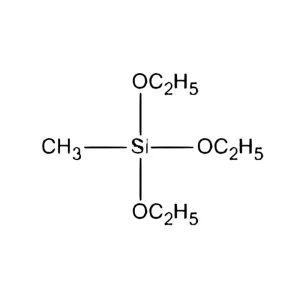
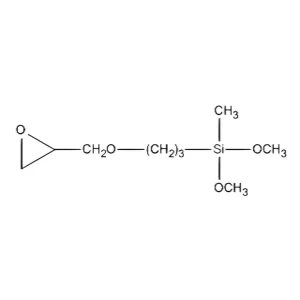
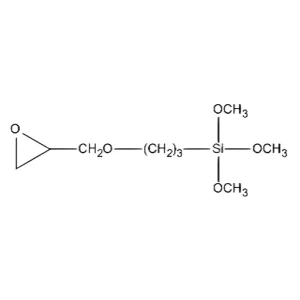
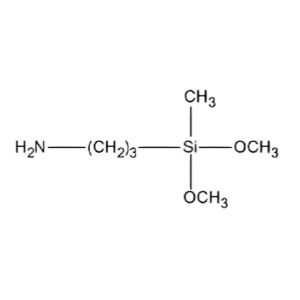
At the chemical heart of precision electronic LSR processing lies the optimization of interfaces between organic polymers and inorganic surfaces. Silane coupling agents represent a crucial technology bridge, enabling the modification of surface energies to guarantee robust adhesion. Compounds such as epoxy silanes (e.g., 3-(2,3-epoxypropoxy)propyltrimethoxysilane) and aminosilanes act as adhesion promoters. By forming strong covalent bonds with silica fillers within the silicone formulation and with the substrate (metal, glass, or FR4 board), silane coupling agents prevent delamination in moisture-rich environments, extending the operational life of consumer electronics.
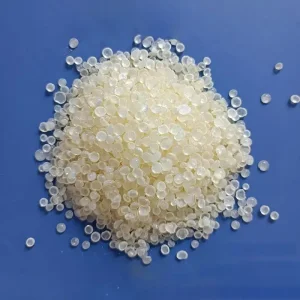
Additionally, the integration of hydrocarbon resins (C5 and C9 petroleum resins) provides necessary thermoplastic modification properties. These materials optimize melt flow rheology and tackifying behavior, which are vital for adhesives used in circuit board protection and automotive body seals. The combination of advanced hydrocarbon chemistry with precise organosilicon polymers allows Boctok to customize the physical characteristics of silicone adhesives, ensuring high performance in diverse localized scenarios.
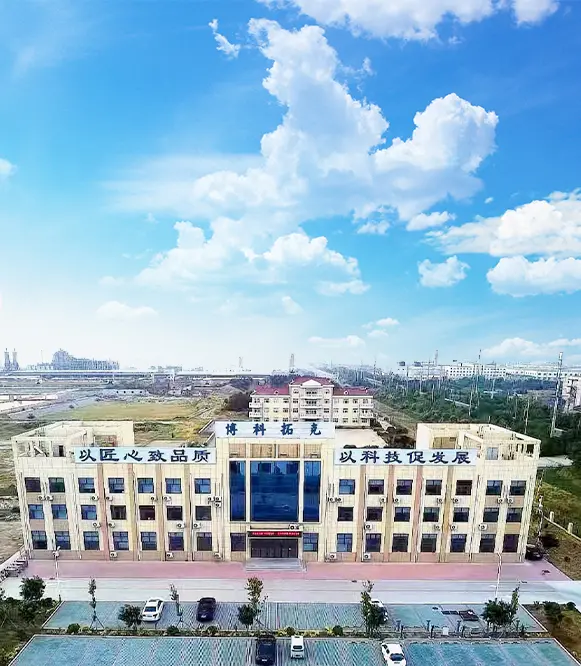
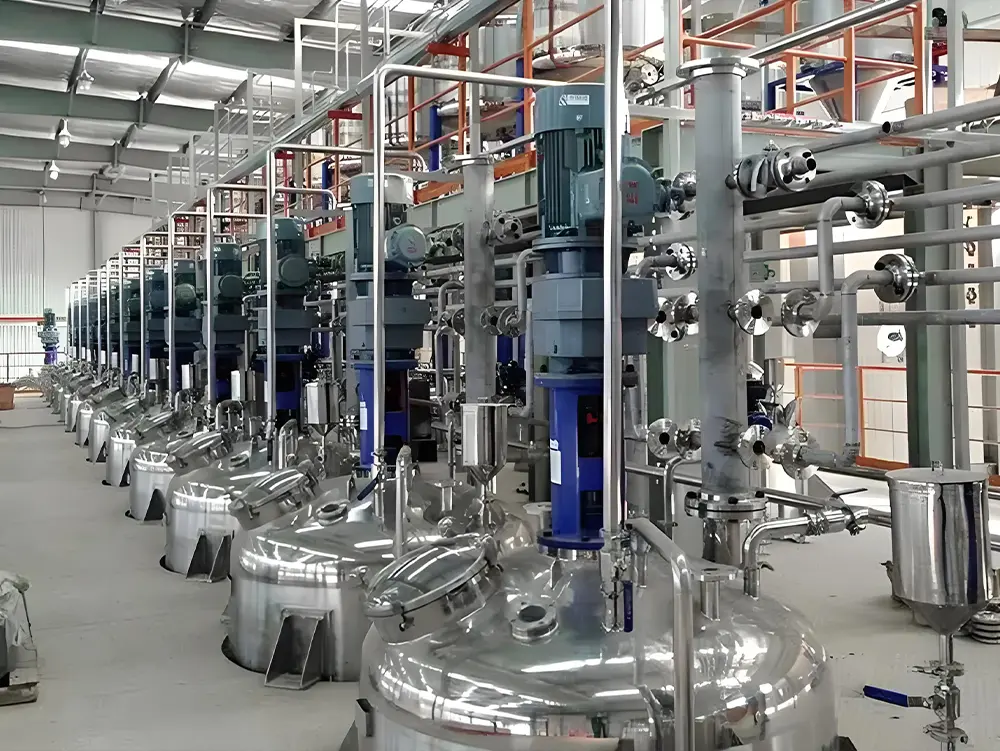
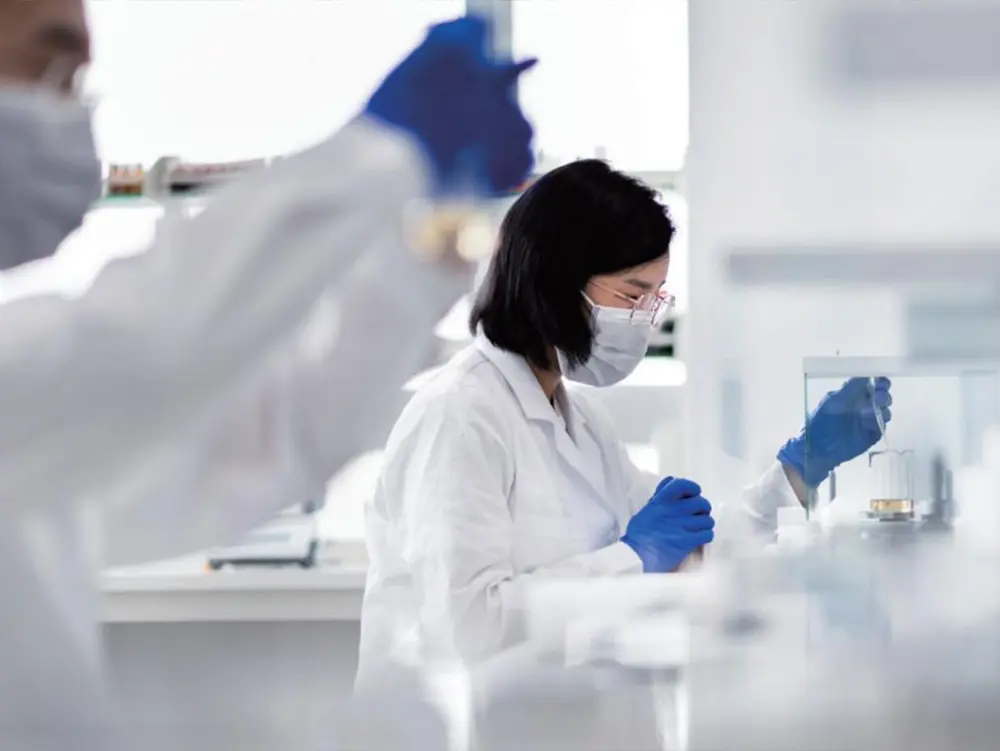

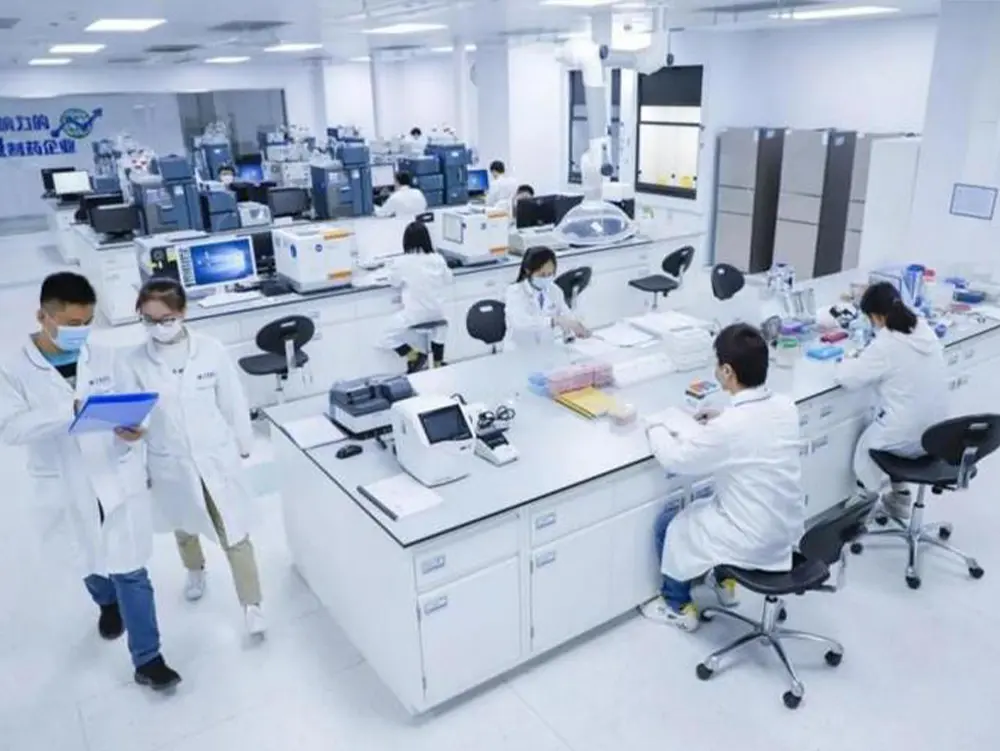
Shandong Boctok Chemical Co. was founded in 2012 as a global marketing and sales center for Boctok™ domestic and overseas businesses. Demonstrating our robust positioning in the industrial chemical supply chain, we achieved sales of US$280 million in 2023. The BOCTOK brand specializes in serving the Russian market and global industrial sectors that require high-purity silanes, silicone rubbers, and petroleum resins.
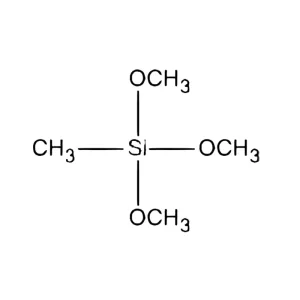
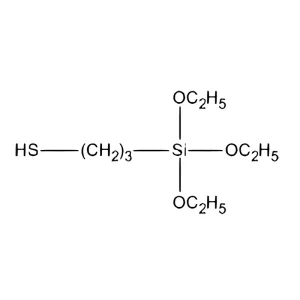
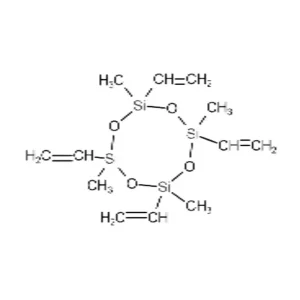
Boctok has three main product categories. Our core business of organosilicone covers twelve series of silane coupling agents and crosslinkers, including aminosilane, methacrylate silane, epoxy silane, vinyl silane, mercaptosilane, alkyl silane, ethyl silicate, chlorosilane, silane isocyanates, phenyl silane, ureidosilane, and serosilane.
We also focus on high-performance silicone fluids and structural polymers, including high-hydrogen silicone oil, dimethicone, vinyl silicone oil, polyphenylmethyldimethylsiloxane, phenyl silicone oil, silanol silicone oil and OH polymer, alkoxy silicone oil, methyl MQ resin, vinyl VMQ resin, room-temperature vulcanized (RTV) methyl silicone rubber, 110 methyl vinyl silicone rubber, and 120 methyl phenyl rubber. Our solutions are widely used in glass fiber, electronics, wind energy, coatings, adhesives, XLPE electric cables, oil field drilling, and textiles.
Unlocking competitive advantages through advanced automation, scale, and strategic supply chain integrations in Shandong.

We implement rigorous ISO9001 and ISO14001 testing standards throughout our production cycles. Our materials are fully traceable, and our digital monitoring guarantees batch-to-batch consistency for critical high-tolerance electronics applications.

With our recently invested US$65 million plant in Bohai Industrial Park, Shouguang City, we operate 6 automatic DCS remote control production lines. This allows us to scale production efficiently to 30,000 tons of silane coupling agents annually, maintaining low overheads.

Our engineering and business support teams are online 24/7. We offer localized application consulting, material troubleshooting, and fast response times to match the rapid production sprints of global electronics manufacturers.

Taking advantage of abundant raw materials from SINOPEC and PetroChina, our factories in Zibo, Fushun, and Nanjing ensure minimized supply chain risk and optimized freight paths, resulting in fast order processing and reliable global delivery.
Strengthening our chemical portfolio with SINOPEC & PetroChina integrations for Fortune 500 corporations.
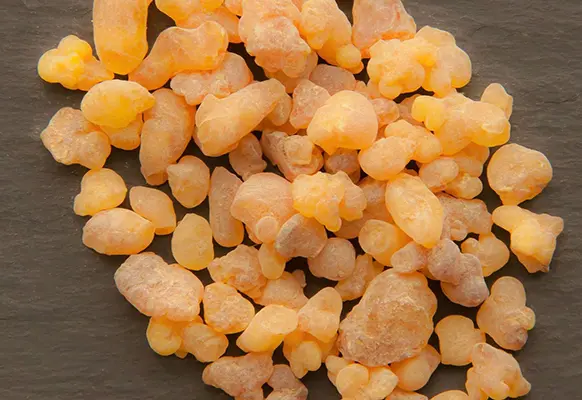
In addition to organosilicone materials, Boctok operates three key hydrocarbon resin factories in Zibo, Fushun, and Nanjing. Our products include C5 hydrocarbon resins, C9 hydrogenated resins, and cyclopentadiene derivatives. These materials serve as key raw inputs for many Fortune 500 companies in adhesives, road marking paints, and plastic modification, ensuring high heat stability and tack retention.

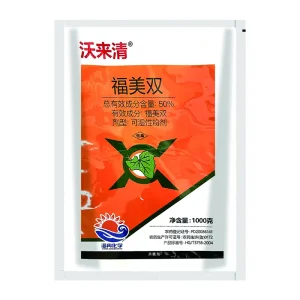
Boctok acts as an essential manufacturer of intermediates and raw chemical components for the agricultural industry. We specialize in producing raw materials for targeted pesticides, eco-friendly fungicides, crop insecticides, seed treatments, herbicides, and plant growth regulators. Our advanced environmental protection systems, including state-of-the-art waste gas and wastewater treatment facilities, guarantee that our manufacturing practices align with global environmental policies.
Supplying specialized chemical formulations for critical agricultural, industrial, and technology sectors.





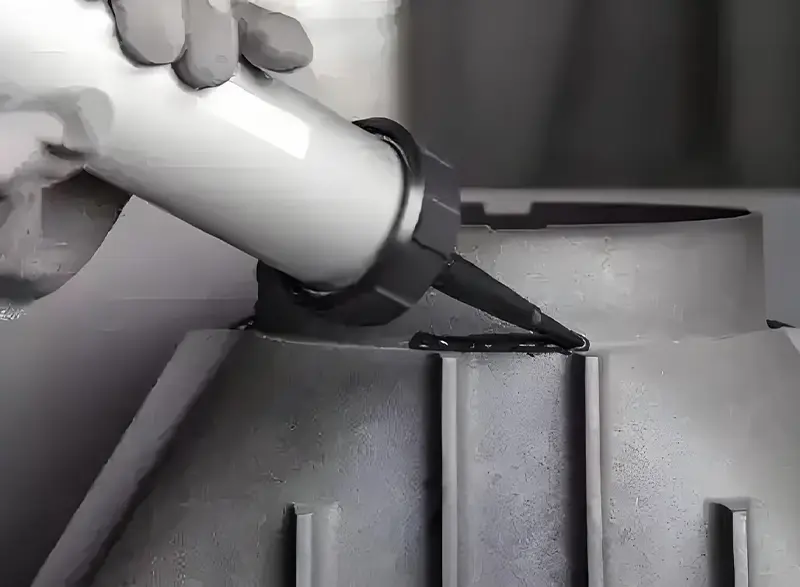

Browse our targeted material applications across the automotive, biomedical, electronic, and industrial fields.
 Pharmaceutical & Pesticide Industry
 Cosmetics & Personal Care (Petroleum Resins)
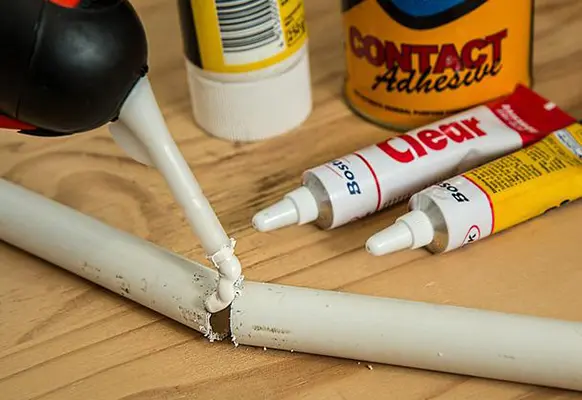 Industrial Adhesives (Petroleum Resins)
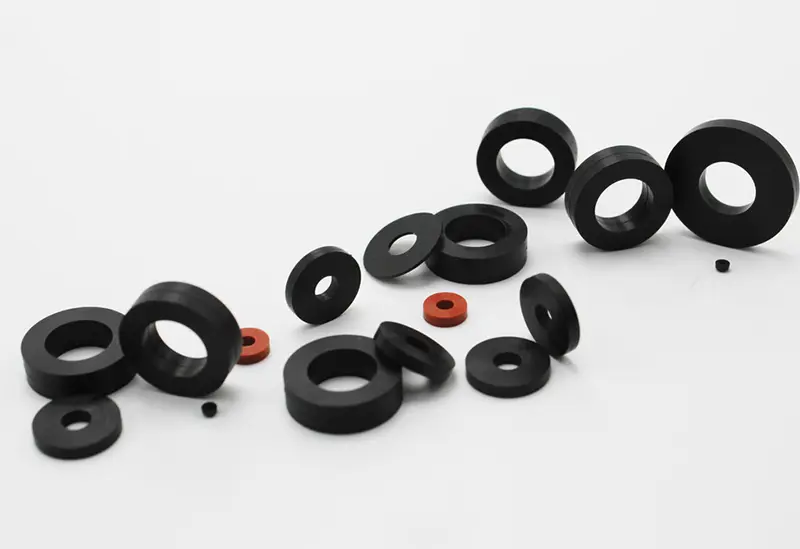 Rubber Industry
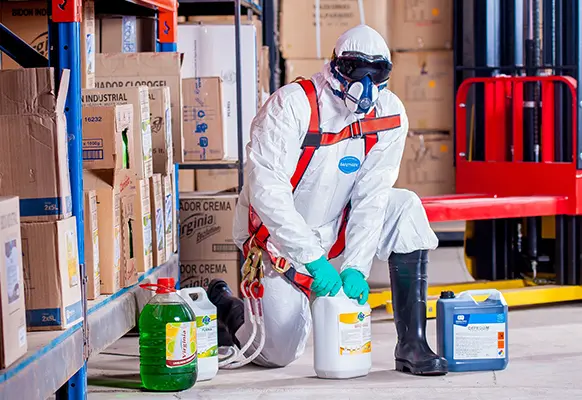 Paints & Coatings (Petroleum Resins)
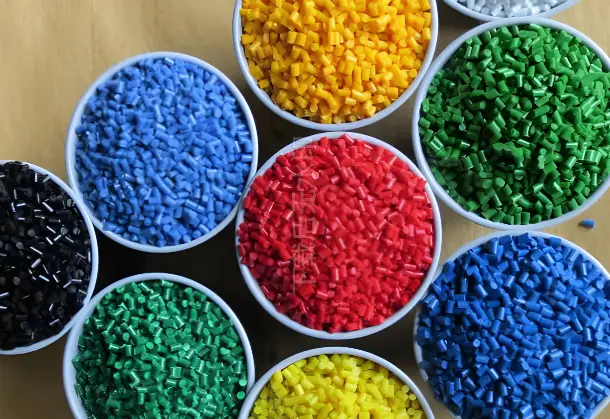 Plastics Industry (Petroleum Resins)
 Pesticides
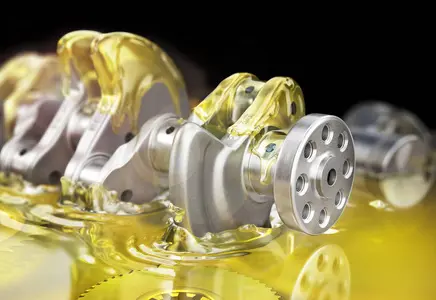 Self-lubricating LSR
 Antifoaming Agent
 Drywall
Cosmetics & Personal Care (Silicone Oil)
Drywall
Cosmetics & Personal Care (Silicone Oil)
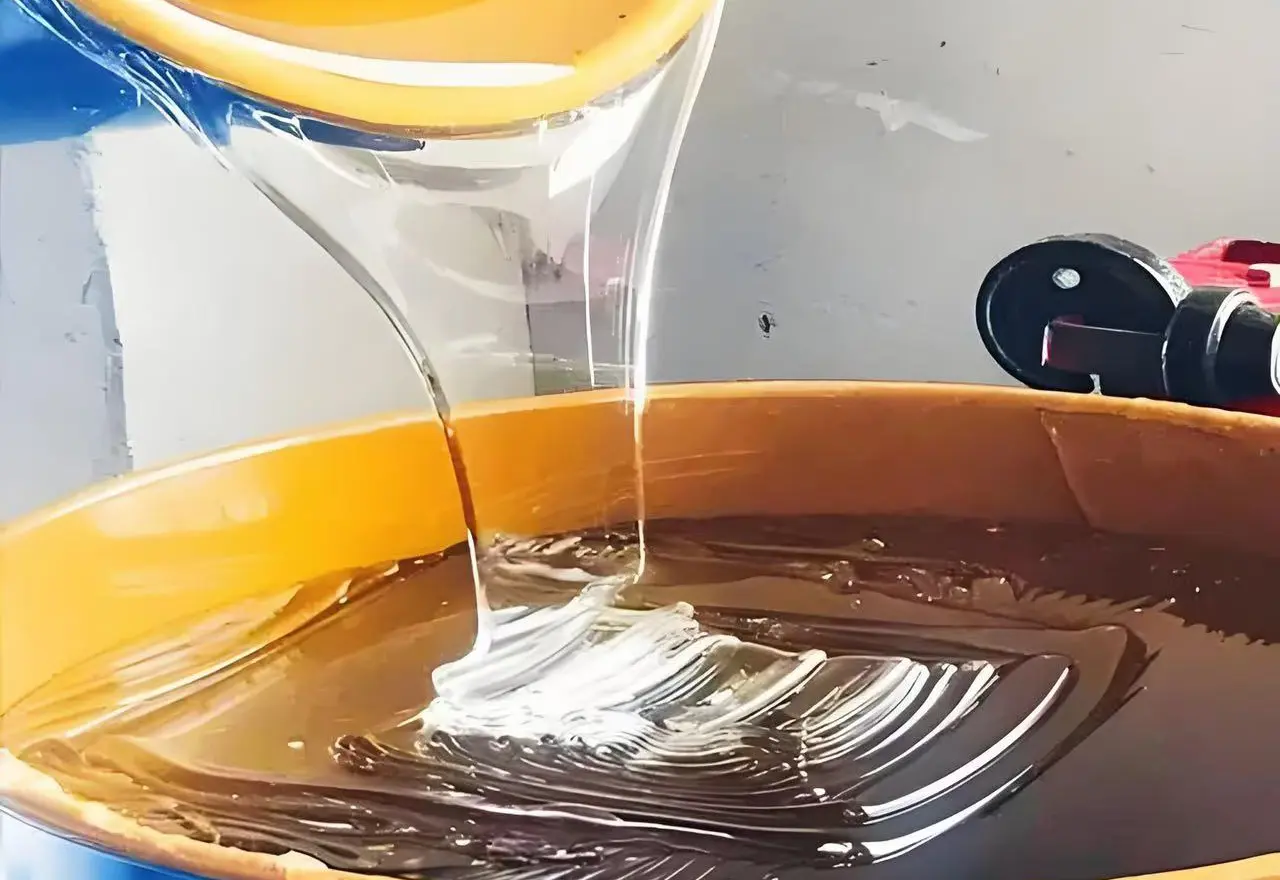 Silicone Liquids
 Automotive, Marine & Aviation
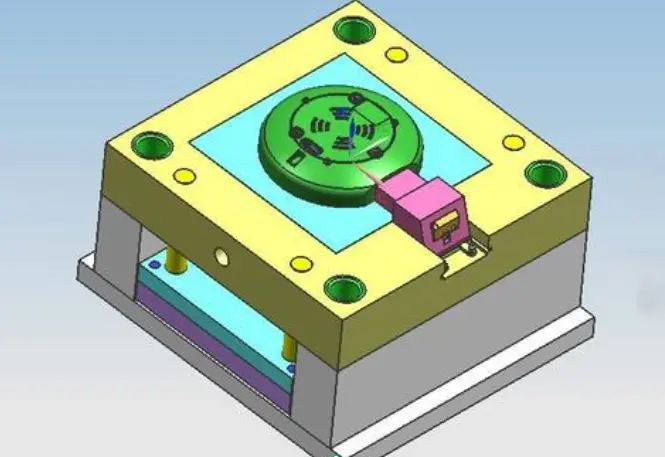 Molding & Casting Forms
 Electronics Industry
 Construction Industry
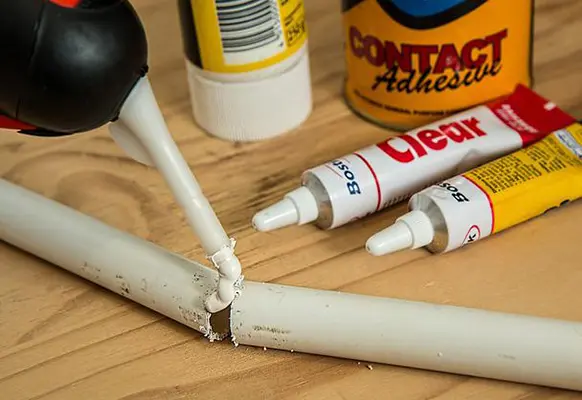 Construction Adhesives & Sealants
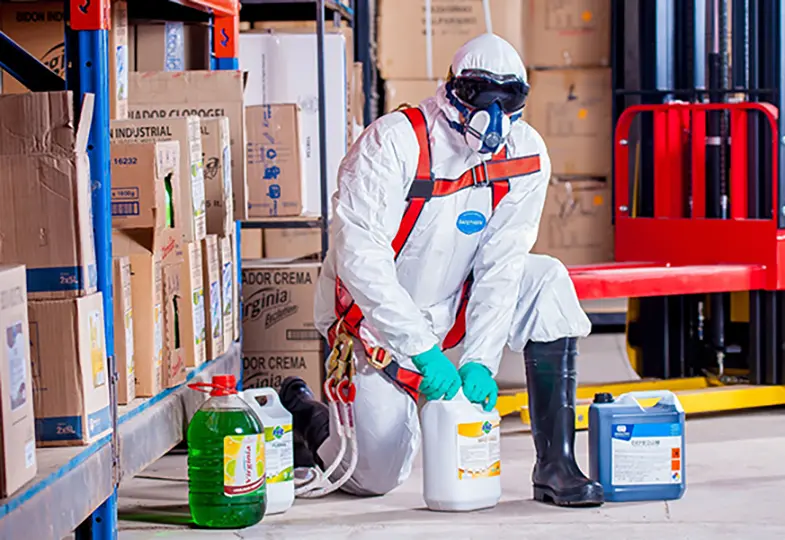 Paint & Varnish Coatings
 Metal Surface Treatment
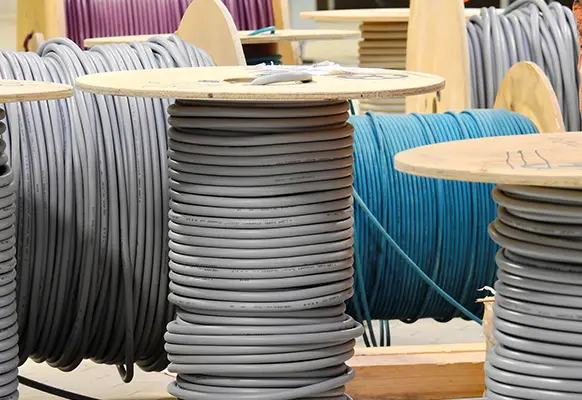 Wire & Cable Insulation
Understanding the transition to ultra-low volatile silicones, smart polymer integration, and sustainable chemistry from 2025 onwards.
Global standards such as EU REACH and EPA are tightening limits on volatile organic compounds (VOCs) and cyclic siloxanes (D4, D5, D6). The industry is transitioning toward advanced vacuum-stripping methodologies to keep cyclic content below 0.1%, protecting delicate sensor electronics.
There is a high demand for self-bonding LSR formulations that bond directly to polyamides, polycarbonates, and metals without the need for an external primer. This reduces assembly steps, cycle times, and structural points of failure in precision consumer electronics.
With the expansion of wearable medical monitoring devices and IoT interfaces, the integration of conductive carbon black, graphite, and metal particles into the LSR matrix is paving the way for flexible electrodes, skin-safe sensors, and EMI shielding solutions.
Expert insights into liquid silicone rubber processing, material specifications, and global sourcing strategies.
Explore our second selection of high-purity silanes, specialized crosslinkers, and chemical fluids.
 Boctok Chemical