Explore our top-tier industrial silanes, specialty chemical formulations, and compound resins engineered for exceptional performance.
Founded in 2012, Shandong Boctok Chemical Co. serves as the premier global marketing, sales, and manufacturing hub for Boctok™ domestic and international organosilicone endeavors. Leveraging state-of-the-art chemical synthesizing technologies, we achieved an annual sales volume of US$280 million in 2023. Under the globally recognized BOCTOK brand, we have established comprehensive service structures tailored specifically for complex industrial requirements, including a dedicated focus on the Eurasian and Russian industrial markets.
Our operations cover three major chemical categories: high-performance organosilicones (featuring 12 advanced series of silane coupling agents and crosslinkers), hydrocarbon petroleum resins (C5, C9, and hydrogenated variants), and specialized intermediates for crop protection and agricultural chemistry. Through vertical integration, raw material security, and technological dominance, Boctok provides critical chemical building blocks that power Fortune 500 enterprises globally.
Comprehensive technical analysis of the macromolecular advancements shaping modern material science.
Polysiloxane resins are increasingly hybridized with epoxy, acrylic, and polyester systems. This chemical union delivers unmatched UV degradation resistance and thermal stability up to 600°C. Modern aerospace, marine, and electronic sectors rely on these hybrids for protective coatings that outperform organic alternatives by a factor of five in corrosive and high-temperature environments.
Global environmental mandates, including REACH and TSCA, are forcing a shift away from high-VOC solvent-based formulas. Our latest research focuses on waterborne alkoxy silanes and high-purity organosilicon crosslinkers. These developments dramatically lower ethanol and methanol byproducts during hydrolysis, making them ideal for high-spec green building designs and automotive interior components.
Highly branched, three-dimensional macromolecular MQ and VMQ resins are vital for reinforcing liquid silicone rubber (LSR) and pressure-sensitive adhesives (PSAs). By precisely adjusting the Monomer-to-Quadrate (M:Q) ratio, we customize tack, cohesive strength, and thermal durability. This capability supports next-generation thermal interface materials (TIMs) used in electric vehicle battery packs and high-power electronics.
A comprehensive overview of our three core divisions operating under international chemical safety standards.
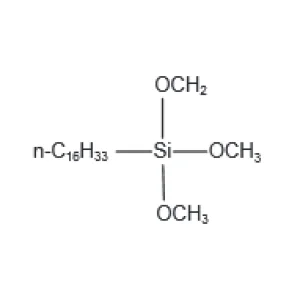
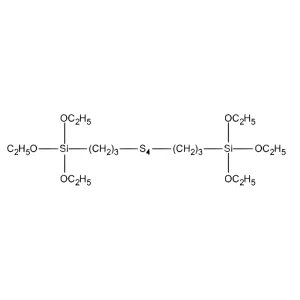
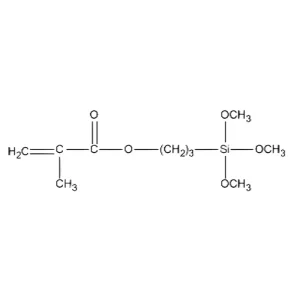
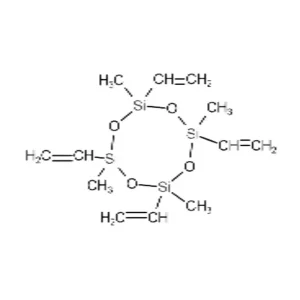
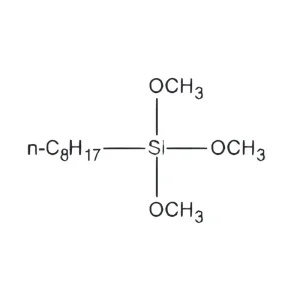
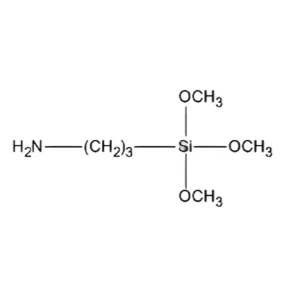
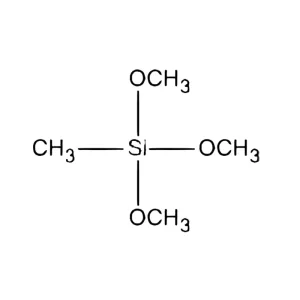
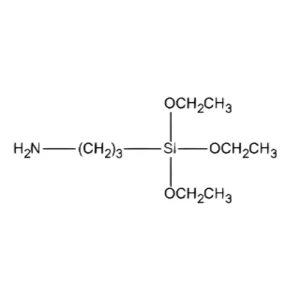
Our flagship business produces 12 distinct series of silane coupling agents and crosslinkers. This includes aminosilane, methacrylate silane, epoxy silane, vinyl silane, mercaptosilane, alkyl silane, ethyl silicate, chlorosilane, silane isocyanates, phenyl silane, ureidosilane, and serosilane.
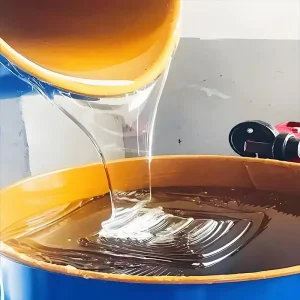
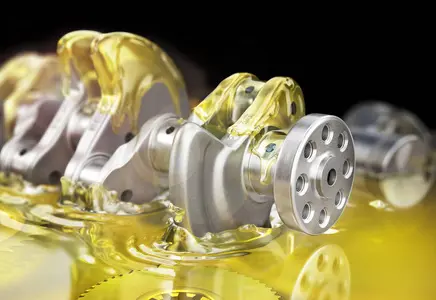
Additionally, our silicone oil, resin, and rubber lines deliver key functional materials such as high-hydrogen silicone oil, dimethicone, vinyl silicone oil, polyphenylmethyldimethylsiloxane, phenyl silicone oil, silanol silicone oil, OH polymer, alkoxy silicone oil, methyl MQ resin, vinyl VMQ resin, room-temperature vulcanized methyl silicone rubber, 110 methyl vinyl silicone rubber, and 120 methyl phenyl rubber. These products are widely utilized to improve performance in glass fiber, wind energy composites, XLPE power cables, and aerospace sealants.
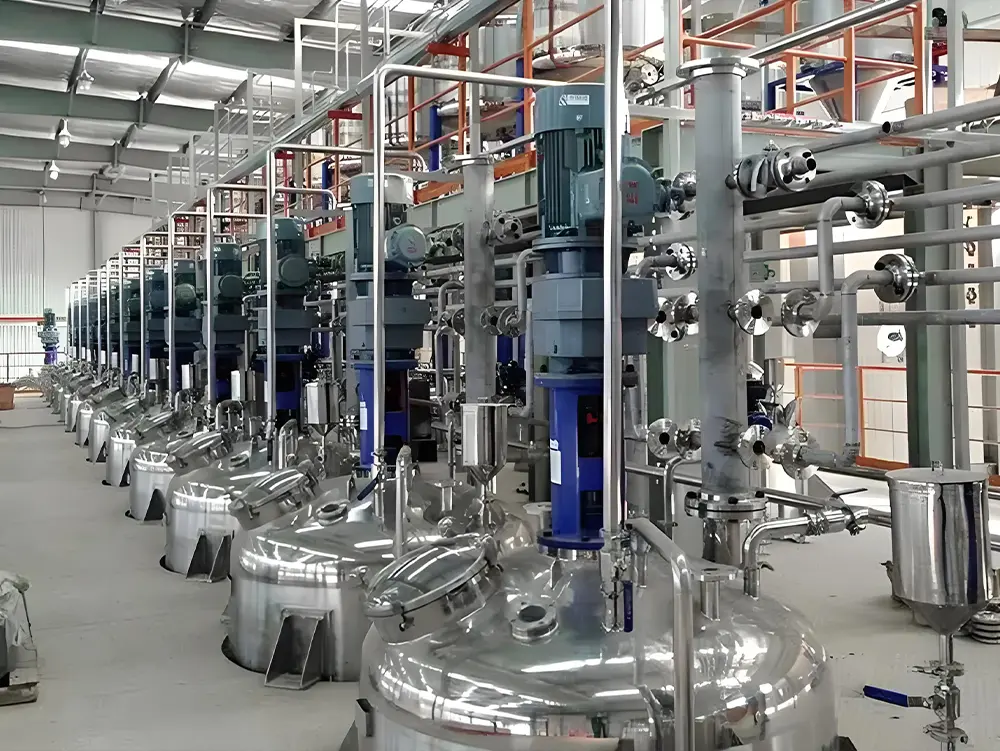
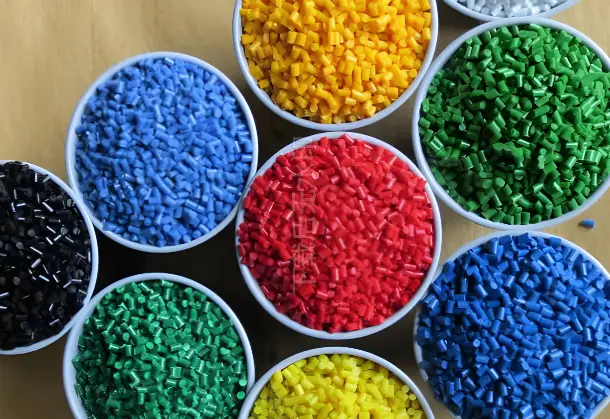
We operate three advanced hydrocarbon resin plants in Zibo, Fushun, and Nanjing, sourcing raw materials directly from SINOPEC and PetroChina. This secure supply chain guarantees cost-competitive, high-quality production of C9 hydrogenated resins, C5 hydrocarbon resins, C5 modified C9 resins, C9 hydrocarbon resins, dicyclopentadiene (DCPD), and methyl cyclopentadiene dimer.
These resins are critical for hot-melt adhesives, road marking paints, printing inks, and rubber compounding. They provide excellent thermal stability, chemical resistance, and compatibility with various polymers, helping us secure a strong presence among global Fortune 500 companies.
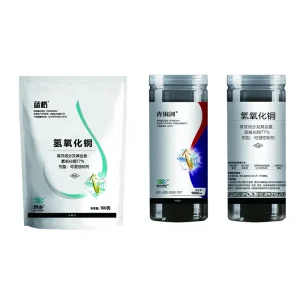
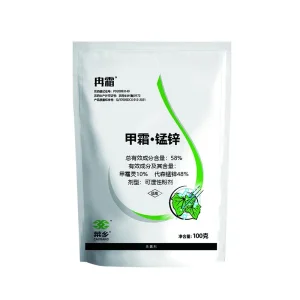
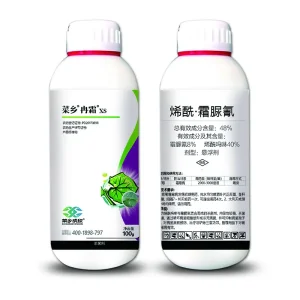
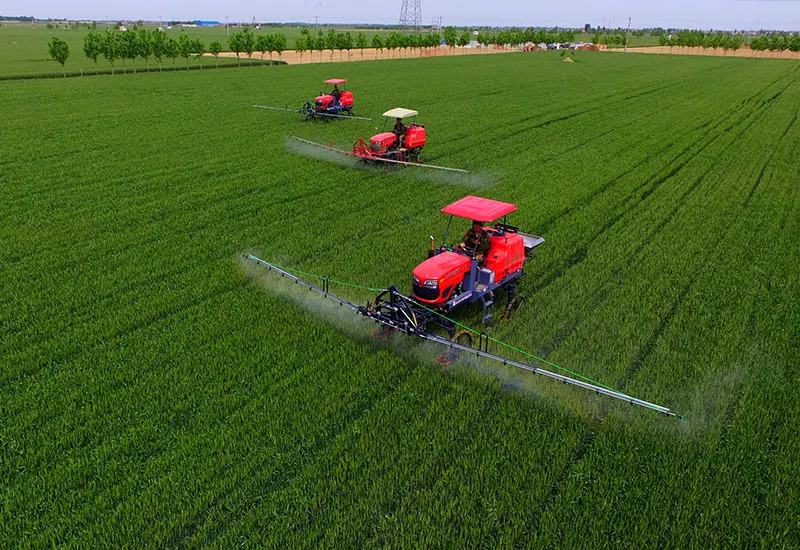
Boctok also serves the agricultural chemical sector, producing high-purity intermediates and active ingredients for pesticides, fungicides, insecticides, seed treatments, herbicides, and plant growth regulators. Through advanced synthesis technologies and rigorous quality control, we supply the crop protection products essential to sustaining global agriculture.
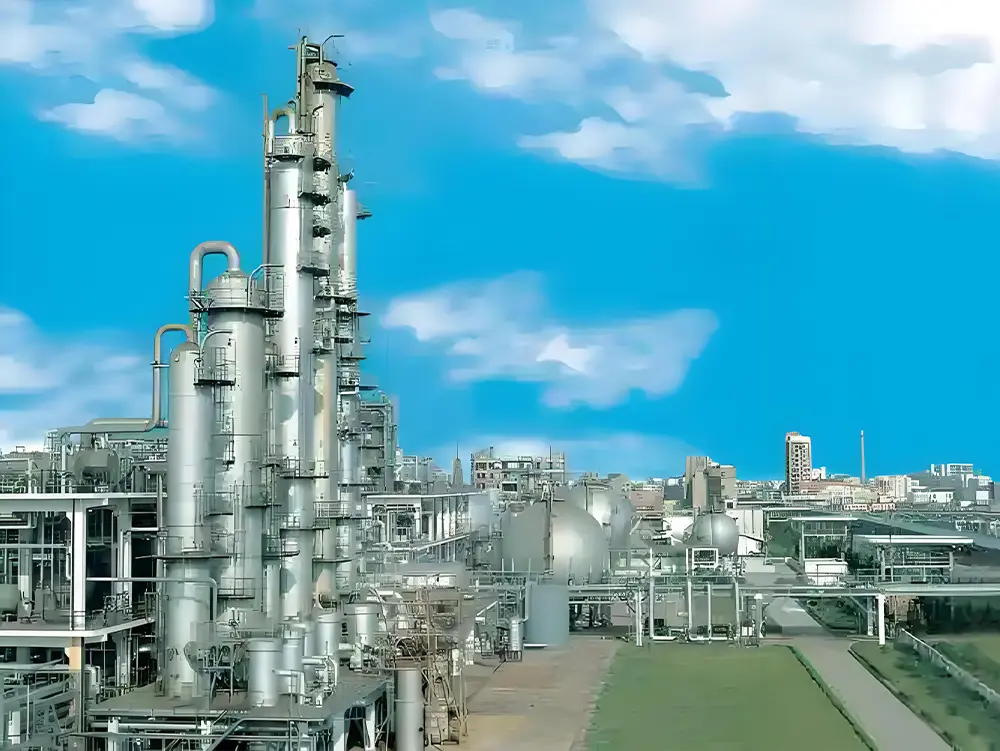
Addressing supply chain challenges, quality assurance, and regional needs across global markets.
Today's procurement landscape requires reliable supply chains, consistent quality, and strict environmental compliance. Boctok addresses these challenges with integrated manufacturing, direct raw material partnerships, and expert technical support.

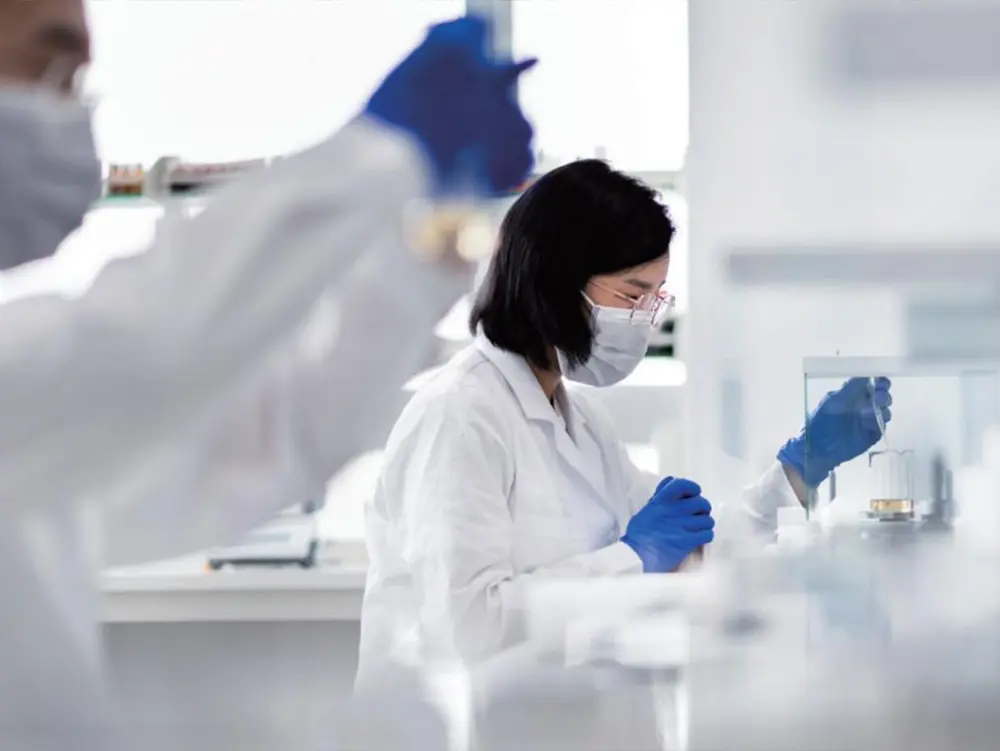
Our in-house laboratories run continuous GC-MS and FTIR testing, matching strict ISO 9001 standards to ensure batch-to-batch consistency for every delivery.

We customize molecular weights, viscosity levels, and active content percentages to meet specific client requirements, scaling smoothly from pilot batches to large-scale production.

Our dedicated chemical engineers provide round-the-clock technical service, assisting clients with formulation challenges, processing adjustments, and product selection.

Located near major shipping ports, we coordinate rail, sea, and land logistics to guarantee on-time international deliveries, supported by expert customs clearance handling.
How our organosilicones, resins, and agricultural materials perform in demanding environments.
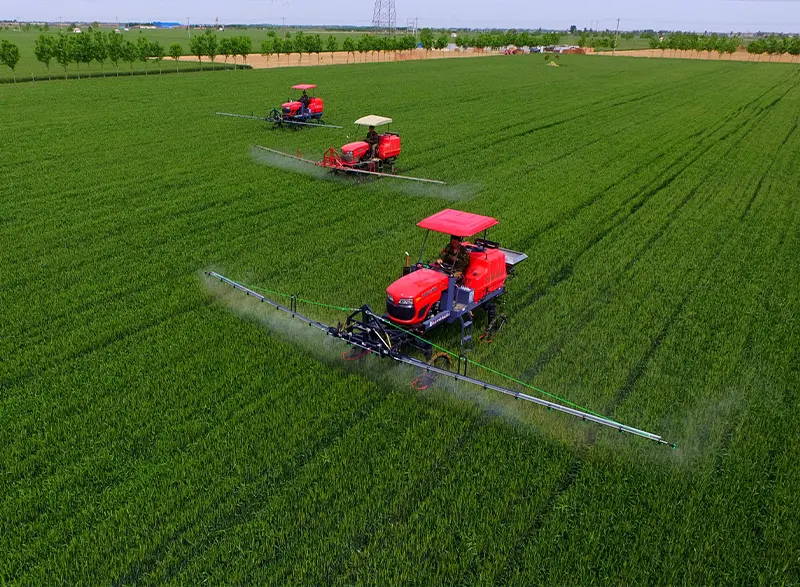
Organosilicone surfactants act as highly effective agricultural adjuvants, improving wetting and crop absorption for pesticide and fertilizer applications.
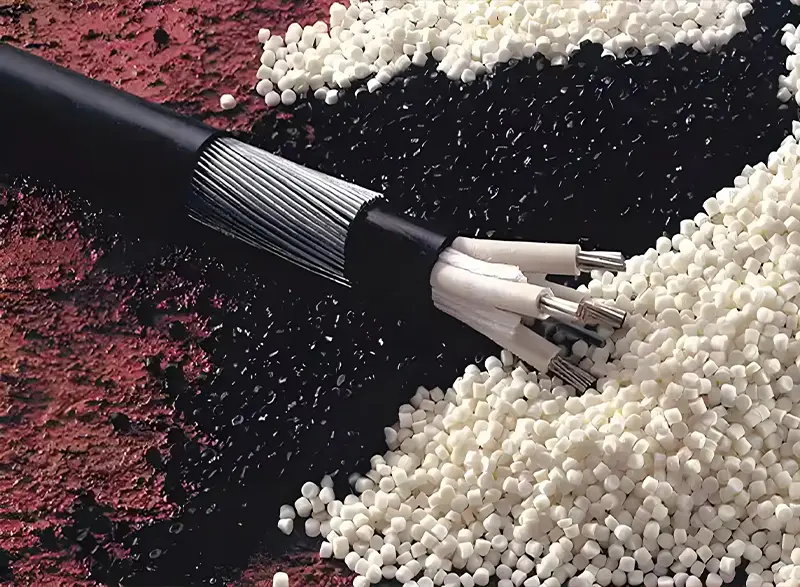
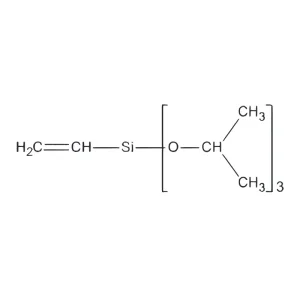
Our vinyl silanes are used in XLPE crosslinked polyethylene, providing moisture, heat, and high-voltage resistance for critical energy transmission infrastructure.
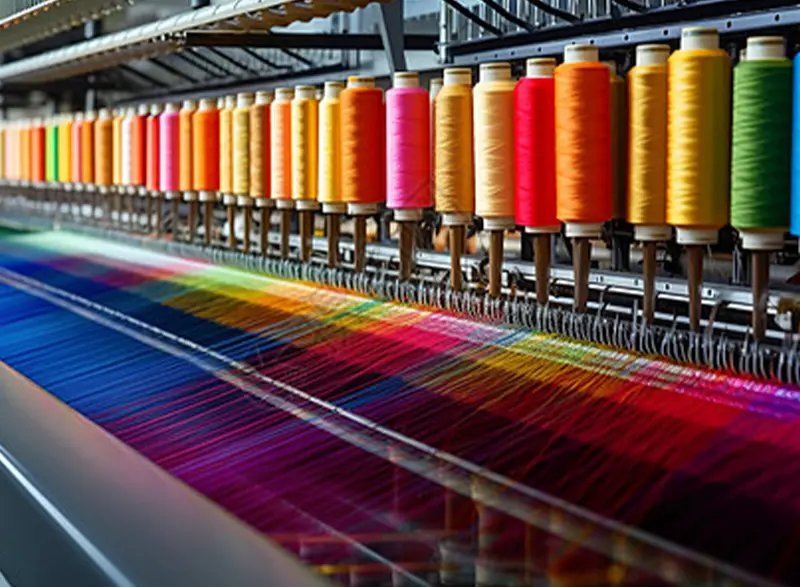
Silanol fluids and amino-functional silicone oils add softness, water repellency, and elasticity to modern commercial and consumer textiles.
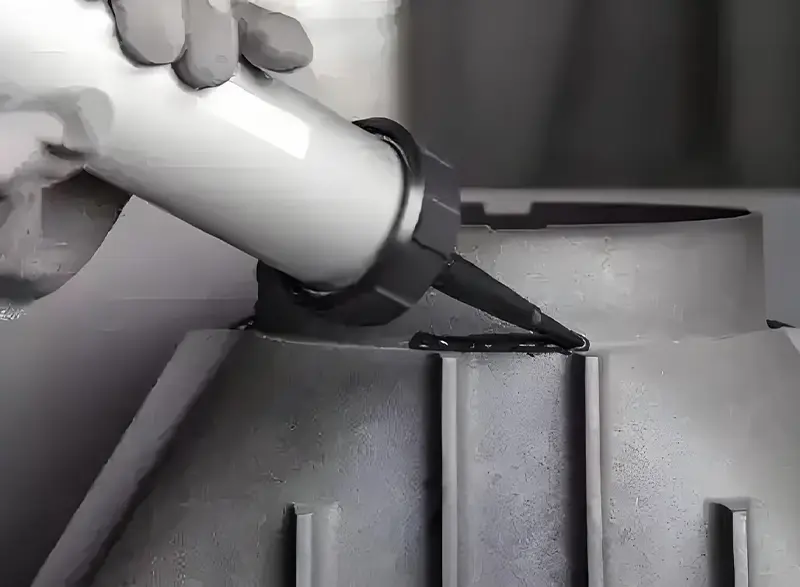
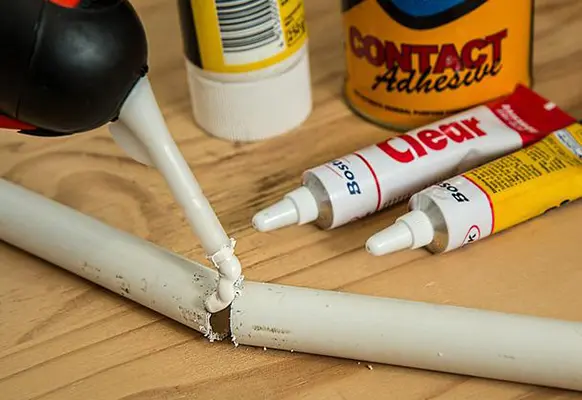
Using specialized silane coupling agents, adhesives gain stronger bond durability on glass, metal, and mineral substrates under humid or wet conditions.
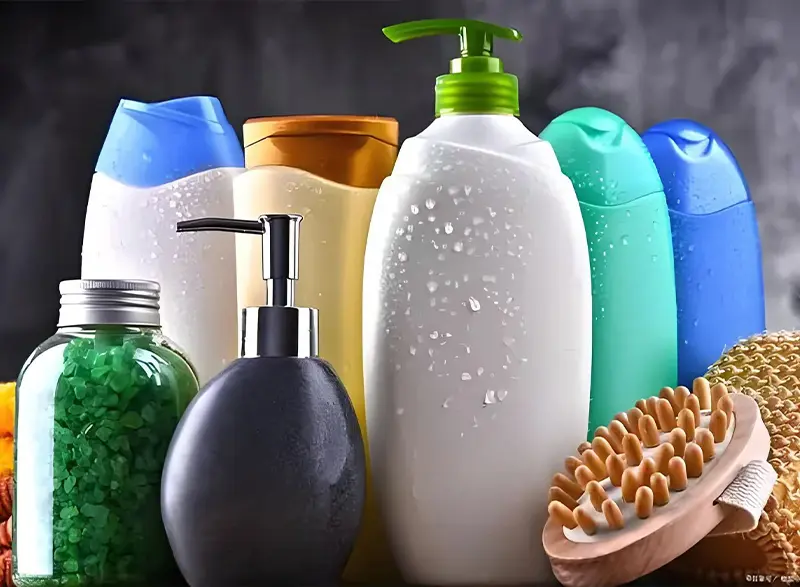
Our volatile dimethicones and phenyl silicone oils improve texture, spreadability, and shine in personal care and hair care formulations.
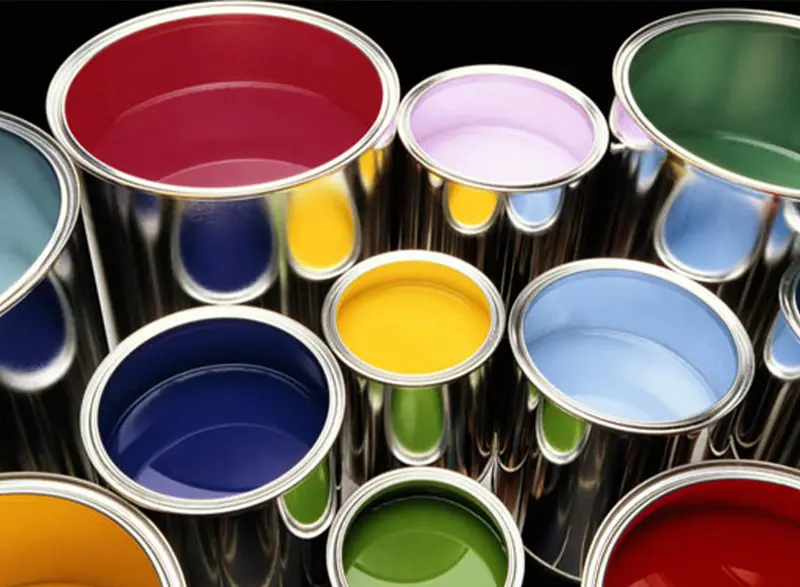
C9 hydrocarbon resins improve coating adhesion, hardness, and water resistance in heavy industrial, automotive, and marine paint systems.
Tracking our infrastructure investments and sustainable manufacturing initiatives.
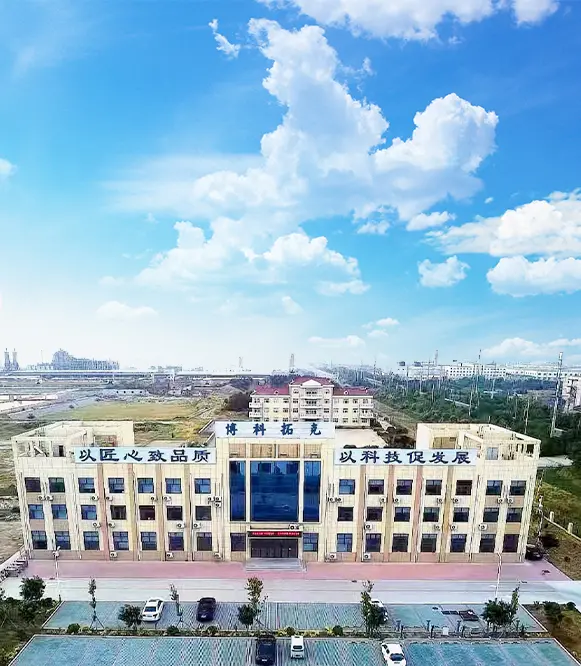
Located in Bohai Industrial Park, Shouguang City, this plant features 6 automated DCS production lines, adding 30,000 tons of annual capacity for high-purity silane coupling agents.
The facility integrates remote-control Distributed Control Systems (DCS) and Safety Instrumented Systems (SIS), matching strict ISO 9001 standards to ensure safe, stable manufacturing processes.
Equipped with advanced waste gas collection thermal incinerators and multi-stage biological wastewater processing systems, we focus on minimizing our environmental footprint.
Quick access to solutions engineered for specialized industries and technical applications.



Common questions answered by our research and development department.
Premium functional silanes, metal salts, and polymer additives for advanced formulations.
 Boctok Chemical