Explore our core selection of globally certified organosilicon formulations, crosslinkers, and specialized agricultural materials engineered for extreme precision.
![China Bis-[3-(triethoxysilyl)-propyl]amine](https://site.cdnfile.io/www.boctoksilicone.com/837bedcc9470a3ee1f202feb49d8ce69300_300.webp)
An authoritative analysis of structure-property relationships, material performance indicators, and structural shifts in organosilicon manufacturing.
Phenylsilanes—characterized by the presence of at least one direct silicon-carbon (Si-C) bond containing a phenyl group—occupy a critical niche in high-performance materials science. Unlike traditional alkylsilanes, the aromatic phenyl group imparts outstanding thermal stability, excellent UV resistance, high refractive index values, and superior radiation resistance. As global supply networks shift towards demanding aerospace, semiconductor, and renewable energy technologies, the requirement for premium, high-purity phenylsilanes has expanded dramatically.
The global commercial space relies on phenylsilane intermediaries to formulate high-temperature silicone resins, optical-grade materials, and robust coatings. The presence of the rigid benzene ring suppresses polymer crystallization, leading to exceptional low-temperature elasticity while simultaneously raising the upper decomposition threshold of the cured polymer matrix to well over 300°C. Current statistics indicate that the organosilicon materials sector is witnessing a compound annual growth rate (CAGR) of over 6.5%, with phenyl-functionalized derivatives outperforming standard methyl-silicones in high-value segments due to their superior crosslinking density and elevated chemical durability.
To understand why top manufacturers dedicate extensive research to phenylsilanes, we must look at the coordination chemistry of the silicon center. In molecules like phenyltrimethoxysilane (PTMS) and diphenyldimethoxysilane (DPDMS), the bulky phenyl ligands inhibit the hydrolytic cracking of the siloxane backbone. The steric hindrance of the phenyl ring shields the hydrolyzable alkoxy groups, allowing for controlled, stepwise condensation reactions. This makes them ideal for building hybrid organic-inorganic polymers (sol-gel matrices).
Furthermore, in optical applications, methyl-based silicones exhibit a refractive index of approximately 1.40. By introducing phenyl groups, the refractive index can be tuned up to 1.54 or higher. This optical tuning is critical for the production of encapsulation materials for high-brightness LEDs, optical fibers, and solar concentrators. The protection against UV degradation ensures that the materials do not yellow or undergo mechanical embrittlement over long operational life cycles.
"By replacing methyl side chains with phenyl rings on the polysiloxane backbone, the thermal decomposition temperature is elevated by 80°C to 100°C, and resistance to gamma radiation is increased by several orders of magnitude. This structural modification represents the pinnacle of heavy-duty elastomer engineering."
China has emerged as the premier manufacturing hub for bulk and specialty organosilicon compounds, led by companies like Shandong Boctok Chemical Co. The domestic chemical industrial parks offer deep integration with foundational raw material streams. Access to SINOPEC and PetroChina refineries ensures that precursor petrochemicals, chlorine, and raw silicon metal are processed in continuous, vertically integrated loops.
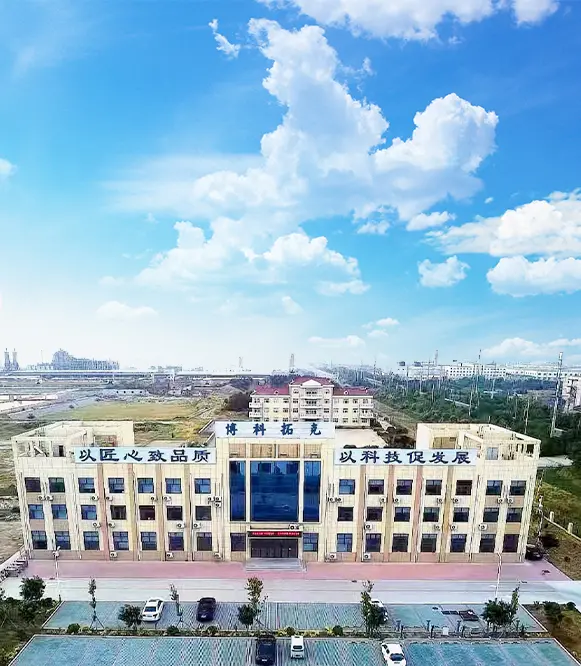
Shandong Boctok Chemical Co. has leveraged this geographic and infrastructural advantage by investing $65 million in a state-of-the-art facility in the Bohai Industrial Park, Shouguang City, Shandong Province. This complex utilizes 6 automated Distributed Control System (DCS) production lines, coupled with Safety Instrumented Systems (SIS), to output 30,000 tons of high-purity silane coupling agents annually. This high level of automation reduces batch-to-batch variation, maximizes raw material yield, and maintains strict energy efficiency parameters, allowing for highly competitive pricing models without sacrificing product purity or E-E-A-T compliance.
How we integrate engineering excellence, safety compliance, and custom syntheses to address complex industrial challenges.
Continuous process tracking ensures optimized reaction kinetics, eliminating micro-impurities in our phenylsilane and rubber compound lines.
Every step of the chemical synthesis undergoes rigorous testing in our specialized analytical testing center, featuring advanced GC-MS and FTIR instruments.
Equipped with state-of-the-art waste gas capturing scrubbers and closed-loop wastewater recycling, achieving near-zero carbon emission runs.
Organosilicon reagents are highly application-specific. In Europe and North America, strict environmental regulations dictate the shift towards low-VOC (volatile organic compound) paints, zero-VOC masonry water repellents, and halogen-free crosslinked polyethylene (XLPE) cables. Our aminosilanes and epoxy silanes act as high-efficiency adhesion promoters in these sectors, ensuring compatibility between organic binders (such as polyurethanes, epoxies, and acrylics) and inorganic substrates (glass fibers, silica, and mineral fillers).
In APAC and Russia, major investments in high-voltage infrastructure and oil/gas exploration have increased the demand for specialized silicone rubbers. In Arctic drilling platforms and high-speed electrical corridors, the 120-type methylphenyl rubber provides outstanding resistance to extreme temperatures (-60°C to +300°C) and corrosive media. Concurrently, the petroleum resin division of Boctok delivers high-grade C5 and C9 hydrogenated resins to hot-melt adhesive manufacturers, enhancing initial tack, thermal resistance, and overall mechanical performance.
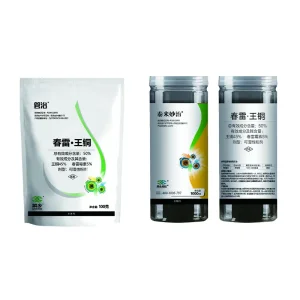
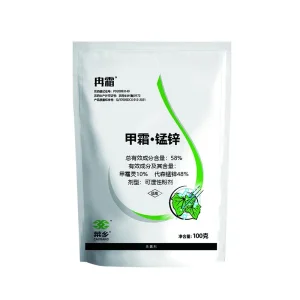
Our agricultural chemical division bridges the gap between material science and agricultural biotechnology. By manufacturing intermediates for pesticides, herbicides, fungicides (such as copper-based formulations and benzofuran derivatives), we help farming operators maintain crop protection standards under changing climatic patterns.
The future of the silane coupling agent market is centered around molecular customization and ecological compatibility. First, green chemistry principles require the elimination of chlorine-based intermediates during synthesis. Boctok is investing in direct alkoxylation processes that significantly reduce toxic by-products. Second, the semiconductor packaging industry requires electronic-grade silanes with metal ion impurities controlled at the parts-per-billion (ppb) level.
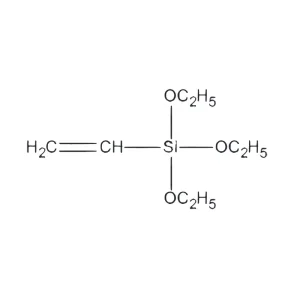
Furthermore, high-performance composites utilized in aerospace wind turbine blades demand customized hybrid silane mixtures. By combining epoxy and vinyl-functionalized silanes, manufacturers achieve unprecedented interfacial shear strength (IFSS), allowing turbine blades to withstand higher mechanical stress and extend their operating lifespan.
International procurement managers sourcing from Boctok benefit from our comprehensive regulatory support and logistics coordination. We provide complete REACH compliance documentation, RoHS certifications, and standardized GHS Safety Data Sheets (SDS). Our packaging units span from standard 200L steel drums to 1000L IBC containers, equipped with nitrogen blankets to prevent hydrolysis during maritime transit.
| Chemical Class | Core Precursors / CAS | Primary Performance Attributes | Target Industrial Segments |
|---|---|---|---|
| Phenylsilanes & Rubbers | CAS 63148-52-7 (Y-120 PVMQ) | Extreme low/high temp resistance, radiation shield | Aerospace, Nuclear Energy, High-Voltage Power |
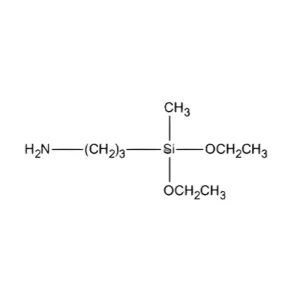
| Aminosilanes | CAS 3179-76-8 (AMEO-Type) | Superior inorganic-organic bonding, flexural strength | Glass Fiber, Foundry Resins, Engineering Plastics |
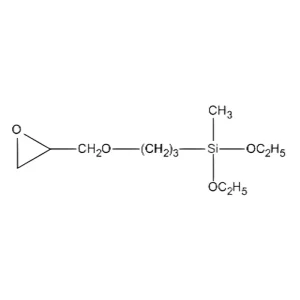
| Epoxysilanes | CAS 2530-83-8 (GLYMO-Type) | Moisture-resistant adhesion, minimal yellowing | Electronic Sealants, Automotive Topcoats |
| Hydrocarbon Resins | C5/C9 Hydrogenated Resins | High tackifier compatibility, low odor, thermal stability | Hot-Melt Adhesives, Road Marking, Paint Industry |
A trusted global leader in chemical synthesis, raw material integration, and high-performance material solutions.
Shandong Boctok Chemical Co. was founded in 2012 as a marketing and sales center for Boctok™ domestic and overseas businesses and achieved sales of US$280 million in 2023. The BOCTOK brand specializes in serving the Russian market, along with high-growth sectors across Europe, Asia, and North America.
Boctok has three main product categories:
Expert answers to critical chemical handling, synthesis, and application questions for procurement teams and industrial chemists.
Explore our comprehensive product portfolio of coupling agents, resins, functional oils, and performance-enhancing additives.
 Boctok Chemical