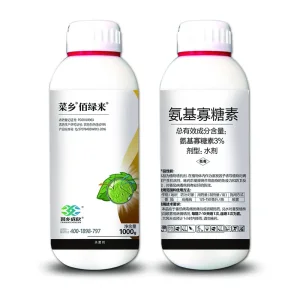
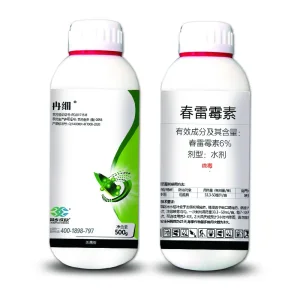
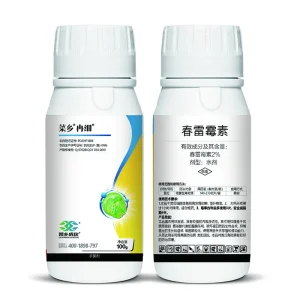
High-purity monomers, functional silane coupling agents, specialized organosilicones, and industrial agricultural formulations supplied globally.
Established in 2012, Shandong Boctok Chemical Co. has transitioned from a specialized chemical marketer to a powerhouse industrial manufacturer and global supplier. In 2023, Boctok registered an impressive international sales volume of US$280 million, a testament to our steadfast reliability, product purity, and unmatched logistics solutions. Serving as the primary marketing and sales nexus for domestic and overseas businesses, our hallmark brand BOCTOK™ is particularly renowned for dominating complex requirements across the Russian and CIS industrial markets.
Our organosilicone portfolio spans twelve highly sophisticated series of silane coupling agents and crosslinkers, including aminosilane, methacrylate silane, epoxy silane, vinyl silane, mercaptosilane, alkyl silane, ethyl silicate, chlorosilane, silane isocyanates, phenyl silane, ureidosilane, and serosilane. Beyond coupling agents, we produce high-performance silicone oils (high-hydrogen, dimethicone, vinyl, and phenyl variants), MQ/VMQ methyl vinyl silicone resins, and various vulcanized rubber grades.
Exploring the molecular chemistry, crosslinking dynamics, and fundamental applications of CAS No. 2031-67-6 in modern material science.
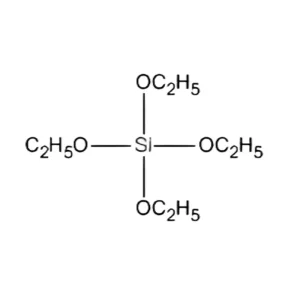
Methyltriethoxysilane (MTES), classified under CAS No. 2031-67-6, is a fundamental organosilane monomer possessing three hydrolyzable ethoxy groups and a single non-hydrolyzable methyl group. This unique structure positions it as an invaluable crosslinking agent, surface modifier, and hydrophobic precursor in sol-gel processes. The chemical synthesis pathway involves the direct reaction of silicon metal with ethanol or the substitution of methylchlorosilane intermediates, processes optimized by Boctok to achieve purities exceeding 99.0%.
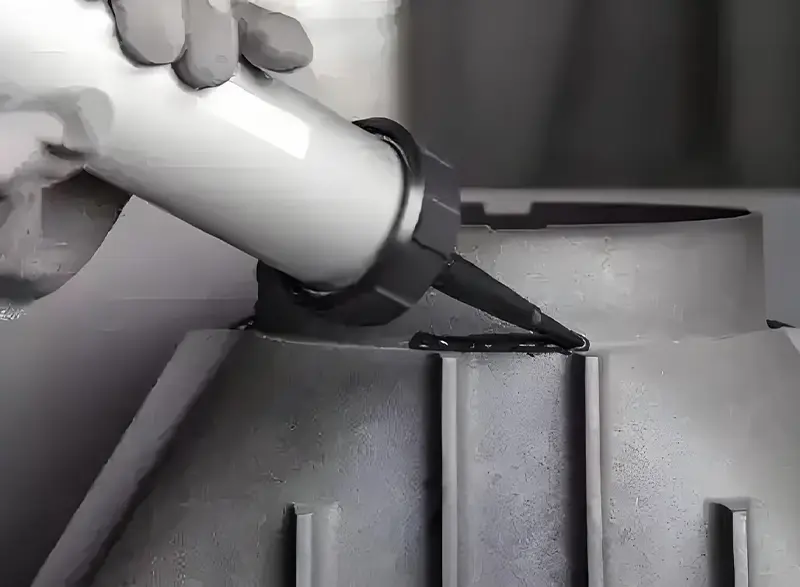
During application, the ethoxy groups undergo controlled hydrolysis in the presence of moisture, liberating ethanol and forming active silanol (Si-OH) groups. These silanols subsequently undergo condensation reactions, forming durable siloxane (Si-O-Si) network systems. The remaining methyl group provides essential hydrophobicity and flexibility, preventing the material from becoming overly brittle compared to tetraethoxysilane (TEOS) treatments. This chemical behavior makes MTES a preferred choice in formulating weather-resistant masonry coatings, stone consolidants, and anti-corrosive paint additives.
Ideal co-monomer with TEOS to regulate brittleness and increase flexibility of silica matrices in thin-film coating formulations.
The non-polar methyl group aligns outward during surface application, creating an outstanding barrier against moisture and chloride penetration.
Reacts directly with silicate mineral substrates in masonry and sandstone, reinforcing crumbling structures without blocking natural vapor permeability.
How Boctok leverages geographical proximity, infrastructure investment, and advanced process automation to maintain global leadership.
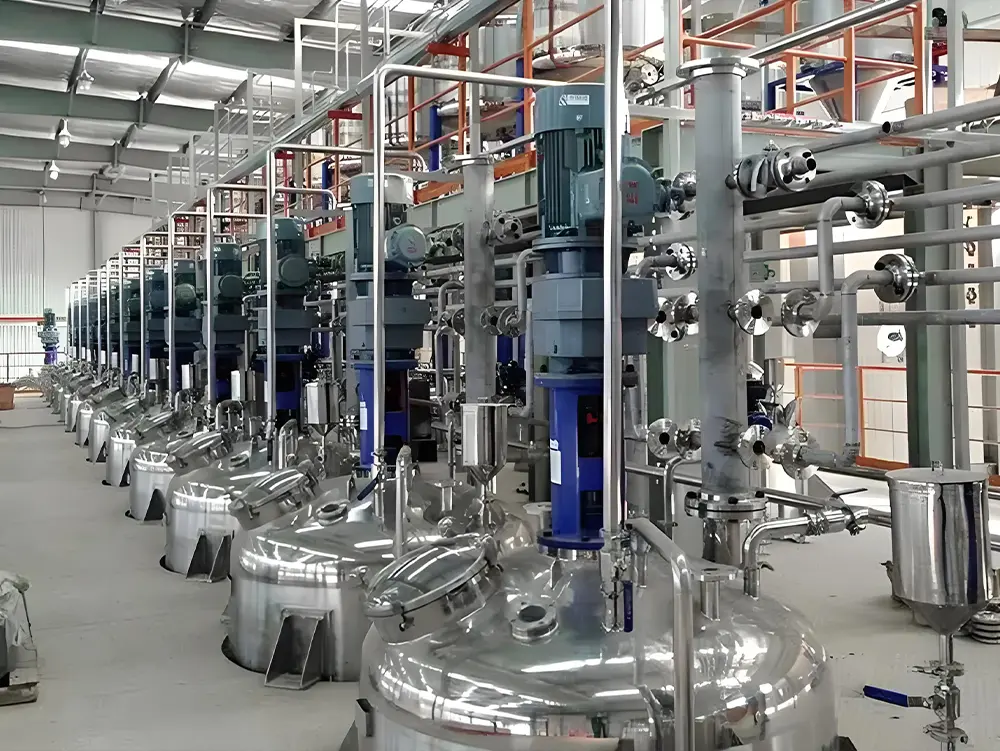
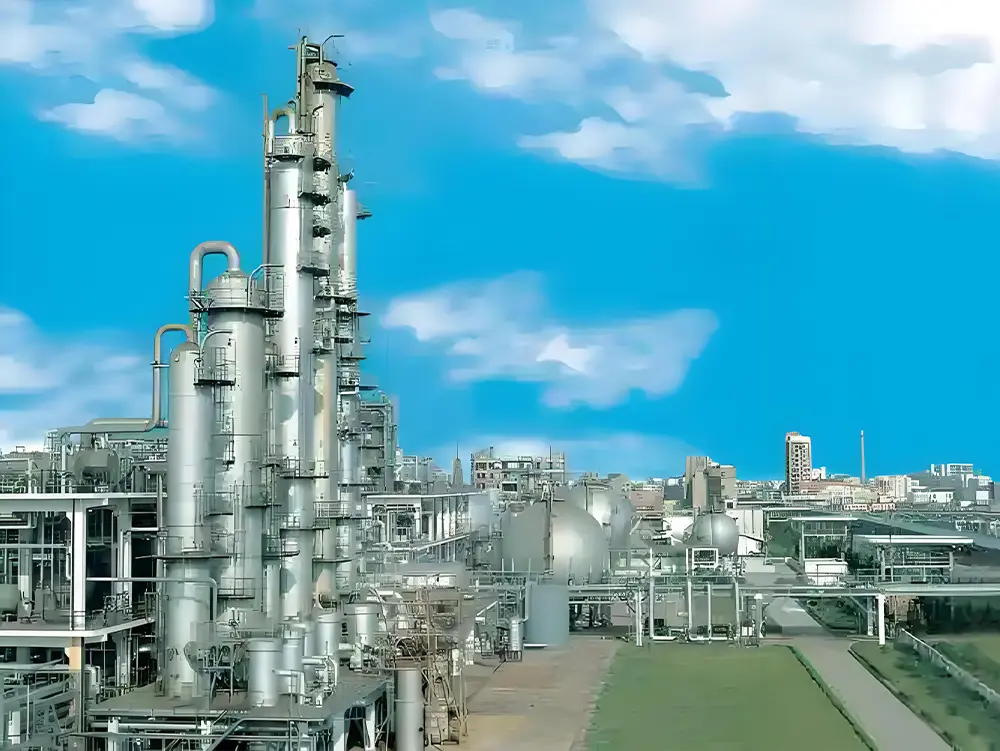
Our raw material security is anchored by strategic integration with domestic chemical giants like SINOPEC and PetroChina. This proximity guarantees a continuous supply of fundamental hydrocarbons and silicone monomers, insulating our global clients from supply shocks. Our Tier II core business focuses heavily on high-quality petroleum resins, allowing us to capture process-level efficiencies that translate into lower downstream pricing for our silane clients.
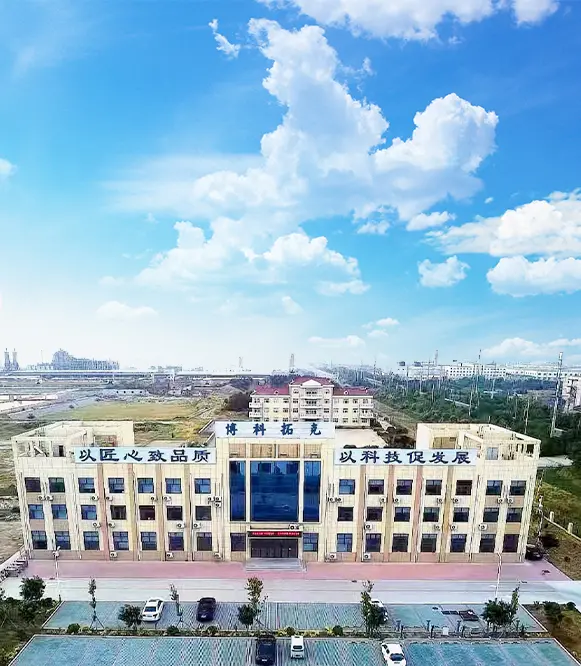
A recent capital investment of US$65 million funded the construction of our state-of-the-art facility located in the Bohai Industrial Park, Shouguang City, Shandong Province. This chemical park is fully compliant with strict national environmental and safety zones, ensuring long-term operational stability. The plant features 6 fully automated DCS production lines dedicated to silane coupling agent synthesis, boosting our annual output capacity to 30,000 metric tons.
Operational control is managed via remote DCS (Distributed Control Systems) coupled with integrated SIS (Safety Instrumented Systems), running ISO9001, ISO14001, and ISO45001 processes to assure chemical batch consistency, minimal footprint, and zero hazard tolerances.
Adapting Methyltriethoxysilane capabilities to withstand diverse global environmental challenges and extreme operational stressors.
In high-latitude regions such as Russia, Northern Europe, and Canada, concrete infrastructure undergoes intense freeze-thaw cycles. Micro-cracking allows moisture and de-icing salts to penetrate, resulting in structural failure. MTES-based penetrative sealers coat the capillary walls of the concrete. This structural lining dramatically lowers water absorption, prevents chloride-ion induced rebar corrosion, and increases the lifespan of bridges and highways by up to 25 years.
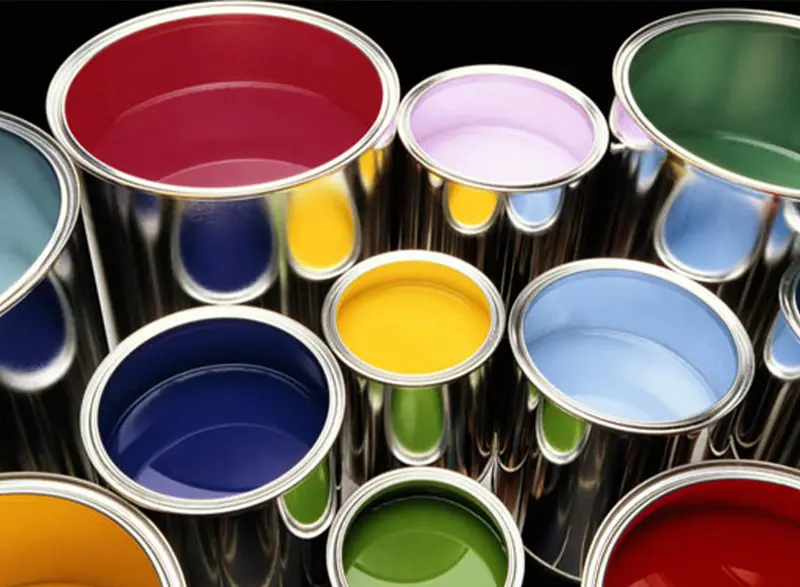
For coastal industrial zones in Southeast Asia, high atmospheric humidity and salt spray accelerate marine metal degradation. Formulating heavy-duty poly-siloxane marine paints using MTES crosslinkers creates a highly robust hybrid coating system. The dense inorganic silica-oxygen backbone offers exceptional resistance to UV radiation, while the organic methyl group provides continuous elasticity, preventing film cracking and subsequent moisture migration to the bare metal surface.
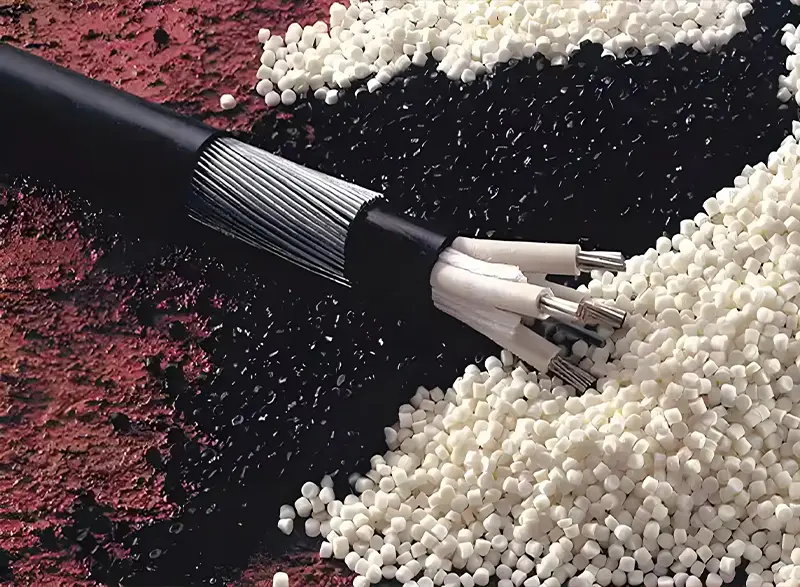
Under dry and wet thermal stress, medium and high-voltage transmission lines require long-term polymer stabilization. MTES acts as an excellent crosslinking modifier in Cross-Linked Polyethylene (XLPE) compounding. It facilitates clean, moisture-cured crosslinking networks that vastly improve the physical toughness, heat resistance, and dielectric properties of the cable insulation jackets, satisfying global grids safety requirements.
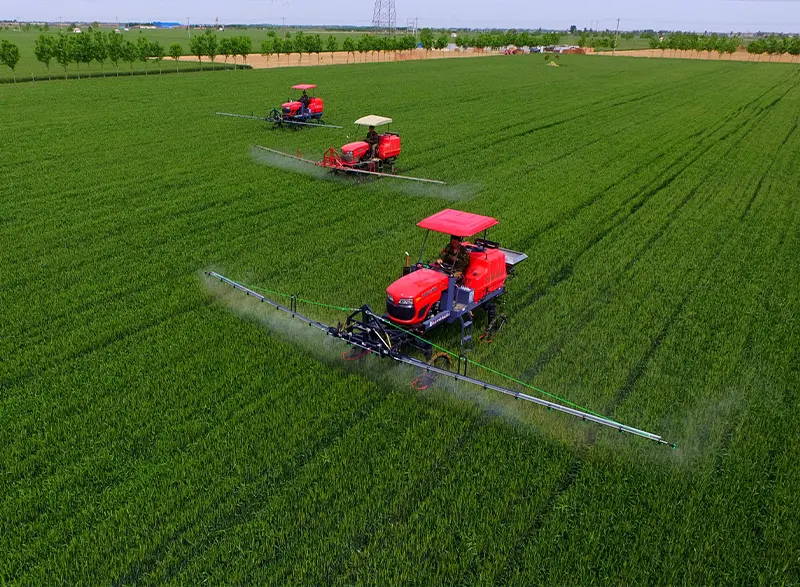
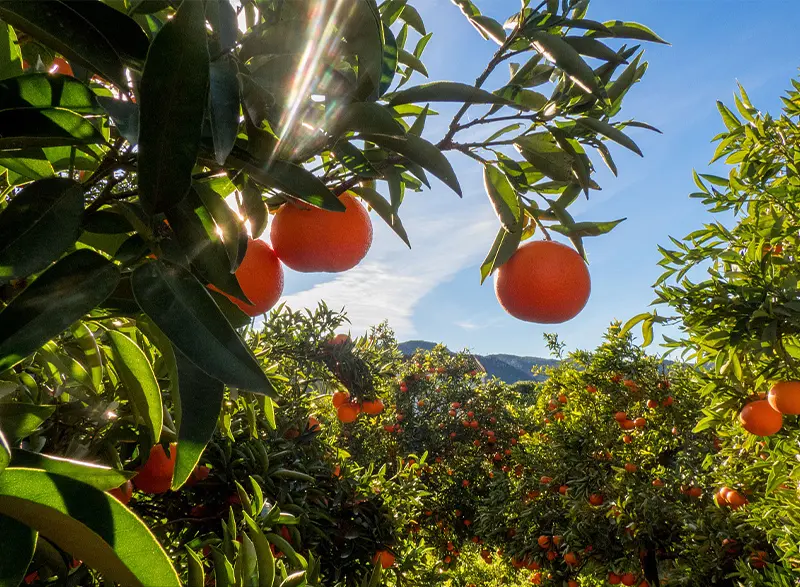
Comprehensive overview of sectors utilizing our silicone compounds, hydrocarbon resins, and agricultural intermediates.





Strategic pipeline detailing our scientific efforts towards sustainable and high-performance organosilicon developments.
Transitioning from traditional MTES/TEOS mixtures to water-borne silane/siloxane emulsions, eliminating ethanol-emission profiles to align with strict EU and global environmental rules.
Integrating micro-encapsulated monomer technologies inside epoxy silanes. Upon micro-fracture of industrial coatings, the capsules rupture and react with atmospheric moisture to naturally reseal the barrier.
Incorporating bio-ethanol instead of fossil-fuel derived ethanol in our silane ester synthesis routes, dramatically cutting the net carbon footprint of our downstream coupling agent products.
Minimizing transactional risk for international industrial procurement departments.
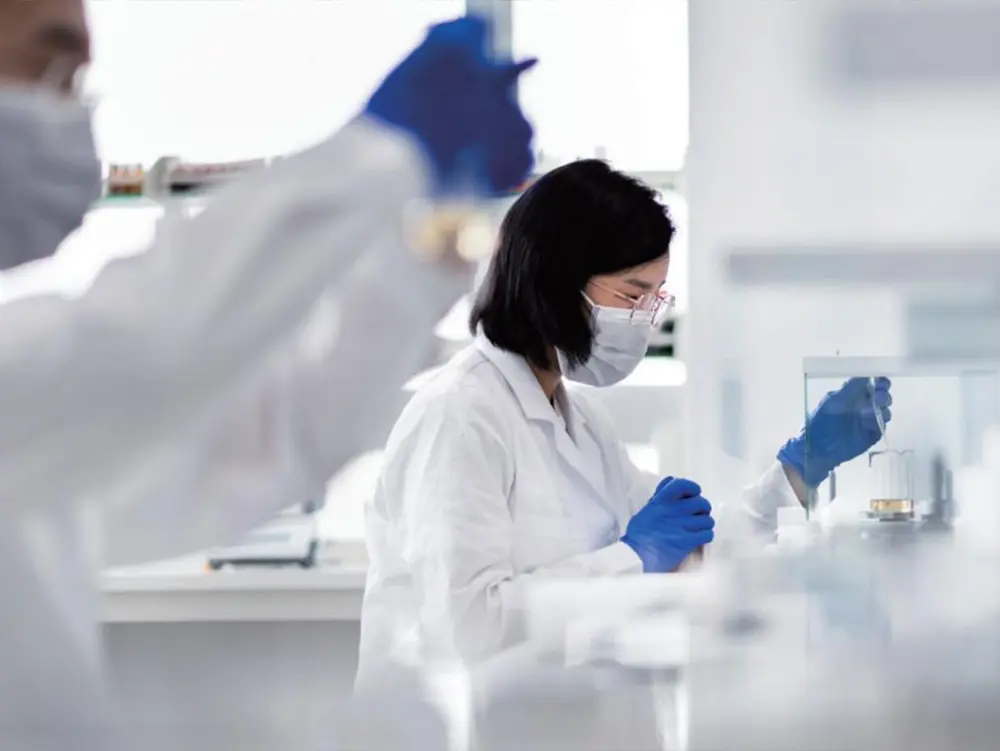
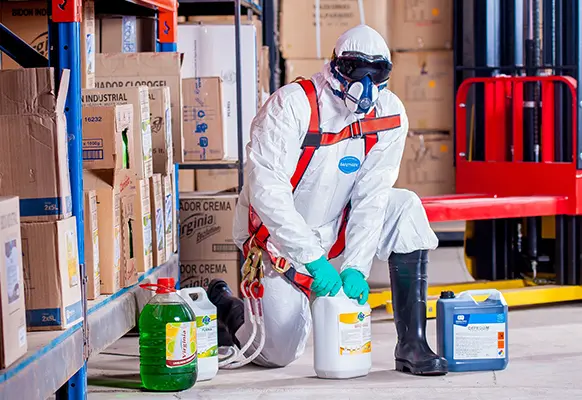
Procuring raw chemical compounds across borders demands meticulous attention to regulatory frameworks and high safety controls. All BOCTOK™ silane products undergo comprehensive physical and chemical analysis. We provide international clients with extensive documentation packages, including ECHA REACH Registration, globally standardized GHS Safety Data Sheets (SDS), and custom Certificate of Analysis (CoA) reports per batch.
To support the Russian and CIS markets, our logistics services handle dangerous goods classes, winter transport heating configurations (preventing freezing of aqueous silane formulations), and optimized customs clearance protocols. Our customer support operates 24/7 online, backed by specialized chemical engineers to help troubleshoot industrial blending anomalies, adhesion failures, or raw material substitutions.


Answering essential technical and commercial questions about silane chemistry, storage, and application variables.
Methyltriethoxysilane is highly moisture-sensitive. It must be stored in dry, cool, well-ventilated conditions inside original tightly sealed containers. When stored below 25°C in unopened drums, the standard shelf life is 12 months from the date of manufacture. Exposure to moisture initiates hydrolysis, causing gradual polymerization and gel formation.
The primary difference lies in the hydrolysis rate and the by-products released. MTMS releases methanol during hydrolysis, which is fast but toxic. MTES hydrolyzes more slowly and releases ethanol, making it much safer for consumer-facing formulations, indoor applications, and compliance with strict VOC exposure limits.
Yes. MTES is exceptionally effective on alkaline mineral substrates like concrete, mortar, and limestone. The silanol groups generated via hydrolysis react with the hydroxyl groups present in these minerals, forming chemical covalent bonds that lock the hydrophobic methyl group to the surface.
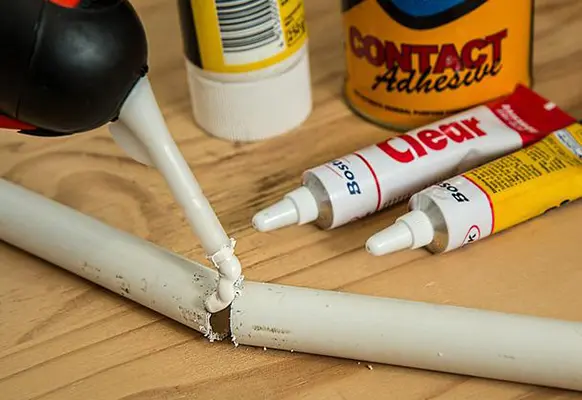
Yes, MTES is widely utilized as a co-binder and adhesion promoter in acrylic and polyurethane systems. It enhances wet-adhesion, scrub resistance, and weatherability by bridging the organic resin phase with inorganic components of the formulation, such as silica fillers and pigments.
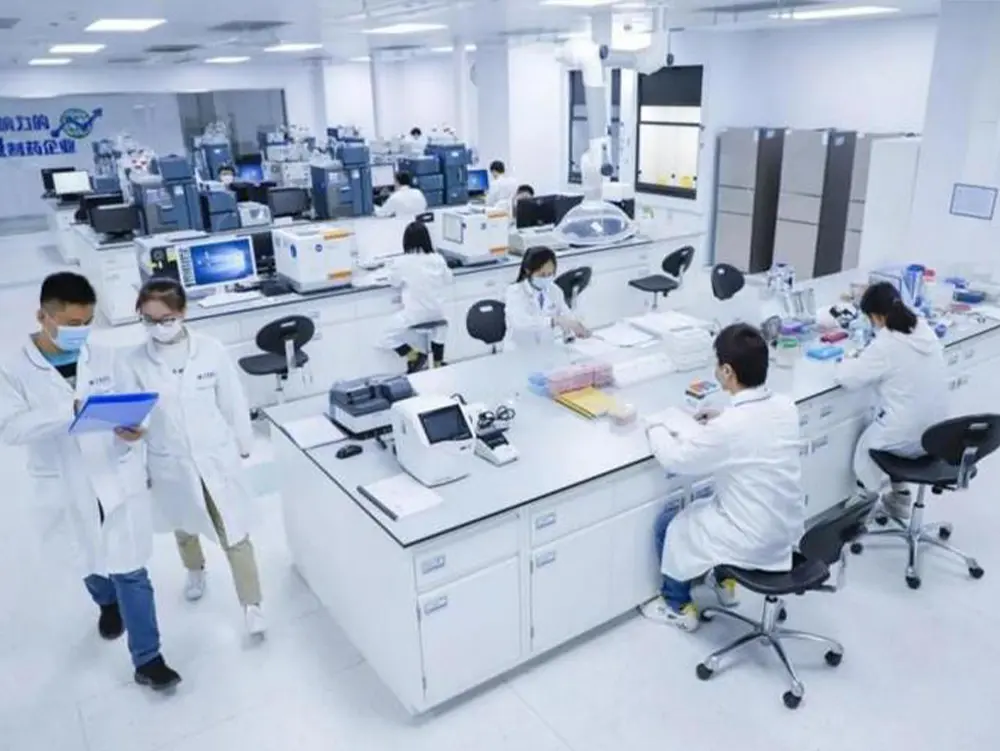
Each batch of our silane coupling agents undergoes continuous gas chromatography (GC) analysis and refractive index testing. The Shouguang plant operates with closed-loop DCS automation, eliminating human error during temperature and pressure ramping phases of distillation, ensuring purity remains strictly above 98.5%.
Our typical industrial shipping options range from 200 kg drums to 1,000 kg IBC containers, up to full ISO tanks. We maintain ready stockpiles at our primary logistics hubs to service regional partners across Asia and the Russian federation with short lead times.



Discover more professional organosilicone chemicals, silane crosslinkers, and specialized formulations.
 Boctok Chemical