Engineered to deliver exceptional thermal limits, chemical cross-linking properties, and superior industrial adaptability.
In the hierarchy of extreme-environment synthetic elastomers, Methyl Phenyl Vinyl Silicone Rubber (PVMQ) represents the pinnacle of thermal range, radiation resilience, and mechanical integrity. Standard dimethylsilicone rubbers (VMQ) exhibit a molecular structure built from repeating dimethylsiloxane links. While these links provide moderate heat and weather resistance, they crystallize under severe cold, losing flexibility below -50°C.
By strategically substituting methyl groups along the siloxane backbone with bulky phenyl groups, the structural symmetry of the polydimethylsiloxane polymer is deliberately disrupted. This steric hindrance prevents crystallization, depressing the glass transition temperature (Tg) down to a remarkable -120°C. Concurrently, the inclusion of vinyl functional groups facilitates precise, high-efficiency cross-linking during vulcanization, resulting in improved tensile strength, reduced compression set, and heightened compatibility with reinforcing fillers.
This hybrid polymer platform bridges the performance gap for high-reliability components deployed in aerospace sealants, deep-space exploration machinery, nuclear cooling gaskets, and automotive thermal management.
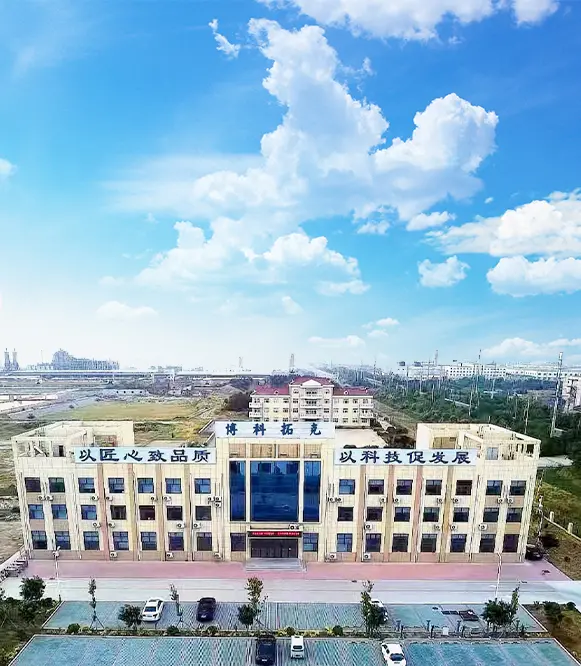
A trusted global leader in organosilicones, petroleum hydrocarbon resins, and agricultural intermediates.
Shandong Boctok Chemical Co. was founded in 2012 as a marketing and sales center for Boctok™ domestic and overseas businesses and achieved sales of US$280 million in 2023. The BOCTOK brand specializes in serving the Russian market, providing reliable materials tailored to extreme climate conditions.
Boctok has three main product categories:
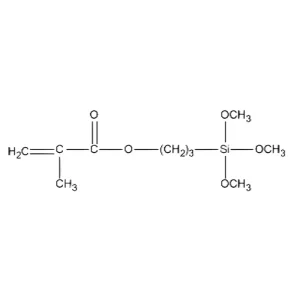
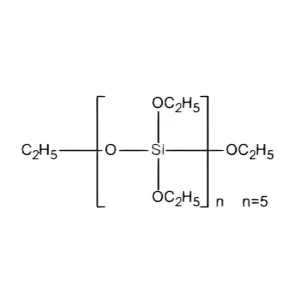
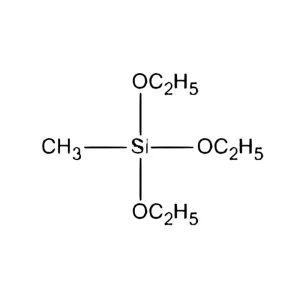
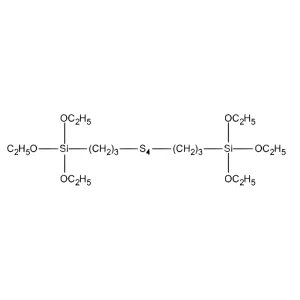
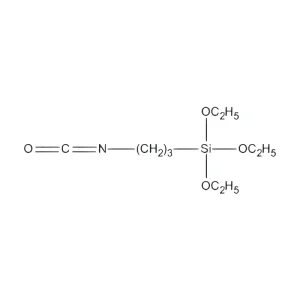
Covers twelve series of silane coupling agents and crosslinkers, including aminosilane, methacrylate silane, epoxy silane, vinyl silane, mercaptosilane, alkyl silane, ethyl silicate, chlorosilane, silane isocyanates, phenyl silane, ureidosilane and serosilane. Boctok also focuses on silicone oil, silicone resin, and silicone rubber, covering high-hydrogen silicone oil, dimethicone, vinyl silicone oil, polyphenylmethyldimethylsiloxane, phenyl silicone oil, silanol silicone oil and OH polymer, alkoxy silicone oil, methyl MQ resin, vinyl VMQ resin, room-temperature vulcanized methyl silicone rubber, 110 methyl vinyl silicone rubber, and 120 methyl phenyl rubber.
Investment in key hydrocarbon resin manufacturers in China with three operating factories located in Zibo, Fushun, and Nanjing. Leveraging abundant feedstocks from SINOPEC and PetroChina, Boctok provides C9 hydrogenated resins, C5 hydrocarbon resins, C5 modified C9 hydrocarbon resins, C9 hydrocarbon resins, dicyclopentadiene, and methyl cyclopentadiene dimer to global Fortune 500 companies.
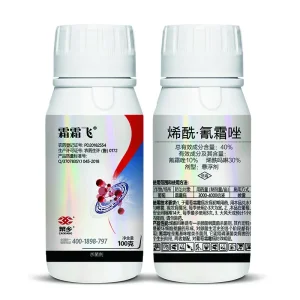
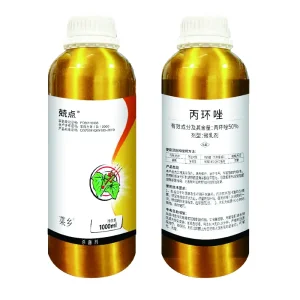
Active intermediates and raw materials for the production of pesticides, fungicides, insecticides, seed treatments, herbicides, plant growth regulators, and crop protection auxiliaries. Providing custom solutions for agricultural applications across fruits, vegetables, flora, and agricultural crops.

Unlocking supply reliability, custom polymer parameters, and risk mitigation for international enterprise procurement.
Procurement teams for multinational chemical companies face persistent supply hurdles. In the high-performance silicone field, challenges range from inconsistent monomer purities to structural shortages of high-viscosity gums. Purchasing managers require suppliers who provide consistent molecular weight distributions, predictable volatile organic content (VOC) profiles, and rapid scale-up capability.
For Methyl Phenyl Vinyl Silicone Rubber (PVMQ), raw material stability is vital. The synthesis of phenyl-containing siloxane rings demands rigorous process control to avoid structural branching. Boctok addresses these quality requirements with specialized production controls. By matching industrial parameters with global compliance registries (such as REACH, RoHS, and TSCA), Boctok helps purchasing departments streamline supply chains and mitigate regulatory risks.
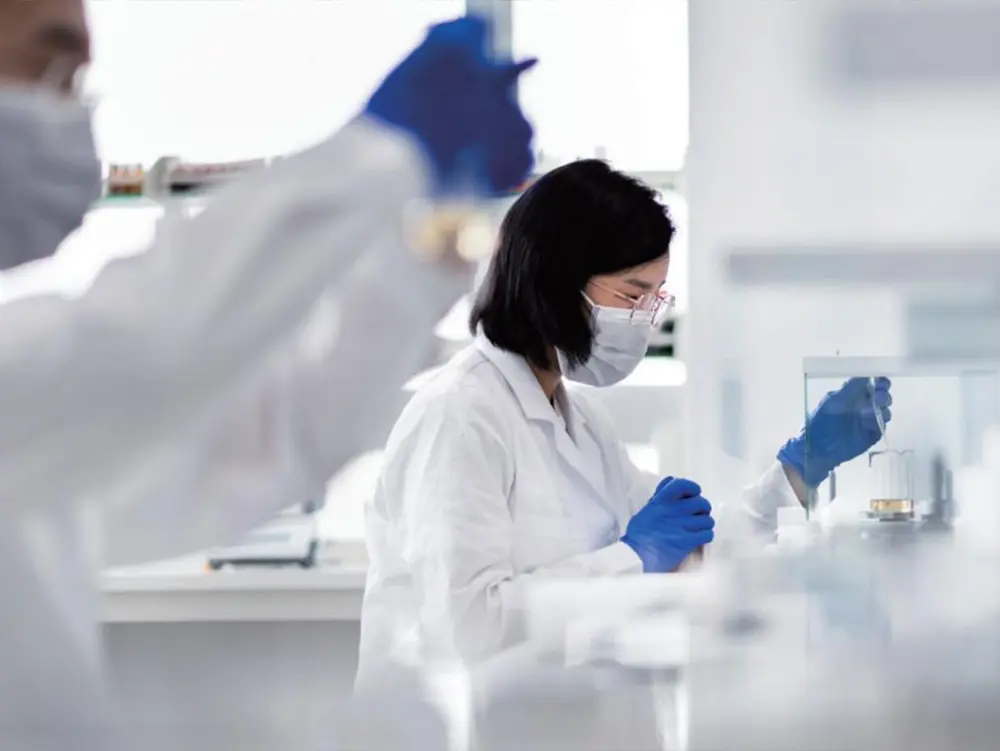
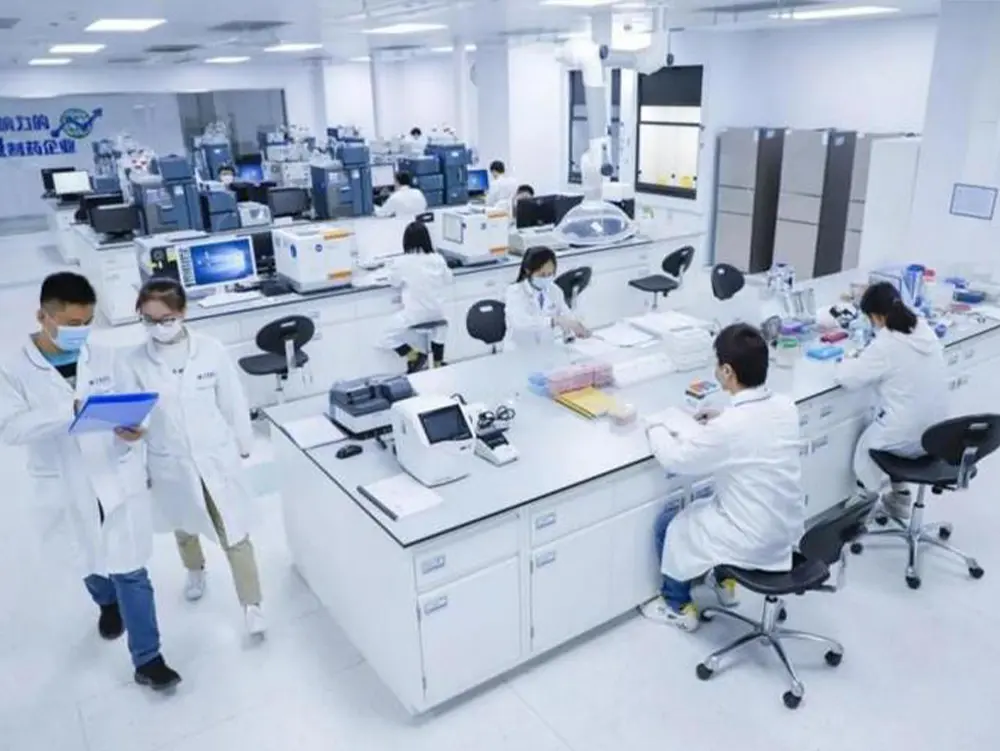
Our products undergo rigorous testing to ensure that every aspect meets the highest quality standards, checking polymer viscosity, volatile content, vinyl concentration, and thermal performance.
We have advanced production lines that allow us to effectively expand production capacity and meet the demand for mass customization and large-scale global contracts.
Our professional team is available online 24 hours a day to provide attentive service, chemical engineering support, and answer all technical and logistics questions.
An optimized logistics system ensures fast order processing, reliable maritime and rail shipping routes, and timely delivery to customers worldwide.
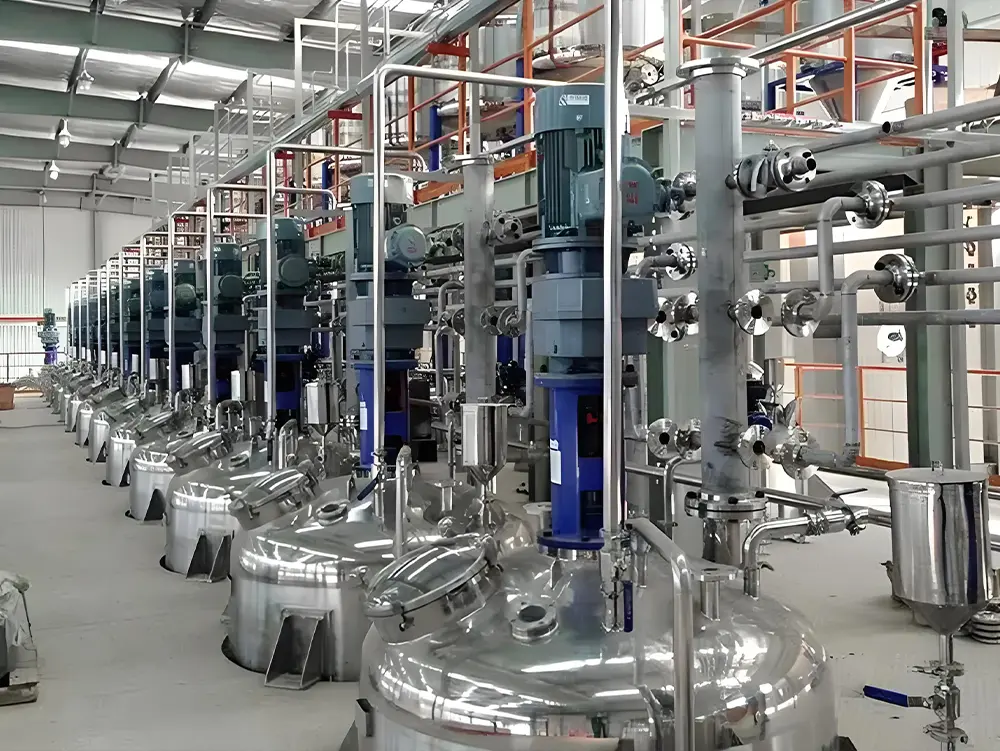
Boctok recently invested US$65 million to build a new plant in Shouguang City, Shandong Province (Shouguang Bohai Industrial Park, a provincial-level chemical industry park). This facility expands our production chain of silane coupling agents and specialty silicones with 6 automatic DCS production lines, yielding an annual capacity of 30,000 tons of silane coupling agents.
By locating within a chemical industry park, we secure raw material integration and reliable infrastructure. Feedstock relationships with domestic energy leaders like SINOPEC and PetroChina insulate our production from raw material price spikes. This local integration allows us to supply competitive, high-performance formulations to international markets.
The production lines in the new factory are equipped with automatic remote control system DCS, safety instrument system SIS and other safety equipment, ISO9001 quality management system standards are implemented throughout the process to ensure stable quality. Environmental treatment facilities, including a waste gas collection system and a wastewater treatment system, protect the surrounding ecosystem and maintain compliance with local regulations.
Supporting critical supply chains with local technical assistance and regulatory documentation.
For industrial chemicals, regulatory compliance is a prerequisite for market entry. Boctok manages compliance issues proactively, assisting buyers with EU REACH registration, RoHS certifications, and US TSCA compliance. Our products include detailed SDS (Safety Data Sheets) conforming to GHS standards, alongside full customs clearance support to streamline shipping.
To support global clients, we maintain localized partnerships and technical teams. Our branding center is structured to serve the unique needs of the Russian Federation, Central Asia, and Eastern Europe. Under the Boctok™ brand, we provide local language documentation, direct support for sub-zero applications, and specialized logistical coordination across major rail networks and shipping lanes.
Exploring the next frontier of silicone elastomer engineering and smart materials.
Modern commercial aviation and satellites operate in thermal ranges spanning from extreme cryogenic cold to high friction heat. Next-generation PVMQ polymers are engineered with higher phenyl content to resist environmental cracking and maintain seal flexibility.
For high-frequency electrical connectors and automotive seals, liquid silicone rubbers (LSR) formulated with self-lubricating properties are increasingly important. Custom vinyl VMQ and PVMQ blends with migratory fluids are deployed to prevent micro-adhesions.
Nuclear reactor seals and high-altitude electronics require materials that resist radiation-induced cross-linking. Polymers with phenyl content between 10% and 30% show improved stability under radioactive exposure, preserving elastomer properties.
Providing functional materials for demanding applications in automotive, electronics, energy, and agriculture.


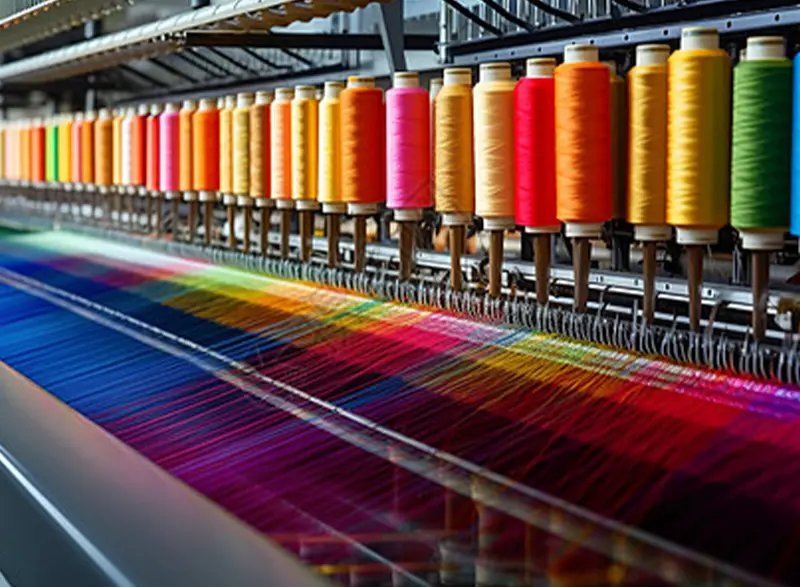
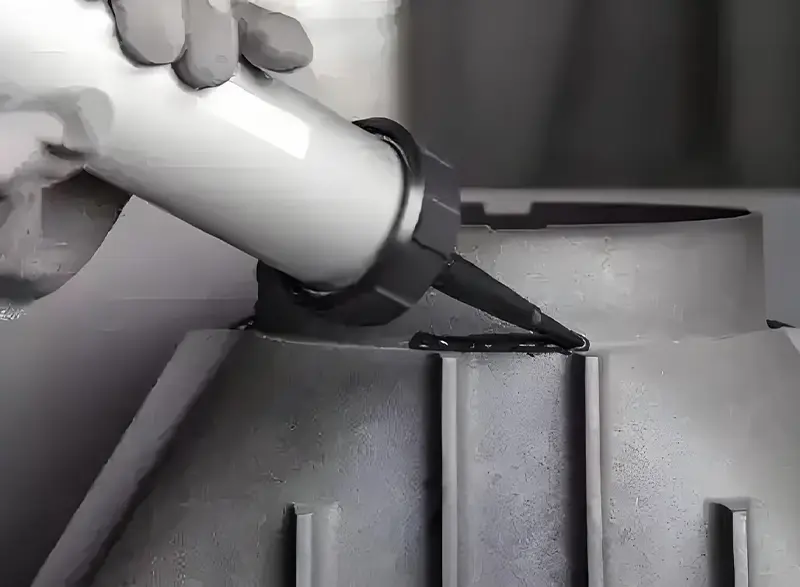
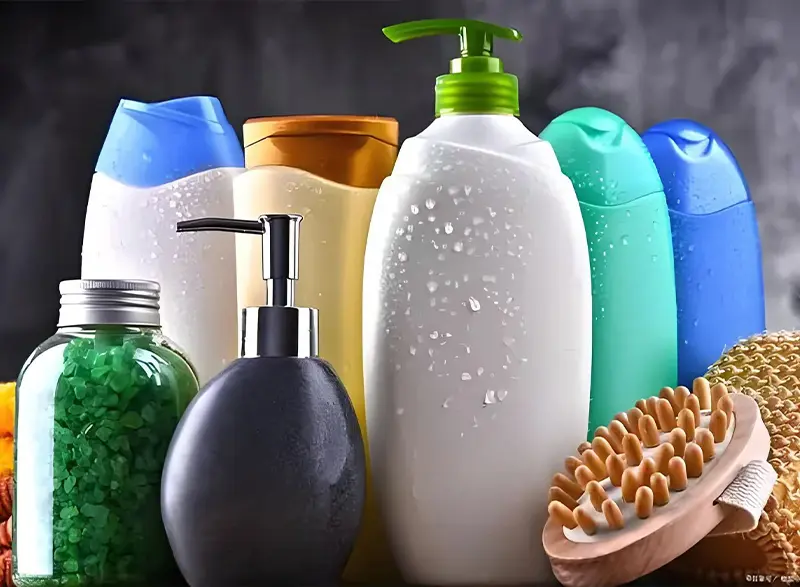
How Boctok formulations are integrated across global industries to improve performance.
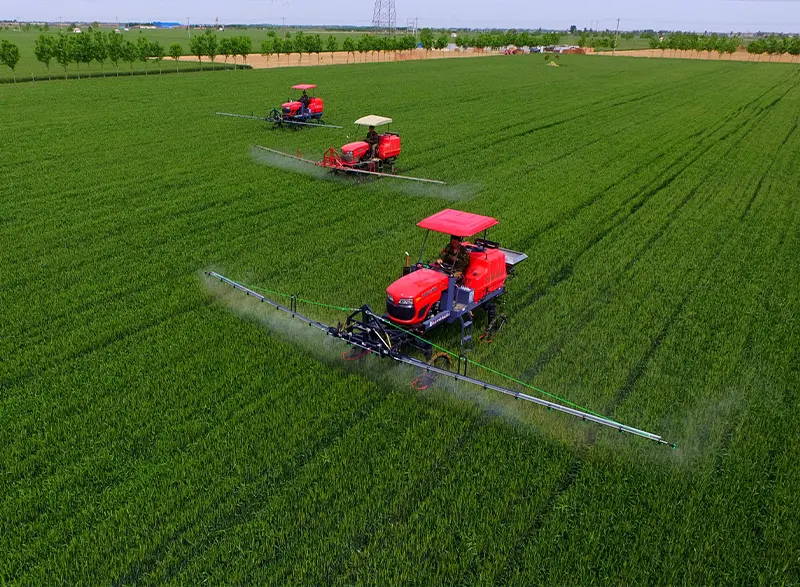
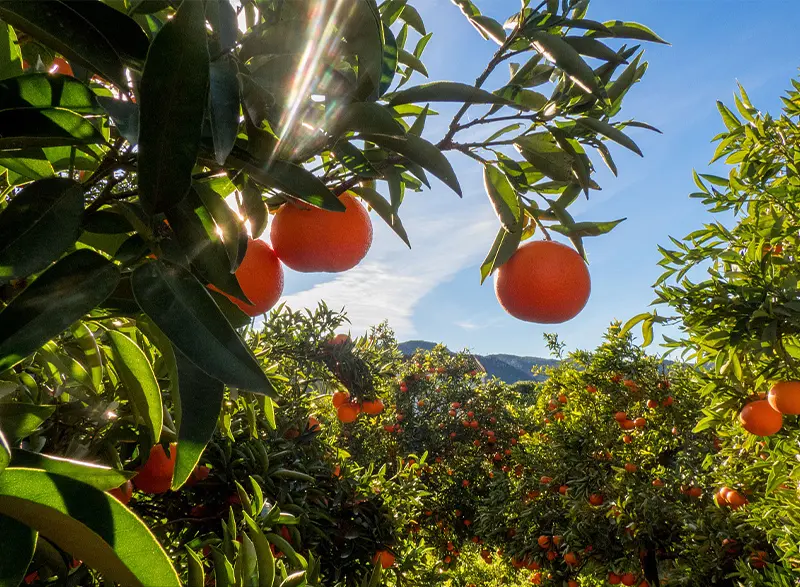
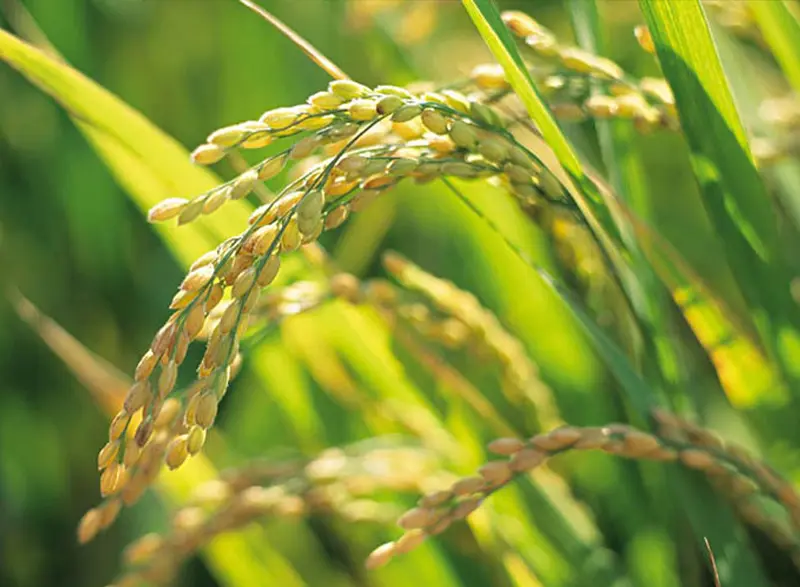
Using functional silanes as active pharmaceutical intermediates, protective coupling agents, and agricultural adjuvants to optimize spray patterns and biological uptake.
See detailsProviding silicone oils, high-purity dimethicones, and volatile cyclomethicones to supply skin-feel additives, waterproofing films, and long-lasting cosmetic emulsions.
See detailsDeploying Methyl Phenyl Vinyl Silicone Rubber (PVMQ) gaskets, hose inner linings, turbocharger connectors, and high-temperature seals that operate from -100°C to +300°C.
See detailsSupplying specialty MQ resins, VMQ silicone resins, and high-purity coupling agents to deliver structural encapsulation, thermal interface compounds, and optical materials.
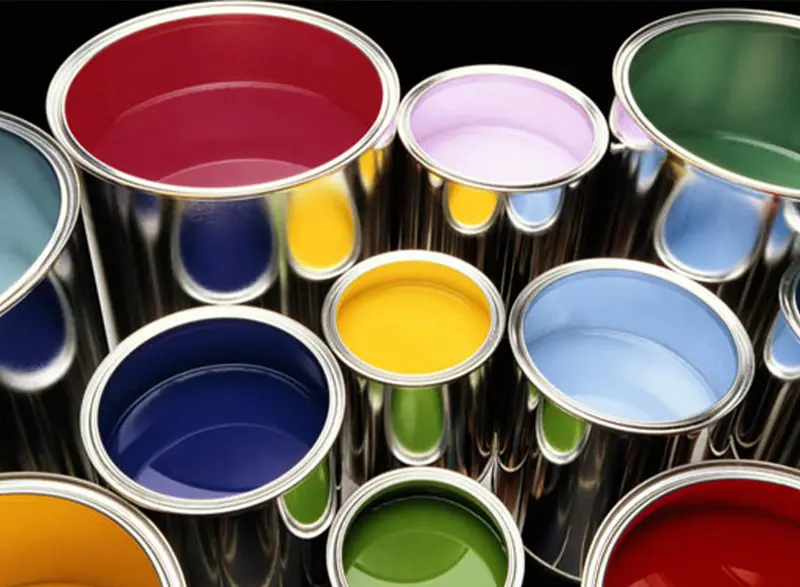
See detailsDeveloping RTV sealants, trimethoxy-terminated polydimethylsiloxanes, and crosslinkers that offer weatherability, UV resistance, and strong bonding to stone, glass, and metals.
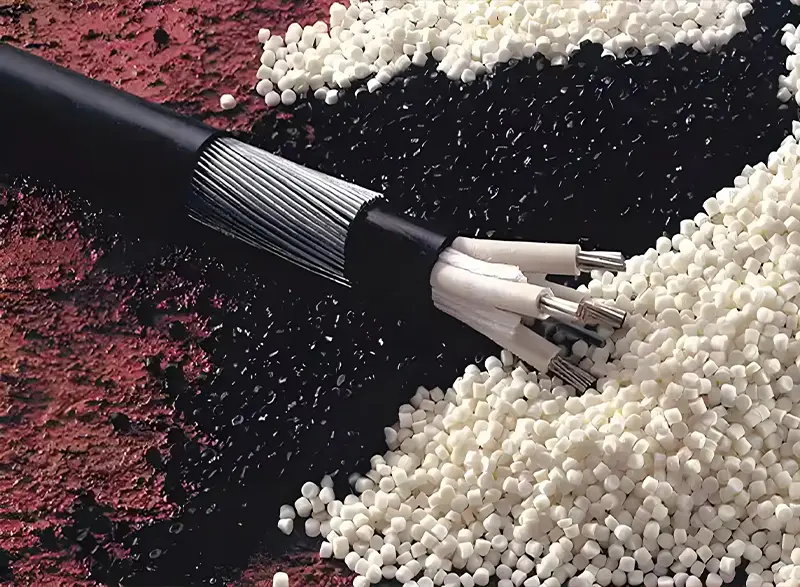
See detailsCreating high-voltage insulation materials, track-resistant silicone rubbers, XLPE cable additives, and composite wind blade coatings to extend structural lifespan.
See detailsAddressing chemical and logistical questions on Methyl Phenyl Vinyl Silicone Rubber and specialty silanes.
Explore the remainder of our specialized silicone and agricultural intermediate catalog.
 Boctok Chemical