WHITE PAPER & INDUSTRIAL SPECIFICATION

Famous Isocyanate Silane Reagent Company & Factory

Pioneering Next-Generation Organosilicone Systems, Smart Chemical Manufacturing, and Resilient Global Supply Pipelines for Industrial Adhesives, Coatings, and Functional Polymers.

Premium Functional Silanes & Specialty Fluids

Explore our core product line featuring premium silicone oils, coupling agents, and diagnostic crosslinkers engineered for critical chemical processes.
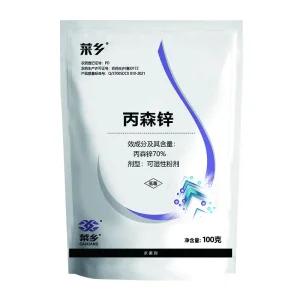
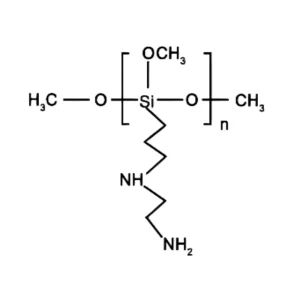
Trimethoxy-terminated polydimethylsiloxane

Famous Trimethoxy-terminated polydimethylsiloxane Alkoxy-terminated silicone oil CAS 68440-70-0 Suppliers

View Technical Specifications
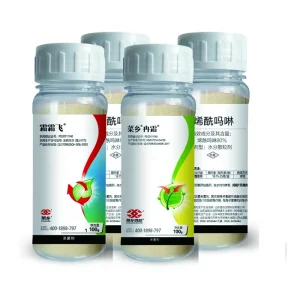
70% проксицинка

China 70% проксицинка Products, Reliable Synthesis Factory & Supplier

View Technical Specifications
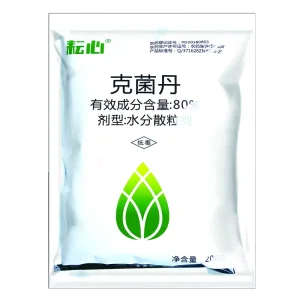
80% клостридана

China 80% клостридана Manufacturer, Specialized Chemical Synthesis Factory

View Technical Specifications
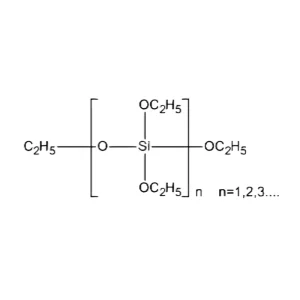
Ethyl silicate 32

Famous Ethyl silicate 32 CAS 11099-06-2 High-Purity Manufacturer, Suppliers

View Technical Specifications
80% сульфинола

China 80% сульфинола Products, Industrial Grade Surfactant Supplier

View Technical Specifications
Methyl hydrogen silicone fluid

Famous Methyl hydrogen silicone fluid coating defoamer CAS 63148-57-2

View Technical Specifications
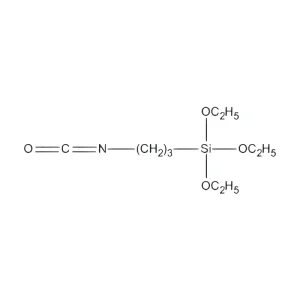
Gamma-isocyanato propyltriethoxysilane

Famous Gamma-isocyanato propyltriethoxysilane Cas 24801-88-5 Suppliers

View Technical Specifications
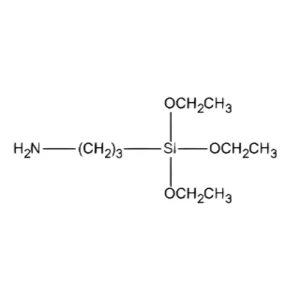
3-Aminopropyltriethoxysilane

China 3-Aminopropyltriethoxysilane Cas 919-30-2 Manufacturers, Company

View Technical Specifications
Industry Analysis

Deep Analysis: The Strategic Role of Isocyanate Silane Reagents

Isocyanate silane reagents, most notably Gamma-Isocyanatopropyltriethoxysilane (CAS 24801-88-5) and its methoxy analogs, represent a sophisticated class of dual-functional organosilicon compounds. By integrating the highly reactive organic isocyanate (-NCO) group with hydrolyzable inorganic alkoxysilane groups on a single molecular framework, these reagents serve as an indispensable bridge. They facilitate covalent adhesion between organic polymers (such as polyurethanes, epoxies, and acrylics) and inorganic matrices (like glass fibers, silica fill, and metal substrates).

The chemical mechanism is characterized by a two-step reactivity pathway:

  • Organic Linkage: The highly electrophilic isocyanate moiety reacts readily with nucleophilic polymers containing active hydrogens, such as hydroxyls, primary/secondary amines, and carboxylic acids, without producing volatile byproducts.
  • Inorganic Linkage: The alkoxysilane terminal undergoes hydrolysis in the presence of trace moisture, forming reactive silanols. These silanols subsequently condense with surface hydroxyl groups on glass, metals, or ceramic fillers, creating a highly stable siloxane network (Si-O-Si).

Development Trends: Decarbonization and Silylated Polyurethanes (SPUR)

The modern formulation industry is transitioning rapidly toward sustainable, high-safety chemistries. A key driver is the phase-out of traditional free monomer diisocyanates due to occupational health hazards. Consequently, the demand for Silylated Polyurethanes (SPUR) and moisture-curable silane-modified polymers (SMP) has surged. Isocyanate silanes act as the foundational end-cappers for these advanced prepolymers. By terminating polyols with isocyanato silanes, manufacturers produce eco-friendly, bubble-free, and highly elastic adhesives and sealants that cure safely upon exposure to ambient humidity.

Global Commercial and Industrial Landscapes

On a global scale, the utilization of isocyanate silane reagents is highly correlated with infrastructure, automotive lightweighting, and wind energy components. In the wind power sector, these reagents are critical for structural adhesives that bond wind turbine blades, where cyclic stress and moisture resistance are paramount. In automotive engineering, they are crucial for glass-to-metal bonding and clear coats, ensuring mechanical rigidity and UV resistance. Geographically, demand is dominated by high-end manufacturing hubs in Western Europe, East Asia, and North America, necessitating extremely high-purity supplies from advanced Chinese factories that comply with international regulations like REACH.

Boctok Corporate Identity

Shandong Boctok Chemical Co. was founded in 2012. Over the last decade, we have established ourselves as a premier manufacturing and global trading entity. In 2023, our domestic and international sales reached a milestone of US$280 million. The BOCTOK brand focuses deeply on delivering elite chemical solutions, specifically optimizing operations for Russian and Eurasian markets.

Key Corporate Advantages
  • Quality Icon

    Quality Assurance

    Advanced QC protocols and GC-MS testing ensure high purity and low halide content.

  • Capacity Icon

    Production Capacity

    6 fully automated DCS production lines yielding 30,000 tons of silane annually.

  • Service Icon

    24/7 Dedicated Support

    Technical support engineers online 24/7 to solve formulation and logistics issues.

  • Delivery Icon

    Optimized Logistics

    Direct pipeline supply, nitrogen-purged drums, and rapid port-dispatch mechanisms.

Global Procurement Requirements & Specification Demands

A analytical view into the stringent quality vectors and regional consumption criteria demanded by global Tier-1 procurers.

Industrial procurement of isocyanate silane reagents cannot be treated as commodity acquisition. Because isocyanate (-NCO) groups are highly sensitive to moisture, trace levels of water in the reagent can initiate premature polymerization (gelling) inside bulk packaging. This makes packaging and transportation key variables. Procurement officers at major multinational adhesive and paint companies focus heavily on the following metrics:

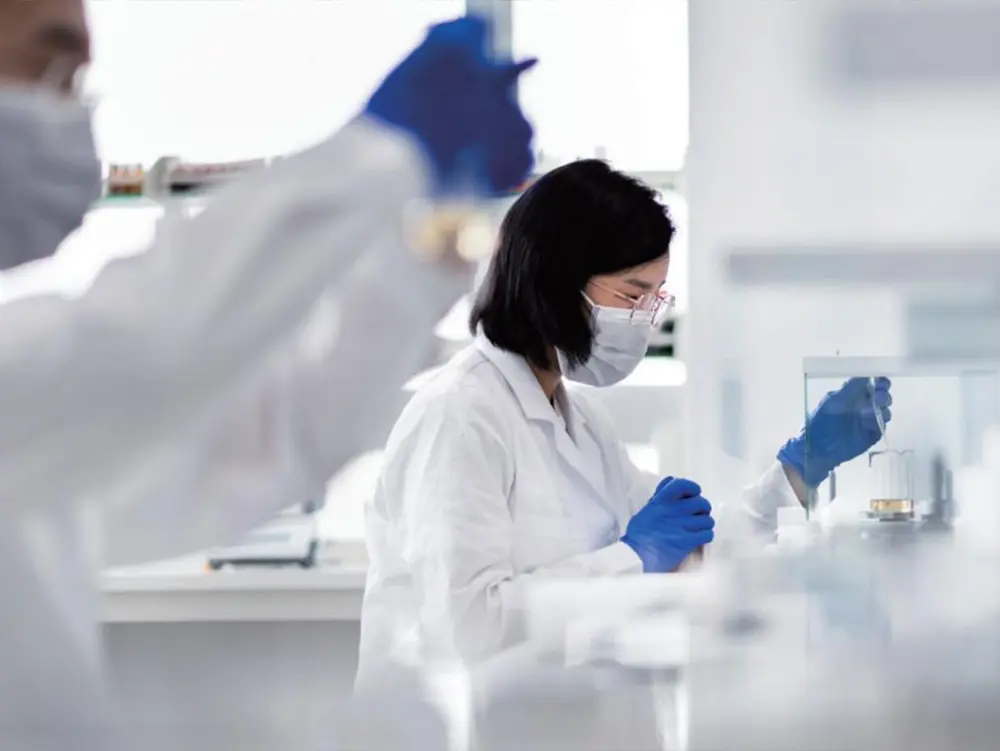
  • Gas Chromatography (GC) Purity: Must consistently exceed 96.0%, with impurities like chloropropyl silanes minimized below 0.5% to prevent substrate corrosion.
  • Low Hydrolyzable Chloride Content: Trace chlorine can result in acid generation, compromising the shelf-life of moisture-curable polymers.
  • Inert Nitrogen Blanketing: Reagents must be sealed under ultra-dry nitrogen gas in specialized epoxy-lined steel drums or specialized ISO tanks.

End-Use Distribution of Isocyanate Silanes

Adhesives & SMP Sealants45%
Automotive & Aerospace Coatings30%
Glass Fiber & Composites15%
Electronics & Semi-Conductors10%
US$280M
Sales Volume (2023)
30,000T
Annual Silane Output
12+
Silane Series Developed
6 Lines
DCS Automated Production

China Factory 4.0: Supply Chain Resilience & Smart Efficiency

How Boctok leverages US$65 Million in greenfield automation to stabilize quality and global delivery.

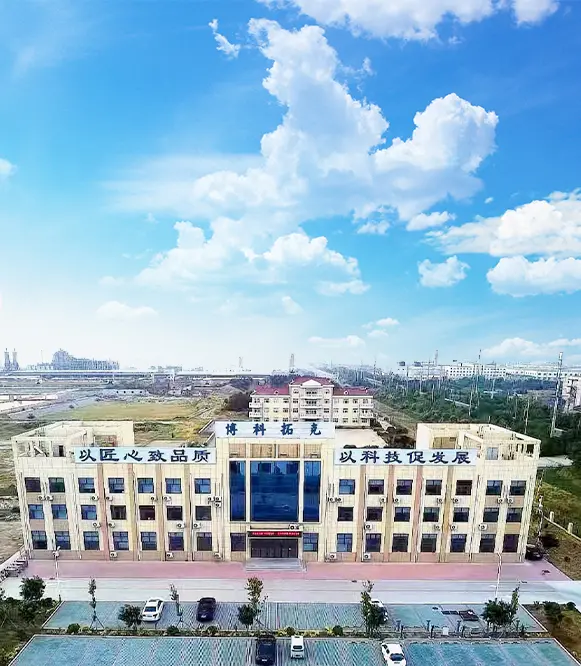
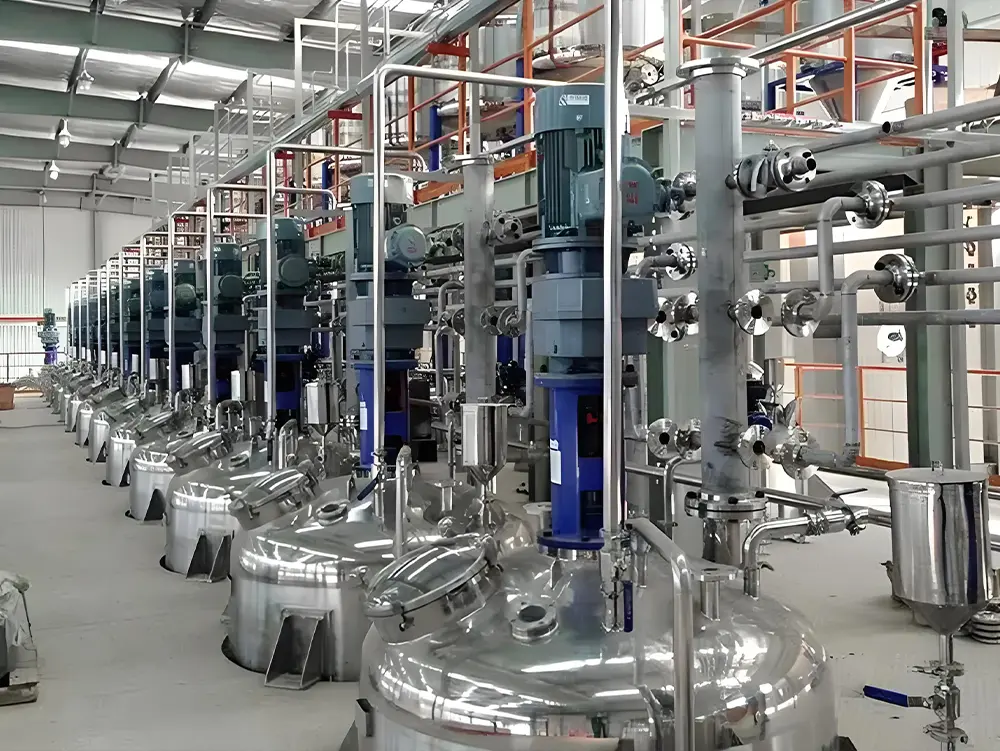
To address the global demand for chemical supply chain resilience, Boctok recently completed a major capital investment of US$65 million to construct a state-of-the-art chemical manufacturing plant. Located within the Bohai Industrial Park, a highly regulated provincial chemical industry zone in Shouguang City, Shandong Province, this facility significantly expands our production chain.

The Shouguang facility boasts 6 fully automated DCS (Distributed Control System) production lines, ensuring real-time, micro-controlled dosing, temperature holding, and vacuum distillation phases. This level of precision is necessary for synthesis pathways involving volatile intermediates like chloromethyl/chloropropyl silanes and carbamate derivatives.

Furthermore, the plant features an integrated SIS (Safety Instrumented System) and specialized gas collection networks. These technologies mitigate risk and guarantee operational continuity. Industrial effluents are treated on-site through dedicated waste-gas catalytic oxidation and modern wastewater purification systems, ensuring strict compliance with local and international environmental standards.

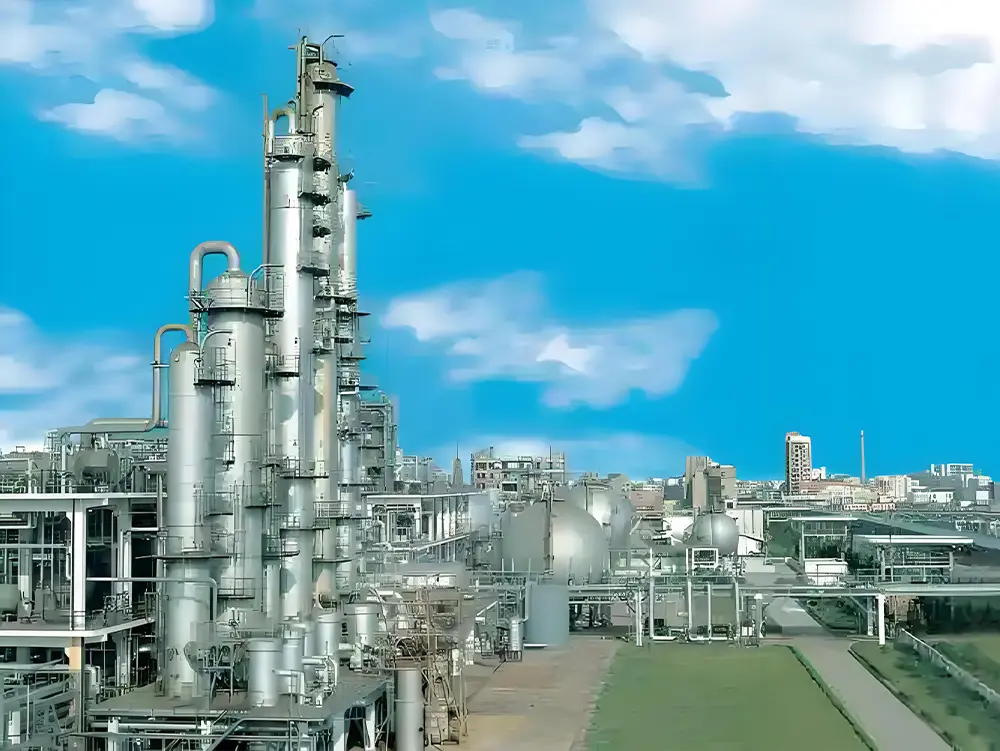
Boctok Automated Industrial Manufacturing Plant

Boctok's state-of-the-art facility featuring smart DCS control loops.
SINOPEC & PetroChina Raw Material Integration Direct, uninterrupted access to basic chemical reagents ensures price stability and production continuity even during global shipping bottlenecks.
ISO 9001:2015 Standard Compliance Every batch is traced from raw material introduction to final vacuum packaging. Retained samples are kept for 24 months for reference.
Environmental Stewardship Closed-loop system captures VOCs during organosilicon synthesis, preventing atmospheric discharge and aligning with international green mandates.
Factory Internal View
Refinery Pipeline
Production Control Center
Bulk Logistics Tank Area

Our Structured Product Classifications

Boctok supports global industrial processing through three core business segments.

Chemical Material Class
Core Segment I

Organosilicon & Silanes

Covers 12 functional series including: Aminosilane, Methacrylate Silane, Epoxy Silane, Vinyl Silane, Mercaptosilane, Alkyl Silane, Ethyl Silicate, Chlorosilane, Silane Isocyanates, Phenyl Silane, Ureidosilane, and Serosilane.

Also specializing in: High-hydrogen silicone oil, Dimethicone, Vinyl silicone oil, Polyphenylmethyldimethylsiloxane, Phenyl silicone oil, Silanol silicone oil, OH polymer, Alkoxy silicone oil, Methyl MQ resin, Vinyl VMQ resin, and room-temperature vulcanized (RTV) methyl/phenyl rubbers.

Pesticides Class
Core Segment II

Agrochemicals

High-purity intermediates and primary raw materials targeted at producing effective herbicides, fungicides, insecticides, seed treatments, and plant growth regulators. Our advanced organic synthesis lines yield reliable molecules to feed international agricultural supply chains.

PETROLEUM RESINS
Core Segment III

Petroleum & Hydrocarbon Resins

Operating three factories in Zibo, Fushun, and Nanjing. We offer: C9 Hydrogenated Resins, C5 Hydrocarbon Resins, C5/C9 Modified Resins, Dicyclopentadiene (DCPD), and Methyl Cyclopentadiene Dimer, sourcing premium feedstocks directly from SINOPEC and PetroChina.

Cross-Industry Application Scenarios

From aerospace sealant formulation to agricultural enhancement, discover where Boctok's chemical technology drives performance.
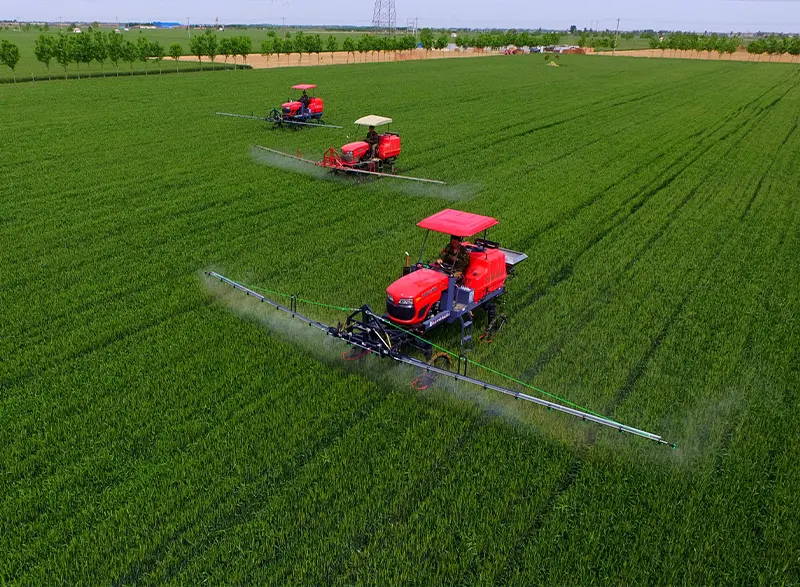
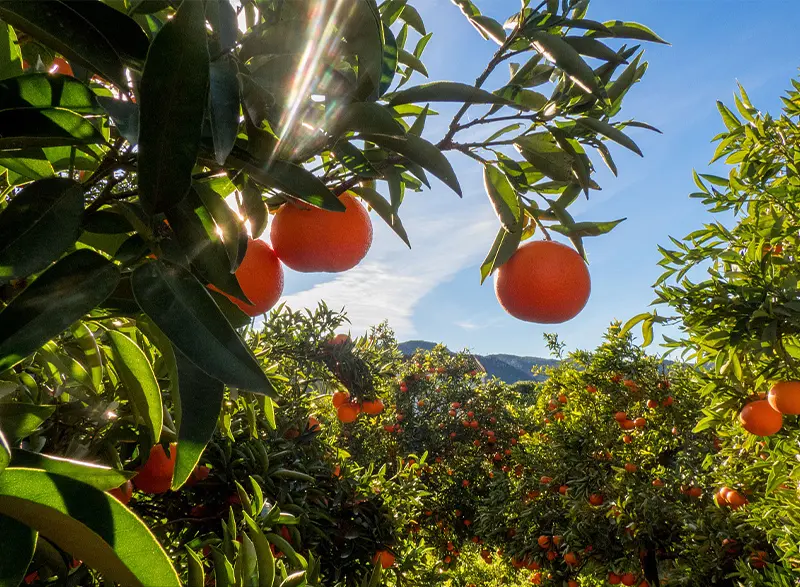
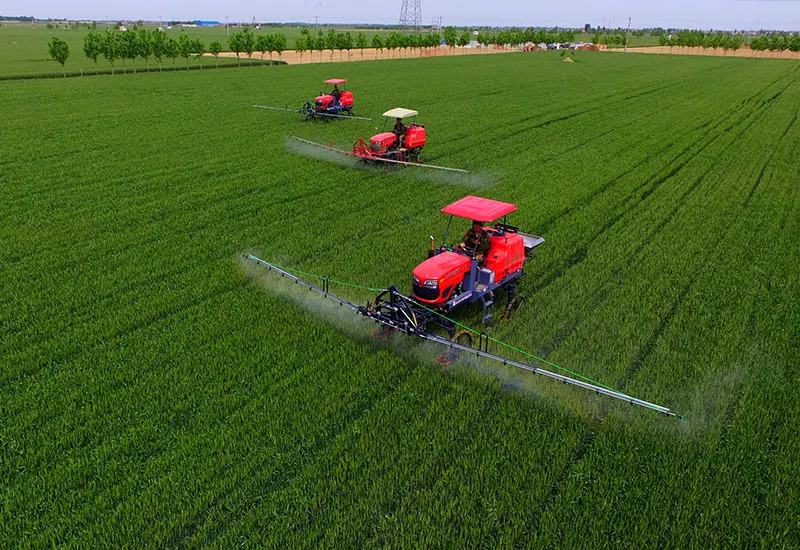
Pesticides - Fertilizers

Pesticides - Fertilizers

Pesticides - Melons and Fruits

Pesticides - Melons and Fruits

Pesticides - Flora

Pesticides - Flora

Pesticides - agricultural crops

Pesticides - agricultural crops

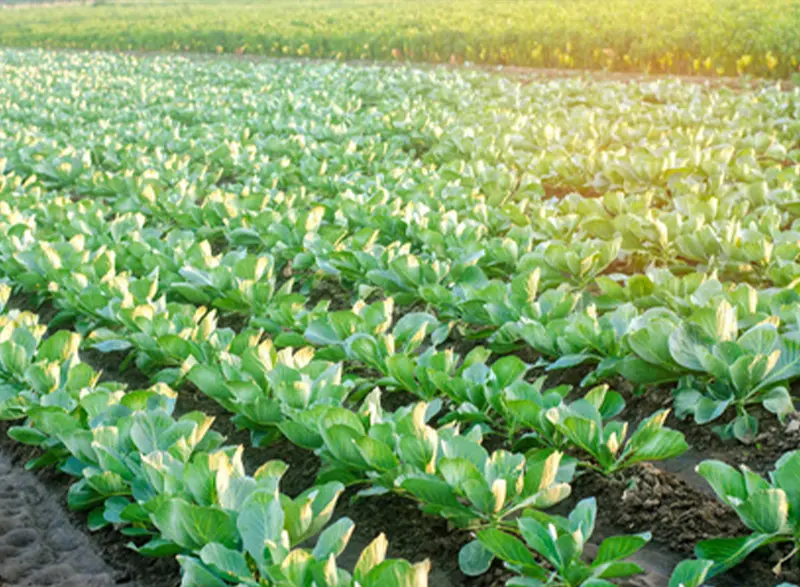
Pesticides - Vegetables

Pesticides - Vegetables

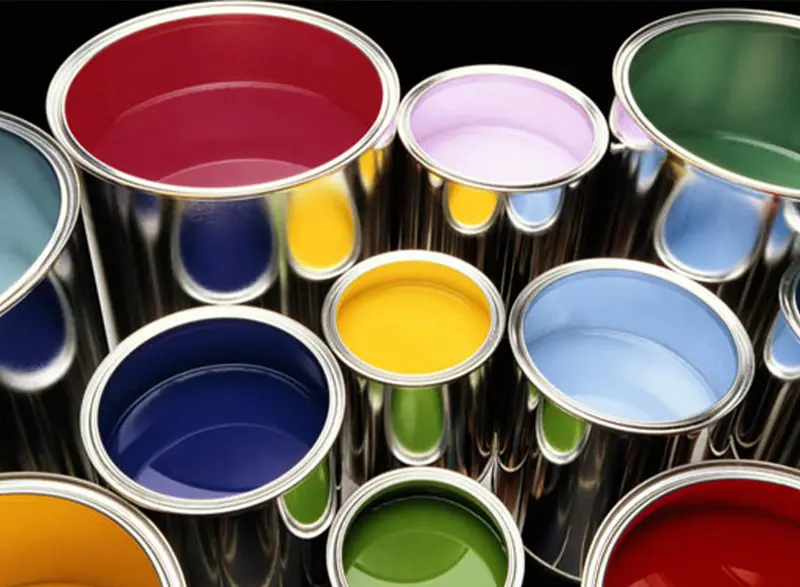
Petroleum resins - coatings

Petroleum resins - coatings

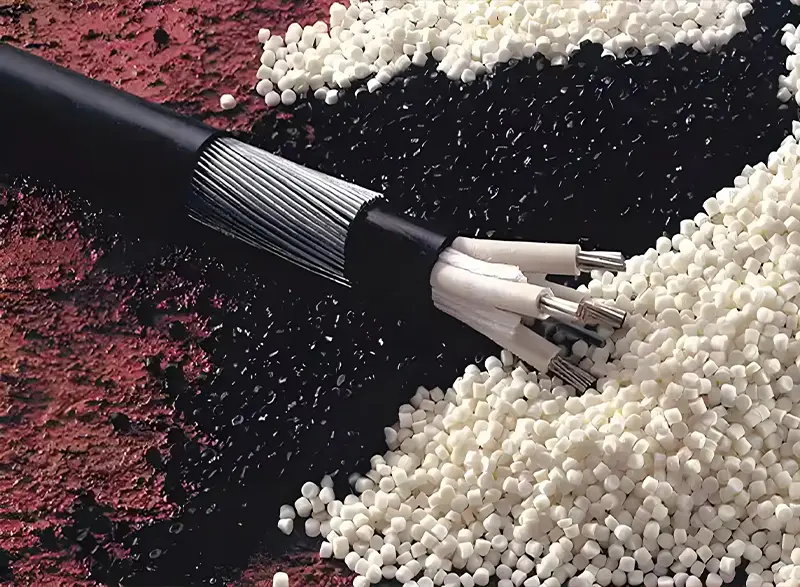
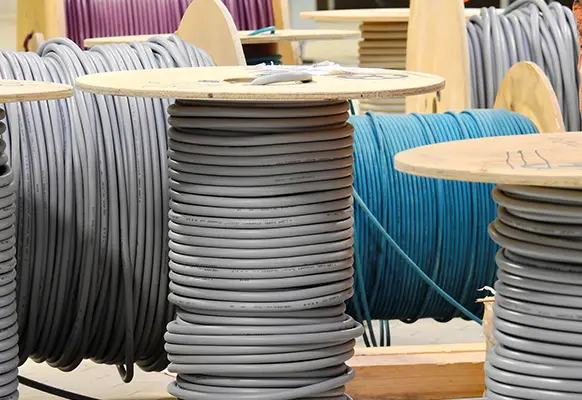
Silicones - cable materials

Silicones - cable & casting

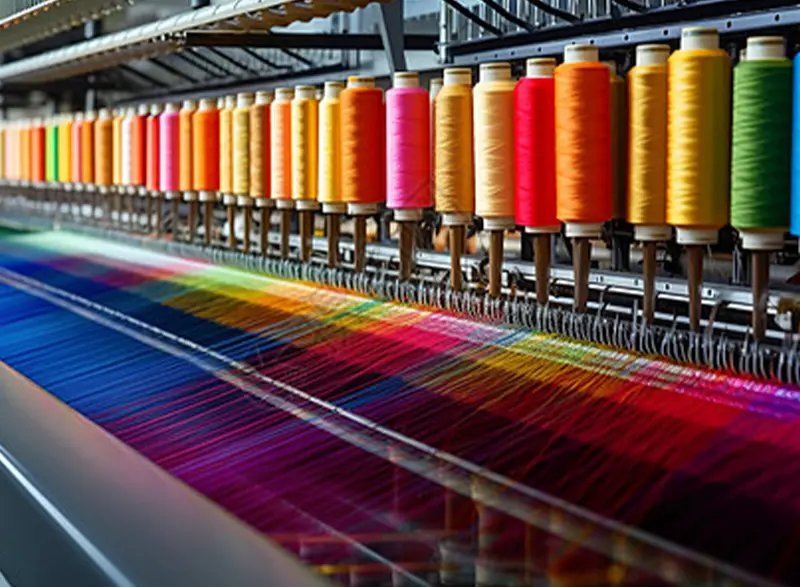
Silicone textiles

Silicone textiles

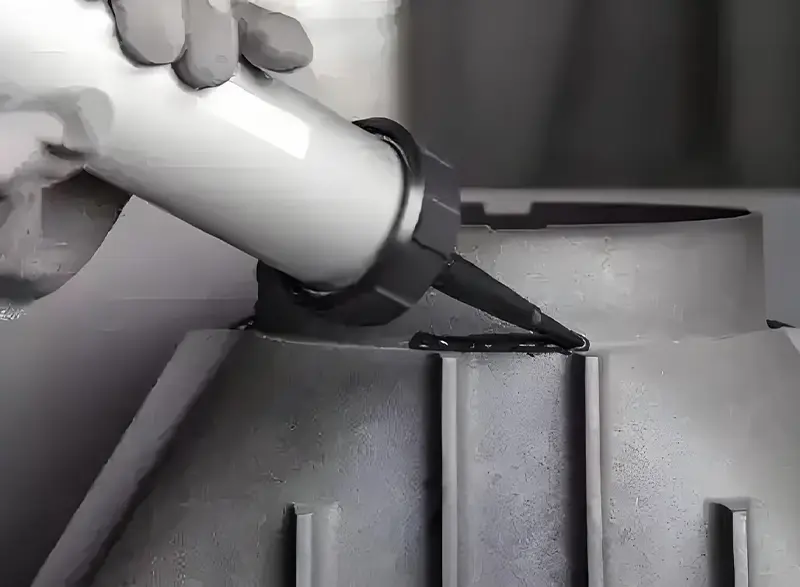
Silicone adhesives

Silicone adhesives

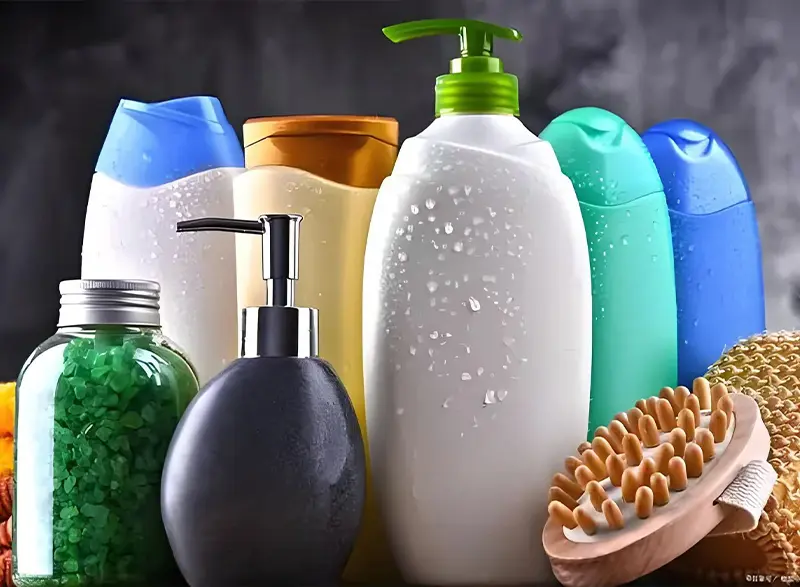
Organic silicone in daily chemicals

Organic silicone daily chemicals

Comprehensive Downstream Industries Supplied

Pharmaceutical and Pesticide Industry

Pharmaceutical and Pesticide Industry

Cosmetics and Personal Care Products

Cosmetics & Personal Care (Petroleum Resins)

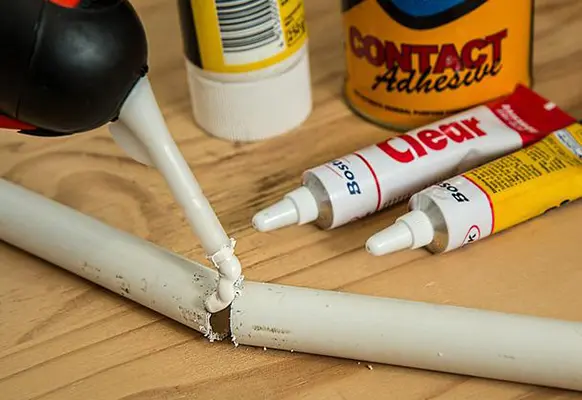
Industrial Adhesives

Industrial Adhesives

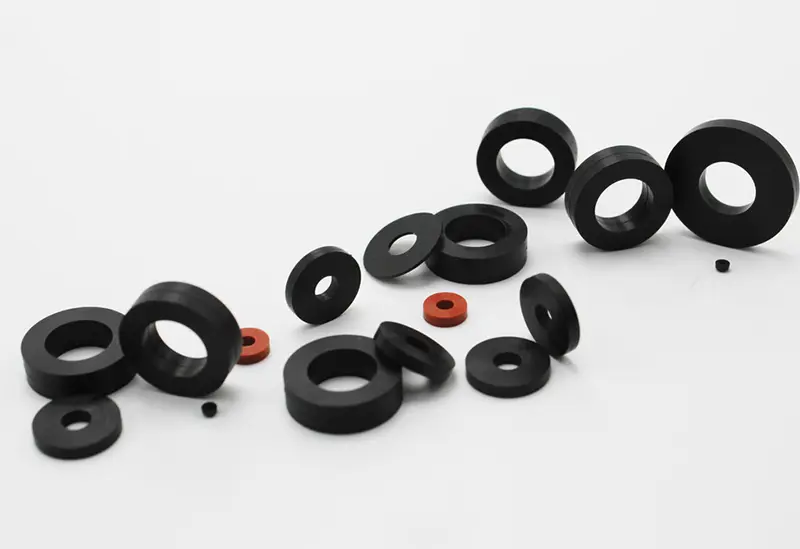
Rubber Industry

Rubber Industry

Paints and Coatings

Paints and Coatings

Plastics Industry

Plastics Industry

Pesticides

Pesticides Formulation

Self-lubricating LSR

Self-lubricating LSR

Antifoaming Agent

Antifoaming Agent

Drywall

Drywall Applications

Silicone Liquids

Silicone Liquids

Automotive, Marine and Aviation

Automotive, Marine & Aviation

Forms

Forms & Moldings

Electronics Industry

Electronics Industry

Construction Industry

Construction Industry

Construction Adhesives and Sealants

Construction Sealants

Paint and Varnish Coatings

Paint and Varnish Coatings

Metal Surface Treatment

Metal Surface Treatment

Wire and Cable

Wire and Cable

Synthesis and Casting of Resins

Synthesis & Casting of Resins

Construction Materials Processing

Construction Processing

Wind Turbine Manufacturing

Wind Turbine Assembly

Biomedical

Biomedical Grade Silicones

Textile

Textile Softening Agents

Processing of Minerals and Fillers

Mineral & Filler Coupling

Micro- and Trapezoidal Polymers

Micro- & Custom Polymers

Paints (Silicone)

Paints (Silicone Modified)

Technical Q&A: Isocyanate Silane Chemistry

Critical engineering answers for formulation chemists and supply chain directors regarding chemical safety, handling, and formulation integration.

How do Isocyanate Silanes prevent moisture-induced gelation in the drum?
Because the -NCO and alkoxysilane groups are highly reactive with humidity, storage stability requires strict nitrogen gas purging during packaging. We vacuum-distill the product to keep moisture levels below 0.05% and package it in steel containers sealed under dry nitrogen.
What is the benefit of Silylated Polyurethane (SPUR) over traditional Polyurethane?
SPUR systems eliminate free diisocyanate monomers, reducing health risks for installers. Furthermore, they prevent carbon dioxide outgassing during curing, eliminating bubbles and pinholes in thick sealant joints.
Why choose ethoxy silanes (like CAS 24801-88-5) over methoxy silanes?
Ethoxy-based silanes release ethanol during hydrolysis, which is significantly less toxic than methanol (released by methoxy silanes). Methoxy silanes hydrolyze faster, but ethoxy silanes are preferred for consumer-facing adhesives and cosmetic-adjacent formulations.
How does the Shouguang plant automation ensure high-batch consistency?
Our DCS system controls temperature, reaction duration, and chemical feeding speed. This reduces human error, limits byproduct generation, and maintains a stable refractive index and viscosity across different batches.

Advanced Organosilicon Polymers & Specialized Reagents

Explore our specialized silicone polymers, bis-silanes, and mercapto-terminated coupling agents engineered for heavy industrial applications.
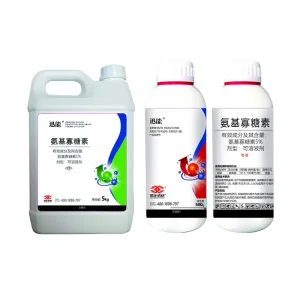
5% аминолитроглицина

China 5% аминолитроглицина Manufacturers, Factory Grade Intermediate

View Technical Specifications
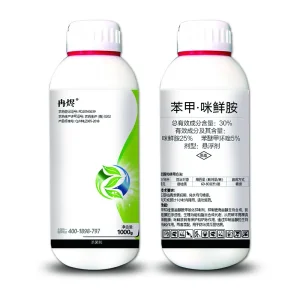
30% бензола мидамина

Famous 30% бензола мидамина Suppliers, Specialized Reagents & Products

View Technical Specifications
Hydroxysilicone oil 63148-60-7

China Hydroxysilicone oil 63148-60-7 Supplier, High Viscosity Factory

View Technical Specifications
Bis(aminosilane) polymers CAS 106163-31-5

China Bis(aminosilane) polymers CAS 106163-31-5 Manufacturer

View Technical Specifications
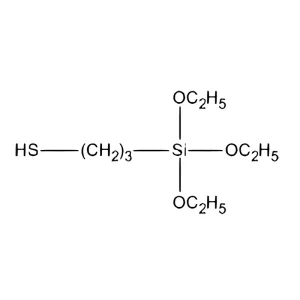
3-Mercaptopropyltriethoxysilane

Famous 3-Mercaptopropyltriethoxysilane Cas 14814-09-6 Factories

View Technical Specifications
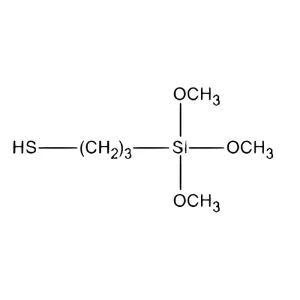
3-Mercaptopropyltrimethoxysilane

Famous 3-Mercaptopropyltrimethoxysilane Specialty Adhesion Promoter

View Technical Specifications
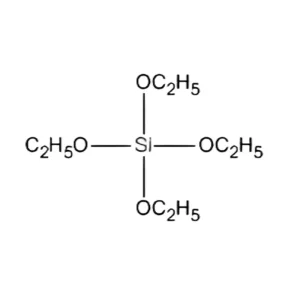
Tetraethoxysilane CAS 78-10-4

China Tetraethoxysilane CAS 78-10-4 High Purity Manufacturer, Companies

View Technical Specifications
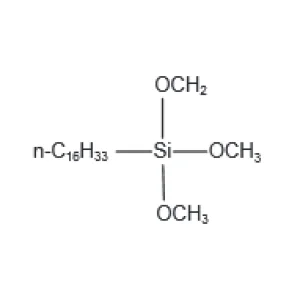
Cetyltrimethoxysilane CAS 16415-12-6

China Cetyltrimethoxysilane Cas 16415-12-6 Factories, Companies

View Technical Specifications