Explore our specialized range of high-purity silane coupling agents, silicone rubber raw materials, and precision formulations.
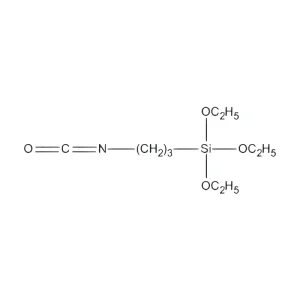
Isocyanate silanes, such as Gamma-isocyanatopropyltriethoxysilane (CAS 24801-88-5) and its trimethoxy analog, occupy a unique and critical position in polymer chemistry. Featuring a highly reactive isocyanate organic group (-N=C=O) coupled structurally with hydrolyzable alkoxy inorganic groups, these bi-functional molecules act as molecular bridges. They effectively cross the divide between organic resins—specifically polyurethane, polyols, and epoxies—and inorganic surfaces like glass, silica, metal oxide, and mineral fillers.
Information Gain: Unlike standard amine or epoxy silanes, isocyanate silanes react directly with hydroxyl, amino, or carboxylic acid groups in the polymer matrix without releasing volatile side products, forming highly stable urethane or urea linkages. This makes them indispensable in creating non-bubbling, high-durability coatings and sealants.
By facilitating chemical bonding, these coupling agents dramatically enhance adhesive strength, chemical resistance, and structural longevity, preventing moisture infiltration and material degradation under extreme environmental conditions.
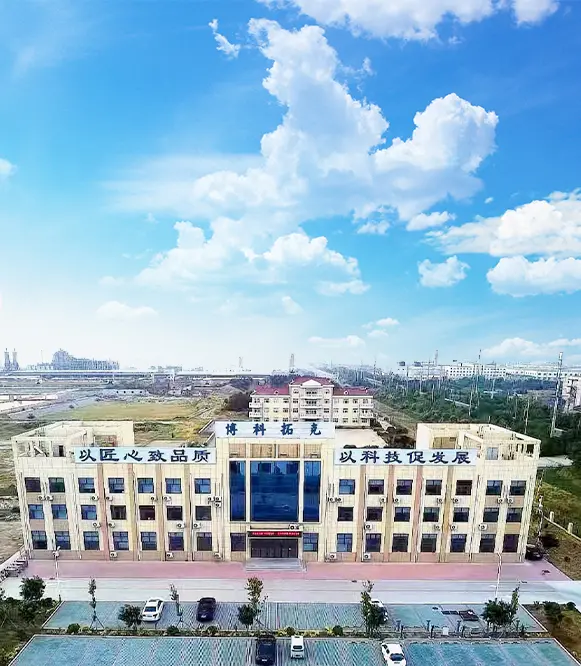
A trusted global powerhouse in organosilicone chemistry, petroleum resins, and high-precision agrochemical formulations.
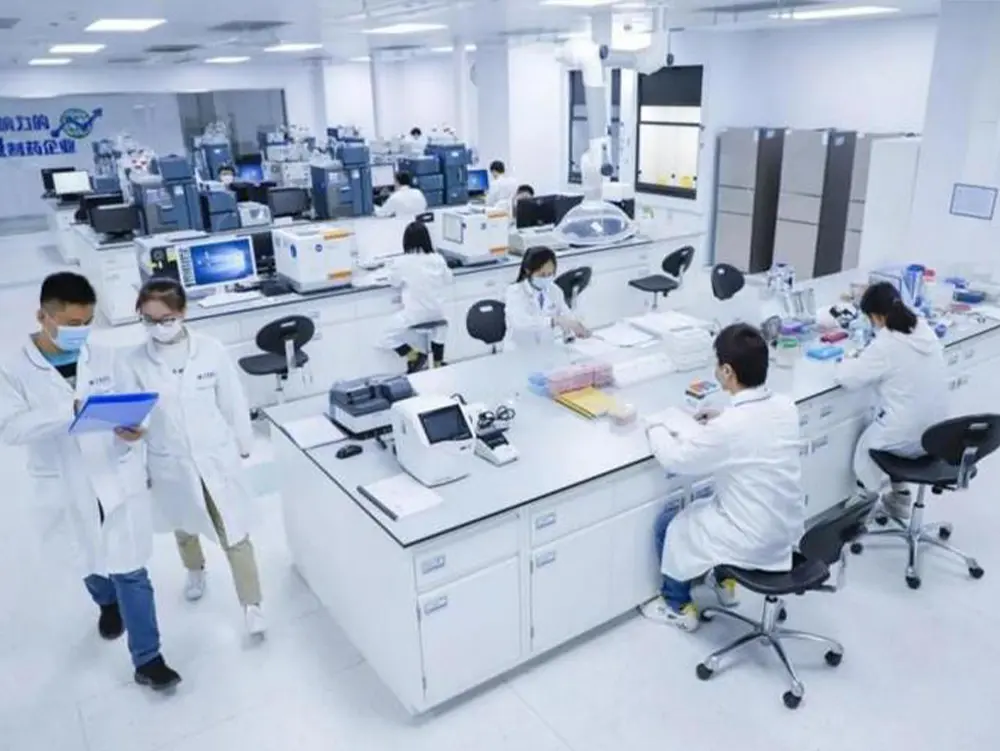
Founded in 2012, Shandong Boctok Chemical Co. was established as the primary marketing and sales center for both domestic and international operations of Boctok™. Through unwavering dedication to quality control and customer-centric technological solutions, we achieved a record annual sales revenue of US$280 million in 2023. A substantial arm of our business is specialized in servicing the high-demand Russian market with customized delivery models and localized specifications.
Our core operations are divided into robust divisions, covering three major chemical segments:
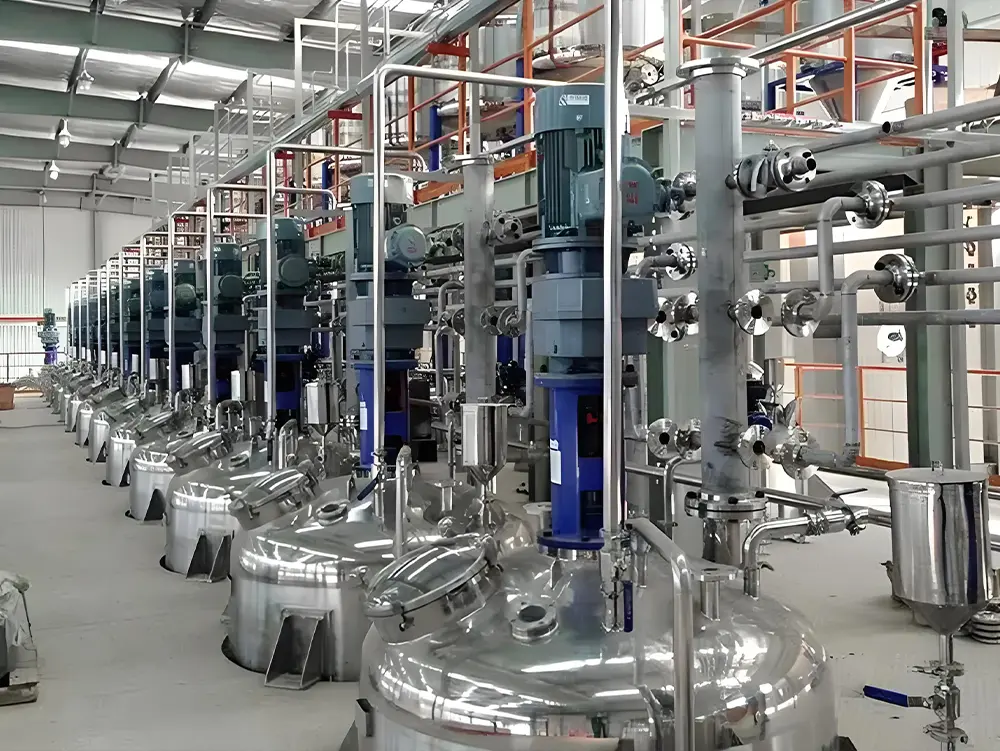
Our newly expanded facilities in Shouguang, Shandong showcase cutting-edge automation, safety systems, and vertical integration.
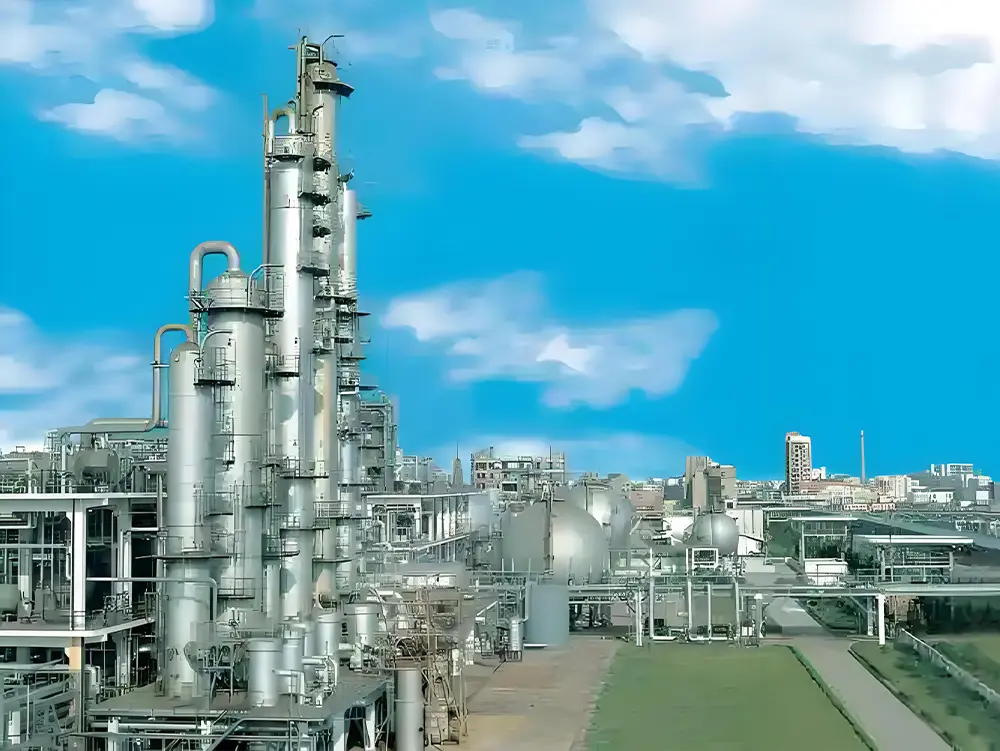
Our strategic locations in Zibo, Fushun, and Nanjing allow direct integration with downstream fractions from SINOPEC and PetroChina. This ensures reliable, abundant raw material supplies, cushioning our international buyers from volatile global supply chains. Our recent US$65 million investment in the Bohai Industrial Park (Shouguang City, Shandong Province) further expands our domestic footprint, integrating 6 state-of-the-art automatic DCS production lines with an annual output capacity of 30,000 tons of silane coupling agents.
Adapting to green policies, material science shifts, and the high-demand silylated polymer market.
Modern adhesive manufacturers are shifting from toxic, free-isocyanate pre-polymers to silylated polyurethanes (SPUR/MS Polymers). Using our Isocyanate Silanes as capping agents eliminates toxic hazards while retaining excellent elastomeric properties, providing non-bubbling, UV-resistant cure mechanisms.
Global environmental regulations (REACH, EPA) are pushing coatings manufacturers toward water-borne, high-solid, or solvent-free configurations. Our alkoxy silanes hydrolyze efficiently, allowing safe, environmentally compliant crosslinking without compromising film hardness or durability.
With electric vehicle (EV) growth, structural bonding of composite matrices and battery pack cell-to-pack bonding requires dynamic structural adhesion. Isocyanate Silanes enhance bonding between metal frames and fiber-reinforced plastics under severe vibration and thermal shock conditions.
How Boctok's raw materials and specialized silicone matrices transform high-performance end-use products.
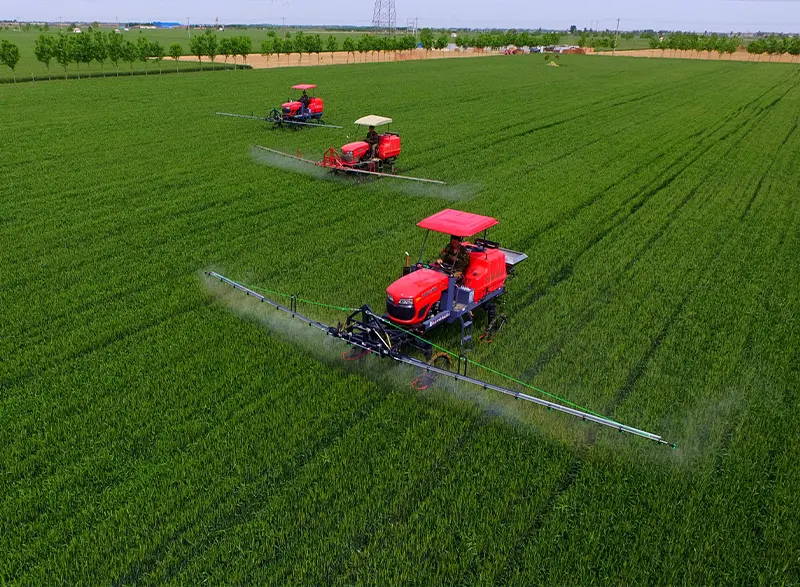
Enhancing formulation stability, droplet spread, and soil penetration using targeted organosilicon adjuvants.
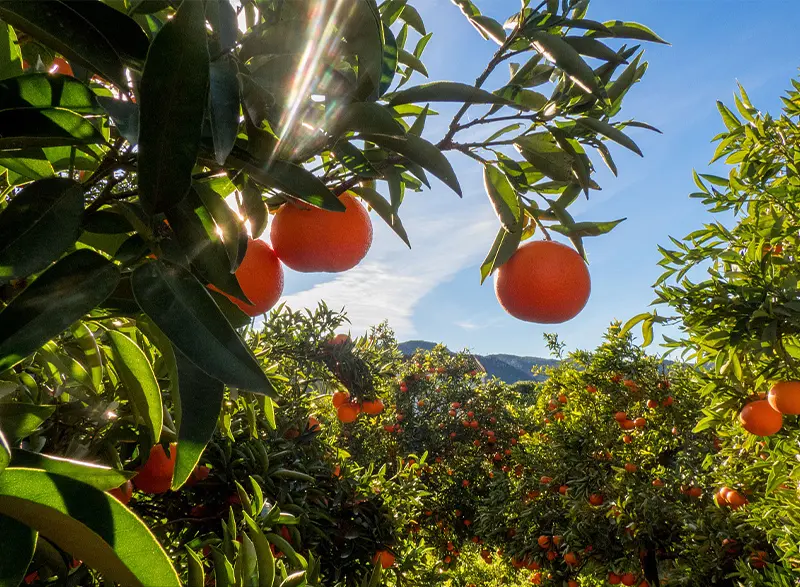
Systemic protection utilizing highly clean formulation intermediates for safe, high-yield horticulture.

Fungicidal raw material vectors targeting robust floral and landscaping protection networks.

Improving plant growth regulator distribution and rainfastness of systemic herbicides on crop leaves.

Organic and inorganic agricultural compound delivery systems for greenhouse cropping optimizations.
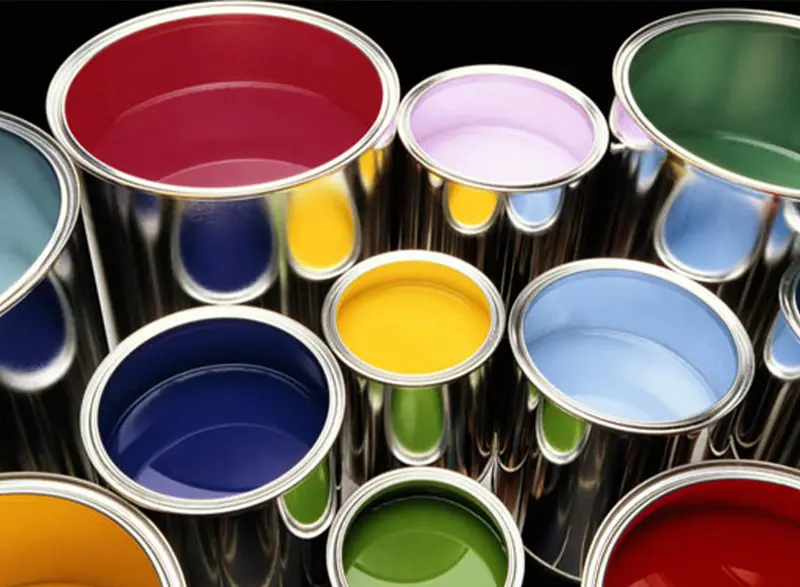
C9/C5 hydrocarbon resins optimizing drying times, gloss, hardness, and pigment wetting in industrial paints.
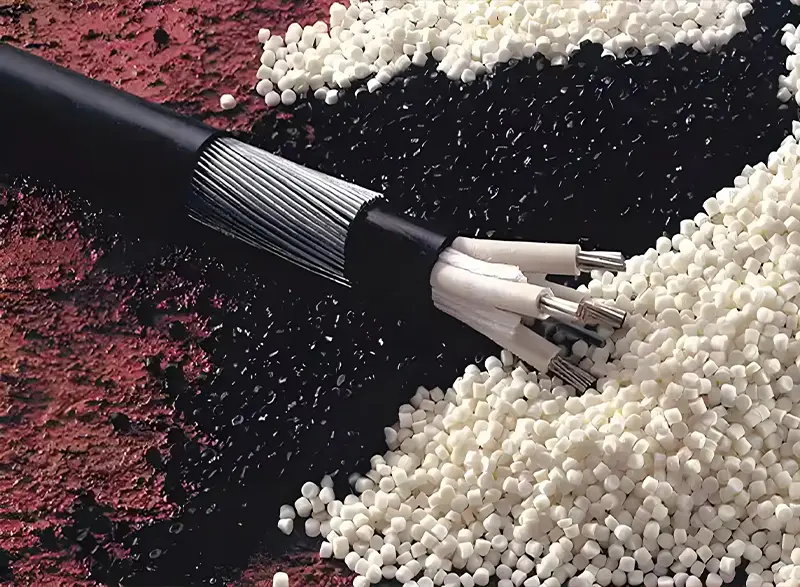
XLPE crosslinked matrices and structural casting compounds designed for extreme voltage distribution.
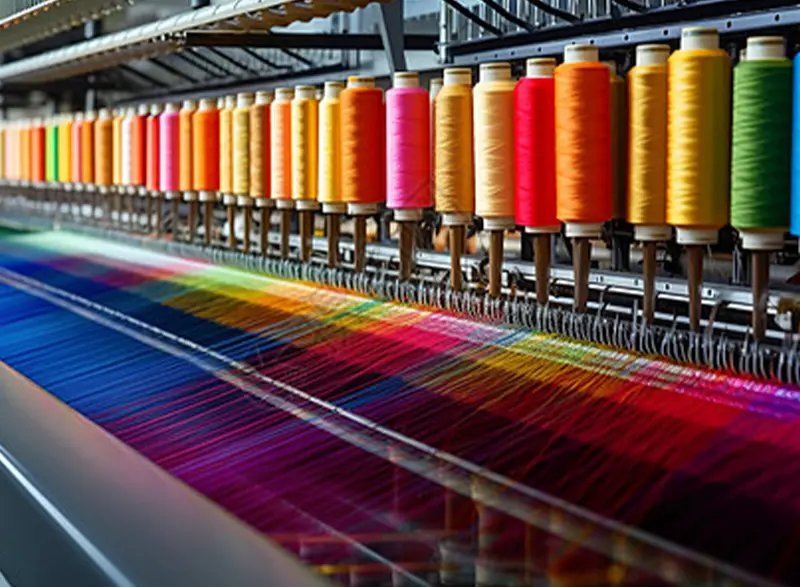
Emulsified silanol and amino silicone oils providing premium softening, waterproofing, and durability.
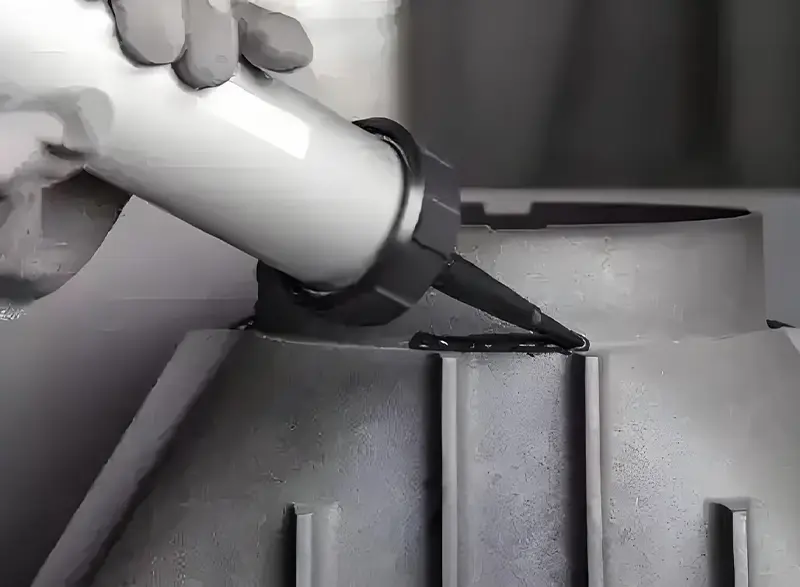
High-strength condensation-cure systems designed for architectural glazing and structural joints.
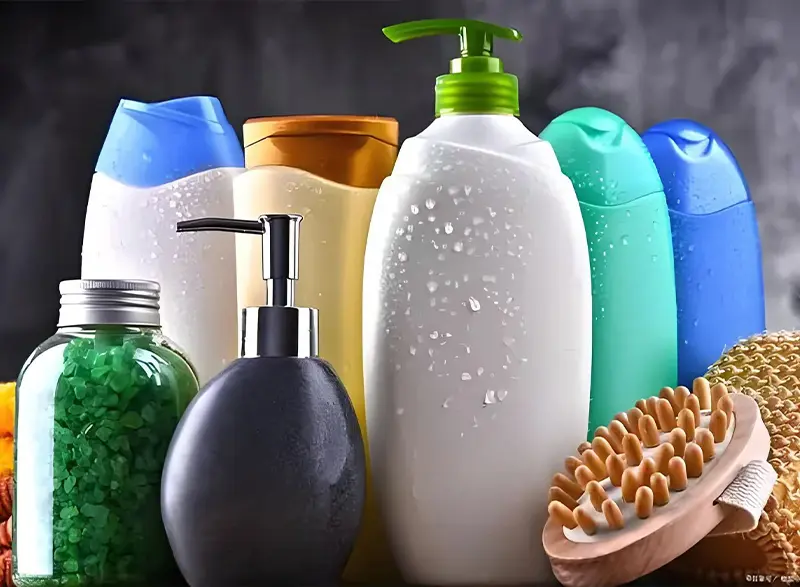
Volatile cosmetic fluids (phenyl trimethicone, dimethicone) providing skin conditioning and velvet touch.
Direct supply-chain integration matching chemical functionalities with commercial enterprise sectors.

Intermediates for targeted active ingredient synthesis.

Petroleum resins and cosmetic-grade silicon fluids.
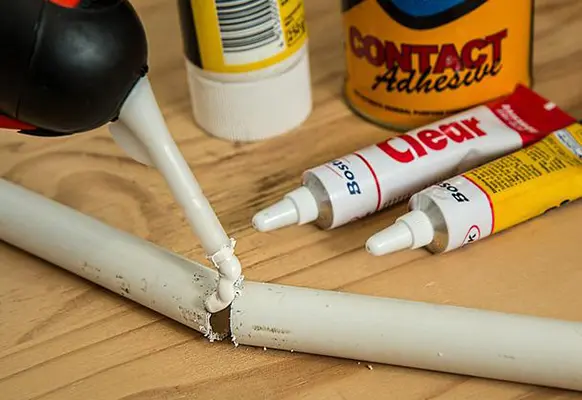
High adhesion hydrocarbon tackifying resins.
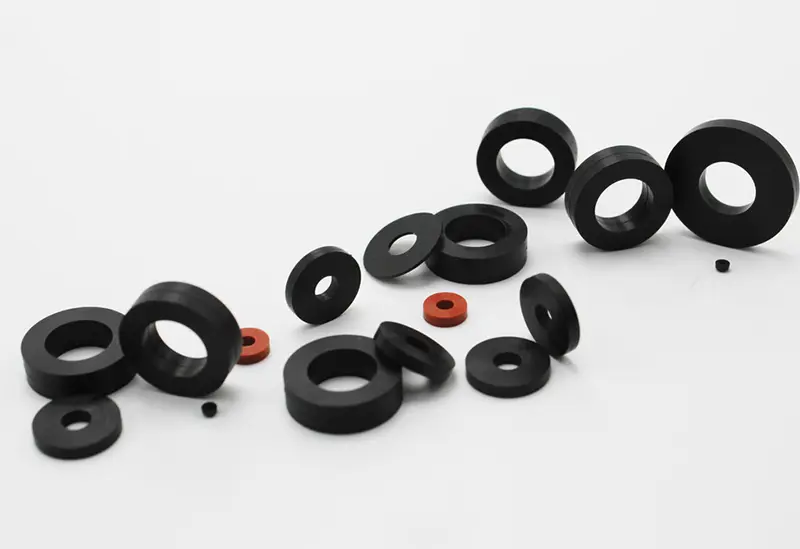
Organosilicon crosslinkers and processing aids.
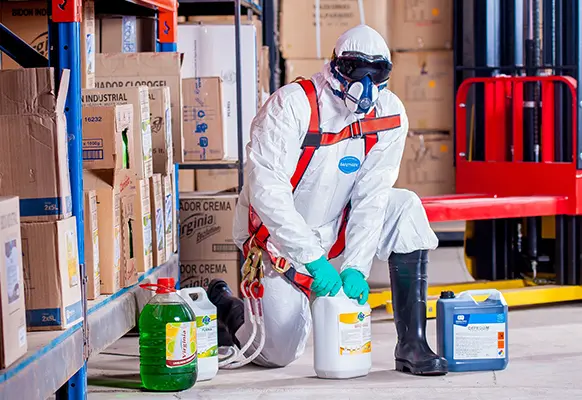
Protective coatings modifying resins and additives.
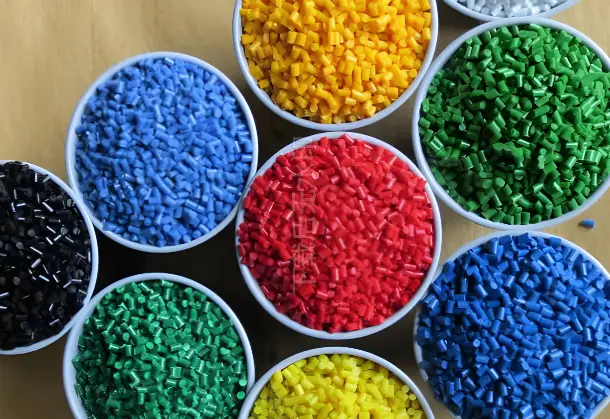
Thermoplastic resin modification and flow enhancement.
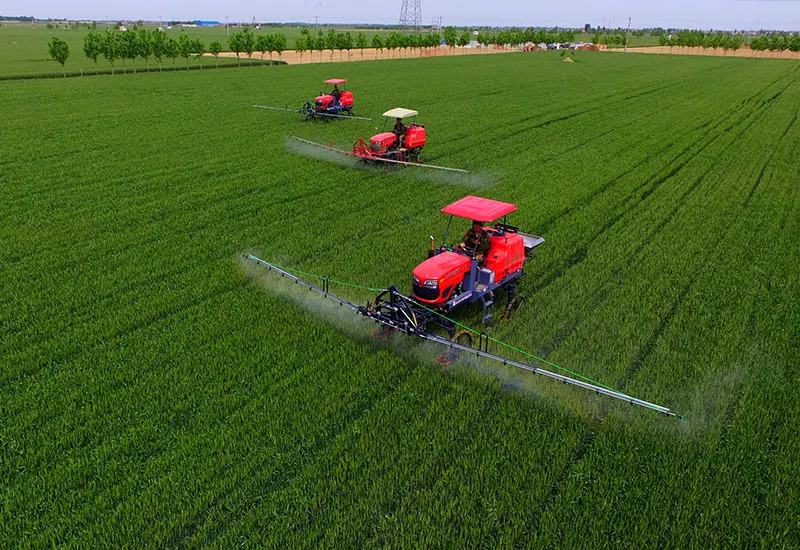
Intermediates for crop protection formulations.
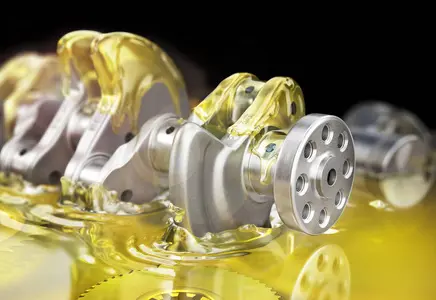
Liquid silicone rubbers for medical and industrial parts.
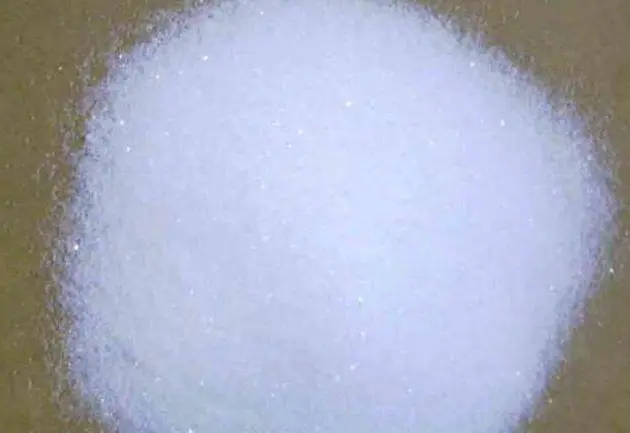
Defoaming compounds for petroleum and water treatment.

Hydrophobic additives for plasterboards and gypsum blocks.
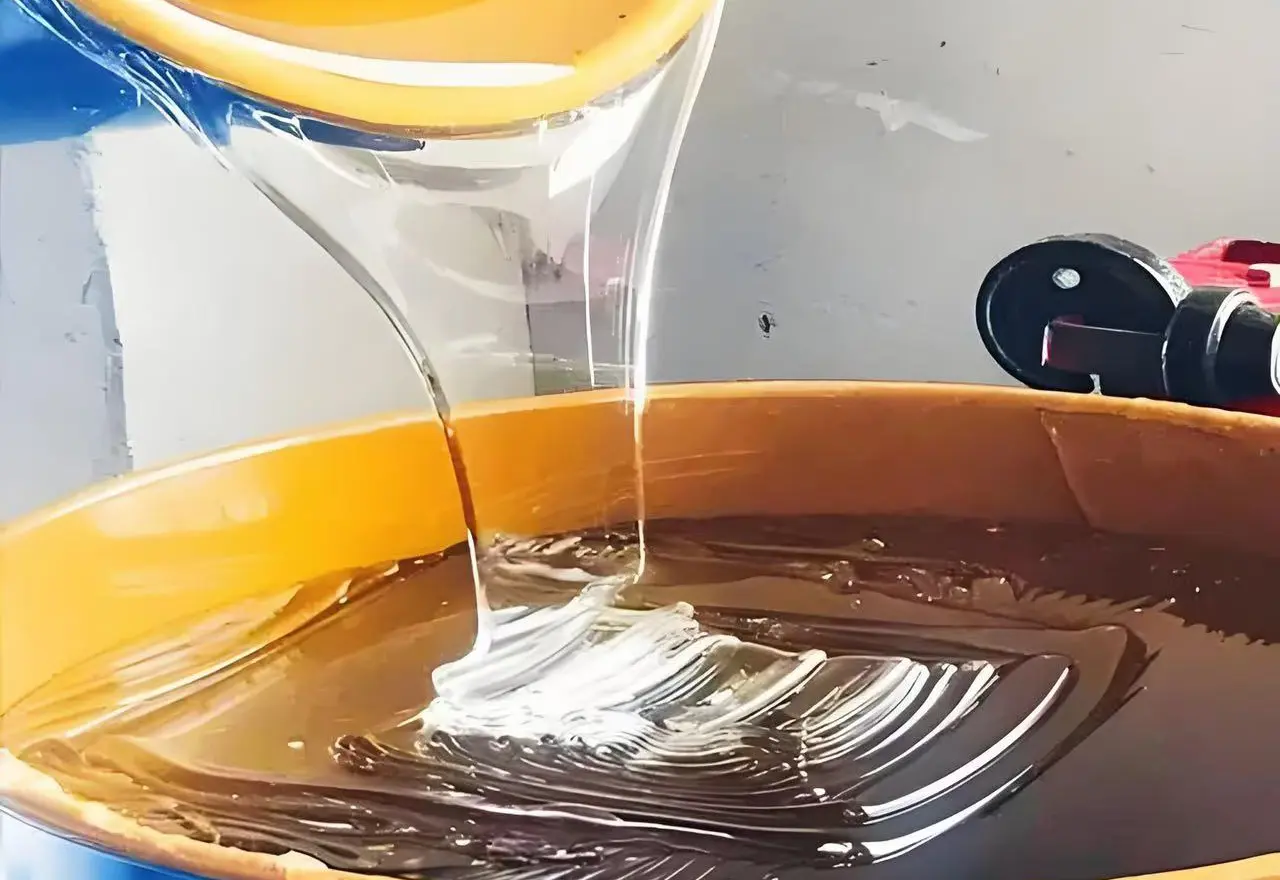
Varying viscosity dimethyl silicone liquids for damping.

Robust thermal shielding, gasket rubbers, and composites.
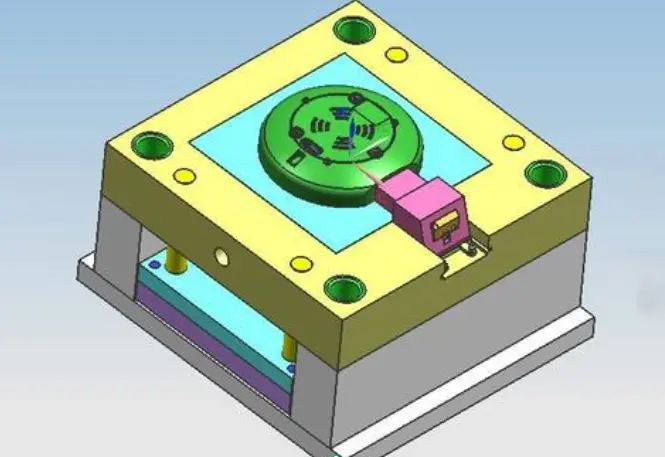
Precision mold-making rubbers and release agents.

Thermally conductive potting materials and silicones.

Masonry sealers, brick water repellents, concrete silanes.
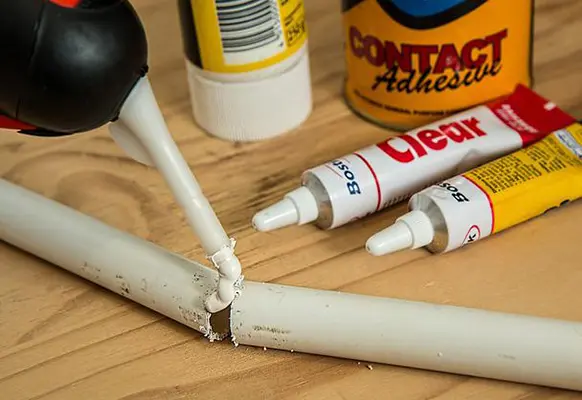
Weather-proof window and structural glazing sealants.
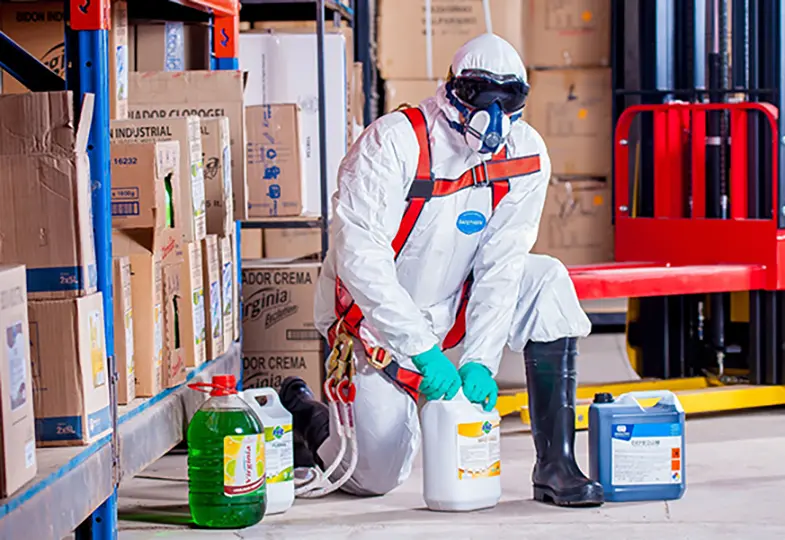
Improving protective varnishes adhesion and weatherability.

Corrosion resistance priming and coupling over substrates.
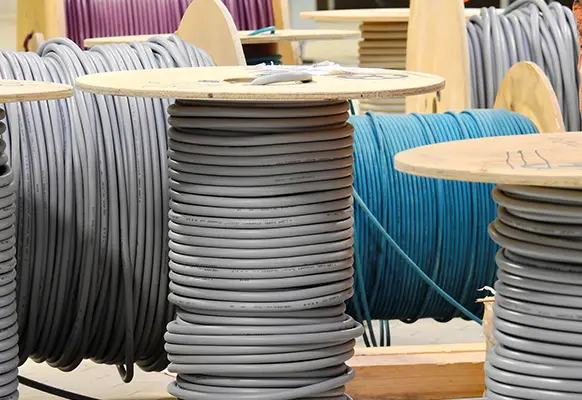
Silane grafted insulation compound formulations.
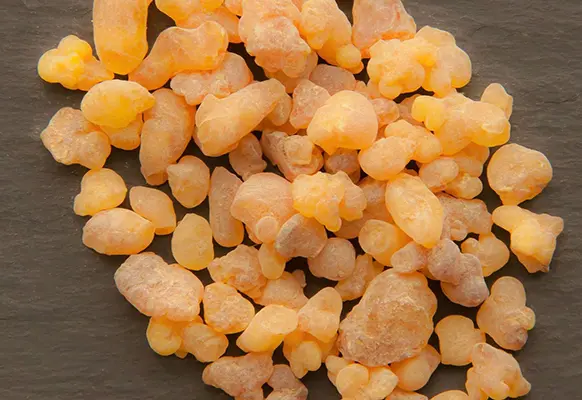
Direct copolymerization additive systems.

Super-hydrophobic additives for mortar and aggregates.

Reinforced epoxy sizing agents for composite turbine blades.
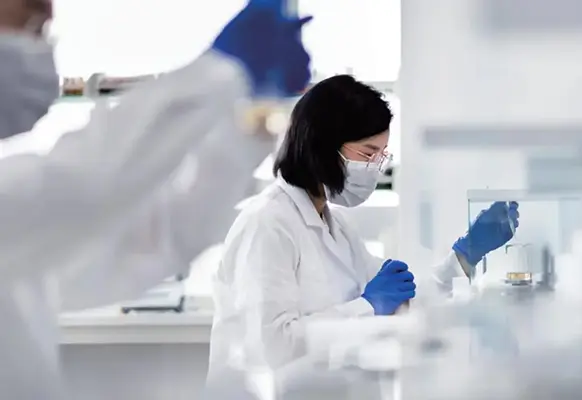
High-purity liquid silicone polymers and tubing raw materials.

Fabrics softeners, waterproofing coatings, and additives.
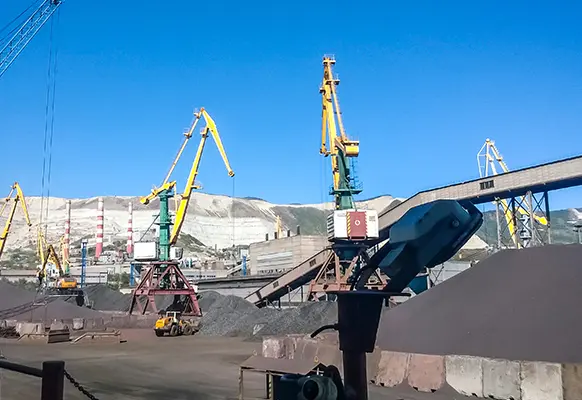
Surface treatment of silica, kaolin, talc, and metal oxides.
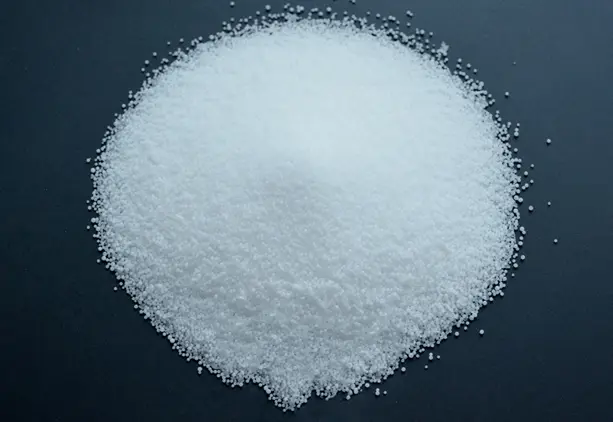
Precision functional crosslinked silicone networks.
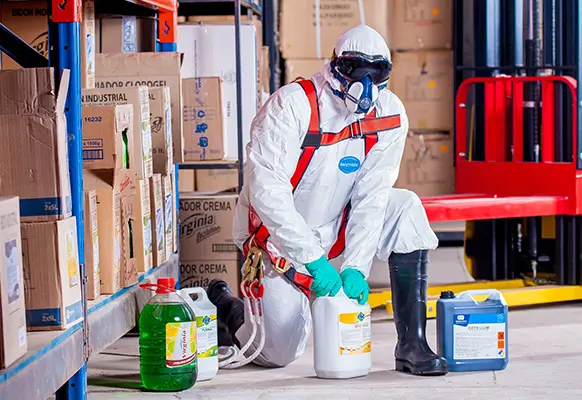
High temperature resistance paint resin matrices.
Why Fortune 500 chemical companies and global procurement divisions select Shandong Boctok Chemical Co.

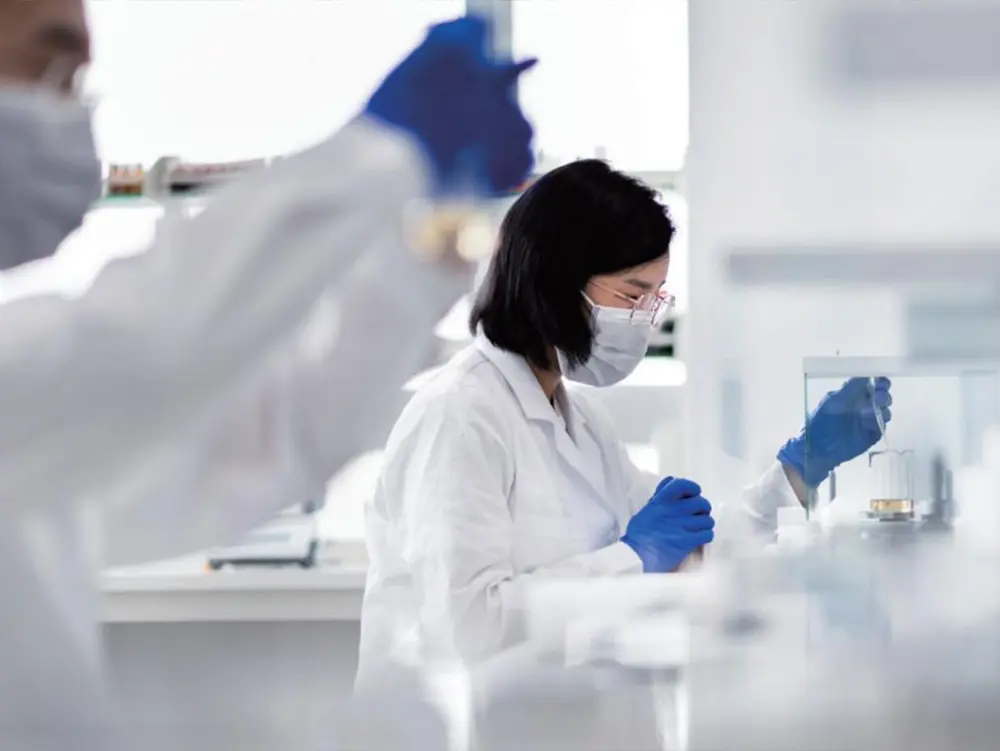
Our products undergo rigorous testing via gas chromatography (GC), Karl Fischer moisture analysis, and viscosity tracking, ensuring that every batch complies with strict global export metrics.

Our advanced automatic DCS system enables efficient scale-up and customizable configurations for large bulk contracts, achieving high production stability across twelve silane series.

Our technical sales engineering team operates 24/7 online to assist with polymer formulation troubleshooting, CAS verification, and optimized compound design recommendations.

Utilizing optimized logistics from our Chinese hydrocarbon plants and major coastal ports, we guarantee accelerated transport and flexible packaging solutions (drums, IBCs, ISO tanks).
Expert answers to critical chemical formulation, storage, and application questions regarding Isocyanate Silanes.
Expand your sourcing capability with our agricultural active intermediates, special silicone resins, and industrial oils.
 Boctok Chemical