Explore our premium grade chemical materials engineered for industrial crosslinking, surface treatment, and polymer modification.
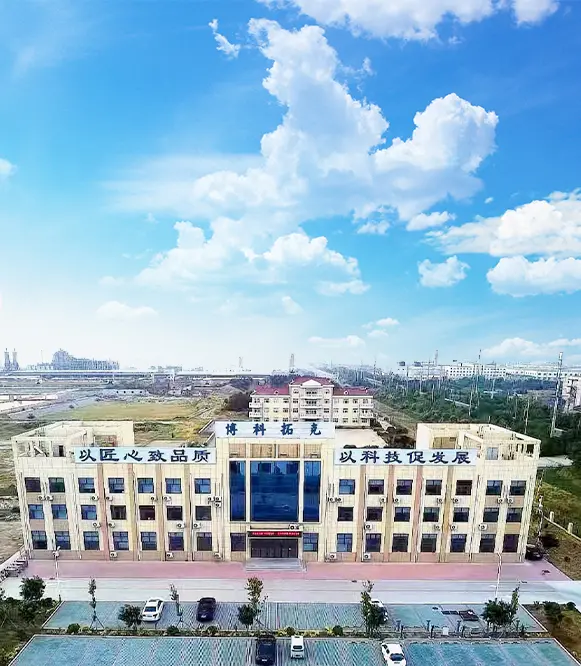
Founded in 2012, Shandong Boctok Chemical Co. has established itself as an international powerhouse in organosilicon chemistry and advanced polymer design. Functioning as a high-technology marketing and sales hub for Boctok™ domestic and global business, we achieved recorded sales of US$280 million in 2023. Over the years, we have built a stellar reputation with special focus on supplying demanding markets, including the highly challenging CIS and Russian Federation industrial sectors.
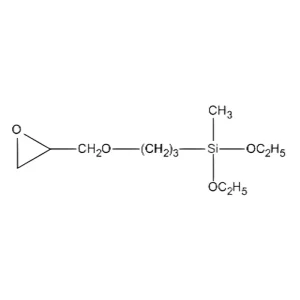
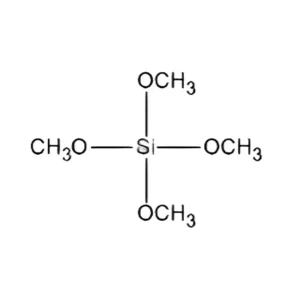
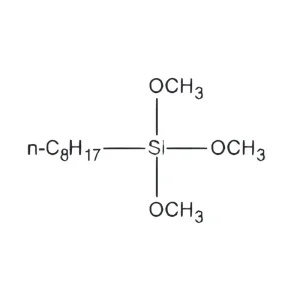
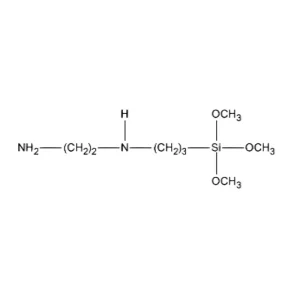
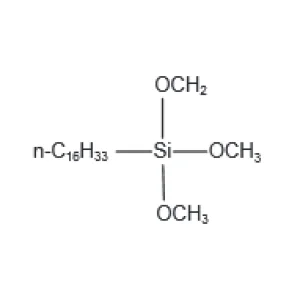
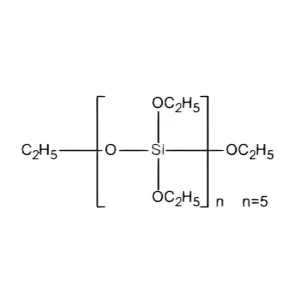
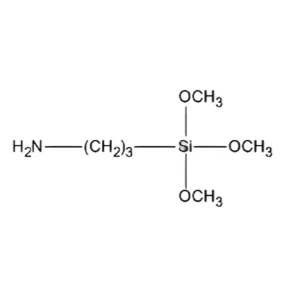
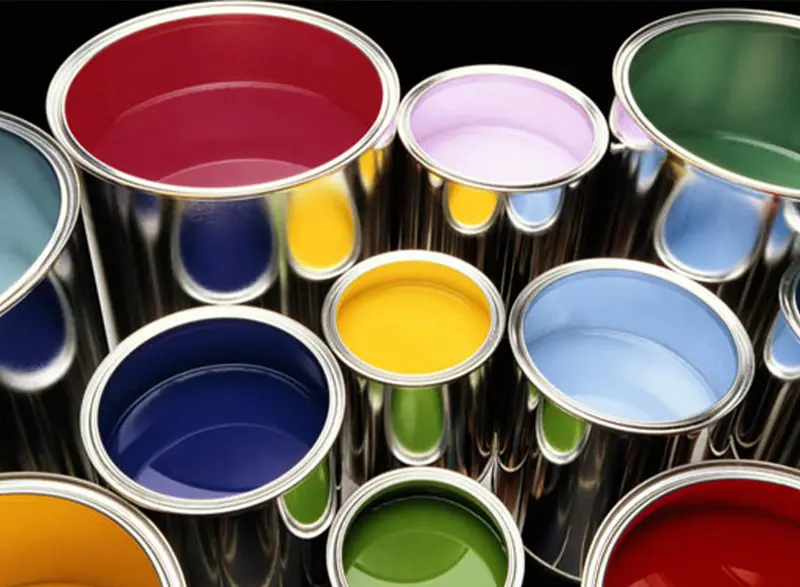
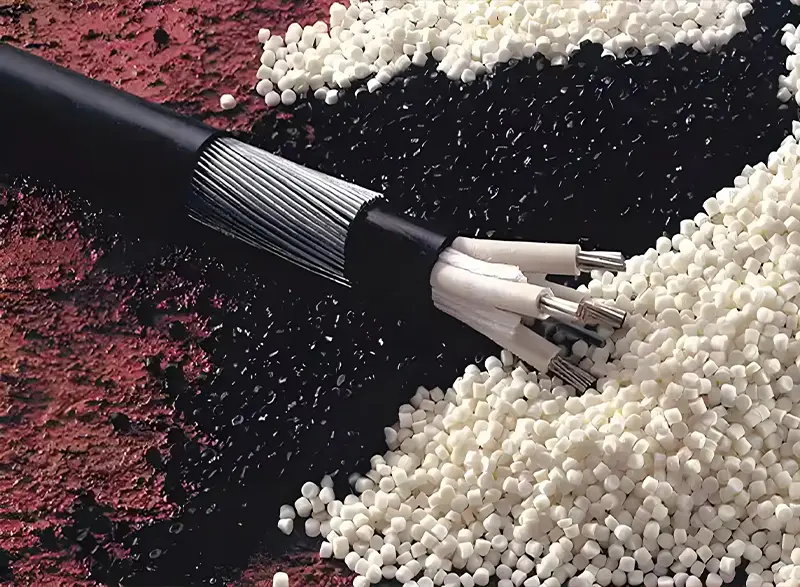
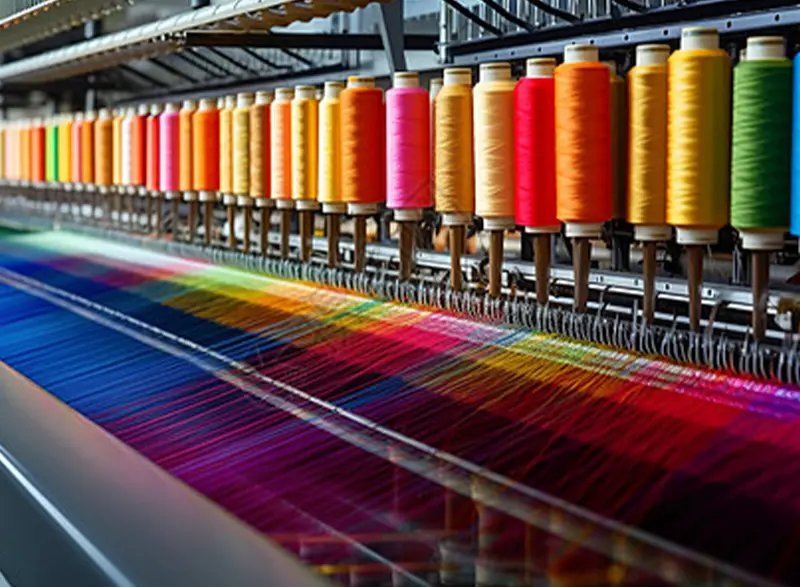
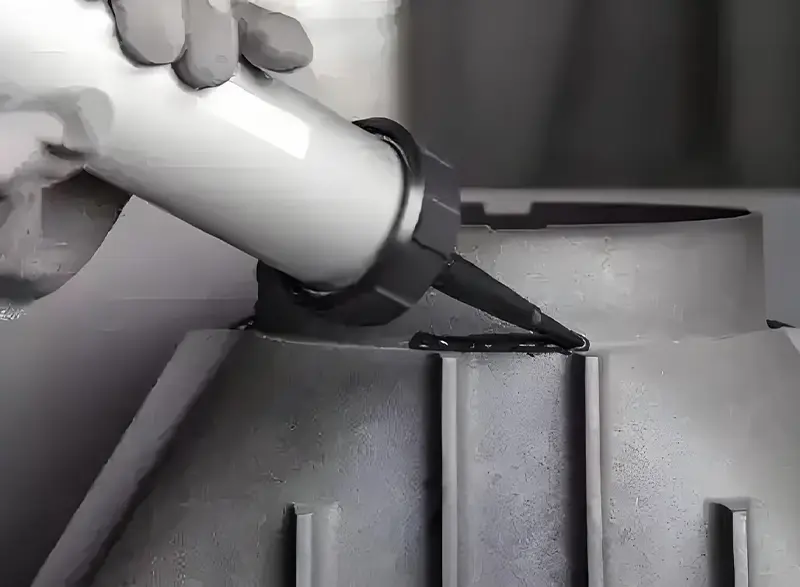
Our comprehensive organosilicon portfolio spans twelve core series of silane coupling agents and crosslinkers. These include key compounds such as aminosilane, methacrylate silane, epoxy silane, vinyl silane, mercaptosilane, alkyl silane, ethyl silicate, chlorosilane, ureidosilane, phenyl silane, and our signature isocyanate silane crosslinking agents. These products are widely deployed in modern composites, advanced coatings, high-voltage XLPE cable compounds, hot water piping systems, adhesives, sealants, oil field drilling formulations, textiles, rubber molding, and agricultural protective agents.
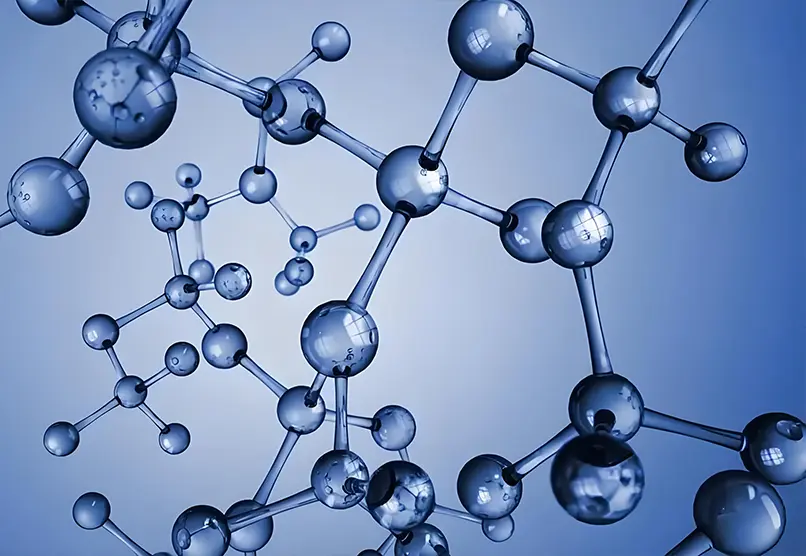
Isocyanate silanes (such as 3-isocyanatopropyltriethoxysilane and 3-isocyanatopropyltrimethoxysilane) represent one of the most versatile dual-functional compound groups in the organosilicon industry. With highly reactive isocyanate (-NCO) functionality on one end of the molecule and hydrolyzable alkoxy-silane groups (such as trimethoxy or triethoxy) on the other, they establish strong covalent linkages between organic polymers and inorganic substrates.
"The crosslinking reaction mechanism of isocyanate silane agents provides a unique bridge. The active isocyanate group reacts immediately with active hydrogen groups (like hydroxyl, amine, or carboxyl groups) on the organic polymer chain to form stable urethane, urea, or amide linkages. Simultaneously, the silane alkoxy groups hydrolyze in the presence of ambient moisture to form reactive silanols, which then condense on silica, glass, or metallic surfaces."
This dual reactivity is essential for formulating next-generation silane-terminated polyurethanes (SPUR/STP) and moisture-curable polyurethanes. The presence of isocyanate silane coupling agents provides exceptional advantages:
Guarantees outstanding primerless adhesion to glass, ceramics, aluminum, stainless steel, and hard plastics under high-humidity environments.
The siloxane (Si-O-Si) bond network possesses a high binding energy, shielding the cured matrix against thermal degradation and weathering.
Allows chemical companies to formulate zero-isocyanate monomer sealants, promoting safety and environmental compliance.
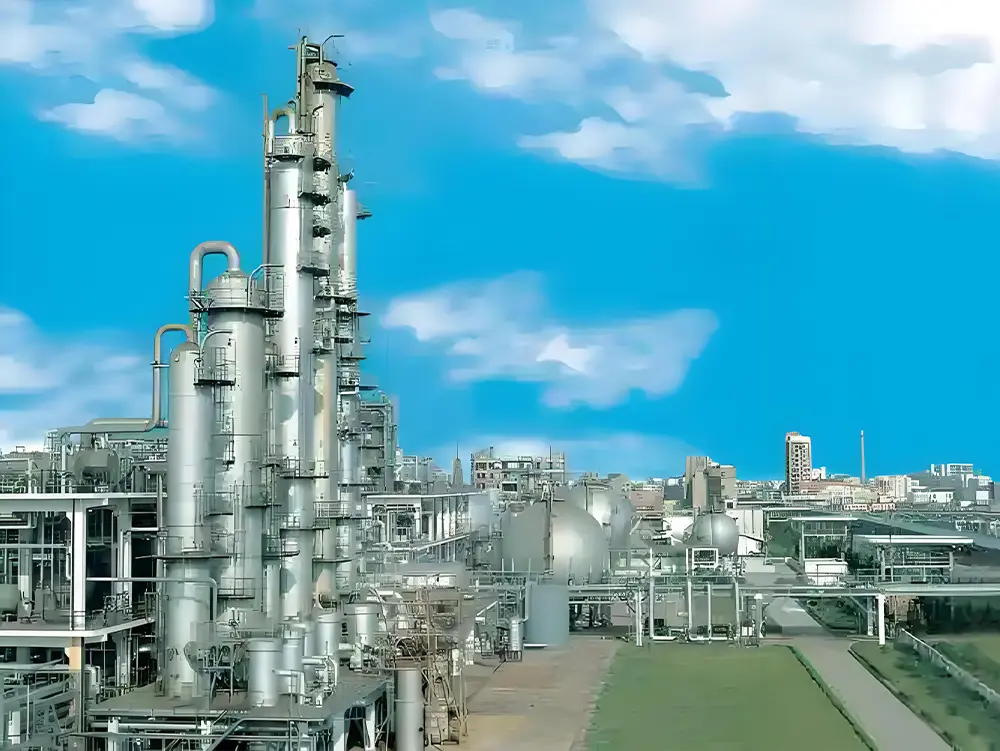
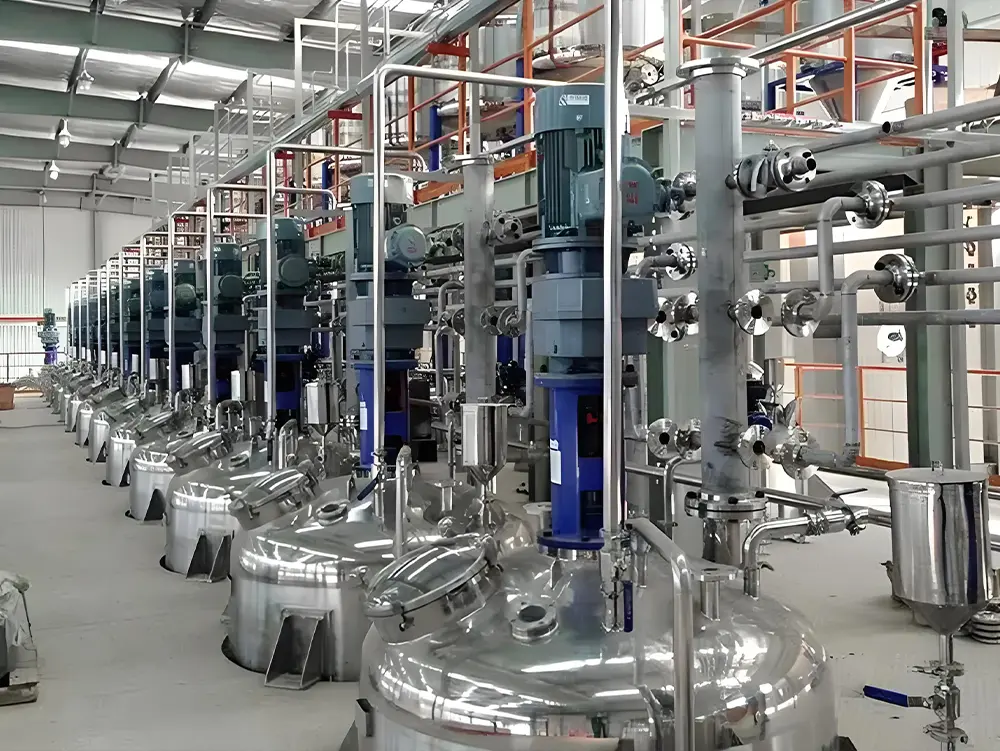
In the global chemical arena, manufacturers demand reliable supply chains, absolute quality uniformity, and advanced technical support. Boctok Chemical operates multiple state-of-the-art production sites. To bolster our industrial capacity, we invested US$65 million to construct a modern facility in the *Bohai Industrial Park*, a premier provincial chemical park in Shouguang City, Shandong Province. This complex operates 6 fully automated DCS (Distributed Control System) production lines, generating an annual capacity of 30,000 tons of high-grade silane coupling agents.
Additionally, Boctok's Tier II core business is hydrocarbon/petroleum resins. We operate three specialized hydrocarbon resin factories in Zibo, Fushun, and Nanjing. Utilizing raw materials directly from SINOPEC and PetroChina, these factories supply international markets, supporting Fortune 500 enterprises in sectors such as paint, thermoplastic road markings, tire rubber compounding, and hot melt adhesives.
Our global exports cover North America, Western and Eastern Europe, Japan, South Korea, Australia, South America, the Middle East, India, and Southeast Asia. This vast footprint demonstrates the authority and trust that major engineering firms place in Boctok™ products.
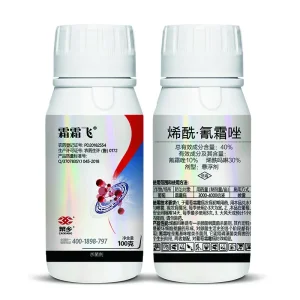
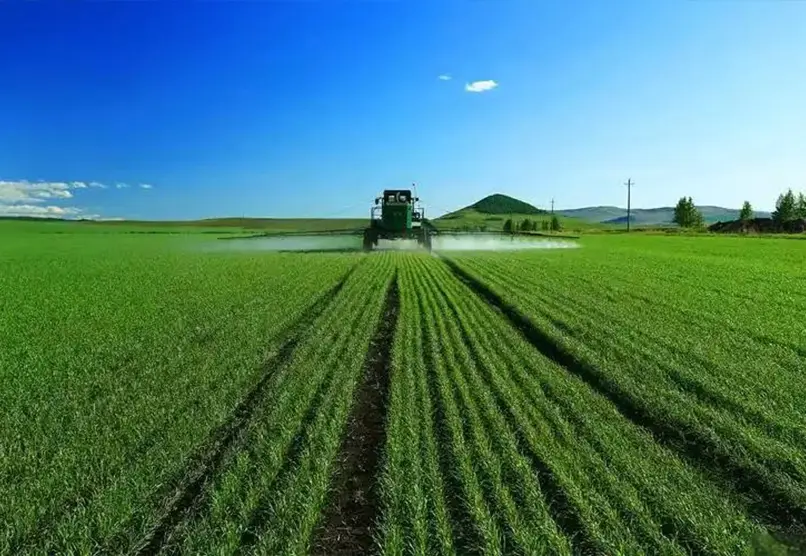
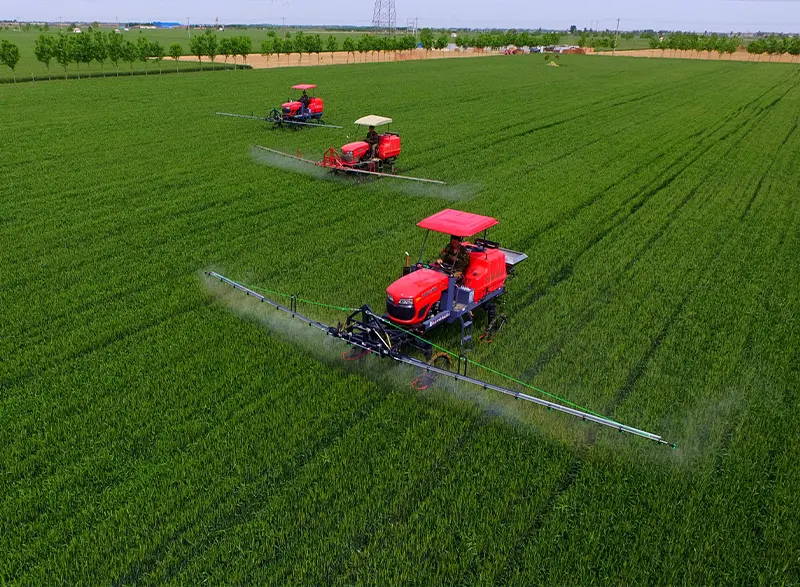
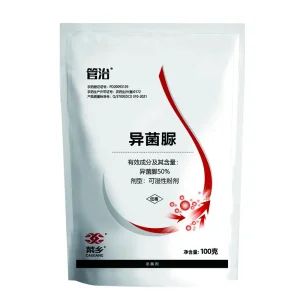
Our organosilicon, petroleum resin, and agrochemical products are vital for modern manufacturing, automotive, agricultural, and construction applications.

Our commitment to excellence is certified, tracked, and verified across all operations.
Our production facilities utilize Distributed Control Systems (DCS) for process optimization and safety instrumented systems (SIS) for emergency shutoff protection. Full adherence to the ISO9001 quality management framework ensures each batch of isocyanate silane has minimal variation. We also prioritize green manufacturing with integrated high-efficiency VOC collection and chemical waste-water treatment infrastructure.
Different markets face distinct operational and environmental demands. For example, in the cold, high-moisture climates of the Russian Federation and Northern Europe, elastomeric adhesives and sealant formulations require fast cure times at low temperatures without sacrificing flexibility. Under these conditions, the addition of isocyanate silane crosslinkers to polyurethane prepolymers ensures excellent moisture-curing characteristics and prevents the formation of bubbles caused by carbon dioxide outgassing.
| Functional Category | Common Applications | Primary Industrial Advantage |
|---|---|---|
| Isocyanate Silanes | Moisture-curing polyurethanes, STP/SPUR sealants, glass-to-metal primers. | Enables bubble-free curing and robust bonding under extreme humidity. |
| Aminosilanes | Glass fiber sizing, phenolic binders, foundry resins. | Increases composite shear strength and moisture resistance. |
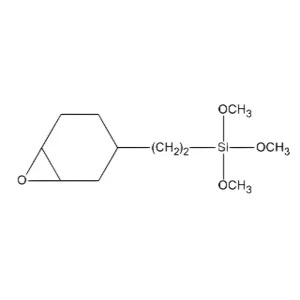
| Epoxy Silanes | Epoxy potting compounds, semiconductor encapsulation, waterborne acrylics. | Improves electrical insulation properties and wet adhesion. |
| Alkyl & Phenyl Silanes | Masonry sealers, architectural water repellents, silicone rubber modifiers. | Delivers extreme weatherability, UV blocking, and hydrophobic properties. |
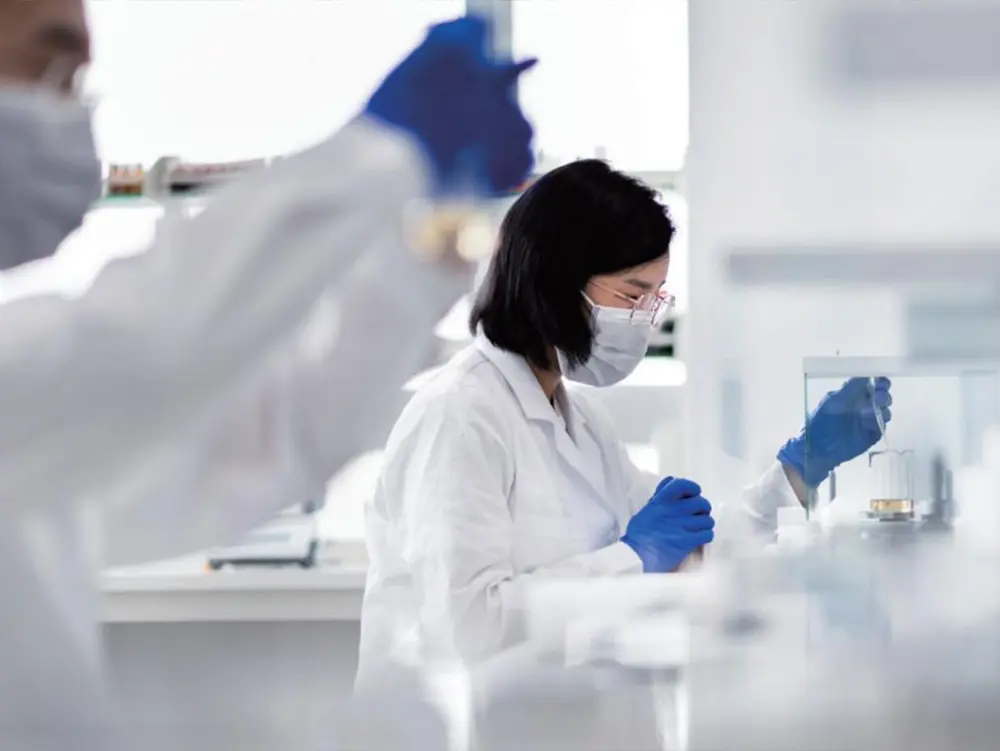
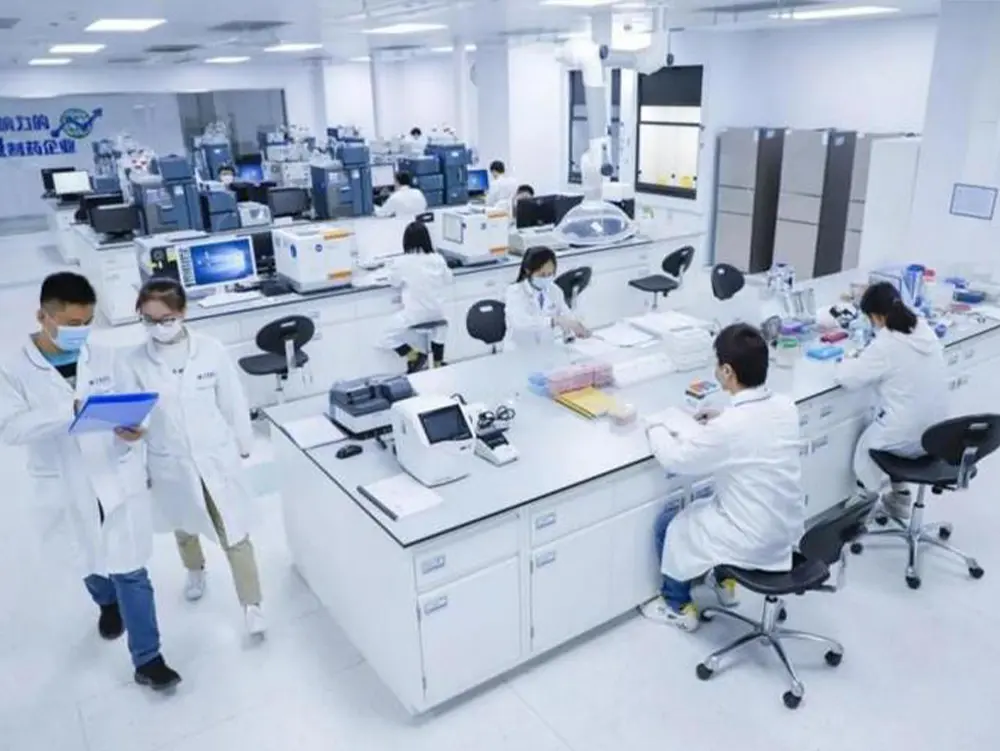
As regulatory requirements tighten globally (such as REACH in Europe and chemical safety updates in Russia), Boctok Chemical is focusing its research on green, non-tin catalyst compatibility and bio-derived alkyl chains. Our research and development center works to synthesize silane crosslinkers with low methanol release during hydrolysis. This represents a significant advancement for the safety of indoor sealants and consumer-facing adhesive systems.
Our materials support diverse technologies, from clean energy to consumer goods.





This technical Q&A is designed by our senior chemical engineers to address common integration and formulation challenges.
Select from our widely exported industrial materials, certified under international quality standards.
 Boctok Chemical