Premium organosilicon components and crosslinkers formulated for industrial synthesis, surface modification, and advanced material processing.
A technical overview of Silanol-Terminated Polydimethylsiloxane and its strategic importance in modern industrial applications.
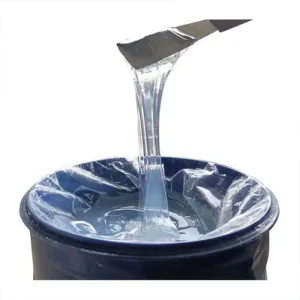
Hydroxyl Silicone Oil, chemically classified as Silanol-Terminated Polydimethylsiloxane (CAS No. 70131-67-8), is a polymer characterized by reactive hydroxyl (-OH) groups attached to its terminal silicon atoms. This unique molecular architecture differentiates it from standard non-reactive polydimethylsiloxanes (dimethicone), equipping it with high reactivity. These terminal silanol groups undergo condensation reactions under the influence of various catalysts and crosslinking agents, facilitating the formation of dense, three-dimensional elastomeric networks. This reaction makes it a fundamental building block for Room Temperature Vulcanized (RTV) silicone rubbers, moisture-curing sealants, and high-performance adhesives.
In global industrial manufacturing, hydroxyl silicone oil is categorized by its viscosity, which ranges from low-viscosity fluids (20 cSt to 100 cSt) used primarily as structural control agents in silicone rubber compounding, to ultra-high viscosity variants (up to 120,000 cSt or more) designated as OH Polymers. These OH Polymers serve as the base gum in construction sealants, electrical insulation coatings, and flexible gaskets. Achieving chemical stability, control over molecular weight distribution, and minimizing low-molecular-weight cyclics (D3-D10) are the core metrics that define premium grade hydroxyl silicone oil factories globally.
High-quality hydroxyl silicone oil is synthesized via the ring-opening polymerization of octamethylcyclotetrasiloxane (D4) or hexamethylcyclotrisiloxane (D3) in the presence of water or silanol control agents. The control of moisture content during this synthesis is critical: too much water results in low molecular weight silanols, while too little results in high-viscosity gums. Leading factories implement continuous vacuum distillation and molecular thin-film evaporation to strip volatile organic compounds (VOCs) and cyclic oligomers, ensuring compliance with strict environmental regulations like REACH in Europe and similar toxic substances control regimes in North America.
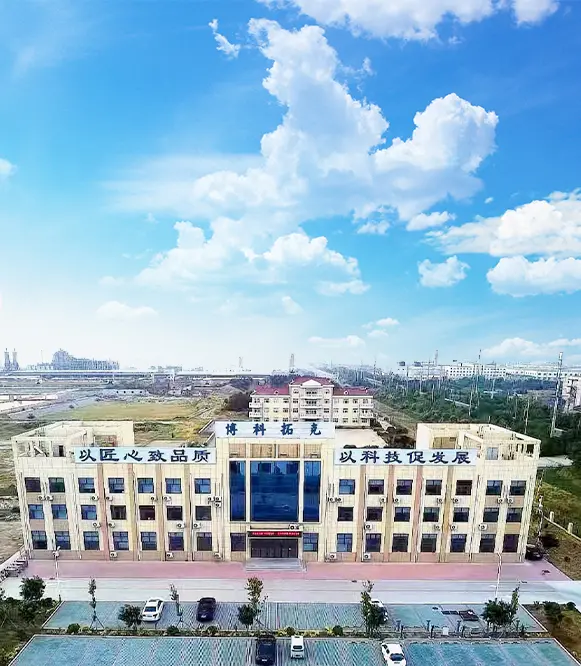
Shandong Boctok Chemical Co. was founded in 2012 as a marketing and sales center for Boctok™ domestic and overseas businesses and achieved sales of US$280 million in 2023. The BOCTOK brand specializes in serving the Russian market, providing tailormade industrial chemical supplies and logistics operations that match the local regulatory frameworks.
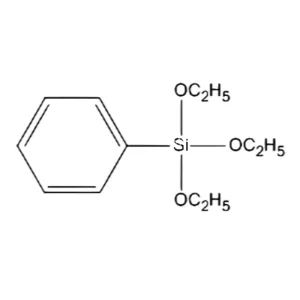
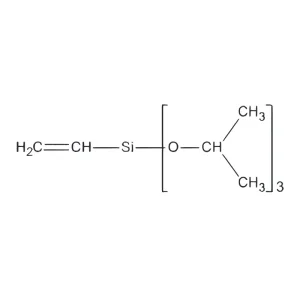
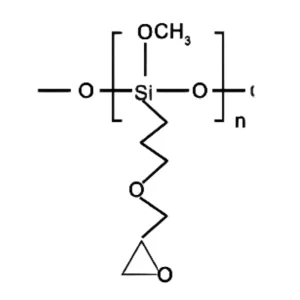
Boctok has three main product categories: the first core business of organosilicone covers twelve series of silane coupling agents and crosslinkers, including aminosilane, methacrylate silane, epoxy silane, vinyl silane, mercaptosilane, alkyl silane, ethyl silicate, chlorosilane, silane isocyanates, phenyl silane, ureidosilane, and serosilane. Boctok also focuses on silicone oil, silicone resin, and silicone rubber, covering high-hydrogen silicone oil, dimethicone, vinyl silicone oil, polyphenylmethyldimethylsiloxane, phenyl silicone oil, silanol silicone oil, OH polymer, alkoxy silicone oil, methyl MQ resin, vinyl VMQ resin, room-temperature vulcanized methyl silicone rubber, 110 methyl vinyl silicone rubber, and 120 methyl phenyl rubber.
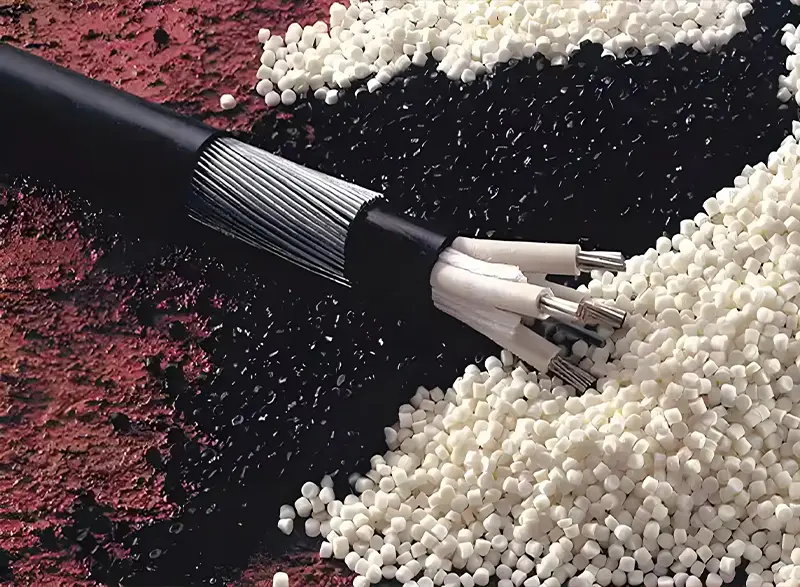
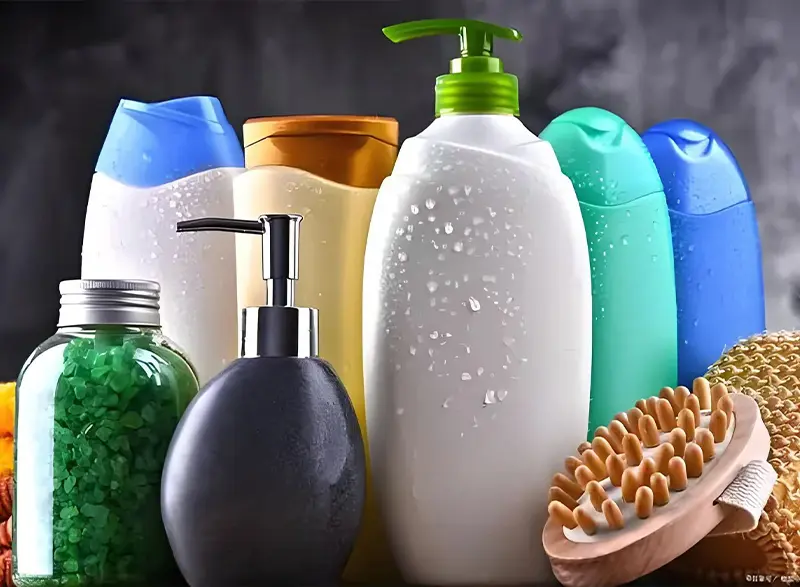
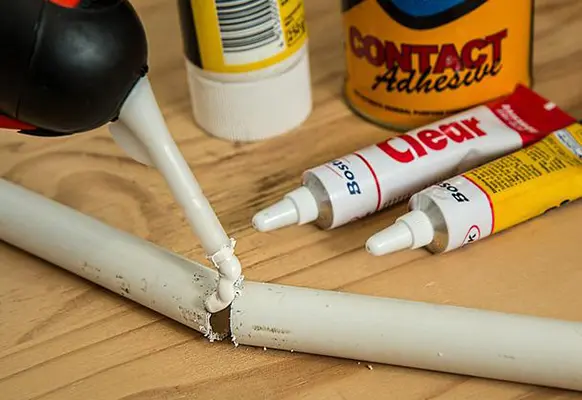
These advanced intermediates and polymers are widely used in glass fiber, electronics, wind energy, daily necessities, chemical industry, coatings, adhesives, XLPE electric cables, hot water pipes, oil field drilling, textiles, rubber, and molding applications to significantly enhance the durability, thermal resistance, and overall quality of final products.
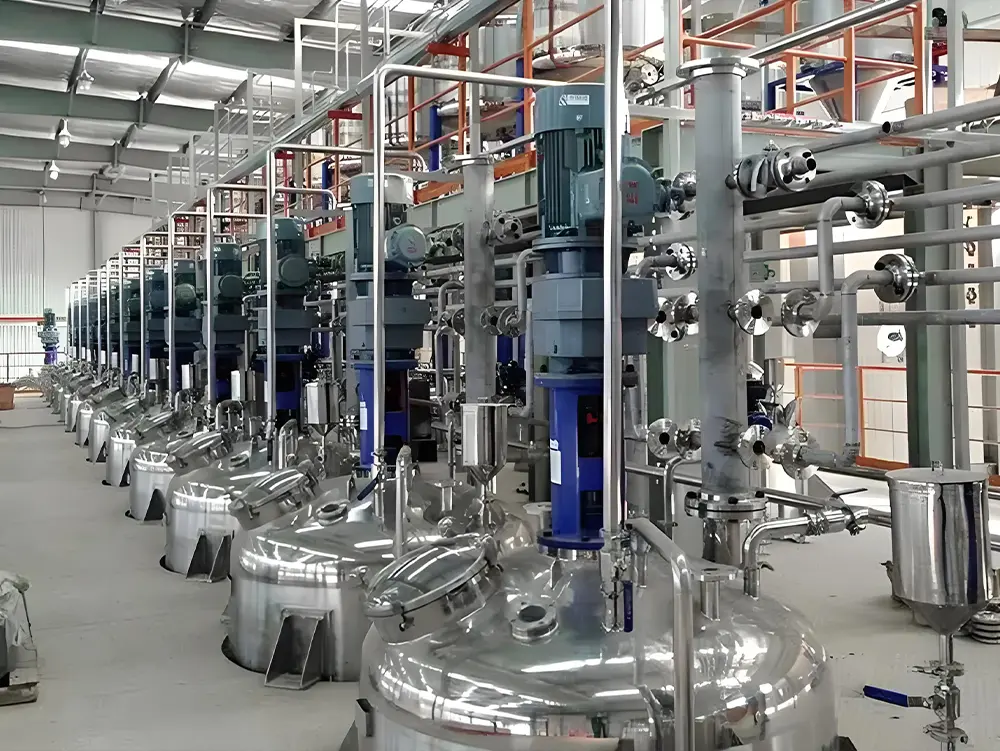

Diversified manufacturing lines supporting macro industrial coatings, adhesive technologies, and target agrochemical protection.


Boctok's Tier II core business is petroleum resins. We have invested in a key hydrocarbon resin manufacturer in China. We currently have three operating hydrocarbon resin factories located in Zibo, Fushun, and Nanjing. Taking advantage of reliable and abundant raw materials from SINOPEC and PetroChina, our advanced production facilities, and our decades of marketing experience, our products are widely used by customers, including many Fortune 500 companies, in both domestic and overseas markets.
These products include C9 hydrogenated resins, C5 hydrocarbon resins, C5 modified C9 hydrocarbon resins, C9 hydrocarbon resins, dicyclopentadiene, and methyl cyclopentadiene dimer.
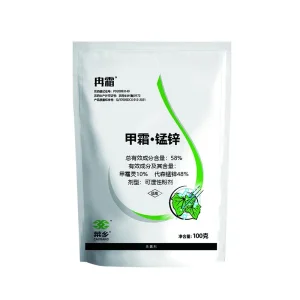
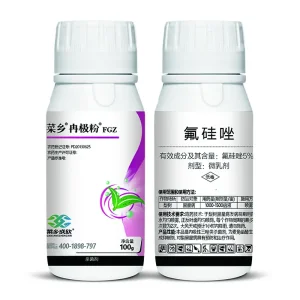
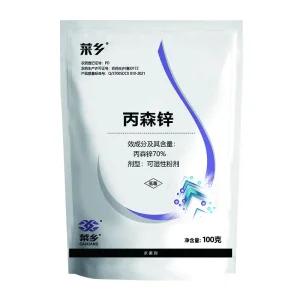
Additionally, Boctok focuses on the agrochemical industry. It produces intermediates and raw materials for the production of pesticides, fungicides, insecticides, seed treatments, herbicides, and plant growth regulators. This integration allows us to serve diverse market segments, offering cross-industry solutions that optimize production costs and material performance.
How Chinese chemical ecosystems provide unparalleled scalability, reliability, and technical innovation on a global scale.

Chinese organosilicon factories benefit from direct access to local silicon metal deposits and upstream chlorosilane production plants. This integration protects procurement processes from international raw material price volatility, maintaining steady supply lines for downstream processes.

Modern plants are built with remote Distributed Control Systems (DCS) and Safety Instrumented Systems (SIS). These automation technologies stabilize reaction temperatures, manage polymerization speeds, and keep hydroxyl content within strict specifications.

With extensive polymerization assets, Chinese factories can adjust molecular weights to yield exact viscosities from 20 cSt up to 120,000 cSt. This allows customization for specific application needs like rapid-cure sealants, softeners, or mold release agents.

Equipped with local wastewater treatment and gas scrubbing systems, our plants run continuously under strict environmental regulations. Positioned near major international ports and container terminals, we provide reliable global shipping through standard container transport, flexitanks, and ISO tank configurations.
Our primary chemical categories engineered for large-scale agricultural and material applications.
Including high-hydrogen silicone oil, dimethicone, vinyl silicone oil, and specialized silanol-terminated polymers for structural sealants.

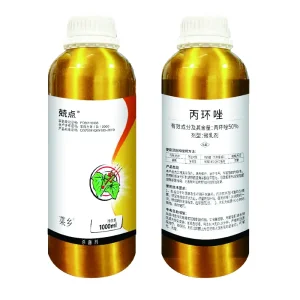
High-efficiency chemical intermediates, fungicides, herbicides, and crop protection agents to secure yields and optimize crop health.
From textile softeners to electrical cables, our silicone products improve stability, weatherability, and processing efficiency across industries.






Understanding shifts toward sustainability, high purity requirements, and next-generation silicon-based compounds.
The global organosilicon market is undergoing a transition driven by regulatory updates, decarbonization initiatives, and demand for durable materials. Hydroxyl silicone oil, as a key intermediate, is at the center of these changes. Key trends shaping the industry include:
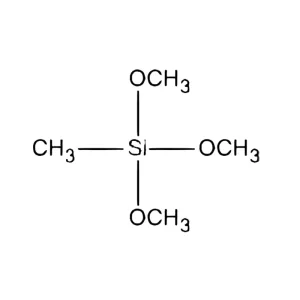
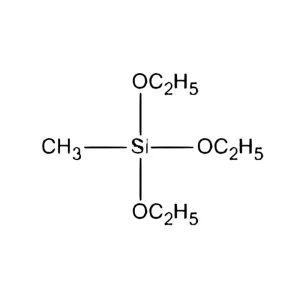
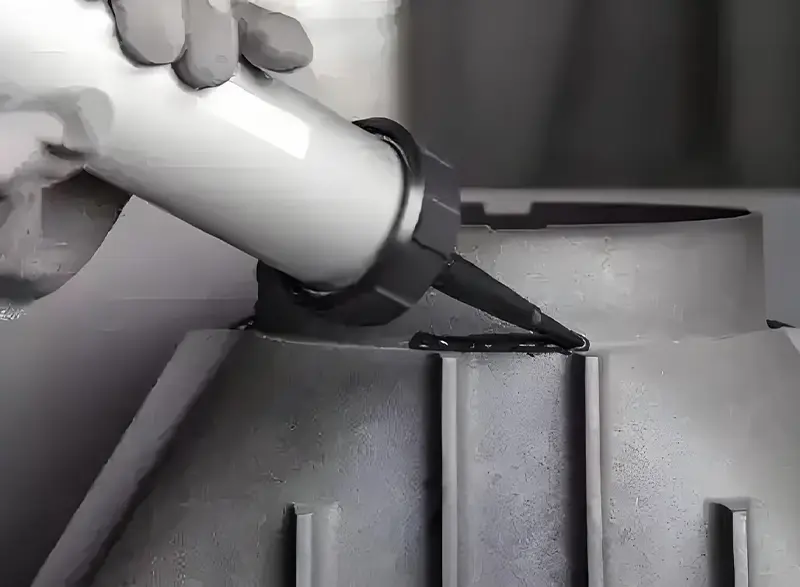
In the construction sector, hydroxyl silicone oil is combined with crosslinking agents (such as vinyltriethoxysilane or methyltrimethoxysilane) and catalysts to form elastic weatherproofing sealants. These sealants expand and contract with temperature shifts without losing adhesion to glass, concrete, and metals.
In high-voltage electrical infrastructure, low-viscosity hydroxyl silicone oils act as structural control agents during the processing of liquid silicone rubber (LSR). They prevent structure-building (crepe hardening) in silica-filled silicone rubbers, ensuring easy molding and consistent performance in line insulators, cable connectors, and terminal sleeves.
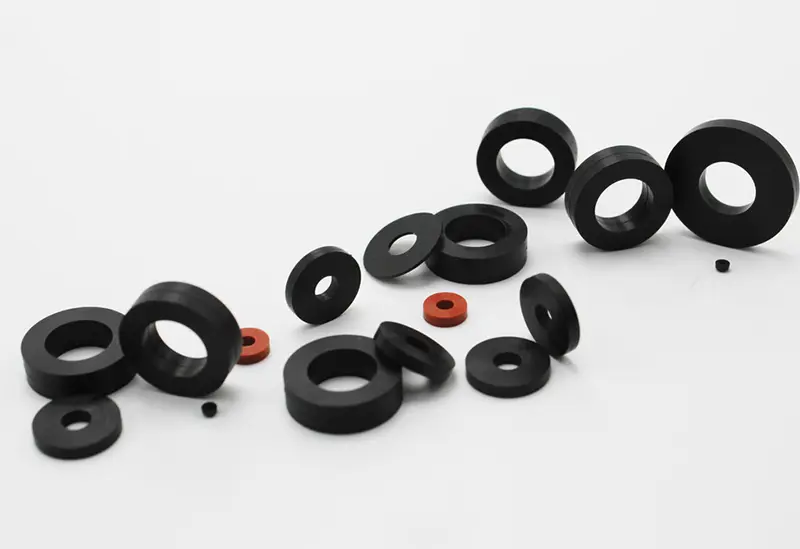
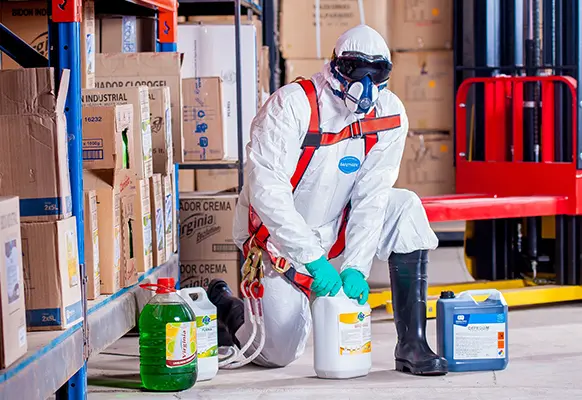
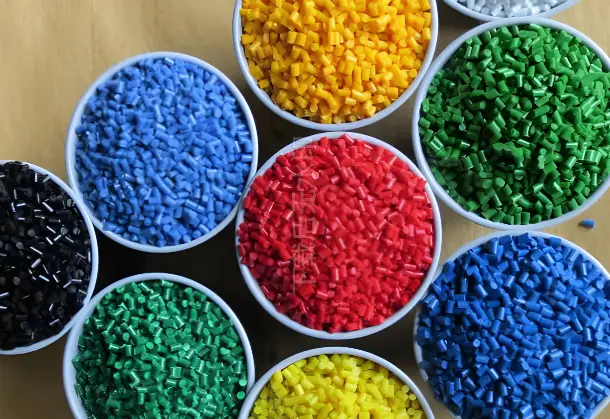
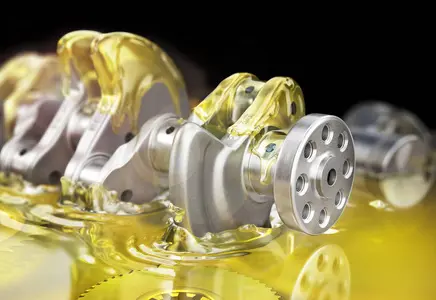
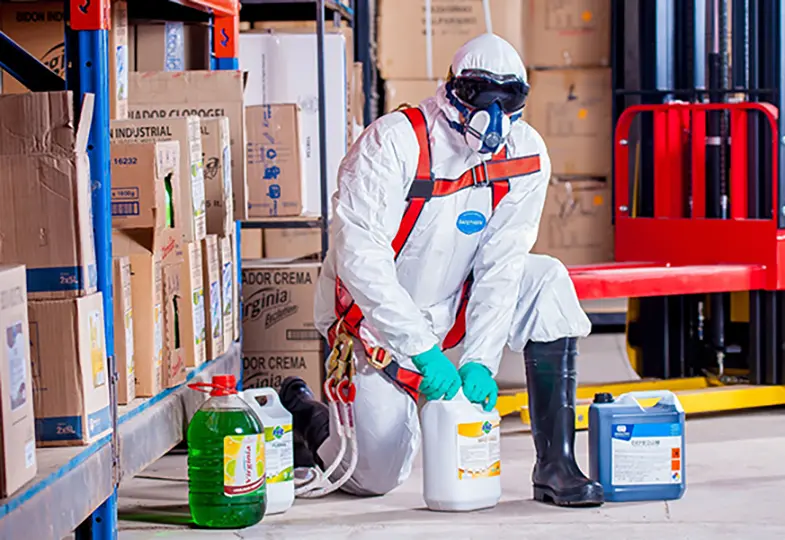
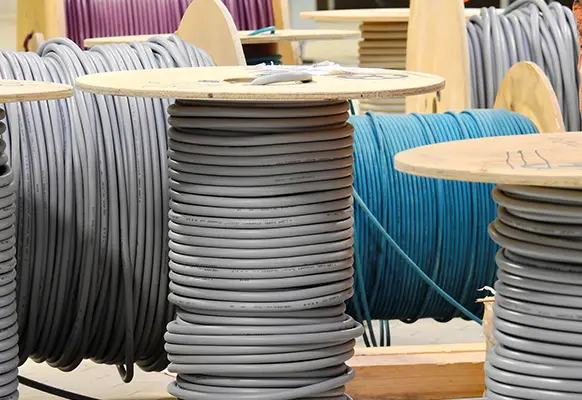
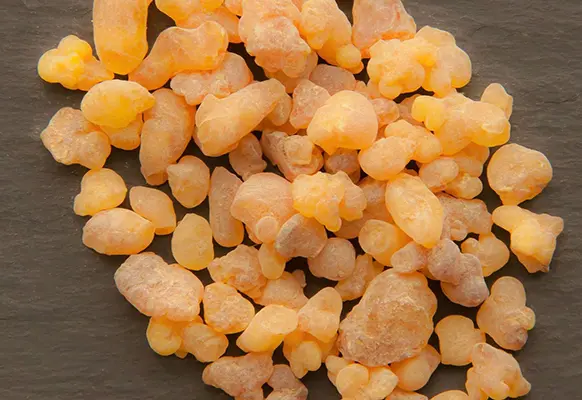
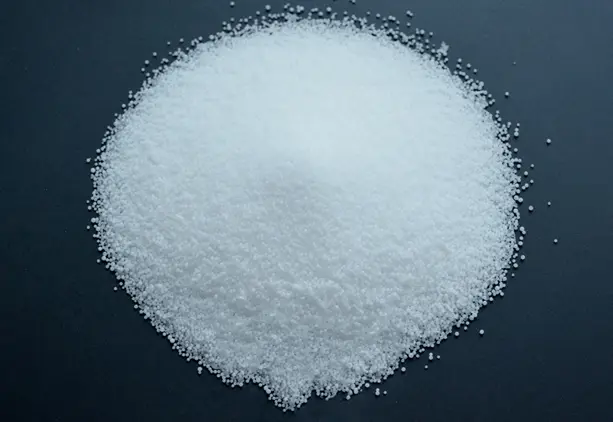
Our diverse products find application in multiple sectors. Explore these categories to see where our silanes and silicone oils are applied.



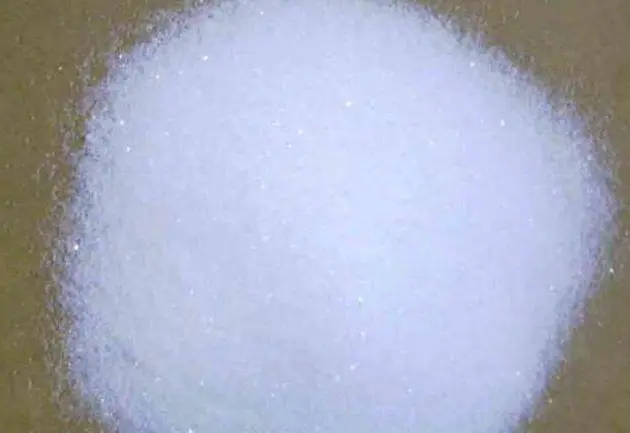

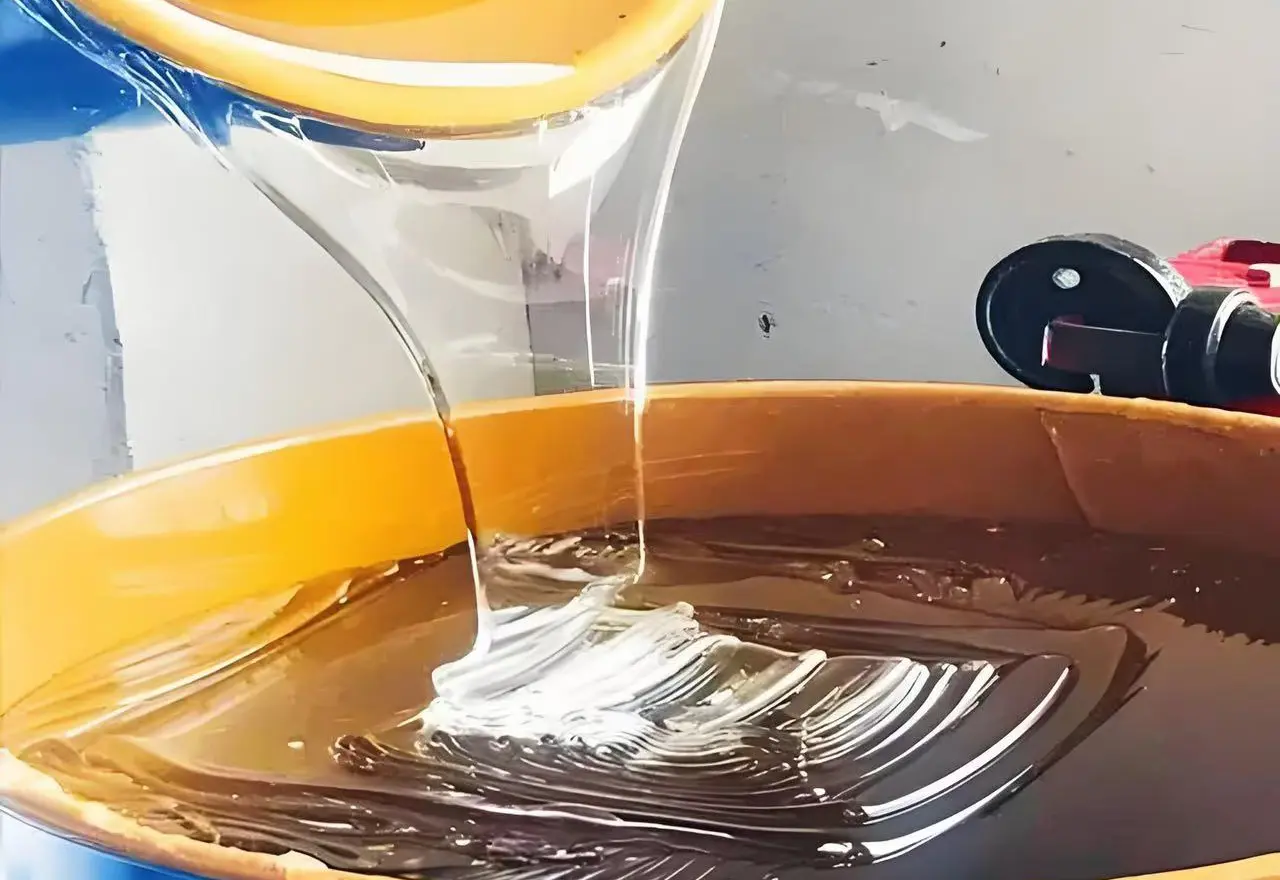

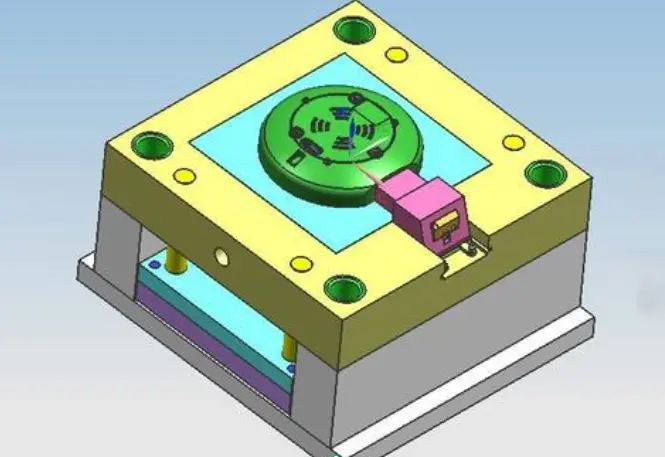


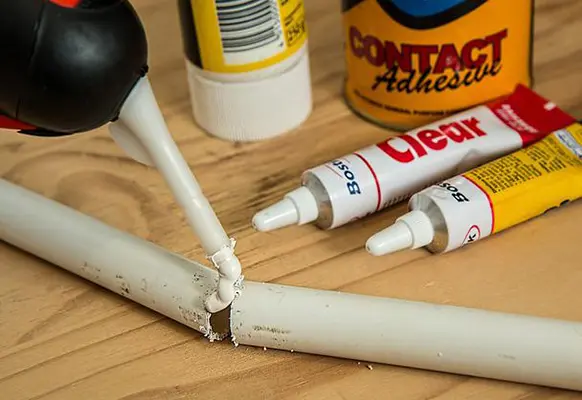






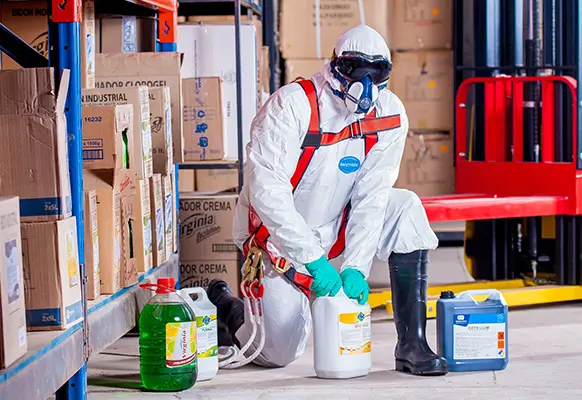
Key parameters that procurement teams must verify to ensure consistent performance, batch stability, and environmental compliance.
When sourcing Hydroxyl Silicone Oil at scale, procurement and quality control departments must check technical details beyond simple viscosity metrics. To minimize batch variance and avoid chemical failure in downstream products, use the following validation framework:
Expert answers regarding the application, properties, and procurement of Hydroxyl Silicone Oil.
Dimethicone (standard polydimethylsiloxane) is terminated with non-reactive trimethylsiloxy groups [-Si(CH3)3], making it chemically inert and suitable as a lubricant or release fluid. Hydroxyl Silicone Oil is terminated with reactive silanol groups [-Si(CH3)2OH], allowing it to undergo chemical crosslinking reactions with coupling agents to form elastomers and coatings.
In an RTV sealant formulation, a high-viscosity hydroxyl silicone oil (often called OH Polymer) acts as the base resin. In the presence of a crosslinker (like methyltrimethoxysilane) and a tin or titanium catalyst, ambient moisture triggers a condensation reaction. The silanol groups on the polymer react with the alkoxy groups on the crosslinker, releasing alcohol as a byproduct and curing into a flexible silicone rubber.
Low-molecular-weight cyclics like octamethylcyclotetrasiloxane (D4) and decamethylcyclopentasiloxane (D5) are restricted under REACH and other safety regulations due to environmental persistence. In electronics, volatile siloxanes can migrate to contacts, degrade under electrical arcing to form insulating silica layers, and cause switch failure. Thus, low-volatile, stripped hydroxyl silicone oils are required.
Hydroxyl silicone oil is typically shipped in 200 kg steel drums, 1,000 kg IBC tote containers, or bulk flexitanks loaded within standard shipping containers. Because the material is sensitive to moisture and traces of acids or bases (which can cause catalytic degradation or polymerization), containers must be tightly sealed and blanketed with dry nitrogen before transit.
Generally, as the chain length of the silanol-terminated polydimethylsiloxane increases, the overall viscosity increases, and the relative weight percentage of terminal hydroxyl groups decreases. Low-viscosity fluids (20 cSt) contain a high percentage of hydroxyl groups (up to 8-10 wt%), while high-viscosity gums (120,000 cSt) contain very low hydroxyl percentages (often below 0.05 wt%).
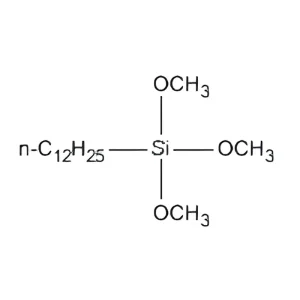
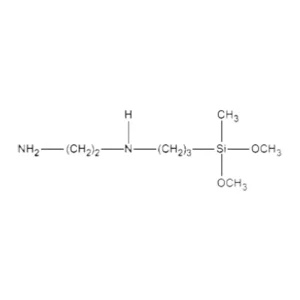
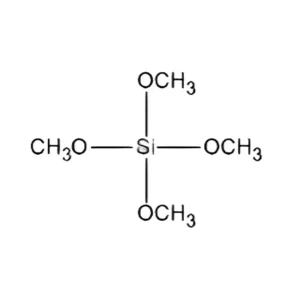
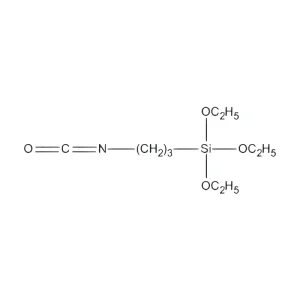
Specialty functional silanes, crosslinking agents, and chemical compounds utilized in custom formulations and material modification.
 Boctok Chemical