Explore our core portfolio of specialty organosilicone agents, vinyl gums, and structural silane crosslinkers designed for harsh industrial applications.
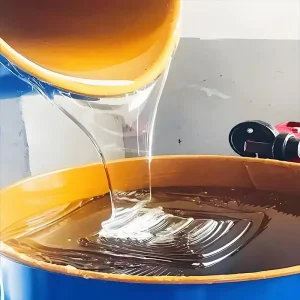
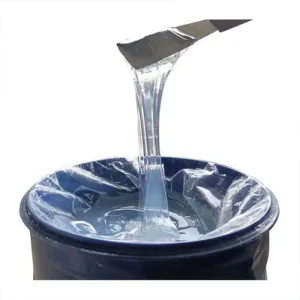
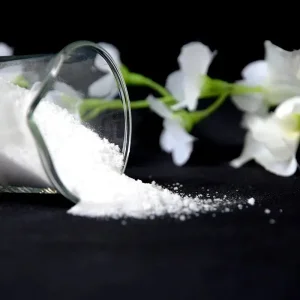
The global chemical industry has entered an era focused on molecular precision and sustainable process optimization. Within the specialty siloxanes market, Methyl Hydrogen Silicone Oil (CAS 63148-57-2) has emerged as an indispensable crosslinker, waterproofing agent, and structural modifier. Its unique structure, characterized by reactive silicon-hydrogen (Si-H) bonds, allows chemical design and engineering teams to impart high hydrophobicity, thermal stability, and mechanical durability to a wide range of substrates. As prominent hydrogen silicone oil manufacturers, Shandong Boctok Chemical Co. is at the forefront of this technology. We supply premium organosilicon components designed to solve modern manufacturing challenges.
Understanding the chemistry of Hydrogen Silicone Oil is essential for optimizing its industrial application. The fluid is synthesized primarily through the co-hydrolysis and equilibration of organochlorosilanes—specifically, methyldichlorosilane and trimethylchlorosilane. The reactive profile of the final polymer is determined by the concentration of active hydrogen atoms bonded directly to the silicon backbone.
During synthesis, maintaining strict control over temperature, catalytic concentration, and system pressure is critical. This prevents unwanted side reactions, such as the self-hydrolysis of Si-H bonds, which leads to gelation. By managing the ratio of chain-terminating units to chain-propagating units, manufacturers can produce customized viscosity ratings ranging from 10 cSt up to 100 cSt, with precise hydrogen content levels typically between 1.5% and 1.6%.
| Technical Parameter | Standard Specifications | Testing Methodology |
|---|---|---|
| Active Hydrogen Content (%) | 1.58% - 1.62% | Gas Volumetric Analysis |
| Viscosity (25°C, mm²/s) | 18.0 - 28.0 | Rotational Viscometer |
| Volatile Matter (150°C, 2h) | ≤ 3.0% | Gravimetric Analysis |
| Refractive Index (nD20) | 1.390 - 1.410 | Abbe Refractometer |
| Appearance | Colorless, Odorless Liquid | Visual Assessment |
The demand for hydrogen silicone oil has risen significantly due to its critical role in key global industries. These include infrastructure construction in North America and Western Europe, and rapid advancements in electronics assembly across the Asia-Pacific region.
Modern manufacturers are shifting away from heavy-metal catalyzed vulcanization toward cleaner, addition-curable platinum catalysts. In this context, hydrogen silicone oil acts as a primary crosslinker. This shift has driven growth in markets such as medical devices, baby care products, and food-grade packaging, which require high purity and low extractable profiles. Global procurement teams prioritize suppliers that can consistently provide high-purity siloxane structures while minimizing trace impurities.
The versatility of hydrogen silicone oil allows it to serve multiple functions in diverse application environments:
In today's complex international chemical market, supply chain reliability is just as important as chemical quality. Shandong Boctok Chemical Co. has established a resilient supply network that handles everything from raw monomer procurement to international logistics.
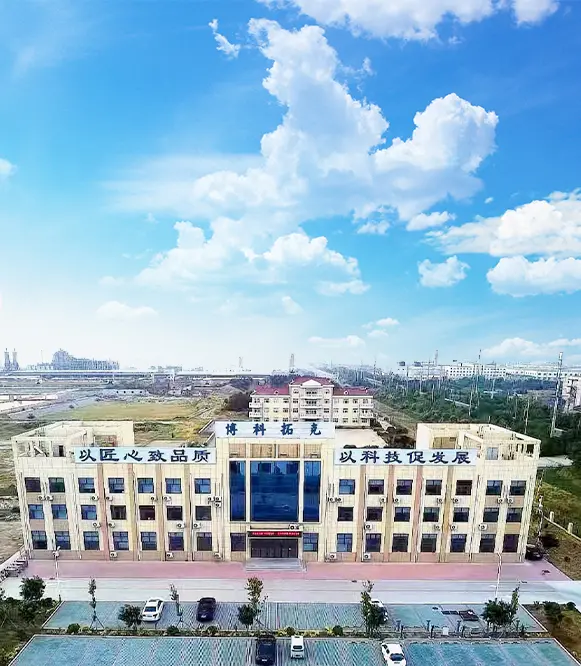
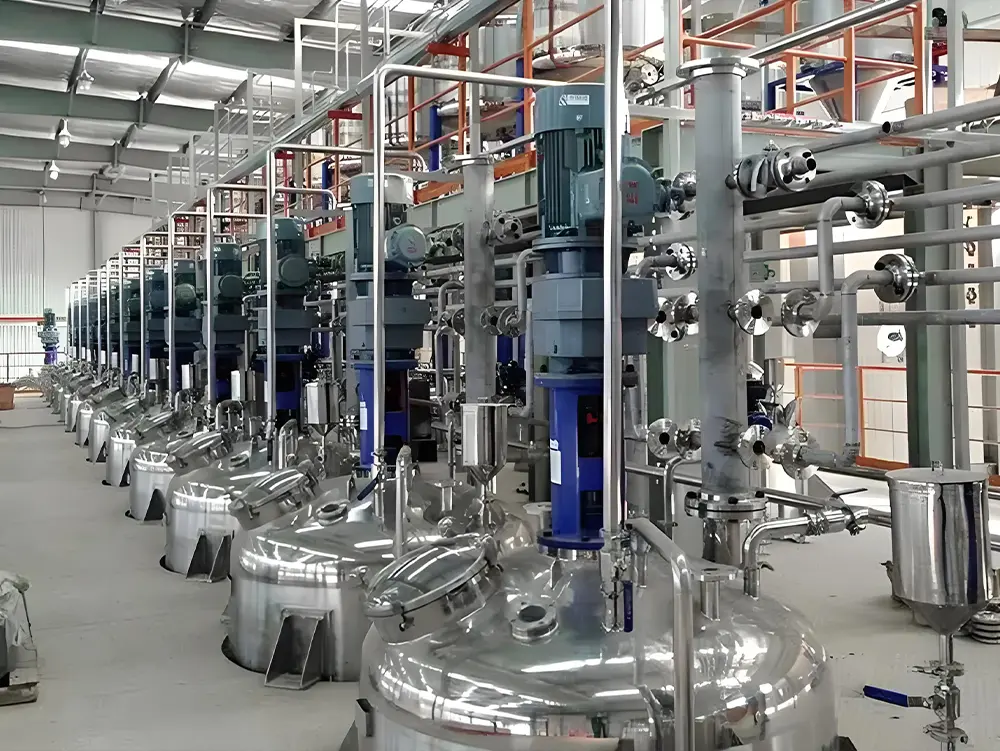
Our manufacturing facility in the Bohai Industrial Park (Shouguang City, Shandong Province) represents a US$65 million investment. The plant features 6 automated DCS-controlled production lines capable of outputting 30,000 tons of silane coupling agents and specialty silicones annually. Leveraging raw materials from major producers like SINOPEC and PetroChina, our operations remain resilient during market fluctuations. Automated DCS and SIS security systems ensure consistent batch quality, while integrated environmental treatment systems manage waste gases and process water sustainably.
The silicone industry is moving toward more environmentally friendly chemistry. Research is focused on reducing VOC emissions during crosslinking and replacing traditional tin catalysts with biocompatible alternatives. Our R&D division is actively working on low-volatile, high-hydrogen fluids designed for the next generation of eco-friendly building materials. By refining distillation processes, we aim to reduce D4, D5, and D6 cyclic siloxanes to trace levels, ensuring compliance with strict global environmental regulations.
Providing high-performance chemical solutions, from silane coupling agents and crosslinkers to specialized hydrocarbon resins and agrochemicals.
Shandong Boctok Chemical Co. was founded in 2012 as the marketing and sales center for Boctok™ domestic and international business. In 2023, our sales reached US$280 million. The BOCTOK brand specializes in serving the Russian and neighboring markets, delivering tailored support and consistent material supplies.
Our organosilicon business covers twelve series of silane coupling agents and crosslinkers. This includes aminosilanes, methacrylate silanes, epoxy silanes, vinyl silanes, mercaptosilanes, alkyl silanes, ethyl silicates, chlorosilanes, silane isocyanates, phenyl silanes, ureidosilanes, and serosilanes. We also supply silicone oils, resins, and rubbers, such as high-hydrogen silicone oil, dimethicone, vinyl silicone oil, polyphenylmethyldimethylsiloxane, phenyl silicone oil, silanol silicone oil, OH polymer, alkoxy silicone oil, methyl MQ resin, vinyl VMQ resin, and room-temperature vulcanized silicone rubbers.



Boctok's Tier II core business focuses on petroleum resins. We have invested in a key hydrocarbon resin manufacturer in China, operating three factories in Zibo, Fushun, and Nanjing. Drawing on reliable raw materials from SINOPEC and PetroChina, our production lines yield C9 hydrogenated resins, C5 hydrocarbon resins, C5 modified C9 resins, C9 hydrocarbon resins, dicyclopentadiene, and methyl cyclopentadiene dimer. These materials are widely used by Fortune 500 companies in coatings, adhesives, and sealants. Additionally, we support the agrochemical industry by producing intermediates and raw materials for pesticides, fungicides, insecticides, seed treatments, herbicides, and plant growth regulators.
Combining chemical expertise with reliable supply chains to deliver consistent material quality.

Our products undergo rigorous laboratory testing to ensure every batch meets required technical specifications.

Advanced automated lines allow us to scale capacity quickly to meet demand for bulk orders and customization.

Our professional service teams are online to answer technical inquiries and assist with ordering logistics.

Our proximity to major ports and optimized shipping networks ensures fast customs clearance and reliable delivery times.
Providing functional materials tailored to the specific needs of diverse global industries.





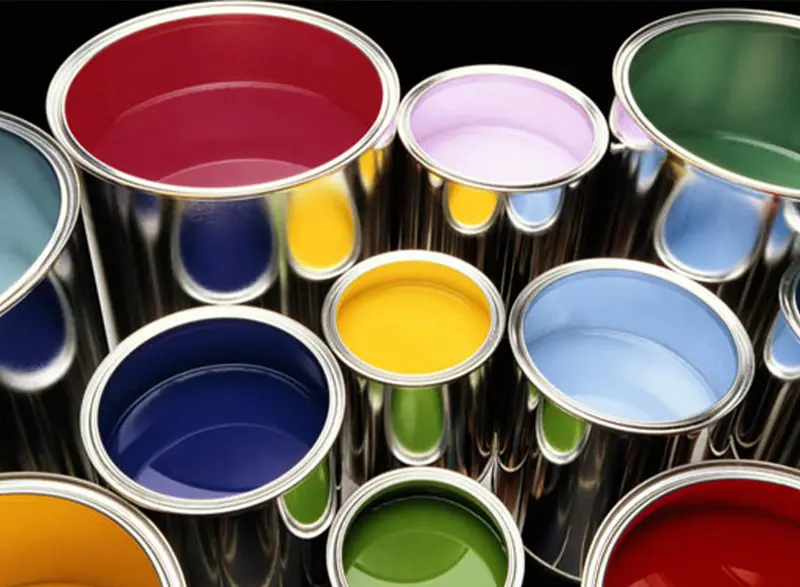

Engineered chemicals designed to perform in high-stress, demanding industrial environments.
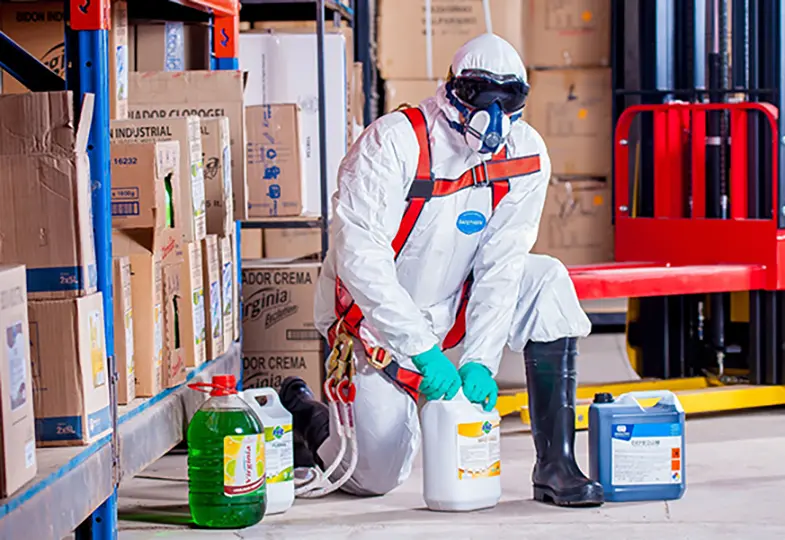
High-purity siloxanes and silane coupling agents used to synthesize functional pharmaceutical molecules and durable agricultural treatments.
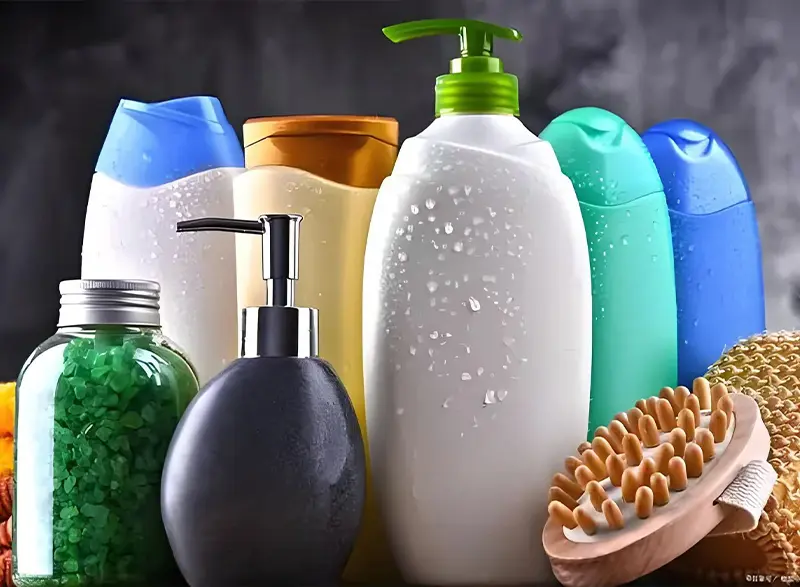
Volatile siloxanes, dimethicones, and specialty MQ resins that provide water resistance, smooth texture, and long-lasting film properties.
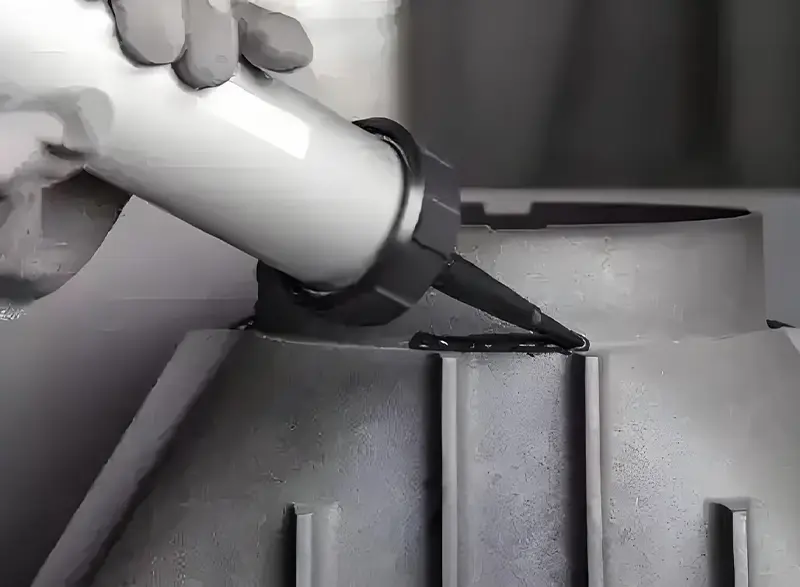
Resins and crosslinkers that improve adhesion to substrates like glass, metals, and concrete under harsh outdoor conditions.
Organosiloxane gums and fumed silica treatments that improve tensile strength, elongation, and thermal resistance in vulcanized components.
Silicone additives and hydrocarbon resins that enhance scratch resistance, pigment dispersion, weatherability, and gloss retention.
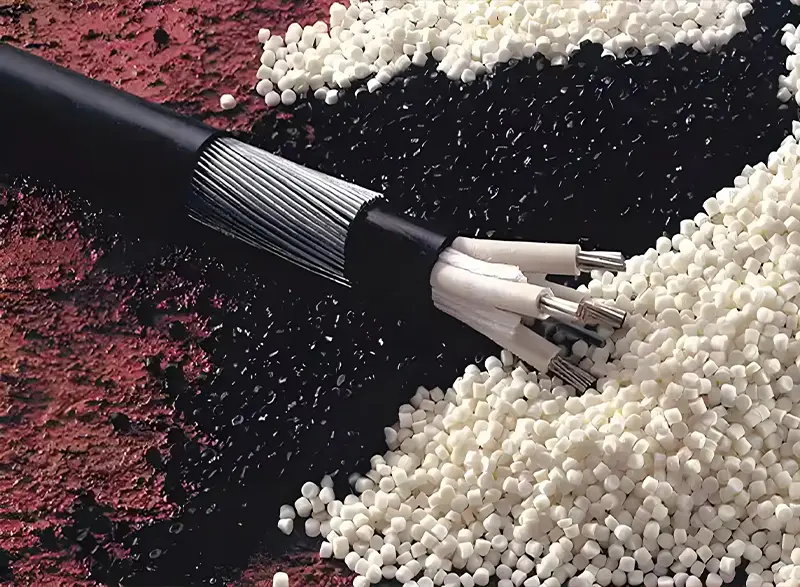
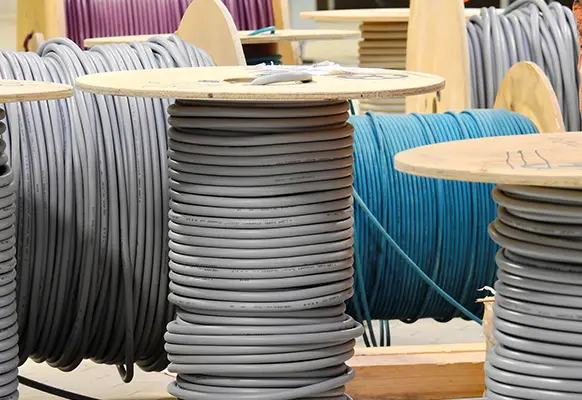
Crosslinkable silane technologies (XLPE) that provide heat and chemical resistance for electrical cables and hot water pipes.













Expert answers to common questions about properties, handling, and ordering of hydrogen silicone fluids.
Our standard high-hydrogen silicone oil has an active hydrogen content of 1.58% to 1.62%. We can also adjust the hydrogen content to meet custom specification requirements for specific industrial polymerization and crosslinking processes.
Under the influence of temperature and catalyst systems, the active Si-H bonds in the fluid hydrolyze and crosslink on the gypsum surface. This forms a thin, highly hydrophobic silicone web that blocks liquid water from entering the pores while remaining breathable to water vapor.
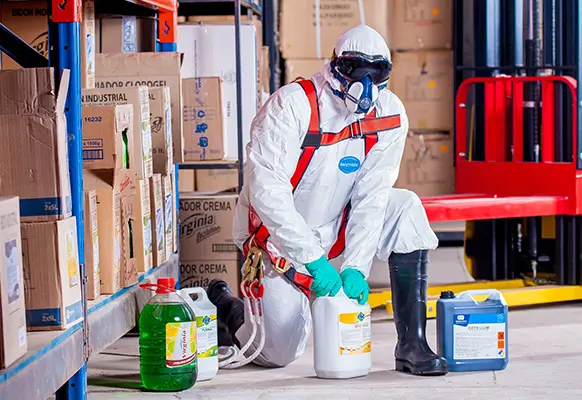
Because hydrogen silicone oil contains reactive Si-H bonds, it can release hydrogen gas when exposed to moisture, strong acids, bases, or metal catalysts. Store in cool, dry, well-ventilated areas using original containers with pressure-venting caps. Avoid contact with open flames or oxidizing materials.
Our Shouguang factory uses automated DCS remote control systems and safety instrument systems (SIS). We run gas chromatography and viscometric checks on raw materials and finished products, adhering to ISO9001 quality management standards.
Yes. Our R&D division collaborates with clients to customize molecular weights, viscosity ranges, active hydrogen concentrations, and reactive terminal groups. This ensures optimal compatibility with your existing polymer formulations.
Explore our targeted selection of industrial antioxidants, specialty epoxy silanes, and crosslinking agents.
 Boctok Chemical
![Bis-[3-(trimethoxysilyl)-propyl]amine CAS 82985-35-1](https://site.cdnfile.io/www.boctoksilicone.com/b7a8c47713f462756c9e61cb65cea17f300_300.webp)