Our premier selection of organosilicones, specialized co-polymers, and advanced coupling agents engineered for high-performance applications.
As a leading pioneer in organosilicon chemistry, Shandong Boctok Chemical Co. (founded in 2012) has established itself as a premier global supplier of specialty chemical agents. Specializing in serving the Russian market under the prestigious BOCTOK™ brand, we achieved an annual sales milestone of US$280 million in 2023.
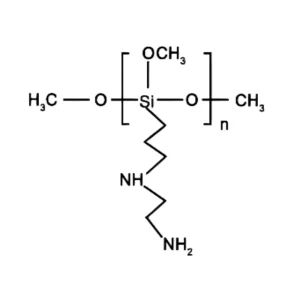
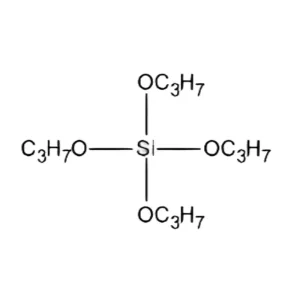
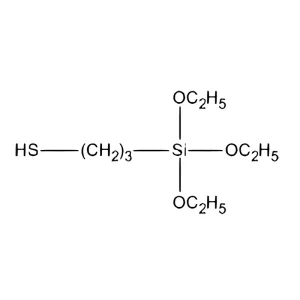
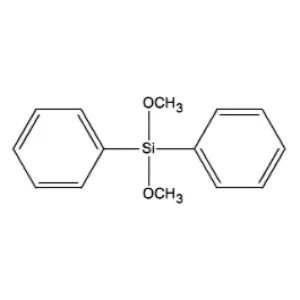
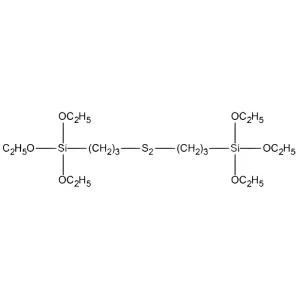
Our flagship technical solution focuses on High-Transparency Polydimethylsiloxane (PDMS), a polymer of outstanding optical clarity, thermal stability, and mechanical flexibility. Our core capabilities cover twelve distinct series of silane coupling agents and crosslinkers. These chemical families include aminosilane, methacrylate silane, epoxy silane, vinyl silane, mercaptosilane, alkyl silane, ethyl silicate, chlorosilane, silane isocyanates, phenyl silane, ureidosilane, and serosilane.
Through our focused research and synthesis facilities, we produce advanced silicone oils, high-hydrogen silicone oils, dimethicone, vinyl silicone oil, polyphenylmethyldimethylsiloxane, phenyl silicone oil, silanol silicone oil, OH polymers, alkoxy silicone oil, methyl MQ resin, vinyl VMQ resin, room-temperature vulcanized methyl silicone rubber, and 110/120 methyl phenyl rubbers.
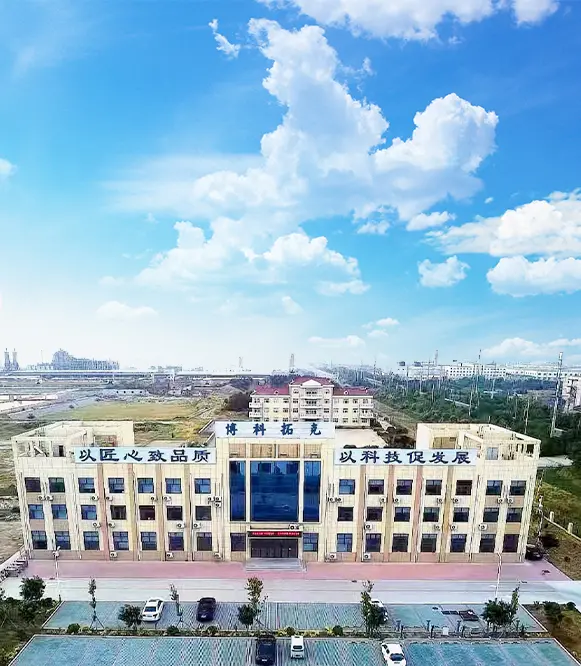
Beyond our primary focus on silicone chemistry, Shandong Boctok Chemical operates a highly competitive Tier II business segment in petroleum resins. We have invested heavily in a key hydrocarbon resin manufacturer in China, operating three production facilities strategically situated in Zibo, Fushun, and Nanjing.
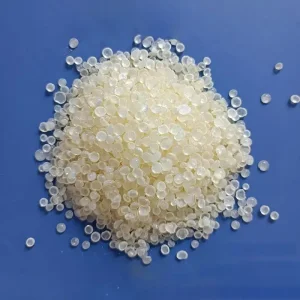
By leveraging reliable, high-purity raw materials supplied directly by state-owned petrochemical giants SINOPEC and PetroChina, our operations guarantee structural consistency and continuity. Our advanced manufacturing plants produce highly stable C9 hydrogenated resins, C5 hydrocarbon resins, C5 modified C9 hydrocarbon resins, C9 hydrocarbon resins, dicyclopentadiene (DCPD), and methyl cyclopentadiene dimer.
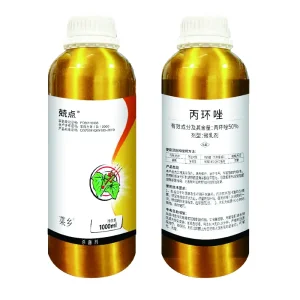
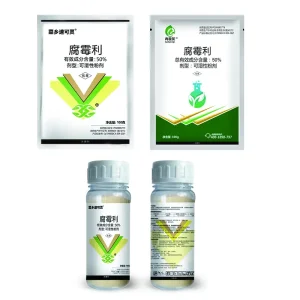
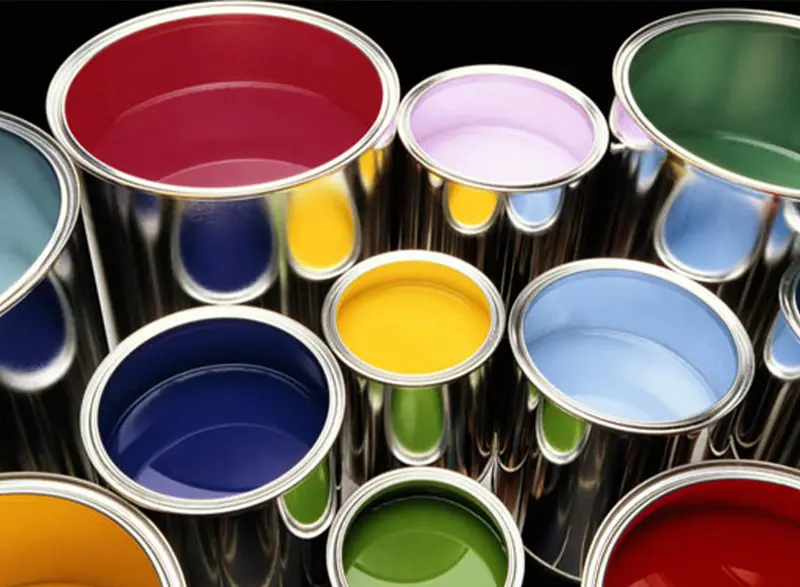
These advanced petroleum-based polymers serve Fortune 500 companies globally, finding critical applications in hot-melt adhesives, road marking paints, printing inks, and specialized rubber compounding. Furthermore, Boctok maintains a key presence in the agrochemical supply chain, delivering critical intermediates, raw materials, fungicides, herbicides, seed treatments, and plant growth regulators to global agricultural partners.


A comprehensive analysis of High-Transparency PDMS demand, manufacturing complexities, and market growth drivers.
Optically clear Polydimethylsiloxane (PDMS) has transitioned from laboratory microfluidics to large-scale industrial manufacturing. The global market is growing rapidly, driven by the expansion of optoelectronics, medical devices, automotive ADAS camera lenses, and solar cell encapsulation. Modern displays require optical-grade silicones with over 99% light transmittance and zero yellowing over decades of UV exposure.
High-purity PDMS manufacturing requires sophisticated monomer synthesis and purification. The removal of trace cyclic siloxanes (D4-D10) is critical for electronics and aerospace, as outgassing can contaminate sensitive sensors. Manufacturers must combine advanced polymerization catalysts with short-path thermal separation under deep vacuum to meet international low-outgassing requirements.
The industry is moving toward fast ultraviolet (UV) curing and high-precision liquid injection molding (LIM). Customizing the refractive index of PDMS (from 1.35 to 1.55) through phenyl modifications allows engineers to optimize light guides, LED lenses, and optical interfaces, expanding the material's application envelope.
Today's chemical industry must balance functional performance with environmental protection. In response to global chemical management frameworks (such as the EU's REACH registration and the US EPA's TSCA), modern PDMS production focuses on clean catalysts and green solvent recycling. By minimizing byproduct generation and trace heavy metal residues (like platinum catalysts), high-transparency silicones achieve biocompatibility standards like USP Class VI and ISO 10993, making them suitable for long-term implantable medical devices, wearables, and food-contact packaging.
How different geographic regions and specialized industrial sectors utilize advanced silicone formulations.
High-Performance Electronics & Aerospace
In Western markets, optical-grade PDMS is used extensively for structural encapsulation in aerospace sensors, LiDAR systems for autonomous vehicles, and display optics. Materials must withstand extreme thermal cycling (-60°C to +200°C) without micro-cracking or losing transparency.
Heavy Industry & Sub-Zero Elasticity
Under the BOCTOK™ brand, we deliver specialized silicone rubbers and coupling agents optimized for low-temperature elasticity and extreme chemical resistance. These materials are used in mining machinery, electrical insulation for cold-weather grids, and industrial coatings.
High-Volume Semiconductor Packaging
The APAC region requires fast-curing, high-purity silane coupling agents and silicone gels to support advanced semiconductor packaging, wafer level optics, and consumer electronics. Our production lines supply raw materials designed to optimize processing speed and yield.
Over the next decade, silicone technology will shift toward smart, high-performance materials. Shandong Boctok Chemical is investing in research to push the limits of polymer science and production efficiency.
How we address complex manufacturing challenges with integrated silicone chemistry and process engineering.
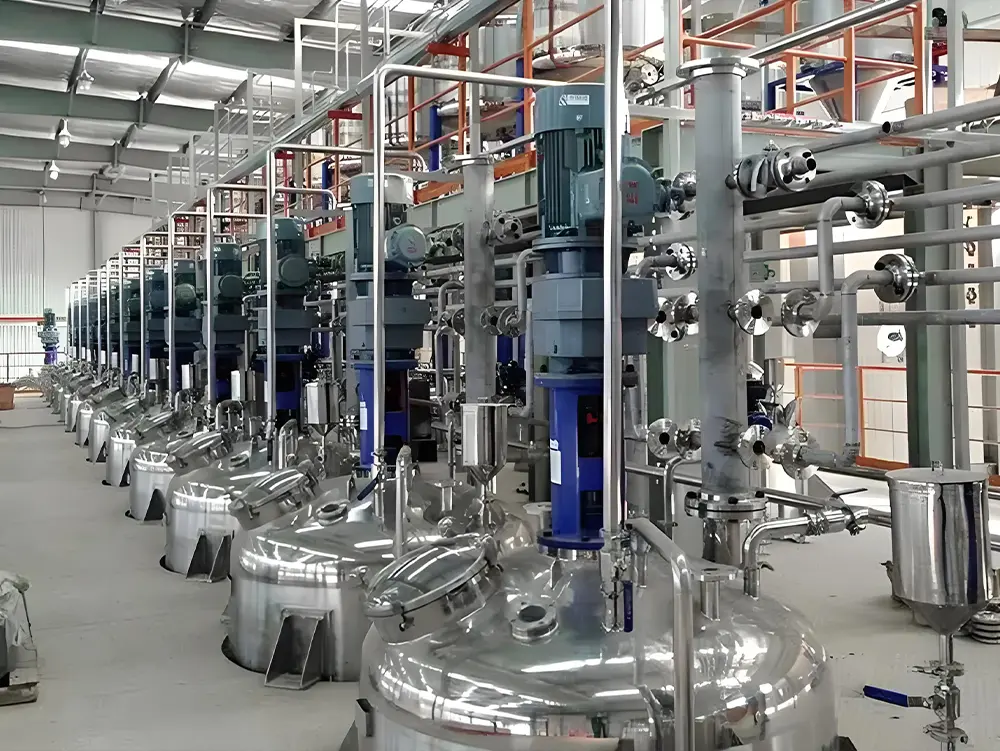
Our Shouguang factory features automated DCS remote control systems and SIS safety instrumentation to ensure stable quality across production lots. This setup prevents contamination and maintains consistent physical properties, which is critical for optical applications.
Our chemical facilities feature integrated wastewater treatment systems and advanced waste gas collection systems. This ensures compliance with regional environmental mandates while improving resource recovery and production efficiency.
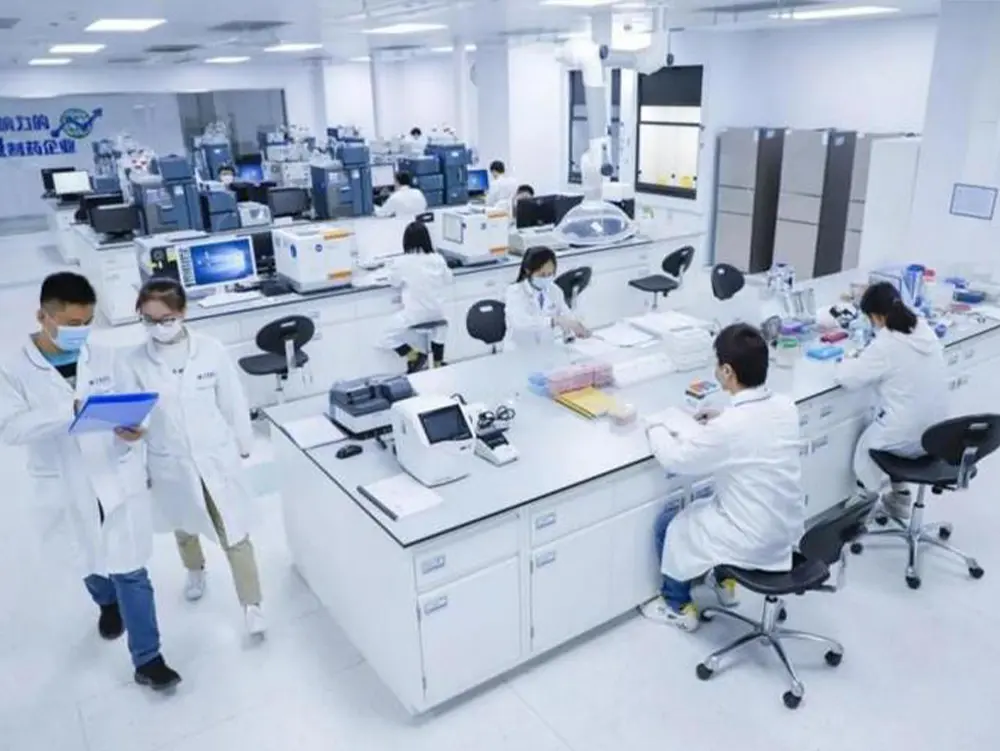
We work closely with industrial engineers to optimize properties like viscosity, tensile strength, Shore A hardness, cure rates, and refractive index, helping customers improve their processing yields and product performance.
In modern manufacturing, raw material purity is a key factor in product performance. Shandong Boctok Chemical’s investment in automated production plants allows us to deliver high-transparency PDMS with low cyclic volatile content. This enables our partners to build reliable, high-performance systems for demanding applications in aerospace, microelectronics, and advanced optical sensors.
Explore the diverse industries using our organosilicone products and hydrocarbon resins.





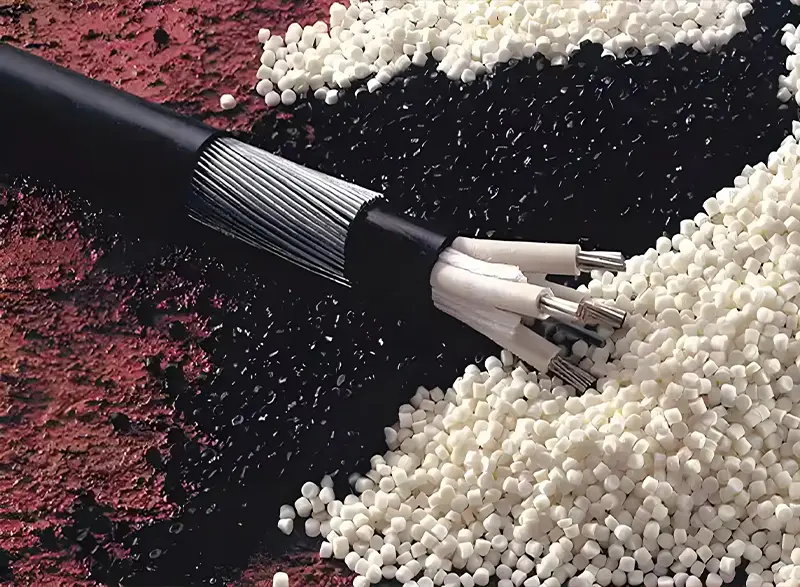



Enabling innovation across chemical synthesis, industrial manufacturing, electronics, and biotechnology.


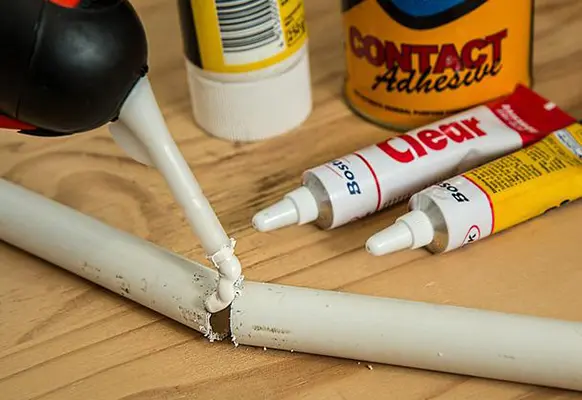
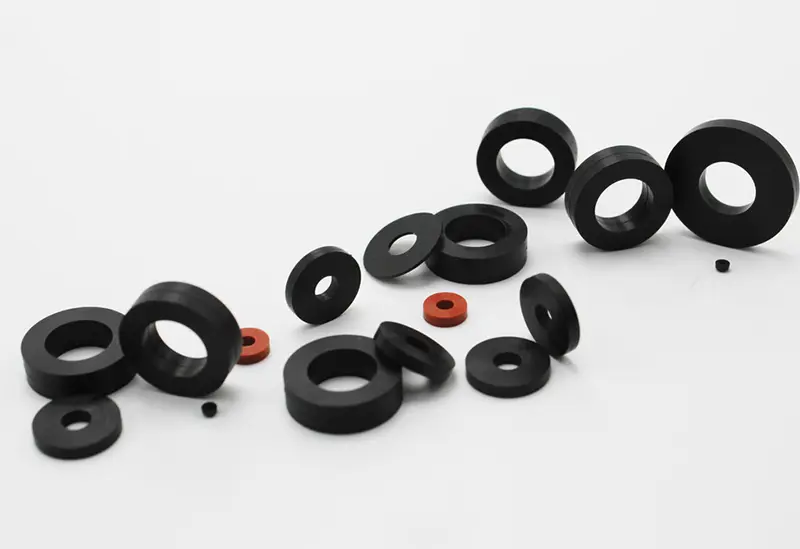

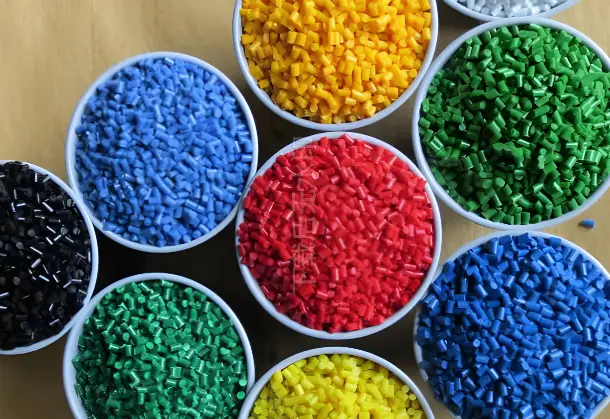












Expert insights on the chemical properties, usage, and applications of High-Transparency Polydimethylsiloxane and related organosilicones.
A: The high optical transparency of PDMS is due to its amorphous structure and flexible siloxane (Si-O-Si) backbone, which minimizes light scattering. Optical-grade PDMS typically achieves over 92% transmittance in the visible spectrum. Its refractive index is approximately 1.40 to 1.43, which can be adjusted by replacing methyl groups with phenyl groups to meet specific application requirements.
A: Standard PDMS contains trace cyclic siloxanes (D4-D10). In vacuum or high-temperature environments, these small molecules can outgas and condense onto optical lenses, sensors, or electrical contacts, causing performance degradation. High-purity manufacturing processes use specialized stripping technologies to remove these volatile compounds, ensuring compliance with strict aerospace and electronics standards.
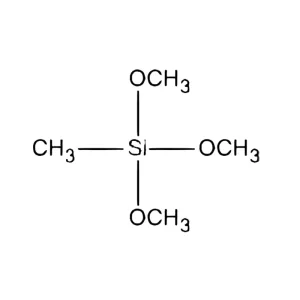
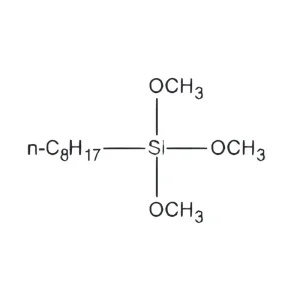
A: Silane coupling agents feature dual reactivity. Organofunctional groups bond with the organic polymer matrix, while hydrolyzable alkoxy groups bond with inorganic fillers (like silica or glass fiber). This chemical bridge improves adhesion, tensile strength, moisture resistance, and electrical insulation properties in the final compound.
A: RTV silicone cures at room temperature via moisture-initiated condensation or platinum-catalyzed addition, making it ideal for sealants, potting compounds, and prototyping. HTV silicone requires heat (often above 100°C) and organic peroxides or platinum catalysts to crosslink, providing higher mechanical strength and durability for extruded tubes, profiles, and molded automotive gaskets.
A: Our production facility in Shandong features automated DCS (Distributed Control System) lines and SIS (Safety Instrument System) monitoring. This setup enables precise control over feed rates, temperature profiles, and reaction pressures, while adherence to ISO9001 quality management systems ensures consistent polymer structures and properties.
A: PDMS can be chemically modified in several ways: introducing phenyl groups improves thermal stability and radiation resistance, vinyl groups facilitate addition curing, and fluorinated groups enhance chemical and solvent resistance. These modifications allow us to tailor materials for demanding environments like automotive sensors or downhole oil exploration.
Explore our secondary selection of specialized crosslinkers, chemical intermediates, and modified silane polymers.
 Boctok Chemical