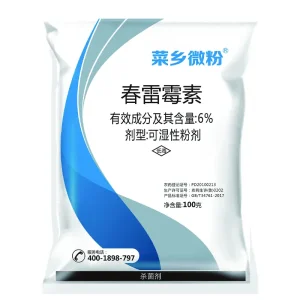
Discover our primary selection of specialized organosilicon derivatives and agricultural formulation inputs designed to support rigorous global specifications.
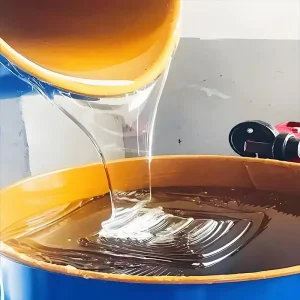
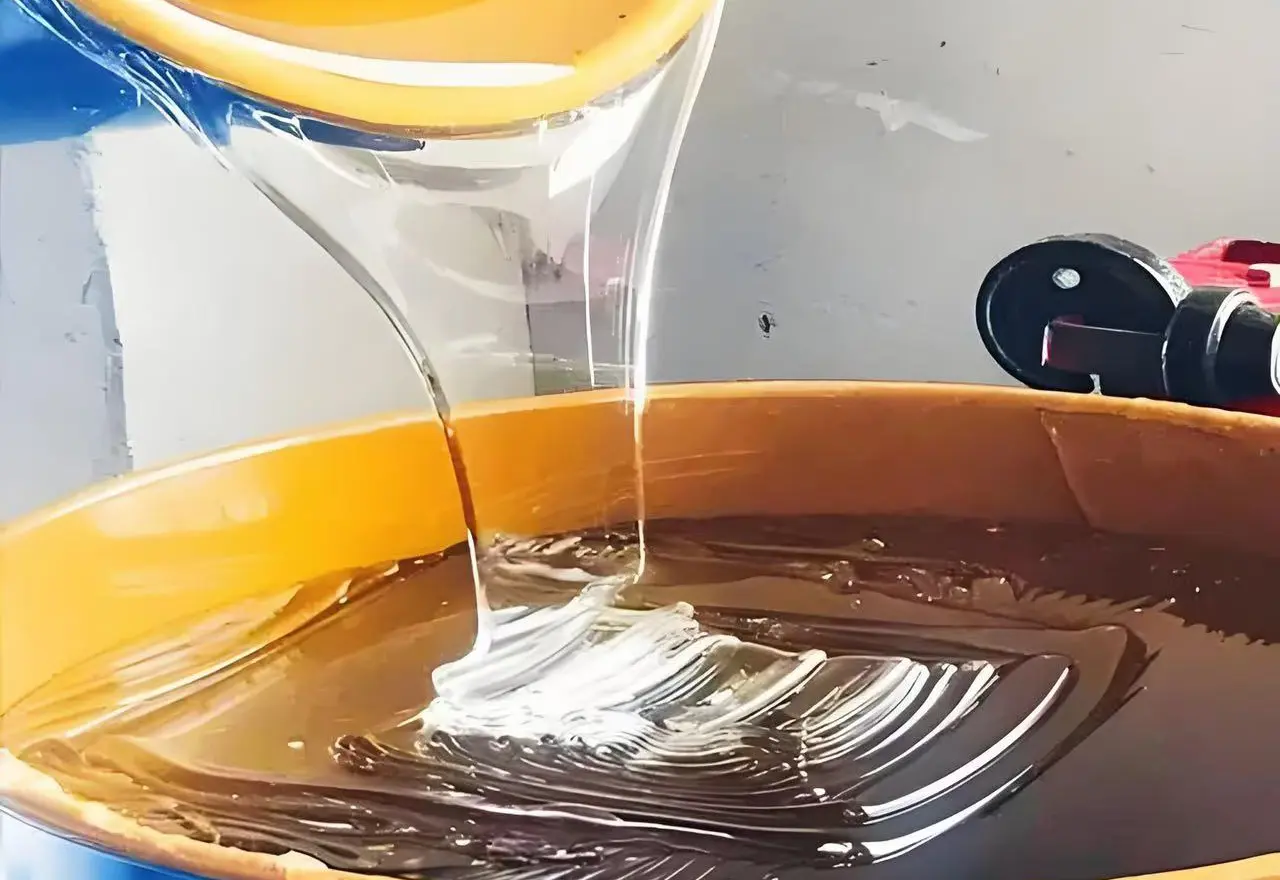
In the realm of advanced polymer science, High Transparency Liquid Silicone Rubber (LSR) has emerged as the definitive substrate for optical, medical, electronic, and structural designs. Engineered through Platinum-catalyzed hydrosilylation reactions, high transparency LSR delivers a light transmittance of >92% and a low yellowing index, exceeding standard requirements for light-emitting diode (LED) packages, high-end electronics interfaces, and complex mechanical designs.
Traditional thermoplastics such as PMMA and polycarbonate face structural and optical degradation under continuous exposure to UV rays and high temperatures. Optically Clear LSR stands out by preserving mechanical stability and optical properties across a wide temperature spectrum from -60°C to 200°C. By implementing advanced siloxanyl networks and leveraging precise molecular control via vinyl VMQ resins and specialty silane coupling agents, leading manufacturers are redefining the design limits of high-performance seals, lenses, and sensor shields.
"High Transparency LSR represents a shift from pure physical protection to functional optical integration. Correctly formulated crosslinkers and organofunctional silanes are vital for securing long-term optical alignment and absolute environmental defense."
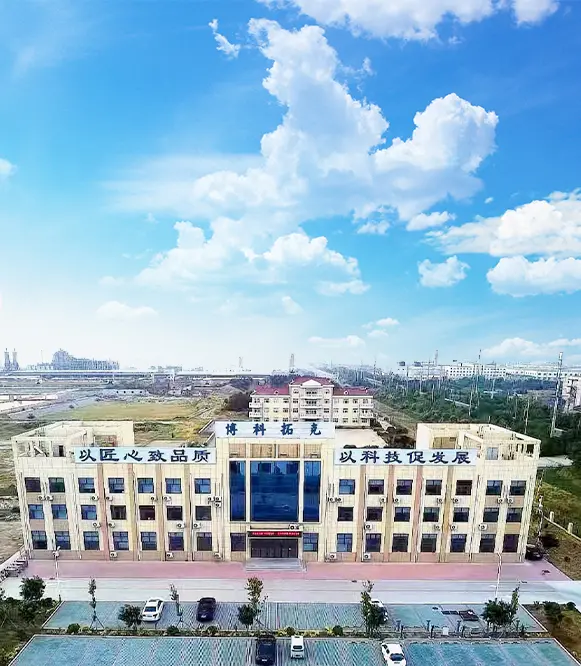
A trusted manufacturing leader bridging advanced silicone chemical technology and major global distribution networks.
Founded in 2012, Shandong Boctok Chemical Co. serves as a key marketing, sales, and manufacturing center for Boctok™ domestic and international operations. With dynamic logistics channels and strong customer service, the company recorded consolidated sales of US$280 million in 2023. Operating under the specialized BOCTOK brand, we provide key material solutions designed to meet the strict performance demands of the global chemical market, with a focus on Russian and European industrial centers.
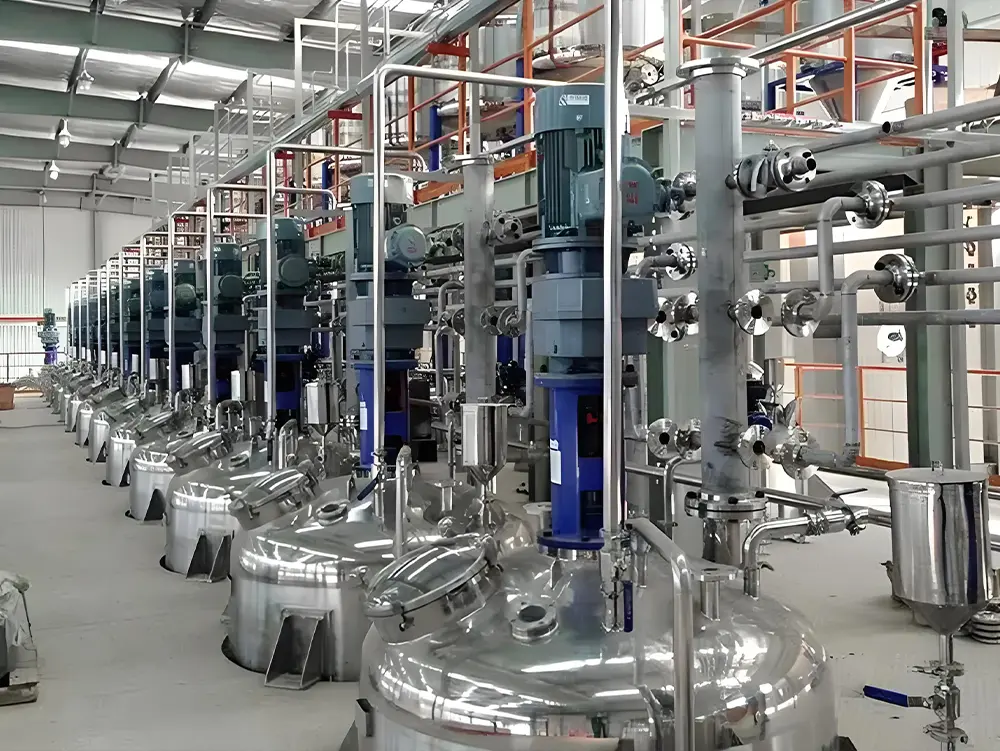
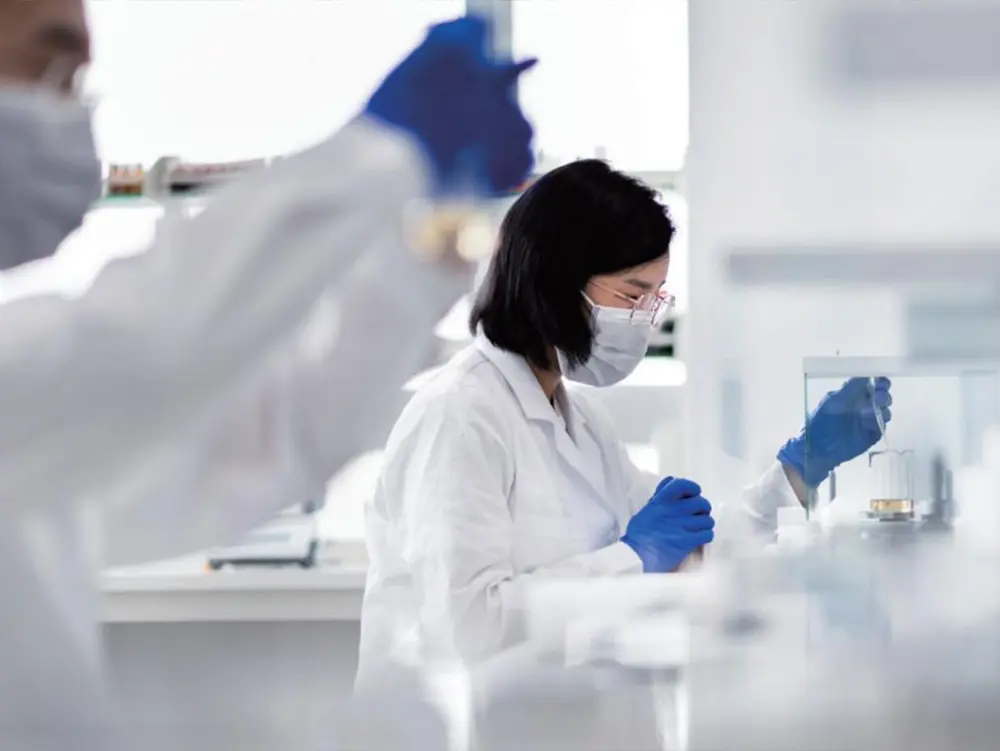
We deliver verified quality, high production capacity, and reliable global distribution.

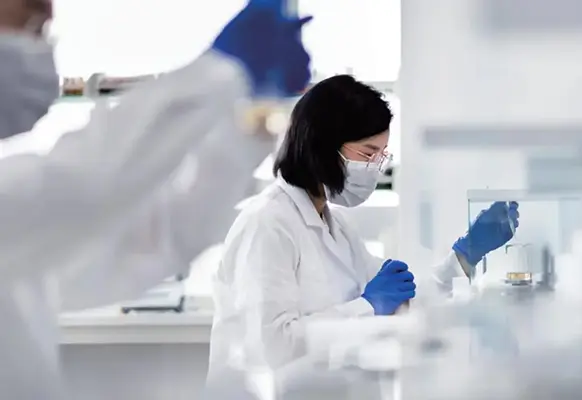
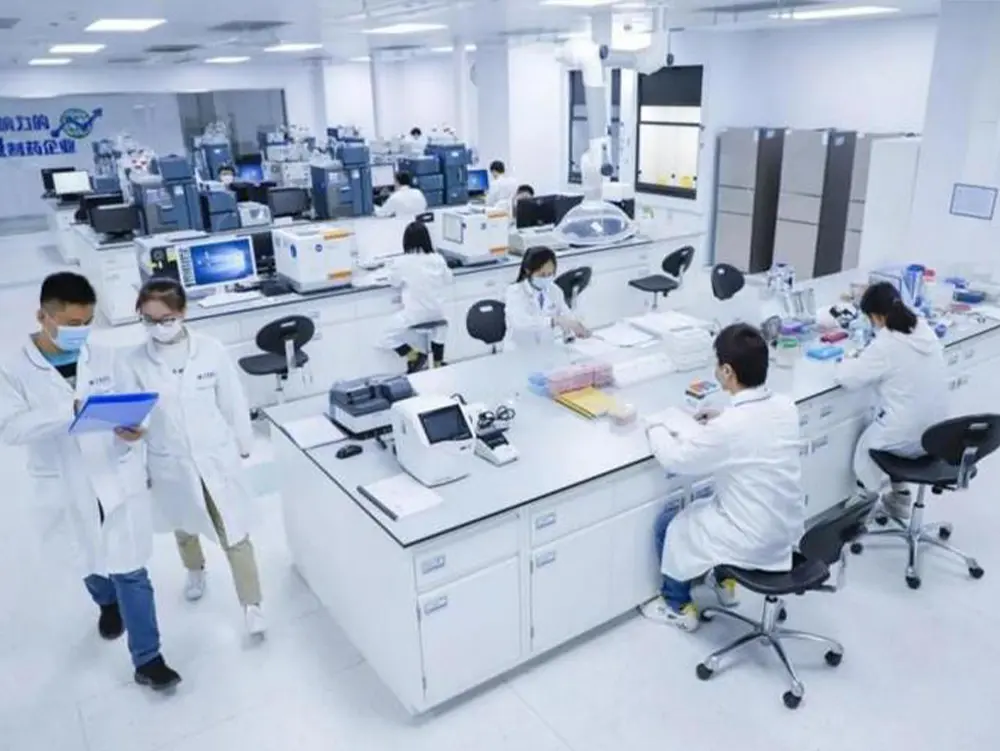
Our products undergo comprehensive laboratory testing and conform to strict ISO9001 standards to ensure batches are consistent and high-performing.

Equipped with DCS remote control platforms and advanced automation lines, we can scale operations to fulfill high-volume customization orders.

Our experienced technicians provide round-the-clock online support to assist clients with formulation design and troubleshooting.

An optimized logistics system ensures fast order processing and timely delivery to customers.
An authoritative review of hydrosilylation mechanics, refractive index customization, and polymer crosslinking.
Achieving extreme transparency in Liquid Silicone Rubber relies on strict control over both chemical composition and processing parameters. Unlike conventional industrial silicones, optically clear LSR is synthesized through addition-curing (hydrosilylation) reaction mechanisms, typically catalyzed by high-purity organoplatinum complexes. The primary polymeric framework consists of vinyl-functionalized polydimethylsiloxanes (vinyl silicone oil and vinyl VMQ resins) crosslinked with methyl hydrogen silicone fluids. The lack of byproduct generation during addition curing ensures dimensional accuracy and prevents structural voids that could scatter light.
Adjusting the refractive index is crucial for optical clarity. Incorporating phenyl-functional groups (e.g., phenyl silicone oil, methyl phenyl rubber) into the dimethylsiloxane chain raises the refractive index from 1.40 to 1.54, reducing light scattering at interfaces.
Our production facilities utilize automated Distributed Control Systems (DCS) to monitor curing temperatures and mix ratios in real-time, preventing micro-voids and optical defects.
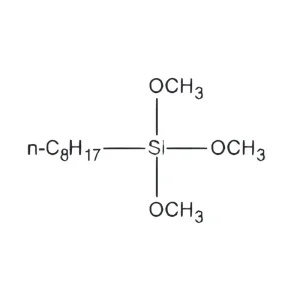
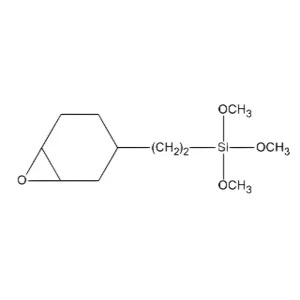
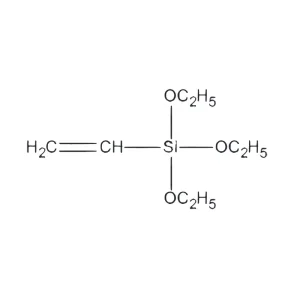
We use specific silane coupling agents (e.g., methacrylate, epoxy, and vinyl silanes) to create strong chemical bonds between the silicone matrix and glass or polymeric lenses, maintaining clean optical paths.
For applications subjected to high-temperature operating conditions, such as high-power LED packaging and automotive engine sensor housings, thermal stability is critical. Conventional polymers tend to experience thermo-oxidative yellowing due to main-chain degradation. Optically clear LSR features a high siloxane (Si-O-Si) bond energy (460 kJ/mol), which provides excellent UV resistance and thermal stability. Our vinyl-functionalized MQ/VMQ resins reinforce the polymer network without compromising light transmission, preserving optical properties even during extended exposure to temperatures up to 200°C.
Exploring Boctok’s diverse industrial operations, from C5/C9 hydrocarbon polymerization to critical agricultural chemical synthesis.
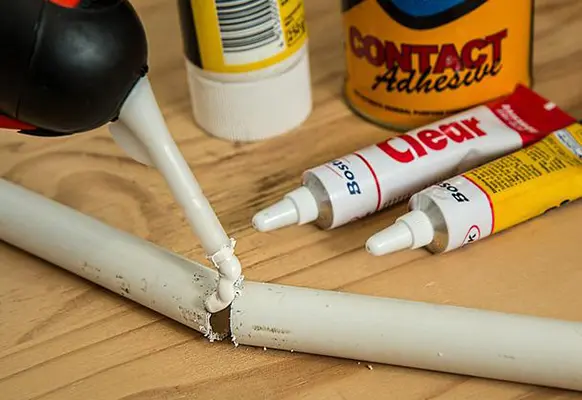
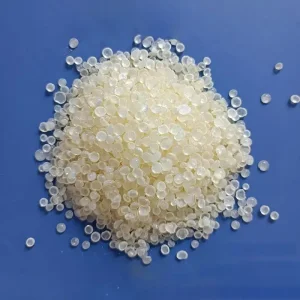
Boctok’s Tier II core business includes petroleum hydrocarbon resins. We have invested in a key hydrocarbon resin manufacturer in China, operating three production sites in Zibo, Fushun, and Nanjing. Utilizing raw materials from SINOPEC and PetroChina, our production processes yield high-purity C9 hydrogenated resins, C5 hydrocarbon resins, and C5 modified C9 resins. These polymers serve as key tackifiers, modifiers, and waterproofing agents in adhesives, paints, road markings, and rubber compounds used by Fortune 500 companies.
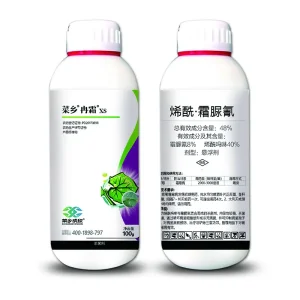
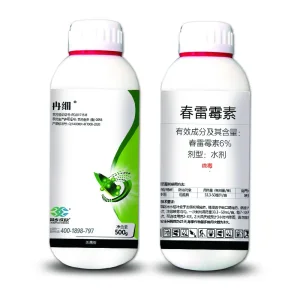
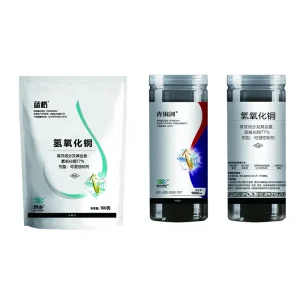
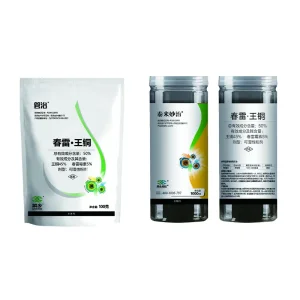
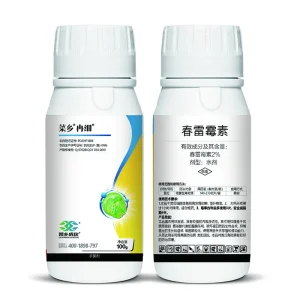
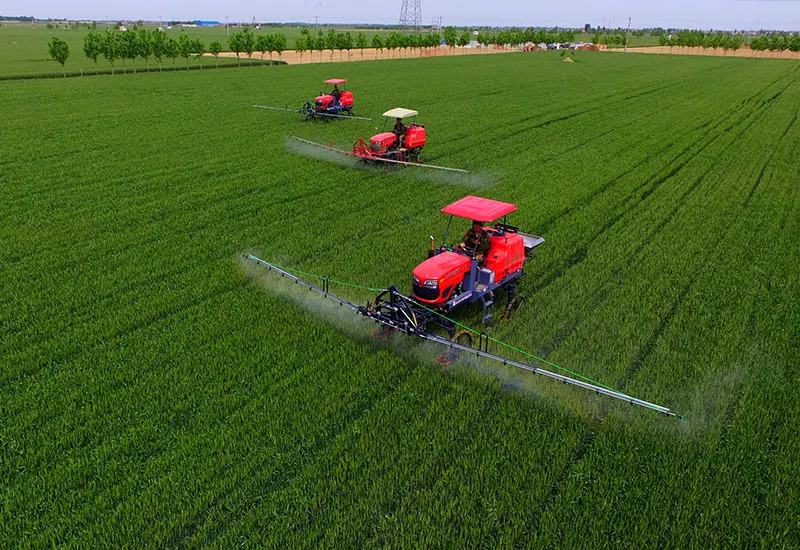
Supporting international agricultural supply chains, Boctok manufactures chemical intermediates and active ingredients for pesticides, fungicides, seed treatments, herbicides, and plant growth regulators. By applying our organic synthesis experience to agricultural chemistry, we deliver high-purity solutions that help improve crop yields and support global agricultural output.
Chemical Material Classification

Agrochemical Division Solutions
Detailing the diverse applications of silicone elastomers and petroleum resins across global manufacturing sectors.
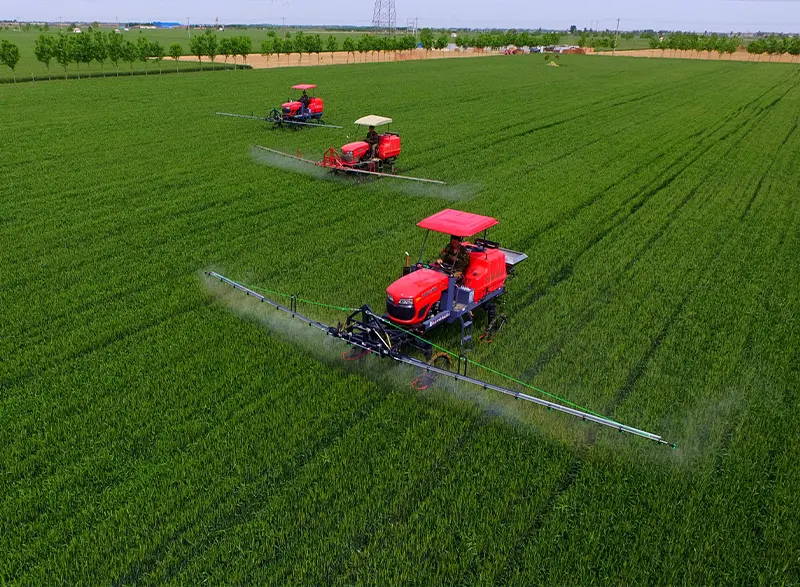
Enhancing chemical stability, absorption, and delivery systems for crop protection and nourishment.
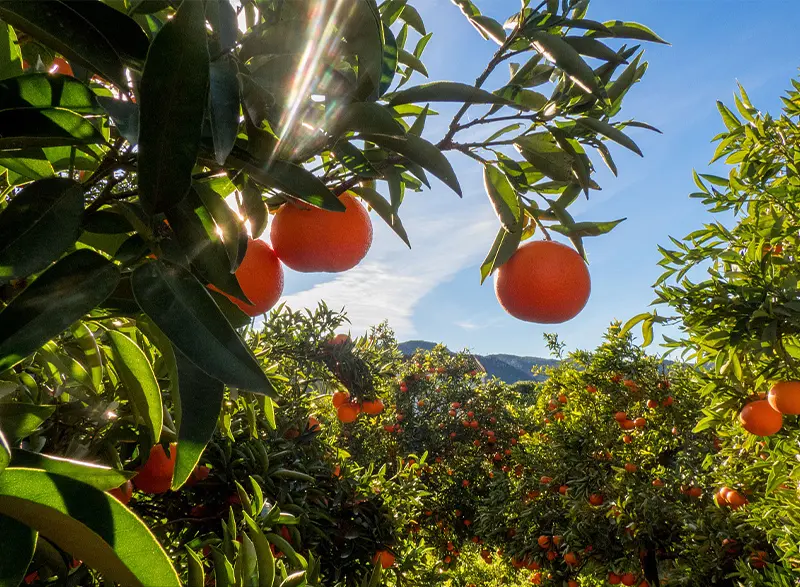
Highly target-specific insecticides and growth regulators designed to maximize orchard yields.

Fungicidal formulations configured to safeguard high-value plants and decorative flowers.

Broad-scale herbicide solutions providing field protection and supporting agricultural efficiency.

Low-residue pest control agents aligned with environmental standards for food crops.
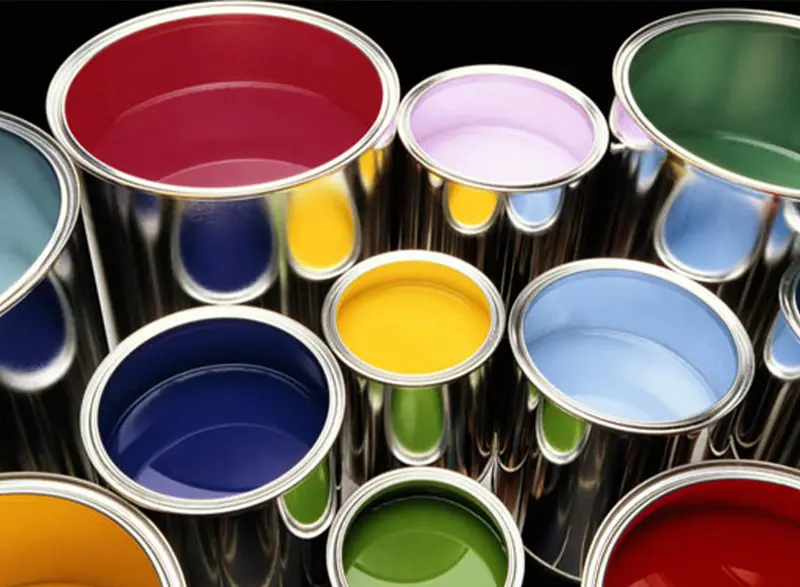
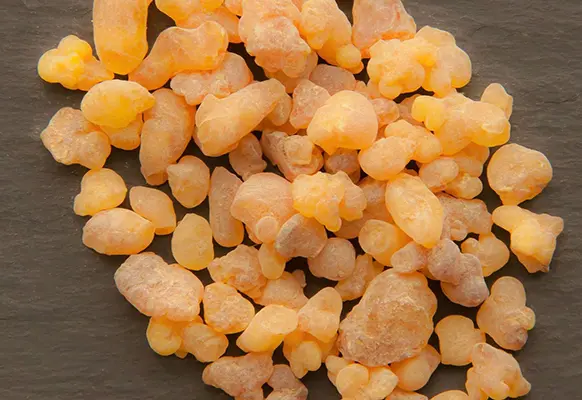
C5/C9 hydrocarbon resins that provide adhesion, water resistance, and gloss to industrial coatings.
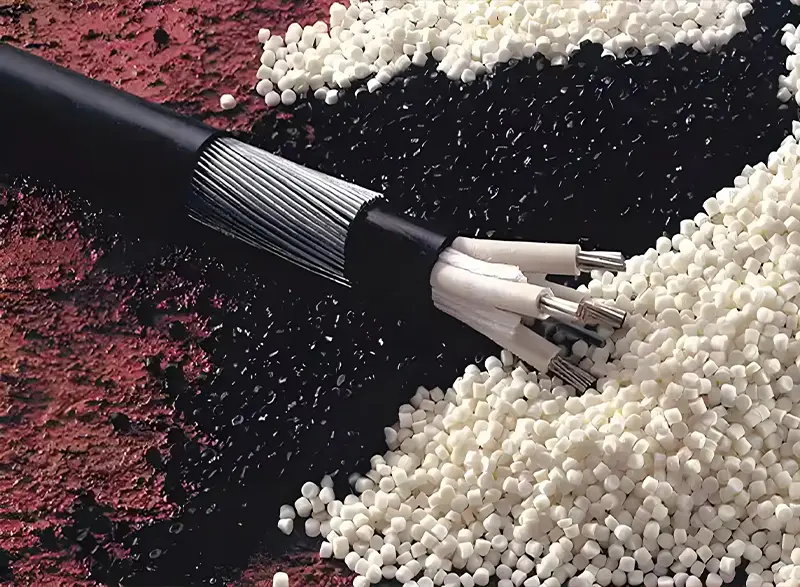
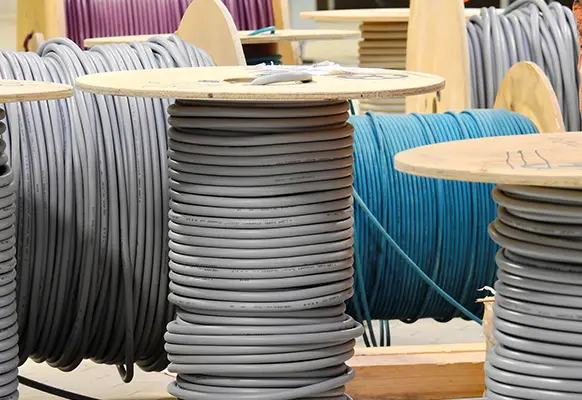
Providing high dielectric strength and heat resistance for power cable jackets and potting compounds.
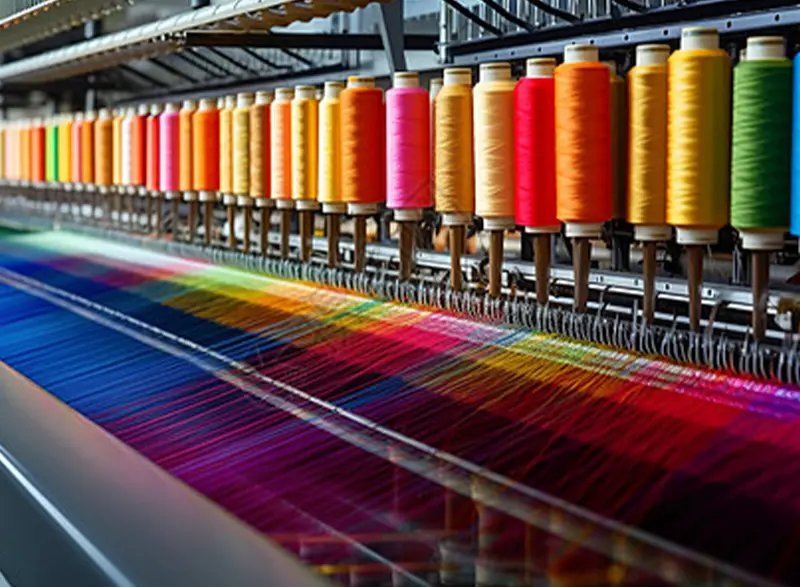
Amino-modified silicone softeners and finishing agents that improve fabric texture and wear resistance.
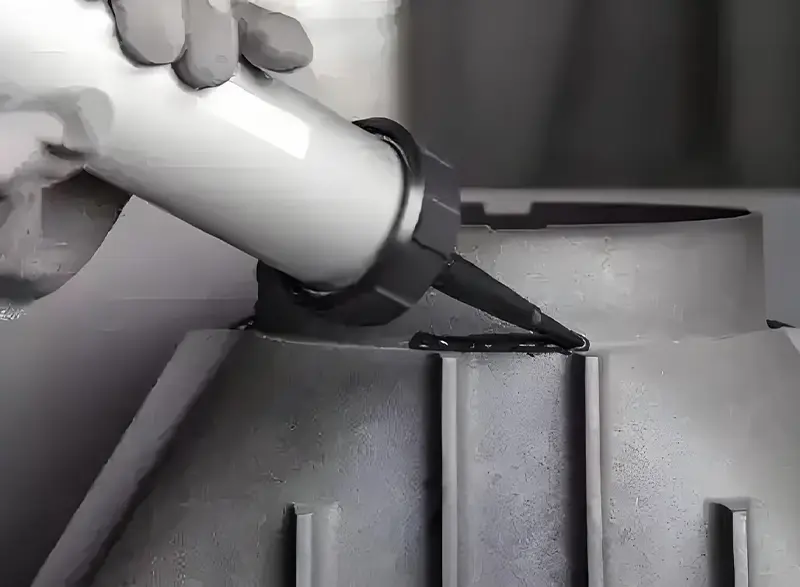
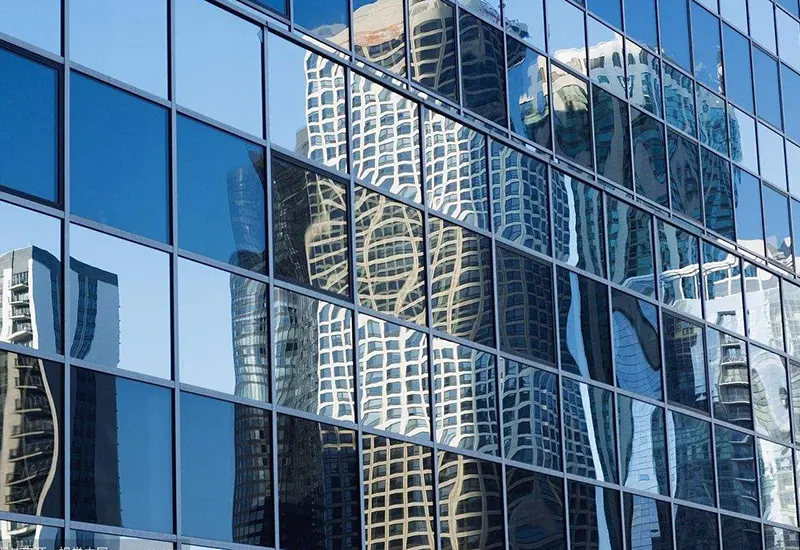
Highly durable sealants providing moisture defense and structural elasticity for glass facades.
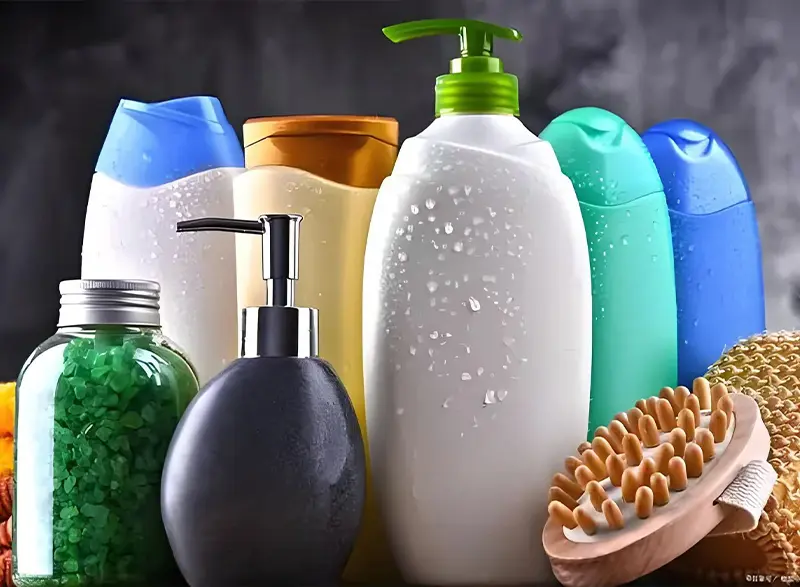
Gentle, non-reactive siloxane carriers used to improve texture and spreadability in personal care products.
A look into our modern, highly automated facilities and international distribution network.
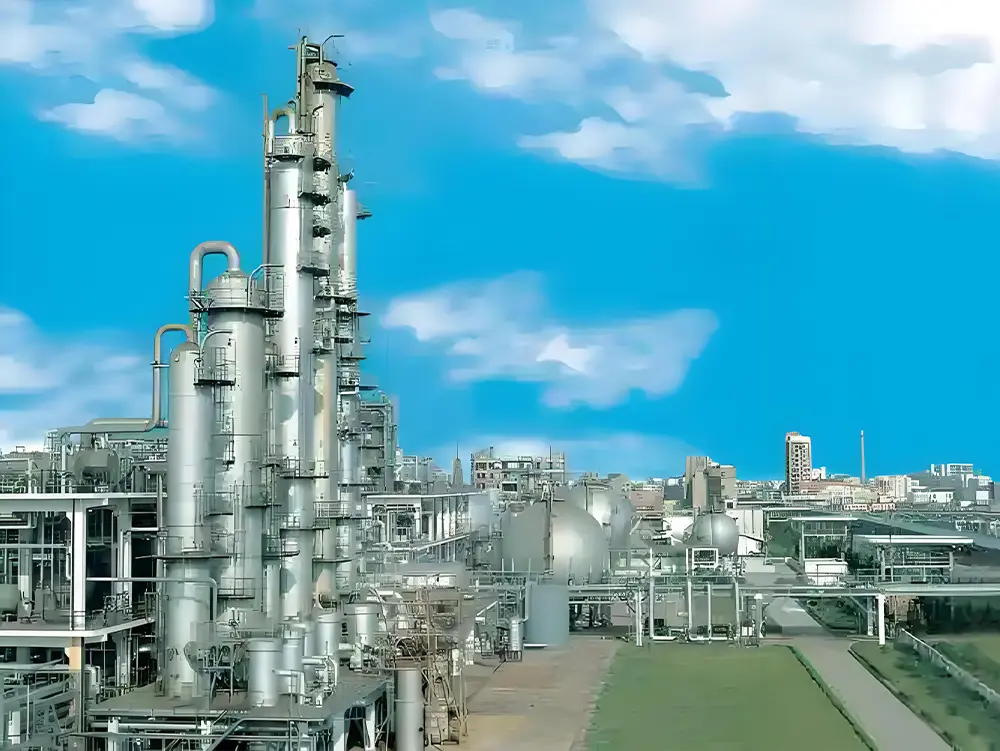
Boctok’s products are distributed throughout China and exported to North America, Europe, Japan, South Korea, Australia, South America, the Middle East, India, Southeast Asia, and Russia. To support the global demand for silane coupling agents, we recently invested US$65 million to construct a modern manufacturing facility in Bohai Industrial Park, a certified chemical zone in Shouguang City, Shandong Province. This facility features 6 automated DCS production lines with an annual output of 30,000 tons.
Our Shouguang facility is designed for clean, high-volume production of specialty silanes and silicones, utilizing real-time sensor networks to maintain safety and consistency.
Optimized silicone formulations designed to perform under demanding industrial conditions.
Exploring future developments in smart elastomers and sustainable polymerization technologies.
The global demand for high transparency liquid silicone rubber continues to grow, driven by advancements in optoelectronic systems, automotive LIDAR, head-up displays (HUD), and virtual/augmented reality (VR/AR) components. The industry is currently moving toward higher refractive indices (targeting RI values of 1.56 and above) and self-lubricating liquid silicone rubbers. Self-lubricating LSRs are designed to exude controlled amounts of fluid over time, reducing friction in automotive seals and connector plugs.
Additionally, sustainable production remains a key focus. Developing bio-derived feedstock alternatives and low-volatile organic compound (VOC) crosslinking pathways is essential for reducing carbon emissions. Boctok’s research team focuses on synthesizing specialized siloxane structures that reduce thermal yellowing under high-output LED applications, while utilizing energy-efficient processing equipment to decrease the carbon footprint of manufacturing operations.
Expert technical insights regarding high transparency LSR properties, application engineering, and material compatibility.
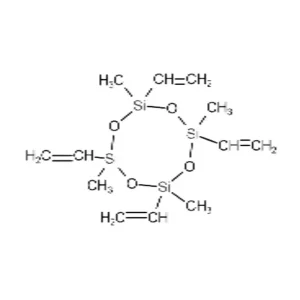
Review our range of silane coupling agents, cyclic siloxanes, and thermoplastic road paint resins.
 Boctok Chemical