Discover a comprehensive selection of our world-class industrial chemical formulations, engineered for high reliability, premium purity, and optimal performance across specialized industrial verticals.
Understanding the chemical mechanics, molecular architecture, and functional traits of CAS No. 16415-12-6.
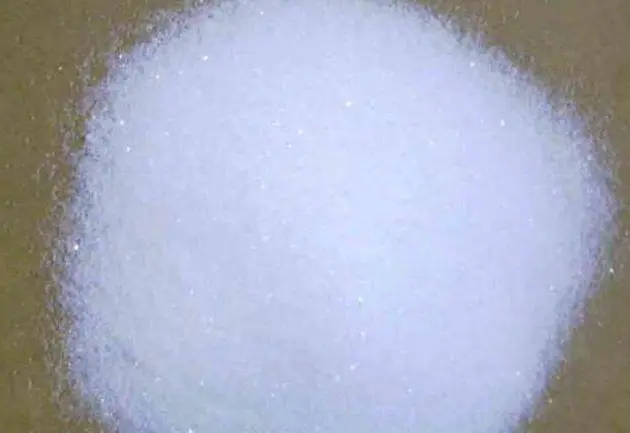
Hexadecyltrimethoxysilane (commonly referred to by its molecular formula C19H42O3Si or CAS Number 16415-12-6) is a long-chain alkyl alkoxy silane coupling agent. With its structural composition featuring a hydrophobic 16-carbon linear paraffinic tail (hexadecyl group) combined with three hydrolyzable methoxy functional groups, it exhibits excellent capabilities as a surface modifier, water repellant, and dispersion promoter for inorganic materials.
In various industrial applications, this chemistry is utilized to deposit self-assembled monolayers (SAMs) onto diverse inorganic substrates, including glass, concrete, ceramics, silica, and metal oxides. Upon hydrolysis, the methoxy groups release methanol to form highly reactive silanols. These silanol units subsequently undergo condensation reactions, forming stable covalent siloxane bonds (Si-O-Si) with the substrate surface, while projecting the long-chain hydrocarbon tails outward. This molecular orientation creates an ultra-thin, low-surface-energy barrier that repels water, prevents ingress of corrosive agents, and optimizes compatibility between inorganic fillers and organic polymer matrices.
"Because of its long C16 chain, Hexadecyltrimethoxysilane provides significantly superior hydrophobicity and durability compared to shorter-chain counterparts such as Octyltriethoxysilane or Methyltrimethoxysilane. It offers remarkable UV stability, chemical resistance, and long-term surface protection in highly demanding environments."
The hexadecyl group presents a low-surface-energy aliphatic structure, inducing water contact angles exceeding 100° on treated surfaces, effectively resisting moisture ingress and staining.
By coating mineral particles like TiO2, silica, and alumina, it mitigates agglomeration, lowers system viscosity, and enables higher filler loading levels in polymers and coatings.
The covalent siloxane bond network remains highly resistant to ultraviolet radiation, oxidative degradation, thermal cycling, and hydrolytic cleavage over extended lifetimes.
Analyzing current production paradigms, demand channels, and key regional developments.
Historically, the market for high-purity organosilicon compounds was dominated by major chemical corporations in Germany, the United States, and Japan. Today, the supply chain has transitioned towards specialized manufacturing facilities in China, where vertical integration, process optimization, and raw material access have allowed manufacturers like Shandong Boctok Chemical Co. to provide high-purity silane coupling agents on a global scale.
Global procurement teams prioritize vendors who demonstrate a balance between price, batch-to-batch consistency, and compliance with REACH, TSCA, and RoHS regulations. For applications in architectural coatings, aerospace sealants, and electronics packaging, sourcing from suppliers who deploy advanced DCS-controlled synthesis is critical to minimizing chloride and alcohol impurities.
How domestic supply chains, modern industrial parks, and technology investments drive competitive pricing.
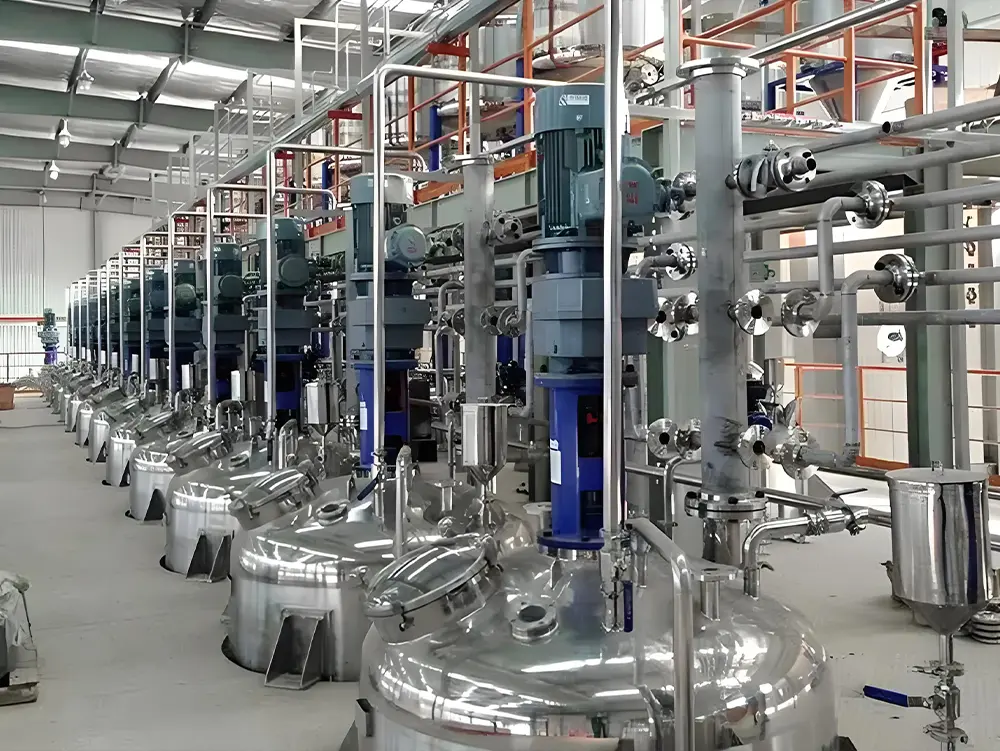
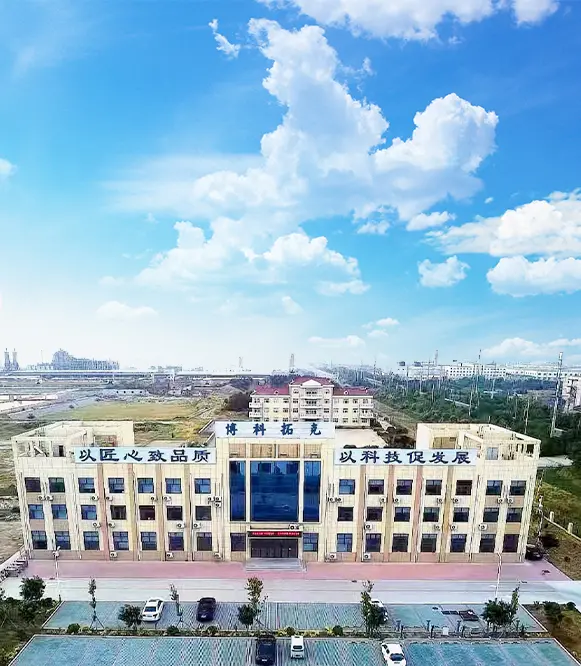
Shandong Boctok Chemical Co. recently invested **US$65 million** to establish a state-of-the-art production facility in the Bohai Industrial Park, Shouguang City, Shandong Province. This specialized industrial zone offers central waste treatment infrastructure, a reliable utilities network, and direct access to essential starting chemicals.
Operating **6 automatic DCS production lines**, the factory achieves an annual output of **30,000 tons of silane coupling agents**. The integration of safety instrumented systems (SIS) and environmental safeguards protects both workers and the surrounding environment, ensuring uninterrupted manufacturing operations. Proximity to petrochemical raw materials from SINOPEC and PetroChina further insulates our production lines from market volatility.
Certified ISO 9001 systems guarantee complete traceability from raw material input to final product dispatch.
Equipped with closed-loop waste gas capture and wastewater treatment facilities to align with modern ESG initiatives.
From concrete preservation to high-tech cosmetic ingredients, see where Hexadecyltrimethoxysilane is applied.



1. Architectural Concrete Protection: Concrete is inherently porous and susceptible to moisture ingress, which can lead to freeze-thaw damage, rebar corrosion, and efflorescence. A treatment of Hexadecyltrimethoxysilane creates a deep-penetrating, breathable hydrophobic barrier. Because the small silane molecules can penetrate deep into the concrete pores before hydrolyzing and bonding, they provide long-lasting protection that resists UV degradation and abrasive wear better than topical film-forming sealers.
2. Pigment Treatment & Cosmetics: In cosmetic formulations, mineral powders like titanium dioxide and zinc oxide are frequently coated with Hexadecyltrimethoxysilane. This surface modification reduces oil absorption, improves dispersibility in cosmetic fluids, and imparts water resistance, leading to longer-wearing makeup and more effective sunscreens with a pleasant, non-greasy skin feel.
3. Advanced Nanotechnology & Fillers: Silane coupling agents are vital for dispersing nanofillers like silica, clay, and carbon nanotubes within polymer composites. Treating these fillers with HDTMS improves interfacial adhesion, reduces compounding viscosity, and enhances the mechanical strength and moisture resistance of the final compound.
Shandong Boctok Chemical Co. maintains diversified portfolios across key industrial chemical sectors.
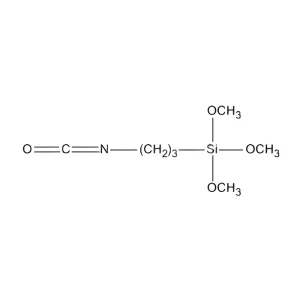
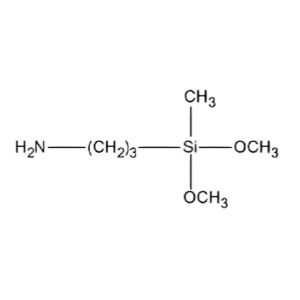
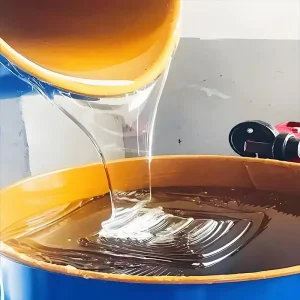
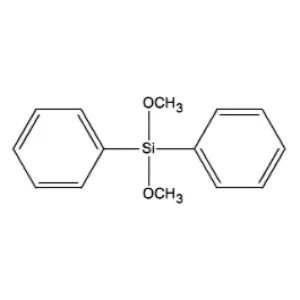
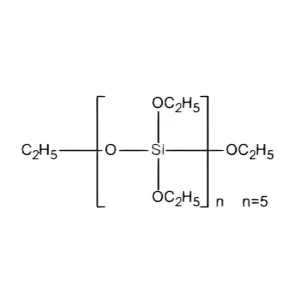
Covering 12 series of silane coupling agents and crosslinkers, including amino, epoxy, vinyl, mercapto, alkyl, phenyl, and isocyanatosilanes. We also supply premium silicone oils, MQ resins, and room-temperature vulcanized rubbers.
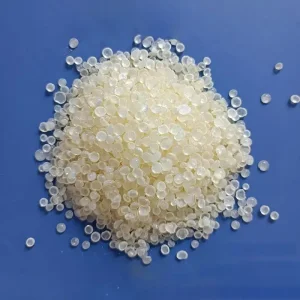
Operating through three key processing hubs in Zibo, Fushun, and Nanjing. We utilize raw materials from SINOPEC and PetroChina to deliver high-quality C5, C9, and hydrogenated resins for adhesives and coatings.
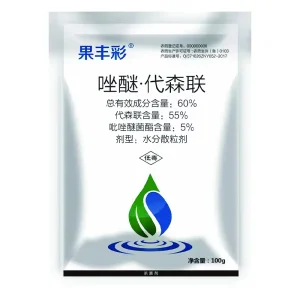
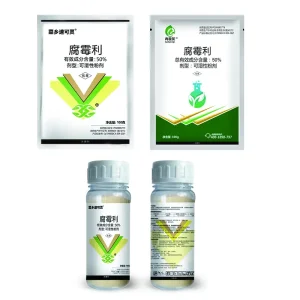
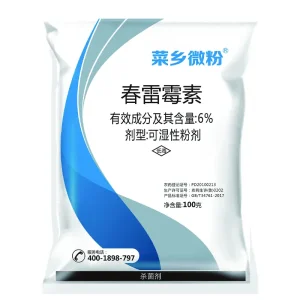
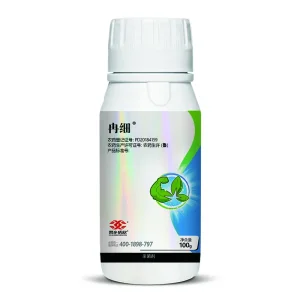
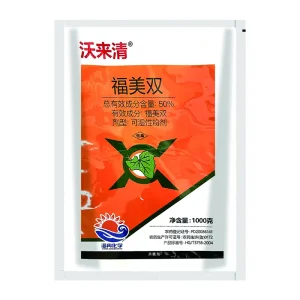
Developing specialized intermediates, active ingredients, and formulating agents for pesticides, fungicides, seed treatments, and plant growth regulators to support global agriculture.
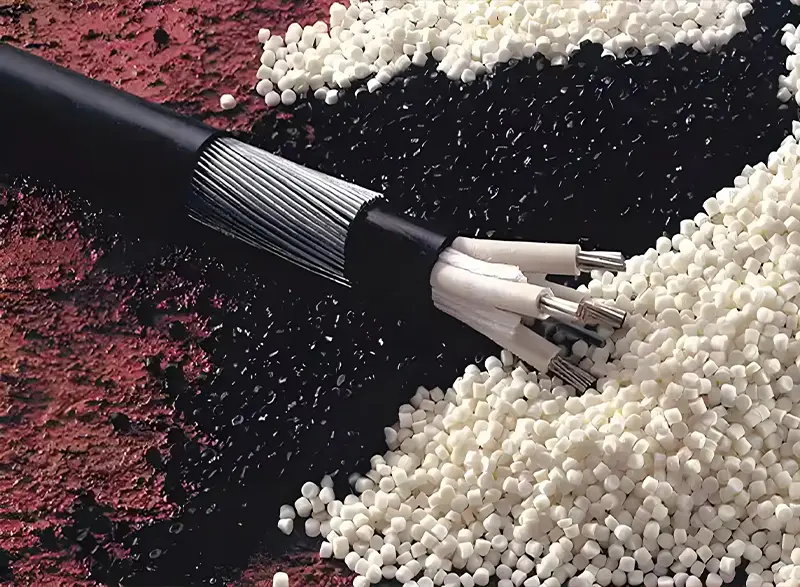
Our products are used around the world to improve material performance. Whether it's enhancing the insulation of XLPE cables, optimizing the surface properties of mineral-filled polymers, or formulating advanced personal care products, Boctok's silanes and resins provide consistent, high-quality results. Through process control and dedicated customer service, we support clients in over 30 countries across North America, Europe, Asia, and Russia.

Providing authoritative answers to technical, commercial, and processing questions.
Hexadecyltrimethoxysilane is mainly used as a hydrophobic surface modifier, protective sealer for concrete, brick, and natural stone, and as a dispersing agent for mineral fillers in polymers and coatings. Its long alkyl chain provides excellent water repellency and UV resistance.
The 16-carbon chain provides higher hydrophobicity and better durability than shorter chains (like octyl or propyl). It forms a more effective barrier against moisture and environmental degradation, though it may take slightly longer to fully cure during the condensation phase.
In the presence of moisture, the methoxy groups hydrolyze to form silanol intermediates. These silanols then react with hydroxyl groups on the substrate surface, forming covalent siloxane bonds. The long hydrophobic hexadecyl chains align outward to create a protective barrier.
Methoxy silanes typically exhibit faster hydrolysis rates than ethoxy silanes. This allows for quicker activation and curing under ambient moisture conditions, making them ideal for formulations where rapid bond development is required.
It should be stored in tightly sealed, moisture-proof containers in a cool, dry, and well-ventilated area. Exposure to moisture will initiate hydrolysis and cause the product to gel over time.
Yes, it is widely used to treat cosmetic pigments like titanium dioxide and zinc oxide. The treatment improves pigment dispersion, reduces oil absorption, and enhances the water resistance of personal care products.
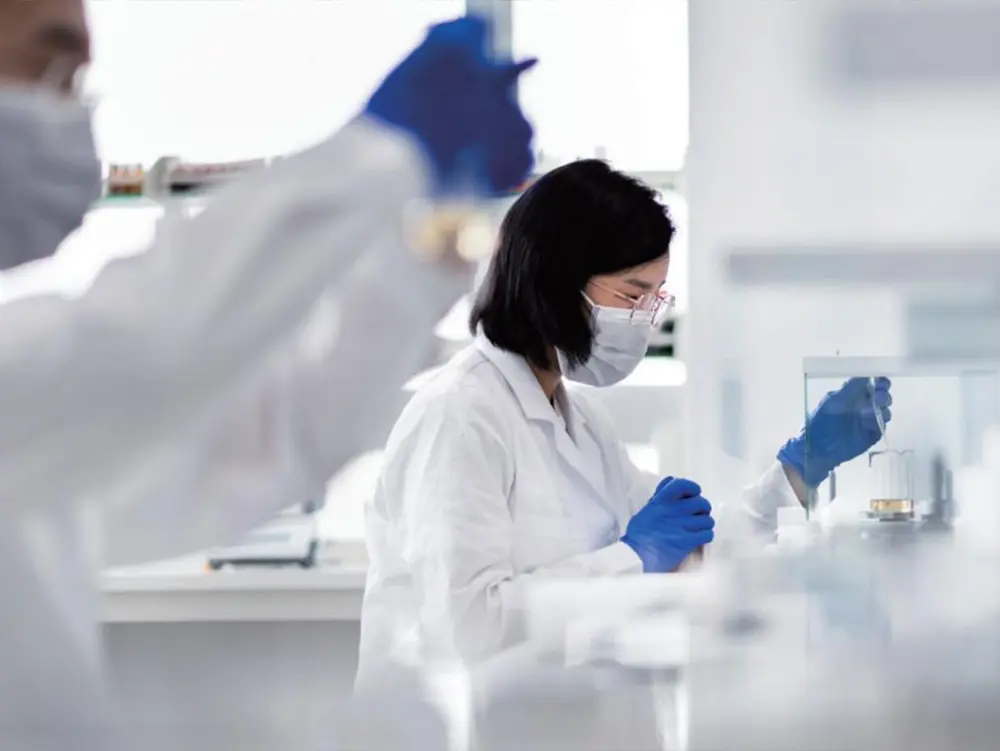
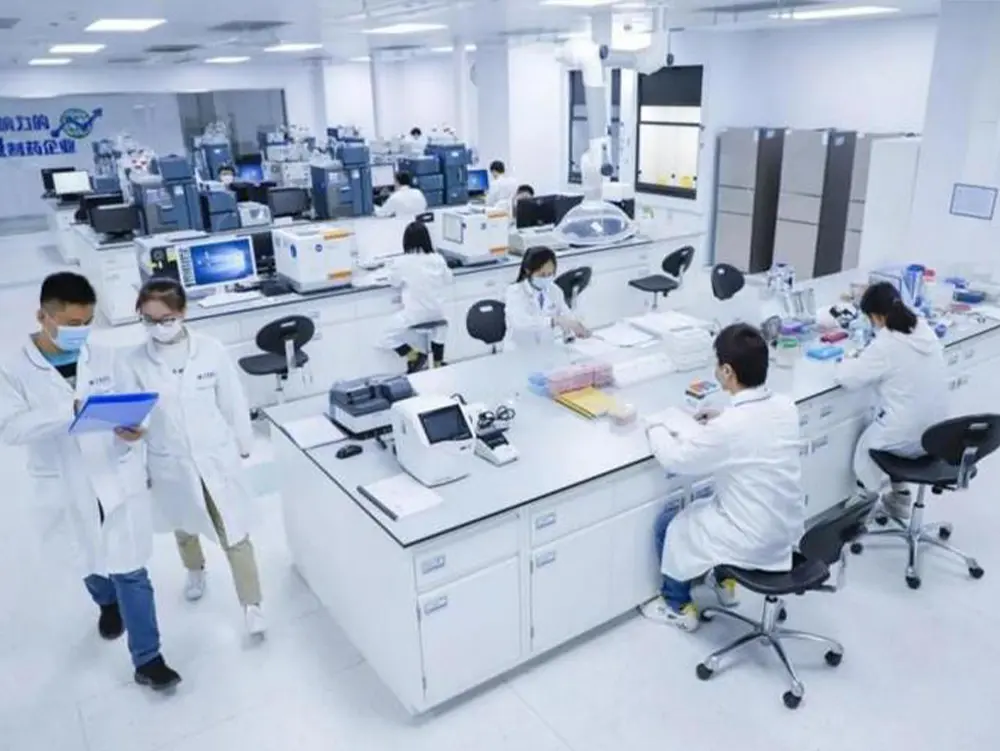
Our Shouguang plant utilizes automated DCS and SIS systems to control reaction parameters in real time. Combined with strict ISO 9001 quality testing, we ensure every batch meets target purity, viscosity, and refractive index specifications.
We supply products in standard packages including 25kg drums, 200kg steel drums, and 1000kg IBC containers to suit different storage and handling systems.
Browse our broader range of functional organosilicons, hydrocarbon resins, and agricultural intermediates.
 Boctok Chemical