Explore our foundational chemical catalog featuring high-grade silanes, intermediates, and specialized active agents.
The global chemistry landscape is undergoing a monumental transition toward material longevity, lightweight construction, and eco-friendly coatings. At the core of these structural advancements is the Epoxy Silane Coupling Agent. Offering dual functional reactivity, these molecules form a robust thermodynamic bridge between inorganic substrates (such as silica, glass, and metals) and organic polymers (including epoxy resins, polyurethanes, and acrylics).
As a leading supplier in the organosilicon sector, Shandong Boctok Chemical Co., Ltd. has established an integrated scientific and supply platform. Established in 2012, Boctok serves as a key player in cross-border supply chains. By utilizing state-of-the-art Distributed Control Systems (DCS) and Safety Instrumented Systems (SIS), we deliver reliable, high-yield organofunctional silanes tailored for extreme industrial applications.
An in-depth analysis of supply pipelines, manufacturing infrastructure, and cross-industry demands.
The global epoxy silane coupling agent market is driven by the growing demand for high-performance composites, low-VOC coatings, and advanced electronic packaging. As infrastructure projects require materials with extended life cycles and vehicles demand lightweight carbon-fiber composites to improve energy efficiency, the role of silane coupling agents has become critical.
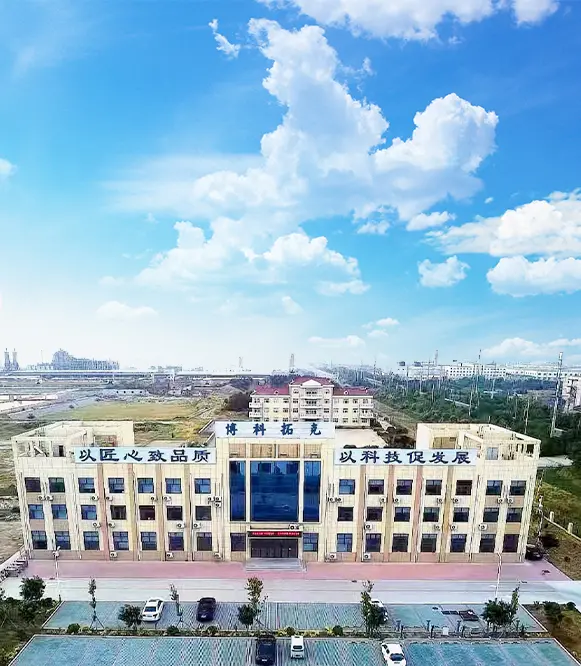
Boctok recently invested US$65 million to build a state-of-the-art manufacturing plant located in the Bohai Industrial Park, a provincial chemical industry park in Shouguang City, Shandong Province. This strategic expansion features 6 automatic DCS production lines, ensuring a steady, high-quality supply of epoxy silane coupling agents and other functional monomer series to global manufacturers.
The molecular engineering behind interface bonding and material crosslinking.
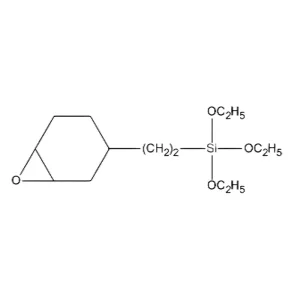
Epoxy silane coupling agents feature a unique molecular structure containing both organic-reactive and inorganic-reactive groups:
Formula: Y-(CH2)n-Si-X3
Where:
- Y is the Epoxy ring (glycidoxy or epoxycyclohexyl)
- X is the Alkoxy leaving group (methoxy or ethoxy)
During application, the alkoxy groups undergo rapid hydrolysis to form silanol intermediates. These silanols condense with hydroxyl groups on inorganic substrates (such as silica, glass fiber, or metal oxides) to create stable, covalent siloxane bonds (Si-O-Si). Concurrently, the epoxy ring opens to react with polymers containing amine, hydroxyl, carboxyl, or anhydride groups, integrating the organic and inorganic matrices into a cohesive network.
The Shouguang facility uses Distributed Control Systems (DCS) to monitor critical reaction parameters in real time. This precise thermal and kinetic control minimizes impurity formations, such as unwanted siloxane oligomers.
Our Safety Instrumented Systems (SIS) manage emergency shutdowns and critical alarms, providing an exceptionally stable manufacturing process that complies with ISO9001 quality management guidelines.
Environmental Control: Regenerative Thermal Oxidizers (RTO) and advanced wastewater treatment systems are integrated into our production lines to meet modern environmental standards.
A comprehensive overview of our manufacturing segments, serving diverse global industries.
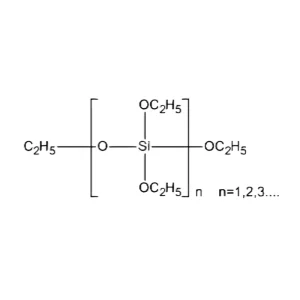
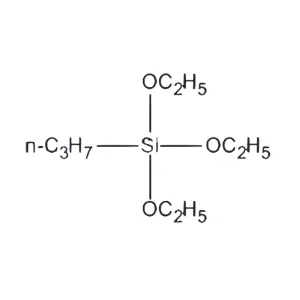
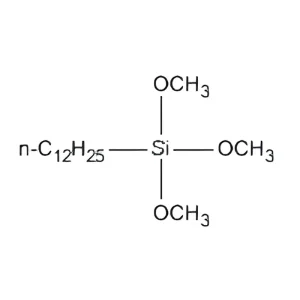
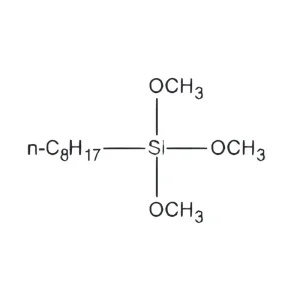
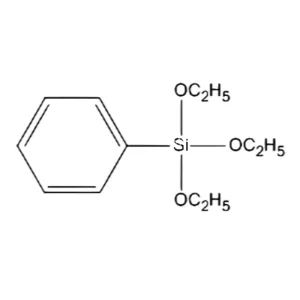
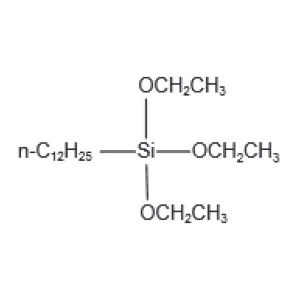
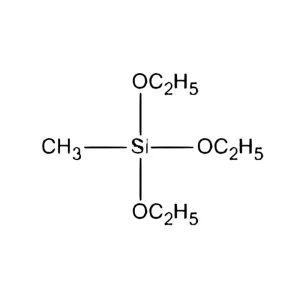
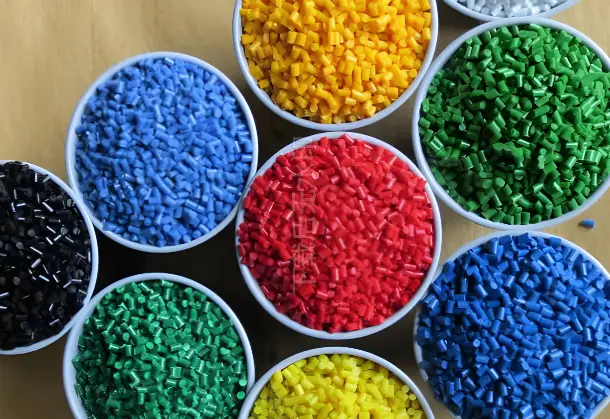
Our primary business segment encompasses twelve series of silane coupling agents and crosslinkers. Key offerings include aminosilanes, methacryloxy silanes, epoxy silanes, vinyl silanes, mercapto silanes, alkyl silanes, ethyl silicates, chlorosilanes, isocyanate silanes, phenyl silanes, and ureido silanes. Additionally, we manufacture high-purity silicone fluids (dimethicone, vinyl silicone oil, high-hydrogen silicone oil), MQ resins, and room-temperature/high-temperature vulcanized rubbers.
We are a key investor in a leading hydrocarbon resin manufacturing partnership in China, operating production plants in Zibo, Fushun, and Nanjing. Utilizing raw materials from SINOPEC and PetroChina, we produce high-performance C9 hydrogenated resins, C5 hydrocarbon resins, C5/C9 modified resins, and dicyclopentadiene (DCPD) dimers. These resins are widely used in hot-melt adhesives, pressure-sensitive tapes, road-marking paints, and advanced coatings.
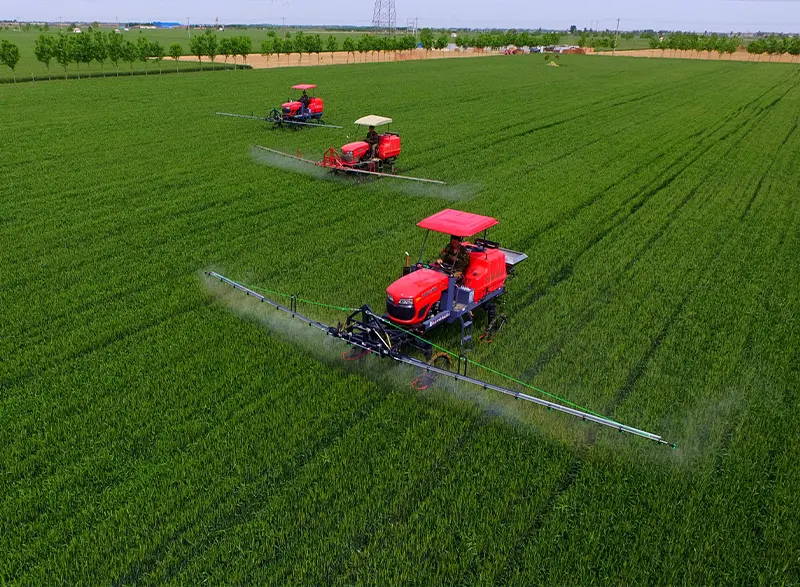
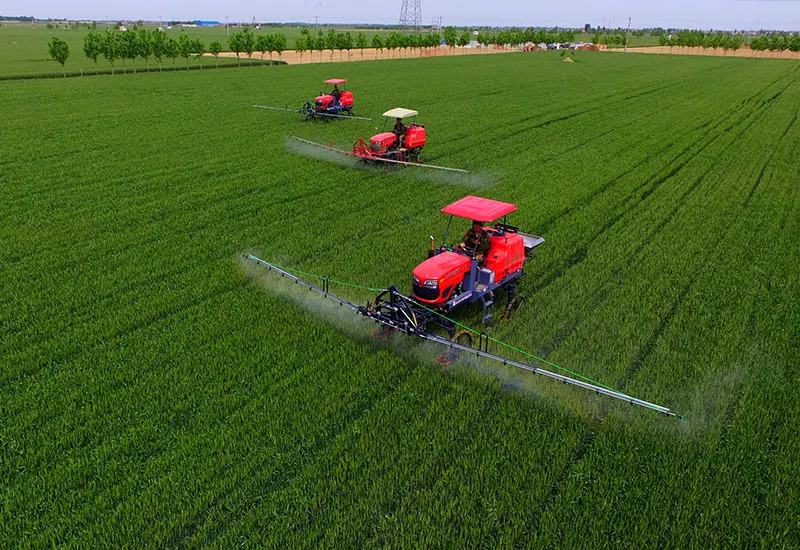
Leveraging our organic synthesis capabilities, Boctok produces active intermediates, crop protection reagents, and plant growth regulators. This segment supplies essential active ingredients for pesticides, fungicides, seed treatments, and herbicides, serving global agricultural markets that require high-purity active formulations.
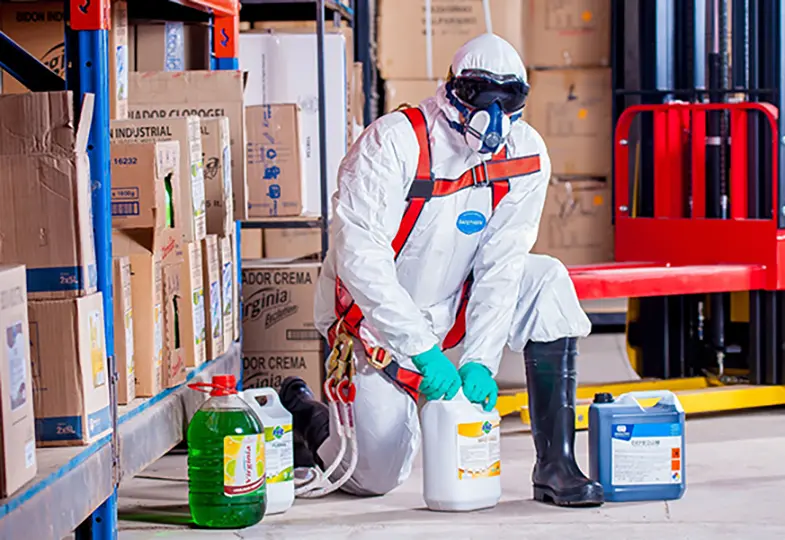
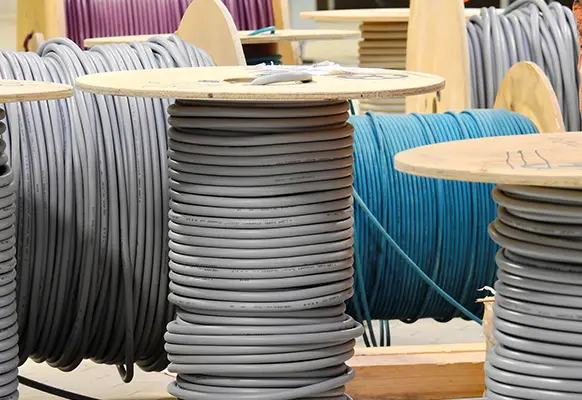
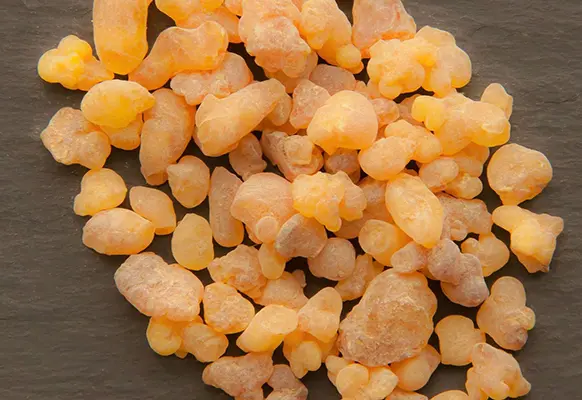
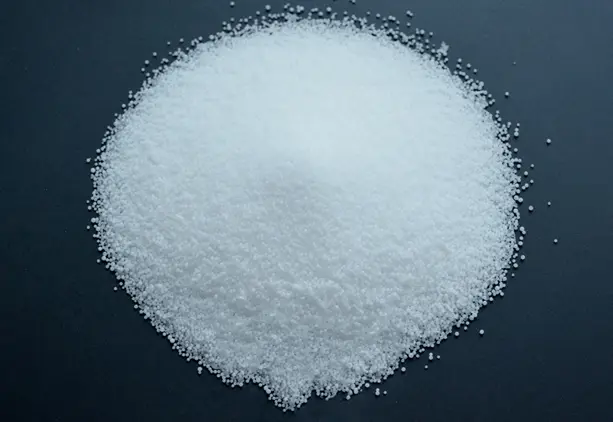
Our organosilicon, hydrocarbon resin, and agrochemical products are integral to various global manufacturing processes.




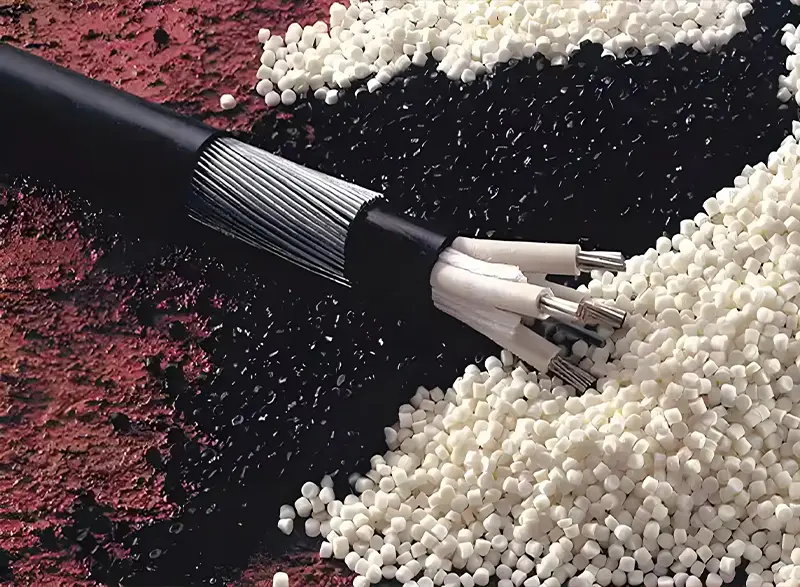
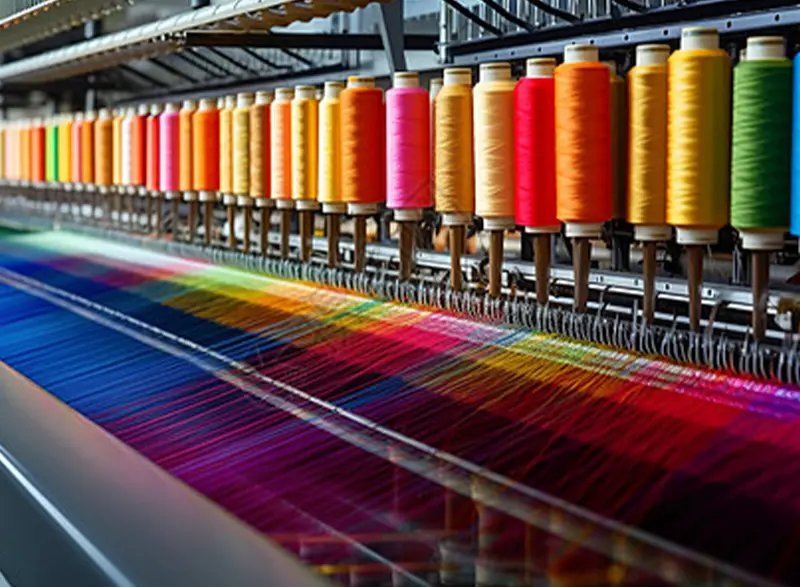

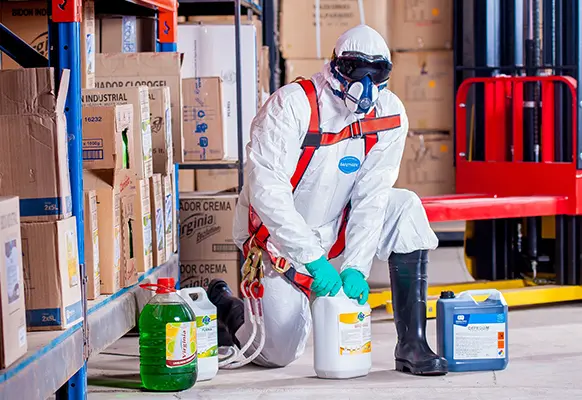
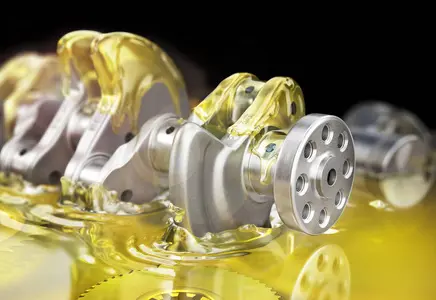
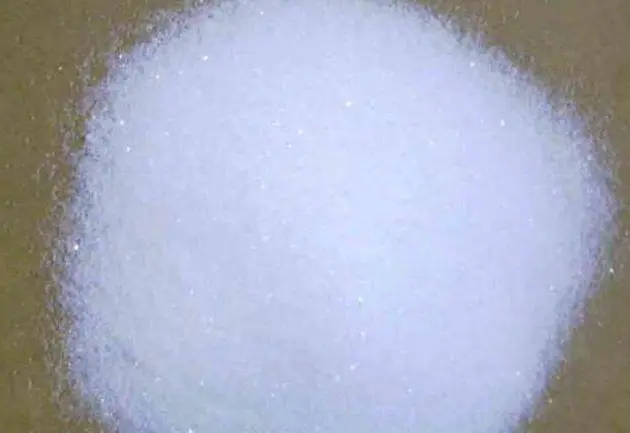
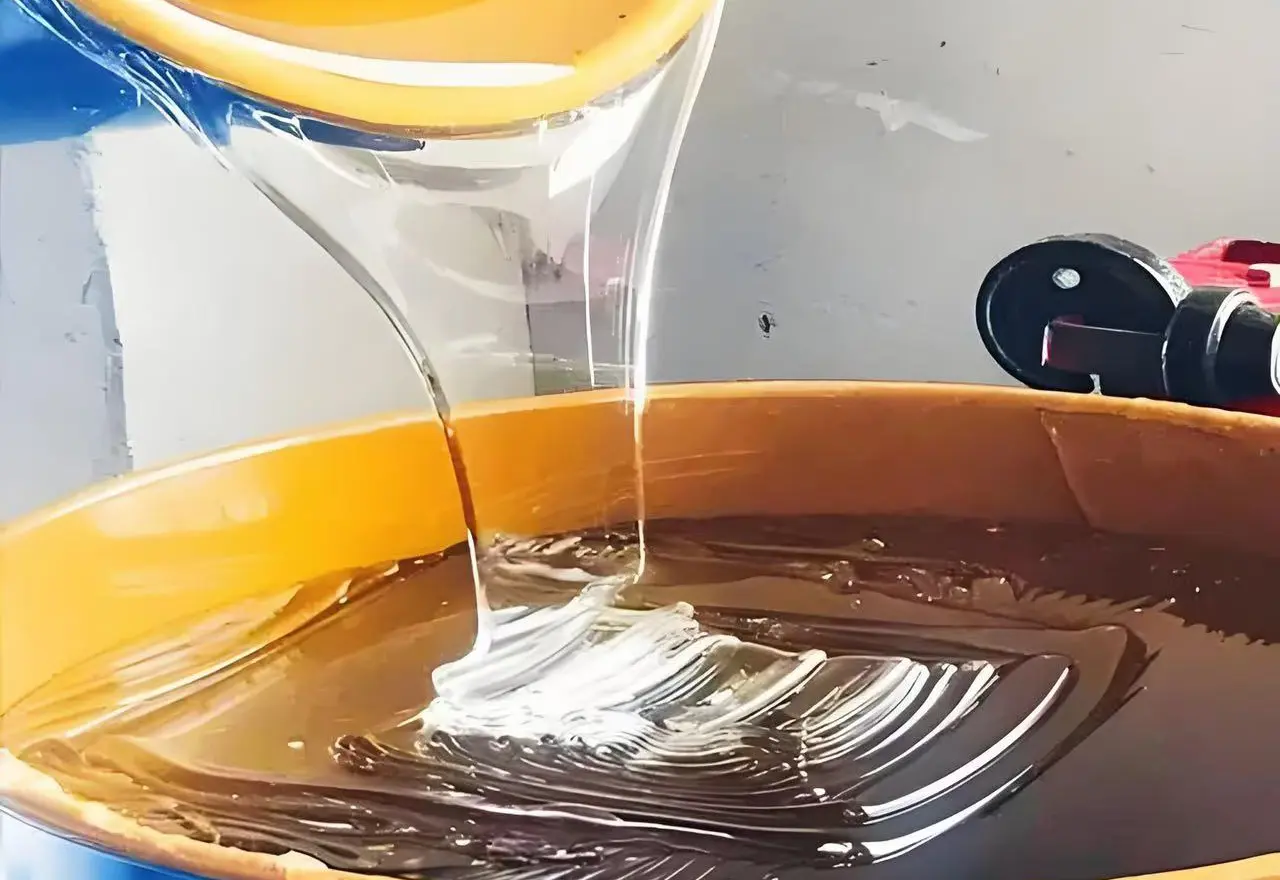
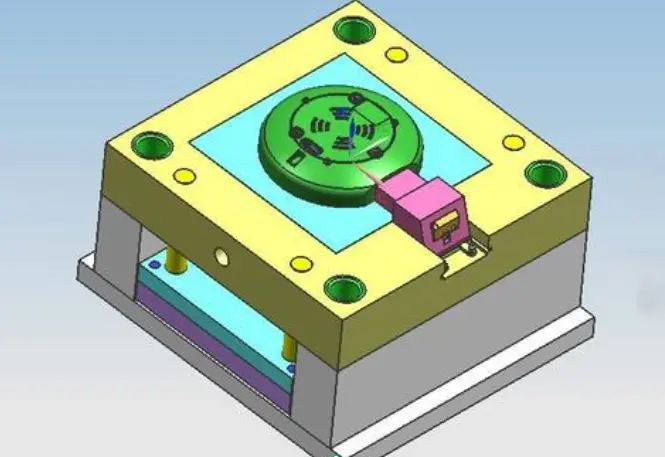
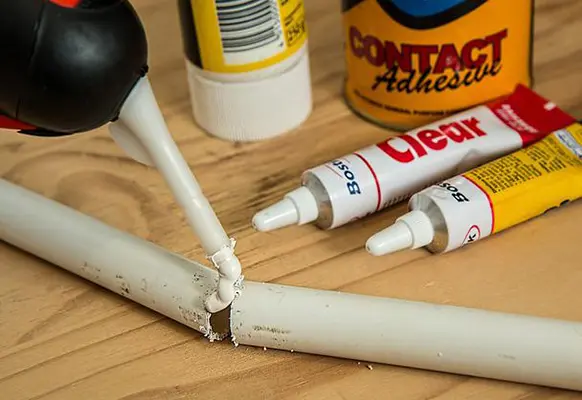
We provide chemical solutions that meet the requirements of demanding global industrial sectors.


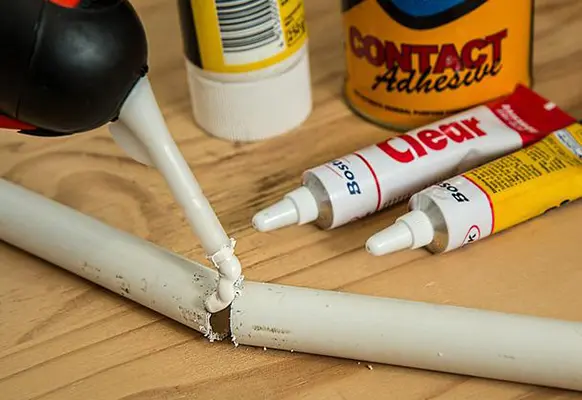
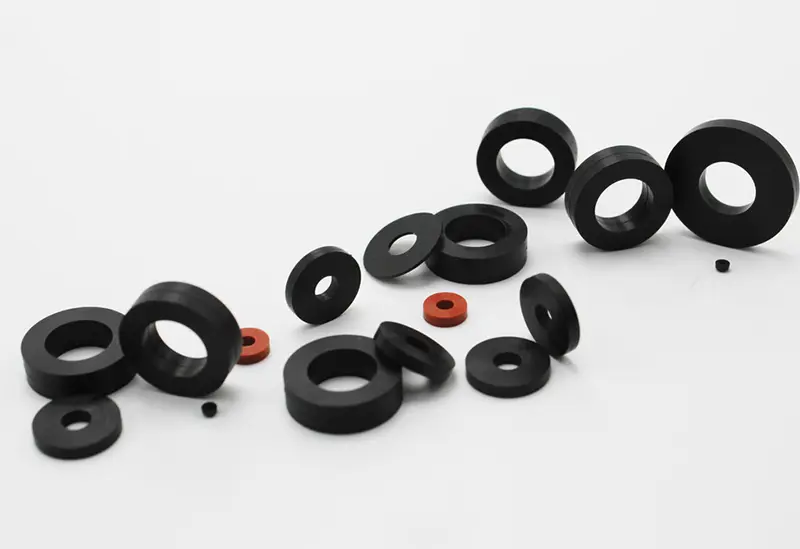










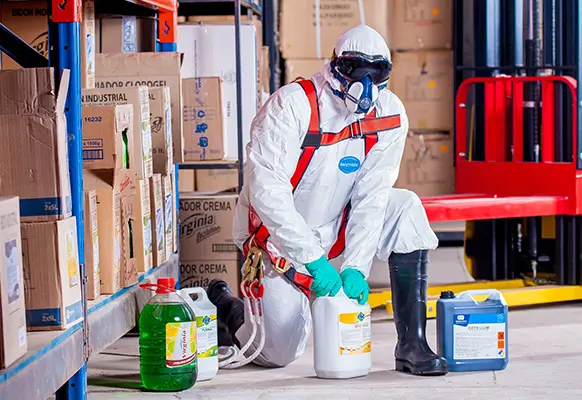
Ensuring product consistency and safety through automated industrial controls.
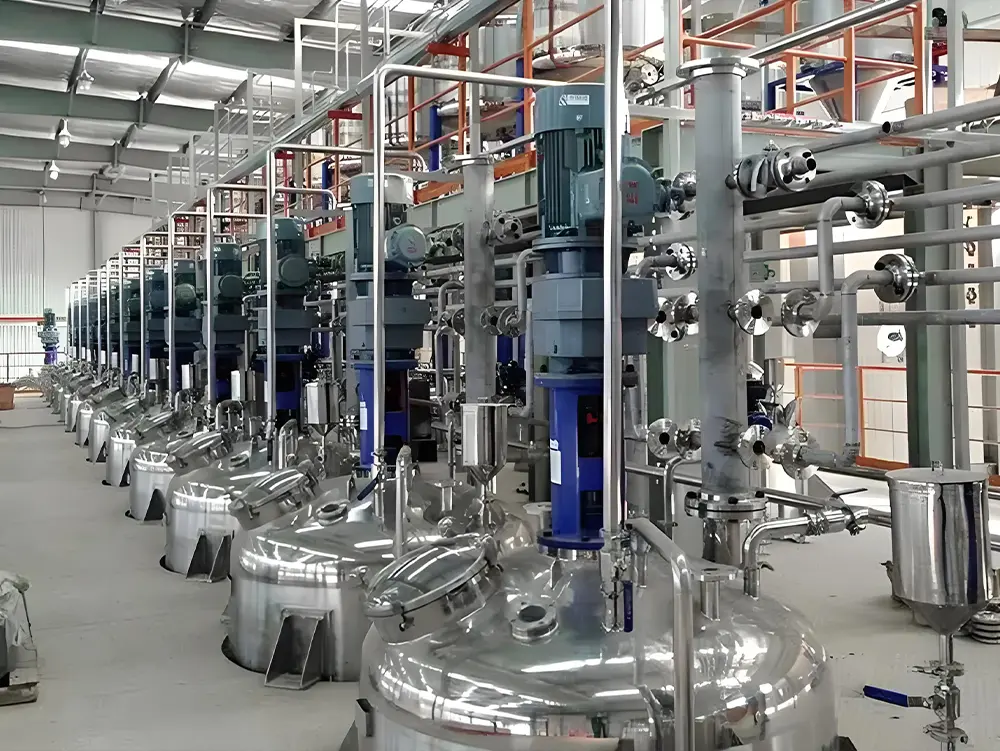
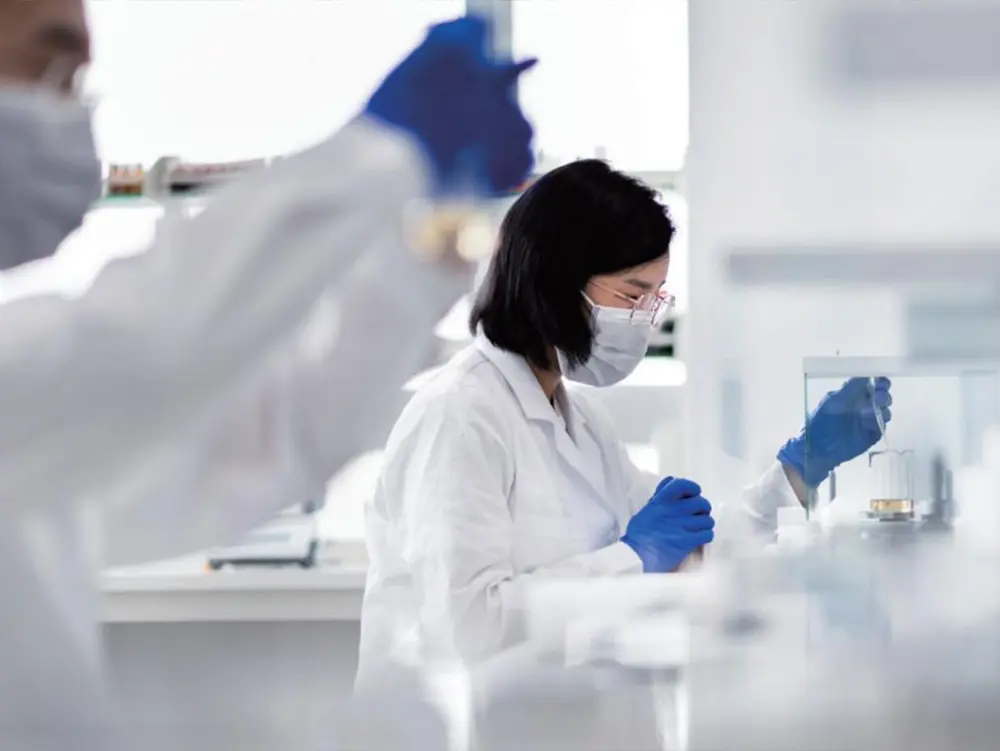

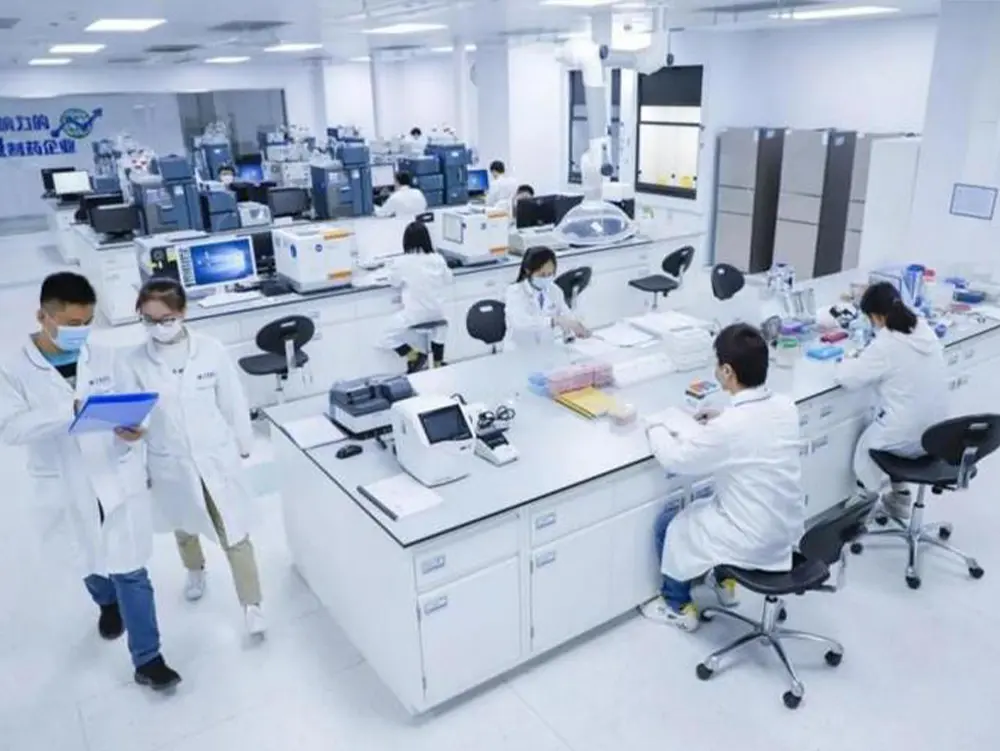
Our commitment to reliable quality starts with automated production lines. Raw materials undergo inline chromatographic checks prior to polymerization, and synthesis is managed by remote DCS technology. This approach ensures consistent epoxy equivalents and monomer purity across batches.
Continuous parameters monitoring ensures thermal stability, preventing premature silane polymerization.
Independent safety loops prevent overpressure or thermal runaways during high-pressure synthesis.
Every step, from raw material inspection to final product packaging, follows rigorous ISO9001 standards.
Driving the next generation of environmental compliance and high-performance material interfaces.
Environmental standards are driving a shift away from methoxy-based silanes, which release methanol during hydrolysis, toward ethoxy-based alternatives like CAS 10217-34-2. Boctok is expanding its production of ethoxy-functional epoxy silanes to meet the strict VOC emissions standards of the European and global markets.
Standard monomeric silanes can suffer from high volatility and poor stability in water-based systems. Our R&D team is developing oligomeric epoxy silanes that feature multiple epoxy functional groups and low volatility, providing excellent shelf stability and improved adhesion in waterborne paints and adhesives.
Advanced microelectronics packaging requires epoxy silanes with low levels of ionic impurities like chloride. Our refined electronic-grade coupling agents are used in epoxy molding compounds (EMC) and underfills, providing reliable moisture resistance and preventing delamination in modern semiconductor chips.
Why industrial formulators and purchasing departments select Boctok as their long-term supply partner.

Every shipment undergoes rigorous gas chromatography and mass spectrometry (GC-MS) testing to ensure purity and functional performance meet the highest standards.

Our Shouguang facility features 6 automated DCS production lines, providing an annual capacity of 30,000 tons of silane coupling agents to reliably fulfill volume orders.

Our sales and technical support teams are available online to provide formulation assistance, compatibility testing, and regulatory documentation.
Essential technical insight for polymer chemists, R&D formulation specialists, and procurement managers.
An epoxy silane coupling agent acts as an interface bridge. The alkoxy groups hydrolyze into reactive silanols, bonding covalently to inorganic materials like silica, mineral fillers, or glass fibers. The epoxy group reacts with the resin matrix, creating a robust chemical bridge that improves mechanical strength and moisture resistance.
CAS 10217-34-2 features a cycloaliphatic epoxy structure, which offers higher thermal stability and mechanical rigidity than linear glycidoxy silanes like GLYMO. It is widely used in high-temperature electronics packaging, epoxy molding compounds (EMC), and specialty coatings.
Our Shouguang plant is equipped with automated DCS remote controls and Safety Instrumented Systems (SIS). These systems monitor reaction temperature, feed rates, and pressure in real time, minimizing batch-to-batch variation. Additionally, we run continuous in-house quality checks following ISO9001 protocols.
Epoxy silanes are moisture-sensitive. Under dry conditions in unopened original packaging, they typically have a shelf life of 12 months. We recommend storing them in cool, well-ventilated warehouses, protected from atmospheric humidity and direct sunlight.
Explore our advanced silane monomers, high-purity silicone fluids, and industrial petroleum resins.
 Boctok Chemical