Explore our core selection of globally sourced coupling agents, epoxy accelerators, and functional organosilicone products designed for extreme environments.
An in-depth study of the chemical kinetics and crosslinking properties of advanced epoxy silane solutions.
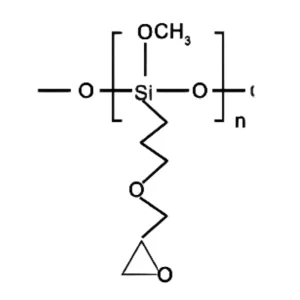
In the fields of modern polymer chemistry, advanced adhesives, and functional coatings, epoxy silane accelerators serve as pivotal bridging molecules. They possess a dual-functional molecular structure, featuring an organic-reactive epoxy group at one end and an inorganic-reactive hydrolyzable alkoxy silane group at the other. This unique architecture allows them to seamlessly bridge organic polymers (such as epoxy resins, polyurethanes, and acrylics) with inorganic substrates like silica, glass fiber, metals, and concrete.
By speeding up the crosslinking process and strengthening interfacial adhesion, these additives significantly improve the mechanical durability, heat resistance, and moisture protection of composite systems.
The performance of epoxy silane accelerators depends heavily on their hydrolysis rates and the subsequent condensation process. When exposed to trace amounts of moisture, the alkoxy groups (methoxy or ethoxy) attached to the silicon atom undergo hydrolysis to form reactive silanol groups (Si-OH). These silanols then align and condense with the hydroxyl groups present on inorganic surfaces (such as silica fillers or glass fibers) to create stable, covalent siloxane bonds (Si-O-Si or Si-O-Metal).
At the same time, the epoxy group reacts directly with the polymer matrix (reacting with amine, hydroxyl, carboxyl, or anhydride curing agents). This creates a three-dimensional network structure that effectively distributes mechanical stress and protects the interface from moisture damage.
Demonstrated global capacity, industrial investments, and market success.
In today's chemical market, international procurement teams are moving away from simple commodity pricing. Instead, they are prioritizing supply chain resilience, consistent quality, environmental compliance, and technical support. Purchasing managers in regions like Europe, North America, and the Russian Federation are dealing with stricter environmental rules, such as REACH registrations and zero-VOC mandates.
To meet these needs, leading manufacturers are moving toward oligomeric silanes, such as Epoxysilane oligomers CAS 117329-24-2. These oligomers offer lower volatile organic compound (VOC) emissions during hydrolysis, making them a much safer option for industrial applications.
The application profile of epoxy silane accelerators spans various critical industries, helping to improve both product performance and process efficiency:
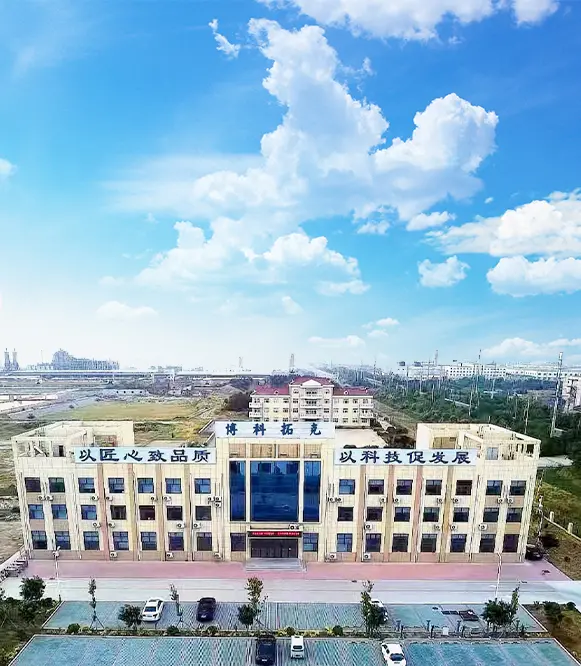
Shandong Boctok Chemical Co. integrates advanced technology with localized logistics support to deliver premium silane products worldwide.

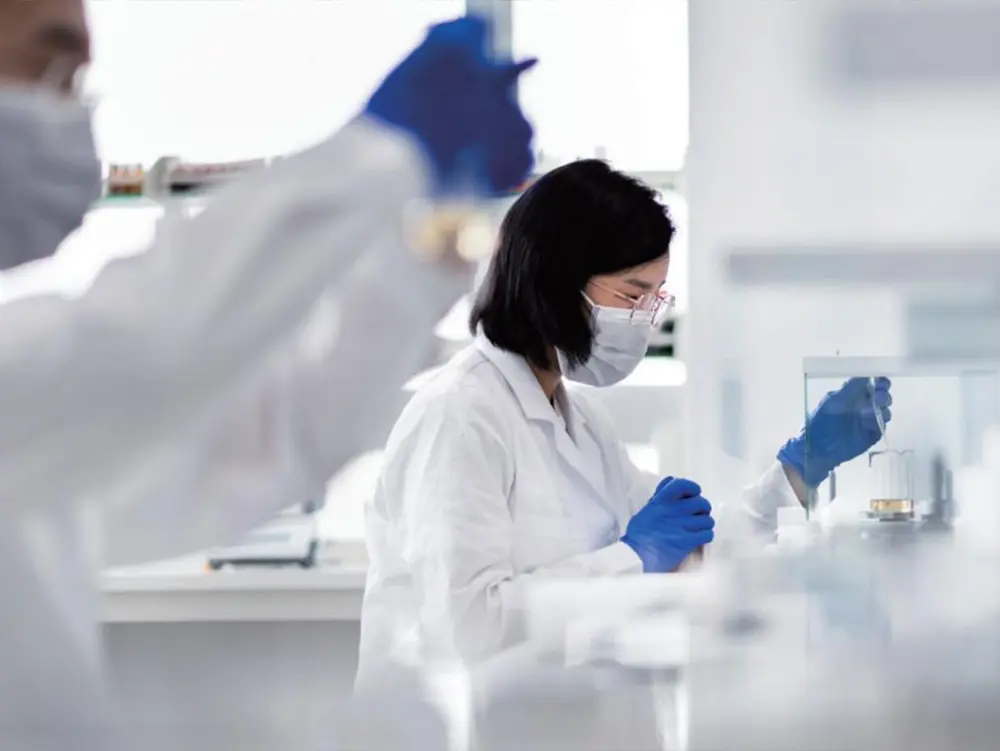
Our products undergo rigorous testing and meet strict ISO9001 standards, ensuring that every batch meets high purity and performance benchmarks.

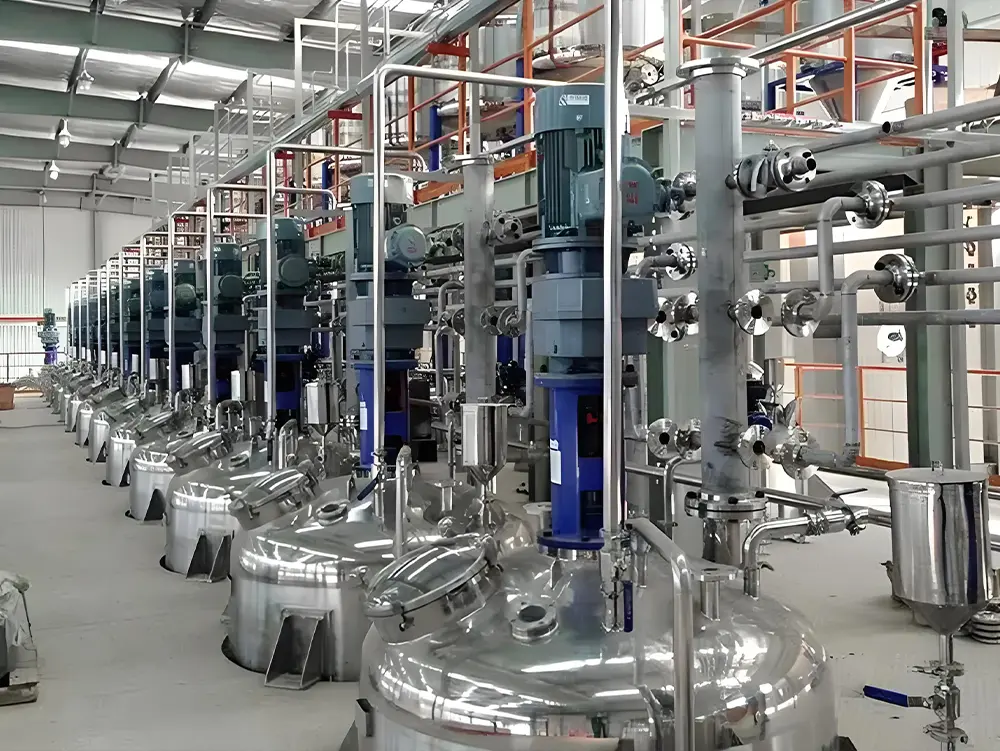
Equipped with DCS remote control and SIS safety systems across 6 automated lines, we produce over 30,000 tons of silane coupling agents annually.

Our technical team is available online 24/7, providing expert guidance, formulating advice, and prompt troubleshooting for international buyers.

Through optimized supply chains, localized customs clearance, and global distribution hubs, we ensure fast order processing and on-time shipments.
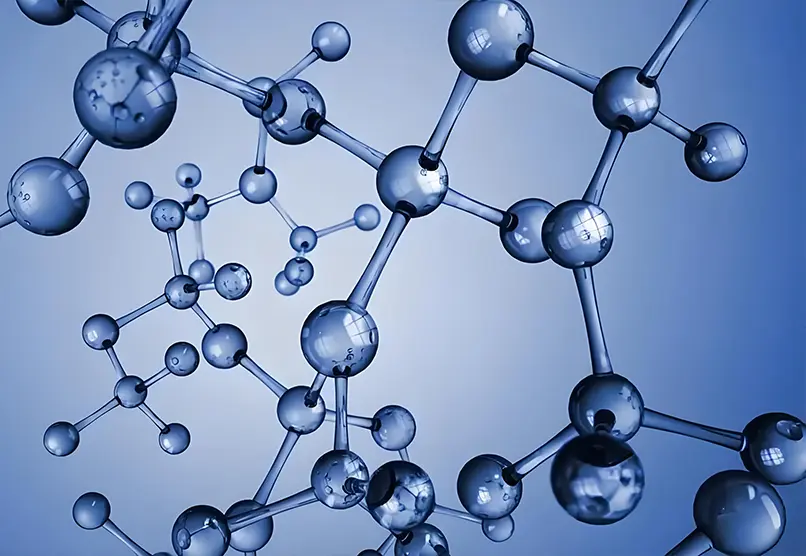
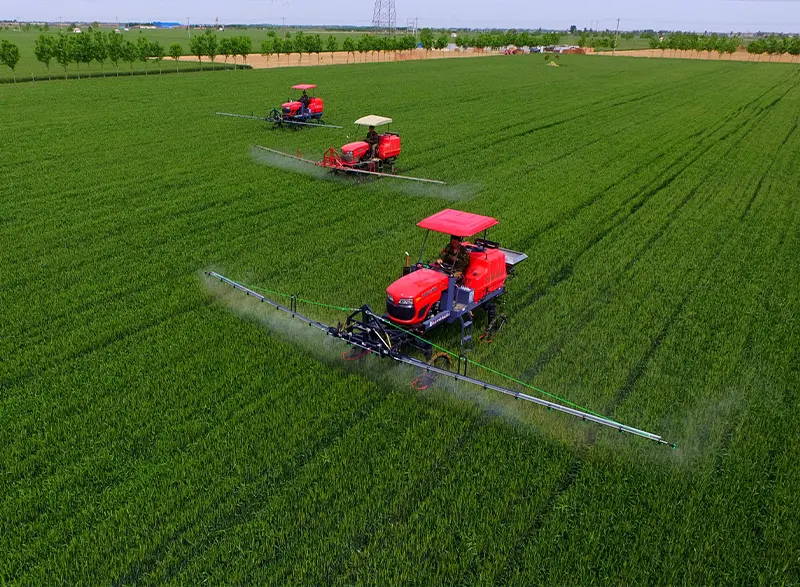
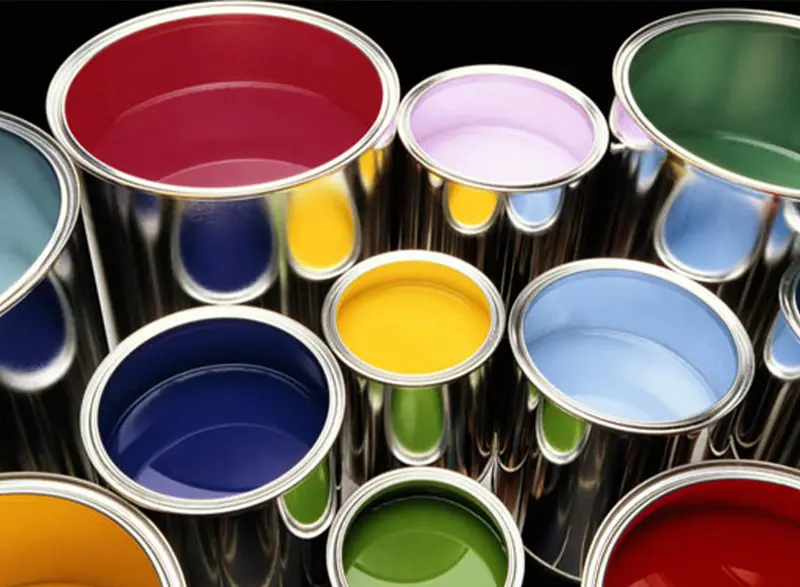
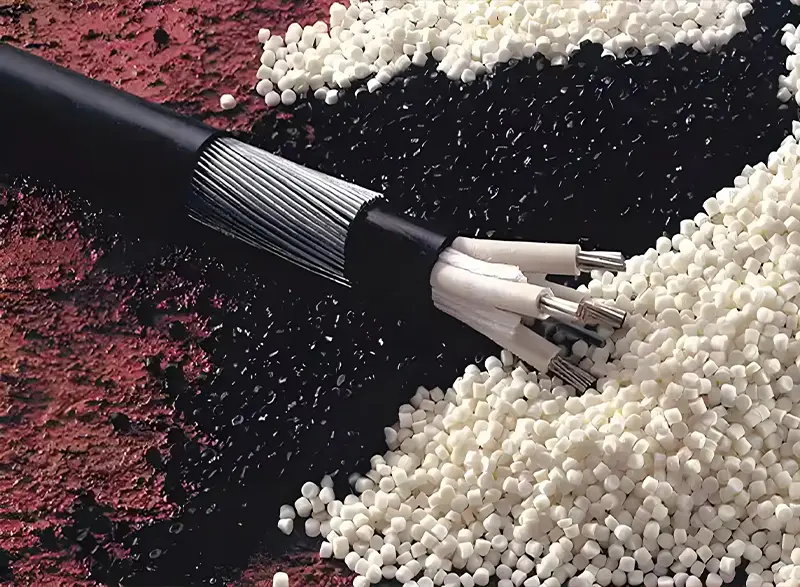
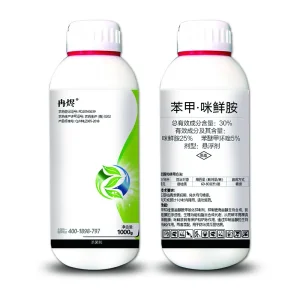
Our organosilicon, hydrocarbon resin, and agrochemical products are applied in diverse global industries.





Founded in 2012, Shandong Boctok Chemical Co. has established itself as an industry leader in organosilicone technology and polymer resins. By 2023, our annual sales reached US$280 million, driven by strong growth in domestic markets and international expansions, with a particular focus on the Russian Federation.
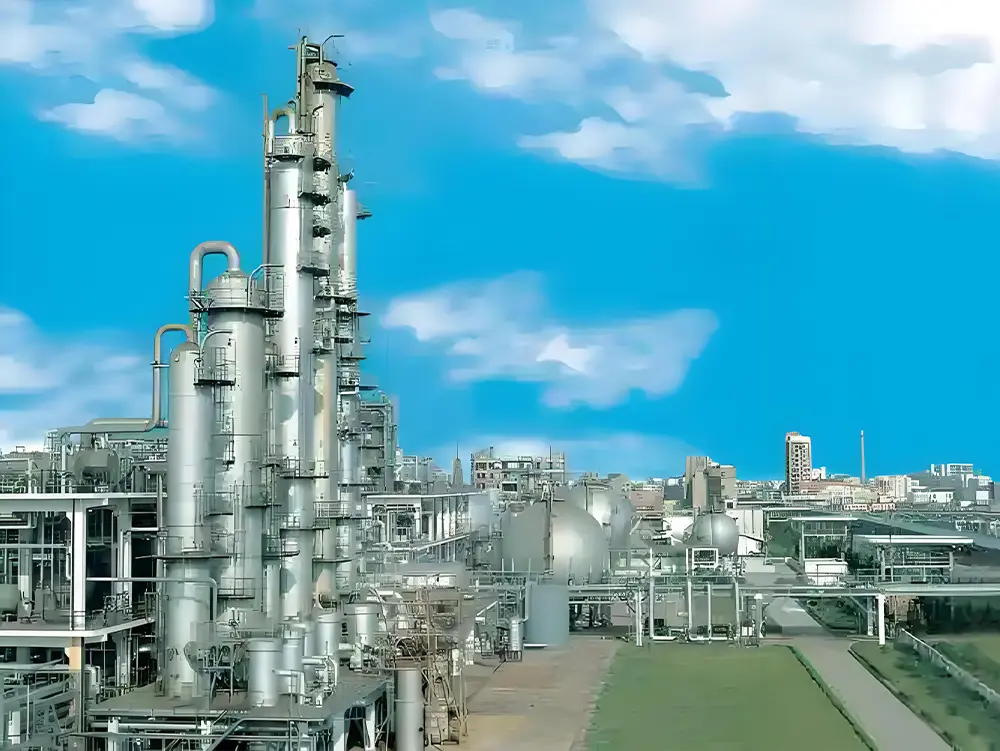
To meet growing demand for high-performance coupling agents, Boctok invested US$65 million to build a modern manufacturing facility in Bohai Industrial Park, Shouguang City, Shandong Province. This plant features 6 automated DCS production lines, producing 30,000 tons of silane coupling agents annually.
These operations are run under DCS remote control and SIS safety systems. Full compliance with ISO9001 standards helps guarantee consistent quality across production batches. Additionally, we use advanced waste-gas collection systems and wastewater treatment processes to support sustainable, eco-friendly manufacturing.
Entering complex international markets requires deep regulatory understanding. The BOCTOK brand specializes in the Russian and Eastern European markets, offering localized logistics, customs assistance, and direct technical support. By aligning our logistics network with major trade routes, we ensure reliable delivery of organosilicone raw materials and petroleum resins to industrial centers.
Our products undergo comprehensive evaluation to comply with relevant safety and environmental regulations, including REACH, RoHS, and local chemical safety declarations. This helps our partners avoid regulatory delays and maintain continuous manufacturing cycles.
The silane industry is shifting toward more sustainable and energy-efficient solutions. Over the next decade, research will focus on developing VOC-free oligomeric silanes and bio-derived organosilicone products. Traditional monomeric silanes release alcohols (like methanol or ethanol) during hydrolysis, which can pose safety and environmental challenges in confined spaces.
Next-generation oligomeric structures reduce volatile emissions by pre-condensing active molecules, while maintaining high crosslinking density. Shandong Boctok Chemical is investing in these bio-based silane alternatives to help our customers meet their carbon reduction and sustainability goals.
Discover how our chemical compounds improve product performance and durability across multiple industries.











Key chemical performance data, usage instructions, and safety answers direct from our engineering lab.
Epoxy silane coupling agents react via a two-step process: First, the alkoxy groups (such as methoxy or ethoxy groups) undergo hydrolysis in the presence of moisture to form active silanols (Si-OH). These silanols condense with the surface hydroxyl groups of inorganic materials (like silica, glass fiber, or metals) to form stable covalent siloxane bonds (Si-O-Si). Second, the organic epoxy group on the silane molecule reacts directly with functional groups in the polymer matrix (like amine, carboxyl, or anhydride curing agents) during the curing phase. This creates a strong molecular bridge across the interface.
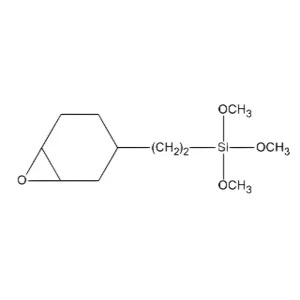
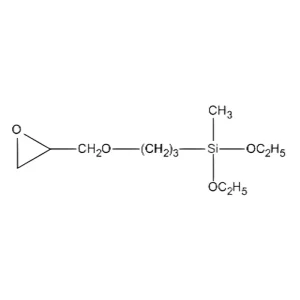
CAS 102172-56-5, which is 2-(3,4-epoxycyclohexyl)ethyltrimethoxysilane, features a cycloaliphatic epoxy ring structure. This structure offers higher thermal stability and less yellowing under high-temperature curing conditions compared to CAS 2530-83-8 (3-glycidoxypropyltrimethoxysilane), which has a linear glycidoxy group. The cycloaliphatic ring also provides greater rigidity, making it popular for electronics packaging and electrical casting applications. Meanwhile, CAS 2530-83-8 is more flexible and typically hydrolyzes faster, which is ideal for room-temperature curing adhesives and coatings.
Epoxysilane oligomers (CAS 117329-24-2) are pre-condensed structures. This pre-condensation gives them lower volatility and higher flash points than monomeric silanes, making them safer to handle in production. During hydrolysis, they release fewer volatile organic compounds (VOCs, such as methanol), which helps manufacturers comply with strict environmental regulations like REACH. Additionally, the oligomeric structure provides multiple active silanol and epoxy sites per molecule, which can lead to higher crosslinking efficiency and better moisture resistance in coatings and sealants.
Because epoxy silanes are highly sensitive to moisture, they must be stored in airtight, dry containers under a dry nitrogen blanket. The storage temperature should be kept between 5°C and 25°C, away from direct sunlight, open flames, and incompatible materials like strong acids, bases, or oxidizers. If moisture enters the container, it will trigger hydrolysis, leading to gelation and loss of product performance.
We ensure consistent supply through our manufacturing facilities in Shouguang, Shandong, which feature 6 automated DCS lines and a 30,000-ton annual output. By sourcing key raw materials directly through partnerships with major suppliers like SINOPEC and PetroChina, we maintain stable production even during market fluctuations. We also support international buyers with localized warehousing, customs handling, and technical support.
A selected range of functional silicone oils, curing agents, rubber gums, and intermediates for specialized chemical synthesis.
 Boctok Chemical