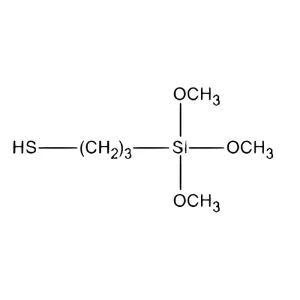
Direct supply options and verified global chemical compliance across diverse specialty applications
Liquid Silicone Rubber (LSR) has revolutionized the production of infant care products, medical devices, and high-purity kitchenware. Unlike conventional solid silicone or petroleum-based elastomers, LSR is cured via a platinum-catalyzed addition reaction. This chemistry yields a highly stable molecular structure devoid of harmful byproducts or peroxide residues. Consequently, the material possesses excellent biocompatibility, thermal stability, and mechanical durability, making it the preferred choice for manufacturers of baby bottle nipples, pacifiers, teething rings, and medical-grade infant feeding tubes.
For global procurement officers and product design engineers, partnering with an experienced LSR manufacturer is not merely a matter of unit-cost efficiency. It requires a rigorous verification of the manufacturer's engineering capabilities, cleanliness standards, and regulatory compliance frameworks. Raw material purity, vulcanization efficiency, and post-curing operations directly impact the safety, odor, and mechanical durability of the finished elastomer.
Standard industrial silicones often contain volatile cyclic methylsiloxanes (specifically D4, D5, and D6) alongside trace catalyst remnants. In infant applications, these low molecular weight components represent a potential risk of chemical migration. High-purity Baby LSR requires specialized formulation engineering:
China has transitioned from a high-volume assembly center to a high-technology manufacturing hub for precision organosilicon derivatives. Modern Chinese LSR factories combine advanced polymerization facilities with automated molding systems, offering significant advantages to global buyers:
1. Fully Integrated Supply Chain Ecosystem: By co-locating basic siloxane synthesis, functional silane coupling agent production, and secondary processing facilities, Chinese manufacturers minimize transportation times and control quality from basic raw precursors to finished elastomers.
2. High-Precision Injection Tooling: Modern injection molds feature cold-runner systems with needle-valve gating. This design minimizes material waste, prevents flash formation, and ensures the wall-thickness consistency of thin-walled products like pacifiers.
3. Advanced Cleanroom Operations: Premium manufacturers house their LSR injection molding machines in ISO Class 8 (Class 100,000) or ISO Class 7 cleanrooms. This prevents particulate contamination, dust, and microbiological hazards during the vulcanization phase.
Founded in 2012, Shandong Boctok Chemical Co. has established itself as an international supplier of organosilicons, hydrocarbon resins, and agricultural precursors, recording sales of US$280 million in 2023. Operating under the BOCTOK brand, the company serves global markets, including Russia and Eastern Europe.
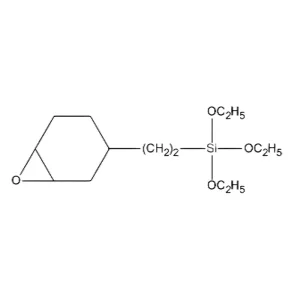
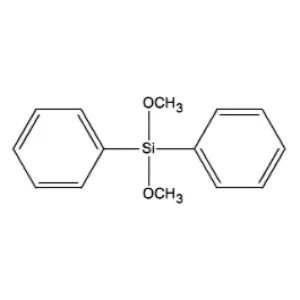
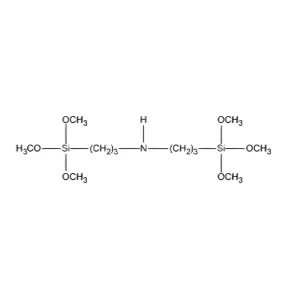
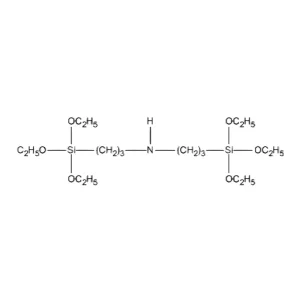
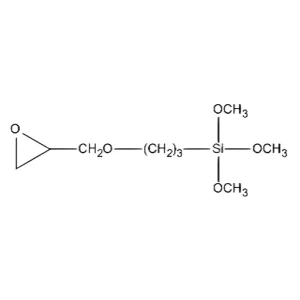
Boctok's chemical footprint is backed by a US$65 million investment in its production facility located in Shouguang City's Bohai Industrial Park. This advanced plant features 6 automated DCS (Distributed Control System) production lines. These lines yield an annual output of 30,000 tons of silane coupling agents and crosslinkers, which serve as crucial raw inputs for specialty silicone compounds, coatings, and cross-linked polyethylene (XLPE) cables.
The company's production infrastructure integrates automatic remote-control DCS systems alongside Safety Instrumented Systems (SIS). These tools closely monitor temperature, pressure, and monomer feed rates to ensure stable polymer yields. Additionally, in-house wastewater treatment plants and waste gas capture systems ensure compliance with regional environmental mandates.
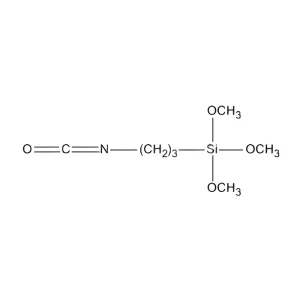
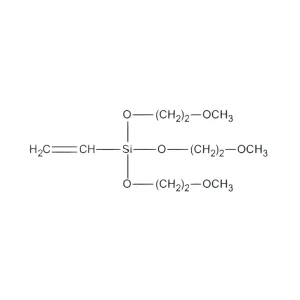
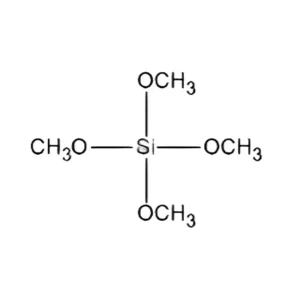
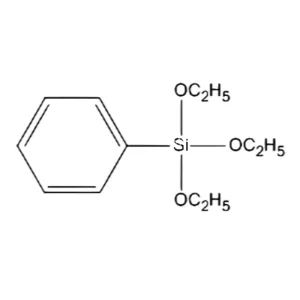
Boctok's portfolio covers twelve distinct series of silane coupling agents alongside specialty silicone oils and resins:
Providing high-purity chemical processing, optimized supply chain logistics, and strict quality control

Every production batch undergoes gas chromatography, mass spectrometry (GC-MS), and mechanical testing to ensure conformity with high purity and low-volatile requirements.

Operating 6 automated DCS lines at the Bohai Industrial Park, we ensure reliable, high-volume production schedules to meet contract requirements without supply-chain disruption.

Our application engineers assist clients with mold design optimization, vulcanization parameters, and compliance certifications (FDA, BfR, RoHS).
Our organosilicons, specialty resins, and crop-protection intermediates serve diverse global industries




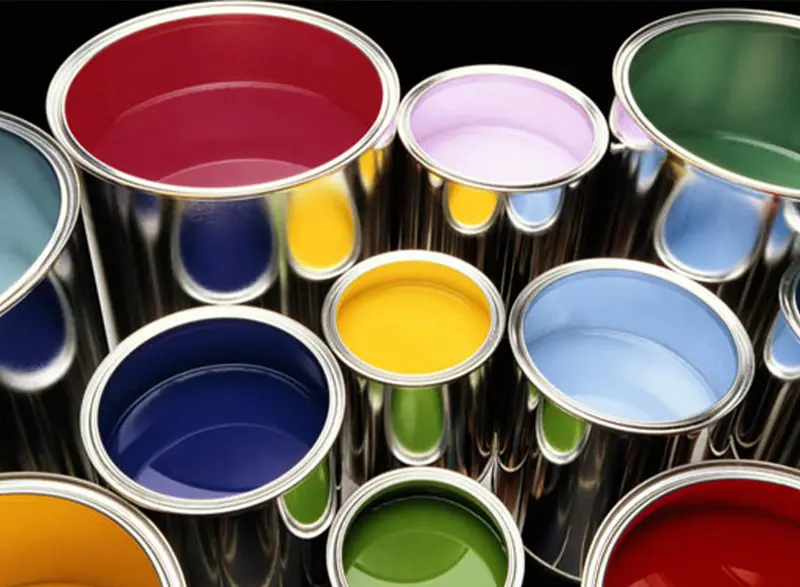

Ensuring stability across industrial, electronics, automotive, and high-purity medical sectors
Used to manufacture baby pacifiers, teething rings, and medical valves. Advanced cold runner designs prevent flash, decrease vulcanization time, and reduce waste.
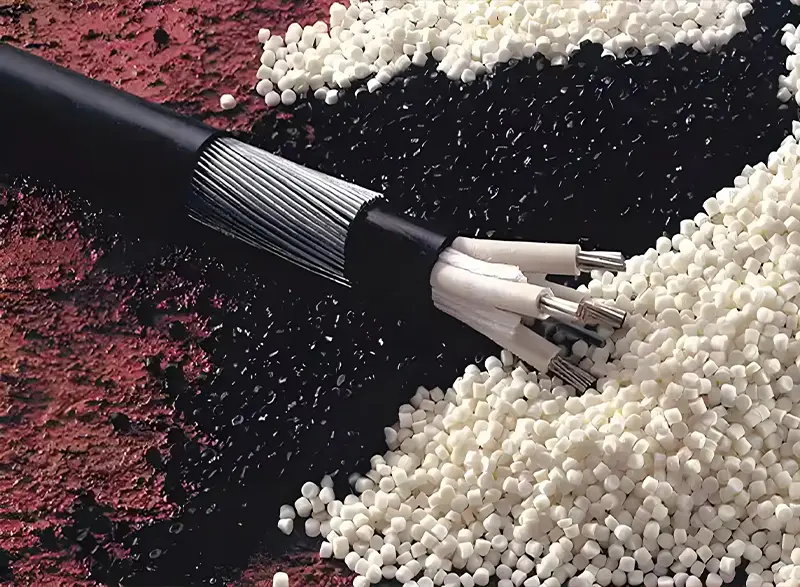
Encapsulants, gels, and silicone rubbers protect sensitive printed circuit boards and high-voltage power lines from mechanical stress, moisture, and chemical exposure.
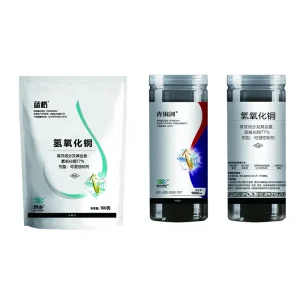
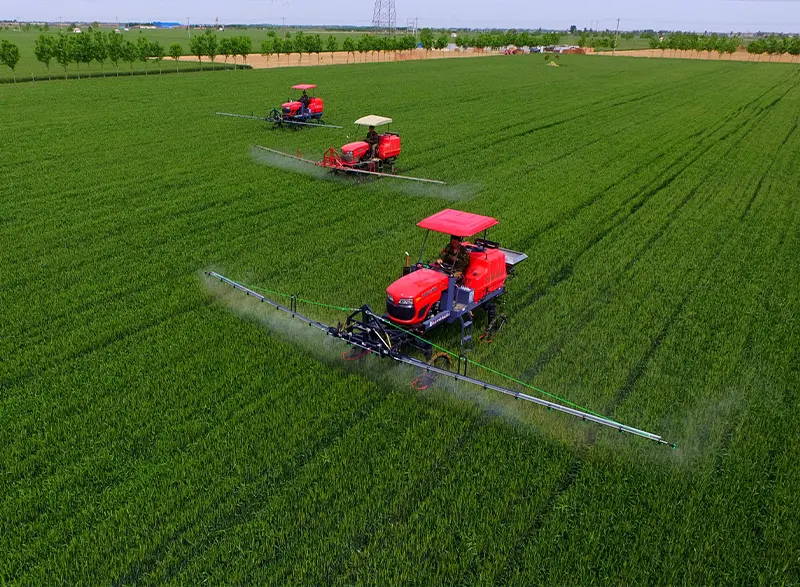
Using custom silane surfactants and intermediates, we supply the agriculture sector with stabilizers, crop treatments, and plant growth regulators.
Addressing key queries related to regulatory compliance, manufacturing technology, and logistics
Explore application scenarios where our chemical agents and polymers are utilized

Specialized chemical synthesis precursors and active carriers.

Tackifying resins for adhesive backings and high-purity formulations.
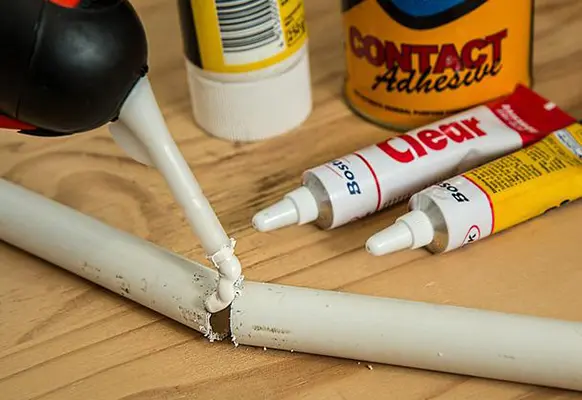
Polymer additives to enhance bonding performance on low-energy surfaces.
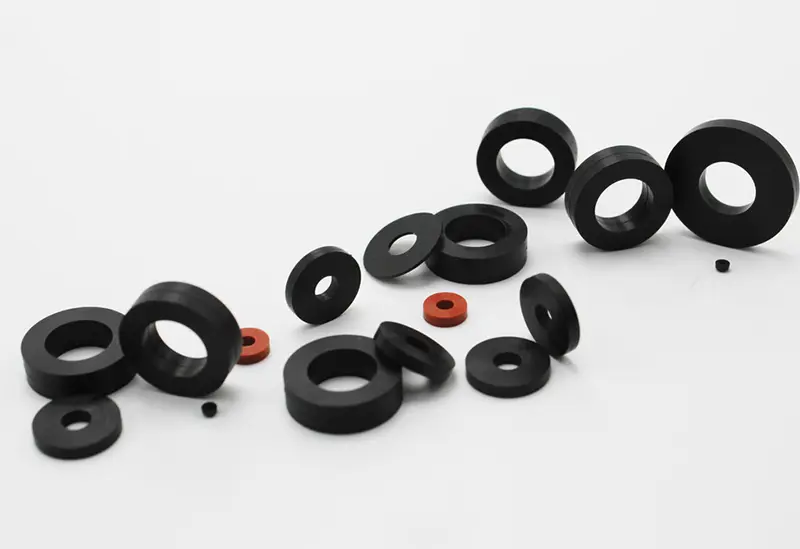
Coupling agents and crosslinkers that improve tensile strength.
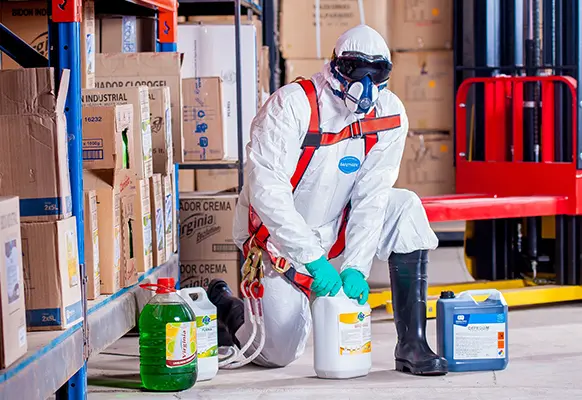
Resins designed to improve resistance to moisture and UV yellowing.
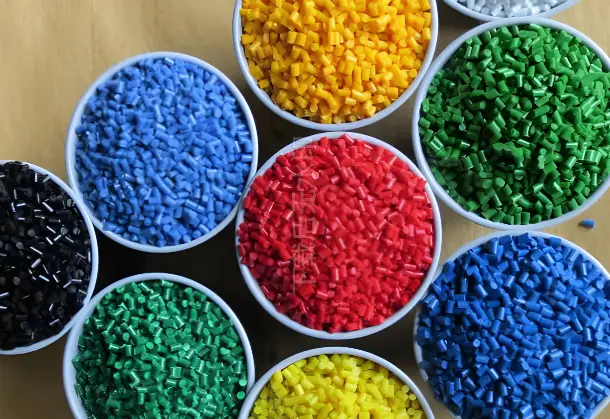
Modified resins designed to enhance chemical stability and mechanical performance.
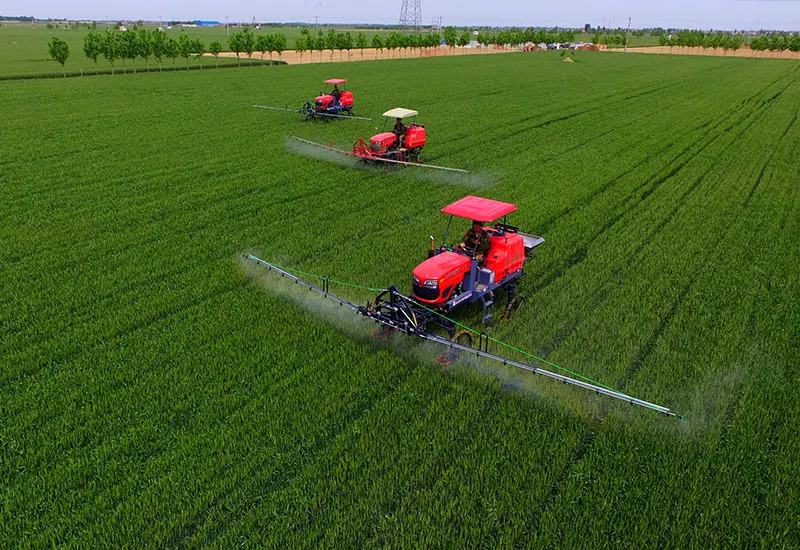
Improving spray performance, adhesion, and dispersion properties.
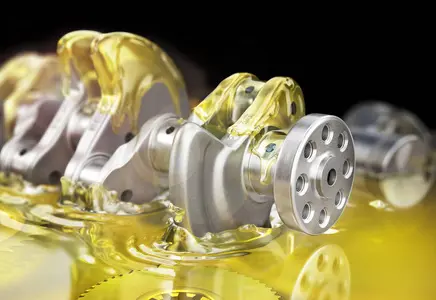
Modified LSR designed to reduce friction in medical valves and seals.
Explore our industrial application scenarios for construction, automotive, and heavy industry
Silicone-based defoamers for wastewater treatment and chemical manufacturing.

Silane-based water repellent additives for gypsum panels.
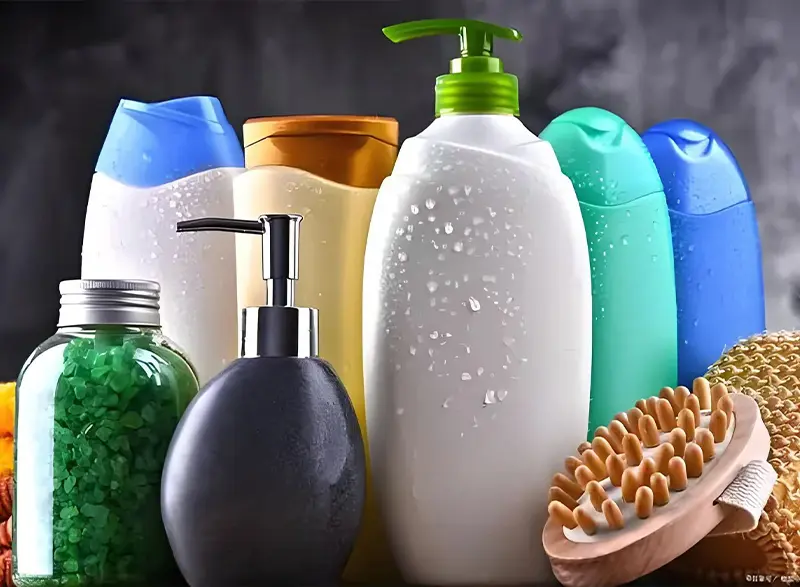
High-spreadability fluids that improve skin feel and gloss.
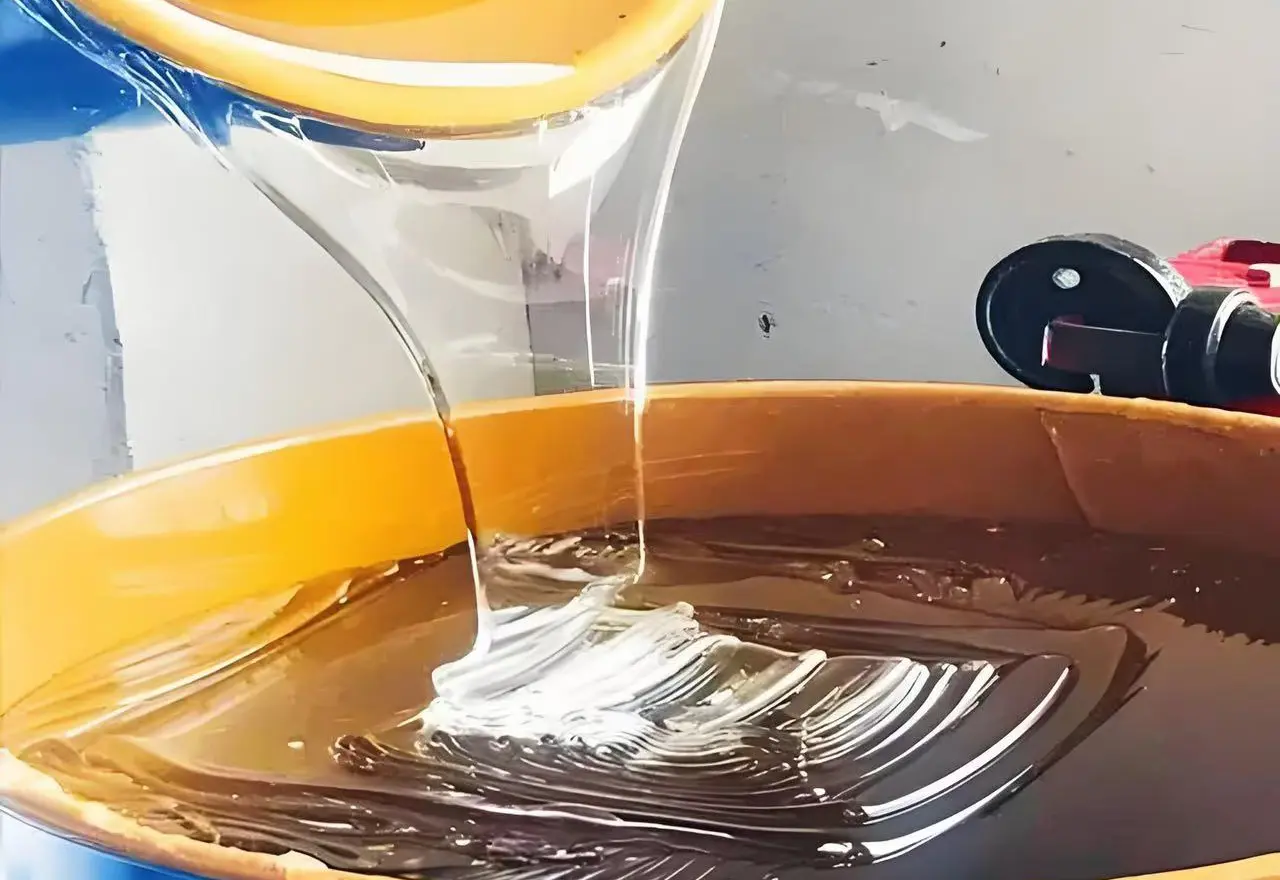
Linear dimethylpolysiloxanes serving as heat transfer fluids.

Specialized seals, high-voltage gaskets, and weatherproofing coatings.
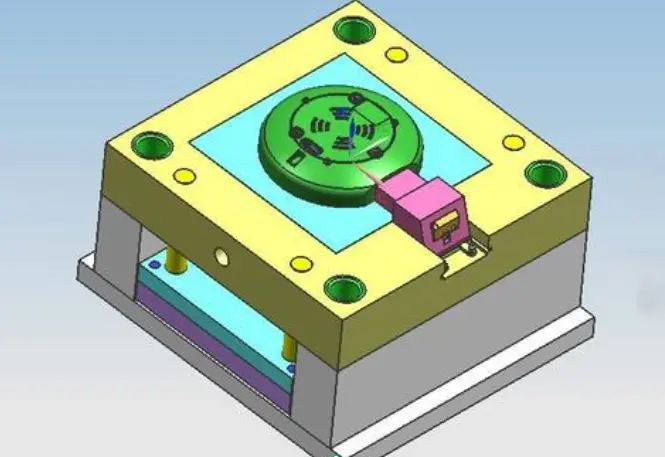
Silicone-based release agents designed for composite moldings.

Thermal interface pads, gels, and potting compounds.

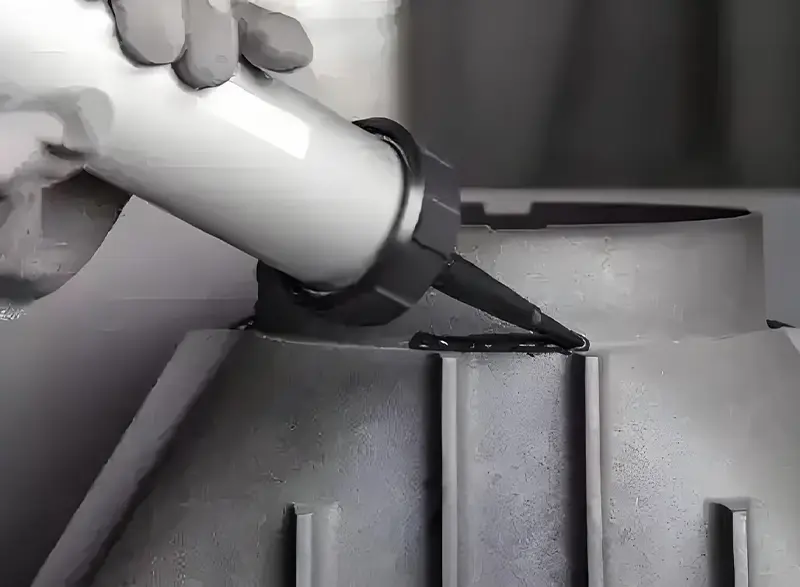
Weatherproofing sealants and silane concrete treatments.
Explore application scenarios in infrastructure, marine, and power cable sectors
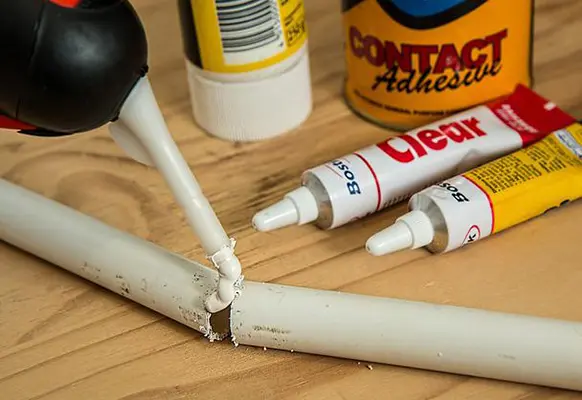
Silane-modified polymers (SMP) for structural bonding.
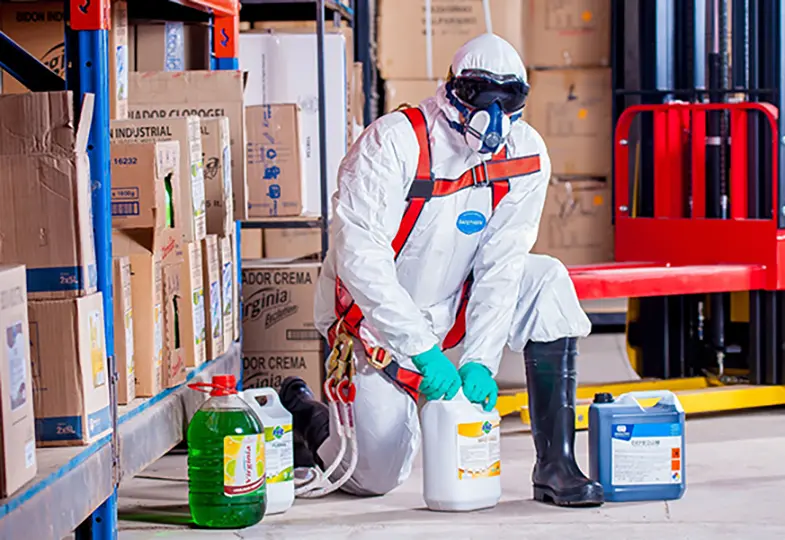
High-durability binders offering UV and weather resistance.

Silane adhesion promoters designed for anti-corrosion pre-treatments.
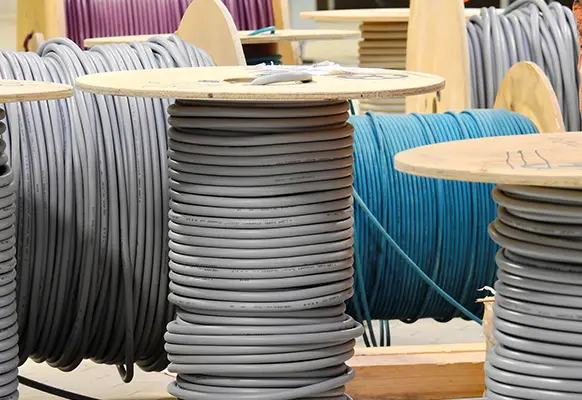
Crosslinkers for silane-crosslinked polyethylene (XLPE) power lines.
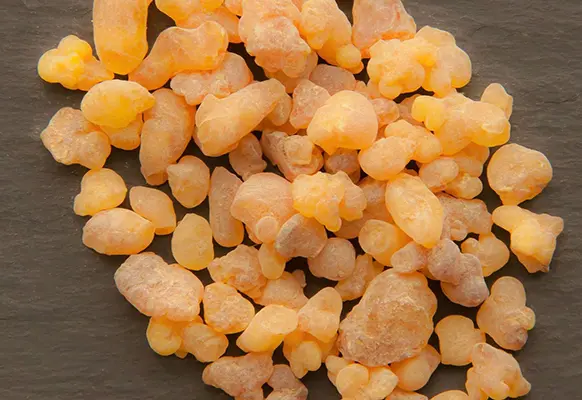
Curing agents and viscosity modifiers for epoxy and polyurethane casting systems.

Waterproofing admixtures and surface protectants.

Adhesives and potting materials designed for composite blade fabrication.
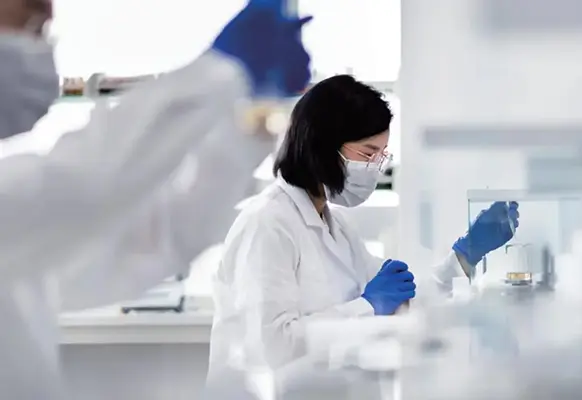
Biocompatible silicone formulations designed for medical tubing and diagnostics.
Providing functional surface coatings and customized compound modifiers

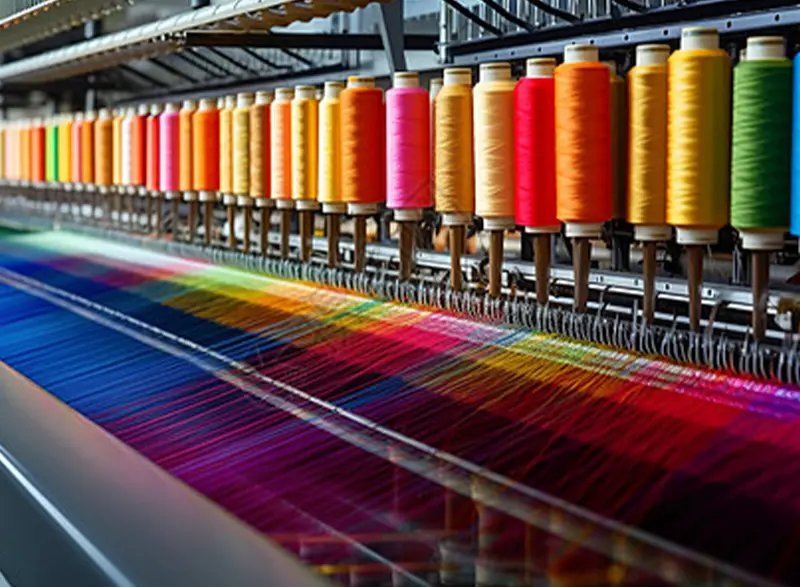
Silicone softeners and water repellents designed for functional textiles.

Organosilane coupling agents used to treat mineral-filled plastics.
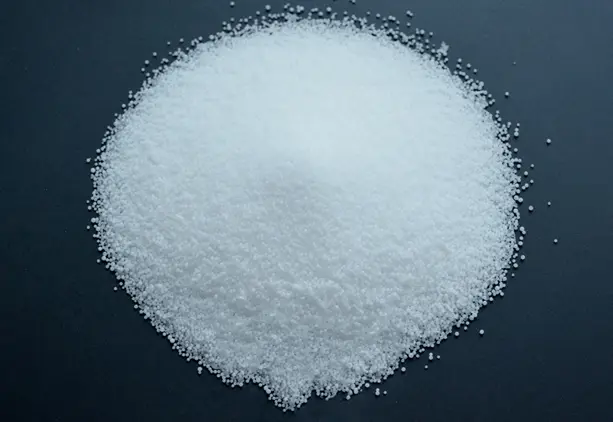
Advanced formulations designed for microelectronics and structural moldings.
Additive modifiers used to improve mechanical strength and processability.
Structural coupling agents designed for marine-grade bonding.
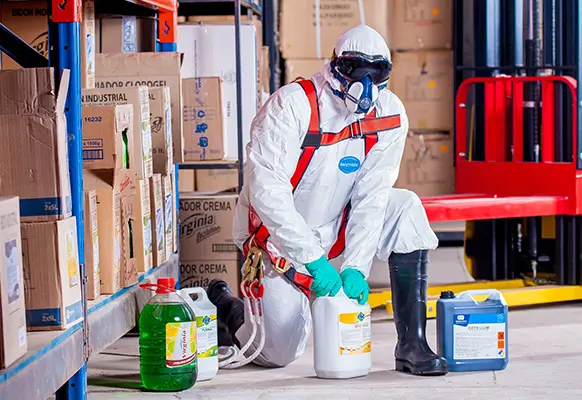
Silicone-modified alkyd resins offering enhanced weather durability.
Functional monomer systems designed for engineering polymers and high-performance sealants
 Boctok Chemical