High-purity specialized monomers and organosilicon agents crafted under strict quality baselines.
Silicones are widely appreciated for their dynamic thermal, electrical, and chemical resistance. However, under high thermal stress and continuous UV radiation, standard silicone oils undergo chemical structural transformations that manifest as yellowing. To understand how Anti-Yellowing Silicone Oil acts, we must dissect the molecular failure modes of typical siloxane systems:
By engineering specialized formulations containing heat-stabilizing additives, active radical scavengers, and custom terminal end-caps (such as polyphenylmethyldimethylsiloxane and specialized alkoxy components), Shandong Boctok Chemical Co. produces silicone fluids designed to maintain optical clarity (low Delta E color shift) under the most rigorous operating conditions.
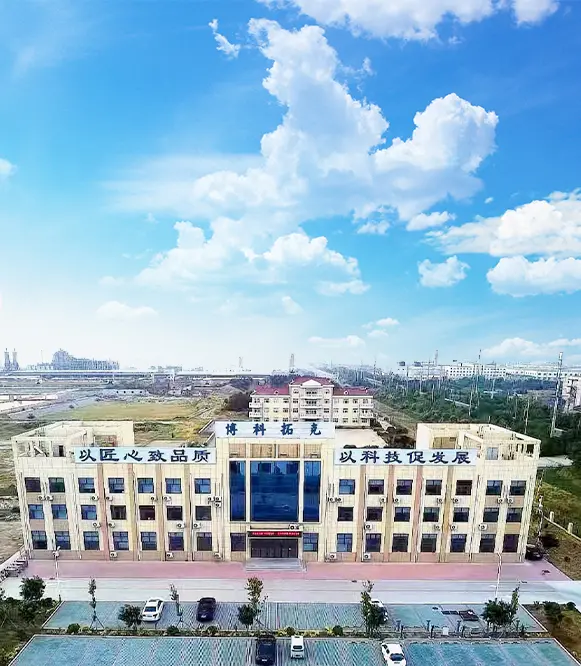
Founded in 2012, Shandong Boctok Chemical Co. operates as a key global marketing, sales, and technical distribution center for domestic and international organosilicone and chemical resin markets. Reaching an annual sales milestone of US$280 million in 2023, the BOCTOK brand is highly recognized globally, including specialized, premium services dedicated to the Russian and Eastern European chemical sectors.
Mapping the future of anti-yellowing siloxanes in green energy, high-frequency electronics, and next-generation mobility.
The global demand for high-clarity, non-yellowing silicone oils is rising. Manufacturers in North America, Western Europe, and East Asia are enforcing strict standards for optical silicones used in LED, automotive sensor, and aerospace glass encapsulation. Boctok maintains its competitive position by offering high-purity alternatives to standard methyl and phenyl silicone fluids.
Modern industrial markets demand low-volatile organic compound (VOC) chemicals and strict environmental profiles. Boctok integrates advanced low-D4/D5/D6 cyclic stripping protocols across its manufacturing facilities to align with global environmental mandates (such as EU REACH regulations), ensuring chemical reliability and safety.
Through our recent US$65 million investment in the Shouguang Bohai Industrial Park, Boctok operates 6 automatic Distributed Control System (DCS) lines alongside Safety Instrumented Systems (SIS). This structural combination guarantees a stable synthesis route, minimizing batch-to-batch impurities that typically cause discoloration.
A look into our Shouguang industrial site and continuous testing pipelines.
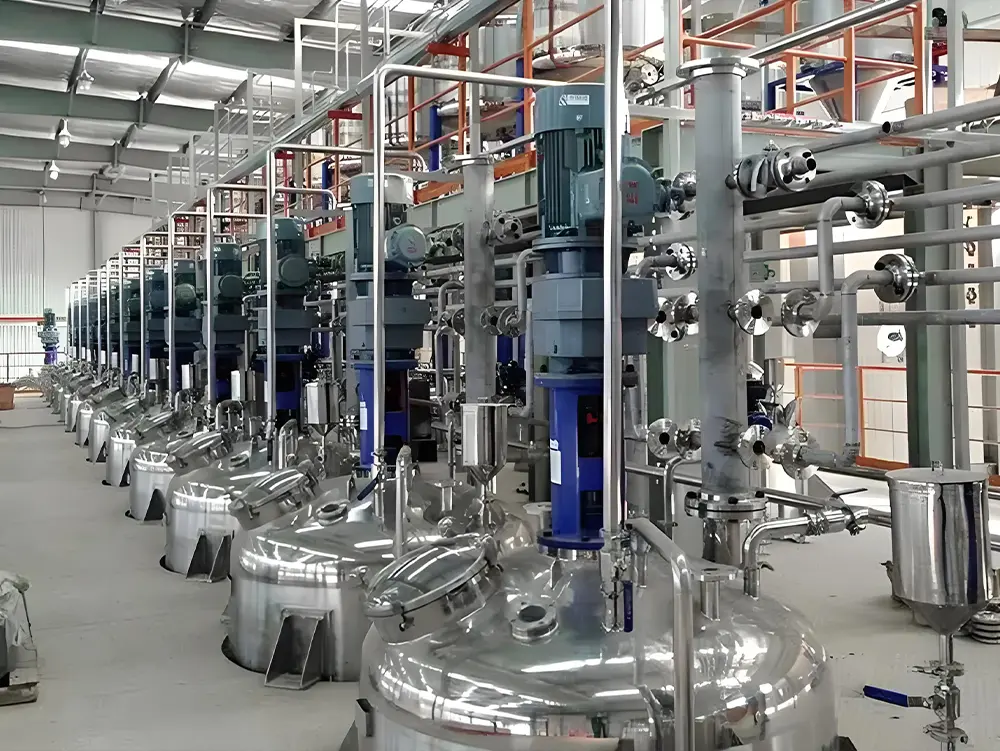
Fully integrated system keeping reaction processes consistent.
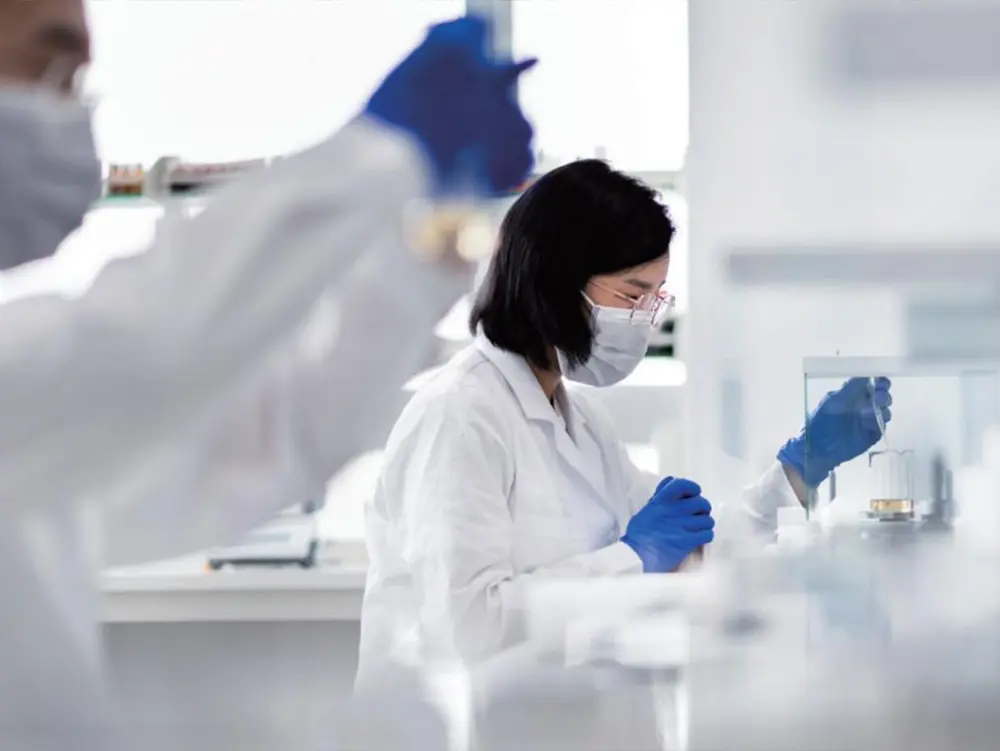
High pressure, glass-lined reactors minimizing contamination.
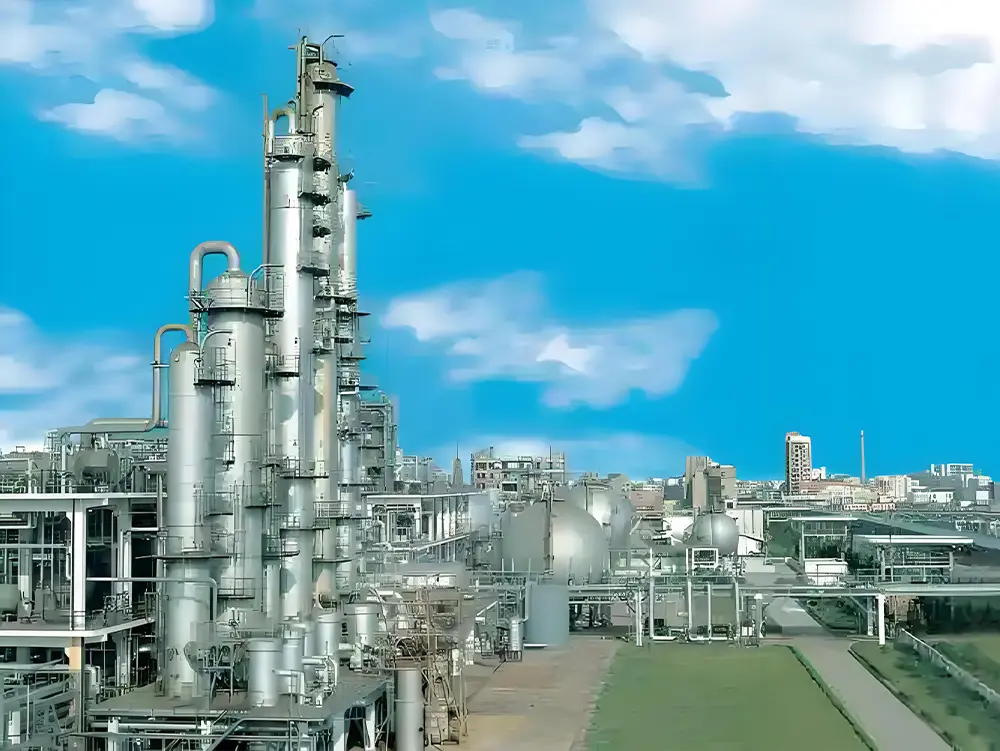
Active exhaust filtration meeting strict emission standards.
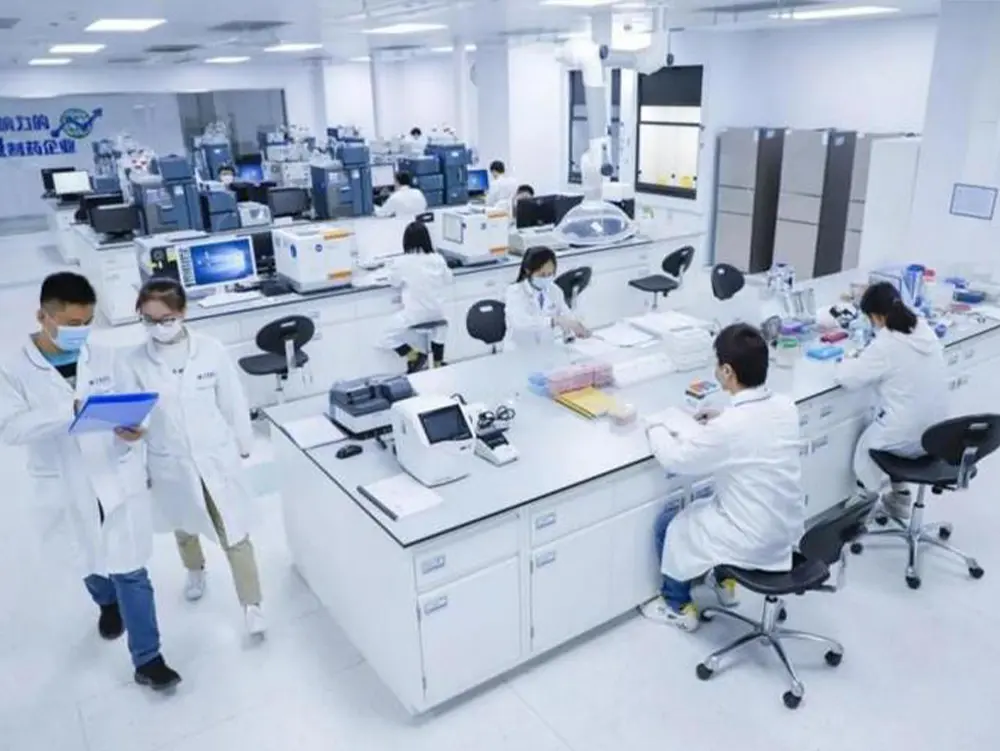
Equipped with GC-MS and GPC to verify molecular distribution.
How Boctok integrates functional siloxanes, coupling agents, and stabilizers to achieve superior long-term performance.
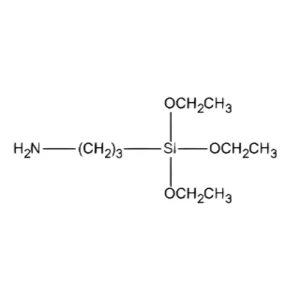
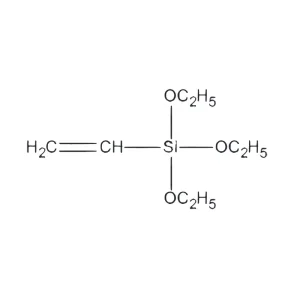
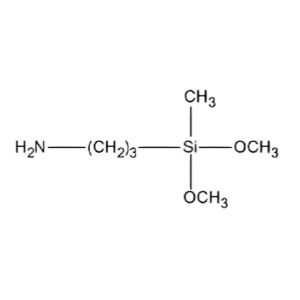
By blending specific monomers like 3-Aminopropyltriethoxysilane (CAS 919-30-2), Vinyltriethoxysilane (CAS 78-08-0), and 3-Aminopropylmethyldimethoxysilane (CAS 3663-44-3), we can modify the organic-inorganic interface. Traditional amine-modified systems yellow easily because the primary amines oxidize. Boctok modifies these interfaces with sterically hindered structures, minimizing nitrogen-based degradation products.
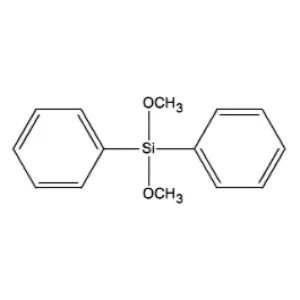
While standard Dimethicone Silicone Oil (CAS 9006-65-9) offers reliable baseline performance, introduction of diphenyl siloxane units via Diphenyl dimethoxysilane (CAS 6843-66-9) improves thermal limits. The phenyl group functions as an energy-dissipating center under UV exposure, protecting the siloxane backbone from photo-induced free radical degradation.
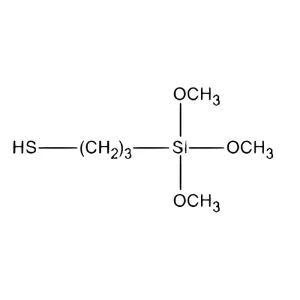
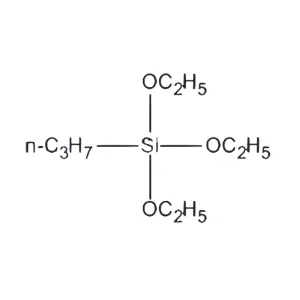
In RTV silicone rubber systems (such as CAS 70131-67-8 and Methyl 107 RTV systems), the curing rate and the type of catalyst are critical to color retention. Formulating with 3-Mercaptopropyltrimethoxysilane or Propyltriethoxysilane (CAS 2550-02-9) provides a reliable moisture-cure network. In addition, using non-yellowing platinum inhibitors ensures structural integrity while avoiding dark discoloration over time.
Boctok’s secondary business in petroleum resins (including C9 hydrogenated resins, C5 hydrocarbon resins, and dicyclopentadiene) allows us to design co-blended coatings. Incorporating fully hydrogenated C9 resins into silicone-modified coatings reduces radical migration pathways, preventing oxidative yellowing in hybrid paint systems.
From heavy chemical industries and agricultural protection to personal care and optical materials manufacturing.
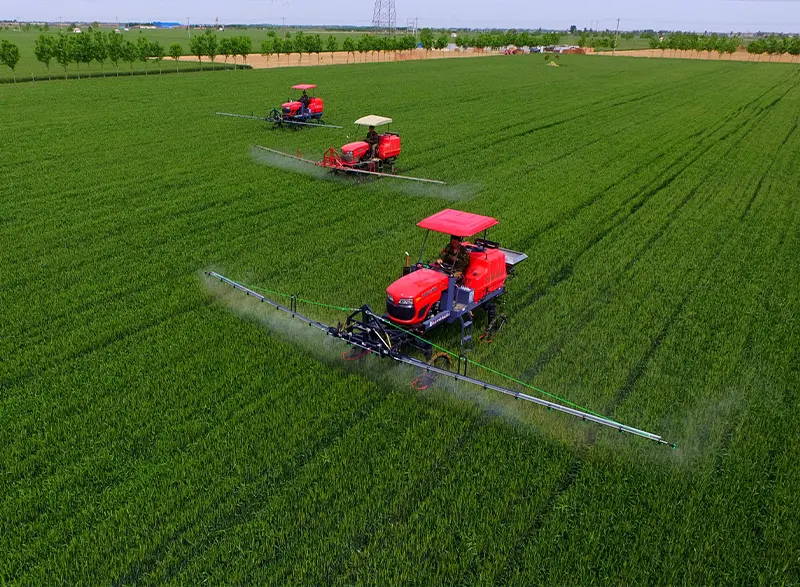
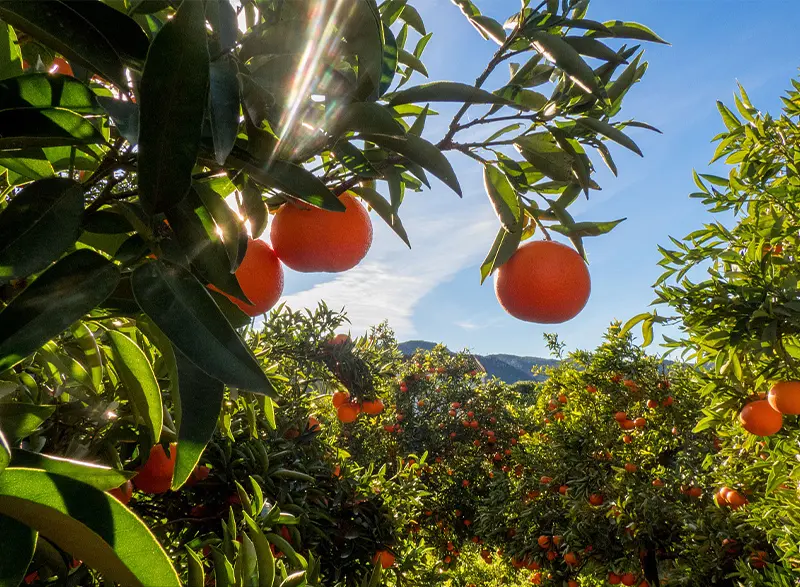
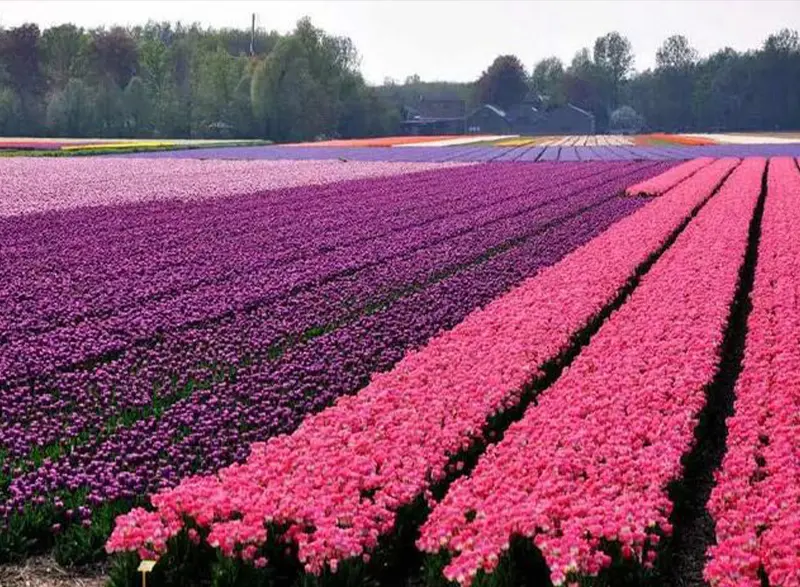


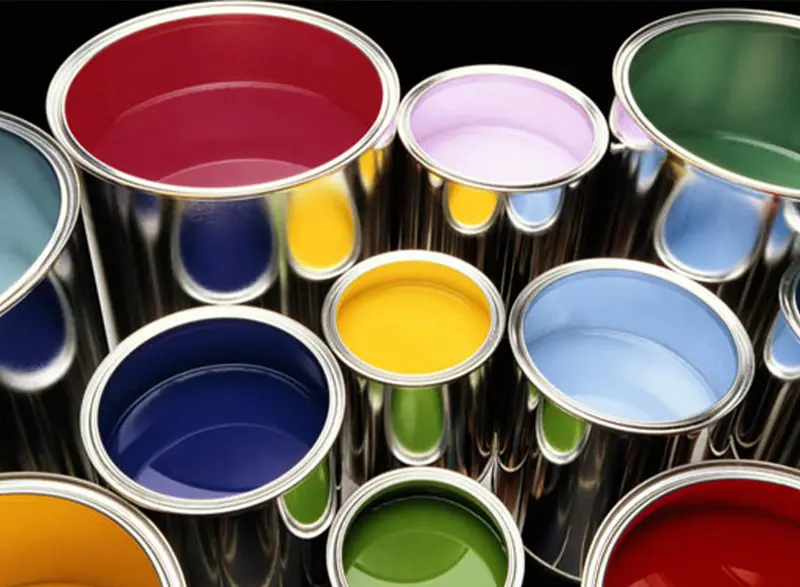
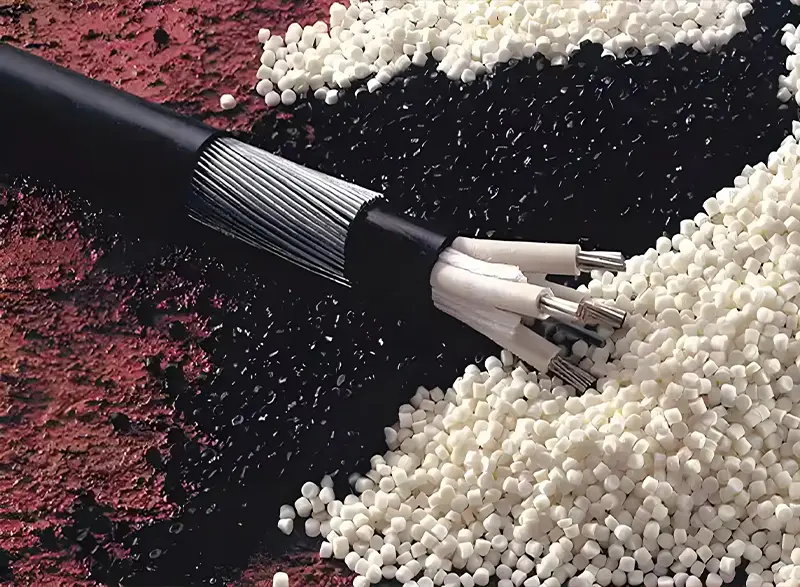
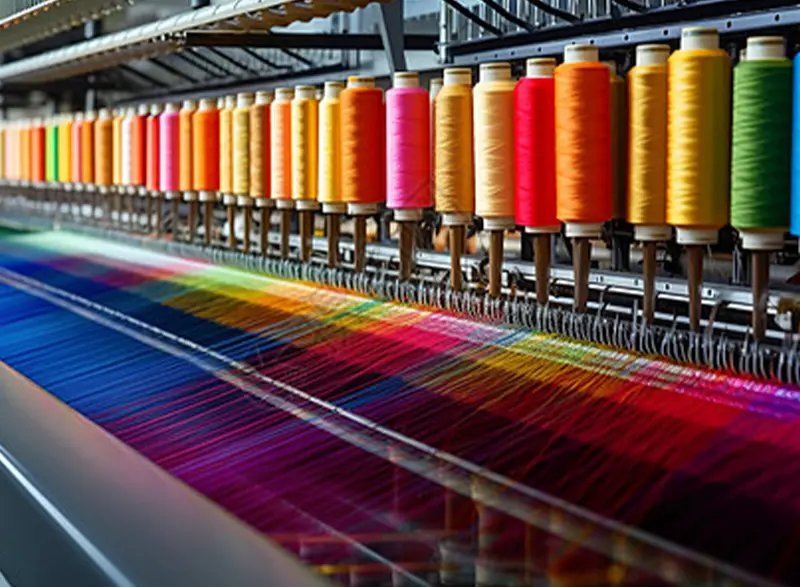
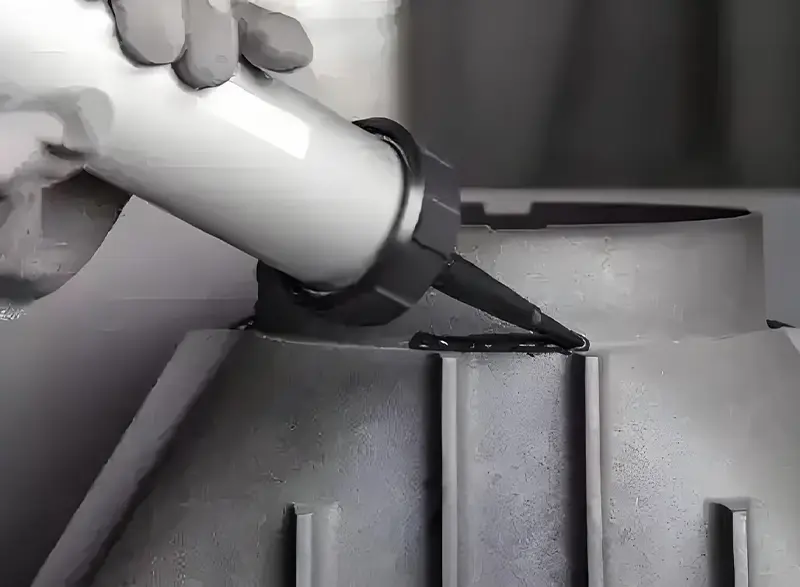
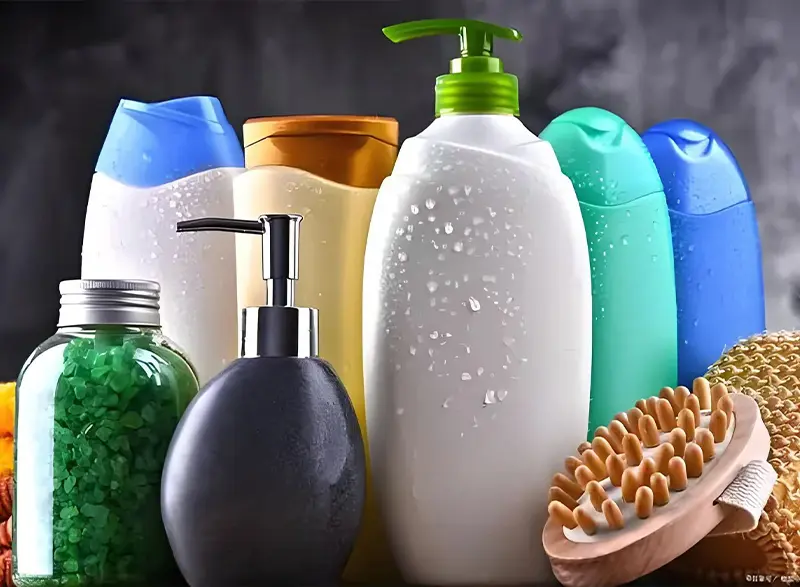
Traditional amino silicone softeners cause white fabrics to turn yellow under dry-heat curing. Our anti-yellowing silicone technologies introduce customized reactive end-caps that inhibit the formation of nitrogen oxides, maintaining fabric whiteness and a soft hand feel.
For high-brightness LED matrices and optical sensors, non-yellowing silicone gels are critical. They resist yellowing under UV-A/B light exposure and heat up to 150°C, maintaining transparency and light transmission over years of operation.
Integrating our coupling agents (like vinyl and phenyl silanes) with hydrocarbon resins enhances the weatherability of protective paints. This makes structural sealants used on glass facades and wind turbines resistant to UV radiation and thermal cycling.
Leveraging diverse chemical expertise across plastics, agriculture, and petroleum-based materials.
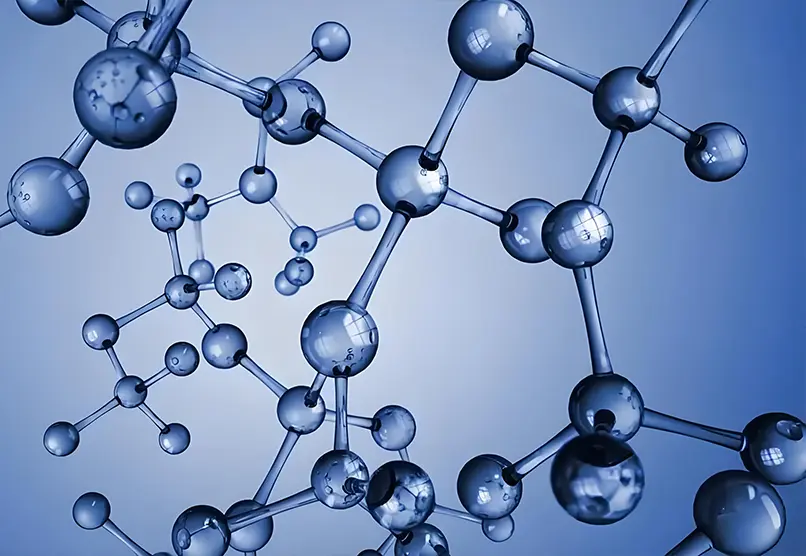
We supply twelve series of silane coupling agents and crosslinkers. Our catalog covers aminosilane, methacrylate silane, epoxy silane, vinyl silane, mercaptosilane, alkyl silane, ethyl silicate, chlorosilane, silane isocyanates, phenyl silane, ureidosilane, and serosilane. We also manufacture functional silicone oils, including high-hydrogen, dimethicone, vinyl, polyphenylmethyldimethylsiloxane, silanol/OH polymers, and methyl MQ resins.

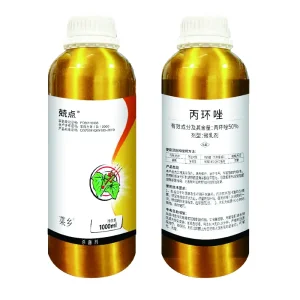
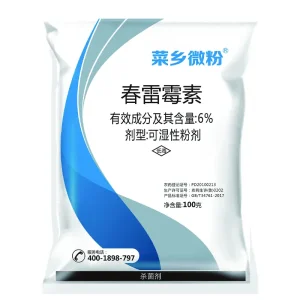
Our Tier II business produces hydrocarbon resins. In partnership with major hydrocarbon resin plants in Zibo, Fushun, and Nanjing, and utilizing raw materials from SINOPEC and PetroChina, we supply C9 hydrogenated resins, C5 hydrocarbon resins, and dicyclopentadiene. Additionally, we serve the agrochemical sector with intermediates and active ingredients for pesticides, fungicides, insecticides, and plant growth regulators.
Technical answers addressing selection, performance, and application questions from industrial engineers.
A comprehensive overview of our product applications across industrial sectors.

Active intermediate synthesis and chemical reagents.

Custom dimethicones and volatile carrier fluids.
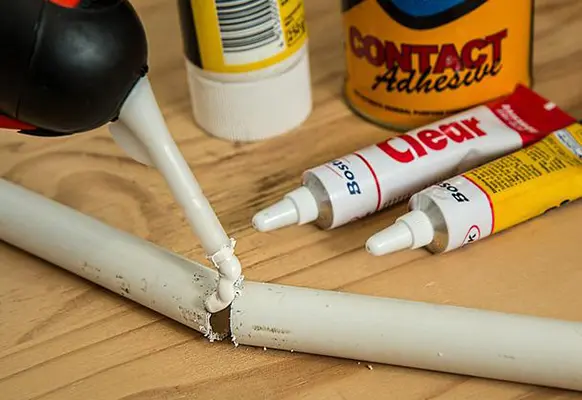
Specialized siloxane-modified structural assembly formulations.
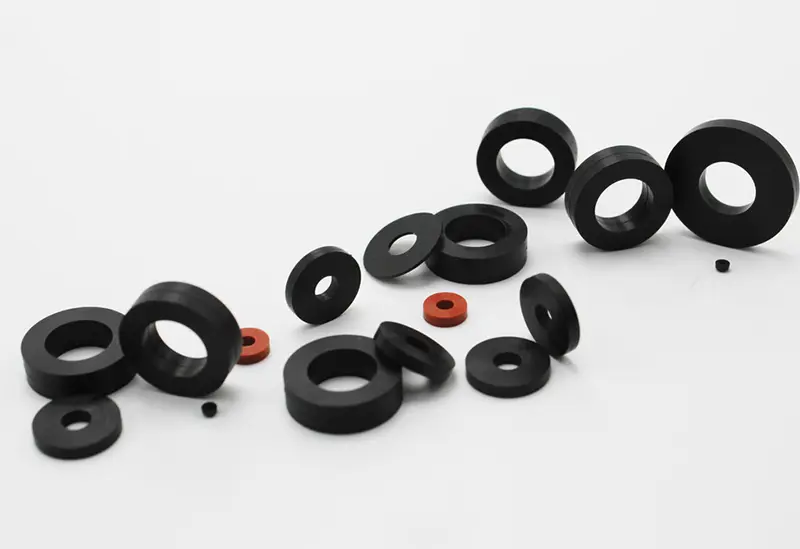
Crosslinkers and process additives for high-strength rubbers.
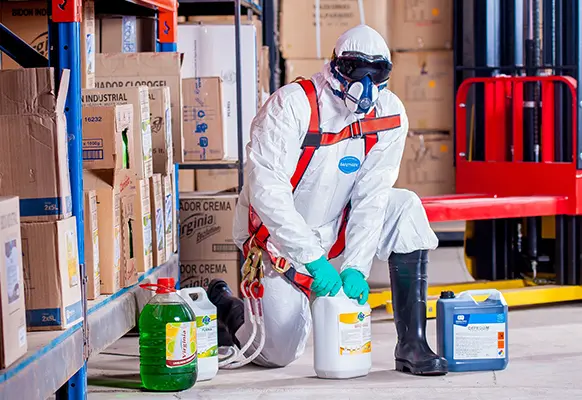
Additive systems that improve outdoor weatherability.
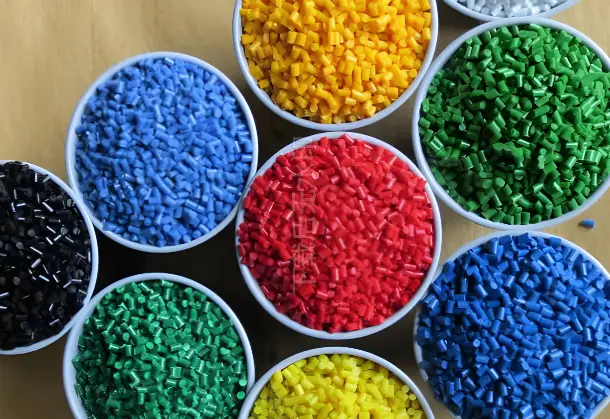
Silanes that optimize dispersion and bonding of glass-fiber fills.
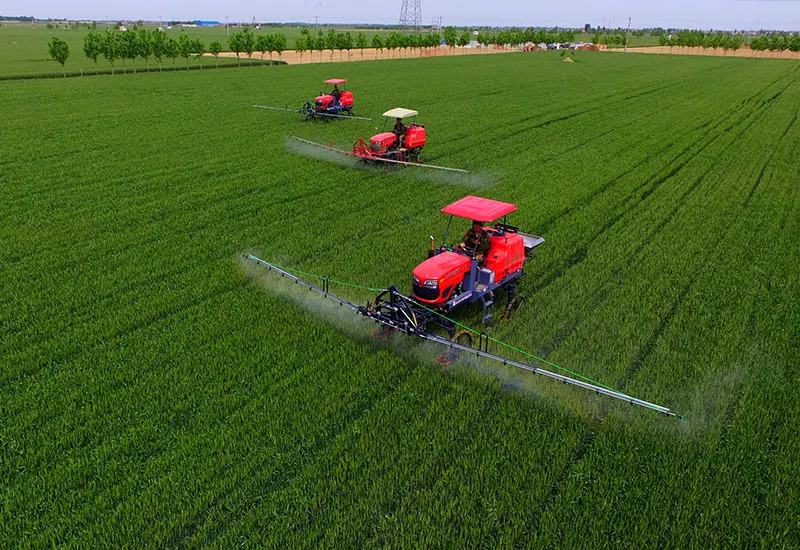
Spreading agents that improve wetting on crop surfaces.
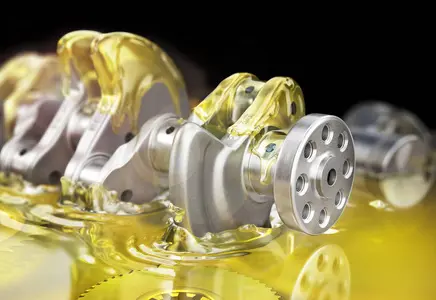
Liquid silicone rubbers for dynamic sealing interfaces.
Siloxane defoamers designed for aggressive environments.

Waterproofing additives for gypsum and construction boards.
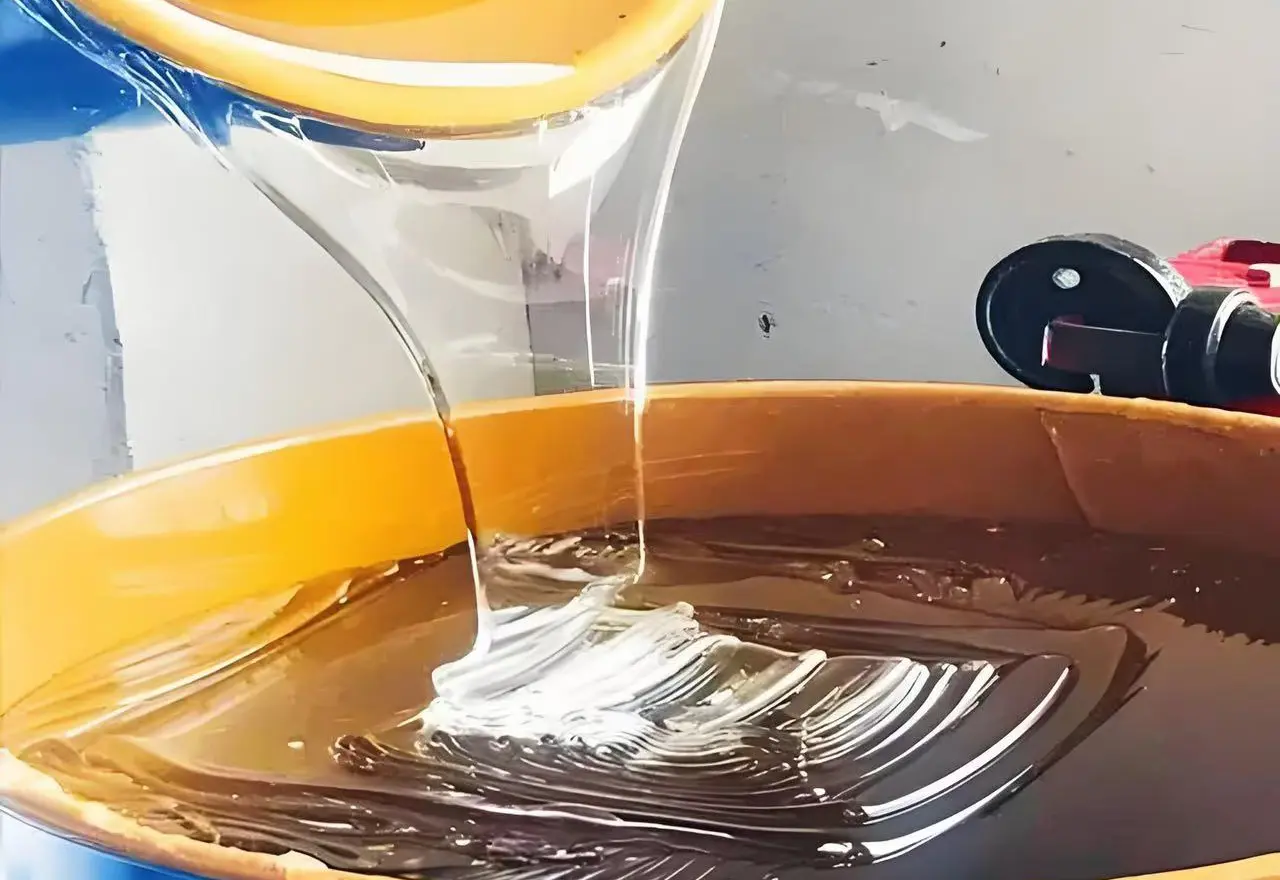
High-performance functional siloxane oils.

Coating formulations for harsh marine and aviation use.
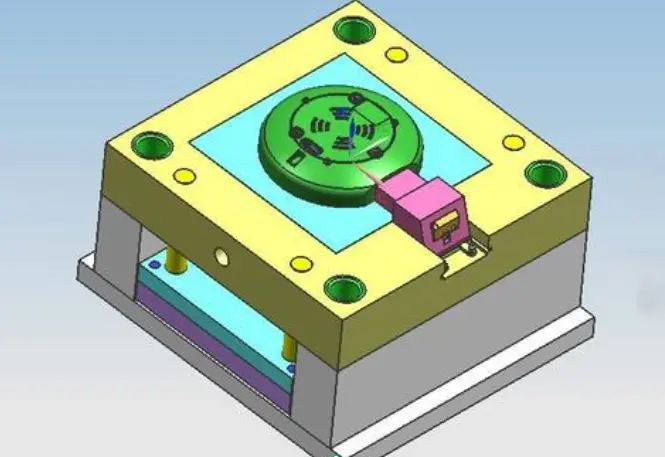
High-tear silicone elastomers for production casting molds.

Thermally conductive potting gels and non-conductive sealants.

Silicone masonry sealers that protect against water ingress.
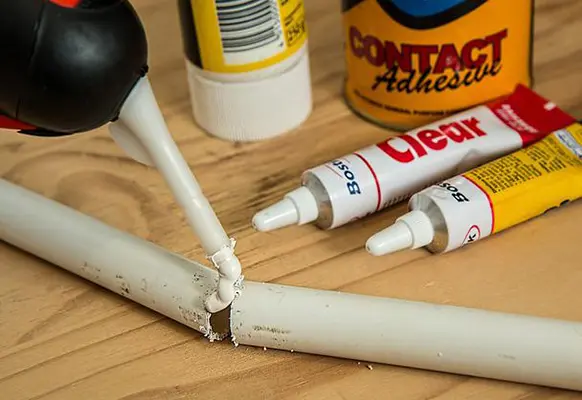
High-modulus sealants for architectural glass facade systems.
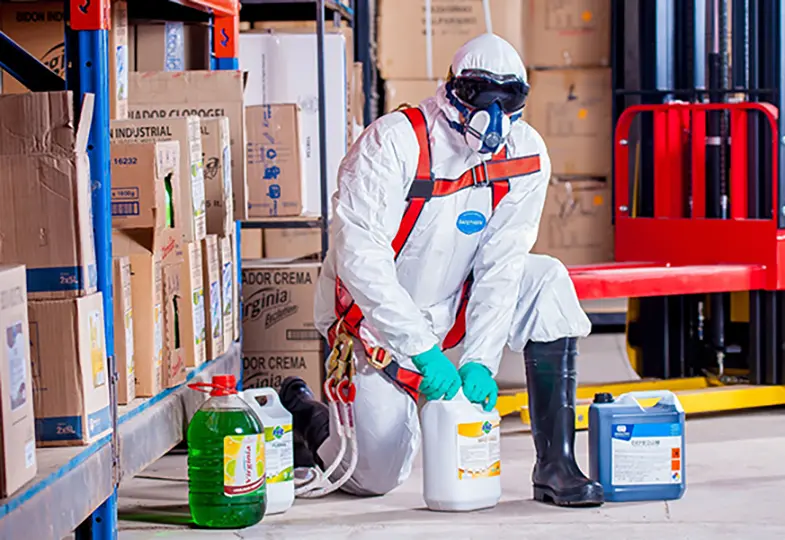
Flow, leveling, and scratch resistance additives.

Functional silanes used as eco-friendly conversion coatings.
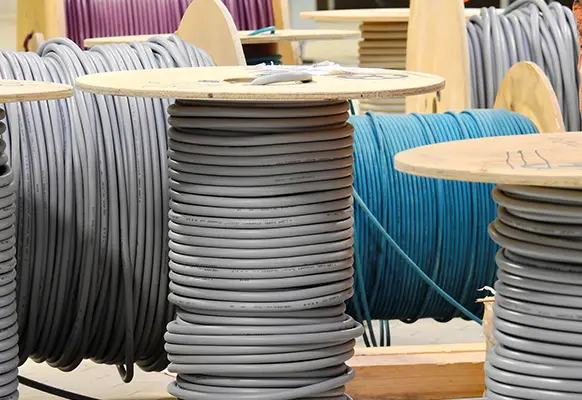
Vinyl silane crosslinkers for XLPE high-voltage insulation.
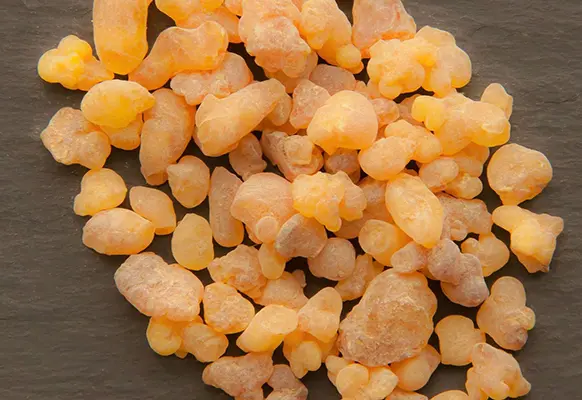
Crosslinking agents used for customizing polymer structures.

Alkoxy silanes that provide deep penetration and waterproofing.

Epoxy-functional silanes for glass fiber rotor blades.
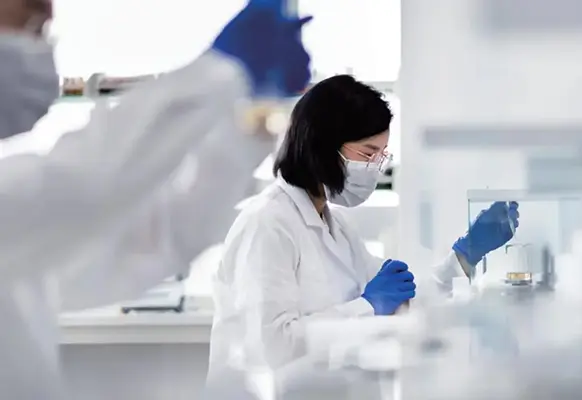
Biocompatible fluid compounds for medical-grade devices.

Non-yellowing amino-modified silicone emulsions.

Silane coupling treatments for silica, kaolin, and ATH fillers.
Silicone technologies for clean microfluidic and chip designs.
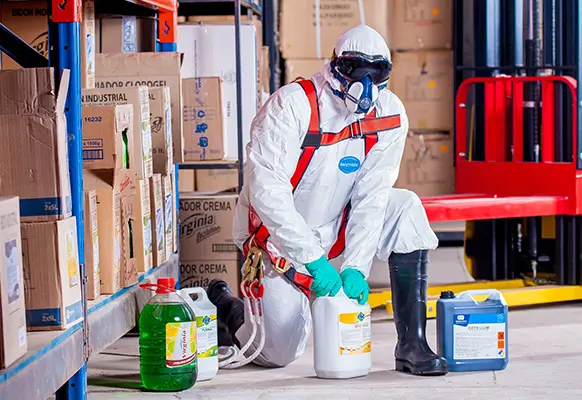
Highly heat-resistant finishes utilizing phenyl methyl resins.
Explore our specialized silicone polymers, dimethicone oils, and custom manufacturing agents.
 Boctok Chemical