Explore our premium product portfolio designed for high interfacial bonding strength, mechanical reinforcement, and superior material durability.
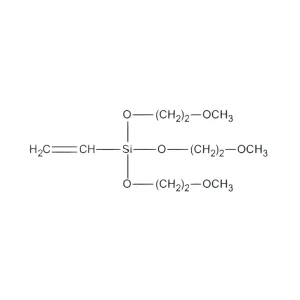
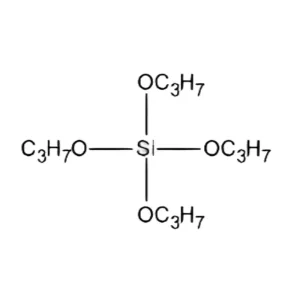
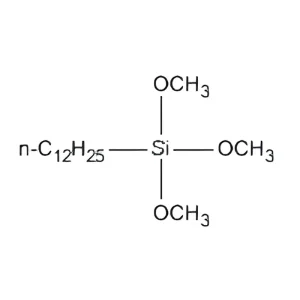
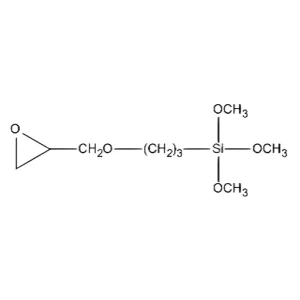
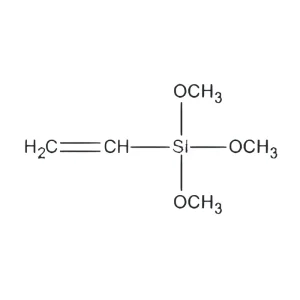
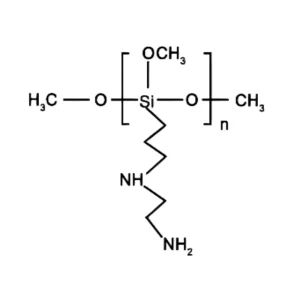
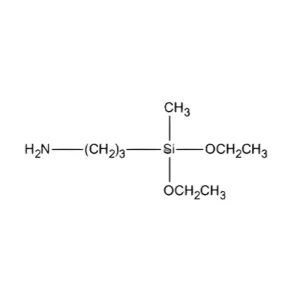
Amino silane coupling agents are bifunctional organosilicon molecules that serve as essential bridges linking inorganic substrates (such as glass fibers, silica, minerals, and metals) with organic polymers (like thermosetting resins, thermoplastics, and elastomers). The molecule features a dual reactivity structure, typically described by the chemical formula R-Si(OR')₃, where:
These silanols engage in condensation reactions with hydroxyl groups on inorganic surfaces, producing incredibly stable covalent siloxane bonds (Si-O-M, where M represents the substrate metal or silicon atom). This chemical transformation alters the interface from hydrophilic to hydrophobic, greatly enhancing adhesion, moisture resistance, and mechanical performance under harsh conditions.
Our organosilicon and resin products address complex material challenges in high-stress, high-value engineering applications worldwide.
In glass fiber manufacturing, amino silanes are core components of sizing formulations. They increase the interfacial shear strength (IFSS) between glass fibers and resins like epoxies and unsaturated polyesters, resulting in lightweight, high-tensile composites optimized for wind turbine blades and aerospace structures.
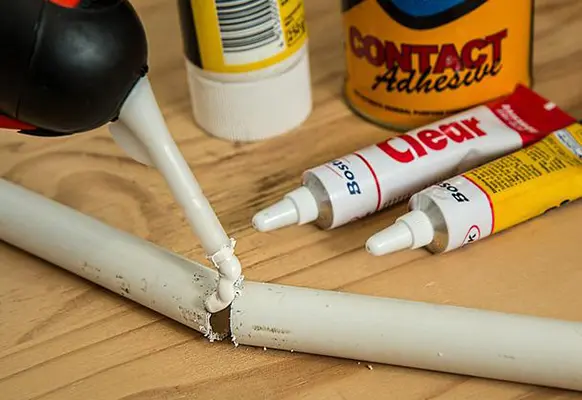
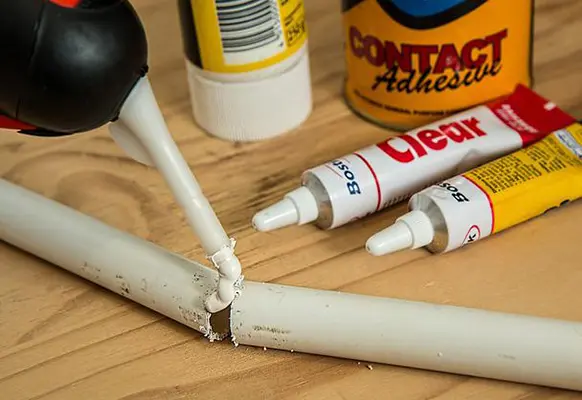
Amino silane coupling agents act as highly effective adhesion promoters in moisture-curable polyurethanes, silyl-terminated polyethers (SMP), and silicone sealants. They enable direct bonding to challenging substrates like glass, aluminum, and concrete without the need for toxic primers.
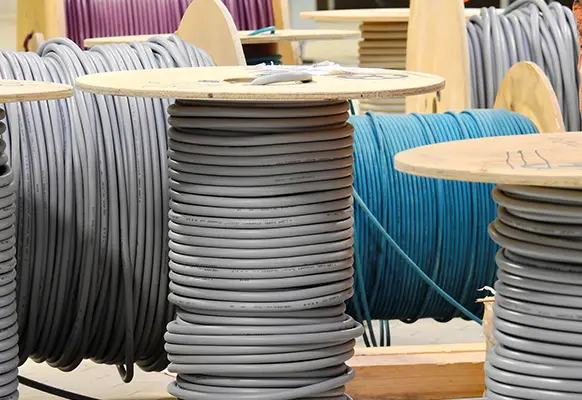
Cross-linked polyethylene (XLPE) cables used in high-voltage transmissions utilize vinyl and amino silanes to facilitate moisture-induced cross-linking. This provides exceptional thermal resistance, prevents dielectric breakdown, and ensures long-term underground stability.
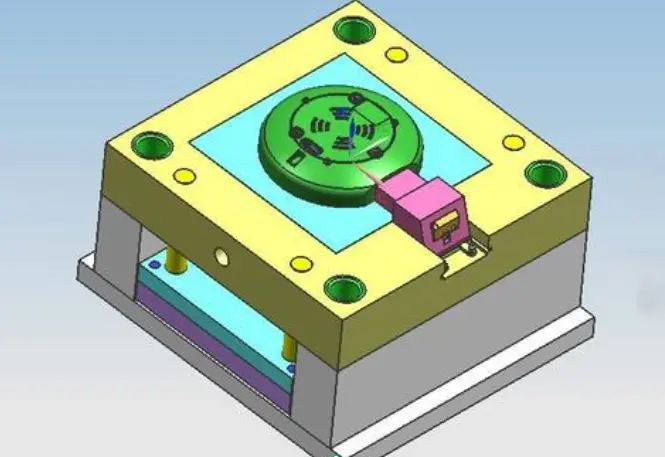
Used as additives in organic binders for sand casting, amino silanes enhance the bond between resin binders and silica sand. This helps minimize gas evolution, improves mold integrity, and produces cleaner metal castings with reduced scrap rates.
Modern paint and varnish formulations integrate amino functional silanes to create robust, corrosion-resistant conversion coatings. These coatings serve as high-performance, environmentally compliant alternatives to chromate-based metal pretreatments.
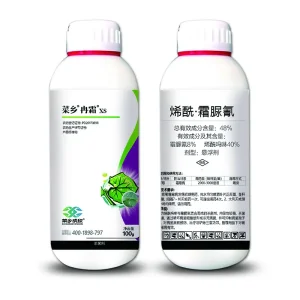
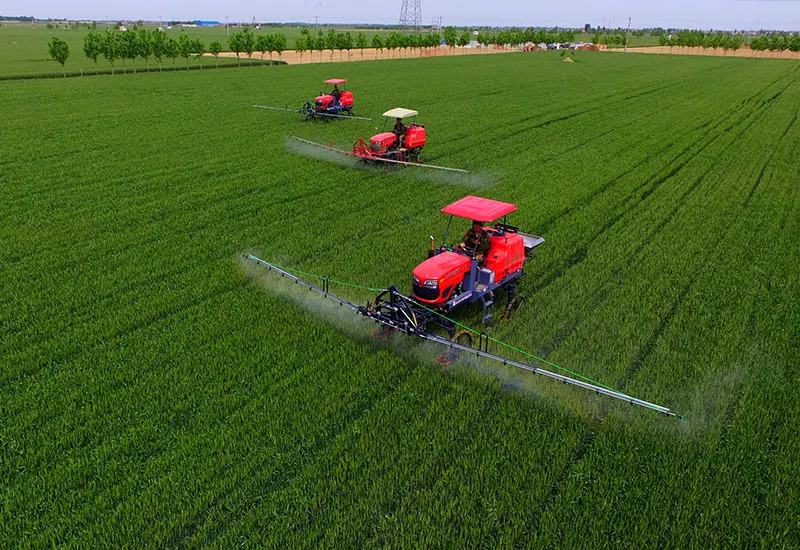
Specialized silicone-based surfactants modify the surface tension of agricultural chemical droplets, ensuring uniform wetting and improved leaf-penetration for herbicides, fungicides, and insecticides.
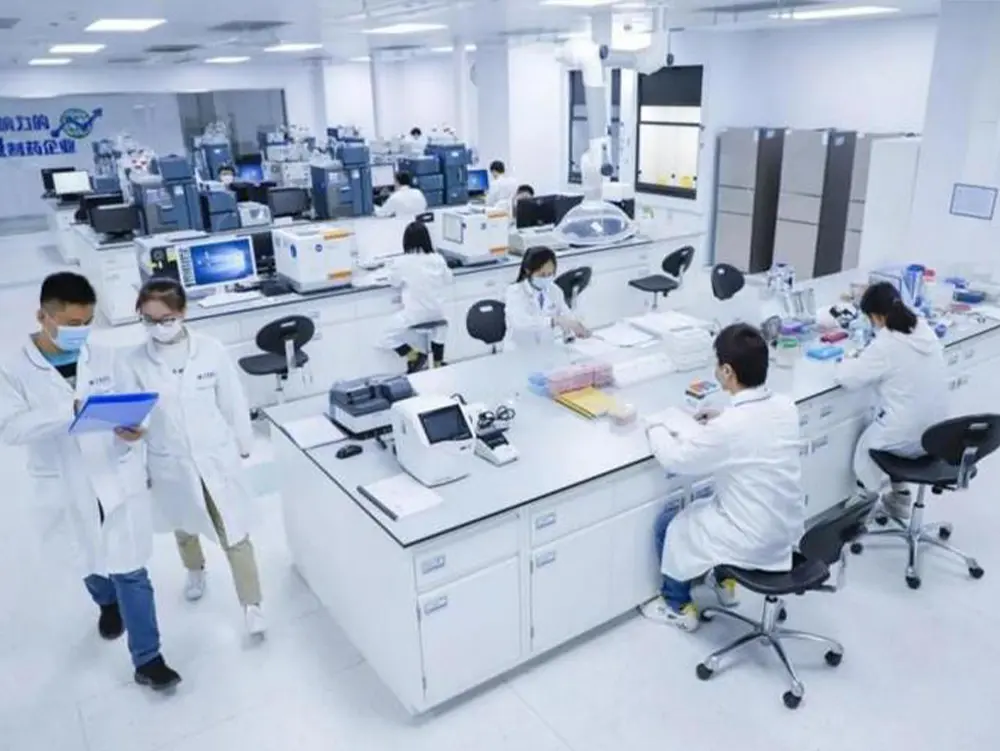
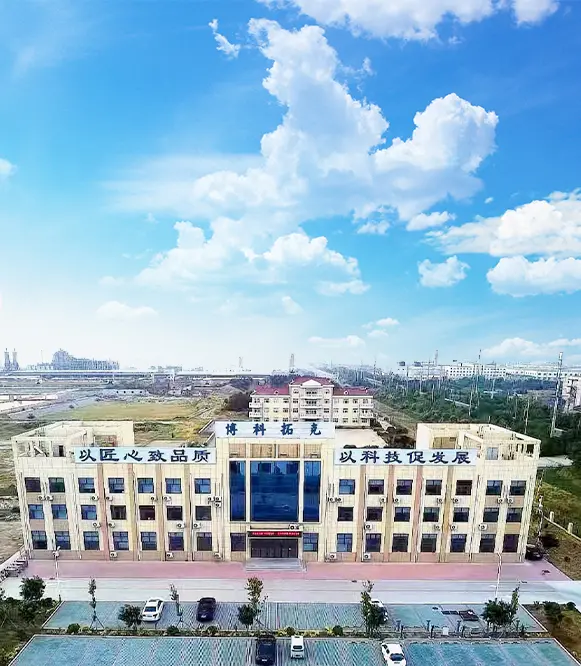
Shandong Boctok Chemical Co. was founded in 2012 as a global marketing and sales center for Boctok™ domestic and overseas businesses, achieving annual sales of US$280 million in 2023. The BOCTOK brand specializes in serving demanding markets, including the Russian Federation, Eastern Europe, Central Asia, and the Americas.
Our core business covers twelve series of silane coupling agents and crosslinkers: aminosilane, methacrylate silane, epoxy silane, vinyl silane, mercaptosilane, alkyl silane, ethyl silicate, chlorosilane, silane isocyanates, phenyl silane, ureidosilane, and serosilane. We also specialize in high-end silicone oils, resins, and rubbers, including high-hydrogen silicone oil, dimethicone, vinyl silicone oil, polyphenylmethyldimethylsiloxane, phenyl silicone oil, silanol silicone oil, OH polymer, MQ resin, VMQ resin, RTV silicone rubber, and phenyl rubbers.
Additionally, Boctok manages a Tier II core business in petroleum resins, operating three advanced hydrocarbon resin plants in Zibo, Fushun, and Nanjing. Sourcing raw materials from SINOPEC and PetroChina, we supply C9 hydrogenated, C5 hydrocarbon, and dicyclopentadiene resins to Fortune 500 adhesive and coating manufacturers globally.
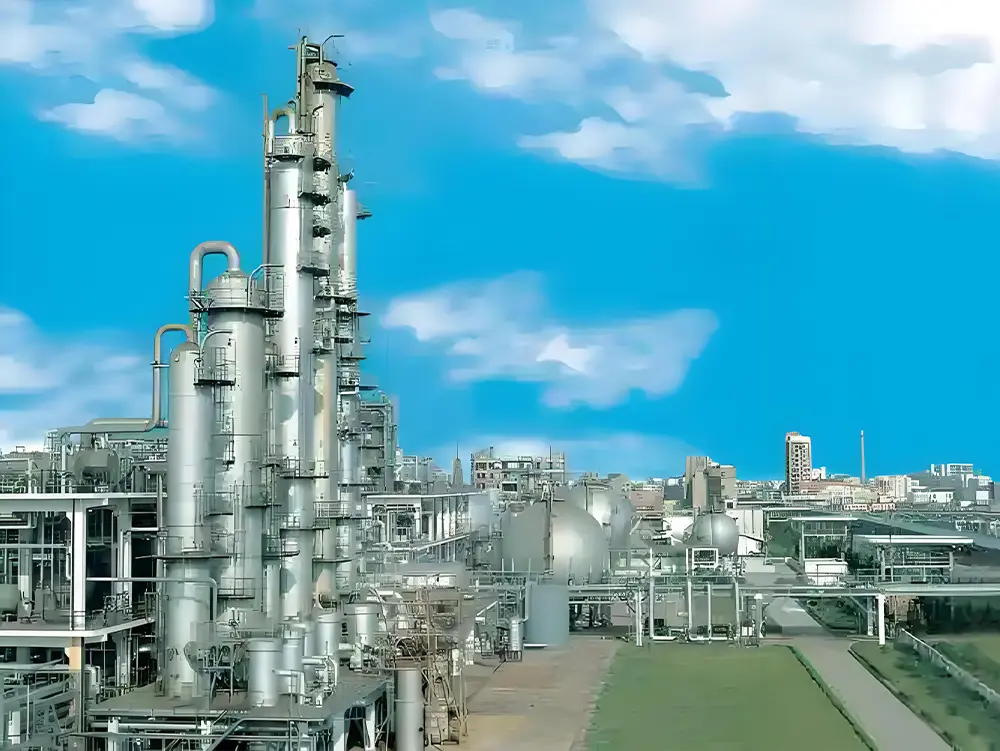
Boctok recently invested US$65 million to construct a state-of-the-art facility in the Bohai Industrial Park, Shouguang City, Shandong Province, to significantly scale our production of silane coupling agents.
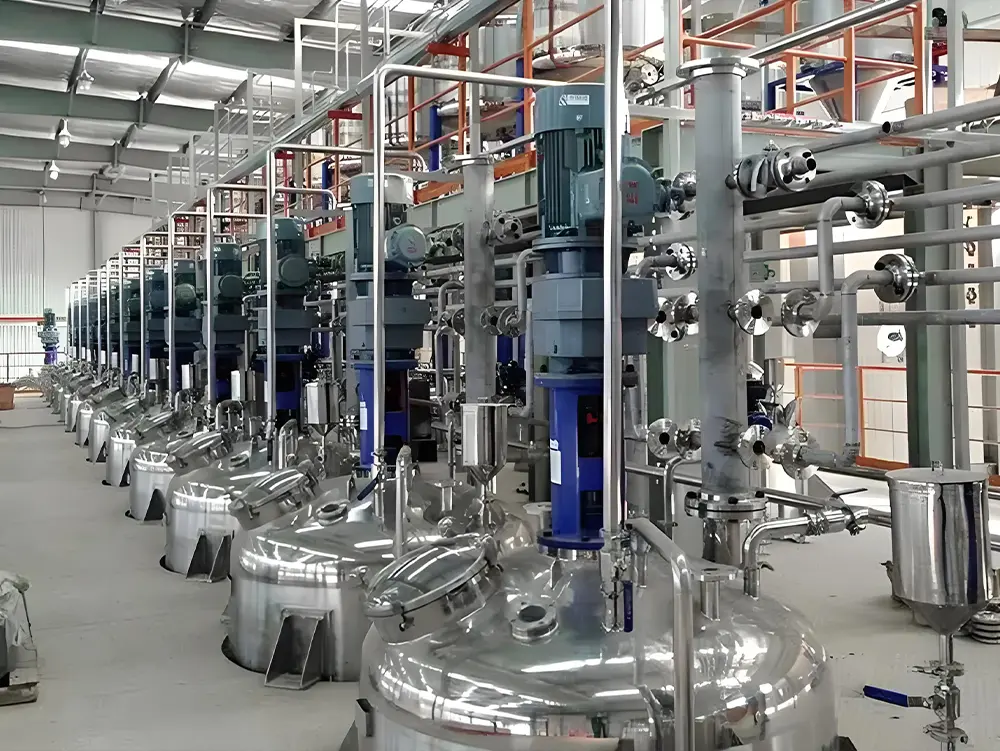
Our Shouguang plant operates 6 automated DCS remote-control production lines and is protected by Safety Instrument Systems (SIS) to ensure process safety and stable product quality.
Quality management is fully integrated across all manufacturing processes, from raw material inspection to final product packaging, ensuring zero-defect batch delivery.
We prioritize sustainable operations by investing in advanced waste gas collection systems and high-efficiency wastewater treatment plants to meet environmental standards.

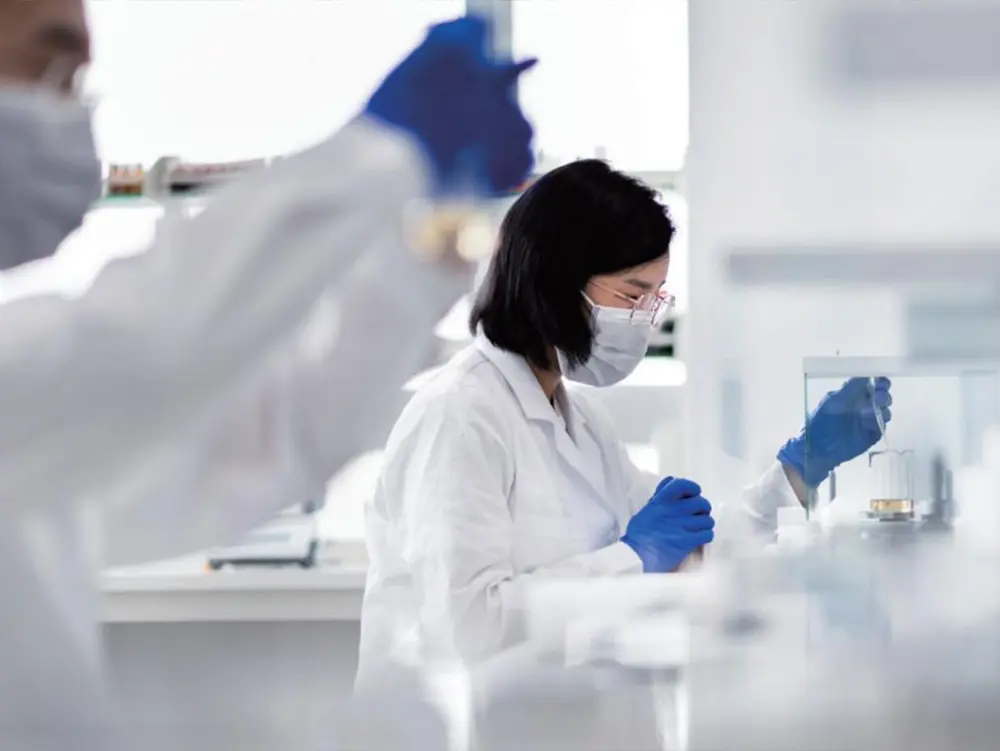
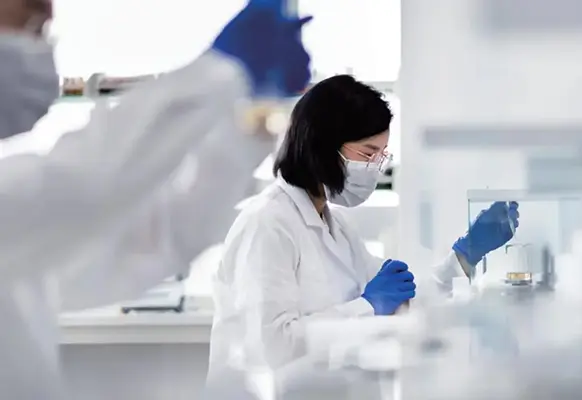
Rigorous chemical testing and purity analysis for every batch.

6 DCS lines producing up to 30,000 tons of silanes annually.

Dedicated technical engineers available to assist with formulation issues.

Streamlined rail, sea, and road freight to major global destinations.
Providing specialized materials tailored for the chemical, agricultural, and polymer industries.
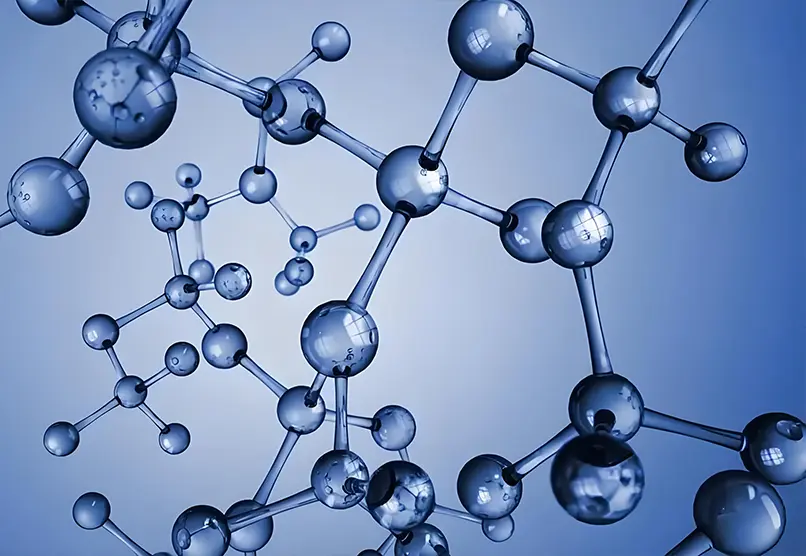
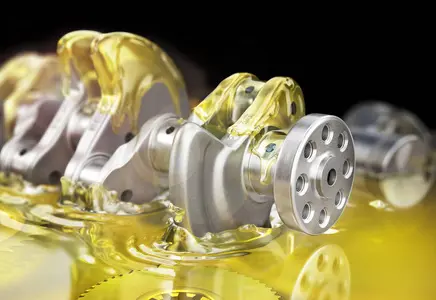
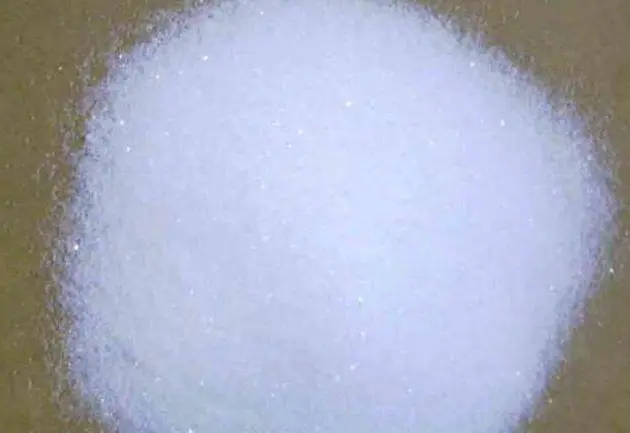
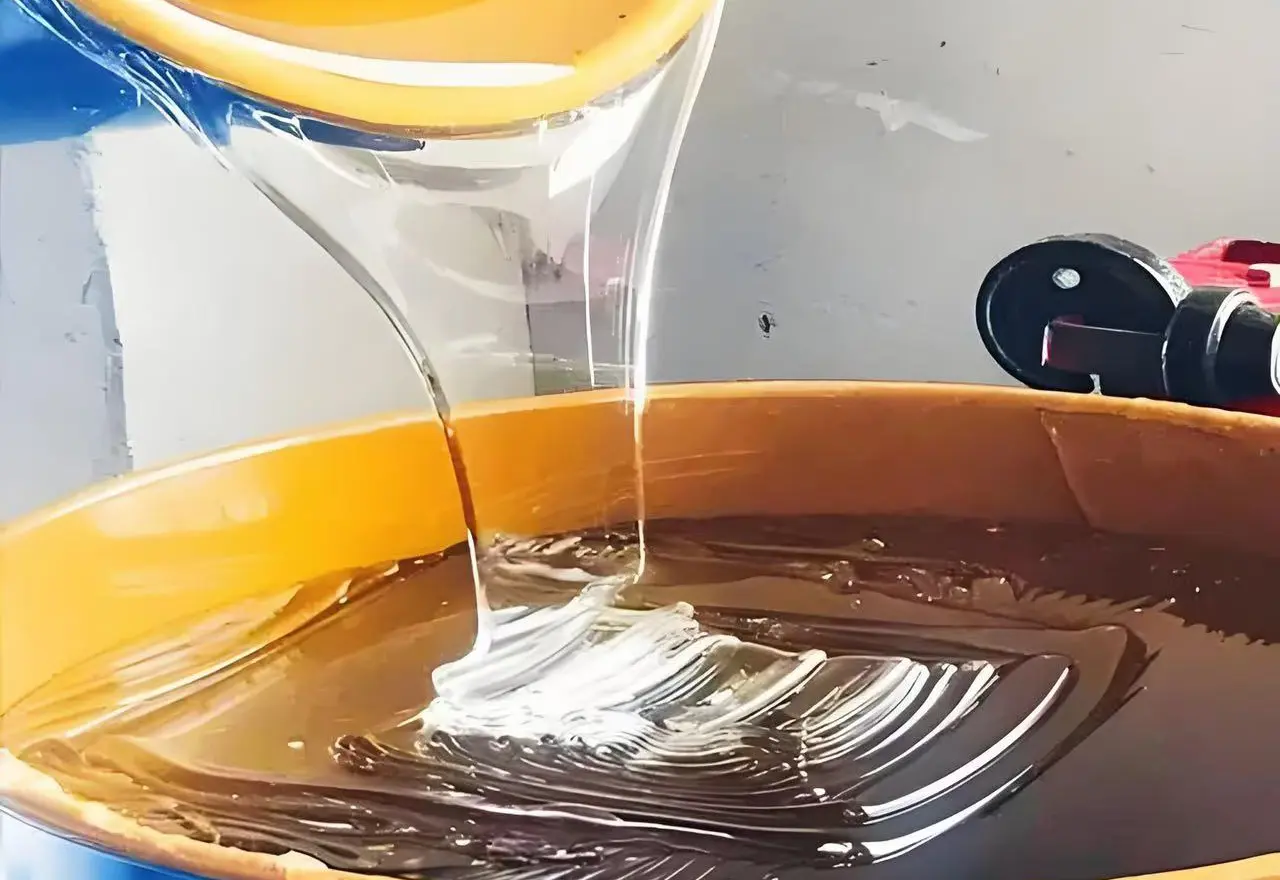
Comprehensive silane coupling agents, silicone fluids, crosslinkers, and specialty hydrocarbon resins.

Specialized intermediates, active ingredients, and surfactants for crop protection and yield improvement.
Helping manufacturers improve adhesion, weatherability, and material compatibility across diverse fields.
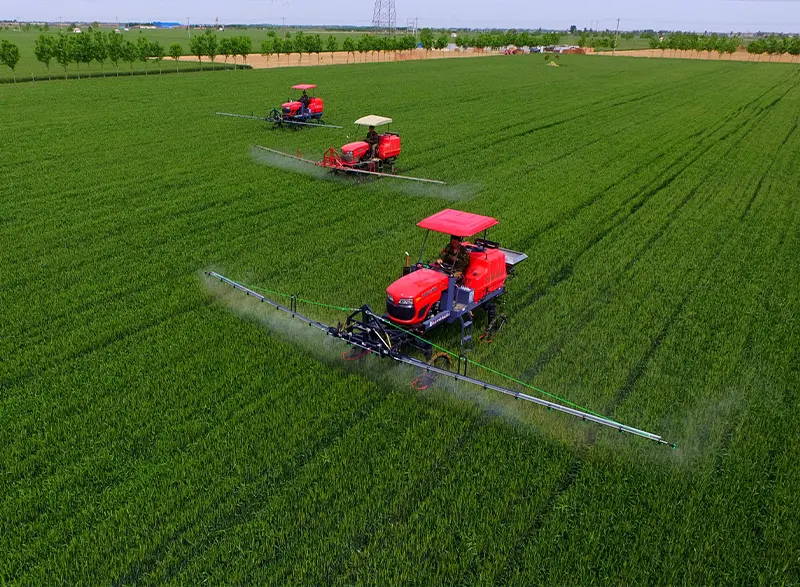




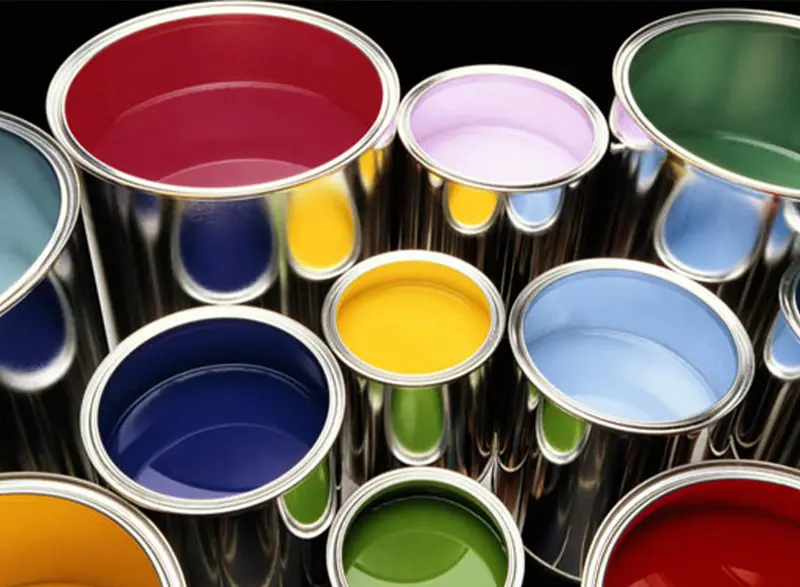
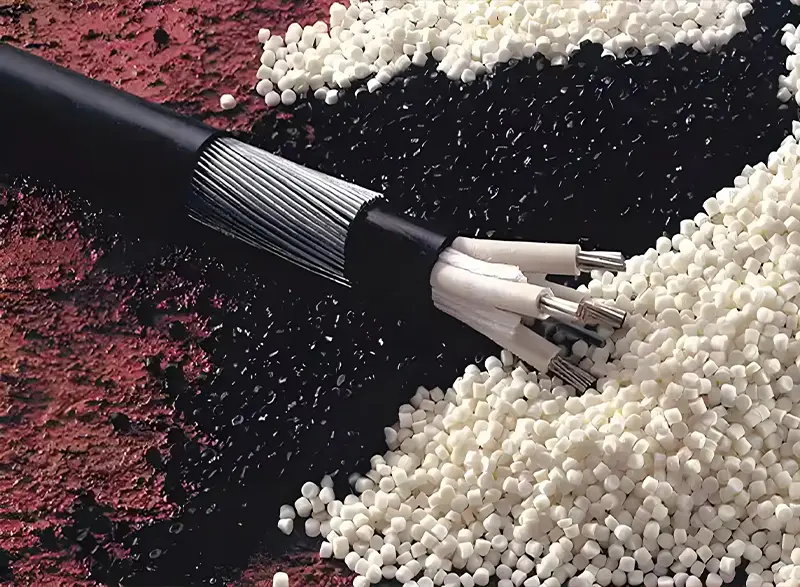
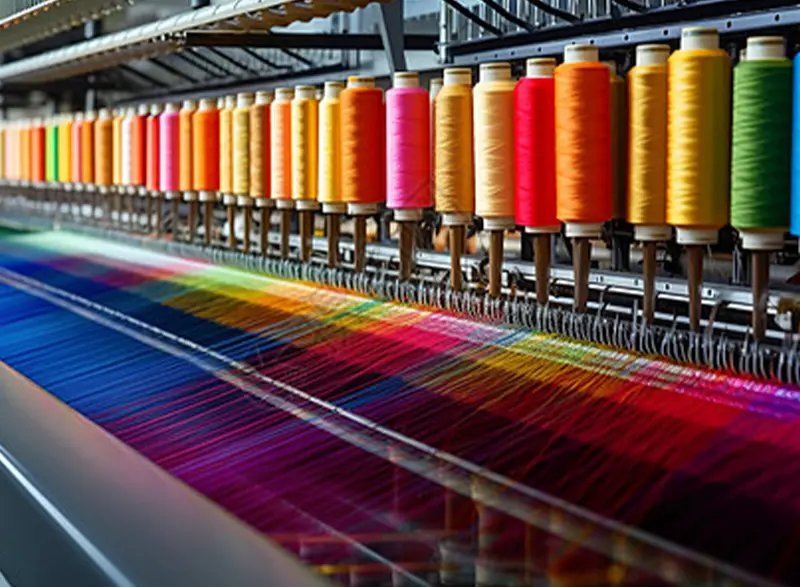
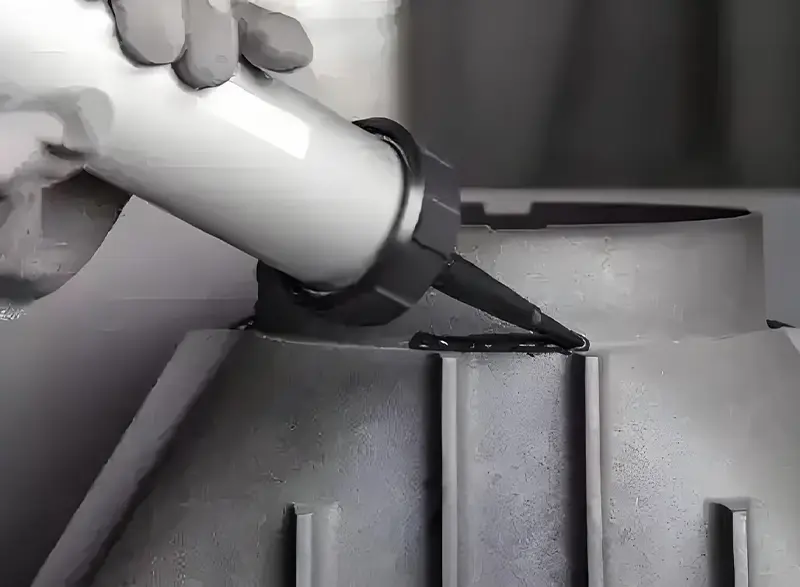
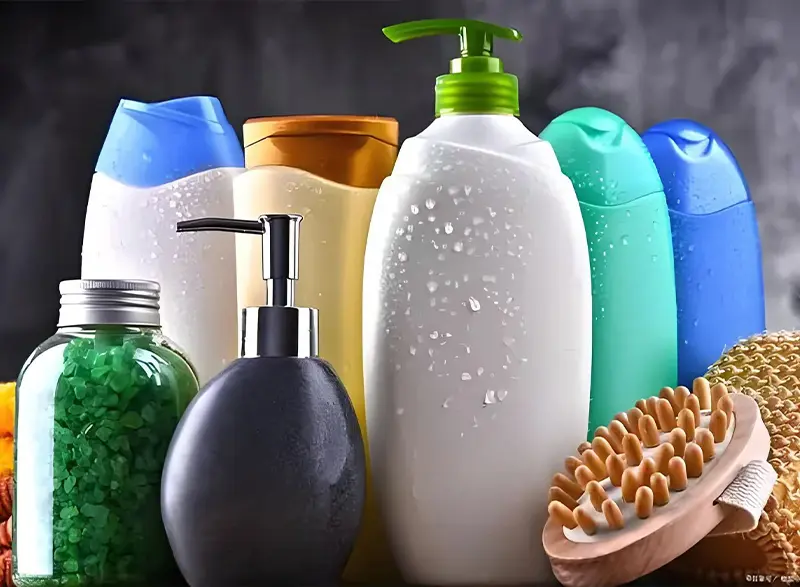
Our organosilicon agents and resins are widely integrated into critical manufacturing sectors worldwide.











As regulatory compliance and performance criteria become more demanding, the engineering of amino silanes is shifting towards safer and more durable chemistry.
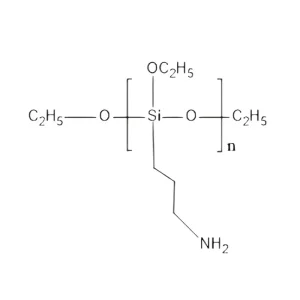
Standard monomeric silanes, during the hydrolysis step at application sites, release substantial amounts of volatile organic compounds (VOCs) such as methanol or ethanol. To comply with strict regional regulations like REACH in Europe and local air quality requirements in North America, chemical research has focused on oligomeric and polymeric aminosilanes (e.g., CAS 106127-44-9 and CAS 106163-31-5).
These advanced molecules are pre-hydrolyzed and condensed, offering several key advantages:
Shandong Boctok Chemical Co. maintains clean, efficient production processes. Our new Shouguang facility features isolated emission treatment lines to capture and process trace gaseous byproducts before discharge. Additionally, our materials are designed to meet diverse regional safety data sheet (SDS) requirements, GHS labeling, and compliance registers.
Through proactive supply chain integration, we align our product deliveries with regional compliance frameworks, helping industrial manufacturers transition to low-VOC, high-performance formulations.
Technical guidance and application recommendations from our senior organosilicon research team.
Most monomeric amino silanes are highly moisture-sensitive. Under dry storage conditions (in original, unopened containers below 25°C), the typical shelf life ranges from 12 to 24 months. Exposure to atmospheric moisture initiates self-condensation, leading to polymerization, turbidity, and a reduction in active coupling performance.
The choice depends entirely on the resin matrix. Amino silanes are highly reactive with epoxy, polyurethane, phenolic, and acrylic resins. Epoxy silanes (e.g., CAS 2530-83-8) are better suited for epoxy and polysulfide sealants where a less alkaline coupling agent is required. Vinyl silanes (e.g., CAS 2768-02-7) are specifically designed for cross-linking polyethylene (XLPE) and coupling with unsaturated polymers.
Oligomeric aminosilanes (like CAS 106127-44-9) contain multiple silicon-functional and organic-functional groups in a pre-condensed oligomeric structure. They release far fewer VOCs during hydrolysis, display superior storage stability in formulated sealants, and provide enhanced adhesion to wet glass and metal compared to monomeric alternatives.
Two main methods are used: pre-treatment (dry or wet blending of the filler with a dilute silane solution prior to compounding) and the in-situ addition method (adding the silane directly to the resin-filler mixture during compounding). Pre-treatment typically yields more uniform surface coverage and optimal physical properties.
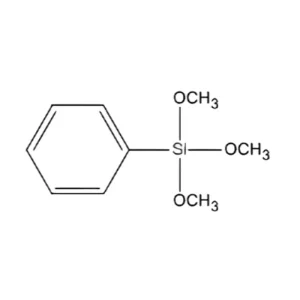
Complete your formulations with our range of high-stability phenyl silanes, oligomers, and high-performance silicone fluids.
 Boctok Chemical