Engineered to optimize interfacial adhesion, moisture barrier performance, and cross-linking density in high-spec industrial coatings.
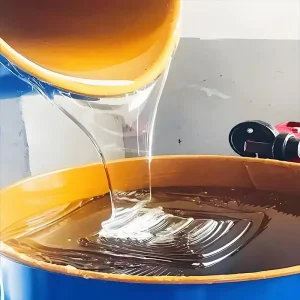
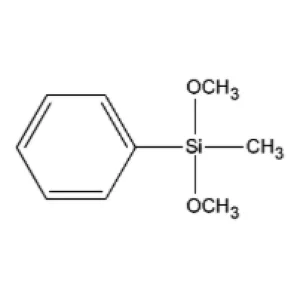
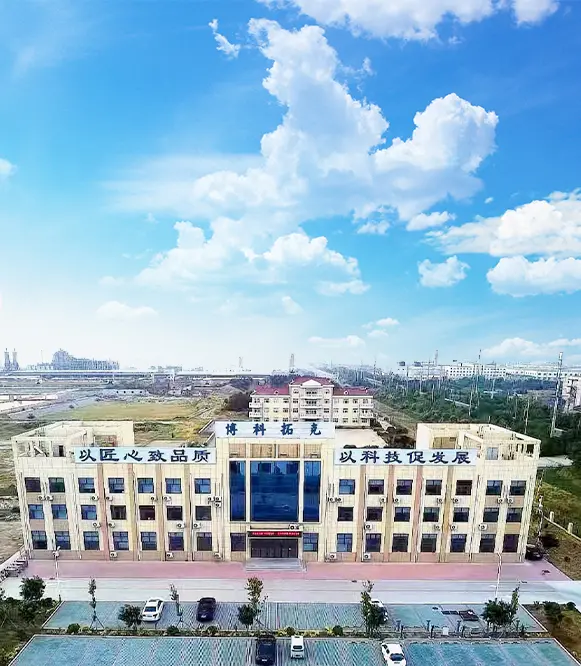
Founded in 2012, Shandong Boctok Chemical Co. has established itself as an elite global marketing, sales, and manufacturing powerhouse for advanced organosilicon and resin products. In 2023, the enterprise achieved a global sales volume of US$280 million, proving its status as a reliable supply-chain partner for Fortune 500 corporations, specialized custom synthesizers, and manufacturing lines across the globe. By developing our brand to specifically serve demanding regional markets—including our dedicated operations tailored to the Russian industrial landscape—we deliver tailored logistics, deep regulatory compliance, and unparalleled field-application engineering.
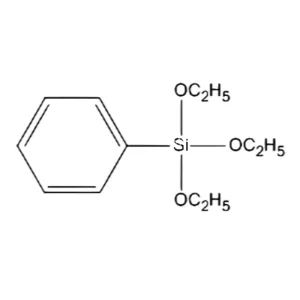
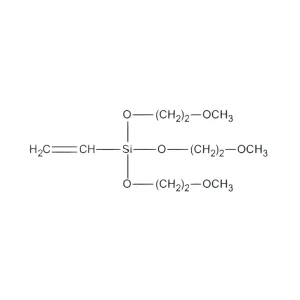
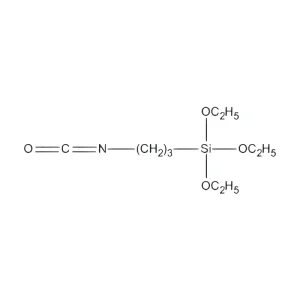
Our comprehensive organosilicon portfolio spans twelve core series of silane coupling agents and crosslinkers. These systems include aminosilanes, methacrylate silanes, epoxy silanes, vinyl silanes, mercaptosilanes, alkyl silanes, ethyl silicates, chlorosilanes, silane isocyanates, phenyl silanes, ureidosilanes, and serosilanes. Further extending our chemical engineering footprint, we produce high-performance silicone oils, silicone resins, and specialty rubbers tailored to meet the demanding requirements of industries such as wind energy, marine coatings, electronics encapsulation, infrastructure, and heavy automotive compounding.
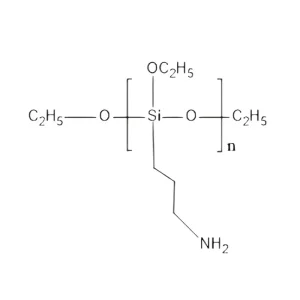
Amino silanes represent a distinct class of hybrid organic-inorganic molecules containing both hydrolyzable alkoxy groups (typically methoxy or ethoxy) and reactive organic amine functionalities. This dual reactivity allows them to act as molecular bridges, bonding inorganic substrates—such as silica fillers, glass fiber, and metal oxides—with organic polymer matrices (epoxies, polyurethanes, acrylics, and phenolics). The primary mechanism involves a three-stage reaction pathways:
Upon exposure to moisture (either added during formulation or extracted from the atmosphere), the alkoxy groups of the amino silane undergo hydrolysis, forming highly reactive silanol (Si-OH) intermediates and releasing an alcohol byproduct (methanol or ethanol):
R-Si(OR')3 + 3 H2O → R-Si(OH)3 + 3 R'OH
This process is highly pH-dependent and typically reaches its optimal rate under slightly acidic or basic conditions. The amino group within aminosilanes acts as an internal catalyst, altering the hydrolysis speed compared to other organosilanes.
The silanol monomers orient themselves at the inorganic surface, forming hydrogen bonds with surface hydroxyl groups. During baking or ambient drying, condensation occurs, releasing water and generating covalent siloxane bonds (Si-O-Si or Si-O-Metal):
R-Si(OH)3 + Substrate-OH → R-Si(O-Substrate) + H2O
Simultaneously, the organofunctional amino group reacts with the resin matrix through addition or condensation, embedding the silane molecule into the cross-linked polymer network.
In composite manufacturing and structural coatings, the interface is frequently the weakest point, prone to delamination under mechanical stress or water ingress. Incorporating premium amino silanes from Boctok Chemical alters this interface by converting weak physical interactions into high-strength covalent linkages. This significantly increases the Interfacial Shear Strength (IFSS), preventing water molecules from displacing the polymer at the substrate boundary. The result is superior corrosion resistance, high peel strength, and prolonged structural integrity in harsh conditions.
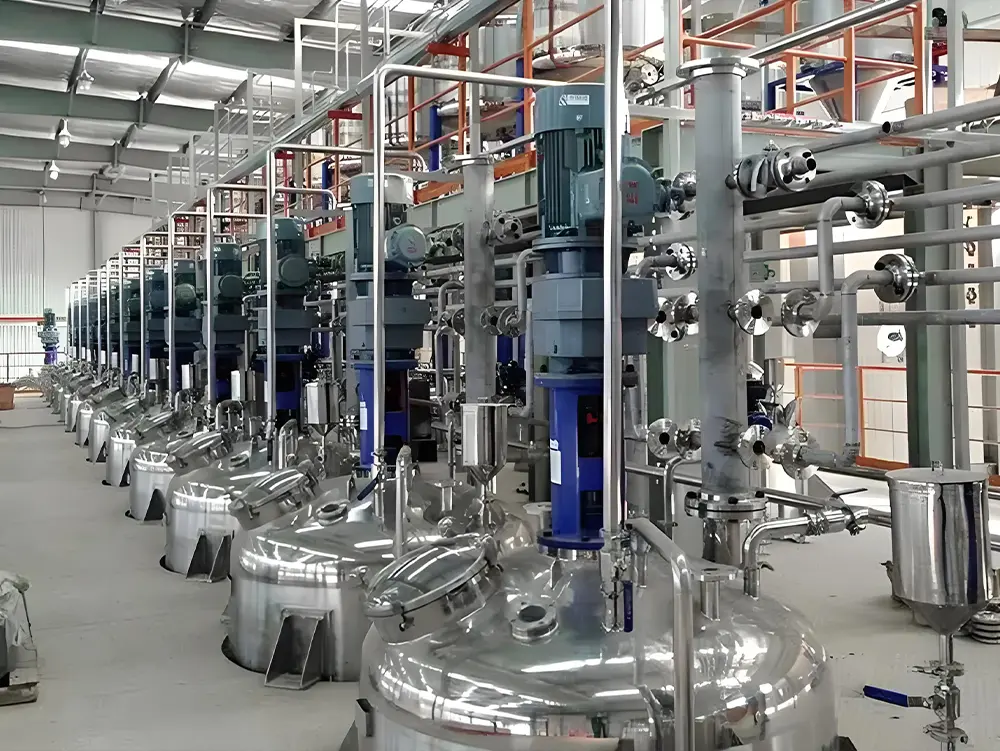
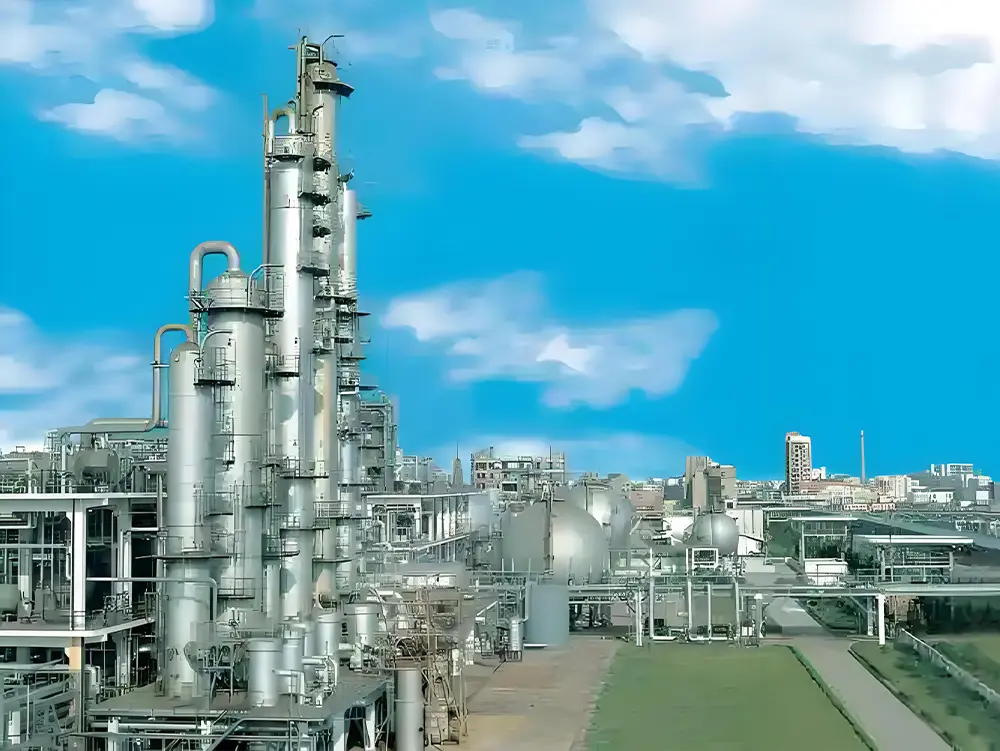
To support growing global demand, Boctok invested US$65 million to construct our new state-of-the-art chemical manufacturing facility located in Bohai Industrial Park, Shouguang City, Shandong Province. This specialized industrial zone offers integrated raw materials access, steam utilities, and safety infrastructure.
We deliver an optimized combination of chemical synthesis expertise, process control, and logistics management.

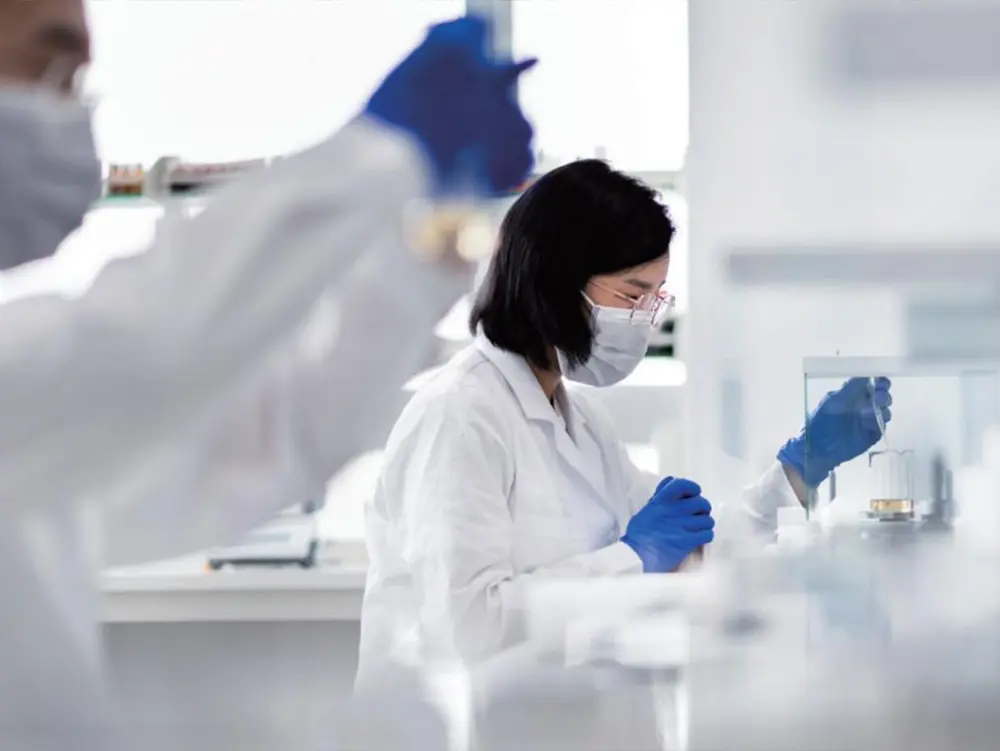
Every synthetic batch undergoes rigorous GC-MS testing and moisture titration to verify purity, chemical structure, and consistency.

With an annual output of 30,000 tons, our facilities efficiently manage large volume orders while accommodating custom syntheses.

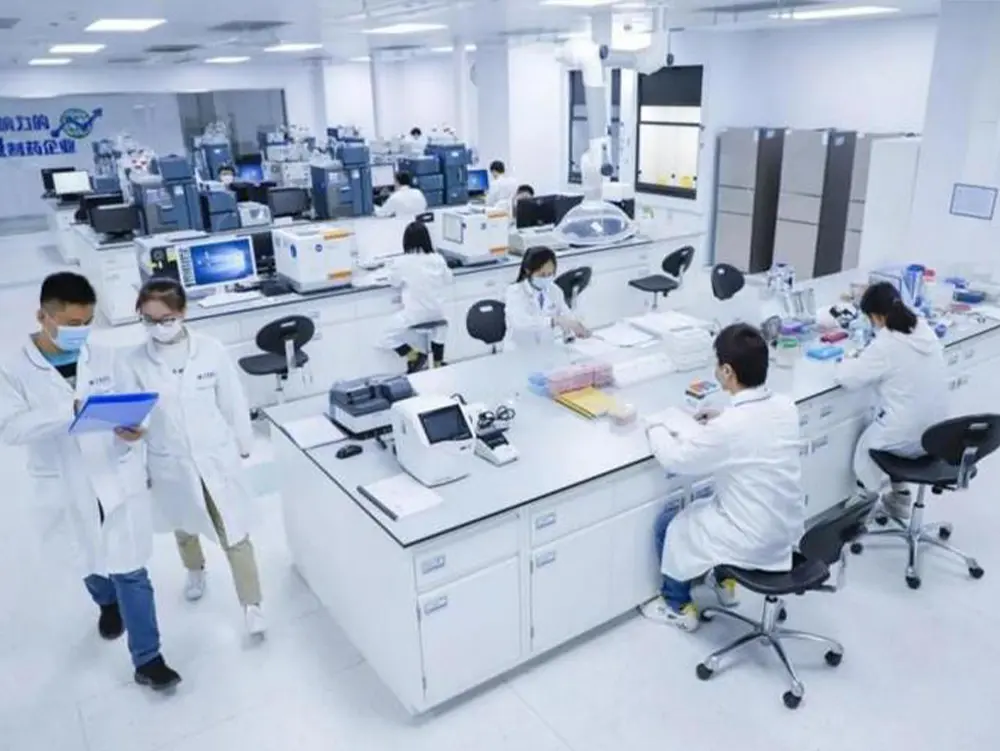
Our applications engineering team is available online around the clock to assist with formulation issues and compound optimization.

Strategic positioning near key shipping hubs ensures rapid transit, complete export documentation, and reliable global delivery.
The amino silane raw material sector is undergoing rapid development driven by shifting environmental regulations, the demand for green chemistries, and the performance requirements of next-generation composite materials. Boctok Chemical’s R&D team focuses on three key development paths:
Traditional amino silanes release methanol or ethanol during hydrolysis, contributing to VOC emissions in coating lines. Boctok is investing in the synthesis of water-borne, pre-hydrolyzed silane oligomers. These oligomers are pre-stabilized in aqueous solutions, eliminating the release of volatile alcohols during final application. This enables coating formulators to meet strict environmental targets without sacrificing dry film performance.
To control the rapid gelation common in epoxy-amine systems, we are developing blocked amino silanes (such as ketimine-functional silanes). These molecules remain unreactive in moisture-free packaging, preventing premature cross-linking. Upon application and exposure to atmospheric moisture, the protective group hydrolyzes, releasing the active amine to initiate curing. This technology extends the pot-life of single-component (1K) high-performance coatings.
With global supply chains prioritizing carbon reduction, our research pipeline includes integrating bio-based alcohols and raw materials into our silane synthesis pathways. By sourcing carbon from renewable feedstocks, we aim to offer carbon-reduced alternatives that match the performance of traditional petroleum-derived silanes.
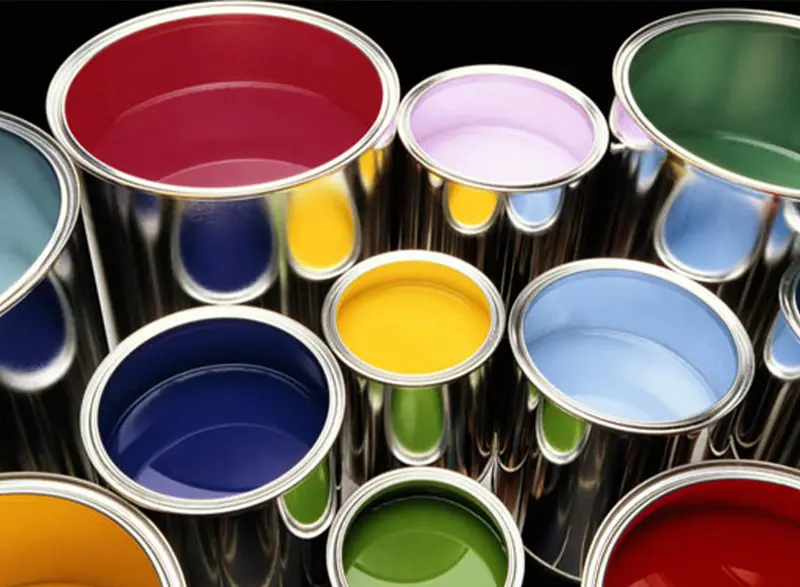
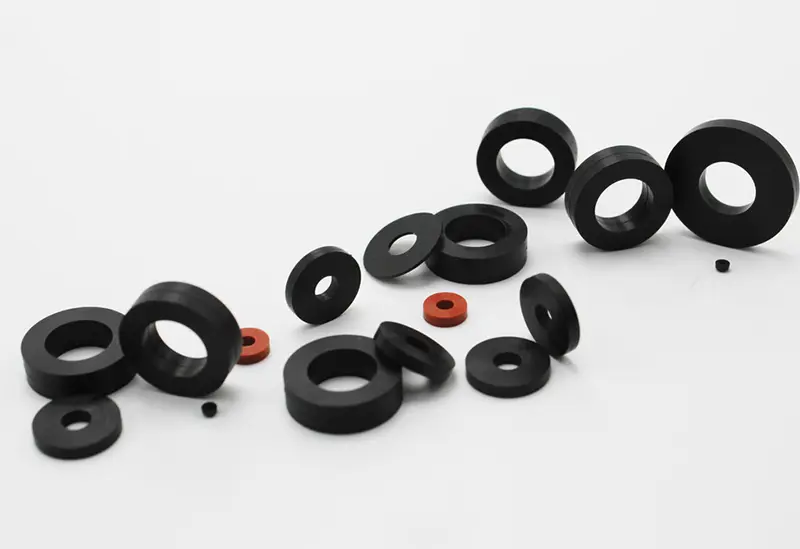
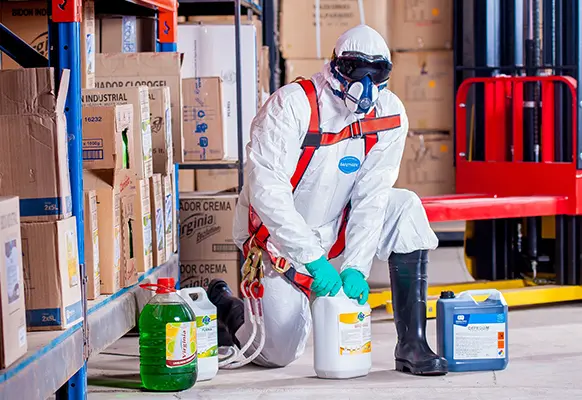
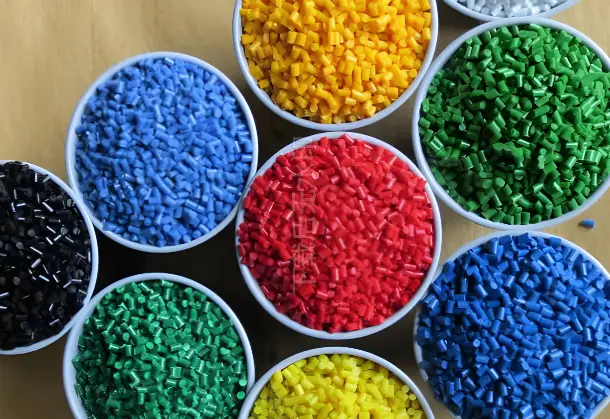
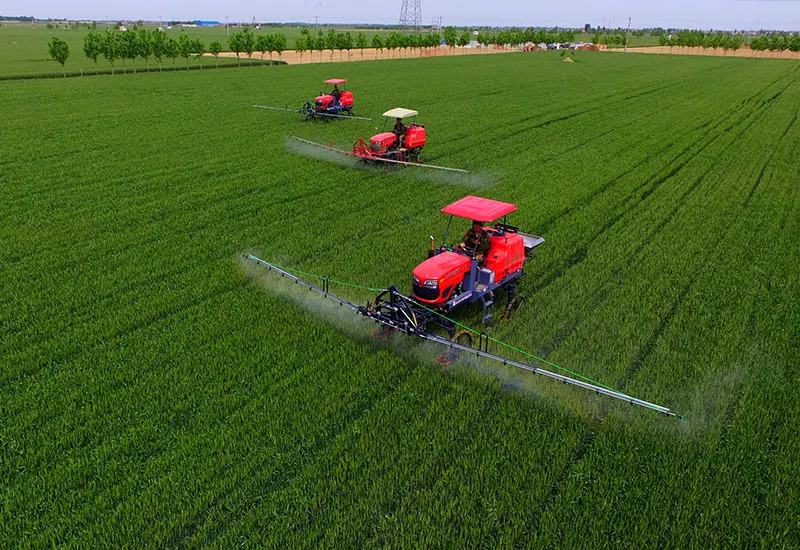
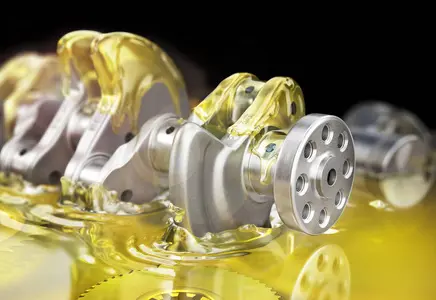
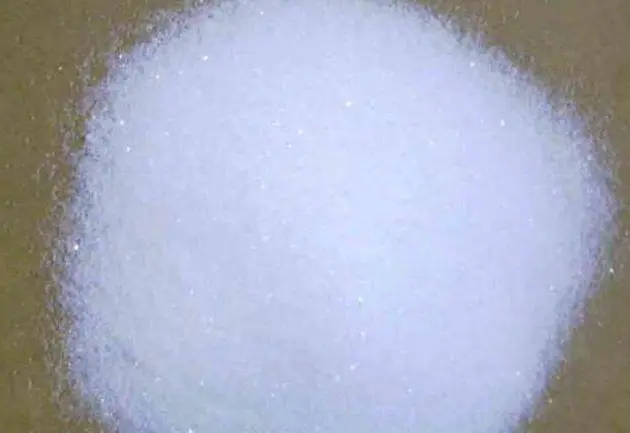
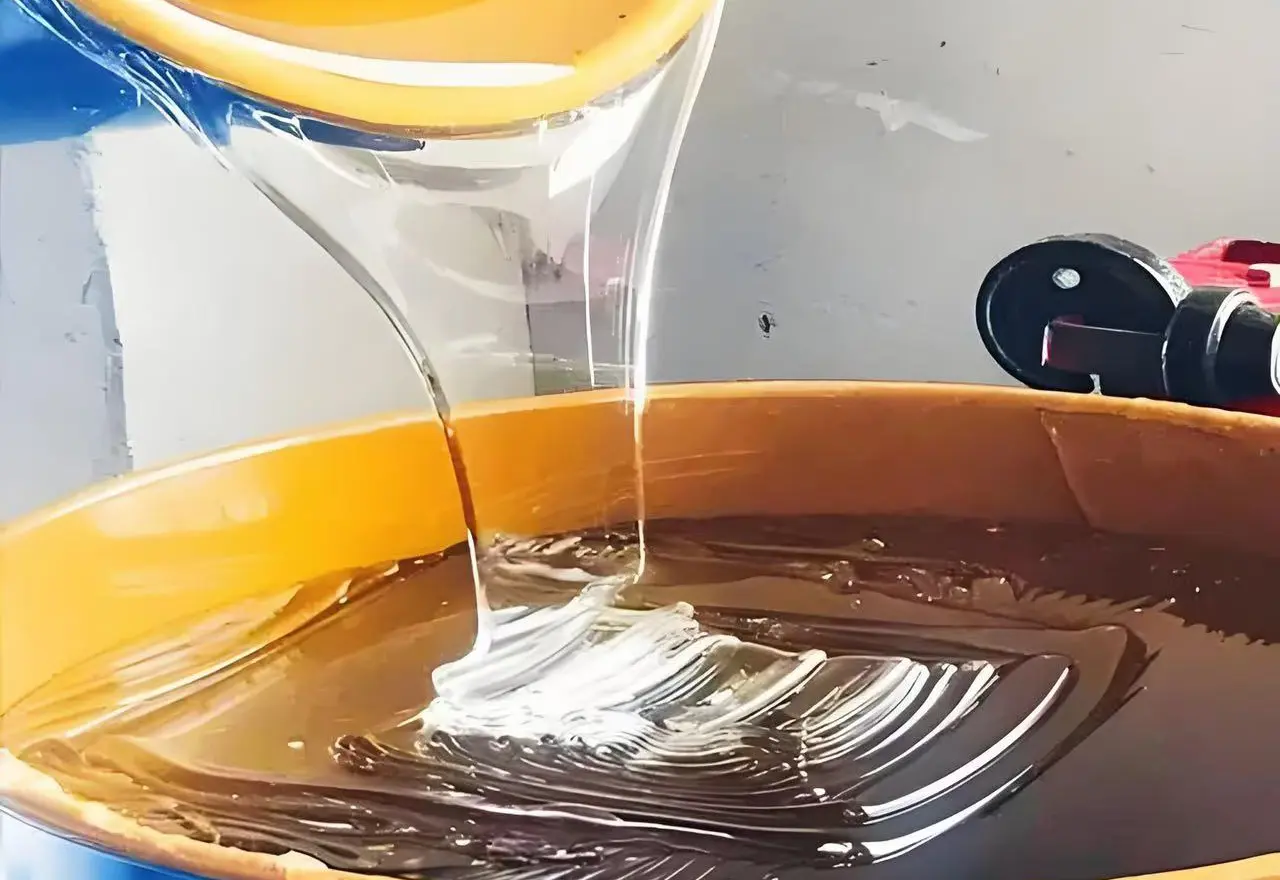
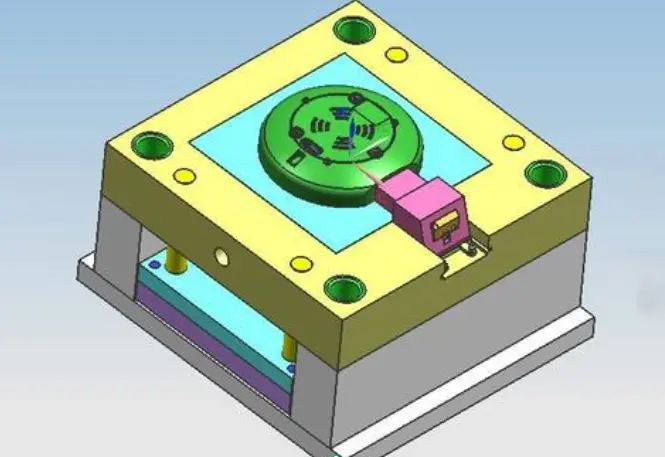
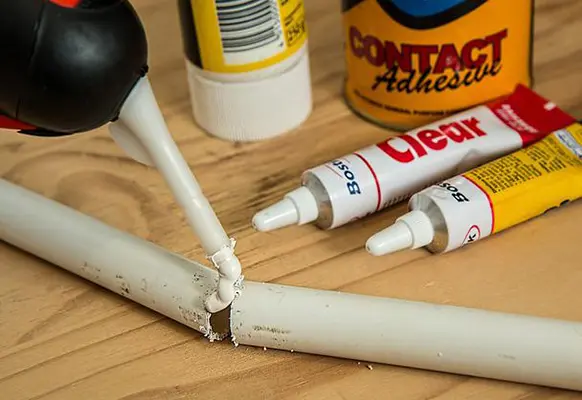
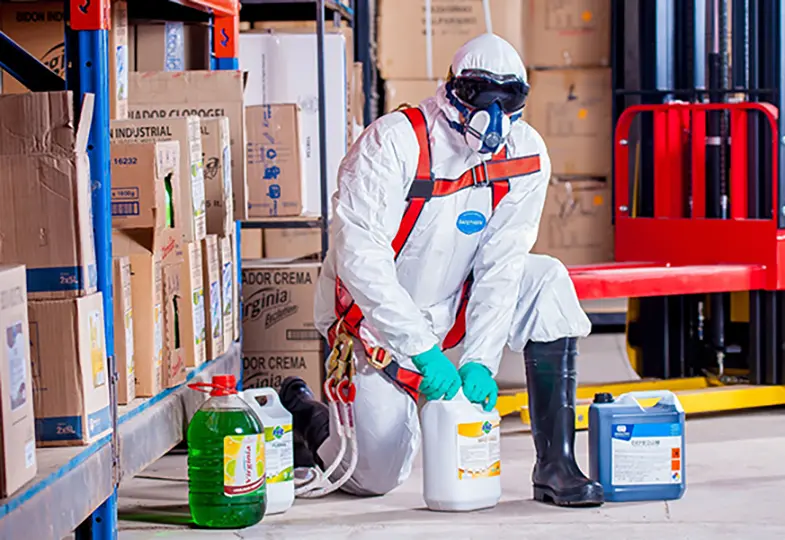
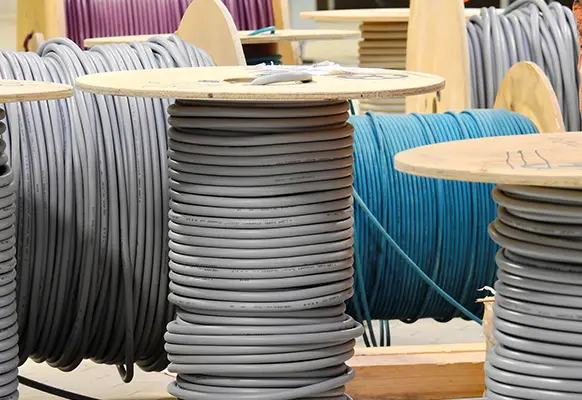
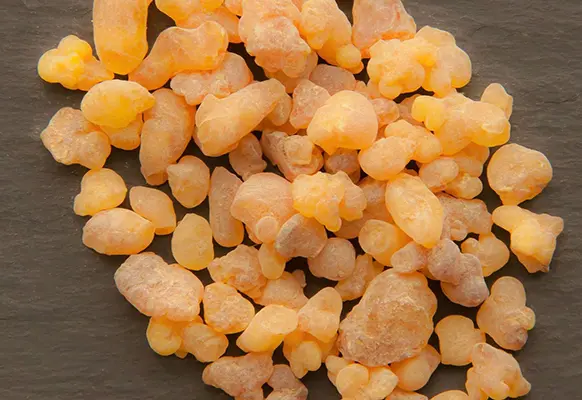
Our diversified product categories are engineered to meet specialized requirements across multiple industrial applications.

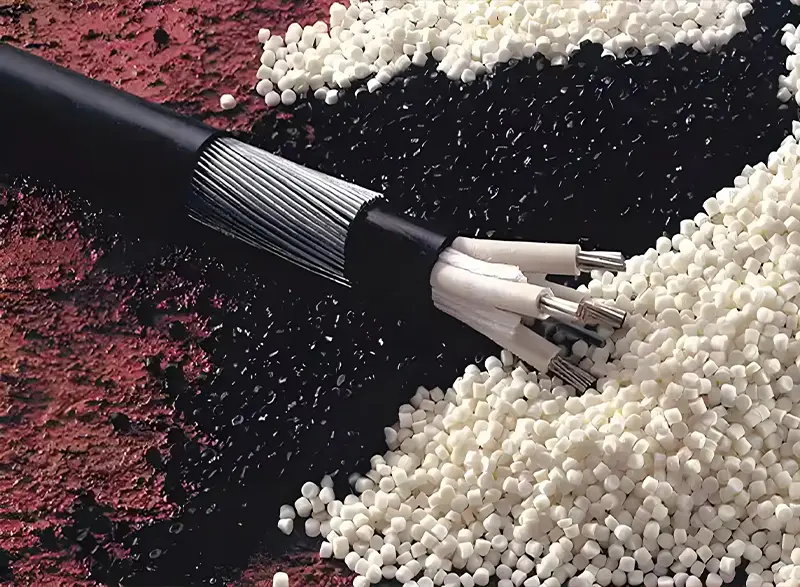
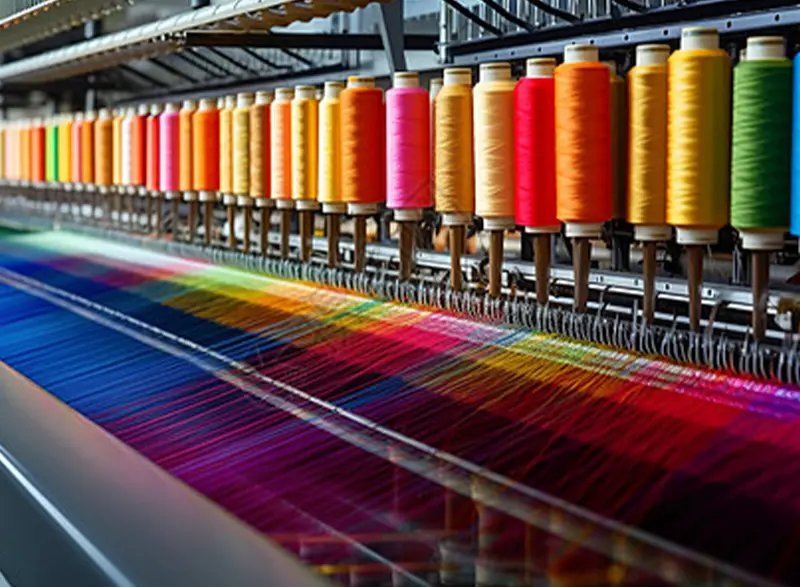
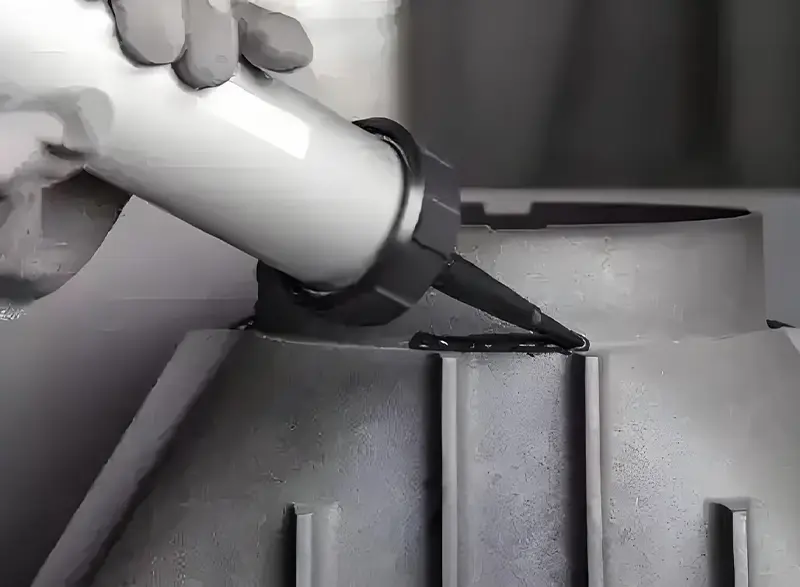

Operating a global chemical supply chain requires addressing complex regulatory, logistical, and environmental challenges. Shandong Boctok Chemical Co. supports global procurement teams through a dedicated compliance and localization framework:
Our organosilicon products comply with key international chemical regulations, including EU REACH registration, US TSCA listings, and Russian GOST standards. We provide fully compliant safety data sheets (SDS) and labeling in target destination languages, facilitating customs clearance and safe onsite handling.
With dedicated teams serving the Russian market, we manage specialized rail and maritime shipping corridors, simplifying export paperwork and offering flexible trade terms (such as FOB, CIF, and DDP) to maintain consistent raw material supplies under changing trade conditions.
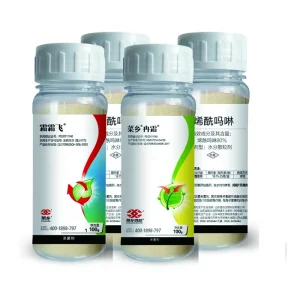
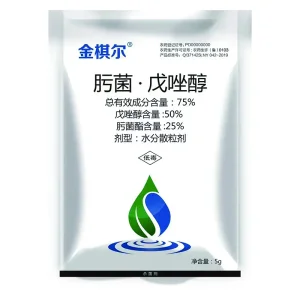
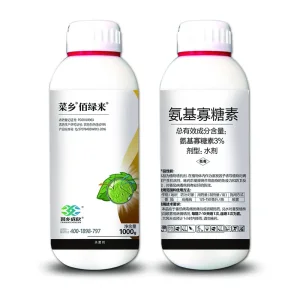
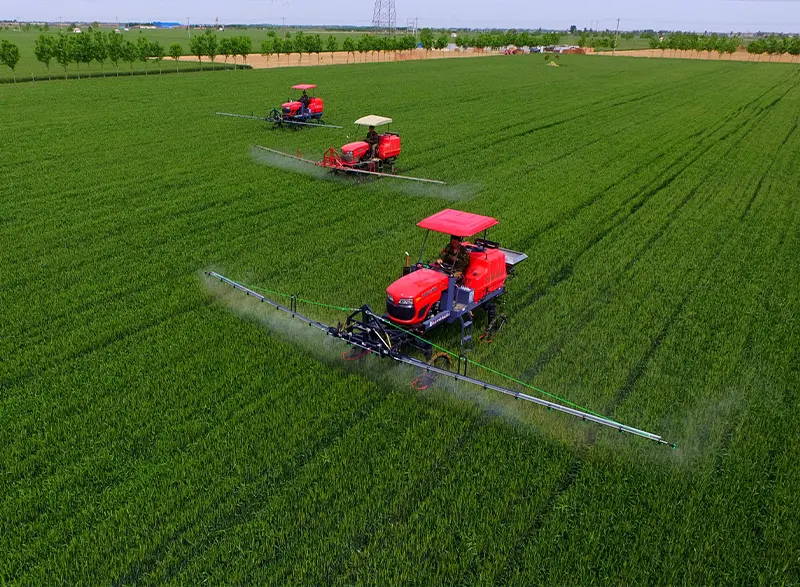
Beyond organosilanes, our Tier II business integrates production facilities in Zibo, Fushun, and Nanjing to supply high-purity hydrocarbon resins (C5, C9, DCPD) and agrochemical intermediates. By leveraging feedstock agreements with SINOPEC and PetroChina, we provide stable pricing and reliable delivery, even during periods of global logistics volatility.
From microelectronics encapsulation to large-scale wind turbine blades, our products are engineered for demanding performance environments.


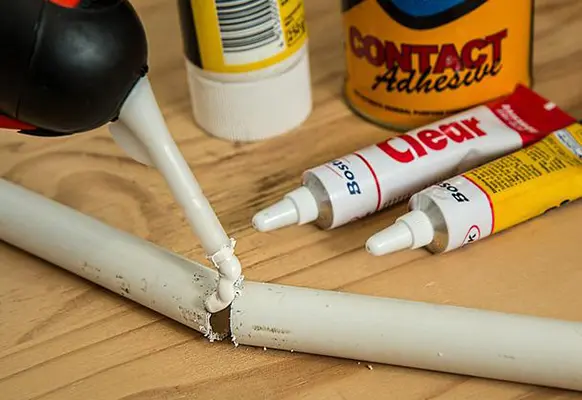





Direct answers from Boctok Chemical’s applications laboratory to common formulation and stability challenges.
Explore our complete range of high-performance silicone resins, isocyanurates, and specialty chemical intermediates.
 Boctok Chemical