Discover high-purity silanes, coupling agents, and functional rubbers tailored for demanding industrial formulations, surface modifications, and material enhancements.
For materials engineers and procurement directors, understanding the molecular dynamics of silane coupling agents is crucial to formulating durable, high-performance composites.
Alkoxysilanes are characterized by the general formula R'-Si(OR)3. The hydrolyzable alkoxy group (typically methoxy or ethoxy) reacts with moisture to form reactive silanol groups. Simultaneously, the organofunctional group (R') remains free to bond chemically with polymeric matrices, creating an unbreakable bridge between organic and inorganic phases.
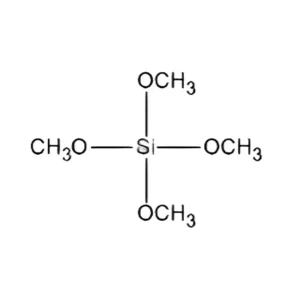
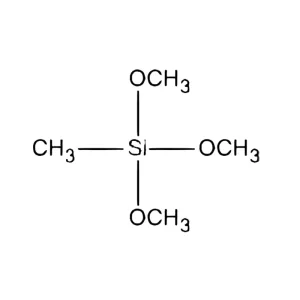
Methoxy silanes, such as Tetramethoxysilane (TMOS) and Methyltrimethoxysilane (MTMS), exhibit extremely fast hydrolysis rates. They release toxic methanol as a byproduct. Ethoxy silanes, such as Methyltriethoxysilane (MTES), react more slowly but are highly preferred in architectural and automotive applications because they release non-toxic ethanol, aligned with modern green initiatives.
The silanol groups ($Si-OH$) form strong covalent hydrogen and siloxane bonds ($Si-O-Si$) with hydroxyl groups on surfaces such as glass fiber, silica fillers, and metal oxides. This surface functionalization increases hydrophobic barrier protection, boosts mechanical strength, and prevents delamination under harsh hydrothermal conditions.
| Chemical Agent Name | CAS Number | Primary Functional Group | Main Substrate Target | Key Industrial Applications |
|---|---|---|---|---|
| Tetramethoxysilane (TMOS) | 681-84-5 | Hydrolyzable Methoxy | Silica Nanoparticles, Sol-Gel | Optical coatings, ultra-high purity silica synthesis, catalysts |
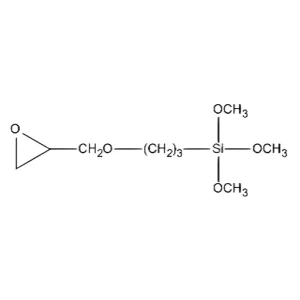
| 3-(2,3-Epoxypropoxy)propyltrimethoxysilane | 2530-83-8 | Epoxy / Glycidoxy | Glass Fiber, Minerals, Metals | Epoxy composites, paints, automotive finishes, electronics packaging |
| Methyltrimethoxysilane (MTMS) | 1185-55-3 | Methyl / Methoxy | Silicate structures, Concrete | Water-repellents, structural architectural coatings, silicone sealants |
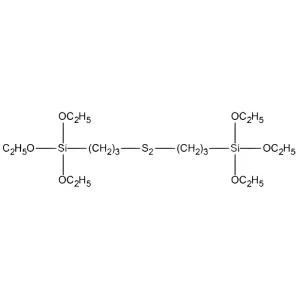
| Bis(3-triethoxysilylpropyl) disulfide | 56706-10-6 | Disulfide / Ethoxy | Silica Fillers, Carbon Black | Green rubber tires, industrial hoses, conveyor belts |
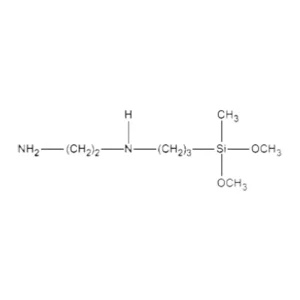
| N-(β-aminoethyl-γ-aminopropyl)methyldimethoxysilane | 3069-29-8 | Diamino / Methoxy | Polymers, Glass fibers | Textile finishing softeners, epoxy/phenolic molding compounds |
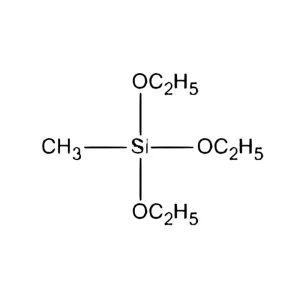
| Methyltriethoxysilane (MTES) | 2031-67-6 | Methyl / Ethoxy | Masonry, Natural Stone | Architectural waterproofing, eco-friendly sol-gel coating formulations |
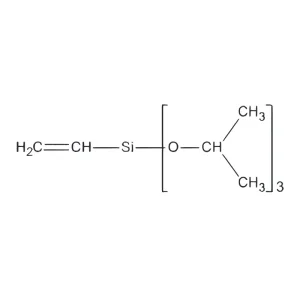
| Vinyltriisopropoxysilane | 18023-33-1 | Vinyl / Isopropoxy | Polyolefins (PE, PP) | XLPE cable insulation, hot-water plumbing pipes, high-heat plastics |
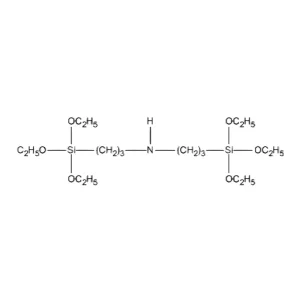
| Bis-[3-(triethoxysilyl)-propyl]amine | 13497-18-2 | Secondary Amine / Ethoxy | Polyurethanes, Glass, Steel | Wind turbine blades, marine anti-corrosion, aerospace adhesives |
Founded in 2012, Shandong Boctok Chemical Co., Ltd. has established itself as an international powerhouse in organosilicone synthesis and industrial resin engineering. Serving as a marketing, sales, and technical consultation center for both domestic and overseas business routes, Boctok achieved a record-breaking sales volume of US$280 million in 2023. Under the registered trademark Boctok™, our company focuses extensively on the Russian, Eastern European, and global manufacturing sectors, delivering custom chemical solutions tailored to extreme operating environments.
We operate three advanced product categories: high-purity organosilicon materials (including twelve comprehensive series of silane coupling agents and crosslinkers), high-performance petroleum resins, and selective agricultural intermediates. By integrating upstream feedstock stability with downstream custom synthesis, we deliver exceptional technical value directly to Fortune 500 companies and regional manufacturing leaders alike.
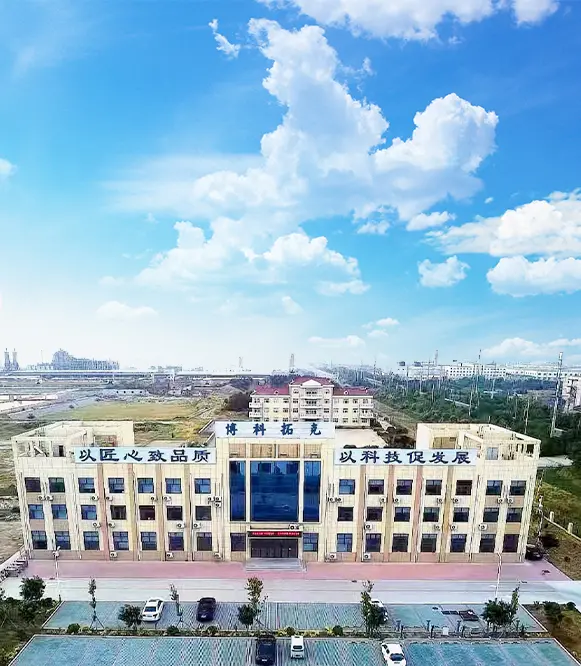
Unlocking production capacity and quality stabilization through state-of-the-art automation and environmental control infrastructure.
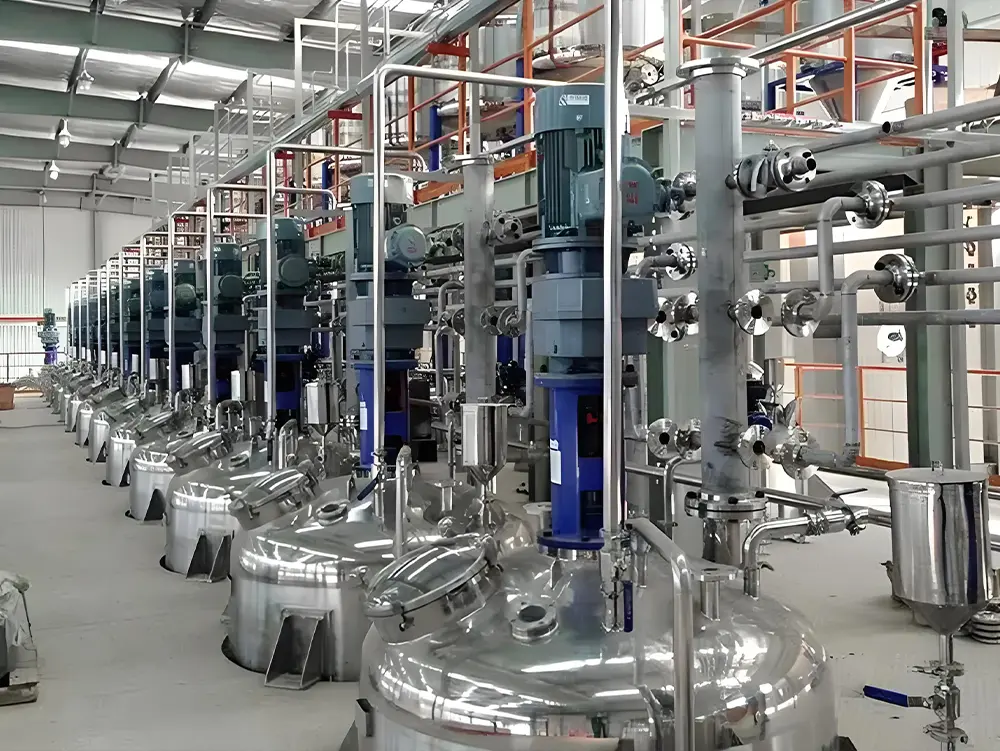
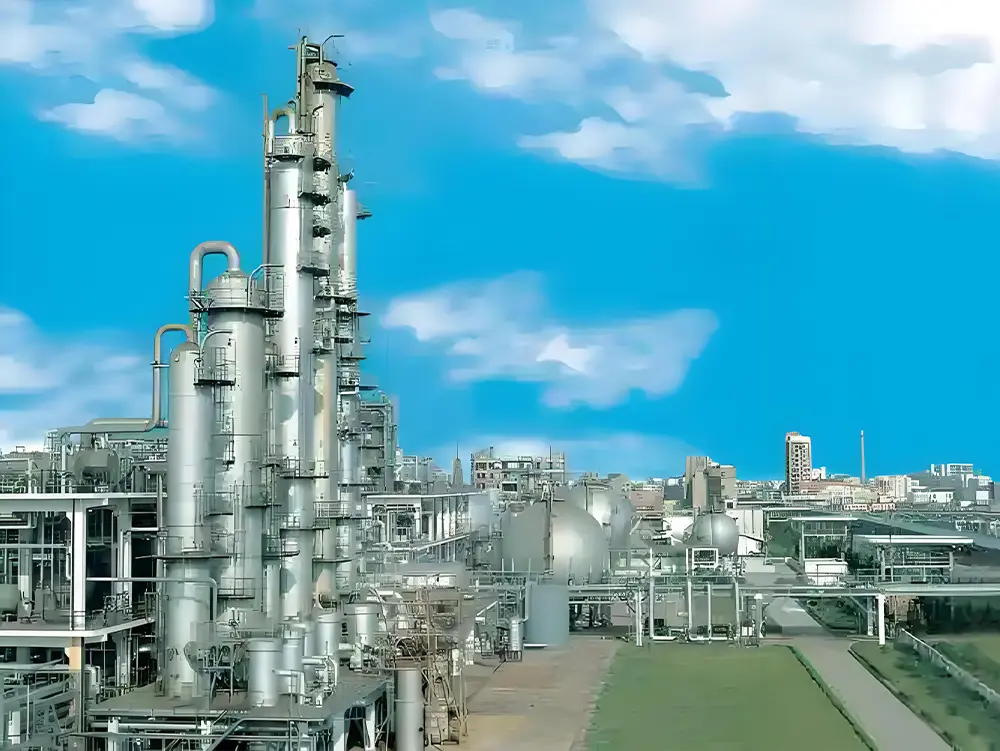
Boctok recently invested US$65 million to construct a flagship production hub in Bohai Industrial Park, a certified provincial-level chemical industrial zone in Shouguang City, Shandong Province. This facility scales up our production of organofunctional silanes, achieving an annual output capacity of over 30,000 tons of high-grade coupling agents.
Our plants employ automated Distributed Control Systems (DCS) alongside Safety Instrumented Systems (SIS) to manage continuous chemical synthesis. This eliminates human error, maximizes batch repeatability, and guarantees that critical purity parameters meet international specifications.
Boctok strictly implements sustainable production. Our site is equipped with high-efficiency waste gas capture thermal oxidizers and localized physical-chemical wastewater treatment systems, satisfying stringent national environmental standards while ensuring seamless, uninterrupted supply chain cycles.
Discover how Boctok’s diverse portfolio of chemical solutions optimizes key parameters across global vertical industries.


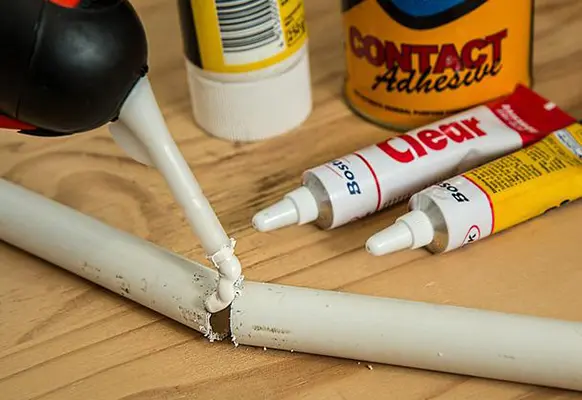
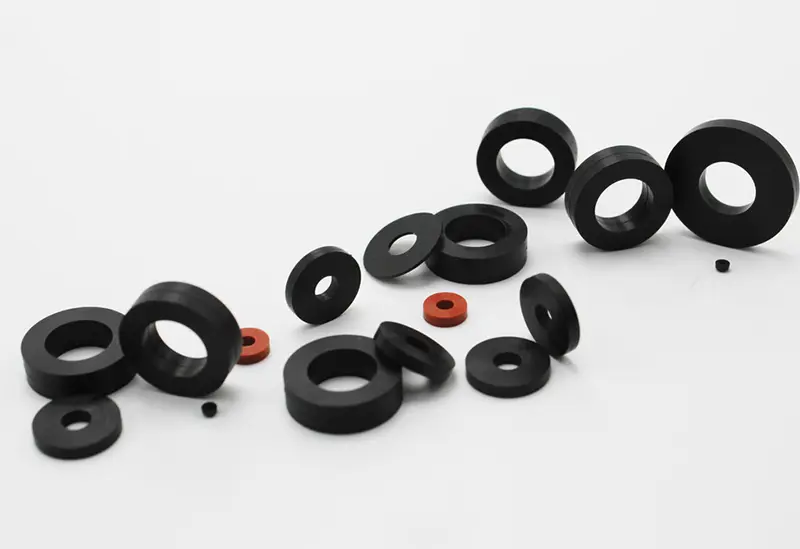
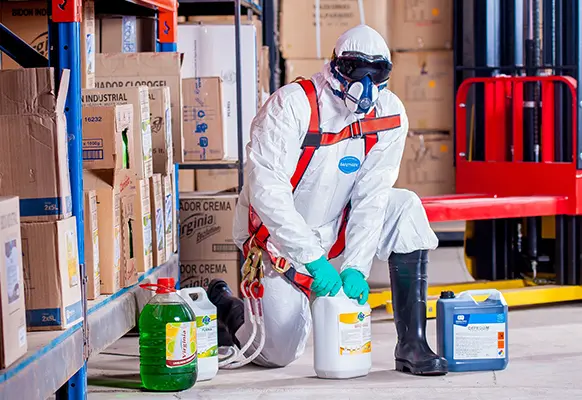

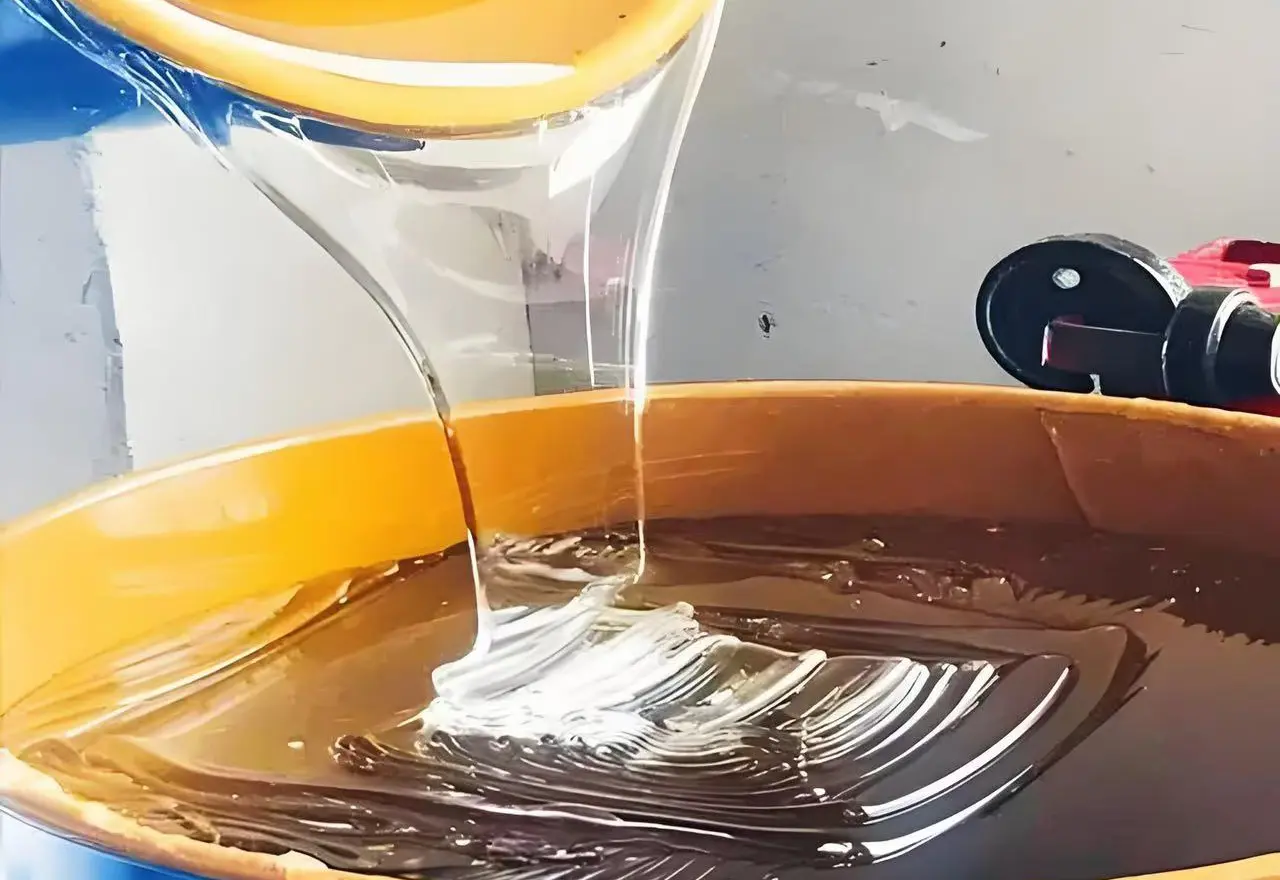



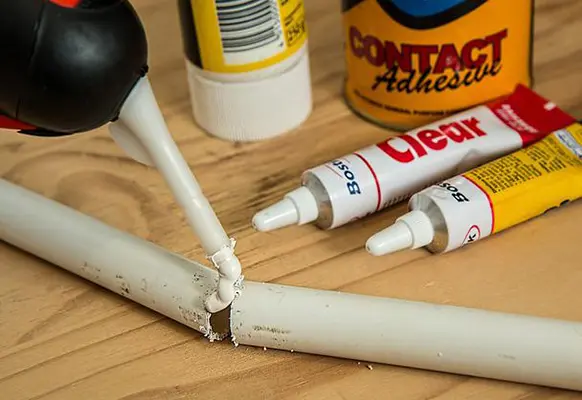
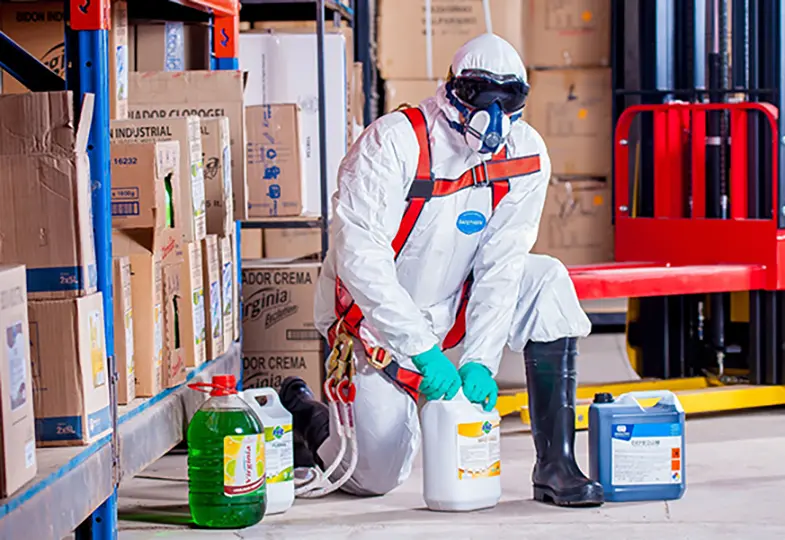

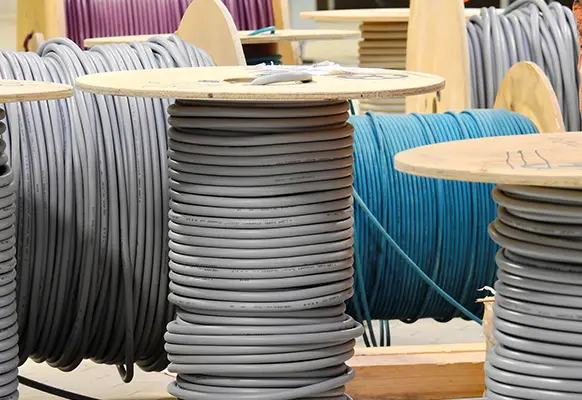



Extending our engineering capabilities to critical raw material supplies for polymer industries and agricultural growth sectors.
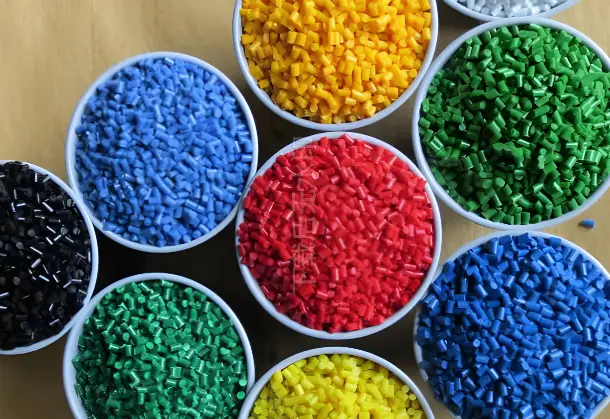
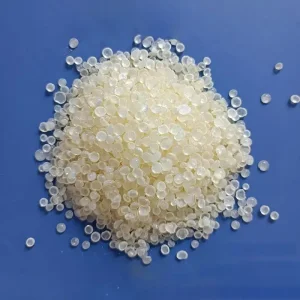
Boctok operates three dedicated petroleum resin production plants located in strategic industrial clusters in Zibo, Fushun, and Nanjing. Leveraging raw materials from SINOPEC and PetroChina, our factories produce high-grade hydrocarbon resins, including:
These materials are trusted by many Fortune 500 companies in North America, Western Europe, and East Asia, delivering excellent adhesion, water resistance, and mechanical durability.
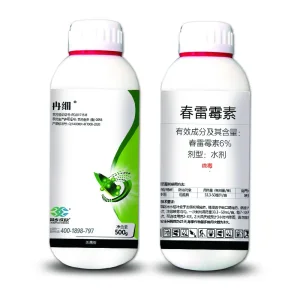
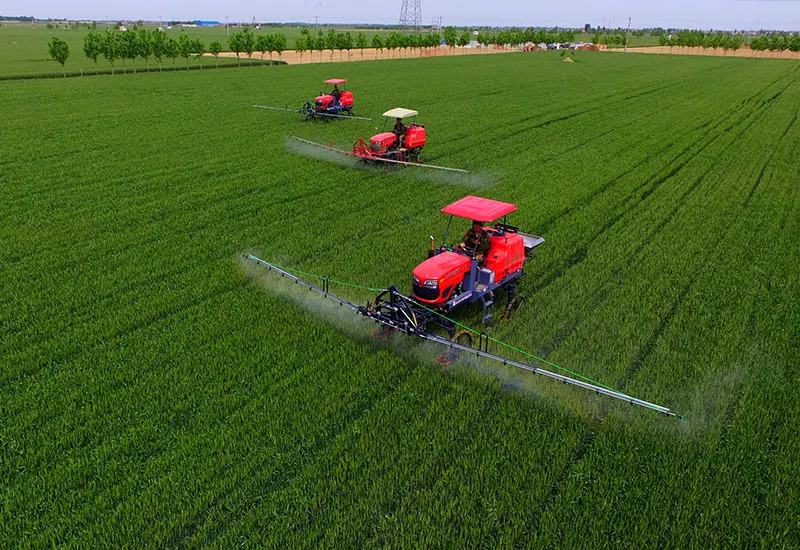
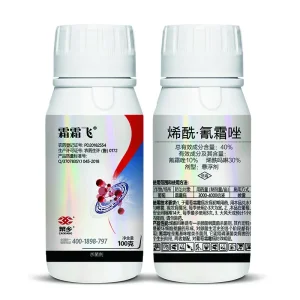
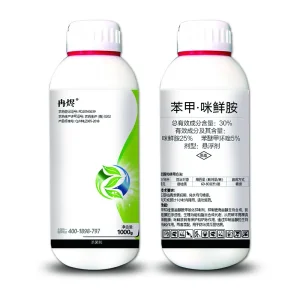
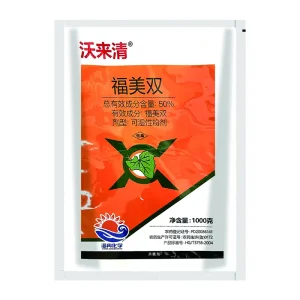
In addition to our organosilicon and hydrocarbon resin businesses, Boctok is a key supplier to the agrochemical industry. We synthesize critical intermediates, crop protections, and active ingredients, including:
Our Shouguang production complex features modern environmental controls to safely produce these highly active compounds, supporting stable global supply chains.
Why leading global manufacturers choose Boctok™ as their primary development and supply chain partner.

Implementing ISO 9001 standards throughout the manufacturing process, supported by safe-operation remote DCS and Safety Instrumented Systems (SIS).

With an annual output of 30,000 tons of silane coupling agents, we offer stable supply assurances and volume scalability for international markets.

24/7 technical customer support for custom formulation development, process optimization, and chemical compatibility questions.

Safe delivery solutions utilizing sea freight, ISO tanks, and rail transportation network, ensuring prompt delivery globally.
Key information on regulatory compliance, localized support, and the future transition to green chemistry.
We assist our international clients with full compliance documentation. This includes EU REACH registration, US TSCA compliance, GHS-compliant safety data sheets (SDS) in multiple languages, and strict adherence to international maritime dangerous goods regulations (IMDG) for volatile alkoxy compounds.
Alkoxysilanes are highly moisture-sensitive. To prevent premature hydrolysis, we use dry nitrogen blanketing and specialized packaging configurations: 25L drums, 200L steel drums, 1000L IBC composite containers, and dedicated stainless steel ISO tank containers for large-volume shipping.
The industry is shifting toward low-VOC, eco-friendly coupling agents. Our R&D focus includes waterborne silane systems that eliminate alcohol release during hydrolysis, as well as oligomeric silanes that significantly reduce VOC emissions during application and cure cycles.
Answers to technical and chemical inquiries regarding alkoxysilane processing, stability, and compatibility.
Alkoxysilanes undergo rapid hydrolysis when exposed to atmospheric moisture, converting the alkoxy groups ($OR$) into reactive silanol groups ($Si-OH$). These silanol groups then condense to form siloxane oligomers and polymers ($Si-O-Si$), which can cause gelation, turbidity, and loss of coupling efficiency. Therefore, storage under a dry nitrogen blanket is essential.
The hydrolysis rate of alkoxysilanes is highly pH-dependent. The reaction is catalyzed by both acids and bases. Typically, a pH range of 4.0 to 5.5 (adjusted with organic acids like acetic acid) is optimal for preparing stable, aqueous silanol solutions without triggering rapid self-condensation.
TMOS (Tetramethoxysilane) hydrolyzes much faster than TEOS (Tetraethoxysilane) because methoxy groups are stericly smaller and more reactive than ethoxy groups. However, TMOS releases methanol, which is toxic and volatile. As a result, TEOS or MTES (CAS 2031-67-6) is preferred for consumer-facing and architectural applications.
This sulfur-functional silane acts as a bridge in silica-reinforced tires. The ethoxy groups hydrolyze and bond to the surface of the silica filler, while the disulfide group chemically links with the unsaturated rubber polymer during vulcanization. This reduces rolling resistance, increases wet grip, and improves wear resistance.
Yes, alkoxysilanes can form a highly crosslinked, hydrophobic protective barrier on metal substrates (such as steel, aluminum, and zinc). By forming covalent metal-siloxane bonds ($Me-O-Si$), they block the diffusion of water, oxygen, and corrosive ions, acting as an eco-friendly alternative to traditional chromate conversion coatings.
A specialized portfolio of secondary silane compounds, phenyl rubbers, copolymerized hydrocarbon resins, and agricultural formulations.
 Boctok Chemical