Explore our core global offerings spanning advanced organosilicone, specialized functional silanes, and key crosslinkers designed to withstand severe weather, optimize processing parameters, and enhance matrix bonding across industrial substrates.
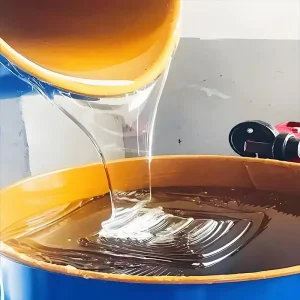
Under prolonged exposure to harsh environmental conditions, conventional elastomers degrade. Solar radiation, ozone concentrations, significant temperature fluctuations, and humidity induce chain scission, micro-cracking, and loss of tensile strength. Weather Resistant Liquid Silicone Rubber (LSR) relies on a saturated backbone of alternating silicon and oxygen atoms (Si-O-Si). The bond energy of the siloxane bond (~460 kJ/mol) exceeds the typical carbon-carbon bond energy (~348 kJ/mol) found in organic rubbers. This molecular advantage provides resistance against UV radiation, thermal oxidation, and atmospheric moisture.
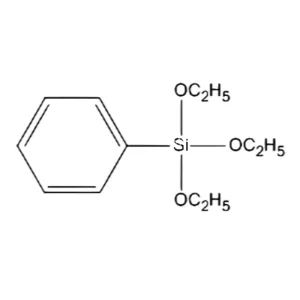
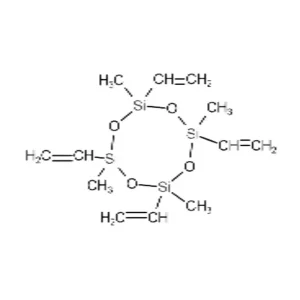
Shandong Boctok Chemical Co. optimizes these properties through addition-cure platinum catalytic systems combined with custom crosslinkers and UV-stabilizing components. Unlike condensation-cure systems, platinum-cured LSR yields no corrosive byproducts, ensuring mechanical integrity and dimensional stability over long-term operations. The application of functional silanes—such as phenyl-based silanes and vinyl-terminated siloxane chains—enhances low-temperature flexibility (down to -60°C) and limits thermal degradation up to +250°C. This makes Boctok's silicone formulations suitable for extreme outdoor applications.
The siloxane polymer network remains chemically inert under solar ultraviolet radiation. It resists ozone-induced cracking, which is common in EPDM and other organic polymers, ensuring seal integrity.
Operates reliably within a temperature range of -60°C to +250°C. Suitable for outdoor environments experiencing cold winters and high-temperature solar exposure.
Maintains high surface resistivity and water repellency, preventing structural water absorption. Ideal for protecting outdoor electronics and high-voltage transmission equipment.
Founded in 2012, Shandong Boctok Chemical Co. operates as a manufacturer and sales center for domestic and international silicone markets, achieving sales of US$280 million in 2023. The BOCTOK brand provides localized technical services, with a specific focus on the Russian and global industrial markets.
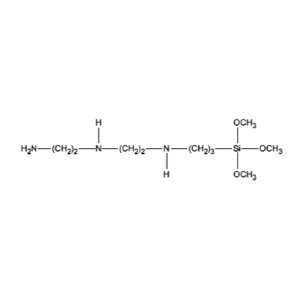
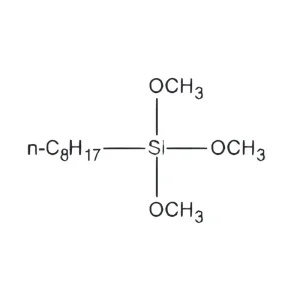
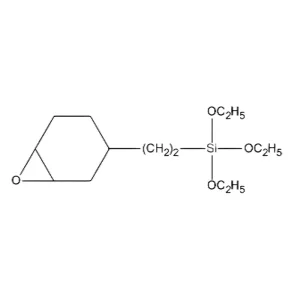
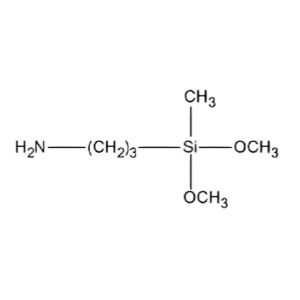
Our organosilicone portfolio includes twelve series of silane coupling agents and crosslinkers, including aminosilane, methacrylate silane, epoxy silane, vinyl silane, mercaptosilane, alkyl silane, ethyl silicate, chlorosilane, silane isocyanates, phenyl silane, ureidosilane, and serosilane. We also supply silicone oil, silicone resin, and silicone rubber—such as high-hydrogen silicone oil, dimethicone, vinyl silicone oil, polyphenylmethyldimethylsiloxane, phenyl silicone oil, silanol silicone oil, OH polymer, alkoxy silicone oil, methyl MQ resin, vinyl VMQ resin, room-temperature vulcanized methyl silicone rubber, 110 methyl vinyl silicone rubber, and 120 methyl phenyl rubber.
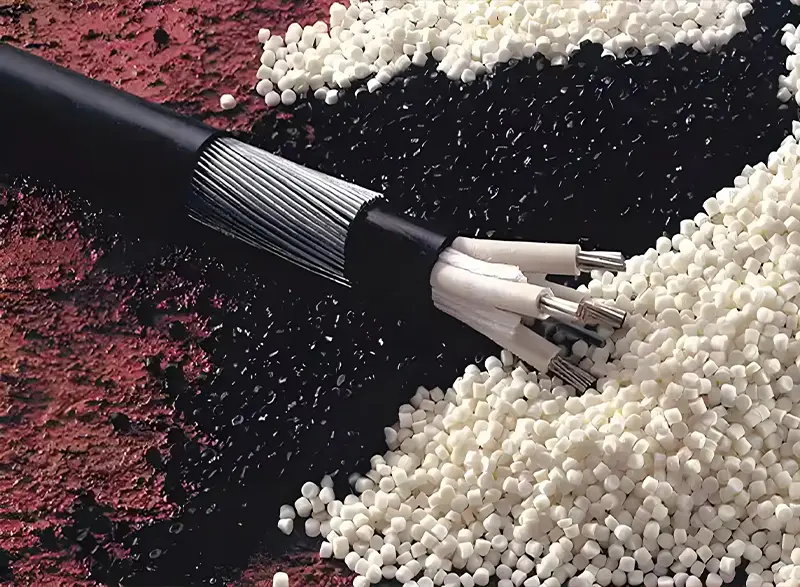
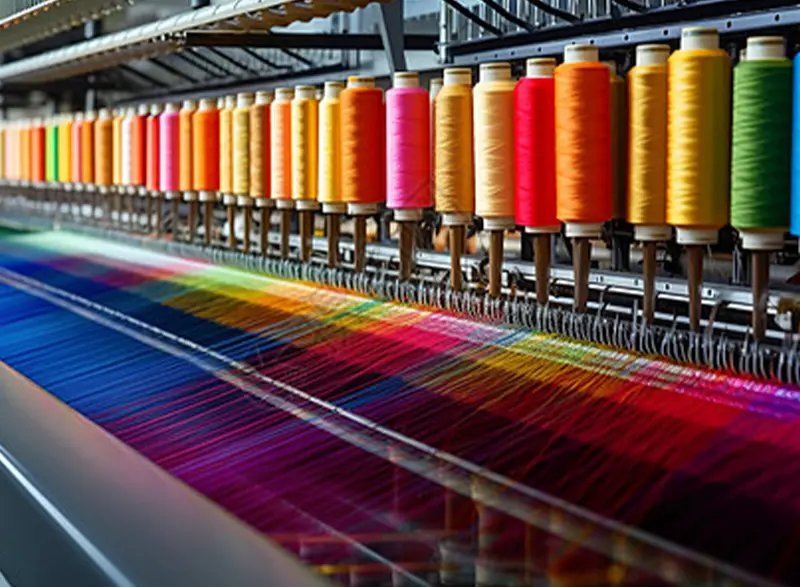
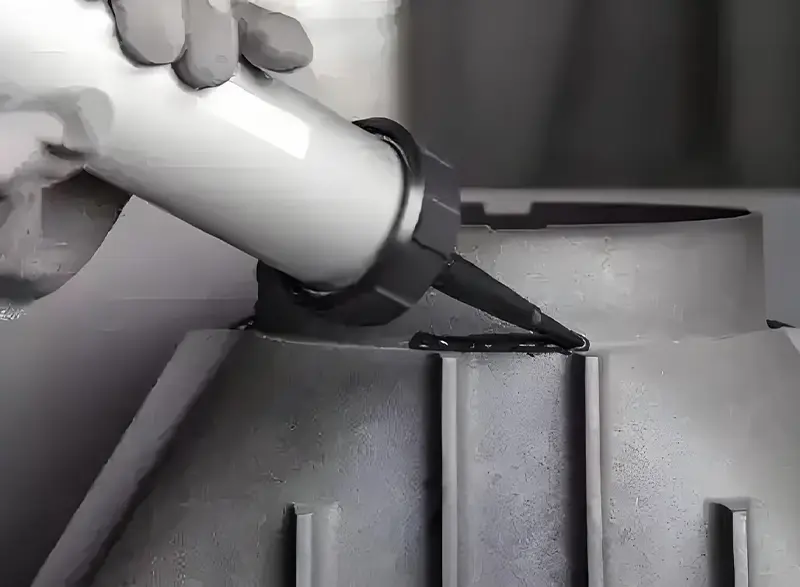
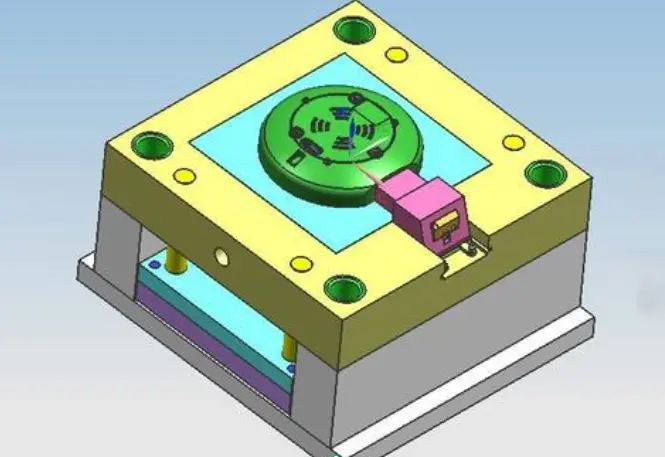
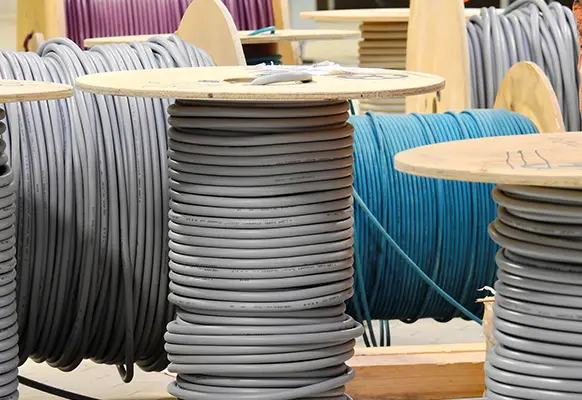
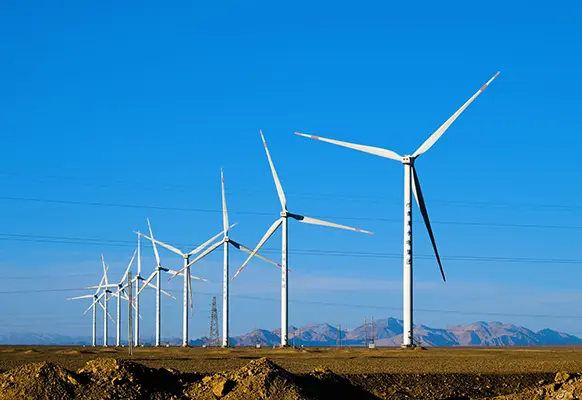
These materials are used in fiberglass production, electronics, wind energy generation, coatings, sealants, XLPE electrical cables, hot water pipes, oil field drilling, textiles, and molding applications to improve product lifespan and weather resistance.
View Technical Documentation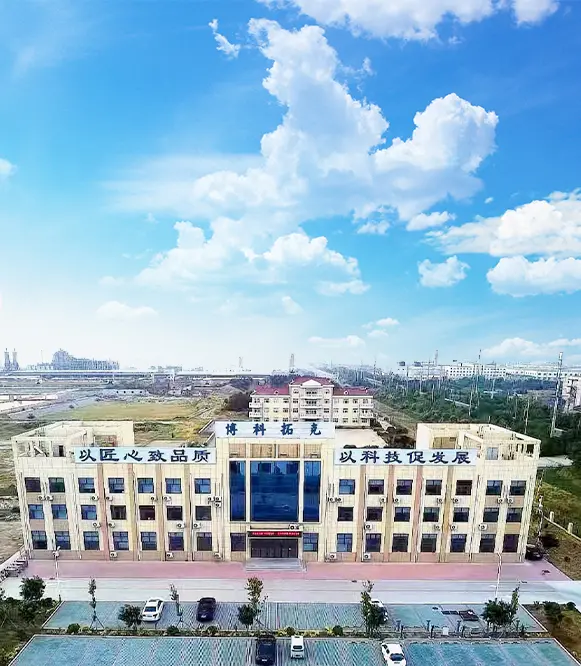
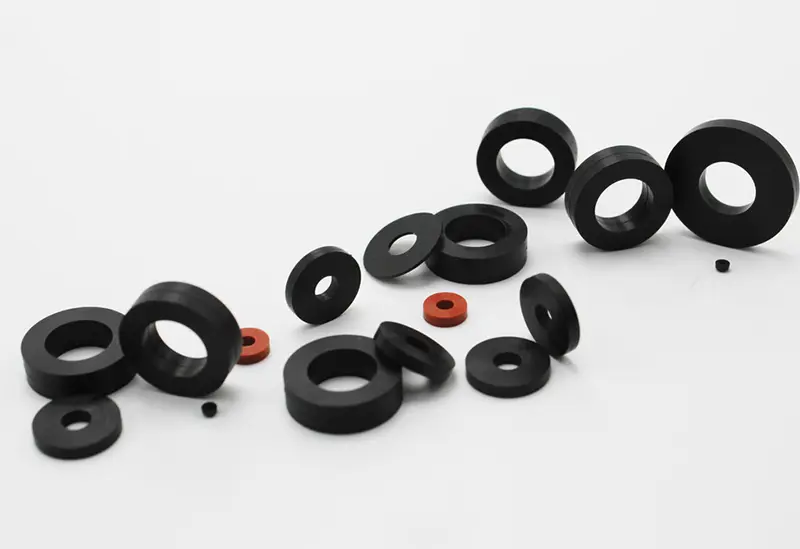
The international demand for high-durability elastomers is driven by the expansion of solar power arrays, high-speed rail systems, and smart grid infrastructures. Traditional rubbers, which require frequent maintenance, are being replaced by high-performance silicones. Liquid Silicone Rubber (LSR) has become a preferred material for seals, gaskets, connector housings, and optical elements in demanding environments.
In high-voltage electrical distribution, weather-resistant LSR is used to manufacture insulators, cable terminations, and surge arresters. The material's hydrophobic properties prevent leakage currents and flashovers under rainy or high-salinity coastal conditions. In automotive engineering, the transition to Electric Vehicles (EVs) has increased requirements for under-hood component lifetimes. Boctok's specialized silane coupling agents and vinyl silicone bases assist compounders in achieving long-term mechanical stability.
Enables the production of composite insulators that withstand UV radiation and industrial pollution without tracking or erosion.
Provides critical seals for battery management systems and electrical connectors, maintaining flexibility under temperature cycles.
Used for potting and sealing photovoltaic junction boxes, protecting electrical contacts from moisture ingress and UV degradation.
Boctok's weather-resistant silicones are formulated to meet the requirements of specific regional climates and industrial conditions:
Formulated for northern industrial regions. Our phenyl-modified silicones retain elastomeric properties down to -60°C, preventing seal embrittlement and leakage in winter conditions.
Designed for solar and wind installations in high-UV index environments. Formulated with free-radical scavengers to prevent surface hardening and cracking under continuous solar exposure.
Formulated for offshore wind farms and marine electronics. Our hydrophobic LSR surfaces prevent salt crust formation, resisting chloride-induced degradation of internal electronics.
The development of weather-resistant LSR is focused on functional integration, material efficiency, and environmental sustainability. Boctok's R&D department is currently working on:
Incorporates specialized silicone fluids that slowly migrate to the cured surface, maintaining low surface friction to ease assembly and reduce wear in dynamic seals.
Developed for LED lenses and solar concentrators. This formulation balances weather resistance with high optical clarity, resisting yellowing under concentrated solar UV.
Adhesion-promoting silanes built directly into the LSR formulation to eliminate the primer step during overmolding onto metals and high-performance plastics.
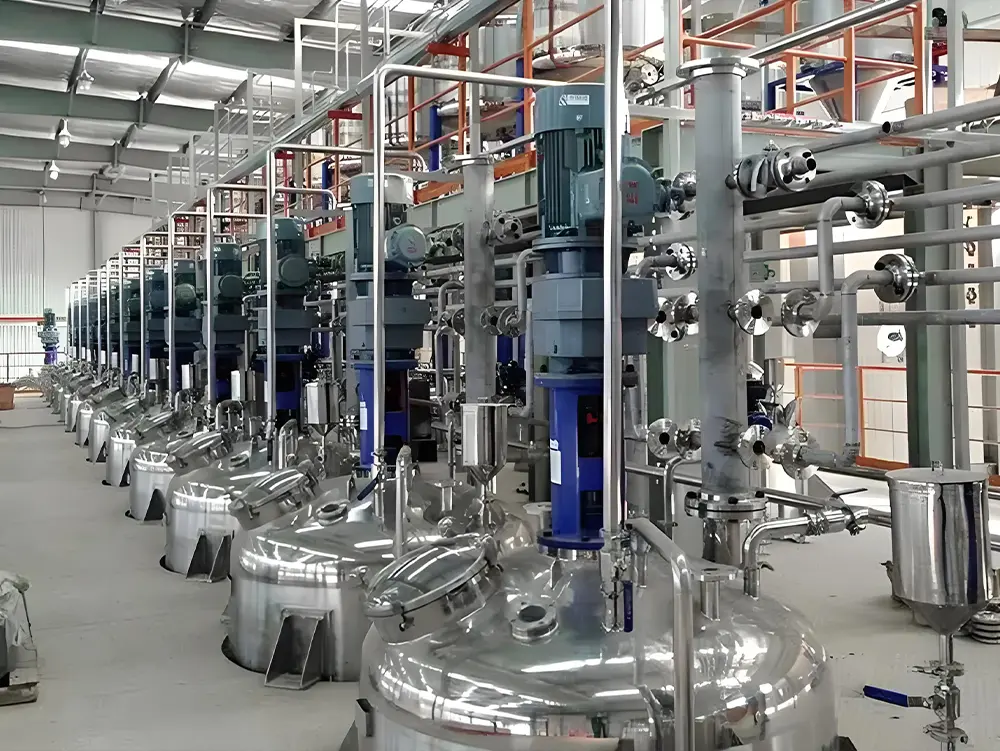
Boctok has invested US$65 million in a new manufacturing plant located in the Bohai Industrial Park, Shouguang City, Shandong Province. This facility expands our production chain of silane coupling agents. The site features six automatic Distributed Control System (DCS) production lines, delivering an annual output of 30,000 tons of silane coupling agents.
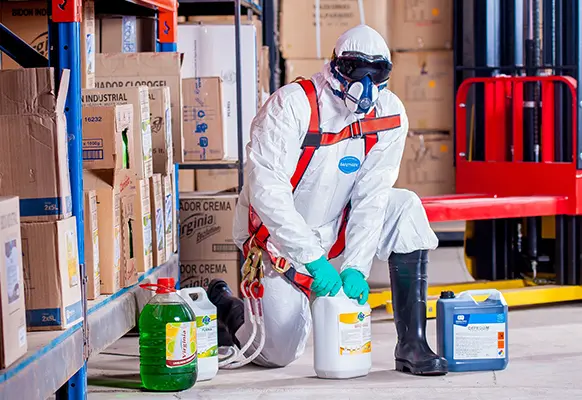
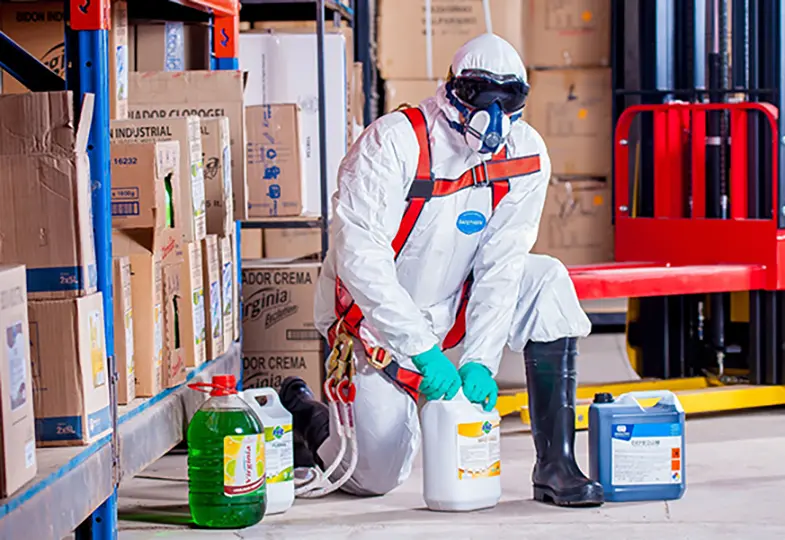
The Shouguang facility is equipped with automated remote DCS controls, Safety Instrument Systems (SIS), and other safety equipment. We implement ISO9001 quality management system standards throughout the production process to ensure batch-to-batch consistency. To mitigate environmental impact, the site integrates waste gas collection and thermal oxidizers along with chemical wastewater treatment systems, aligning with national environmental mandates.
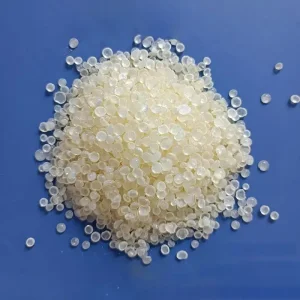
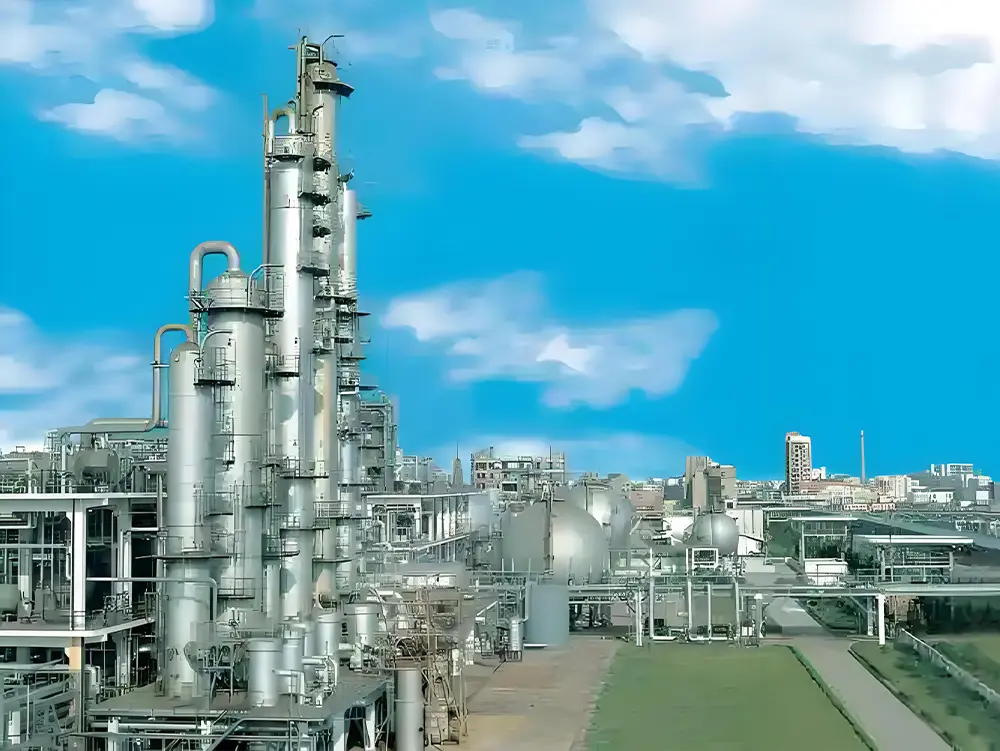
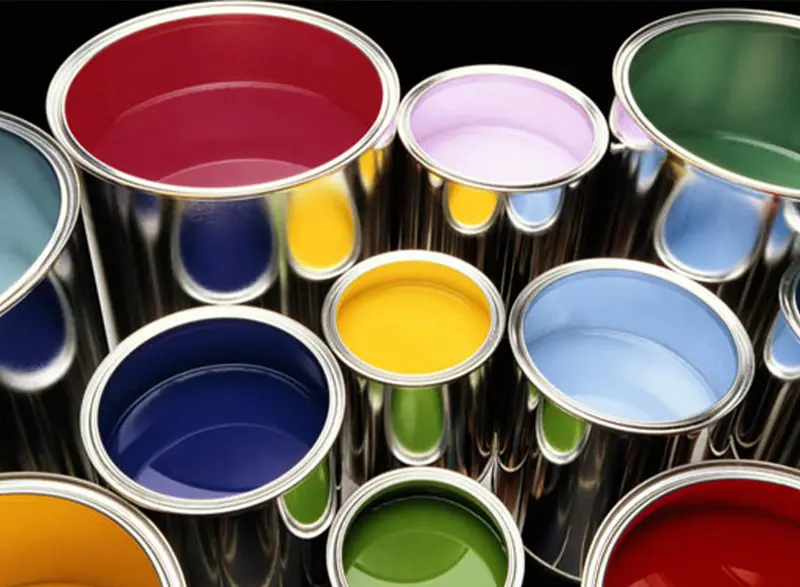
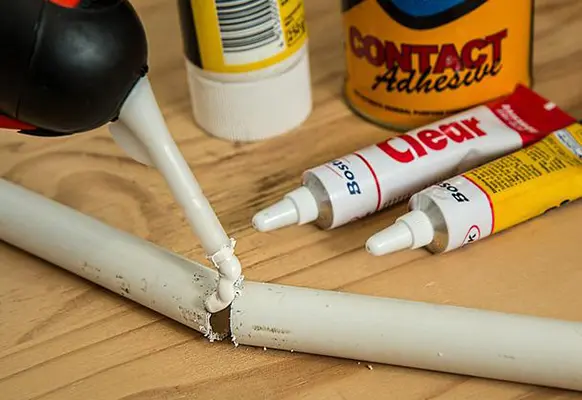
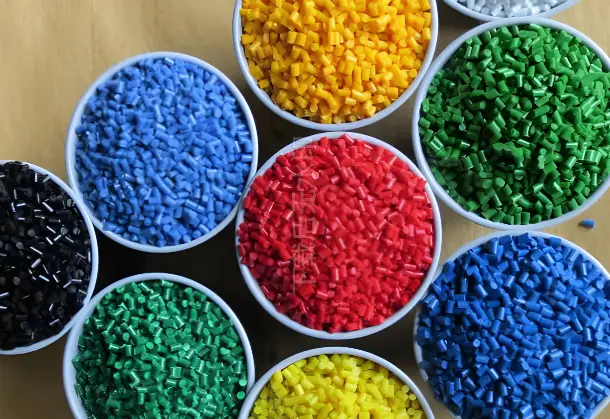
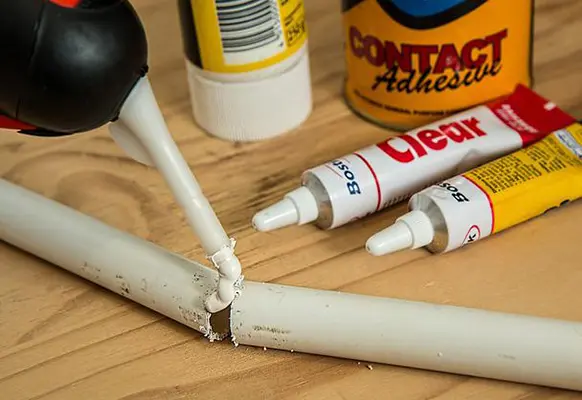
Boctok's secondary core business focuses on hydrocarbon and petroleum resins. We operate three specialized facilities in Zibo, Fushun, and Nanjing. Utilizing raw materials from SINOPEC and PetroChina, these plants produce C9 hydrogenated resins, C5 hydrocarbon resins, C5 modified C9 resins, dicyclopentadiene (DCPD), and methyl cyclopentadiene dimers. These resins serve as key tackifiers in adhesive formulations, paint systems, and industrial coatings.
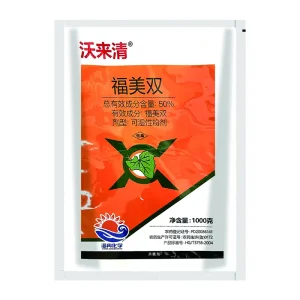
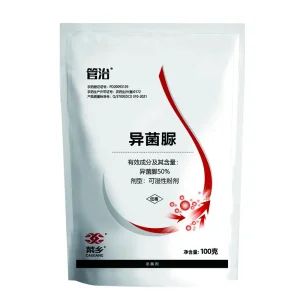
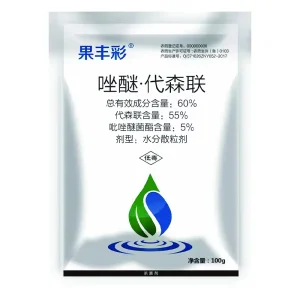
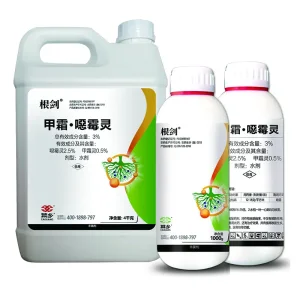
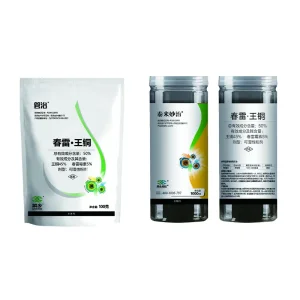
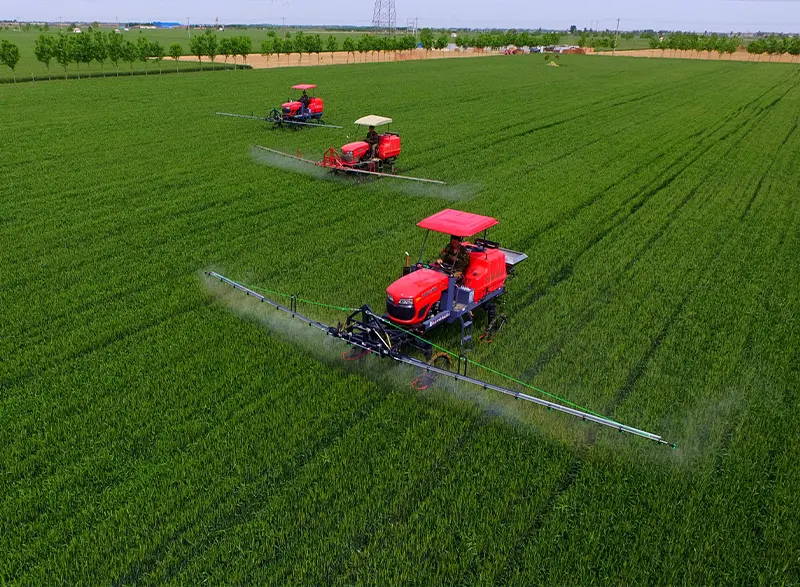
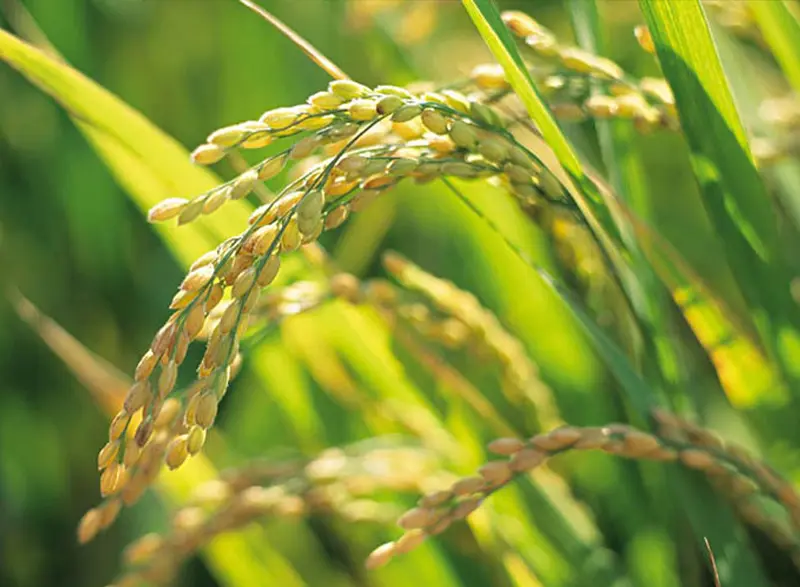
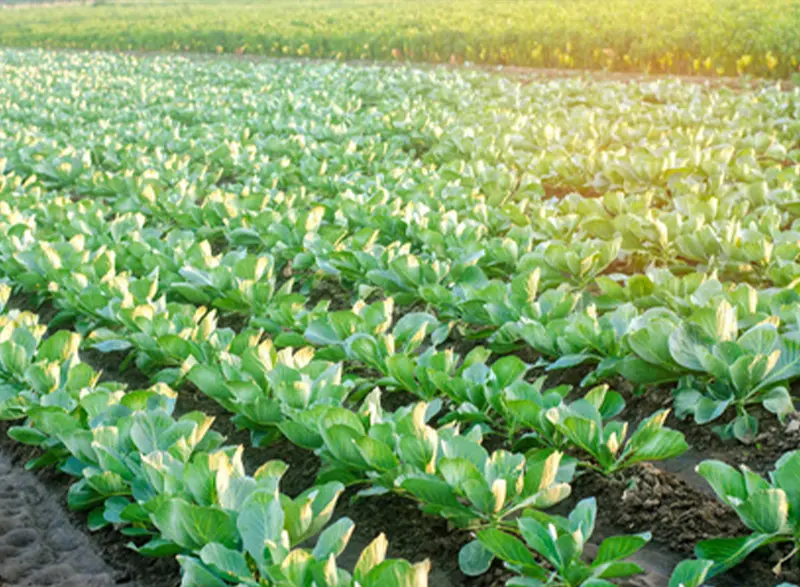
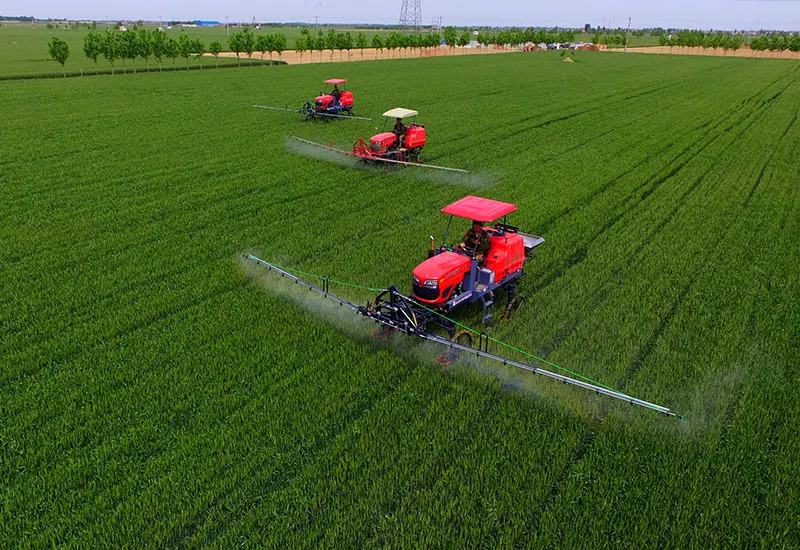
We also supply intermediates and raw materials to the agrochemical industry, producing compounds for pesticides, fungicides, insecticides, seed treatments, herbicides, and plant growth regulators.
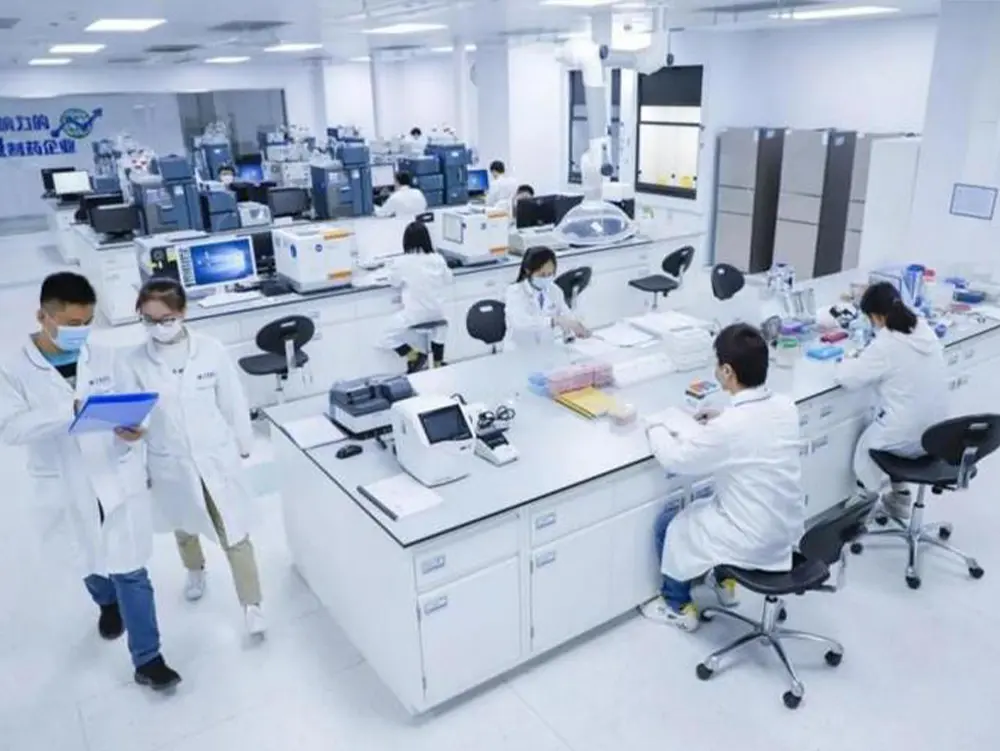
Doing business globally requires strict adherence to localized regulatory frameworks. Boctok maintains compliance with international standards to ensure our silicone and resin products meet technical and environmental criteria at the point of import:
Our products comply with European REACH regulations, RoHS directives, and relevant international chemical handling frameworks.
Our export infrastructure supports shipping to North America, Europe, Japan, South Korea, Australia, South America, the Middle East, India, Southeast Asia, and Russia.
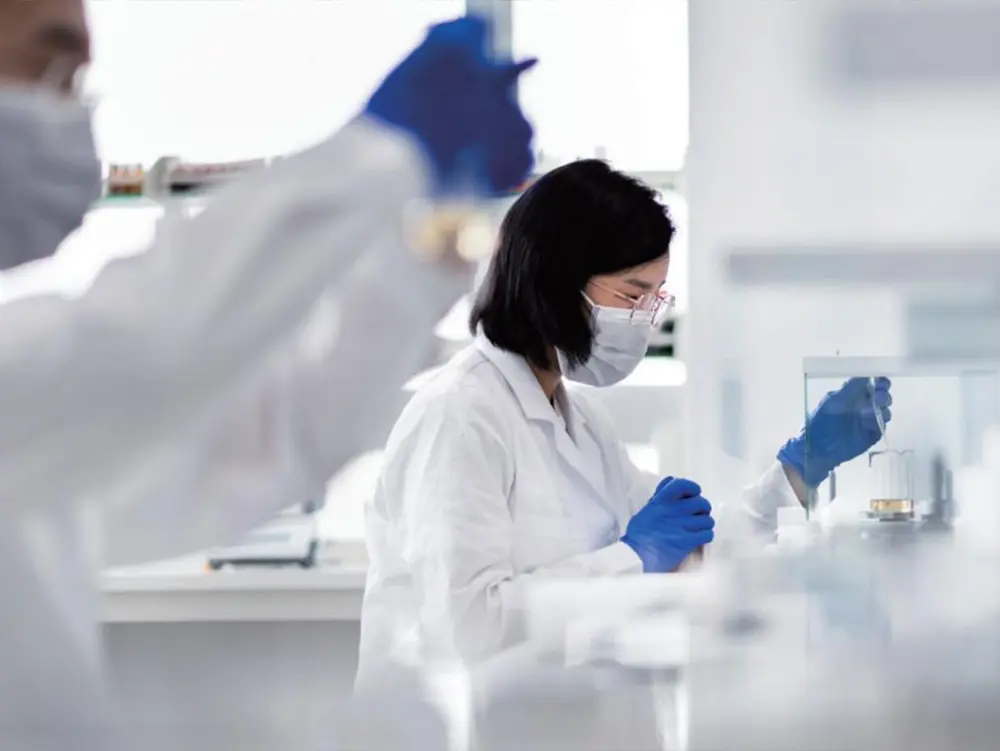
We provide chemical engineers with direct product support, assistance with formulation adjustments, and validation testing for specialized applications.
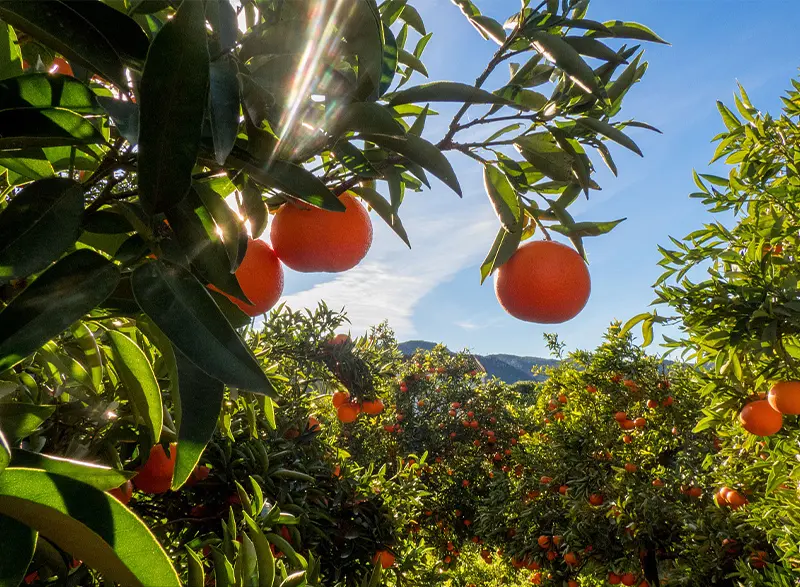
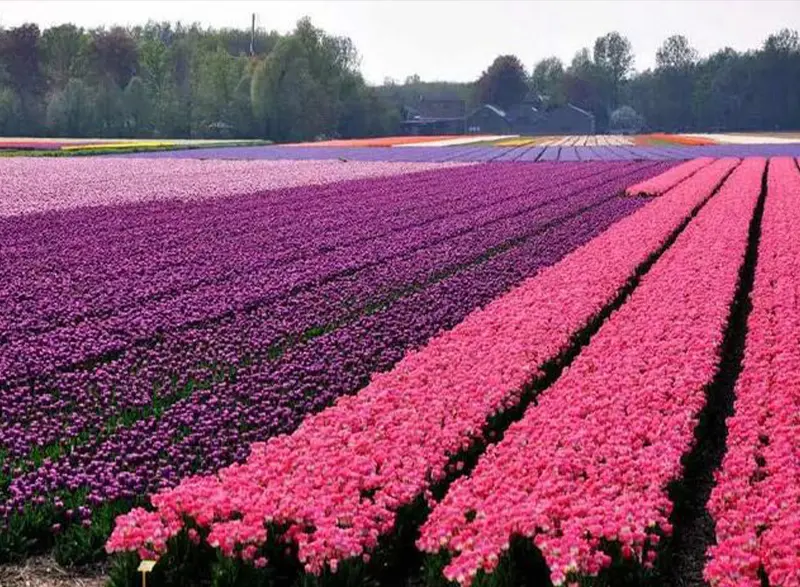
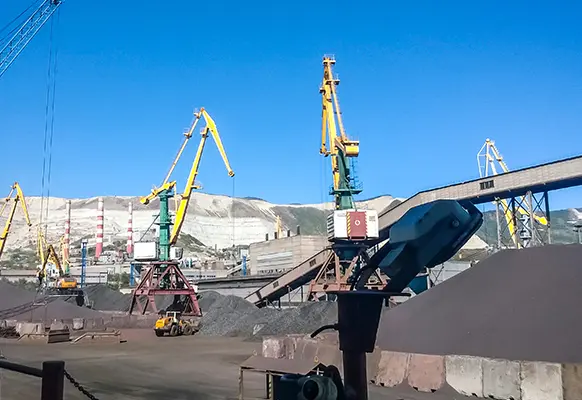
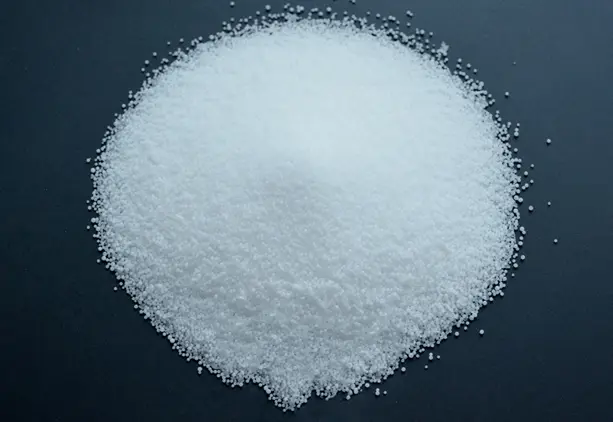
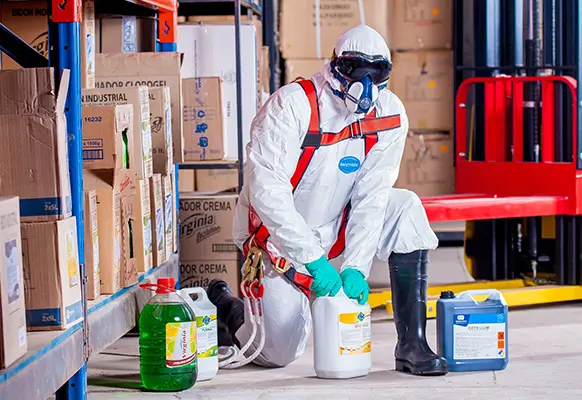
Boctok's organosilicone materials, hydrocarbon resins, and agricultural intermediates are used across several key industries:







Review our engineering answers addressing common questions regarding long-term outdoor stability, processing parameters, and chemical compounding.
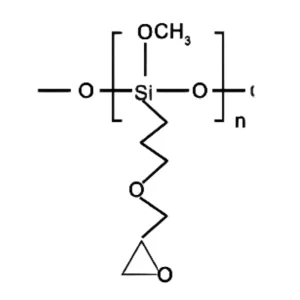
Our extended product catalog features silane monomers, epoxy-functionalized oligomers, and crosslinkers essential for formulating weather-resistant polymers and adhesive systems.
 Boctok Chemical