Premium grade antioxidants, coupling agents, and specialty silicones manufactured to rigorous quality standards.
Vinyltriethoxysilane (VTES), represented by the chemical formula CH2=CHSi(OC2H5)3, is a critical organosilicon compound widely recognized for its dual-reactivity characteristics. Functioning as a high-performance crosslinking agent and adhesion promoter, VTES possesses a highly reactive vinyl group paired with three hydrolyzable ethoxy groups. This unique configuration enables the bridging of inorganic materials (such as glass fibers, silica, and mineral fillers) and organic polymers (including thermoplastics, elastomers, and thermosetting resins).
Globally, the commercial significance of Vinyltriethoxysilane has intensified due to the rising demand for moisture-cured crosslinked polyethylene (XLPE) in medium-to-high voltage power cables and underfloor piping systems. Because the hydrolysis of VTES yields ethanol as a byproduct rather than methanol (which is released by its methoxy-based analogue, VTMS), it is highly preferred in regions with strict environmental regulations like REACH in the EU. This shift positions VTES as a crucial component for developing low-VOC and ecologically conscious polymer composites.
A global leader in silicones, hydrocarbon resins, and agricultural intermediates.

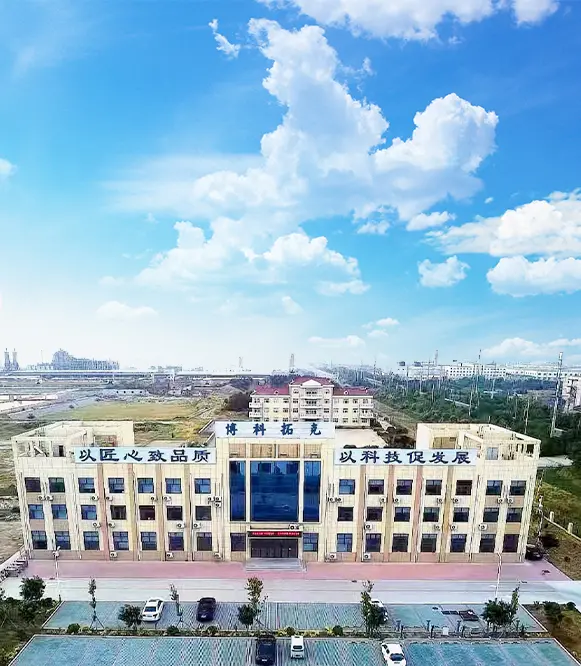
Founded in 2012, Shandong Boctok Chemical Co. has developed into an integrated powerhouse for domestic and overseas marketing of premium chemical materials, reaching an annual sales revenue of US$280 million in 2023. Under our specialized BOCTOK brand, we have established long-term strategic supply relationships across crucial global regions, with a strong emphasis on the Eastern European and Central Asian markets.
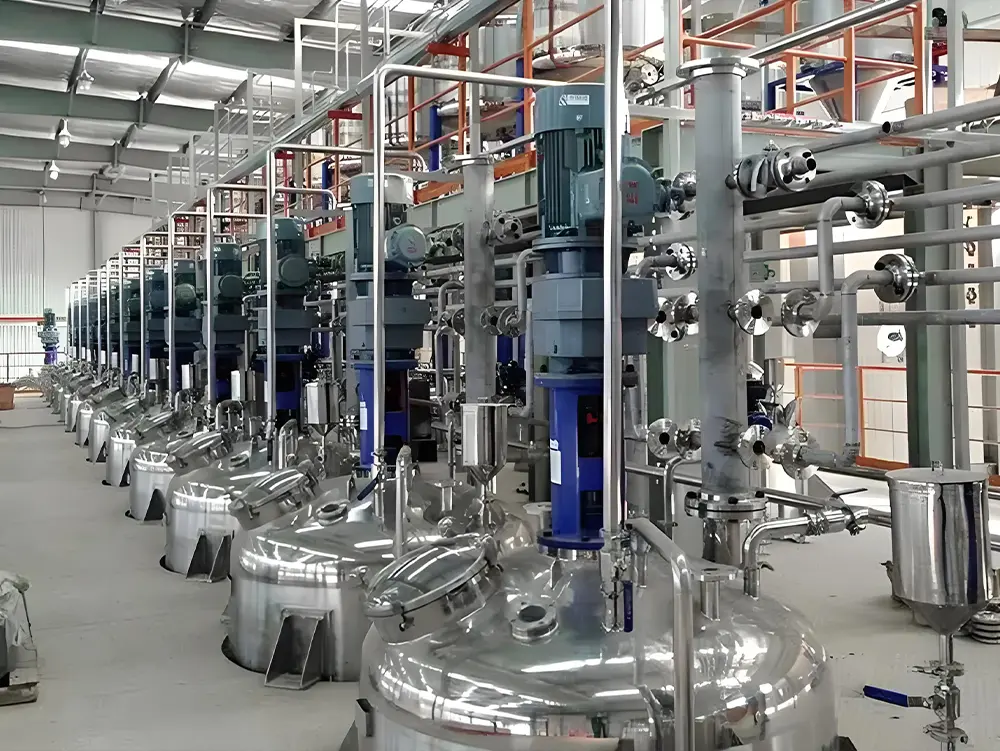
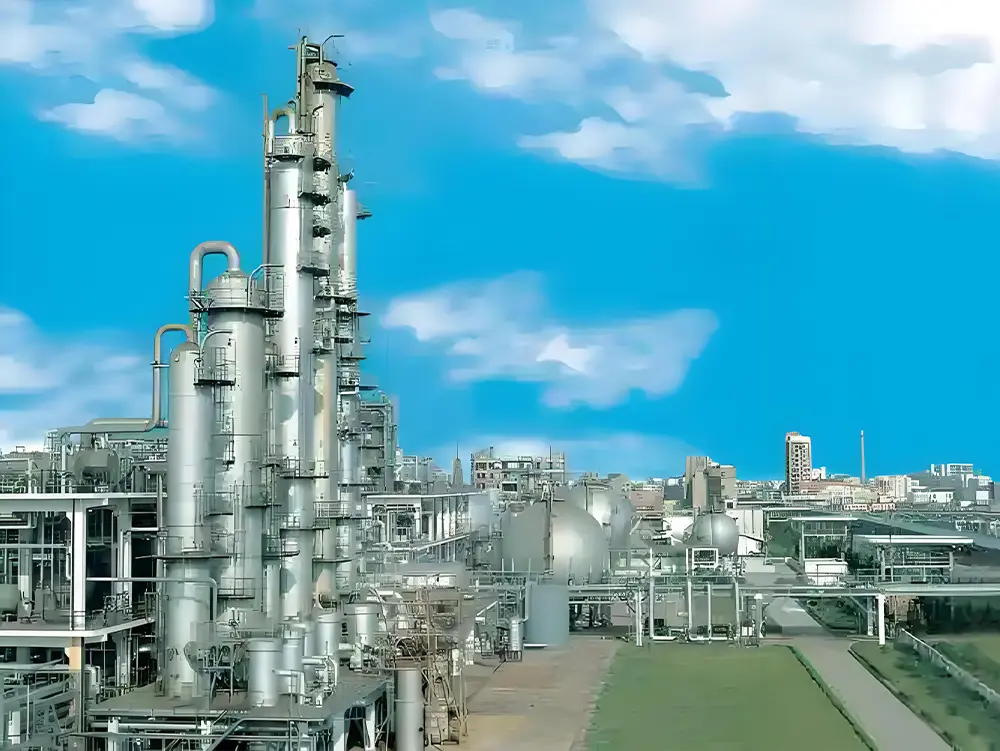
Our core industrial capabilities are rooted in high-purity organosilicones. We operate a state-of-the-art facility located in the Bohai Industrial Park, Shouguang City, Shandong Province. Backed by an investment of US$65 million, this modern plant runs 6 fully automated DCS production lines with an annual output capacity of 30,000 tons of silane coupling agents and crosslinkers.
To ensure consistent quality, our manufacturing practices adhere to the ISO9001 quality management standards, backed by computerized DCS remote control systems and integrated safety instrumented systems (SIS). We operate comprehensive waste gas containment structures and advanced wastewater treatment systems to meet stringent environmental standards.
Strategic structural elements that secure Boctok's competitive edge in the global chemical value chain.
By maintaining strategic alliances with national raw material leaders such as SINOPEC and PetroChina, Boctok secures direct and reliable access to essential precursors. This minimizes upstream price fluctuations and ensures continuous supply.
Our Shouguang factory utilizes modern Distributed Control Systems (DCS) to manage polymerization and distillation loops. This ensures high batch-to-batch purity and consistent technical characteristics, crucial for performance-critical industries.
With dedicated multi-stage chemical scrubbers and activated carbon filtration, our systems achieve near-zero gas emissions. This ensures compliance with global standards, guaranteeing a reliable and uninterrupted supply chain for international buyers.
Explore how Vinyltriethoxysilane and related organosilicones act as critical performance enhancers across diverse markets.

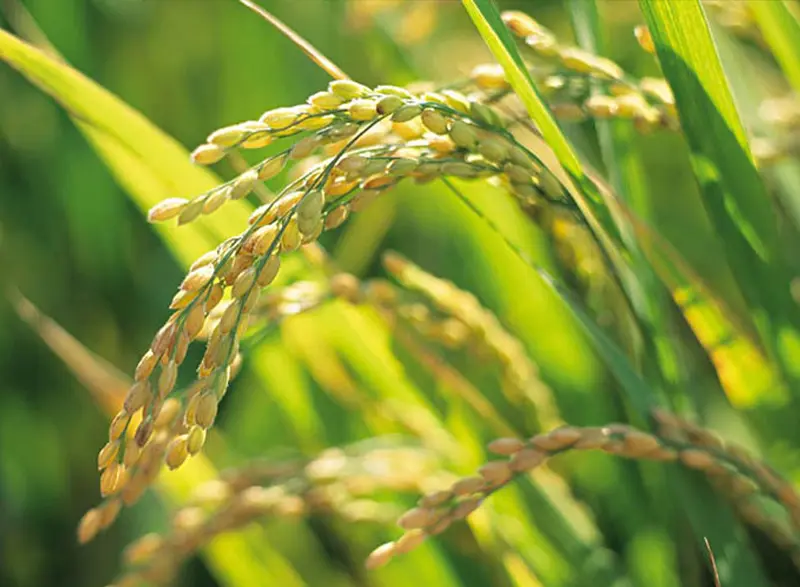
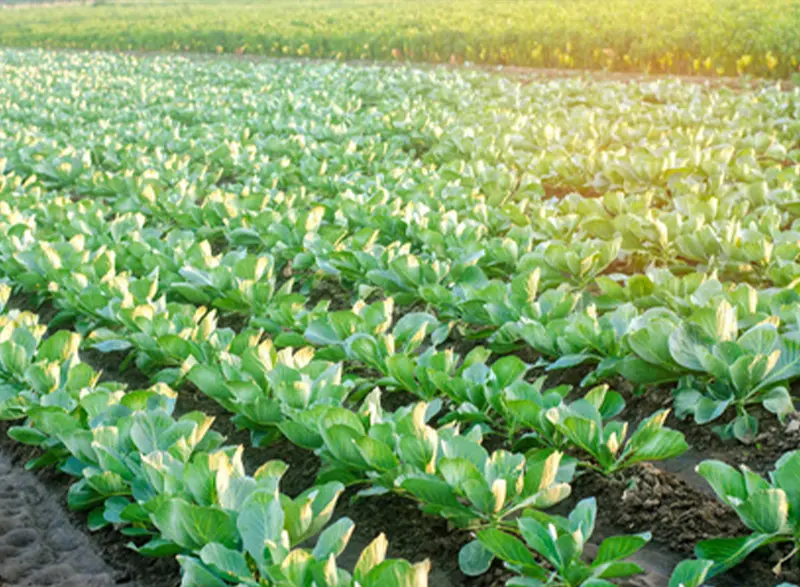
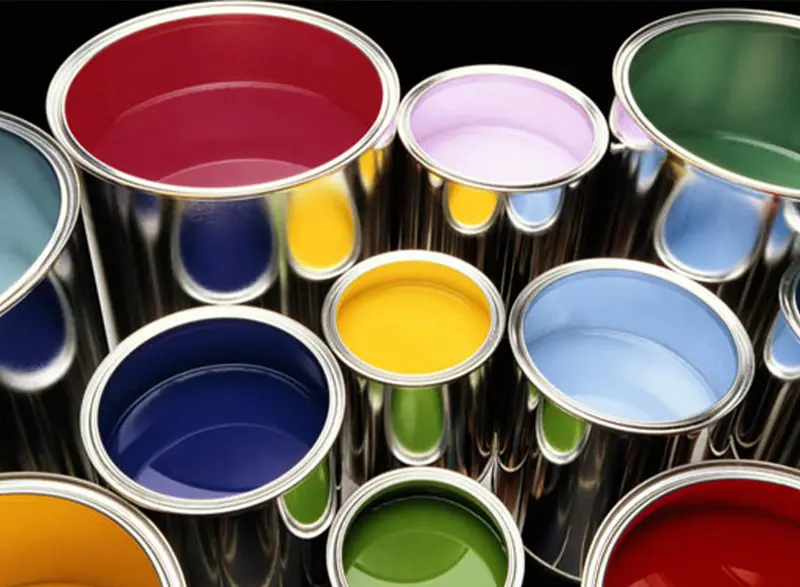
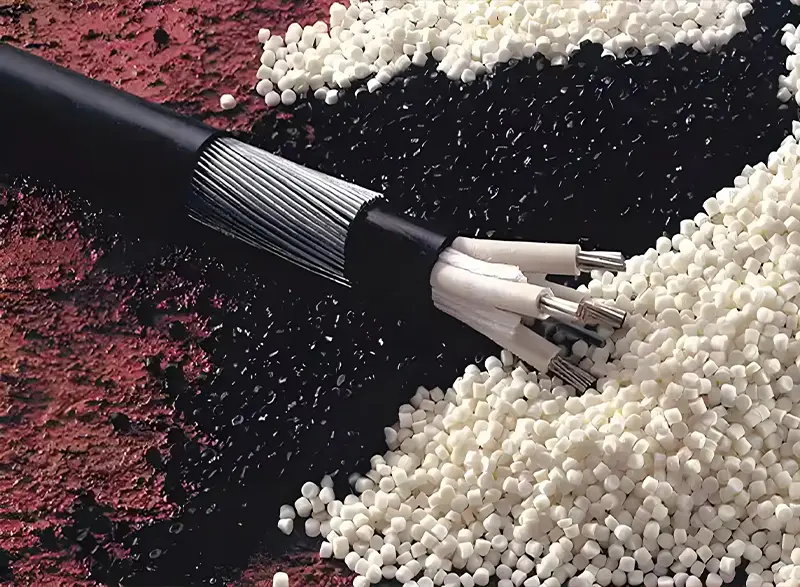
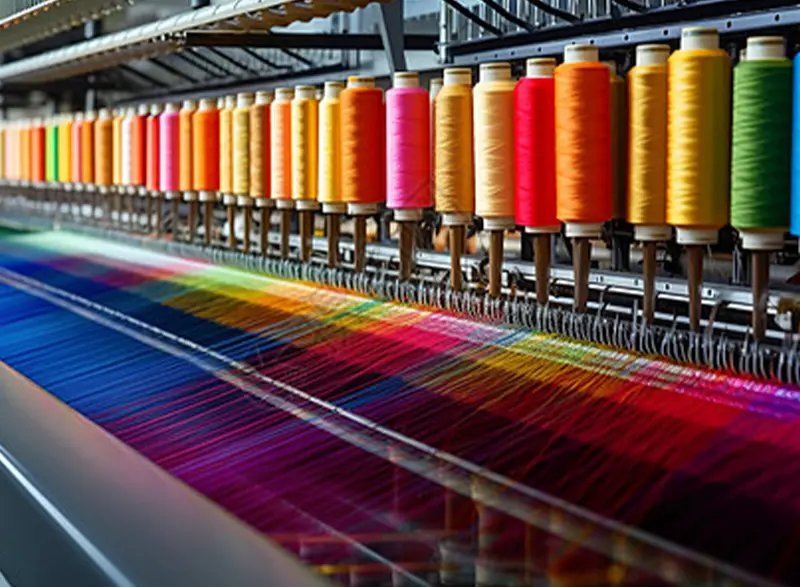
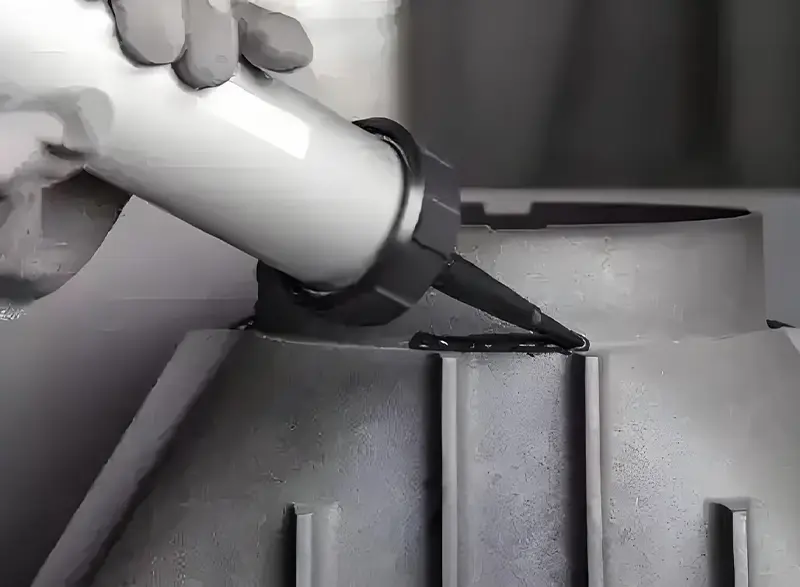

Three main product categories serving advanced polymer formulation, agriculture, and infrastructure fields.
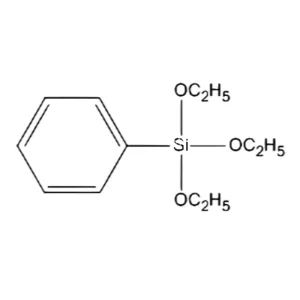
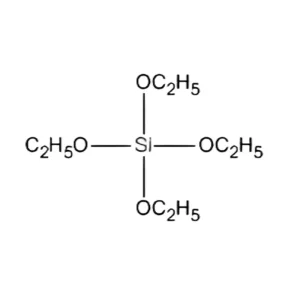
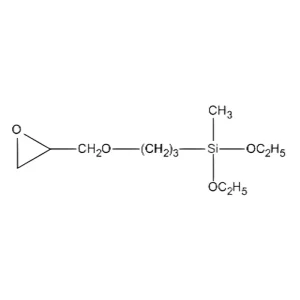
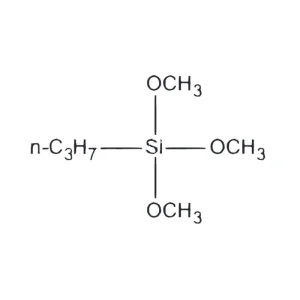
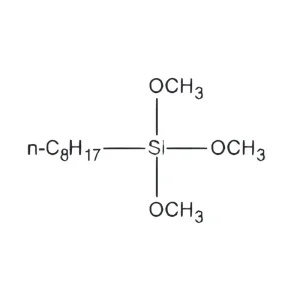
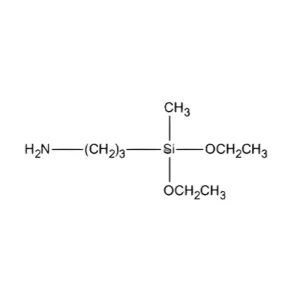
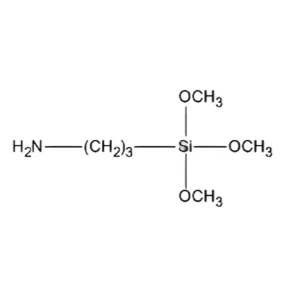
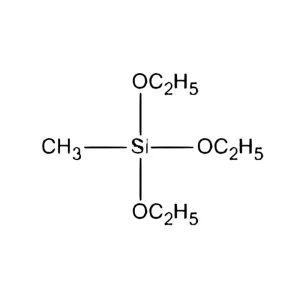
We supply 12 key series of silane coupling agents and crosslinkers: aminosilanes, methacrylate silanes, epoxy silanes, vinyl silanes, mercaptosilanes, alkyl silanes, ethyl silicates, chlorosilanes, silane isocyanates, phenyl silanes, ureidosilanes, and serosilanes.
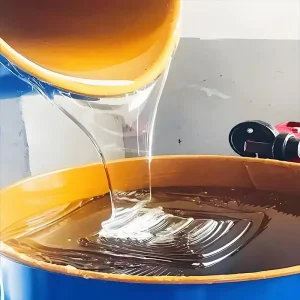
Additionally, we supply performance fluids and elastomers, including high-hydrogen silicone oil, dimethicone, vinyl silicone oil, polyphenylmethyldimethylsiloxane, methyl MQ resin, vinyl VMQ resin, and room-temperature vulcanized (RTV) methyl silicone rubbers.
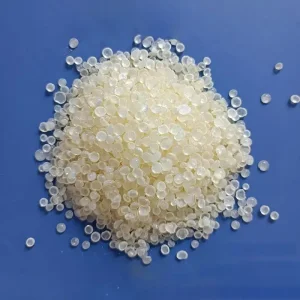
As a key investor in domestic hydrocarbon resin production across Zibo, Fushun, and Nanjing, Boctok provides premium C9 hydrogenated resins, C5 hydrocarbon resins, C5 modified C9 resins, dicyclopentadiene (DCPD), and methyl cyclopentadiene dimer. These serve global hot-melt adhesive and coating manufacturers, including several Fortune 500 companies.
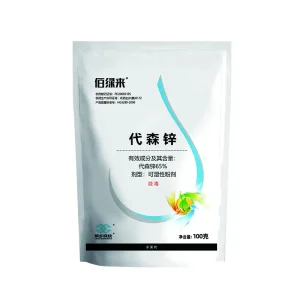
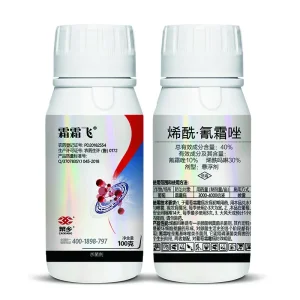
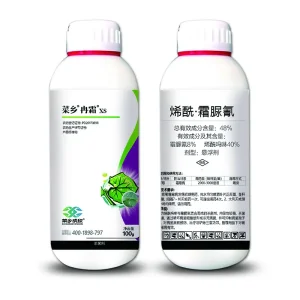
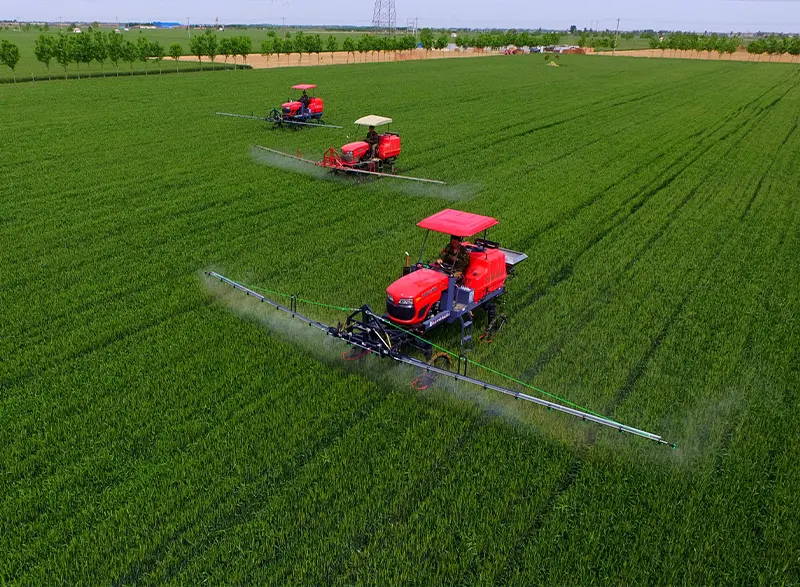
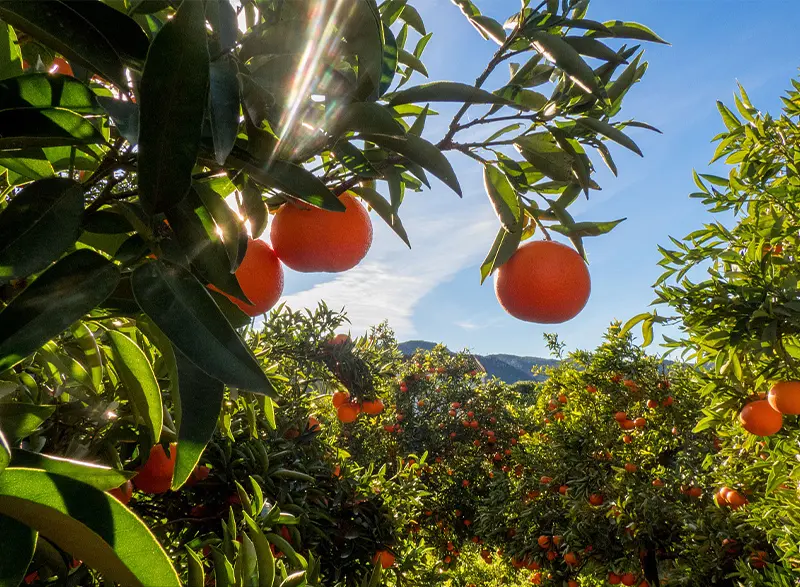
Boctok produces essential active intermediates and raw formulation materials designed for crop protection. This includes advanced fungicides, insecticides, seed treatments, herbicides, and plant growth regulators designed to improve yields and crop quality.
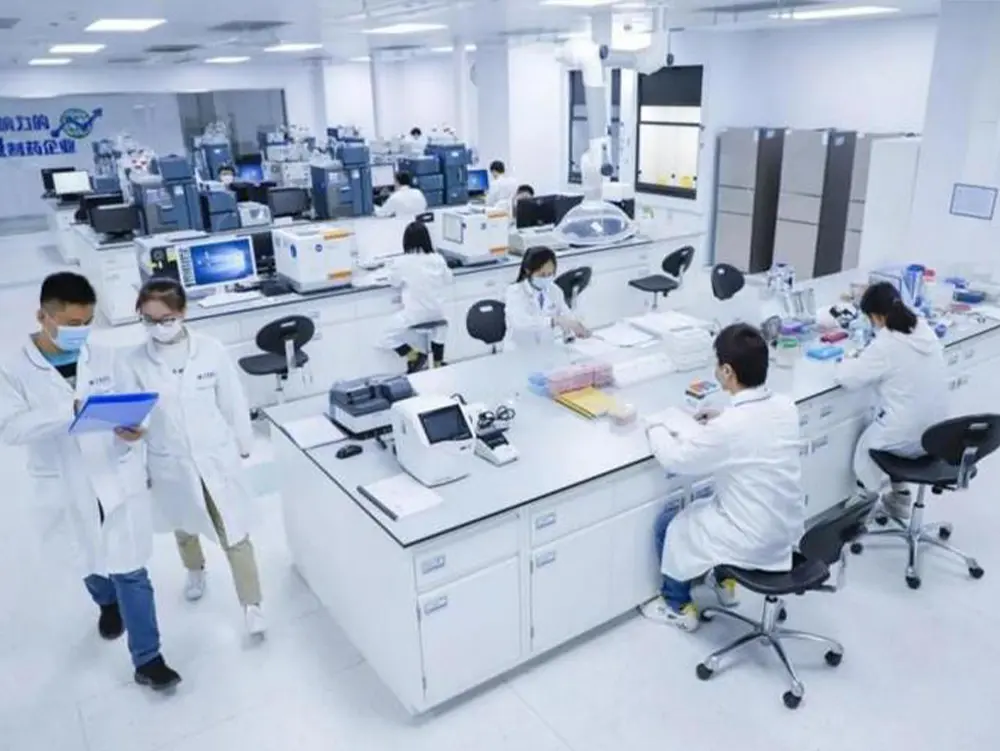
To maintain high E-E-A-T (Experience, Expertise, Authoritativeness, and Trustworthiness) standards, our operations are optimized to verify product purity and performance at every stage of the manufacturing process.
Our quality control laboratories utilize Gas Chromatography (GC) and Fourier-Transform Infrared Spectroscopy (FTIR) to ensure each batch of Vinyltriethoxysilane exceeds the 98.5% purity threshold. We maintain moisture levels below 0.05% to prevent premature hydrolysis during shipping and storage.
With our optimized logistics framework, we offer customizable packaging solutions ranging from 190kg steel drums and 950kg IBC containers to bulk ISO tanks, ensuring safe and reliable delivery to global industrial facilities.
Expert insights on the chemical mechanisms, application methods, and handling requirements of VTES.
Premium functional silanes, silicone fluids, and custom intermediates for global chemical distribution networks.
 Boctok Chemical