High-purity chemical intermediates and premium organosilicone materials curated to optimize durability and interface performance across global manufacturing sectors.
Founded in 2012, Shandong Boctok Chemical Co. has established itself as an industry-leading marketing, sales, and manufacturing powerhouse, reaching a global milestone of US$280 million in annual sales by 2023. Through dedicated infrastructure investment and a deep understanding of polymer engineering, we operate under our signature Boctok™ brand internationally, with a customized, high-trust presence optimized for the Russian Federation and Eurasian markets.
Our organosilicone portfolio spans twelve comprehensive series of silane coupling agents and crosslinkers, serving as the foundational raw materials for high-performance elastomers, including two-component liquid silicone rubber (LSR). Our vertical integration enables us to control the synthesis chain from raw chlorosilanes to complex vinyl VMQ resins, ensuring unmatched stability for downstream molders and industrial applicators.
An authoritative analysis of chemistry, curing mechanics, and production paradigms driving high-performance addition-cure elastomers.
Two-component liquid silicone rubber (LSR) represents the pinnacle of elastomer technology, operating on a high-precision, addition-cure (hydrosilylation) mechanism. Unlike traditional one-component condensation-cure rubbers that rely on ambient atmospheric moisture and release volatile byproducts (like acetic acid or alcohol), two-component systems cure through the reaction of vinyl-functionalized polydimethylsiloxane (PDMS) polymers with methyl hydrogen siloxane crosslinkers in the presence of a platinum complex catalyst.
The system is split into two primary components to prevent premature vulcanization:
Upon mixing Component A and Component B in an exact 1:1 ratio, the hydrosilylation reaction proceeds rapidly at elevated temperatures, forming a three-dimensional network without the formation of any volatile side products. This lack of shrinkage and volatile release makes it exceptionally well-suited for high-precision injection molding, micro-gasketing, and critical biomedical implants.
The global demand for high-performance two-component liquid silicone rubbers is surging, propelled by key industrial shifts. In the automotive sector, the transition to Electric Vehicles (EVs) has heightened the requirement for high-voltage battery seals, busbar insulations, and connector gaskets that can withstand extreme heat while maintaining electrical insulation properties. LSR provides unparalleled thermal stability ranging from -50°C to +200°C, maintaining its flexibility and mechanical integrity where organic rubbers degrade.
In consumer electronics, the push for IP67/IP68 water and dust proofing in smartphones and smart wearables has standardized the use of LSR overmolding onto plastic and metal chassis. Furthermore, the medical device sector mandates high-purity, biocompatible elastomers that comply with USP Class VI and ISO 10993 standards. Liquid silicone rubber's inert nature, combined with its resistance to sterilization cycles (autoclaving, ethylene oxide, gamma radiation), makes it the material of choice for surgical tools, respiratory masks, and fluid delivery valves.
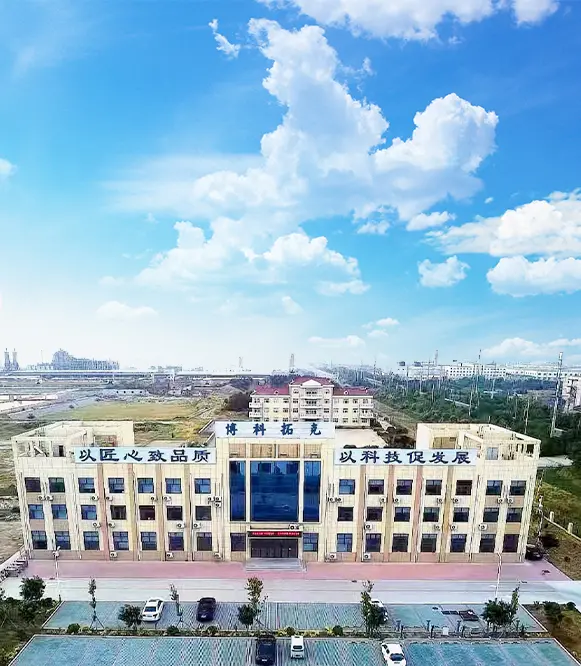
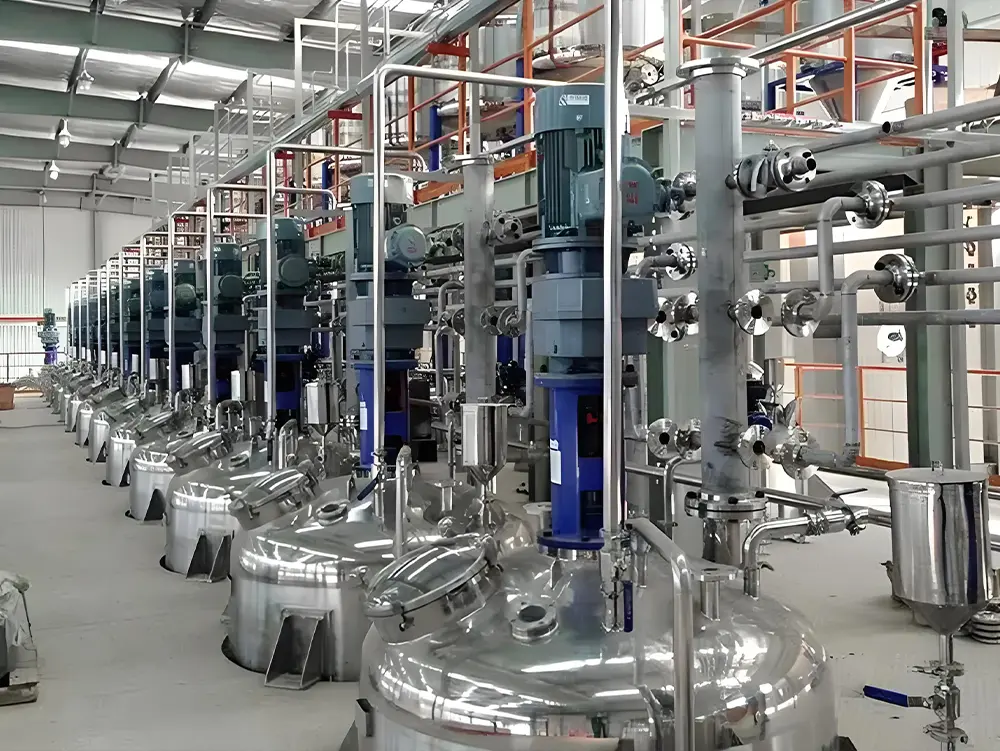
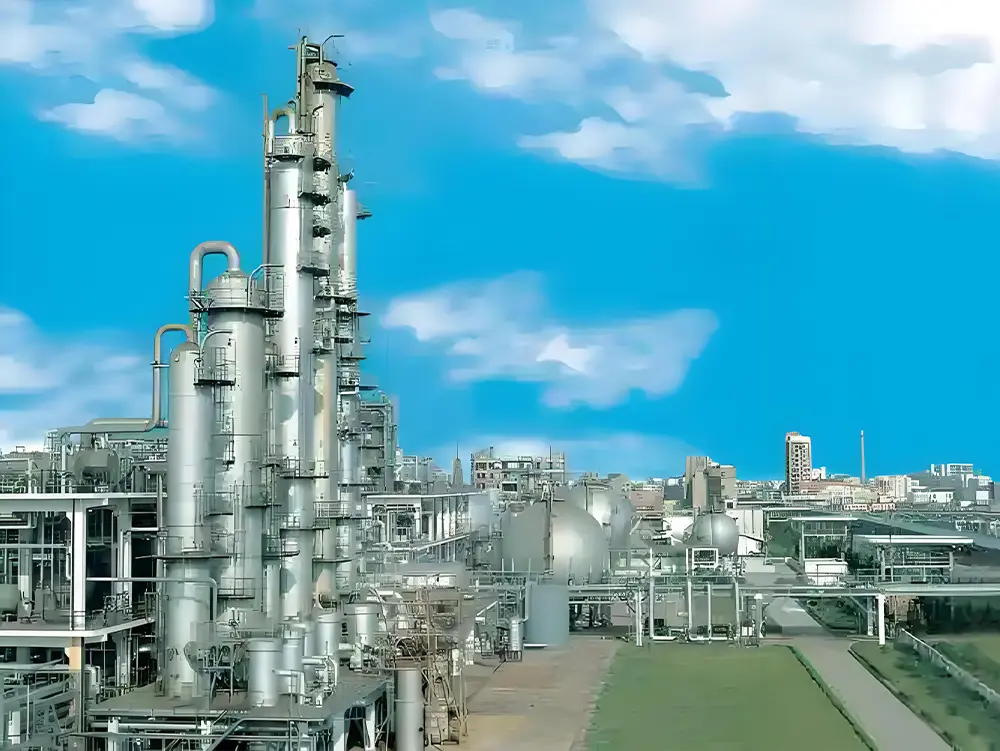
For global procurement managers, consistency of raw materials is the single biggest point of vulnerability. Shandong Boctok Chemical Co. mitigates this risk through direct vertical integration. By investing US$65 million to establish our new facility in Bohai Industrial Park, Shouguang City, Shandong Province, we have built a centralized hub that feeds the necessary precursors directly into the silicone compound stream. Our facility features six fully automated DCS production lines generating 30,000 tons of silane coupling agents annually.
Our raw material portfolio directly supplies the critical building blocks of high-tier LSR compounds:
Exploring our three core chemical sectors that support global industrial manufacturing.
Covers twelve series of silane coupling agents, crosslinkers, silicone oils, and specialty resins. Highly utilized in high-voltage electrical insulation, composite materials, protective coatings, and advanced adhesive formulations.
Operating three advanced hydrocarbon factories in Zibo, Fushun, and Nanjing. Capitalizing on raw feedstocks from SINOPEC and PetroChina to deliver high-stability C9, C5, and hydrogenated resins for Fortune 500 adhesive manufacturers.
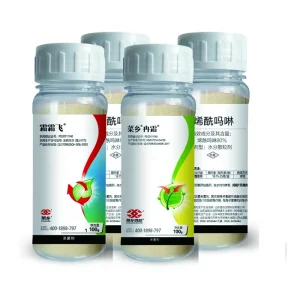
Developing essential active ingredients and advanced chemical intermediates optimized for safe, compliant crop protection, including premium fungicides, plant growth regulators, and insecticides.
Our core chemical divisions are engineered to optimize production efficiency and durability for challenging operating conditions.
Enabling key performance enhancements across global agricultural, petroleum, coating, and electronics sectors.
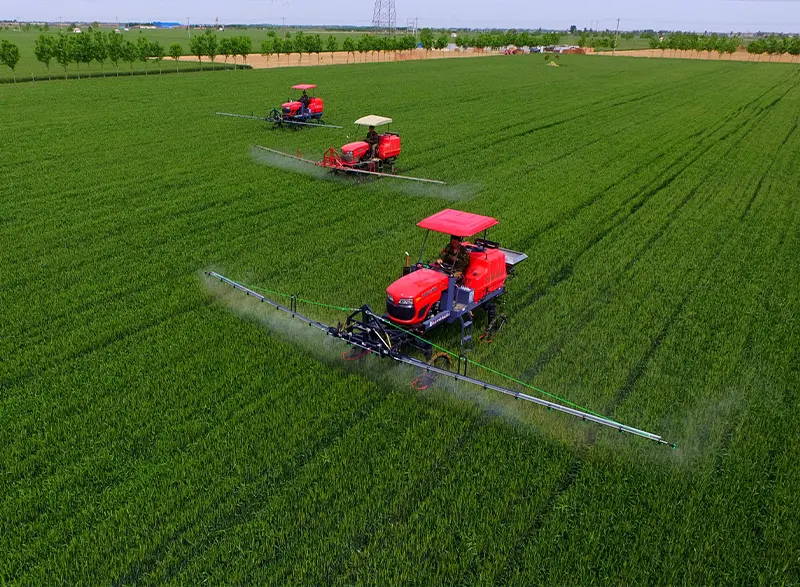
Optimizing crop nutrient transport and protective layer adhesion.
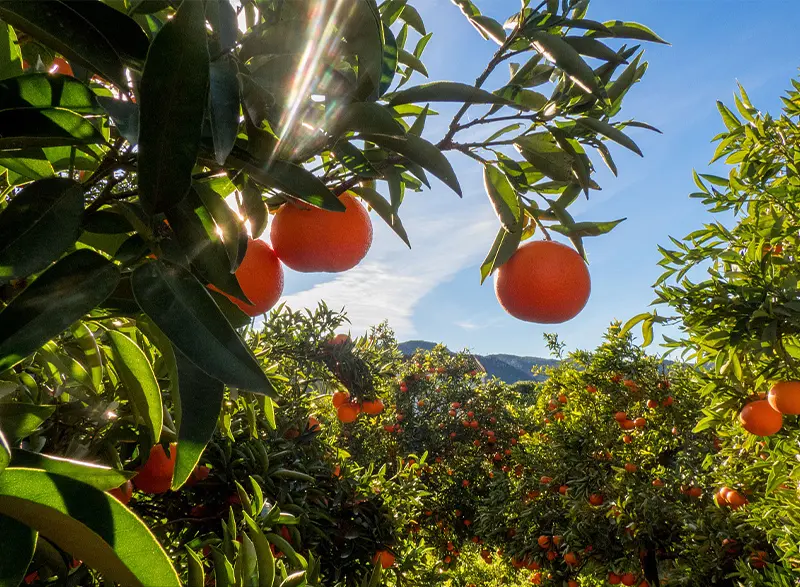
Fungicides and protective formulations tailored for high-value fruits.

Specialized floral care agents and growth regulation compounds.

Broad-scale crop protection formulas for high-yield grains and pulses.

Clean, residue-controlled active agents ensuring market-ready produce.
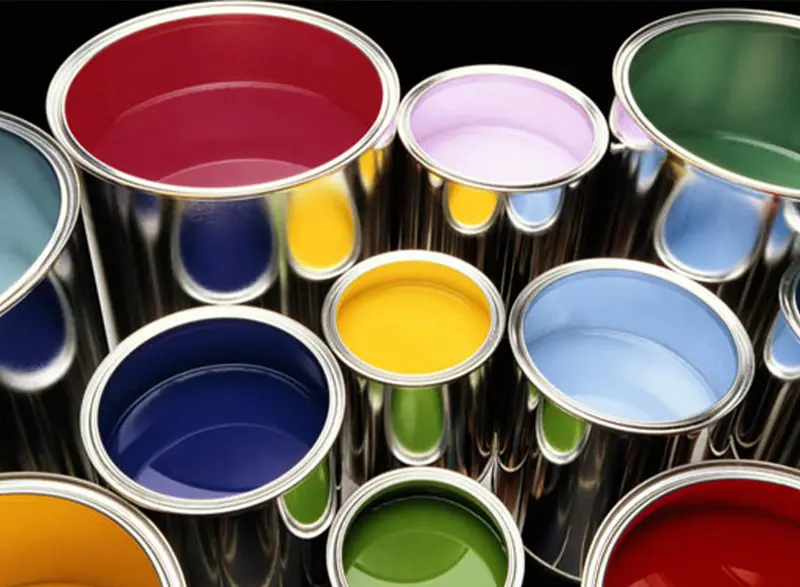
Optimizing paint gloss, adhesion strength, and environmental resistance.
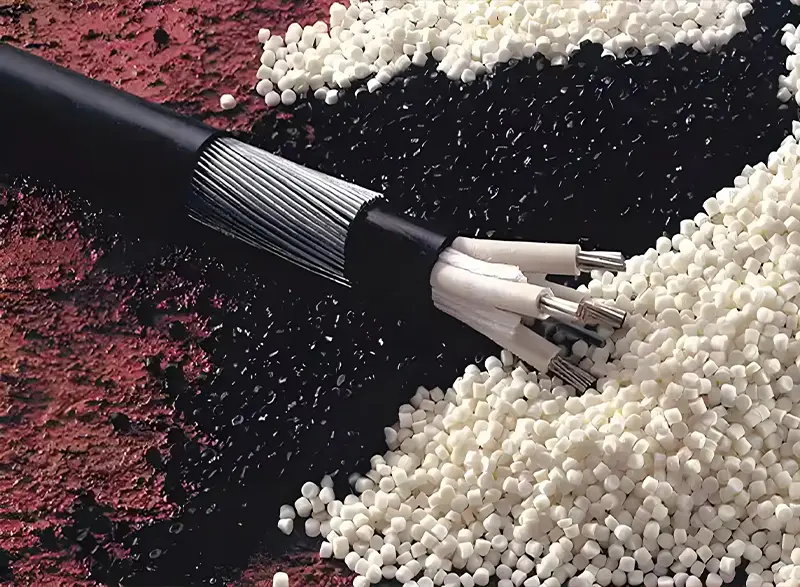
High dielectric strength crosslinkers for utility cabling systems.
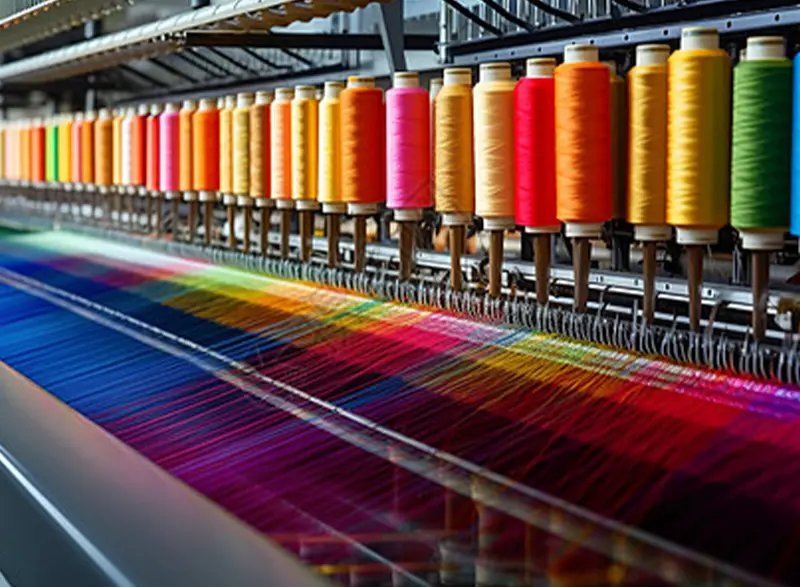
Providing soft hand-feel and water-repellent performance to fibers.
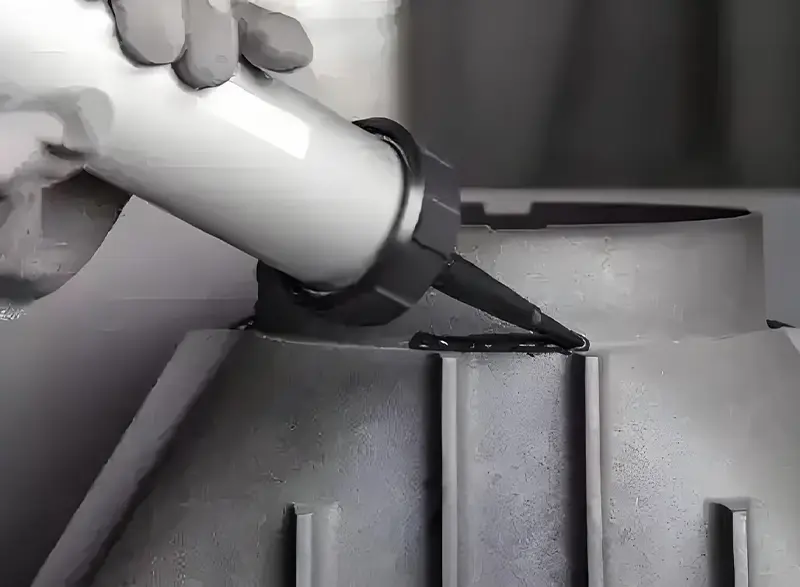
High-adhesion, flexible joints for extreme temperature operations.
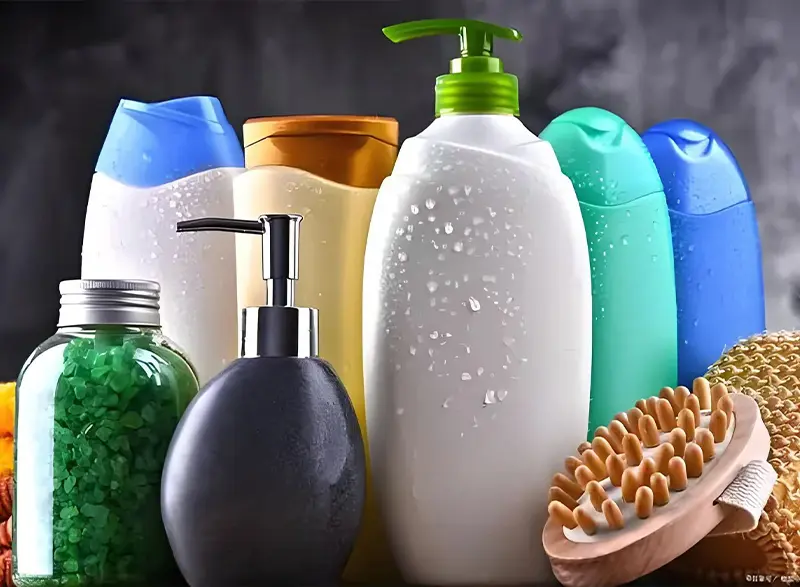
Cosmetic grade dimethicones for skin-care and hair protectants.
From deep-sea cable systems to aerospace gaskets, Boctok's compounds deliver consistent performance under maximum stress.

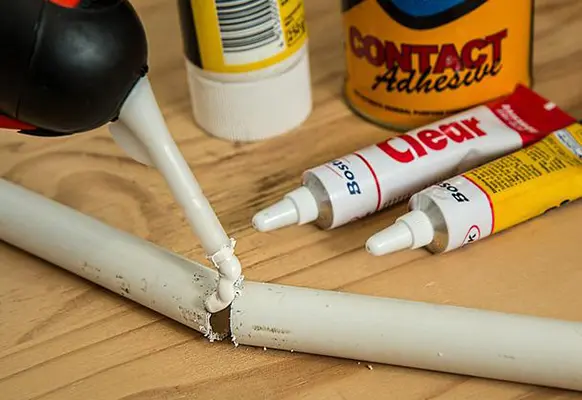
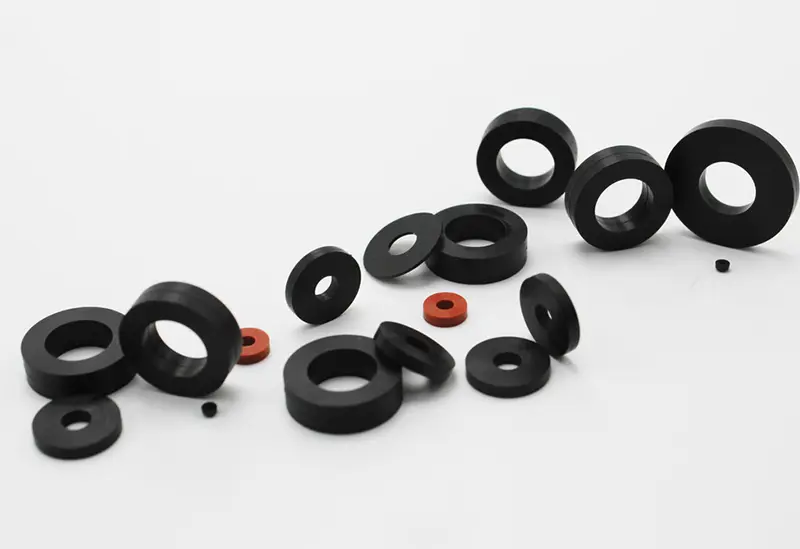









Mapping the shift toward smart elastomers, primerless multi-material bonding, and localized supply guarantees.
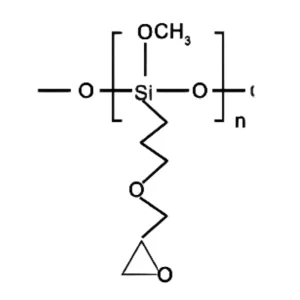
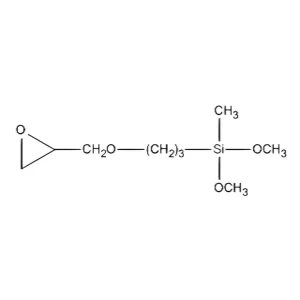
Traditional manufacturing processes requiring silicone to be bonded to a rigid substrate (such as thermoplastic housings or metal inserts) rely heavily on primers or chemical surface pretreatments like plasma exposure. This multi-step process introduces high scrap rates and localized failure interfaces. The future of high-yield production lies in self-bonding two-component LSRs. These advanced elastomers are chemically modified with internal adhesion promoters—specifically functional silane coupling agents possessing both hydrolyzable alkoxysilyl groups and reactive organic functional groups (such as epoxy or methacryloxy functions).
During the thermal curing cycle in the mold, these internal promoters migrate toward the polar substrate interface, forming strong covalent bonds with the polymer matrix of the insert while the vinyl groups crosslink with the bulk silicone. The result is a unified, cohesive bond that eliminates separate chemical application lines, reducing Cycle-to-Market durations and eliminating volatile organic compound (VOC) emissions associated with primers.
For high-density automotive connector systems and wire harness seals, automated assembly equipment requires minimal surface friction to prevent damage to delicate components. Self-lubricating liquid silicone rubbers resolve this challenge by incorporating a non-reactive silicone fluid (such as phenyl silicone oil or low-molecular-weight dimethicone) into the two-part compound. While Component A and B react to form the solid network, the incompatible fluid remains unbound. Over a controlled time frame post-vulcanization, this fluid slowly migrates (exudes) to the component’s surface, forming an ultra-thin, continuous lubricating layer. This significantly lowers the insertion force of terminal pins and prevents sticking during automated sorting and assembly, all while maintaining the high seal integrity, compression set resistance, and environmental isolation performance of the bulk silicone.
Producing consistent high-tier silicone rubbers requires absolute control over process parameters. Our new Bohai Industrial Park plant operates with advanced remote control systems DCS (Distributed Control System) and integrated safety instrument systems SIS (Safety Instrumented System). Every stage—from the chlorination of silicon metal to the vacuum stripping of volatile cyclics—is continuously monitored. Implementing strict ISO 9001 and ISO 14001 guidelines, we guarantee batch-to-batch consistency in chemical purity and viscosity profiles, translating to predictable molding behavior, shorter cycle times, and minimal defect rates for our global customers.
Direct engineering answers regarding two-component liquid silicone rubber processing, compatibility, and performance optimization.
The vast majority of industrial two-component LSRs are designed for a 1:1 mixing ratio by weight or volume. If the ratio becomes skewed (e.g., 1.1:0.9), it alters the stoichiometry between the vinyl groups in Component A and the silicon-hydride (Si-H) crosslinkers in Component B. An excess of Component A will result in insufficient crosslinking, leading to a tacky surface, lower hardness, reduced tensile strength, and high compression set. Conversely, an excess of Component B will result in unreacted Si-H groups, leading to a brittle elastomer prone to post-cure hardening and accelerated thermal aging.
Platinum-catalyzed LSRs are highly sensitive to cure inhibition (commonly referred to as poisoning). Certain chemical compounds form strong coordinate bonds with the active platinum centers, rendering the catalyst inactive and completely halting the vulcanization process. The most common inhibitors include sulfur compounds (found in natural rubber, neoprene, and vulcanized EPDM), nitrogen compounds (such as primary and secondary amines, urethanes, and epoxy curing agents), and organotin compounds (typically found in condensation-cure RTV silicone systems). Clean production environments and dedicated mixing equipment are imperative when switching between material classes.
In their original, unopened packaging, Components A and B typically have a shelf life of 12 to 24 months, provided they are stored below 30°C. Once the two components are combined at room temperature, the pot life (or working time) depends on the inhibitor package integrated into Component B. Standard industrial grades maintain a stable viscosity for 24 to 72 hours at 23°C. However, when fed into heated injection molds (typically operating between 140°C and 180°C), the inhibitor decomposes or volatilizes, allowing the platinum catalyst to trigger complete crosslinking within 10 to 40 seconds, depending on the wall thickness of the part.
Post-curing (typically 2 to 4 hours in a well-ventilated oven at 200°C) is not mandatory for all applications, but is highly recommended for components intended for food contact (FDA compliance), medical implants, or applications with strict outgassing limitations. Post-curing achieves two critical objectives: it drives off volatile, low-molecular-weight cyclic siloxanes (D4, D5, D6) that could leach out over time, and it optimizes the elastomer’s compression set and tensile properties by completing any remaining crosslinking reactions.
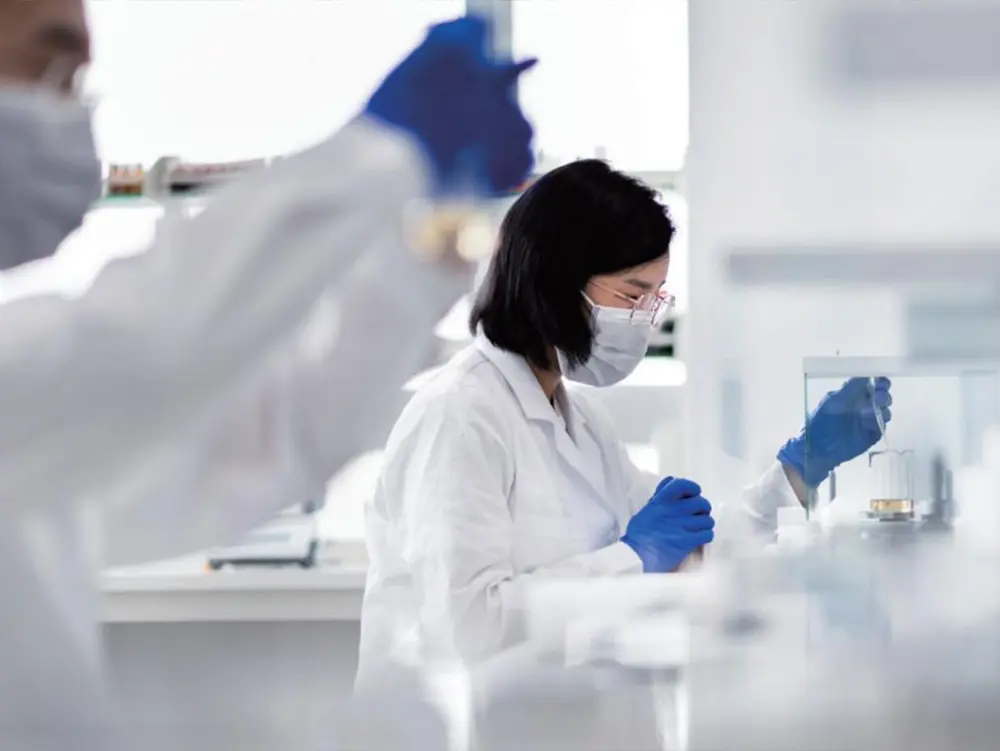
Shandong Boctok Chemical Co. maintains rigorous quality control frameworks validated by ISO 9001 and ISO 14001. All export consignments undergo gas chromatography (GC) and rheological testing before dispatch. Our products are shipped in moisture-impermeable, heavy-duty steel drums or intermediate bulk containers (IBCs) with nitrogen blanketing to prevent moisture absorption or contact with atmospheric contaminants. We provide comprehensive COA (Certificate of Analysis), SDS (Safety Data Sheet), and regulatory compliance certifications (REACH, RoHS) for every batch shipped to North America, Europe, Russia, and East Asia.
Explore our specialized chemical list. All original product assets, links, and imagery have been preserved below to support direct sourcing operations.
 Boctok Chemical