Explore our industrial-grade compounds engineered for superior crosslinking, adhesion promotion, and chemical synthesis.
Tetraethyl Orthosilicate (TEOS), chemically structured as Si(OC₂H₅)₄, represents the cornerstone of modern silica chemistry. As a primary precursor for silicon dioxide (SiO₂), TEOS is widely celebrated for its ability to undergo controlled hydrolysis and condensation reactions, yielding pure silica structures at molecular or macroscopic levels. This sol-gel pathway underpins a massive segment of modern industrial manufacturing, spanning from the creation of ultra-hard anti-reflective coatings on optical lenses to the deposition of thin dielectric insulating films in semiconductor logic chips.
As a global chemical manufacturer, Shandong Boctok Chemical Co. leverages advanced synthesis routes, automated remote-controlled processing lines, and strict quality control standards to deliver exceptional TEOS products. Grounded in decades of organosilicon R&D, this document serves as a comprehensive industry whitepaper, highlighting our technological expertise, supply chain resilience, and global commercial capabilities.
Exploring the synthesis path, purity optimization, and the transition toward next-generation silicon-based materials.
The standard synthesis of Tetraethyl Orthosilicate relies on the direct reaction of silicon tetrachloride (SiCl₄) with anhydrous ethanol (C₂H₅OH):
SiCl₄ + 4 C₂H₅OH → Si(OC₂H₅)₄ + 4 HCl
During this exothermic process, the removal of hydrochloric acid (HCl) by-product is crucial to prevent premature acid-catalyzed hydrolysis of the newly formed TEOS. Modern production facilities employ advanced degasification units to continuously strip HCl. Sub-boiling distillation, vacuum fractionation, and chemical stripping agents are then used to remove trace metals, moisture, and alcohol impurities, ensuring the resulting TEOS meets strict moisture constraints (often below 10 ppm for microelectronic applications).
To transform TEOS into a solid silica matrix, hydrolysis must occur:
Si(OC₂H₅)₄ + 4 H₂O → SiO₂ + 4 C₂H₅OH + 2 H₂O
This transformation proceeds through intermediate silanol groups (Si-OH) which subsequently condense to form siloxane bonds (Si-O-Si). Controlling the pH, water-to-alkoxide ratio, solvent type, and temperature dictates whether the resulting material becomes a colloidal suspension (sol), a continuous network (gel), or discrete spherical nanoparticles. This precise reactivity makes TEOS a versatile raw material for tailoring nanomaterial properties.
A macroeconomic view of TEOS and organosilicon consumption across international markets.
The global demand for TEOS is closely tied to the electronics, aerospace, coatings, and composite materials sectors. Geographically, manufacturing centers in North America, Western Europe, and East Asia drive consistent consumption. Rapid industrialization and investment in high-end microchip production facilities have positioned China, Japan, South Korea, and Taiwan as primary consumers of high-purity TEOS. Simultaneously, the expanding construction sector in developing markets fuels demand for weather-resistant, hydrophobic masonry coatings formulated from hydrolyzed ethyl silicates.
Shandong Boctok Chemical Co. was founded in 2012 as a marketing and sales center for Boctok™ domestic and overseas businesses and achieved sales of US$280 million in 2023. The BOCTOK brand specializes in serving the Russian market.
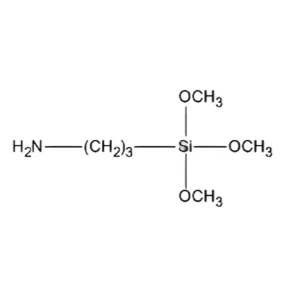
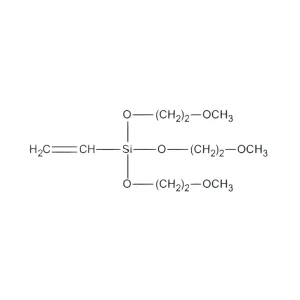
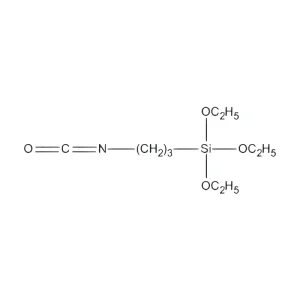
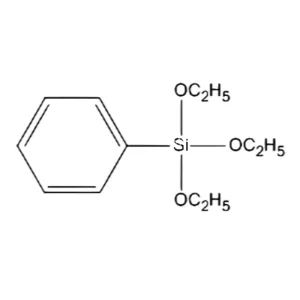
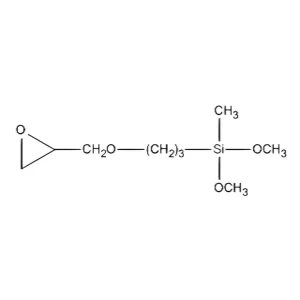
Boctok has three main product categories: our core organosilicone business covers twelve series of silane coupling agents and crosslinkers. These include aminosilane, methacrylate silane, epoxy silane, vinyl silane, mercaptosilane, alkyl silane, ethyl silicate, chlorosilane, silane isocyanates, phenyl silane, ureidosilane, and serosilane.
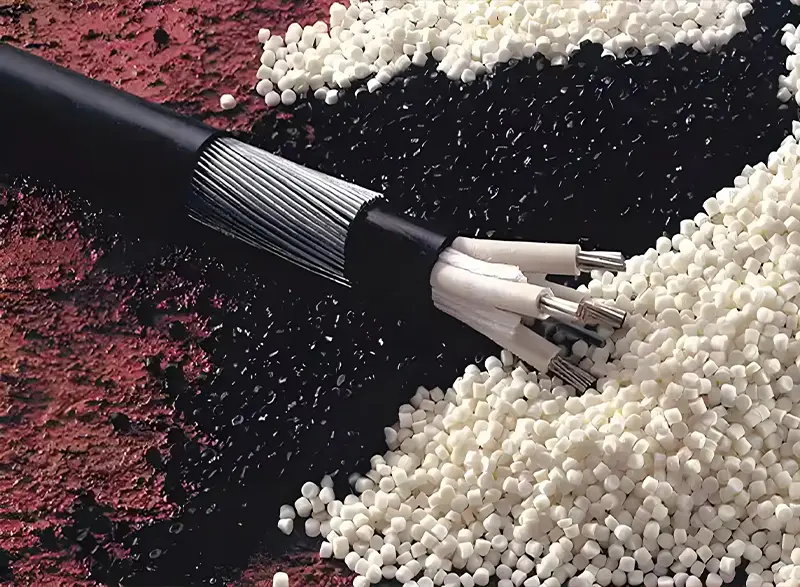
We also focus on silicon oil, silicon resin, and silicon rubber. Our portfolio covers high-hydrogen silicone oil, dimethicone, vinyl silicone oil, polyphenylmethyldimethylsiloxane, phenyl silicone oil, silanol silicone oil, OH polymer, alkoxy silicone oil, methyl MQ resin, vinyl VMQ resin, room-temperature vulcanized methyl silicone rubber, 110 methyl vinyl silicone rubber, and 120 methyl phenyl rubber. These materials are widely used in glass fiber, electronics, wind energy, daily necessities, chemical industry, coatings, adhesives, XLPE electric cables, hot water pipes, oil field drilling, textiles, rubber, and molding to improve product quality and performance.
Beyond organosilicones, Boctok manages strong divisions in hydrocarbon resins and agrochemical materials.
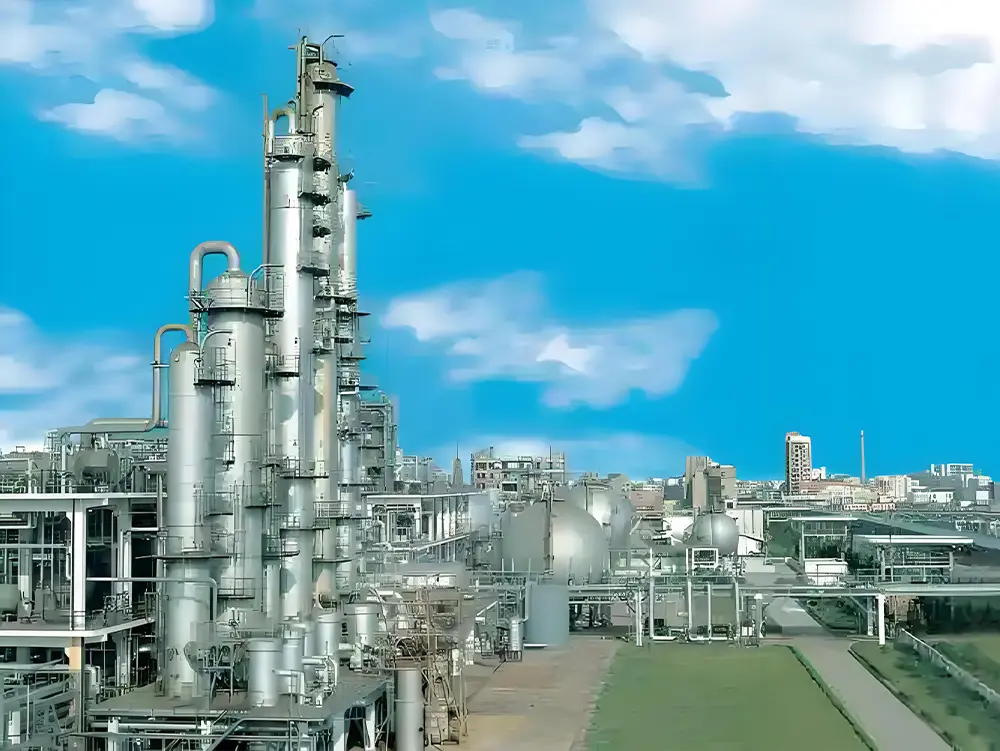
Boctok's Tier II core business is petroleum resins. We have invested in a key hydrocarbon resin manufacturer in China. We currently have three operating hydrocarbon resin factories located in Zibo, Fushun, and Nanjing.
Taking advantage of reliable and abundant raw materials from SINOPEC and PetroChina, our advanced production facilities, and our decades of marketing experience, our products are widely used by customers, including many Fortune 500 companies, in both domestic and overseas markets. These products include C9 hydrogenated resins, C5 hydrocarbon resins, C5 modified C9 hydrocarbon resins, C9 hydrocarbon resins, dicyclopentadiene, and methyl cyclopentadiene dimer.
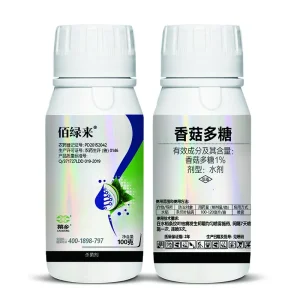
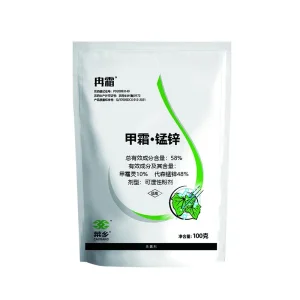
Boctok also focuses on the agrochemical industry. We produce intermediates and raw materials for the production of pesticides, fungicides, insecticides, seed treatments, herbicides, and plant growth regulators.
By integrating feedstock supply with synthesis and regulatory testing, we ensure reliable, high-yield active ingredients for agricultural markets worldwide. Our dedication to safety and regulatory compliance guides our chemical engineering and formulation processes.
How Boctok leverages geographical advantages, robust infrastructure, and technology to secure global supply chains.
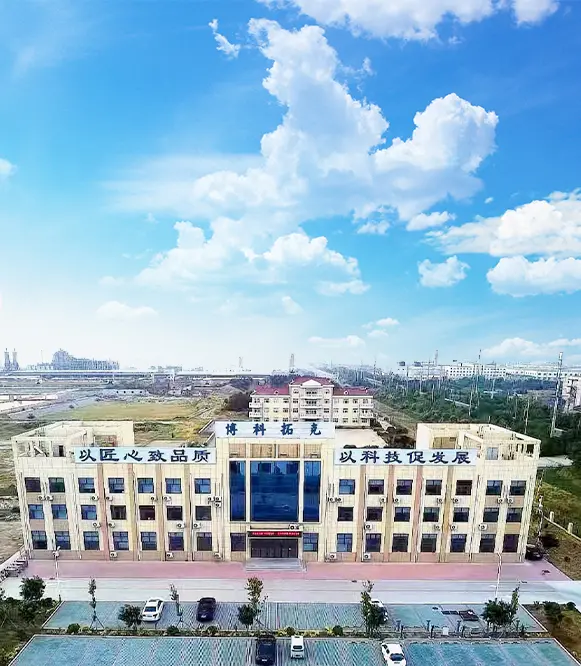
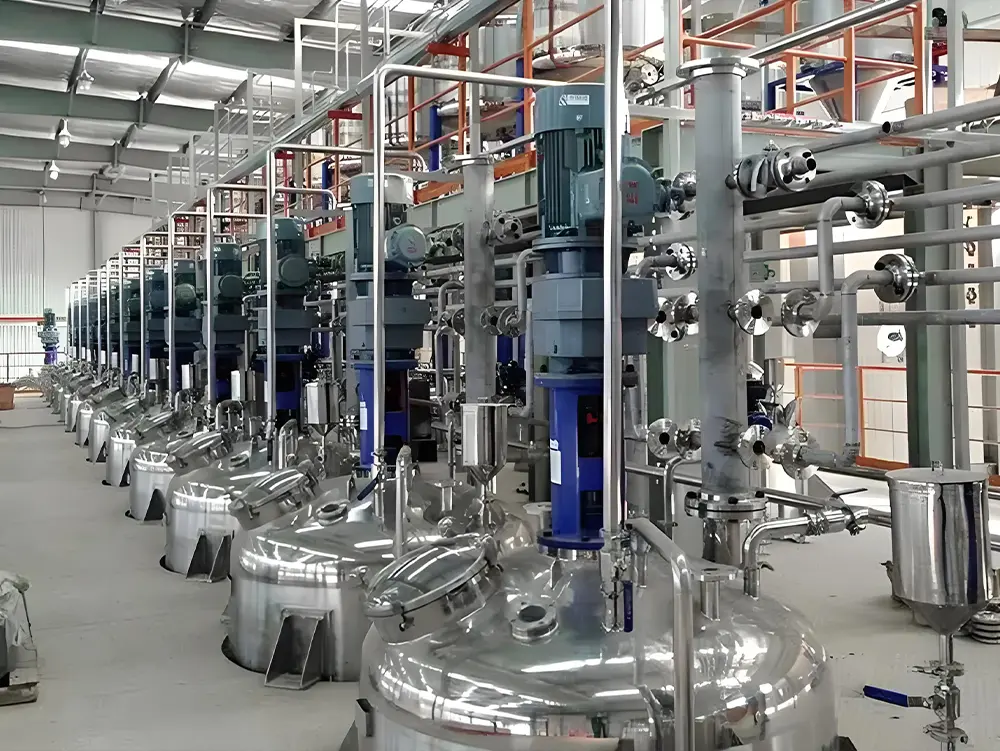
Boctok recently invested US$65 million to build a new plant located in Bohai Industrial Park, a provincial chemical industry park in Shouguang City, Shandong Province, to expand the production chain of silane coupling agents. This facility features 6 automatic DCS production lines with an annual output of 30,000 tons.
Our production lines are equipped with automatic DCS remote control systems, safety instrument systems (SIS), and other safety equipment. We implement ISO9001 quality management standards throughout our processes to guarantee stable quality.
To ensure long-term production continuity, our factory has built dedicated environmental treatment facilities. These include a waste gas collection and treatment system and a wastewater treatment system.
By strictly adhering to municipal and state environmental regulations, Boctok mitigates regulatory risks, ensuring uninterrupted production and reliable delivery schedules for our global clients.
Our factories are strategically located near major Chinese chemical clusters (Zibo, Shouguang, Fushun, Nanjing) and transport hubs. With direct access to raw materials from SINOPEC and PetroChina, we maintain stable production cost-structures.
Proximity to international shipping ports like Qingdao, Tianjin, and Shanghai facilitates fast transit, containerized shipping, and prompt global delivery.
From microelectronics and automotive systems to crop protection, our materials drive industrial performance.
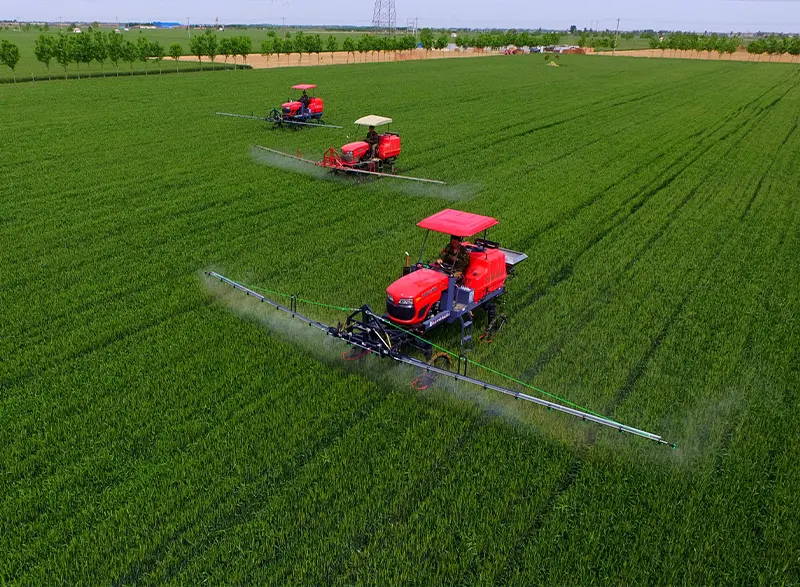

Serves as an essential protecting group or alkylation agent in active ingredient synthesis. Provides intermediates for crop protection and pharmaceutical compounds.
TEOS is vaporized and deposited via Chemical Vapor Deposition (CVD) or Atomic Layer Deposition (ALD) to form high-purity SiO₂ dielectric insulation layers in semiconductors.
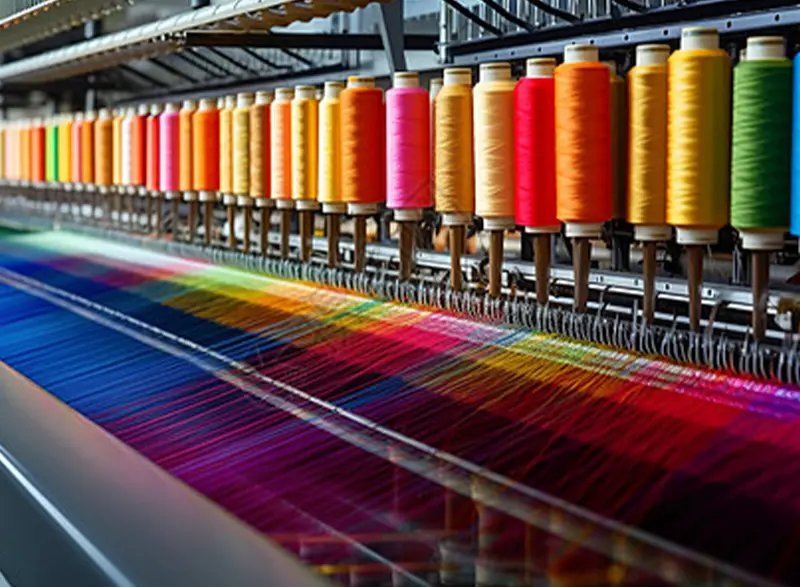
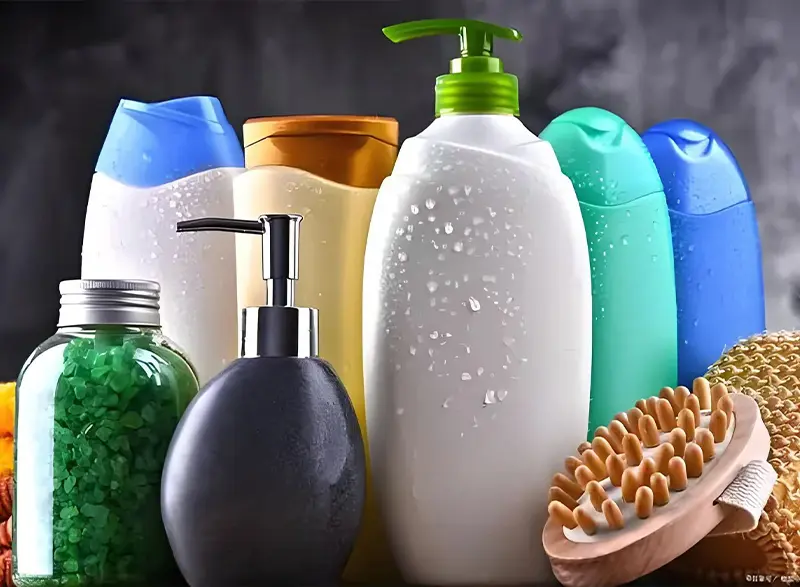
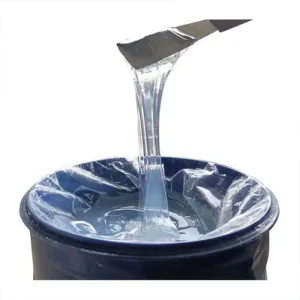
Enhances processing parameters and elasticity. Improves wear characteristics and surface friction properties of Liquid Silicone Rubber (LSR).
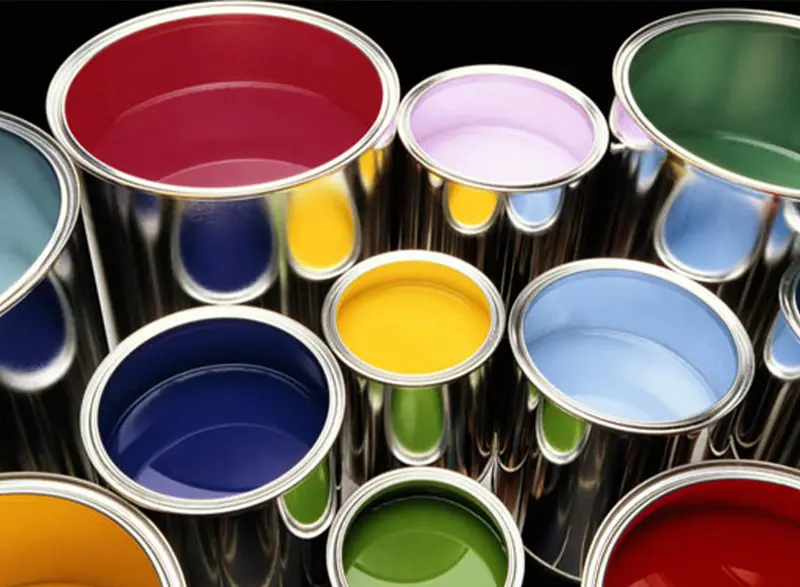
Used in protective marine coatings, automotive topcoats, and anti-graffiti finishes to increase crosslinking density and scratch resistance.
Serves as a precursor for biocompatible, mesoporous silica nanoparticles used in targeted drug delivery systems and medical diagnostics.
Silane coupling agents improve the adhesion between glass fibers and organic resins, reinforcing structural composites for wind turbine blades.
Adapting chemical technologies to target regional industrial needs and custom specifications.
In extremely cold regions, infrastructural concrete and steel are subject to relentless freeze-thaw cycles and moisture ingress. Boctok has formulated localized ethyl silicates (including Ethyl Silicate 40) that act as deep-penetrating water repellents. These silane formulations react chemically with the free lime in concrete to create a hydrophobic sub-surface barrier, preventing spalling and extending infrastructure service life.
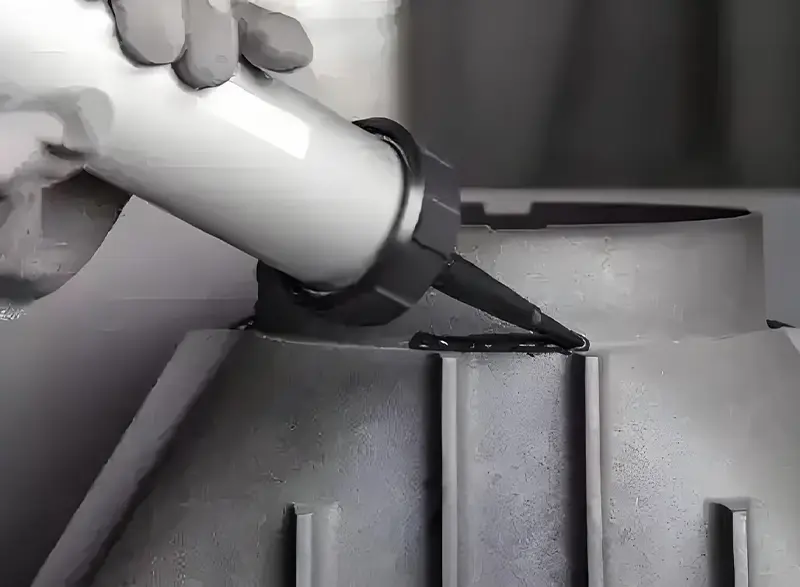
In high-performance adhesive markets, our silane coupling agents act as molecular bridges. They chemically bind inorganic fillers (like silica, kaolin, or glass beads) to organic polymer matrices (such as polyurethanes, epoxies, and acrylics). This increases cohesive strength, heat resistance, and moisture stability, making these adhesives ideal for heavy transportation and wind turbine assembly.
Our commitment to rigorous testing, international certifications, and attentive customer service.

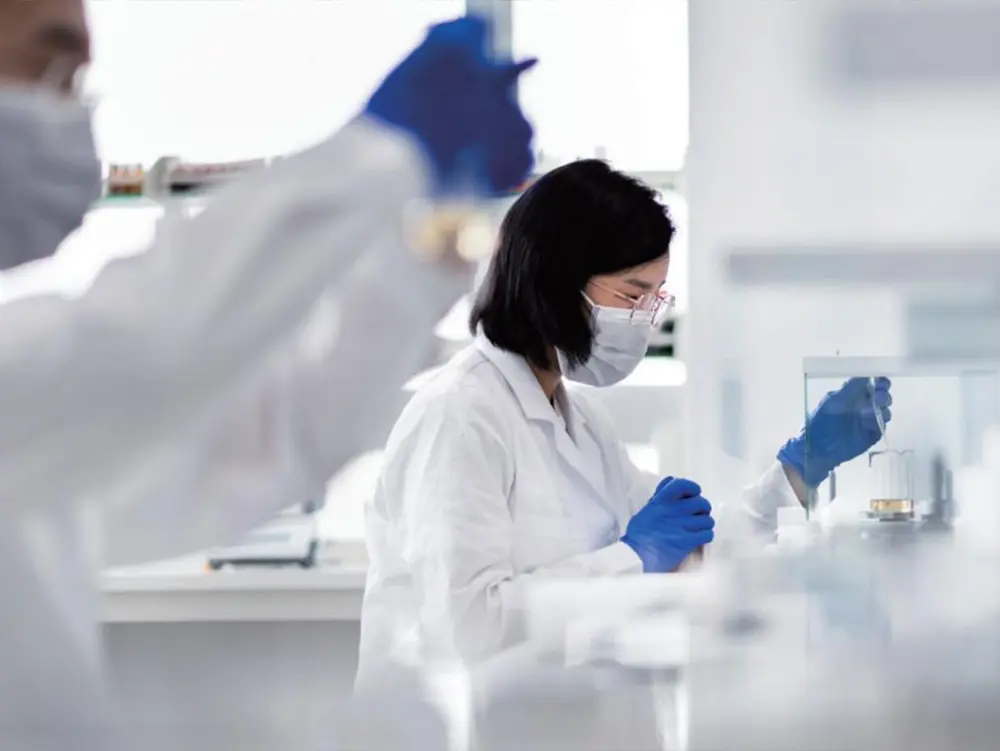
Our products undergo rigorous testing to ensure every aspect meets the highest quality standards.

Our advanced production lines allow us to expand capacity effectively and meet bulk customization demands.

Our professional support team is available online to assist with technical queries and shipping logistics.

An optimized logistics system ensures fast order processing and timely delivery to customers.
Addressing core industrial and technical inquiries regarding Tetraethyl Orthosilicate and silane coupling agents.
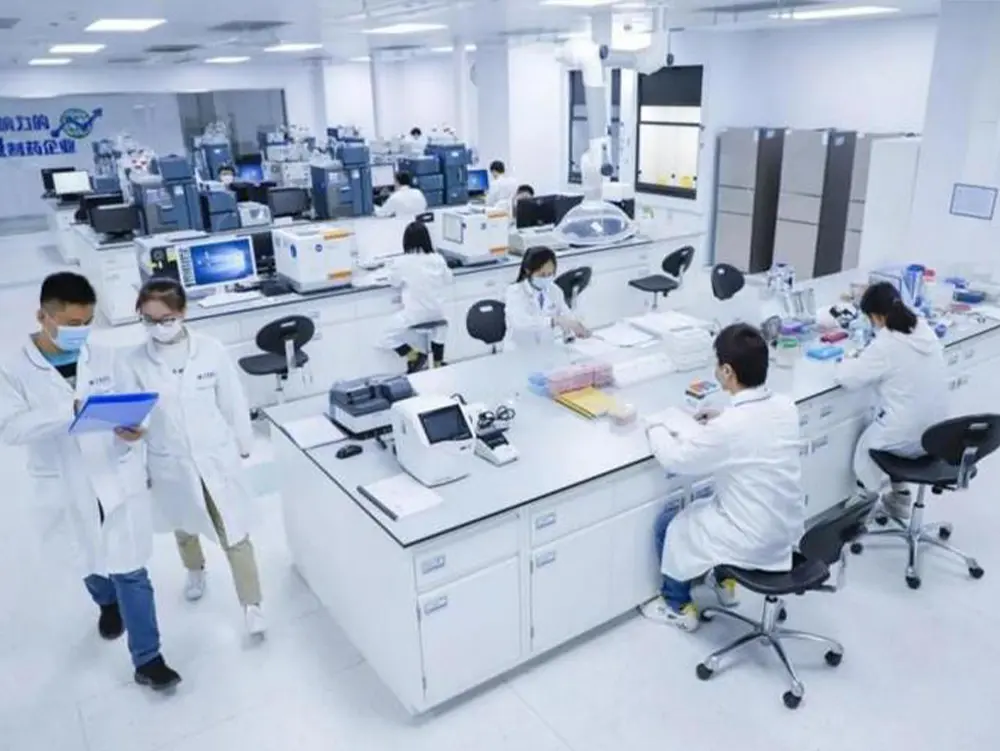
We use multi-stage vacuum fractional distillation columns and glass-lined storage vessels to prevent metal ion leaching. Our quality control lab measures trace metal concentrations and moisture levels using Inductively Coupled Plasma Mass Spectrometry (ICP-MS) and Karl Fischer titration to ensure compliance with semiconductor purity standards.
TEOS is highly sensitive to moisture. It must be stored under a dry nitrogen blanket in tightly sealed, corrosion-resistant drums or ISO tanks, away from direct sunlight, heat, and open flames. The storage area should be dry, cool, and well-ventilated.
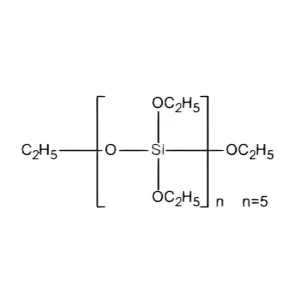
Yes. By adjusting the condensation level and adding specialized acid or base catalysts, we can customize the oligomer distribution in our Ethyl Silicate products. This allows us to modify the hydrolysis and curing speeds to match our customers' application processes, whether for anti-corrosive coatings or investment casting binders.
We strictly follow global logistics protocols, including IMDG for maritime freight and ADR for European road transport. All shipments are accompanied by detailed Safety Data Sheets (SDS) and Certificate of Analysis (COA) documents. We also work closely with regulatory bodies to ensure compliance with regional environmental standards.
Our extended range of silanes, silicone products, and industrial intermediates.
 Boctok Chemical