Explore our elite grade of functional silicate esters, hydrocarbon polymers, and silicone intermediates tailored for high-performance industrial applications.
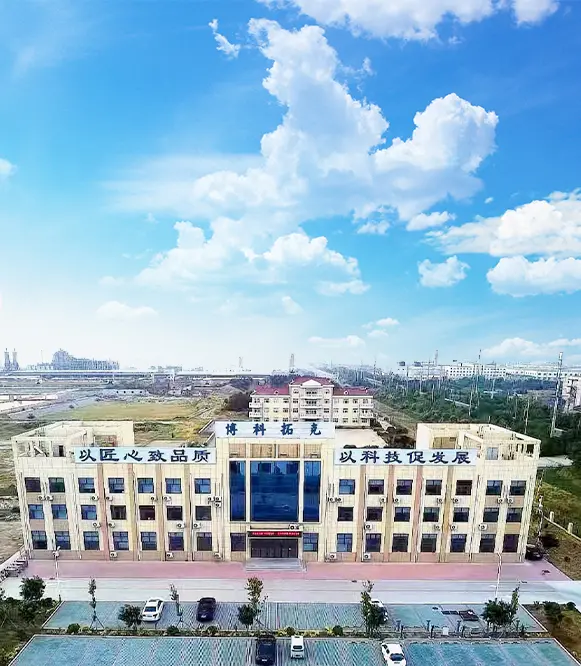
Founded in 2012, Shandong Boctok Chemical Co. has scaled rapidly to become a leading force in high-performance silicon chemistry and hydrocarbon resin synthesis. Serving as the primary marketing and sales hub for the renowned Boctok™ domestic and international enterprises, our global sales footprint reached an impressive US$280 million in 2023.
Our operational ecosystem centers on providing exceptional quality to demanding global markets, including specialized service networks catering to the Eastern European and CIS regions, alongside deep-rooted distribution systems across North America, the EU, South America, and APAC. By combining advanced Chinese chemical engineering with robust cross-border logistics, we deliver localized solutions to sophisticated manufacturers worldwide.
Detailed breakdown of our core chemical classifications engineered for precise structural crosslinking, adhesion promotion, and molecular customization.
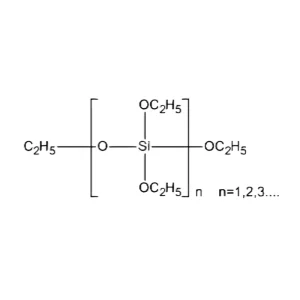
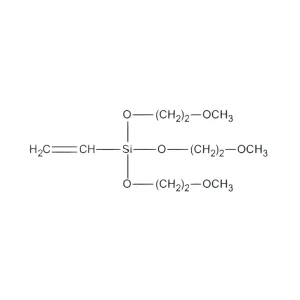
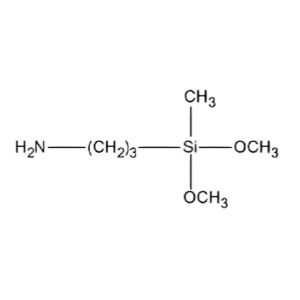
Comprehensive portfolio containing aminosilane, methacrylate silane, epoxy silane, vinyl silane, mercaptosilane, alkyl silane, ethyl silicate, chlorosilane, silane isocyanates, phenyl silane, ureidosilane, and serosilane formulations designed for composite structural enhancement.
Targeted syntheses of high-hydrogen silicone oil, dimethicone, vinyl silicone oil, polyphenylmethyldimethylsiloxane, phenyl silicone oil, silanol silicone oil, OH polymer, and alkoxy silicone oil for surface modifications and thermal control.
Methyl MQ resin, vinyl VMQ resin, room-temperature vulcanized (RTV) methyl silicone rubber, 110 methyl vinyl silicone rubber, and 120 methyl phenyl rubber suited for structural insulation, molding, and environmental sealing.
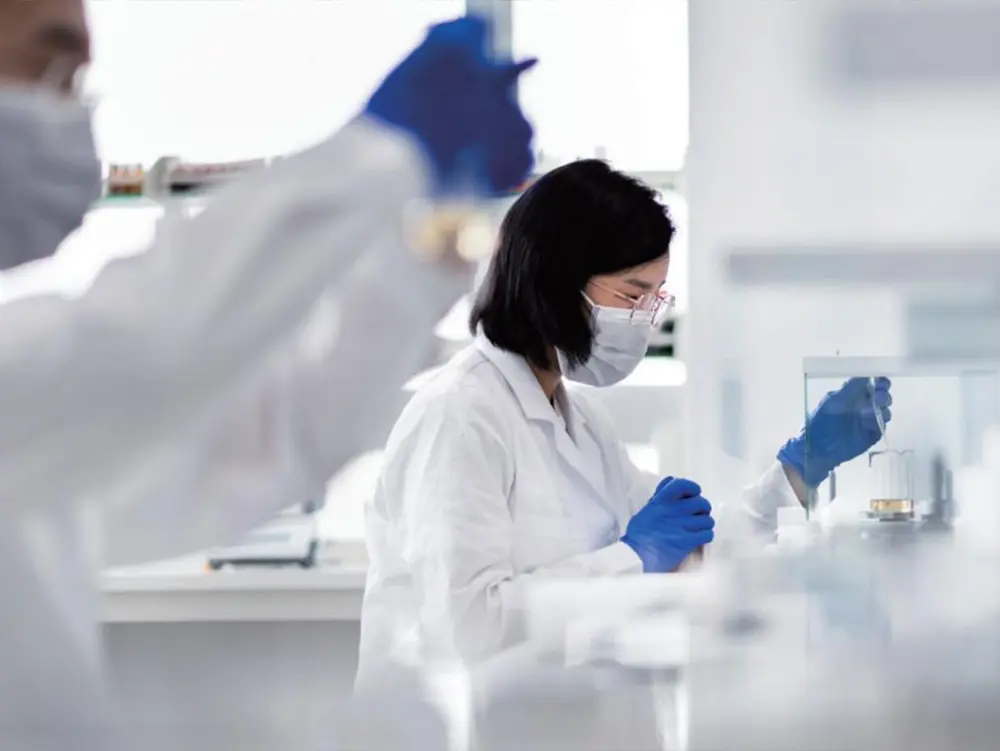
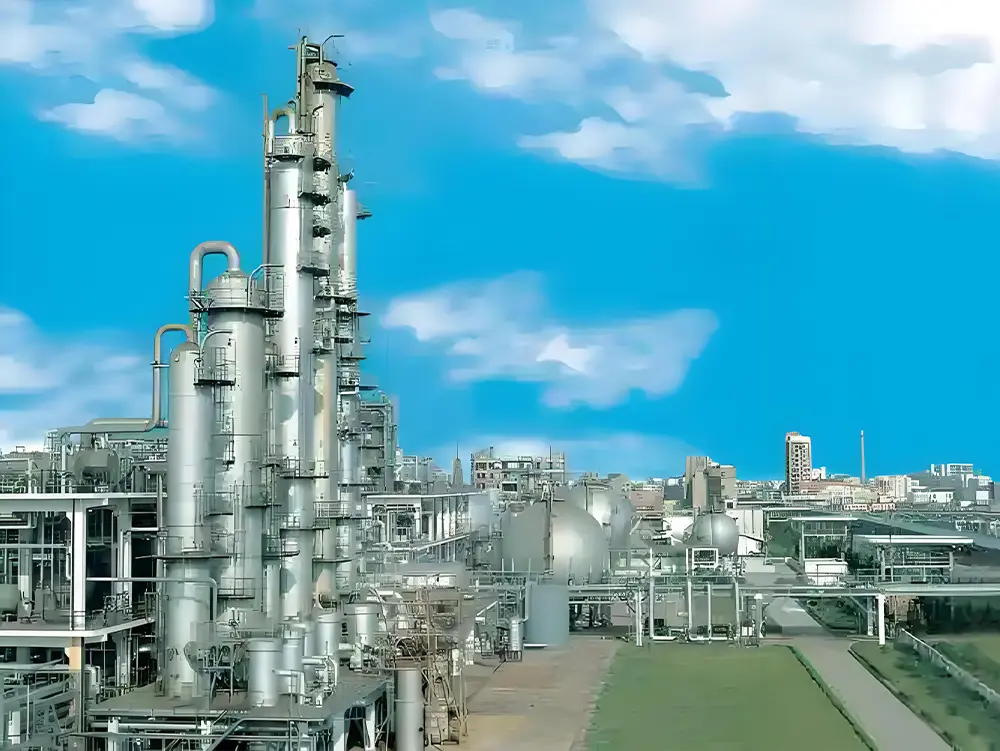
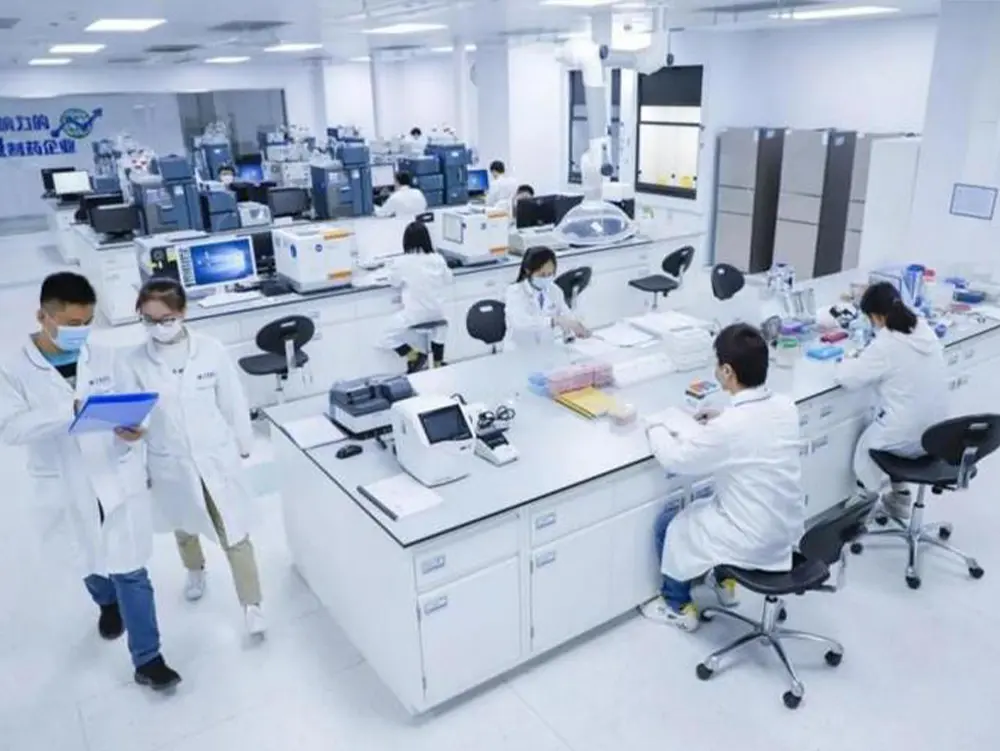
Beyond organosilicon materials, our Tier II core business lies in heavy-duty petroleum resins. Having invested heavily in premium Chinese hydrocarbon resin manufacturing facilities, we operate three robust plants strategically located in Zibo, Fushun, and Nanjing.
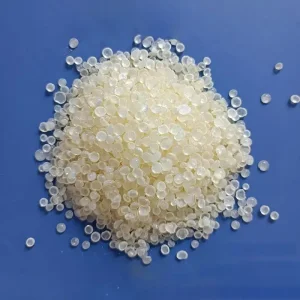
By leveraging steady, high-grade petrochemical feedstocks from state-owned giants such as SINOPEC and PetroChina, we synthesize top-tier C9 hydrogenated resins, C5 hydrocarbon resins, C5 modified C9 hybrid resins, C9 hydrocarbon resins, dicyclopentadiene (DCPD), and methyl cyclopentadiene dimer (MCPD).
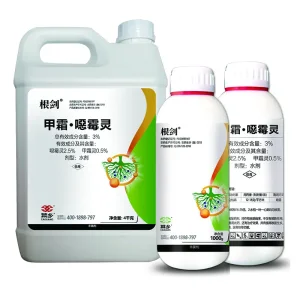
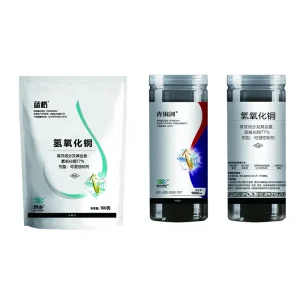
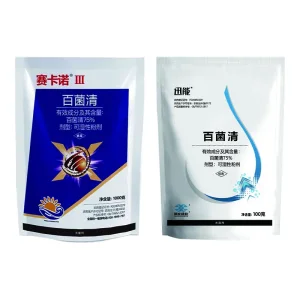
Additionally, Boctok's portfolio extends to the agrochemical industry. We formulate high-grade intermediates and functional raw materials for pesticides, fungicides, herbicides, seed treatments, and plant growth regulators designed to improve chemical absorption, stability, and delivery.
Physical and chemical reference index for our primary Silicate Ester Silane and related coupling configurations.
| Product Name / CAS Number | Active Silane Type | Key Industrial Applications | Performance Benefits |
|---|---|---|---|
| Ethyl Silicate 32 CAS 11099-06-2 |
Silicate Ester / Condensate | Zinc-rich coatings, refractory binders, investment casting molds | Excellent silica deposition, rapid hydrolysis, high-temperature binder performance |
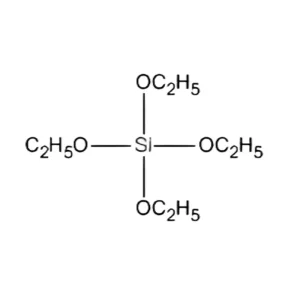
| Tetraethoxysilane (TEOS) CAS 78-10-4 |
Orthosilicic Acid Ester | Sol-gel processes, semiconductor CVD, optical coatings, chemical synthesis | Ultra-high purity options, controllable hydrolysis rate, outstanding silica source |
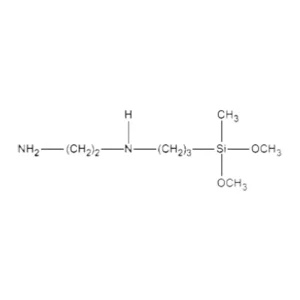
| N-(β-aminoethyl-γ-aminopropyl) methyldimethoxysilane CAS 3069-29-8 |
Diamine Alkoxysilane | Textile softening, silicone emulsions, glass fiber sizing, epoxy modification | Superb coupling with inorganic substrates, enhances elastic recovery and flexibility |
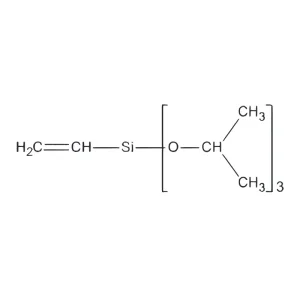
| Vinyltriisopropoxysilane CAS 18023-33-1 |
Vinyl Alkoxysilane | XLPE wire & cable crosslinking, polymer modifications, adhesive promoters | High moisture curing efficiency, thermal stability, excellent adhesion to polyolefins |
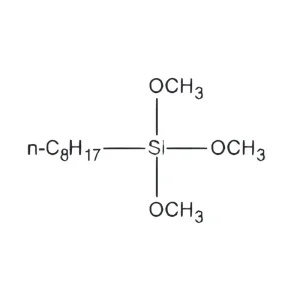
| N-Octyltriethoxysilane CAS 2943-75-1 |
Alkyl Alkoxysilane | Concrete waterproofing, brick preservation, hydrophobic surface modification | Deep substrate penetration, highly resistant to UV radiation and alkaline environments |
Driving next-generation organosilicon advancements to meet global sustainability and high-performance metrics.
The global demand for silicate ester silanes is transitioning rapidly toward sustainable synthesis pathways, zero-VOC release formulations, and extreme-performance nanotechnology. Boctok’s R&D team, in partnership with leading chemical research institutes in China, is pioneering the transition toward non-hydrolytic sol-gel technologies and next-generation oligomeric ethyl silicates designed to minimize alcohol emission during curing processes.
Synthesizing higher molecular weight condensates that release up to 40% fewer volatile organic compounds during crosslinking, designed to comply with strict global clean air acts.
Merging distinct organic headers (epoxy, amino, mercapto) into the silicate core structure to achieve multi-phase bonding strengths previously impossible with single-agent systems.
Transitioning toward direct silicon-alkanol synthesis processes that completely eliminate trace hydrochloric acid byproducts, ensuring ultra-low chloride content for microelectronics.
Tailored molecular systems engineered to withstand severe environments, protect critical infrastructure, and optimize product lifecycles.
Unifying manufacturing scale, intelligent automation, and raw material integration to ensure stability for global industries.
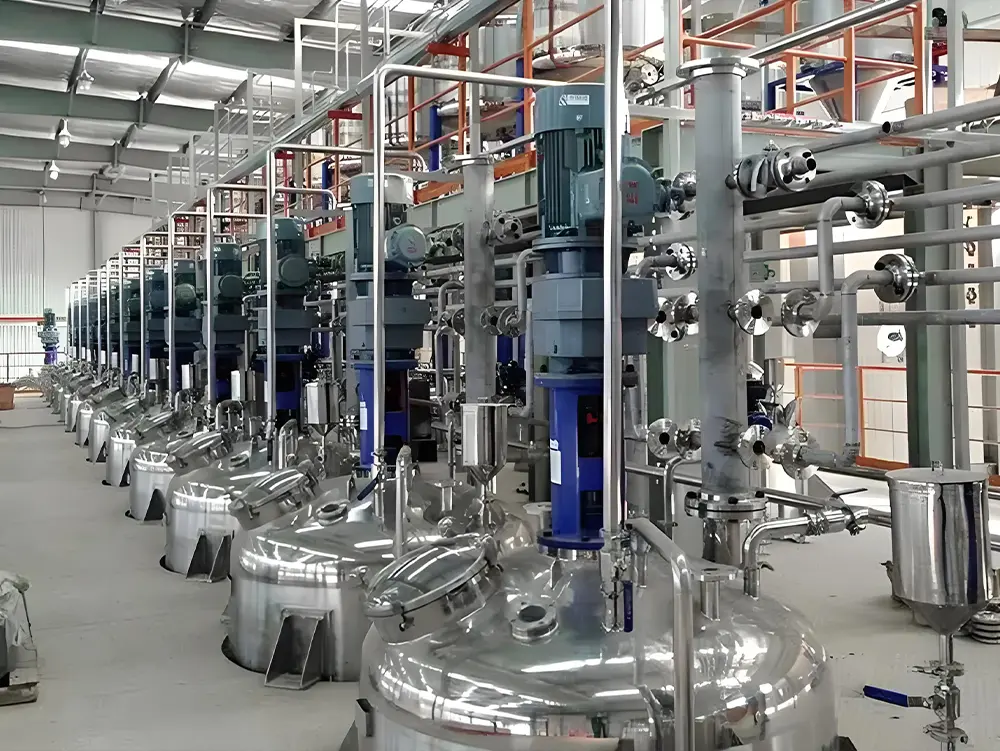
Boctok’s state-of-the-art manufacturing plant in Shouguang, Shandong, represents a US$65 million investment in modern smart factory design. Strategically located in the Shouguang Bohai Industrial Park—a provincial-level chemical industrial zone—our facility operates six advanced, fully automated lines capable of producing 30,000 tons of silane coupling agents annually.
To guarantee absolute process safety and batch consistency, our production lines are managed via a centralized Distributed Control System (DCS) and a dedicated Safety Instrumented System (SIS). This digital automation minimizes human error, controls reaction temperatures to within ±0.5°C, and optimizes material yields to stabilize supply lines even during volatile market cycles.
In addition to raw manufacturing capability, we utilize a robust circular manufacturing model. Side-streams and chemical byproducts (such as hydrogen chloride and alcohols) are collected, refined, and recycled back into our production loop. This design helps protect the environment, lower emissions, and shield customers from pricing spikes caused by raw material scarcity.
Simplifying cross-border trade, regulatory registration, and custom technical support for international manufacturers.
We actively maintain EU REACH registrations, support US EPA TSCA declarations, and ensure GHS-compliant SDS labeling in multiple languages to prevent port-of-entry delays.
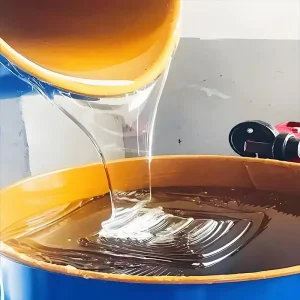
We provide multiple shipping solutions, including 25kg drums, 200L steel drums, and 1000kg IBC totes, along with nitrogen-blanketed filling to prevent moisture-sensitive silanes from hydrolyzing.
Our global engineering teams provide direct support, running compatibility analyses, suggesting dosing amounts, and helping optimize application setups in real-time.
Technical explanations to common questions about selecting, processing, and handling silicate ester silane products.
Comprehensive organic silicone polymers, functional silane intermediates, and environmental formulations for global procurement.
 Boctok Chemical