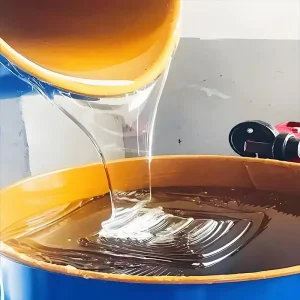
Within the highly competitive textile finishing industry, the search for the perfect hand-feel combined with operational durability has led to the adoption of advanced silicon-based formulations. At the heart of these advancements is Silanol Silicone Oil (also referred to as hydroxyl-terminated polydimethylsiloxane or OH Polymer). Unlike standard dimethicone fluids, the reactivity of the terminal hydroxyl groups (-OH) provides a functional platform for complex cross-linking. This creates a flexible, highly durable elastomeric film on the surface of fibers.
Textile chemical formulators globally leverage Silanol Silicone Oil to construct modified block copolymers, specifically amino-functional silicones and hydrophilic block silicone softeners. These engineered products physically bond with cotton, wool, synthetic blends, and silk fibers. By decreasing the fiber-to-fiber friction coefficient, they deliver an incredibly soft, smooth, and drapery feel while dramatically enhancing physical performance indicators like tear strength, wrinkle recovery, and elastic recovery.
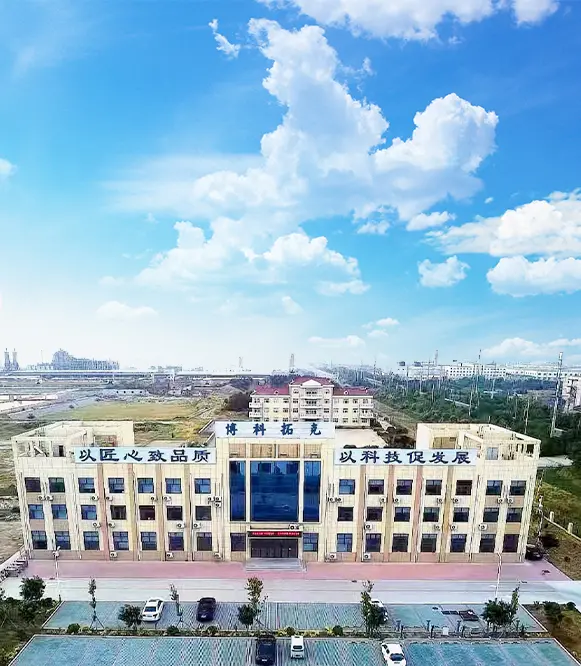
Understanding the cost-efficiency, deep vertical integration, and technical capacity of specialized Chinese silicone manufacturing bases.
China's organosilicon industry features extensive integration from silicon metal extraction, methyl chloride synthesis, to monomer cracking. This ensures a consistent supply of cyclic methyl siloxanes (D4, DMC) for polymerization.
By shifting to DCS (Distributed Control Systems) automated synthesis lines, molecular weight distribution, terminal hydroxyl content, and viscosity index are controlled within precise limits.
Leading manufacturers conform directly to OEKO-TEX Standard 100, REACH, and ZDHC limits, dramatically reducing the volatile organic compounds (VOCs) and cyclic oligomer residues (D4/D5/D6).
Founded in 2012, Shandong Boctok Chemical Co. acts as a global power-center for specialized organosilicones, petroleum resins, and agrochemical products.
As a dynamic marketing and sales center, Shandong Boctok Chemical Co. achieved global sales of US$280 million in 2023. The BOCTOK brand specializes in serving complex markets, including Eastern Europe, the Russian market, North America, Japan, Korea, South America, and the Middle East.
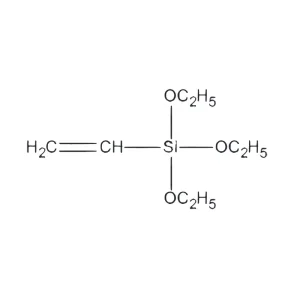
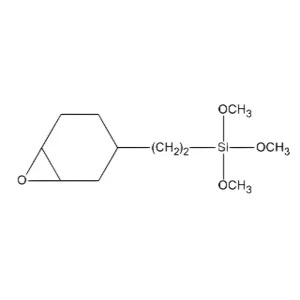
Our organosilicone portfolio covers twelve comprehensive series of silane coupling agents and crosslinkers including aminosilane, methacrylate silane, epoxy silane, vinyl silane, mercaptosilane, alkyl silane, ethyl silicate, chlorosilane, silane isocyanates, phenyl silane, ureidosilane, and serosilane. We focus closely on downstream silicone applications: high-hydrogen silicone oil, dimethicone, vinyl silicone oil, polyphenylmethyldimethylsiloxane, phenyl silicone oil, silanol silicone oil, and OH polymers, alkoxy silicone oil, methyl MQ resin, vinyl VMQ resin, room-temperature vulcanized methyl silicone rubber, 110 methyl vinyl silicone rubber, and 120 methyl phenyl rubber.
These advanced silicone polymers are heavily adopted in glass fiber, electronics, wind energy, daily chemical products, coatings, adhesives, XLPE electric cables, hot water pipes, oil field drilling, textiles, and rubber molding industries to systematically improve final product quality and durability.
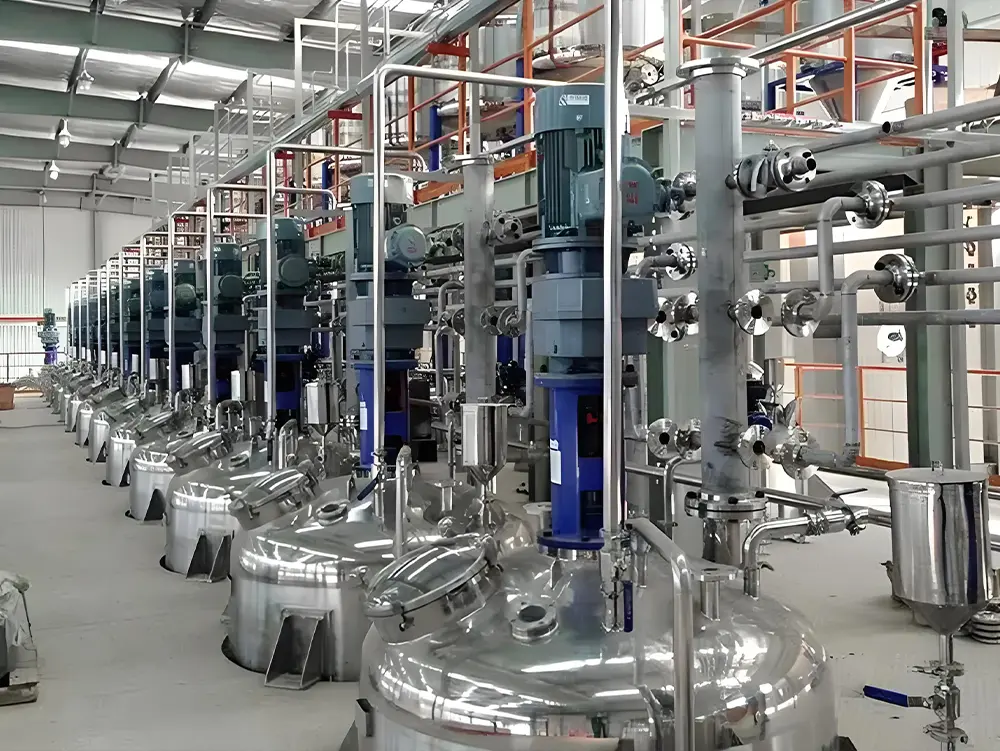
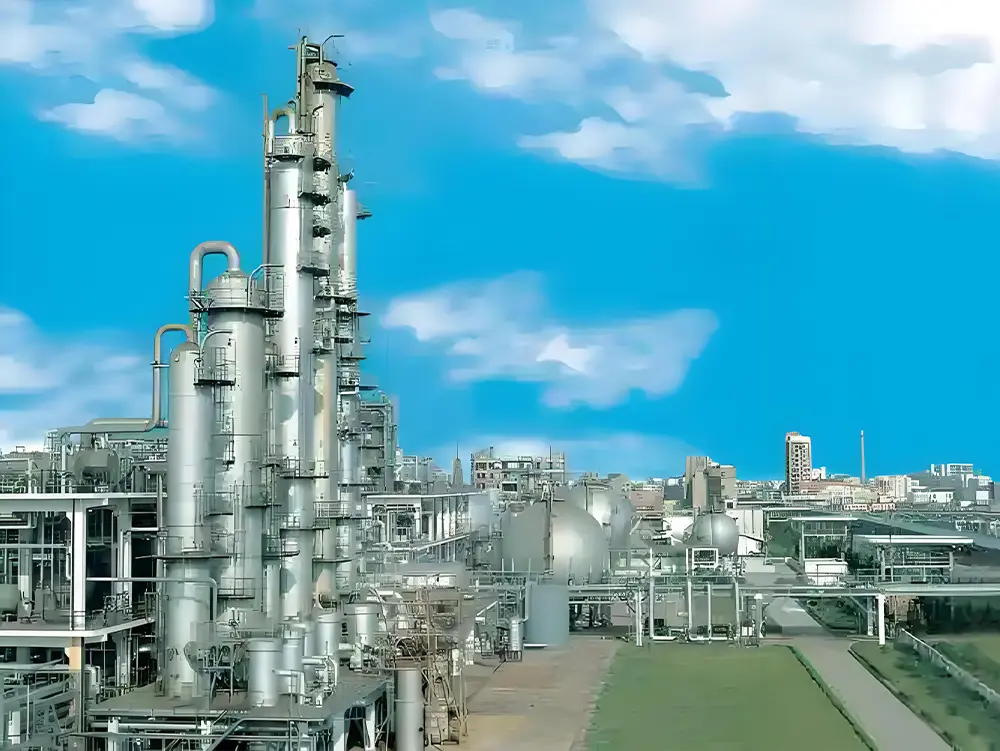
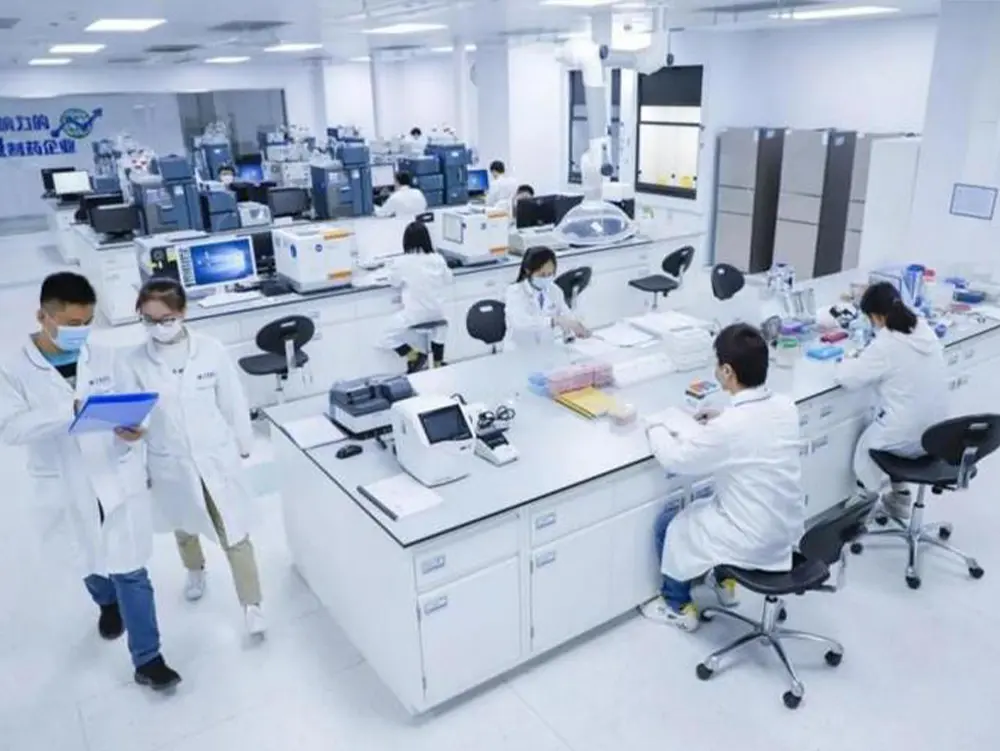
Boctok recently invested US$65 million to build a brand new manufacturing facility located in the Bohai Industrial Park, a highly regulated, provincial chemical industry park in Shouguang City, Shandong Province. This facility expands our production chain of silane coupling agents and reactive silicone intermediates, housing 6 fully automatic DCS production lines with an annual output of 30,000 tons.
The manufacturing infrastructure utilizes advanced Safety Instrument Systems (SIS) alongside the primary DCS structure to enforce rigorous process safety. Our operations implement the ISO9001 quality management system throughout, ensuring high batch-to-batch consistency for key global applications. To balance growth with environmental stewardship, we constructed high-efficiency waste gas collection and multi-stage industrial wastewater treatment facilities, maintaining a green chemical footprint.
Leveraging feedstocks from SINOPEC and PetroChina to deliver high-performance hydrocarbons and intermediates globally.
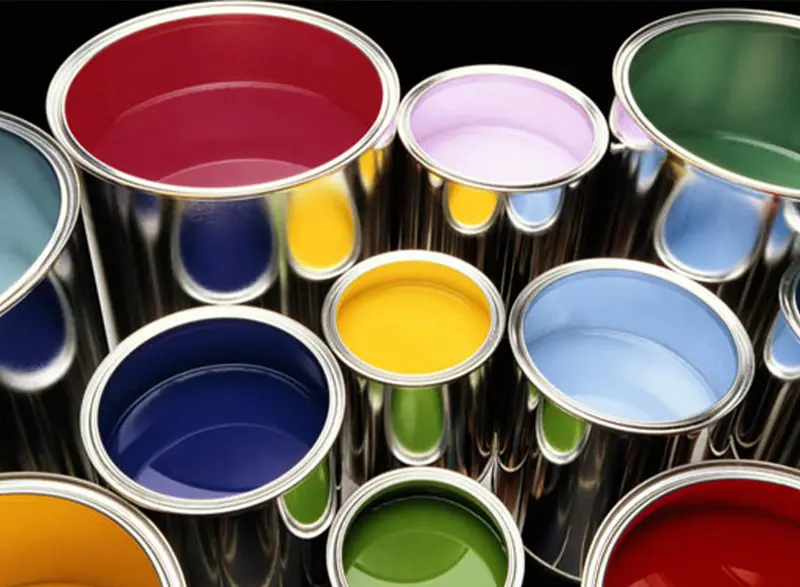
Boctok's Tier II core business focuses heavily on high-quality petroleum resins. By investing in leading hydrocarbon resin manufacturers across China, we currently run three major factories in Zibo, Fushun, and Nanjing. Our close raw material sourcing partnerships with state-owned giants SINOPEC and PetroChina ensure continuous access to high-purity inputs. Our products include C9 hydrogenated resins, C5 hydrocarbon resins, C5 modified C9 resins, C9 hydrocarbon resins, dicyclopentadiene, and methyl cyclopentadiene dimer. These are widely used by Fortune 500 companies in paints, hot-melt adhesives, rubbers, and specialized coatings.
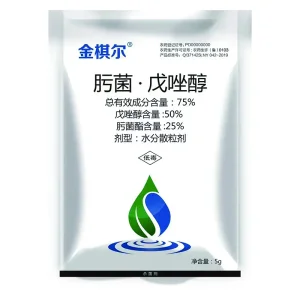
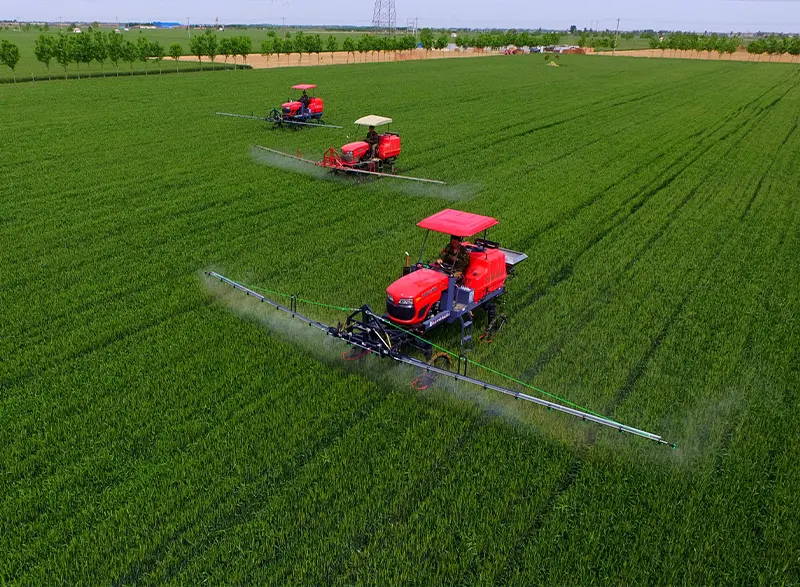
Boctok also maintains a robust division specializing in active intermediates and raw materials for the agricultural sector. We manufacture high-purity intermediates for pesticides, fungicides, seed treatments, herbicides, and plant growth regulators. This ensures comprehensive crop protection solutions that satisfy international phytosanitary and environmental regulatory requirements.
Providing value-driven supply chain capabilities, absolute quality assurance, and attentive localization services.

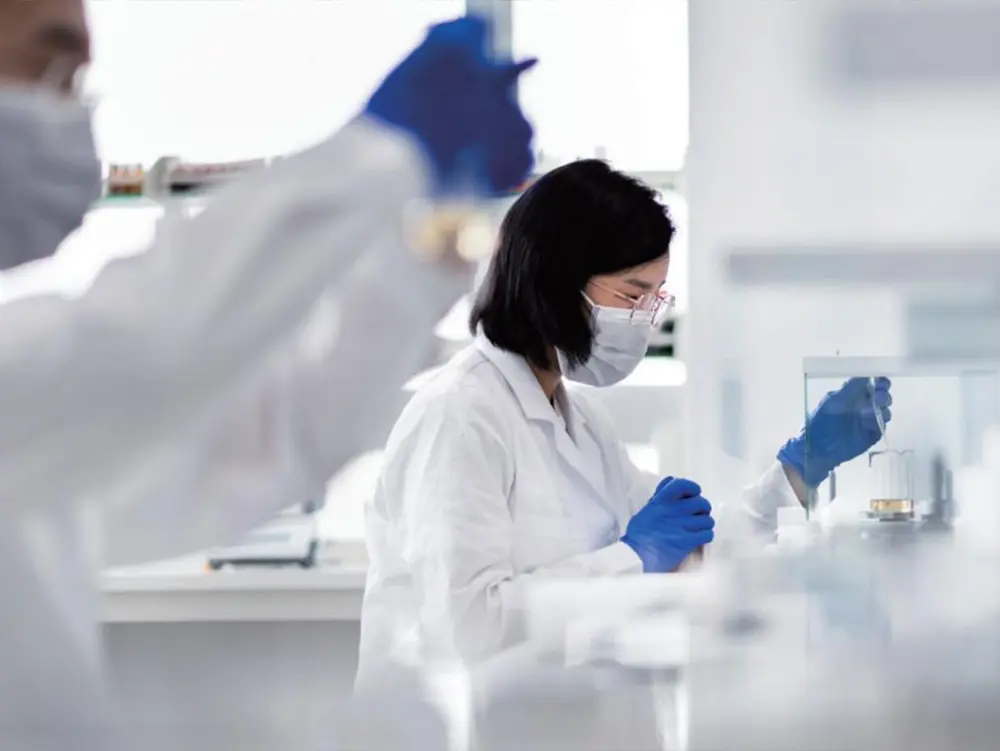
Every product batch undergoes strict chemical and physical testing. From viscosity verification to volatile content analysis, we guarantee consistency across global delivery cycles.

Advanced, high-throughput DCS polymerization plants allow for mass customization, helping us efficiently scale production to meet large international contracts.

Our dedicated, multilingual technical teams are available online 24/7. We assist customers with formulation adjustments, emulsification support, and troubleshooting.

Located near primary logistics networks and maritime ports in Shandong, we coordinate fast order processing, customs clearing, and reliable international delivery.
Our silicone polymers and petrochemical intermediates play a crucial role across many industrial sectors.




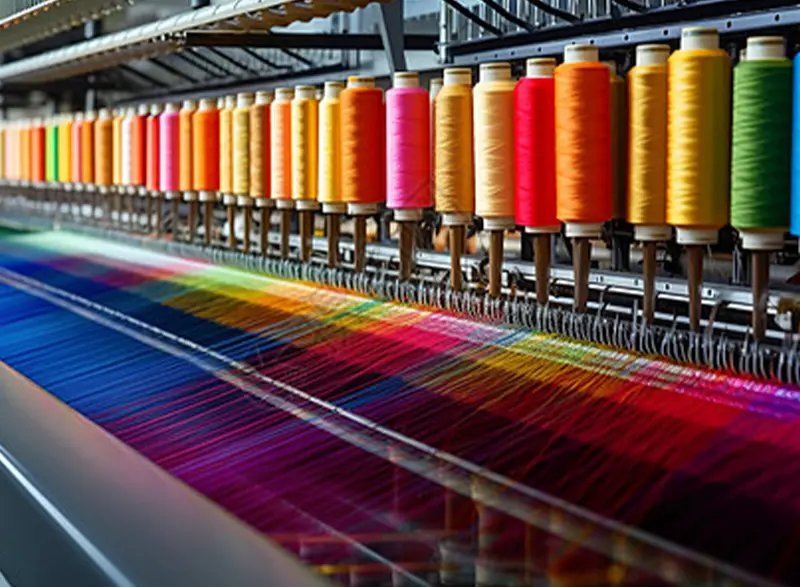
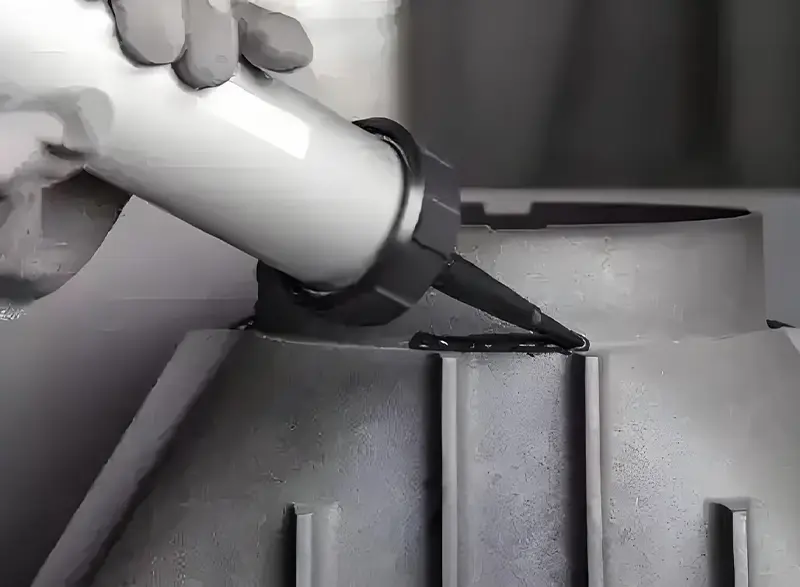

A detailed look at chemical composition, viscosity controls, and reaction chemistry for modern textile finishers.
Silanol silicone oil has functional terminal hydroxyl groups bonded directly to the silicon atoms at both ends of the polydimethylsiloxane polymer backbone. Its general molecular formula is written as HO-Si(CH₃)₂-O-[Si(CH₃)₂-O]n-Si(CH₃)₂-OH. The presence of these hydroxyl endpoints is critical for crosslinking reactions.
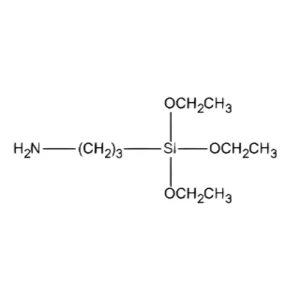
In textile softeners, silanol silicone oils react with trialkoxysilanes or other reactive amino-functional coupling agents under catalyst control. The silol groups undergo condensation, yielding a high-molecular-weight network. When applied to textiles, this structure wraps around the fibers, creating a durable coating that withstands wash cycles.
Silanol silicone oil is naturally hydrophobic and must be converted into stable aqueous emulsions for industrial textile finishing. This process requires optimized emulsification procedures:
With increasing international regulation on substances of very high concern (SVHC), textile manufacturers are heavily scrutinized regarding chemical inputs. Standard silicone processing often contains traces of cyclic siloxanes (D4, D5, D6), which are classified as bioaccumulative in certain marine environments.
Shandong Boctok Chemical employs thin-film stripping and advanced vacuum distillation systems to reduce D4/D5/D6 content below standard regulatory limits (under 0.1% or 1000ppm). This helps clients satisfy strict global standards, including OEKO-TEX Standard 100 and ZDHC Roadmap to Zero requirements.
Providing vital protection and performance enhancement in diverse industrial sectors globally.

We provide highly active intermediates, raw materials, and processing agents that support active ingredient synthesis.

We manufacture highly pure dimethicones and volatile carriers to improve skin feel and gloss.
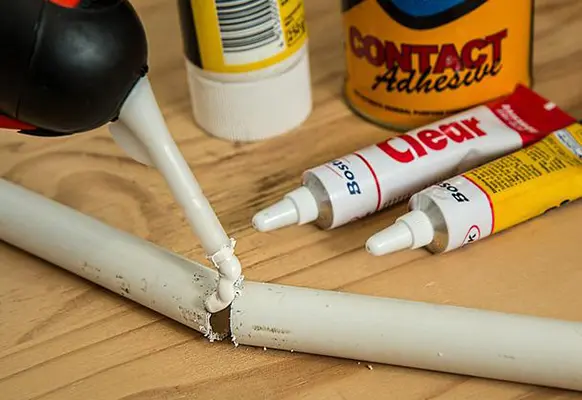
Our petroleum resins and silane coupling agents optimize tackiness, thermal performance, and adhesion strength.
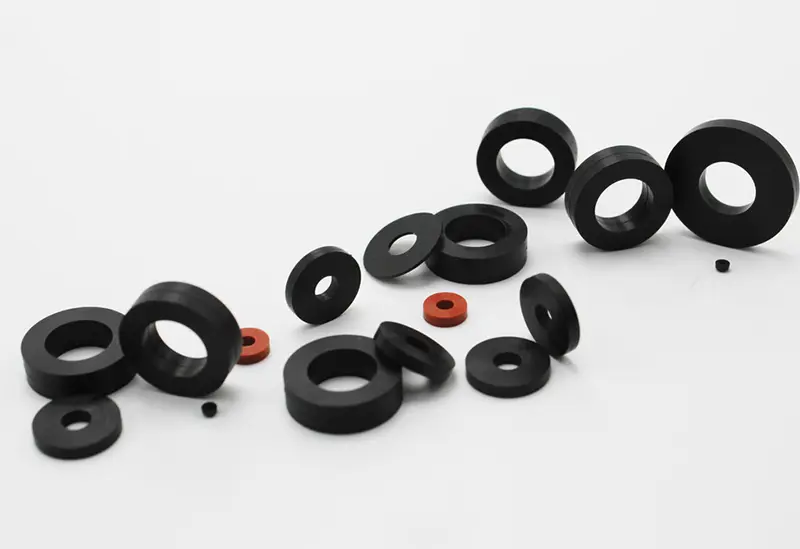
Our functional silanes improve inorganic filler dispersion (silica/clay) in automotive rubber matrices.
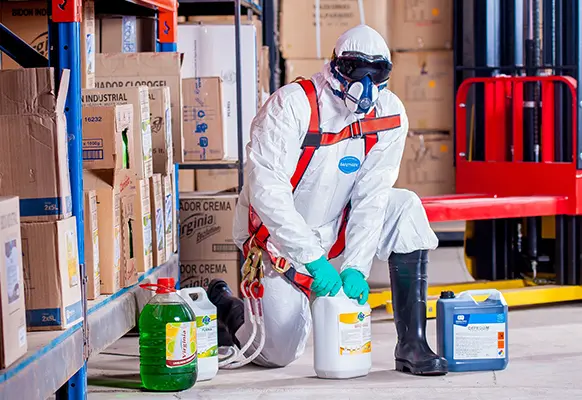
We provide resins and coupling agents that enhance scratch resistance, weatherability, and substrate adhesion.
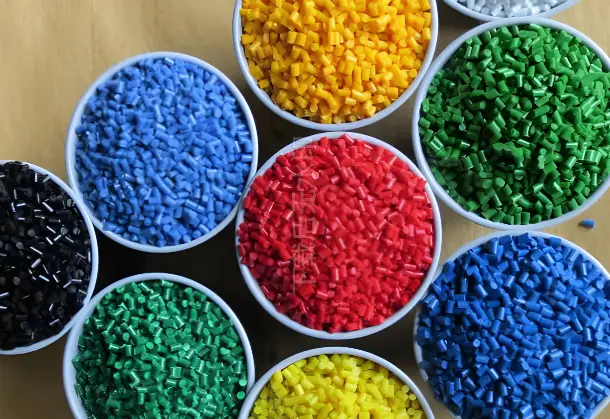
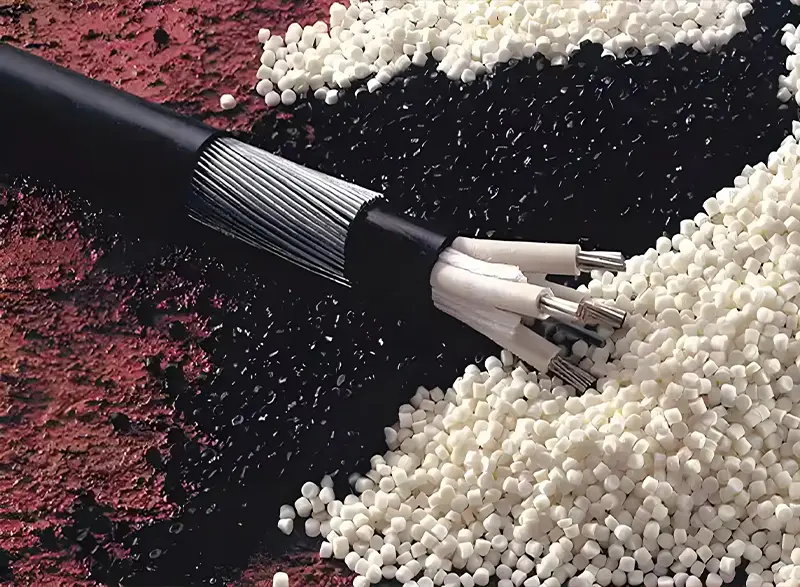
We supply additives that improve processing, modify impact strength, and boost thermal stability.

Our agricultural chemical intermediates are designed for stable pesticide formulations.
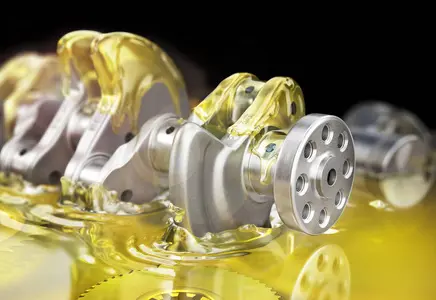
We manufacture high-grade liquid silicone rubbers with integrated self-lubrication properties.
Our silicone defoamers deliver rapid bubble knock-down and reliable performance in extreme pH conditions.

We supply hydrophobic silicone additives to enhance water resistance in gypsum panels.
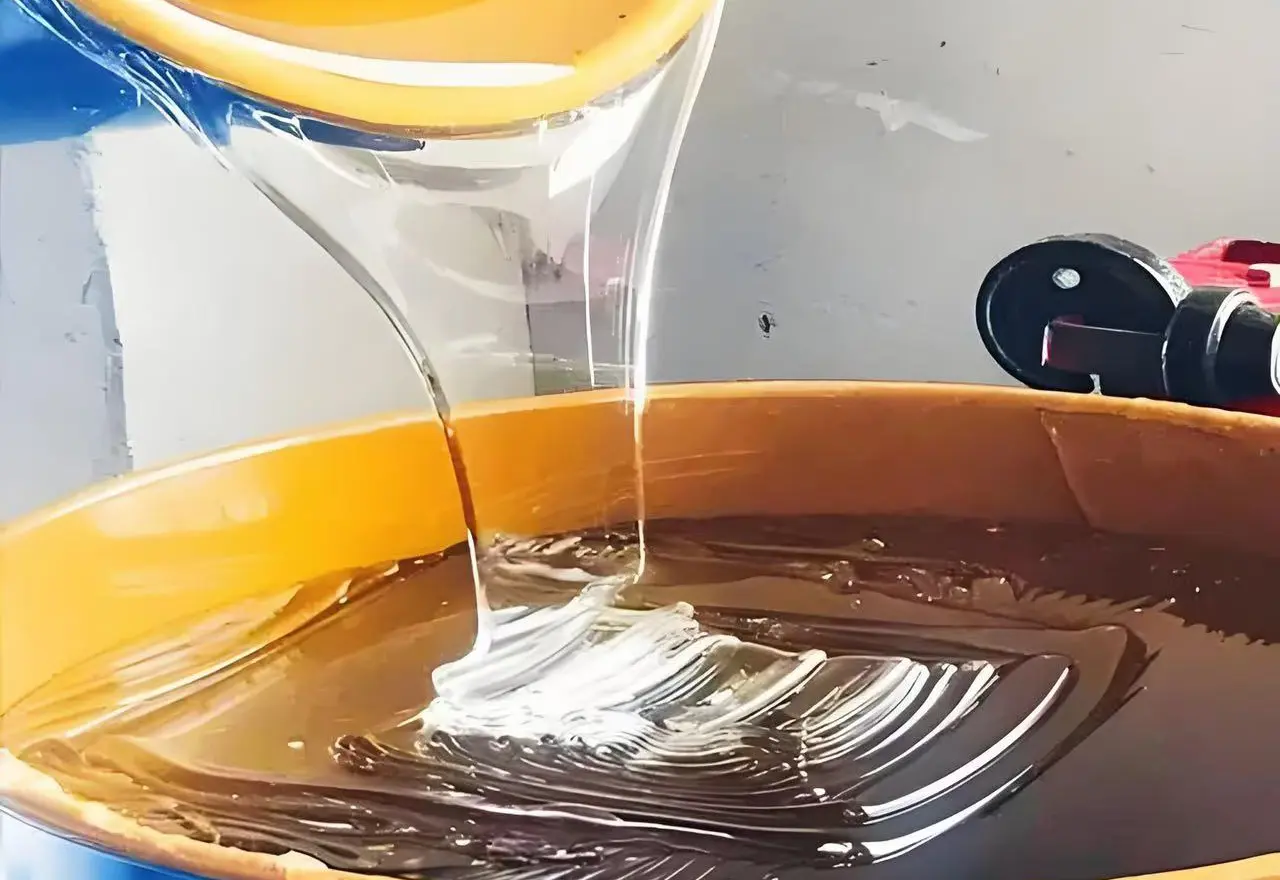
We offer functional siloxane fluids of varying viscosities for heat transfer, lubrication, and damping.

We supply high-performance materials built to withstand challenging environments, oils, and high temperatures.
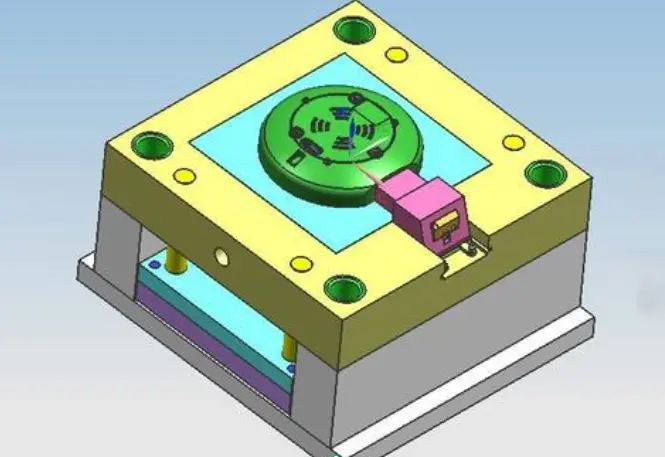
Our RTV-2 rubbers deliver precise replication, high tear strength, and chemical durability.

We supply potting compounds and silicone adhesives designed for heat management and environmental insulation.

Our silicones act as weatherproofing agents, keeping masonry, brick, and concrete dry.
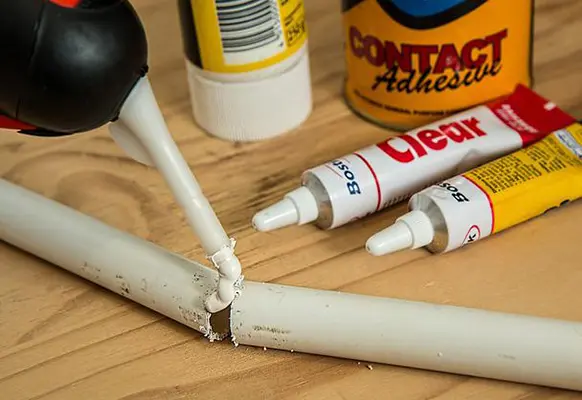
Our products deliver strong, flexible, and UV-resistant joints in glass glazing and architectural paneling.
Our functional silicone additives improve surface slip, anti-cratering, and levelling.

Our silanes provide an eco-friendly alternative to traditional chromate conversion coatings.
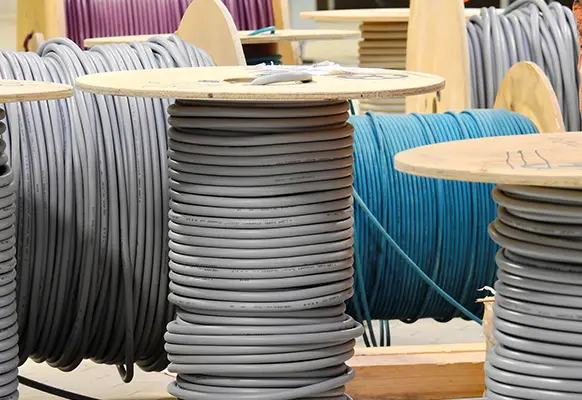
We supply crosslinking agents that enhance structural integrity in XLPE insulation.
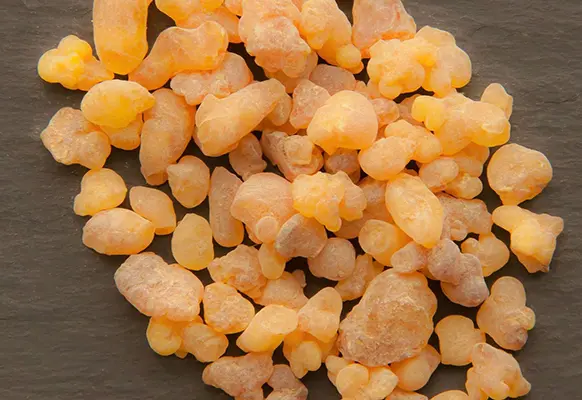
We supply reactive siloxane blocks used to synthesize modified polyester, alkyd, and acrylic polymers.

We provide grinding aids, coupling agents, and mold release formulations for raw materials processing.

Our high-strength epoxy silanes improve glass fiber coupling inside composite turbine blades.
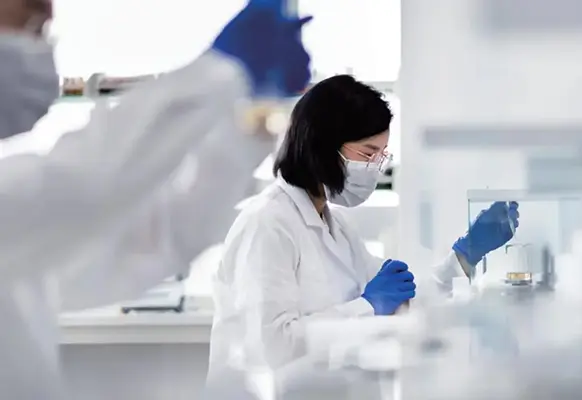
We produce clean, medical-compatible silicones that comply with stringent biocompatibility requirements.

Our reactive silanol oils serve as key components for formulating highly durable amino silicone softeners.

We provide surface modification agents for silica, calcined kaolin, and calcium carbonate.
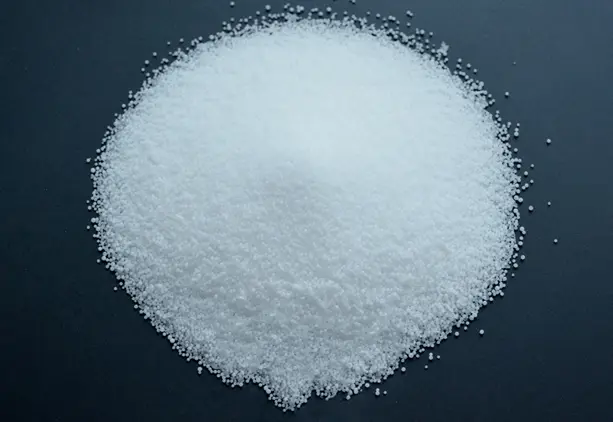
We produce customized, high-precision organosilicon structures for advanced chemical engineering.
Providing clear answers to technical questions raised by chemical buyers, developers, and quality control engineers.
 Boctok Chemical