Featured Products Series I — High-purity reactive silanes engineered to optimize crosslinking efficiency and substrate adhesion.
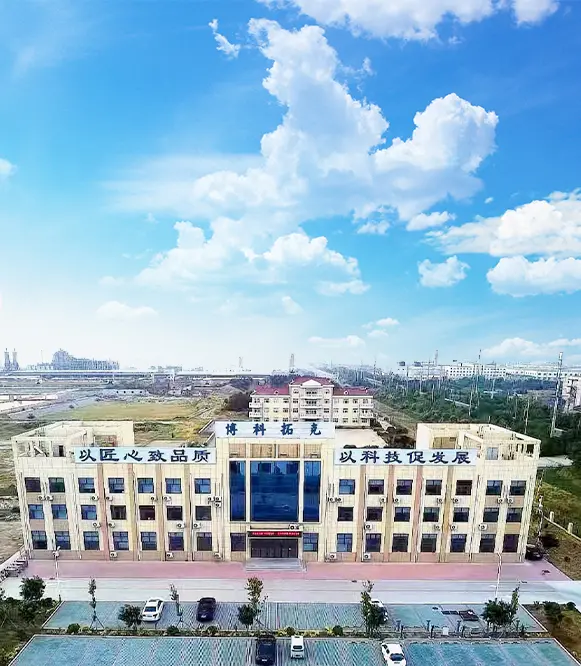
Founded in 2012, Shandong Boctok Chemical Co. has established itself as an industry leader in the R&D, manufacturing, and global distribution of organosilicon solutions and silane coupling agents. Boctok has grown into an international powerhouse, serving as a vital link in the chemical supply chains of Russian-speaking regions (through our premier BOCTOK™ brand) as well as European, Asian, and American industrial hubs. In 2023, our commitment to excellence, technological rigor, and logistics optimization drove our global sales to a landmark US$280 million.
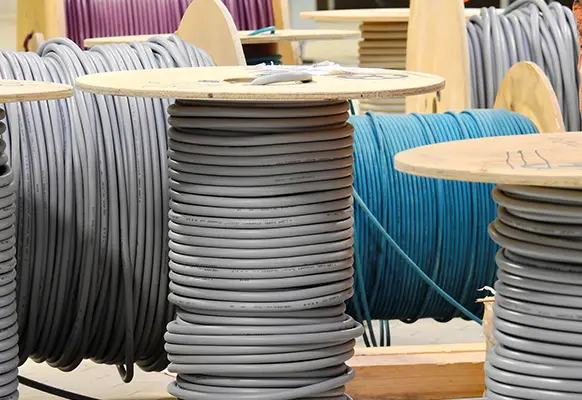
Our organosilicon department offers twelve specialized series of silane coupling agents and crosslinkers, including aminosilanes, methacrylates, epoxies, vinyls, mercaptosilanes, alkyl silanes, ethyl silicates, chlorosilanes, isocyanates, phenyl silanes, ureidosilanes, and serosilanes. We also supply silicone oil (high-hydrogen, dimethicone, vinyl silicone oil, and phenyl silicone oil), methyl MQ resins, vinyl VMQ resins, and advanced rubbers designed to meet rigorous standards across sectors like wind energy, XLPE electric cables, and structural adhesives.
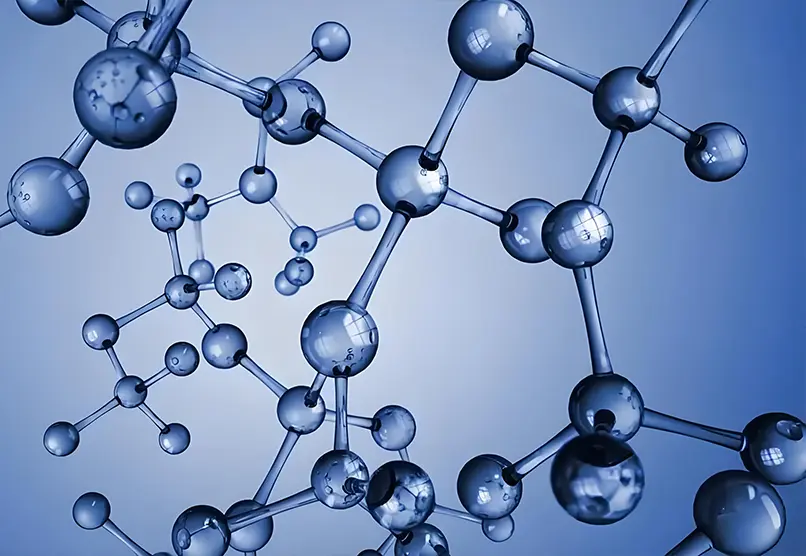
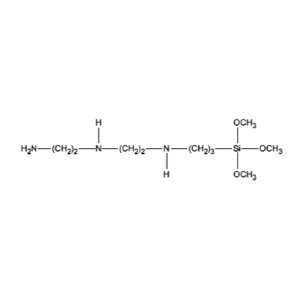
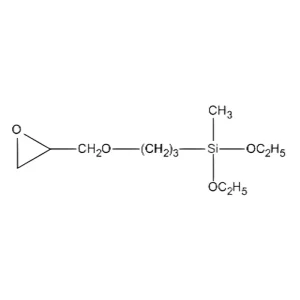
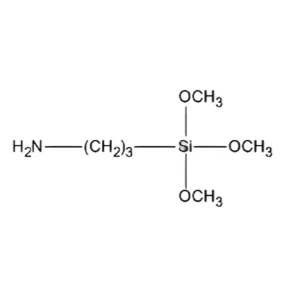
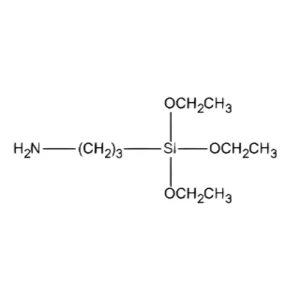
Silane chemical intermediates play a critical role in material science by bridging the gap between inorganic materials (like glass, metals, and minerals) and organic polymers (such as thermoplastics, elastomers, and thermosets). Synthesized under the general molecular formula Y-R-Si(OR')₃, these bifunctional molecules have a dual reactive nature. The hydrolyzable alkoxy groups (typically methoxy or ethoxy) form robust covalent siloxane links (Si-O-Si) with inorganic silica structures, while the organofunctional tail (Y) reacts with or dissolves in the organic resin matrix.
As modern technology demands lighter, stronger, and more weather-resistant materials, high-purity silane chemical intermediates have transitioned from simple process additives to essential raw materials. In structural engineering, automotive composites, aerospace systems, and microelectronics, these intermediates provide structural integrity at the molecular level. For instance, without specialized aminosilanes or epoxysilanes, high-frequency printed circuit boards (PCBs) would experience dielectric breakdown and moisture absorption, while wind turbine blades would succumb to delamination under continuous environmental stress.
Operating across organosilicons, high-purity hydrocarbon resins, and agricultural intermediates to drive cross-industry innovation.
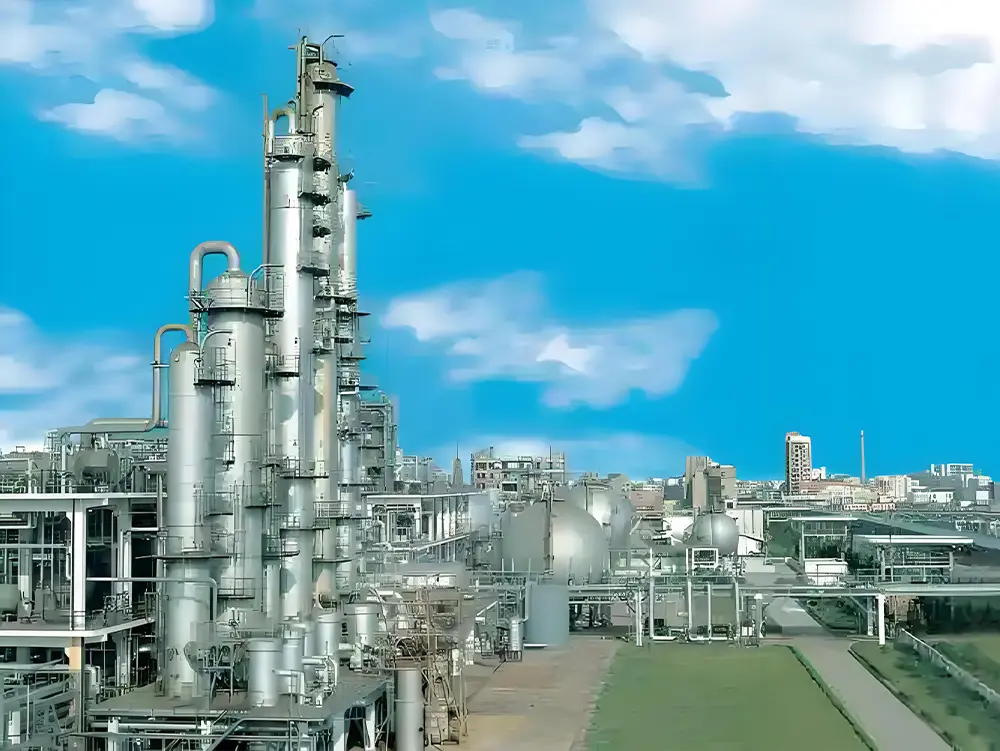
Beyond our flagship organosilicon product line, Boctok operates a Tier II core business specializing in high-performance hydrocarbon resins. By investing in key manufacturing facilities across China's major petrochemical hubs—specifically in Zibo, Fushun, and Nanjing—we ensure a secure and stable raw material supply through partnerships with major suppliers like SINOPEC and PetroChina.
Our hydrocarbon resin portfolio includes:
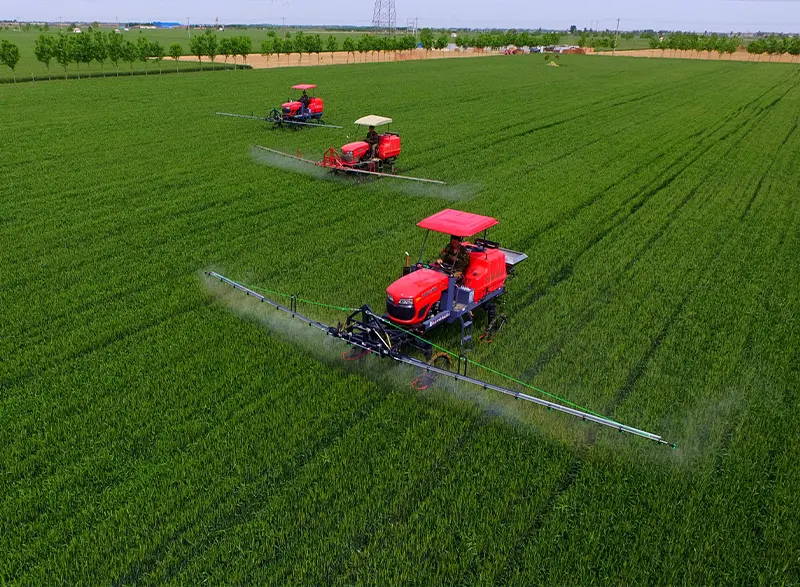
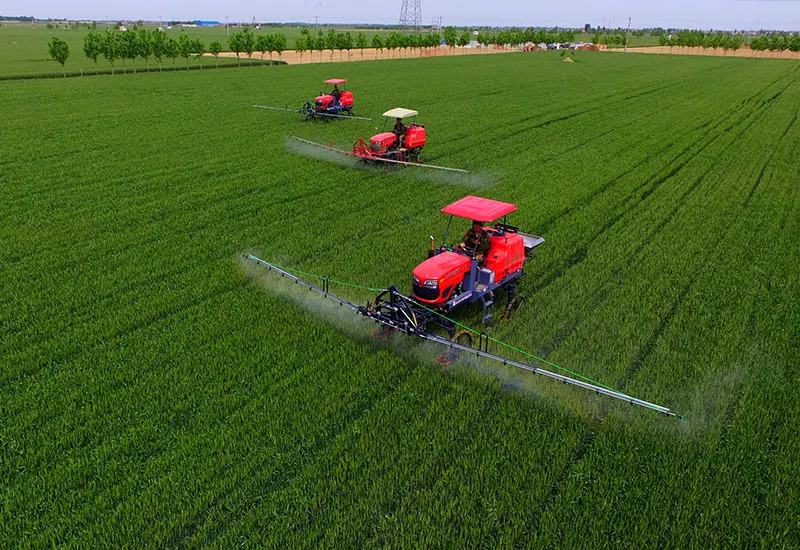
Additionally, Boctok's specialized agrochemical division synthesizes high-purity active intermediates, raw materials, and catalysts used in the formulation of next-generation fungicides, seed treatments, herbicides, insecticides, and plant growth regulators, helping global agriculture improve yields and safety.
Setting new global benchmarks for automation, safety, and eco-friendly chemical synthesis.
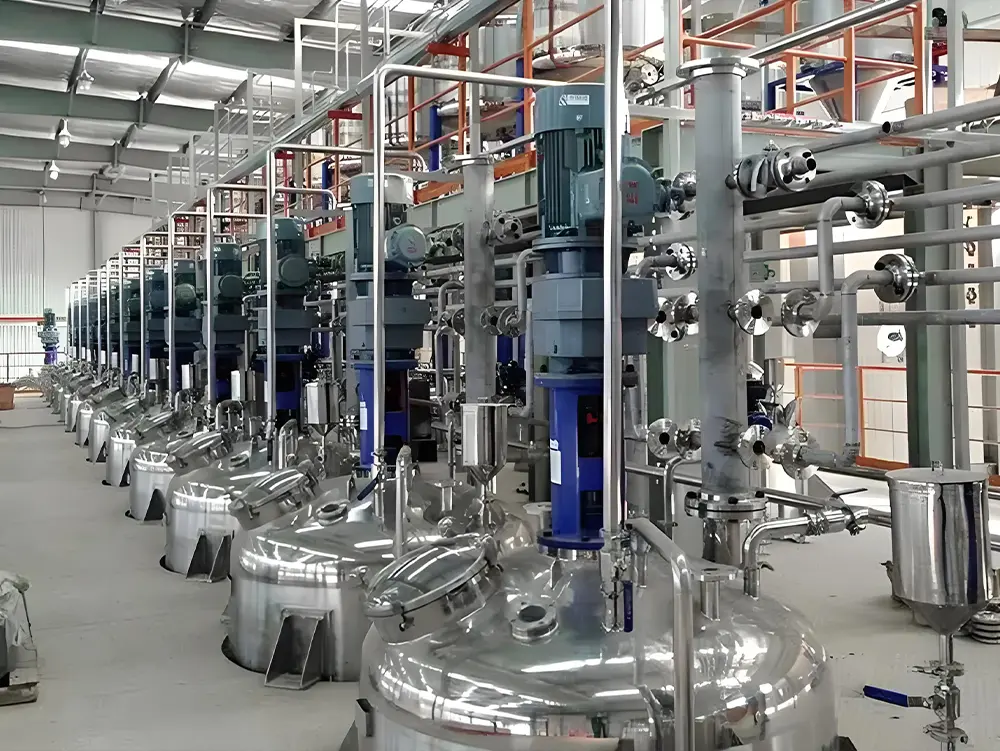
To support the rising demand for high-purity silane coupling agents and crosslinkers, Boctok recently invested US$65 million to construct a state-of-the-art production complex in the Bohai Industrial Park, Shouguang City, Shandong Province. This provincial-level chemical park provides secure feedstock pipelines, robust utility grids, and immediate access to shipping lanes, making it an ideal hub for domestic and export markets.
The facility features 6 fully automated DCS (Distributed Control System) production lines with a designed annual output capacity of 30,000 metric tons of silane coupling agents. The entire manufacturing process, from raw material charging to chemical synthesis, refinement, and packaging, is closely monitored and managed from a central operations room, minimizing human error and ensuring consistent product quality.
Providing industrial buyers with reliable supply, rigorous quality assurance, and technical support.

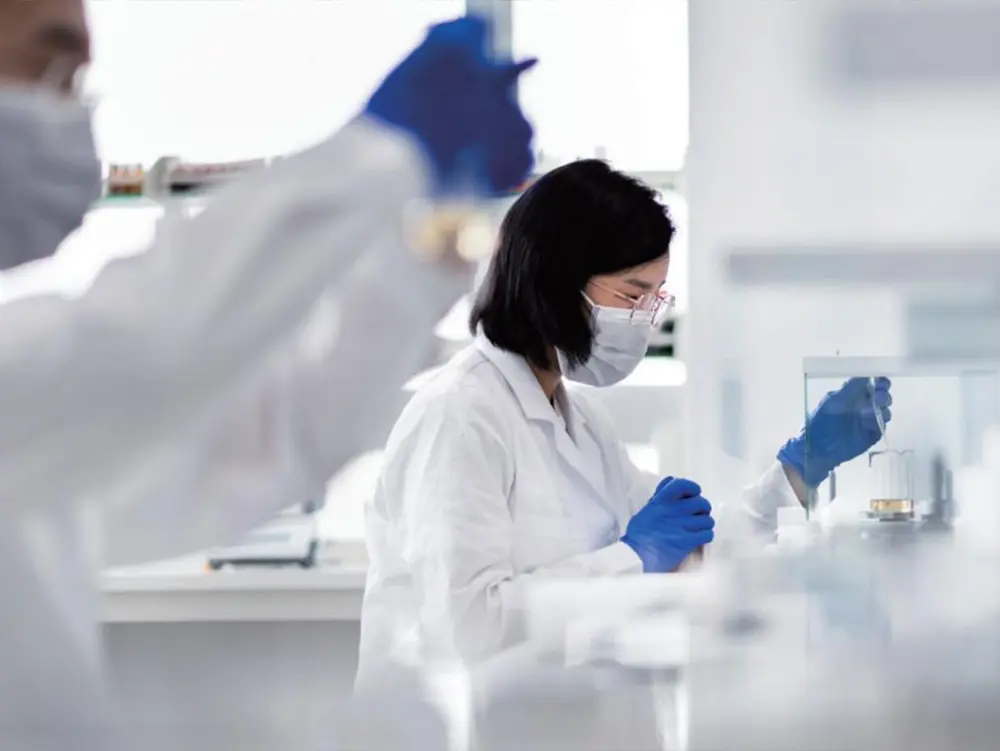
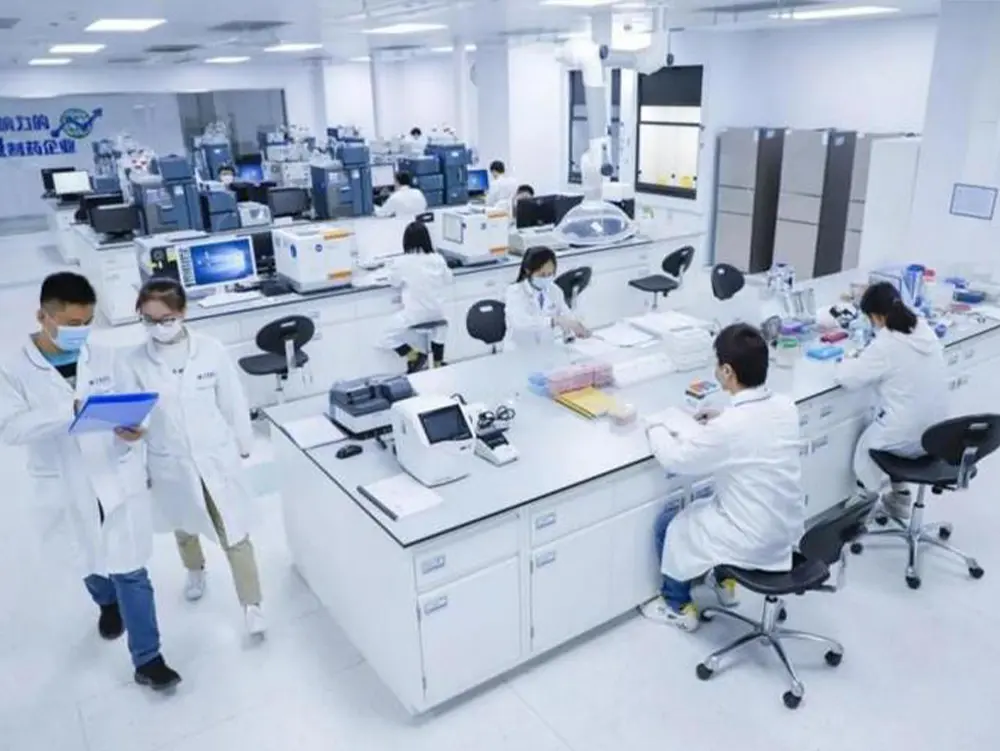
Our silane products undergo rigorous gas chromatography (GC) and mass spectrometry (MS) analysis to guarantee high active purity and reliable, consistent performance.

Our 30,000-ton capacity Shouguang facility, supported by plants in Zibo, Fushun, and Nanjing, allows us to offer steady bulk supply and custom formulations.

Our multilingual application engineers are available 24/7 online to assist with formulation adjustments, troubleshooting, and chemical integration.

Close partnerships with international ports and logistics networks enable fast shipping, secure packaging, and full compliance with global chemical transport safety standards.
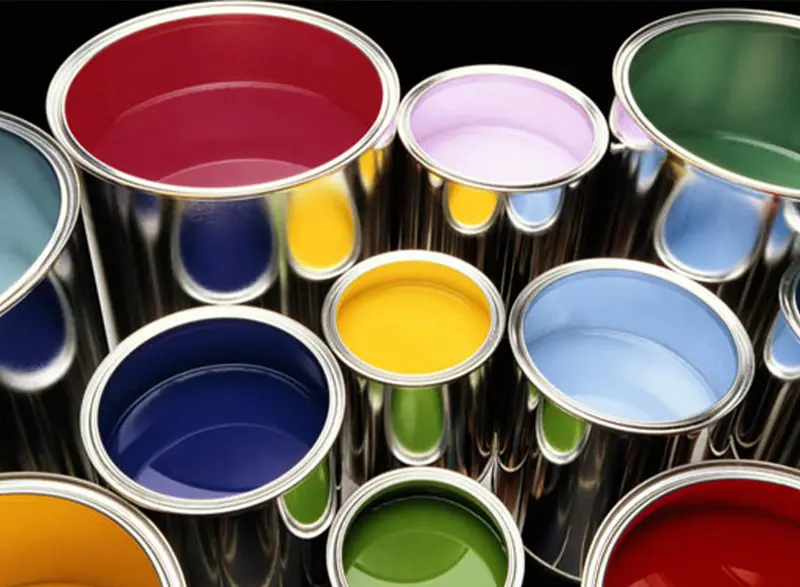
Our silanes and hydrocarbon resins serve as essential components in key global industrial applications.




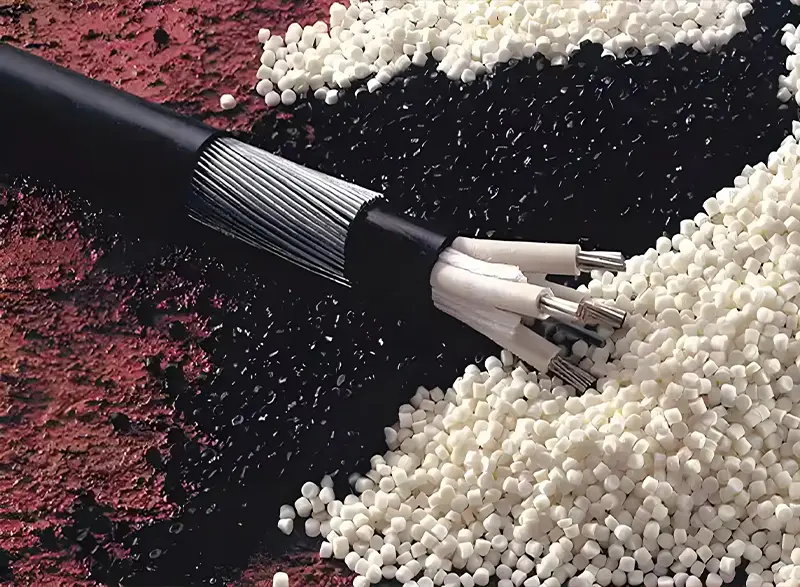
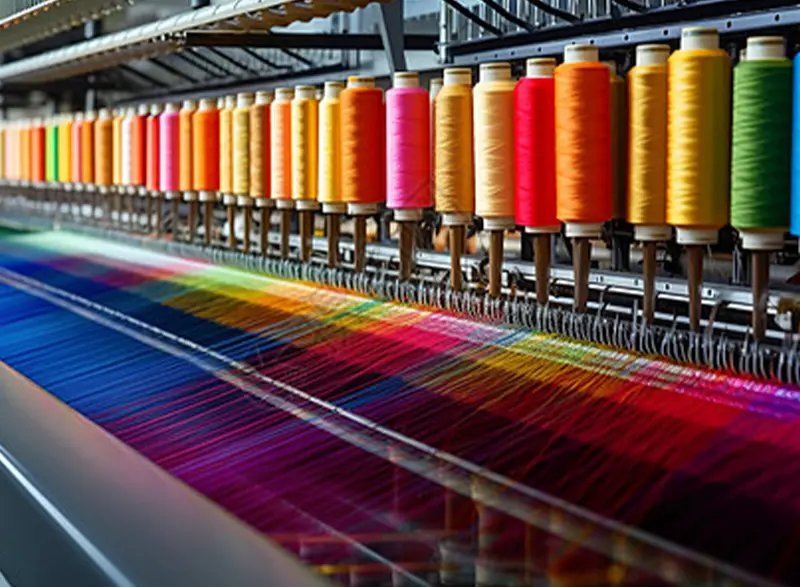
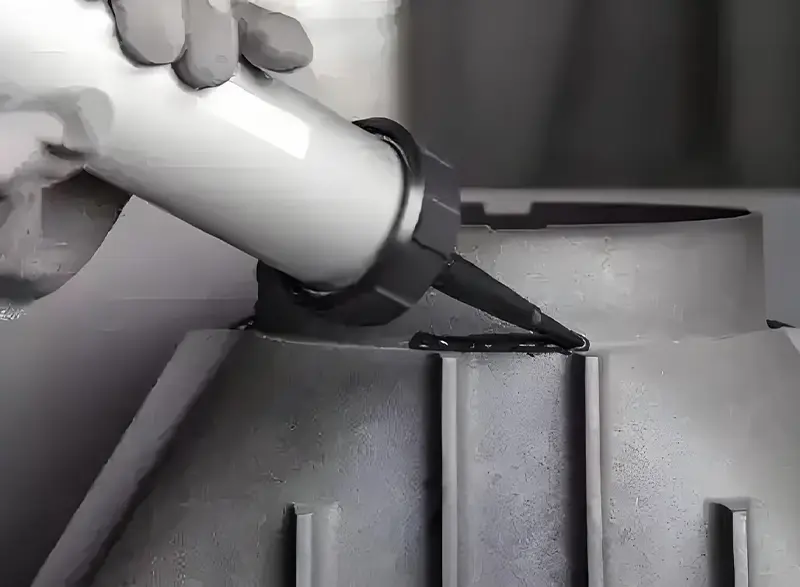
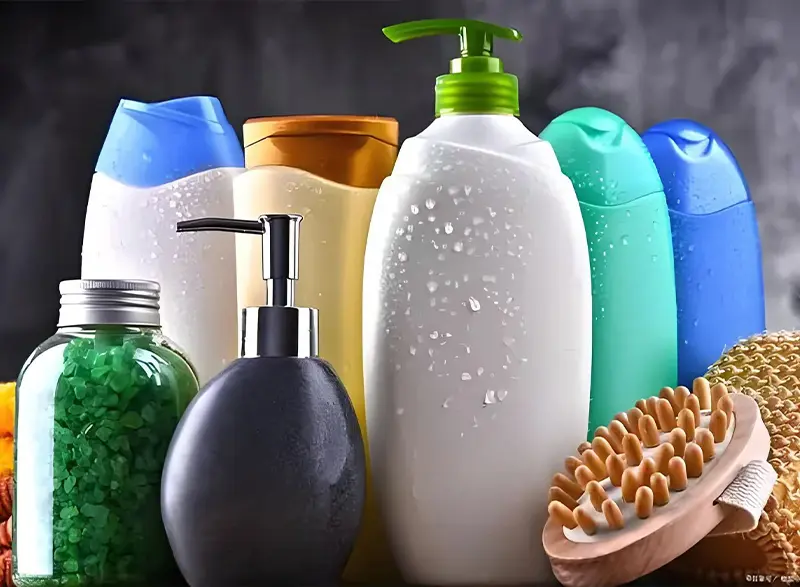
The global market for silane chemical intermediates is changing due to regulatory shifts, environmental standards, and the growth of high-technology industries. A major driver is the worldwide shift toward green chemistry. Traditional organosilane production often relied on halogenated organic precursors that released volatile organic compounds (VOCs) and halogen acids upon hydrolysis. Today, the industry is transitioning toward water-borne, alkoxy, and neutral silane formulations that release less toxic byproducts, such as ethanol or water.
This is especially critical in the automotive sector, where low-rolling-resistance tires require specialized mercaptosilanes. These silanes help disperse silica fillers inside the natural and synthetic rubber matrices (such as NBR, BR, and IR). By improving silica dispersion, these coupling agents reduce internal friction within the rubber vulcanizate, lowering rolling resistance, improving fuel economy, and reducing carbon emissions. Our high-grade antioxidants, like KY-616 [Poly(Dicyclopentadiene-Co-Cresol)], are designed to work alongside these silanes to protect rubber compounds from thermal oxidation and aging.
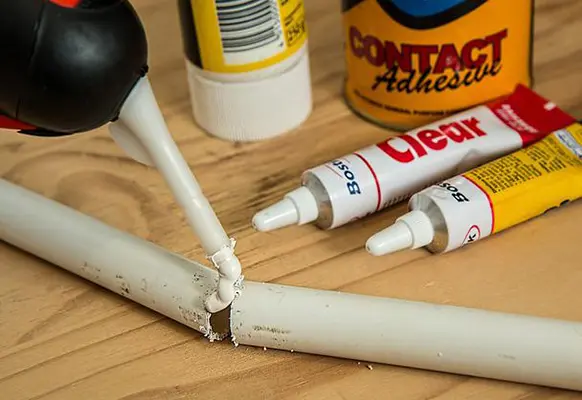
In the construction sector, silane-modified polymers (SMP) and room-temperature vulcanized (RTV) silicone rubbers are increasingly preferred over traditional polyurethane sealants. SMPs offer better UV resistance, paintability, and adhesion without the health hazards associated with isocyanates. Similarly, the electronics industry relies heavily on ultra-pure methacryloxy and epoxysilanes as adhesion promoters in photoresist formulations, underfill compounds, and semiconductor packaging materials. These high-purity materials prevent moisture intrusion and delamination in microcircuits operating in demanding environments.
Providing specialized chemical formulations for critical global industries.



For B2B chemical procurers, managing supply chain risks is a top priority. Raw material price fluctuations, dynamic shipping rates, and evolving environmental regulations require strategic planning. Boctok addresses these challenges through vertical integration and geographic diversification. Our partnerships with SINOPEC and PetroChina ensure a stable supply of key petrochemical precursors, shield our production lines from unexpected feedstock shortages, and help maintain competitive pricing for our clients.
Additionally, our Shouguang manufacturing complex features extensive storage facilities and dedicated bulk terminals, allowing us to maintain a buffer inventory of high-demand silane coupling agents. When selecting a silane supplier, buyers must consider factors beyond pure commodity pricing. The total cost of ownership (TCO) is influenced by product consistency, shelf-life stability, safe transport packaging, and regulatory documentation (including detailed SDS, REACH compliance certificates, and GHS-compliant labeling).
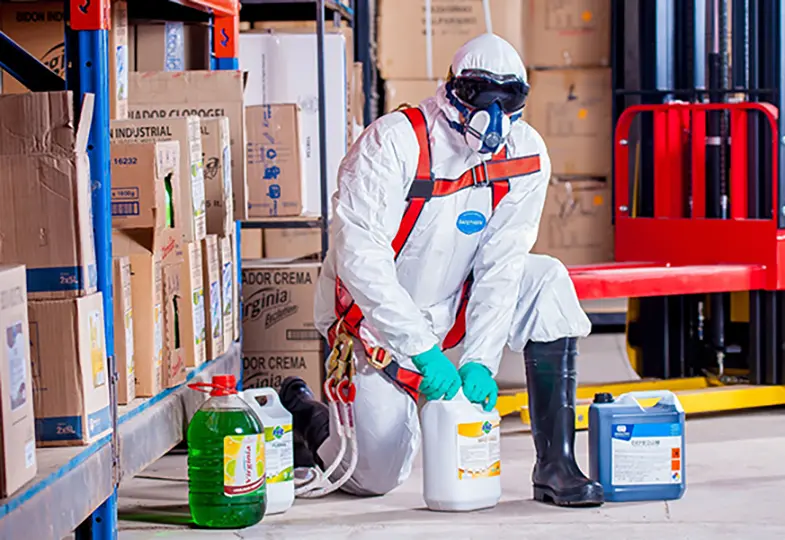
At Boctok, our logistics department uses moisture-controlled packaging, such as nitrogen-purged steel drums, IBC totes, and ISO tanks, to prevent pre-hydrolysis during long-distance transport. This ensures our materials arrive at your facility ready for immediate production, reducing waste and optimizing processing performance.
Supporting advanced industrial manufacturing with specialized chemical intermediates.
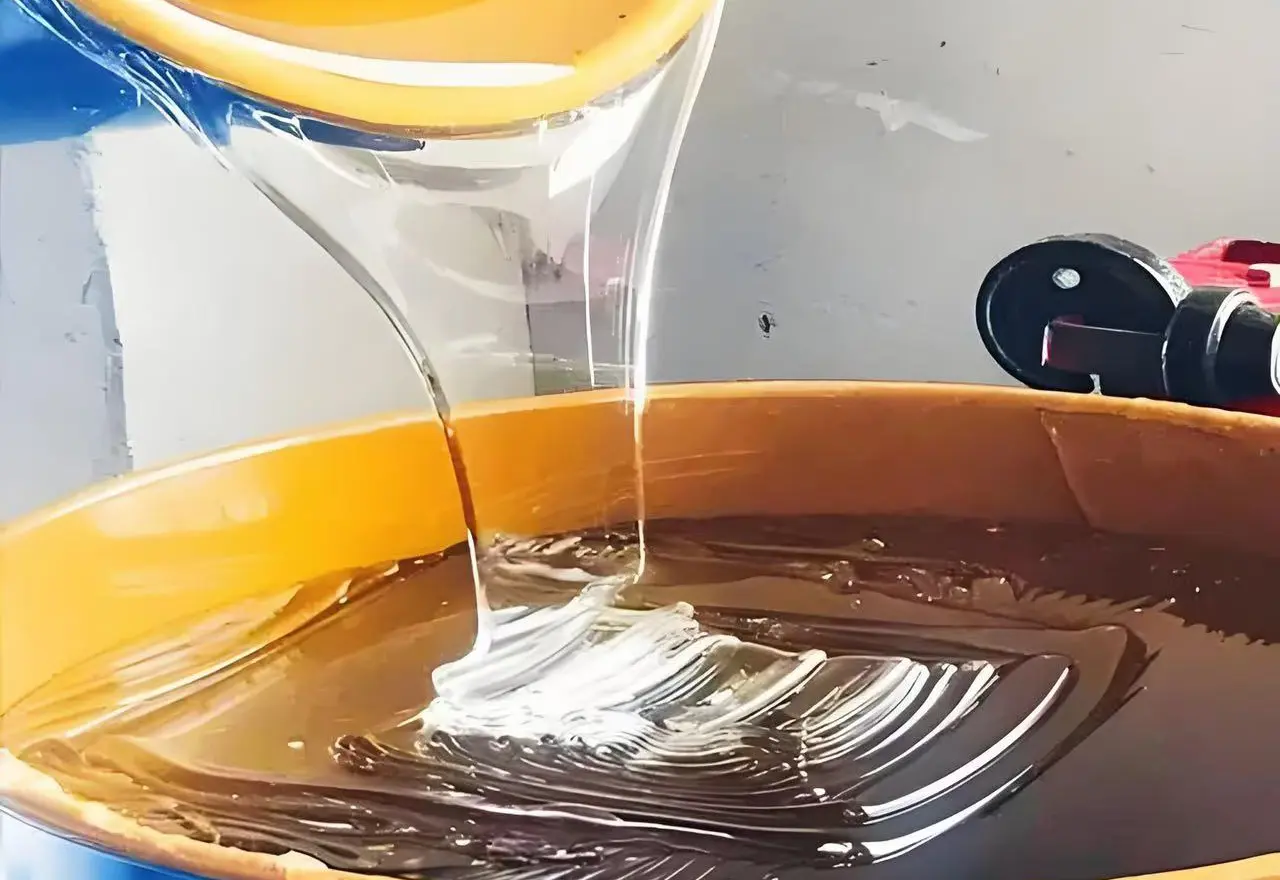




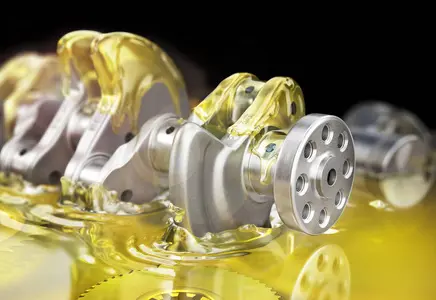
Organosilicons represent a diverse class of hybrid compounds that combine the stability of inorganic siloxane backbones with the versatility of organic side groups. By modifying factors like molecular weight, degree of crosslinking, and functional group distribution, chemical engineers can customize properties to meet specific performance requirements. Boctok produces a wide range of silicone oils, including high-hydrogen, dimethicone, vinyl, and phenyl variants, which serve as base fluids for thermal management, lubrication, and defoaming systems.
For demanding applications, we produce specialty resins like Methyl MQ Resin and Vinyl VMQ Resin. These highly branched, three-dimensional structures function as reinforcements in liquid silicone rubber (LSR) systems, pressure-sensitive adhesives (PSAs), and high-temperature coatings. Adding MQ resins improves tensile strength, tear resistance, and thermal stability, allowing components to withstand harsh environments in automotive engines, aerospace seals, and heavy manufacturing.
We work closely with industrial manufacturers to develop custom silane and silicone formulations. Our research and development center supports modifications including:
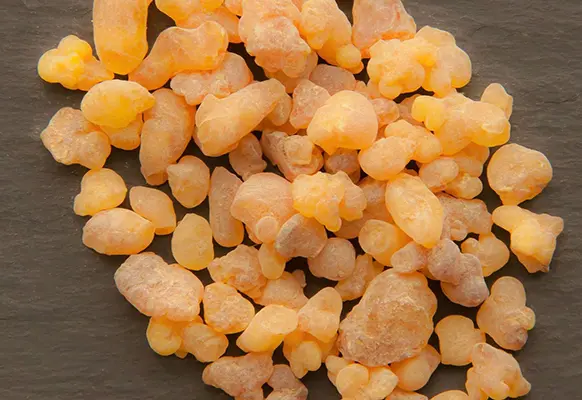
Providing targeted solutions for energy, textiles, biomedicine, and construction materials.


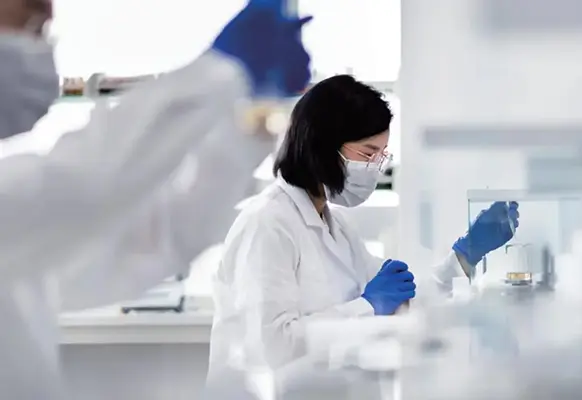

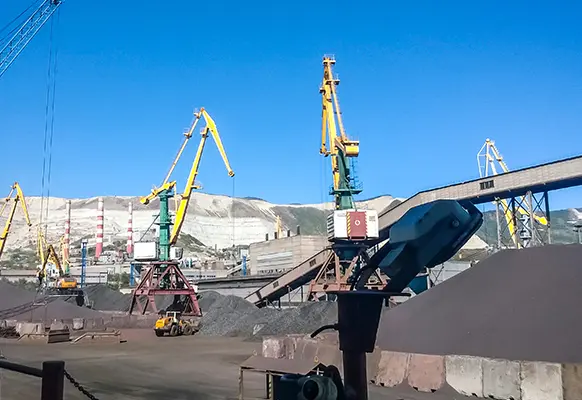
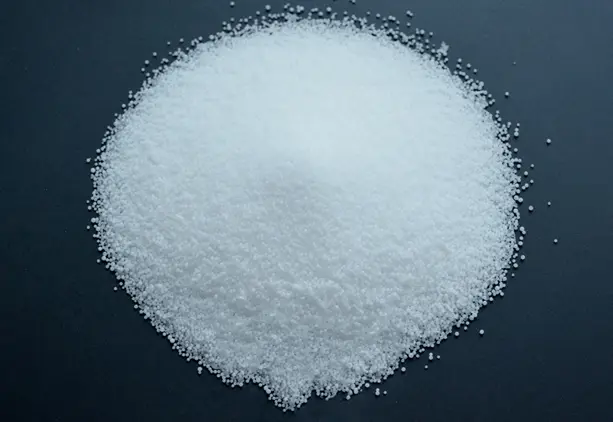
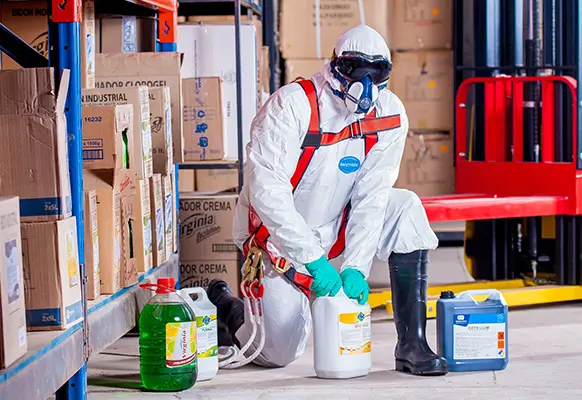
Detailed answers to common technical, commercial, and processing questions about silane chemical intermediates.
Featured Products Series II — High-performance resins, coupling agents, and specialty chemical intermediates.
 Boctok Chemical
![China Bis-[3-(triethoxysilyl)-propyl]amine](https://site.cdnfile.io/www.boctoksilicone.com/837bedcc9470a3ee1f202feb49d8ce69300_300.webp)