High-purity monomers, functional silanes, and premium intermediates engineered for advanced industrial coatings, electronics encapsulation, and elastomer manufacturing.
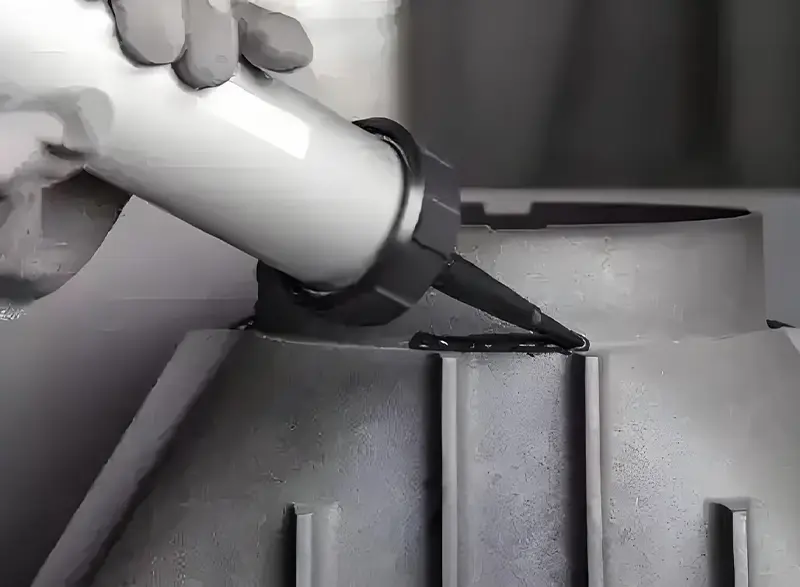
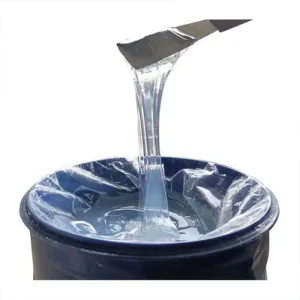
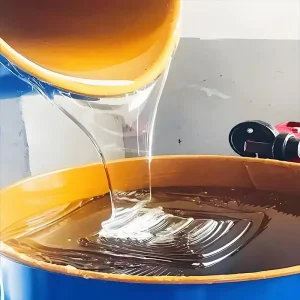
As modern manufacturing pivots toward harsh operational environments, the demand for high-performance sealing materials has intensified. Liquid Silicone Rubber (LSR) stands at the forefront of this shift, offering unmatched thermal stability, chemical inertness, and precise processing characteristics. Specifically, when utilized in sealing applications, Liquid Silicone Rubber forms a hermetic barrier that withstands volatile temperature ranges and corrosive fluids.
Shandong Boctok Chemical Co. leverages over a decade of chemical synthesis and manufacturing expertise to deliver advanced organosilicon polymers, crosslinkers, and specialty silanes that serve as the backbones for high-performance sealing materials. Through meticulous control of crosslinking density and molecular architecture, Boctok provides critical raw components for room-temperature vulcanized (RTV) and liquid-vulcanized elastomer systems utilized in microelectronics, power distribution, and aerospace infrastructure globally.
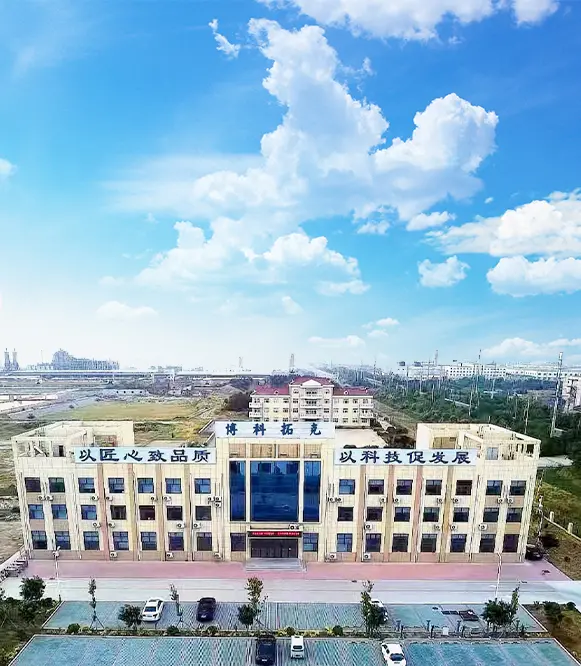
How Boctok integrates upstream petrochemical access with advanced downstream formulation capacity to secure supply chains across Europe, Asia, and North America.
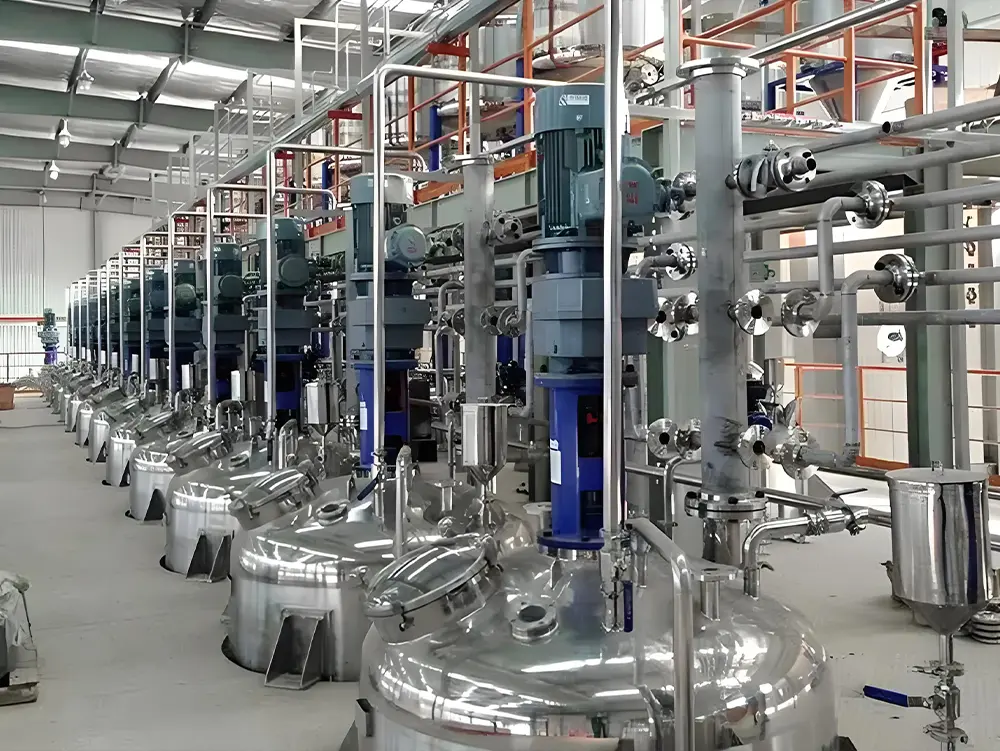
Our recently established Shouguang production plant features 6 automated DCS (Distributed Control System) production lines. Integrated safety instrumented systems (SIS) continuously monitor key thermodynamic and pressure endpoints during silane coupling agent polymerization to guarantee product safety and synthesis consistency.
Through our dedicated hydrocarbon resin division operating in Zibo, Fushun, and Nanjing, we access raw chemical streams directly from SINOPEC and PetroChina. This vertical coupling buffers our polymer production from standard market volatility, assuring steady supply schedules for multi-ton orders.
From our strategic base in Shandong, we serve customers spanning Russia (under the specialized BOCTOK brand), North America, Europe, East Asia, the Middle East, and South America. Our export logistical pathways ensure prompt customs processing and compliance verification for every region.
Unlocking superior sealing capabilities under demanding operational margins using advanced formulation control.
For dynamic sealing mechanisms—such as automotive electrical connectors and moving valve stems—friction leads to premature wear and failure. Self-lubricating Liquid Silicone Rubber solves this issue by incorporating a microscopic, controlled phase separation design.
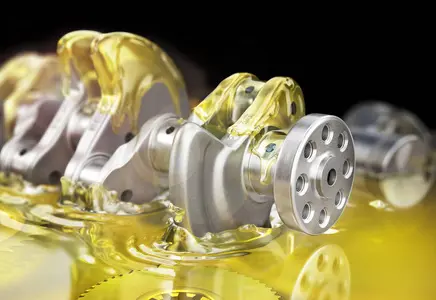
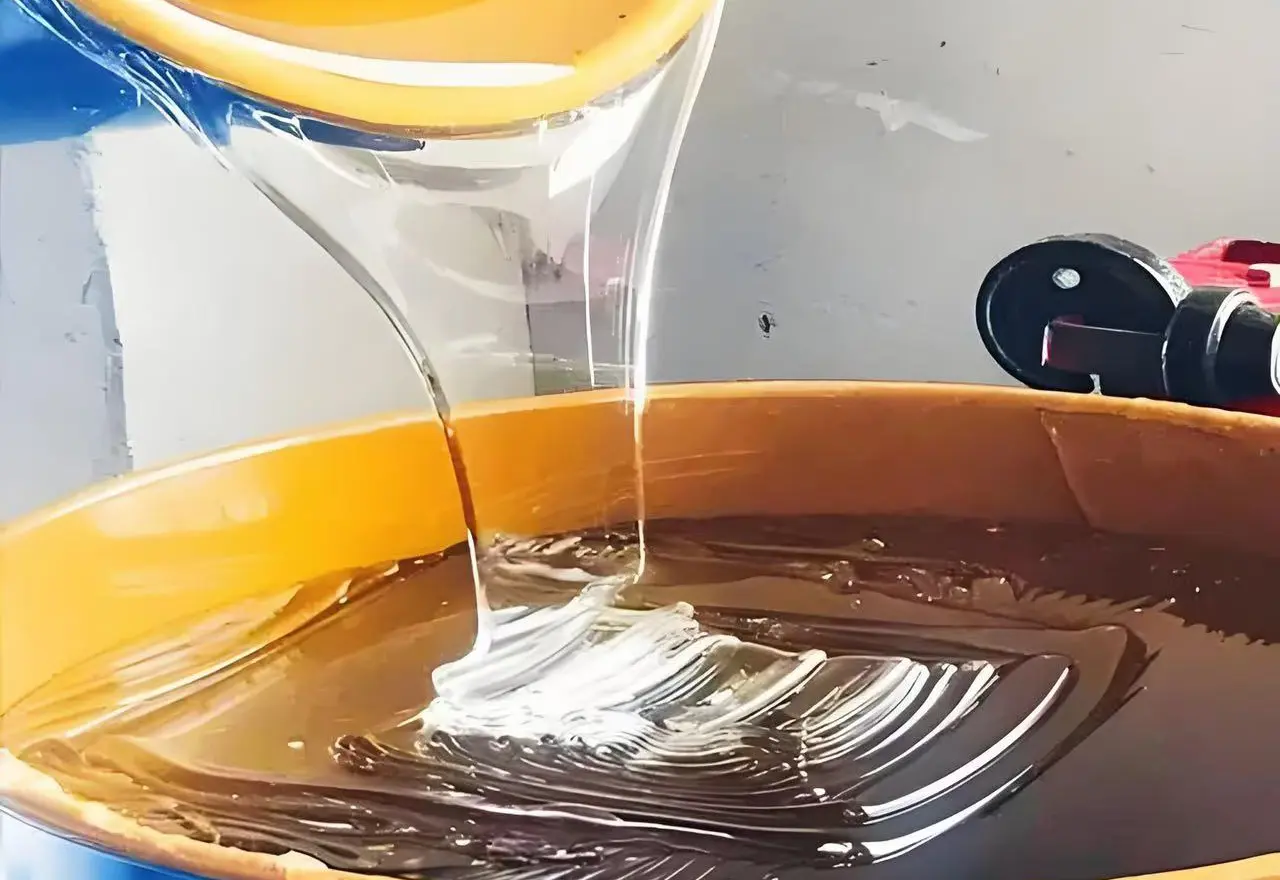
During the vulcanization process, the silicone matrix crosslinks, leaving a specific volume fraction of incompatible low-viscosity phenyl silicone oil or dimethyl silicone oil to slowly exude to the elastomer surface. This creates a permanent, micro-thin lubricating layer that substantially lowers the static coefficient of friction. This eliminates the need for manual, post-molding lubricant applications, lowering assembly costs and preventing dust adhesion.
Standard dimethyl-silicones possess a glass transition temperature around -60°C. For sub-zero installations, standard silicones crystallize and lose elasticity. By introducing phenyl groups into the polysiloxane backbone (e.g., our 120 Methyl Phenyl Rubber and PVMQ CAS 63148-52-7), we disrupt polymer chain symmetry. This drops the crystallization point, allowing the elastomer seal to maintain flexibility at temperatures down to -110°C, a threshold required in deepspace and aerospace applications.
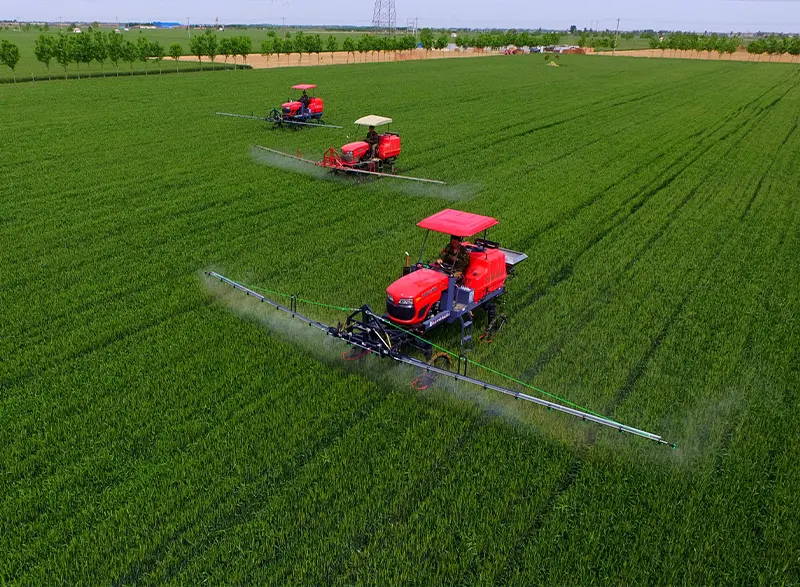
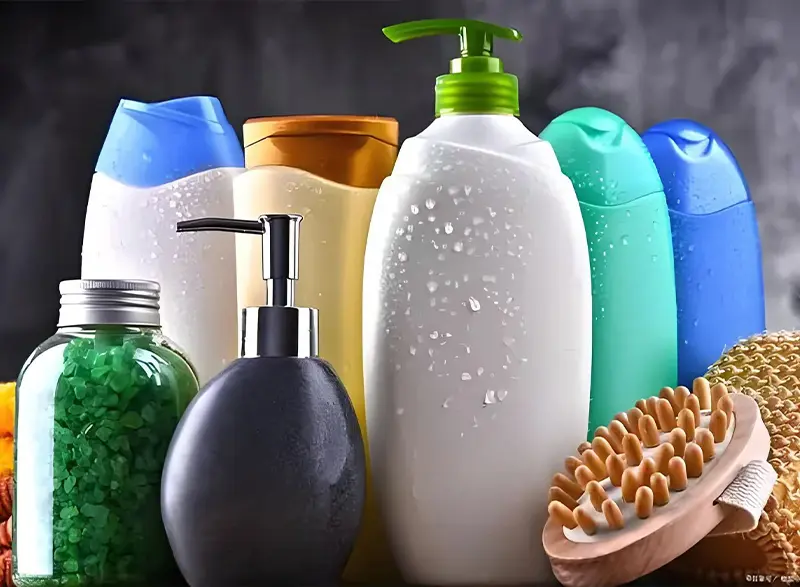
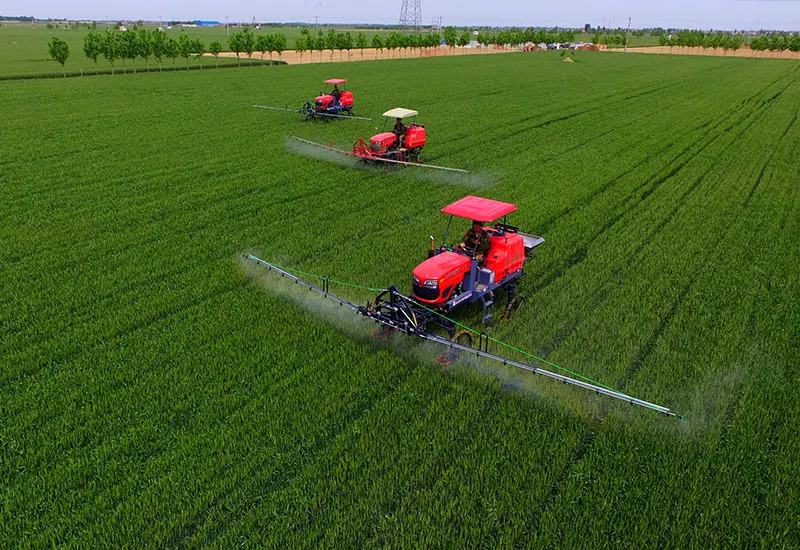
From agricultural formulations to advanced structural silicones, explore the diverse downstream applications supported by Boctok Chemistry.
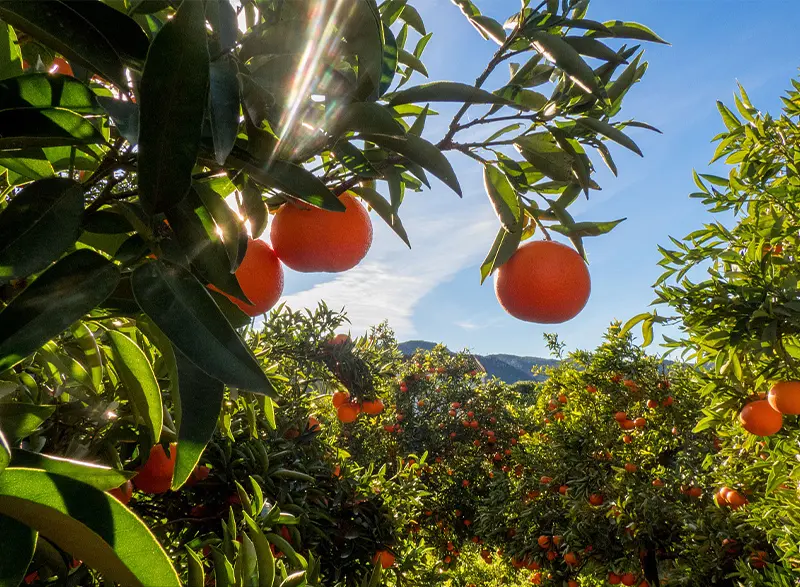



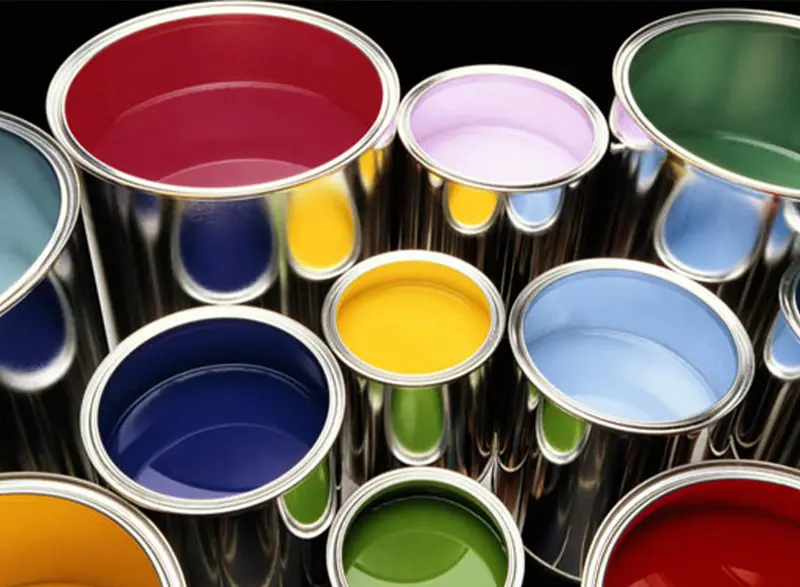
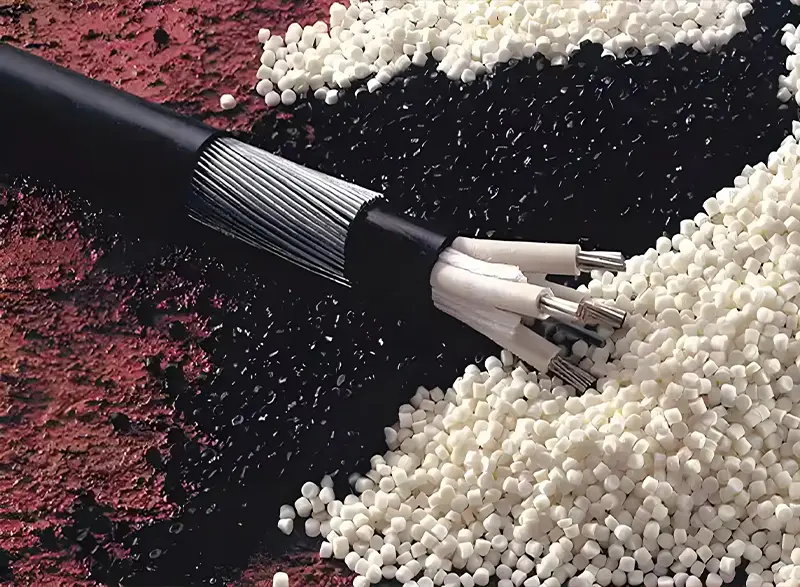
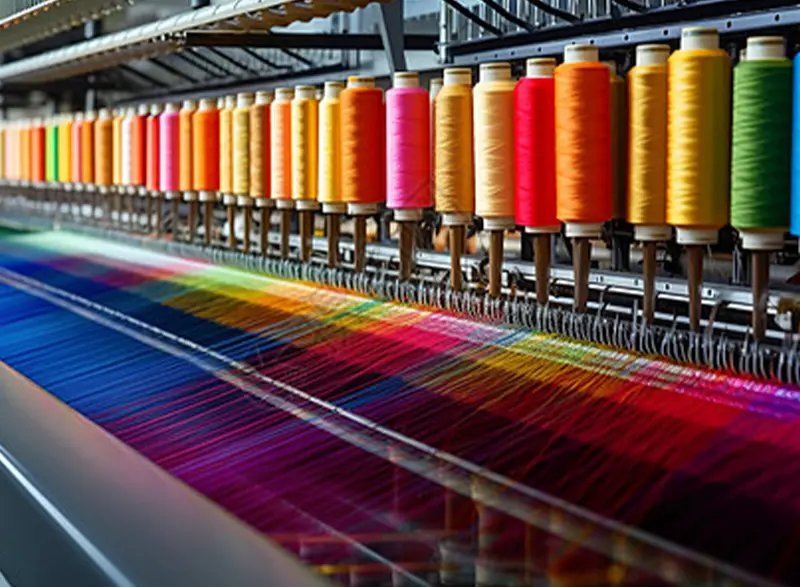
Understanding the chemistry of silanes and crosslinkers in modern polymer engineering.
In high-fill silicone mixtures (such as liquid silicone rubber filled with silica or alumina for thermal dissipation), the chemical link between inorganic mineral surfaces and organic silicone matrices determines structural reliability. Without treatment, minerals and polymers do not bond securely, leaving air gaps that weaken structural integrity.
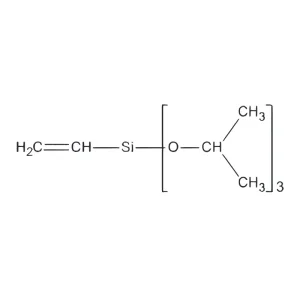
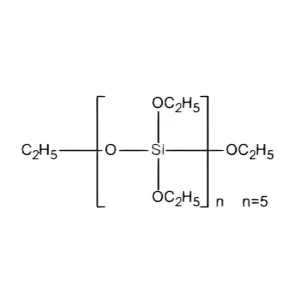
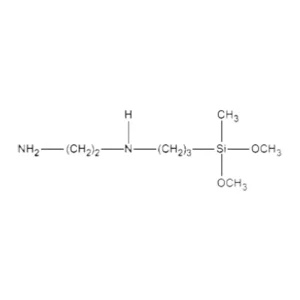
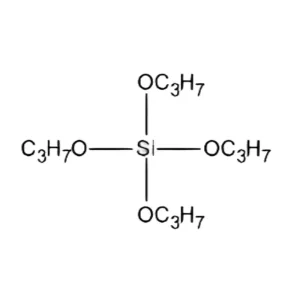
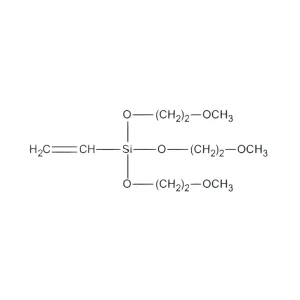
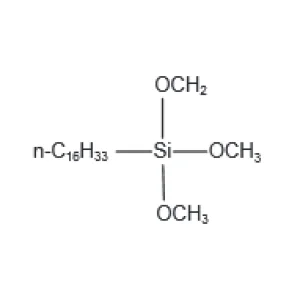
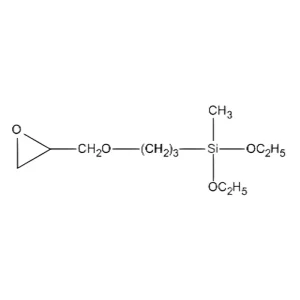
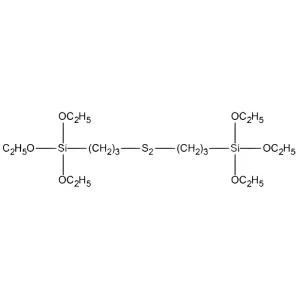
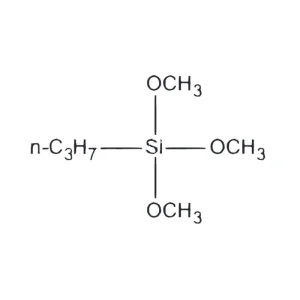
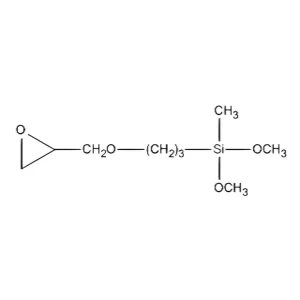
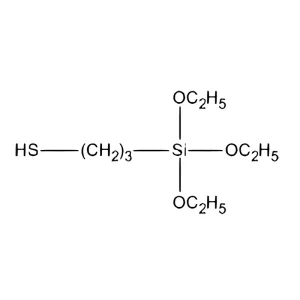
Silane coupling agents act as molecular bridges. Under hydrolysis, the alkoxy groups (like methoxy or ethoxy in vinyl or epoxy silanes) convert into silanols. These silanols bond with hydroxyl groups on mineral surfaces. Concurrently, the organofunctional chain (vinyl, amino, or epoxy groups) crosslinks into the curing polymer. This creates a cohesive interfacial structure, reducing degradation caused by moisture ingress.
Our Shouguang plant operates 6 automated DCS lines to manage exothermic condensation and addition reactions. Real-time temperature control ensures uniform polymer chain lengths and limits volatile residual fractions (D4, D5, D6 cyclic siloxanes), meeting European REACH regulations.
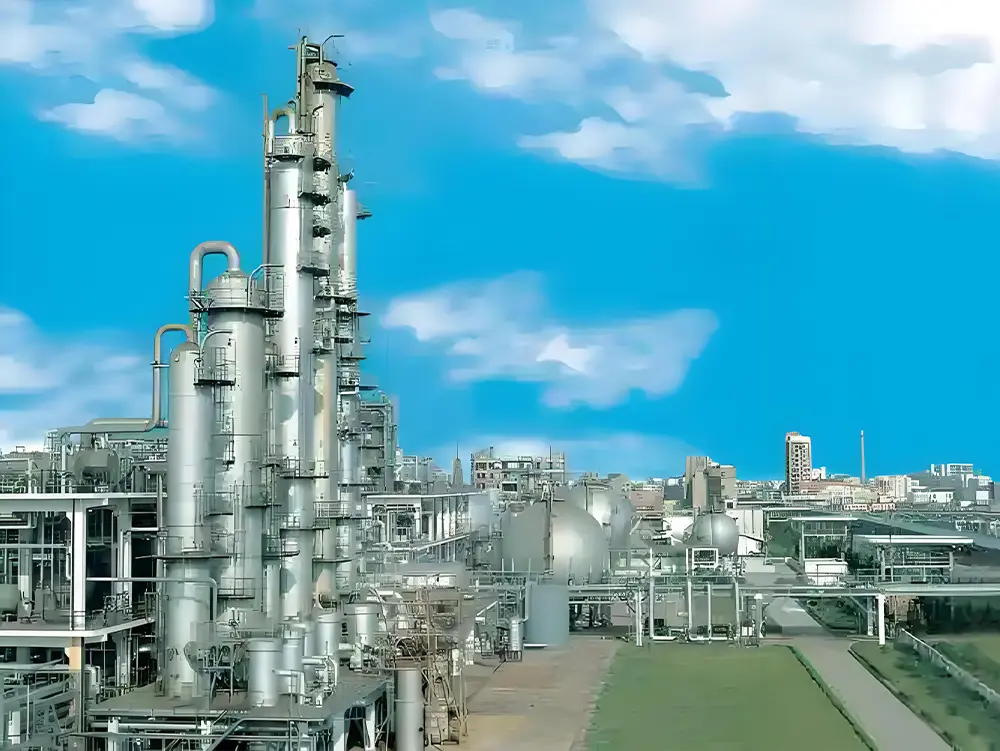
Chemical synthesis requires strict environmental stewardship. Shandong Boctok Chemical Co. has invested in advanced waste gas collection and multi-stage wastewater treatment systems. These treatment facilities neutralize hydrochloric acid by-products generated during chlorosilane raw-material synthesis, reclaiming resources and mitigating local environmental impact.
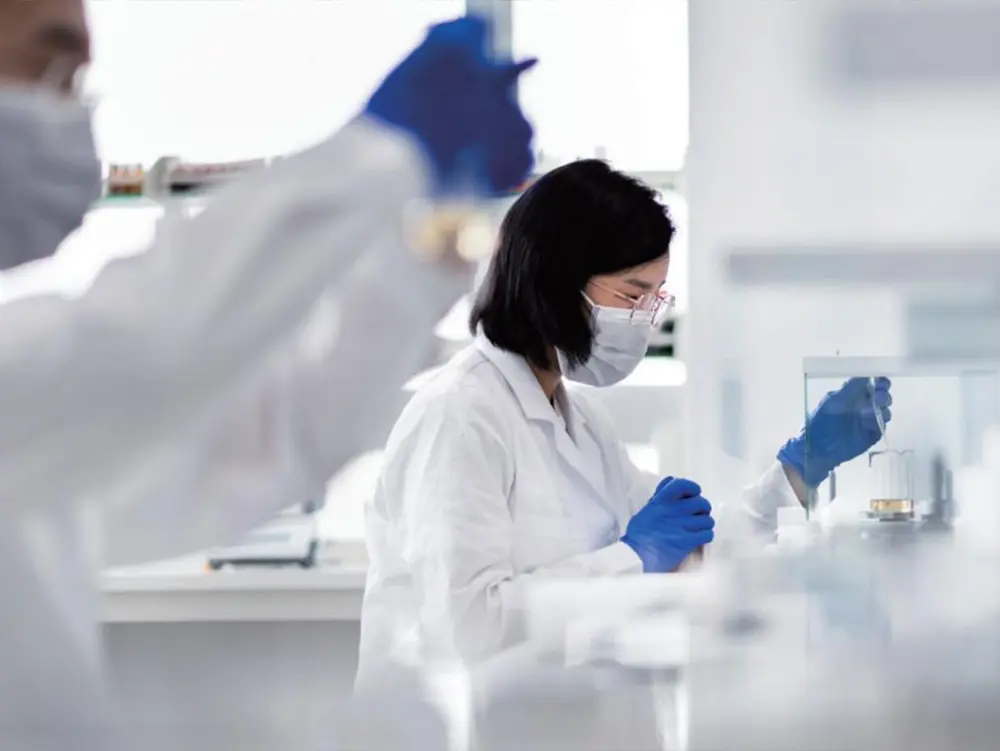
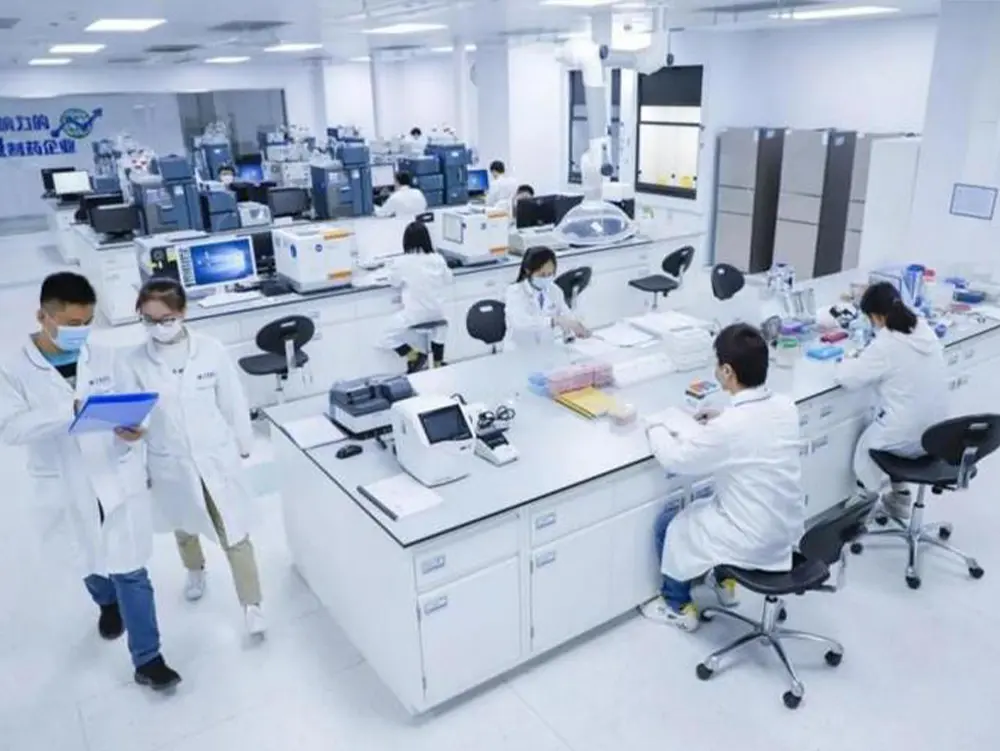
Furthermore, our manufacturing plant conforms strictly to the **ISO9001:2015 Quality Management System** and works in coordination with global environmental directives (REACH, RoHS). We ensure that every batch of silane coupling agents, dimethicone silicone oils, and liquid silicone rubbers is analyzed via gas chromatography and mass spectrometry (GC-MS) to guarantee consistent compound purity.
Boctok’s research and development roadmap focuses on two main frontiers:
Boctok's high-purity chemical range supports diverse fields, spanning advanced cosmetics, wind turbine composites, and heavy industries.










Expert technical insights regarding molecular crosslinking, processing mechanics, and application parameters.
High-grade silane monomers, specialty rubbers, and crosslinking compounds designed to optimize physical properties and polymer networking.
 Boctok Chemical