Discover our highly targeted organosilicones, specialized polymer crosslinkers, and high-performance elastomers optimized for global distribution.
Modern industrial rubber manufacturing is experiencing a fundamental transition toward crosslinking systems that offer higher efficiency, structural durability, and lower volatile organic compound (VOC) emissions. At the heart of this shift is the deployment of specialized rubber crosslinking agents. These chemical catalysts and compounds do not merely bind polymer chains; they construct three-dimensional macromolecular networks that determine the mechanical strength, thermal stability, and aging resistance of elastomeric products.
Whether engineering passenger car green tires with minimal rolling resistance or formulating ultra-resilient insulation materials for high-voltage transmission cables, the choice of crosslinking agent dictates performance thresholds. As a leading manufacturer specializing in silane coupling agents and organic silicones, Shandong Boctok Chemical Co., Ltd. provides global markets with reliable raw materials. Under our target brand BOCTOK™, we optimize elastomer matrices to meet the rigorous physical and environmental standards of contemporary manufacturing.
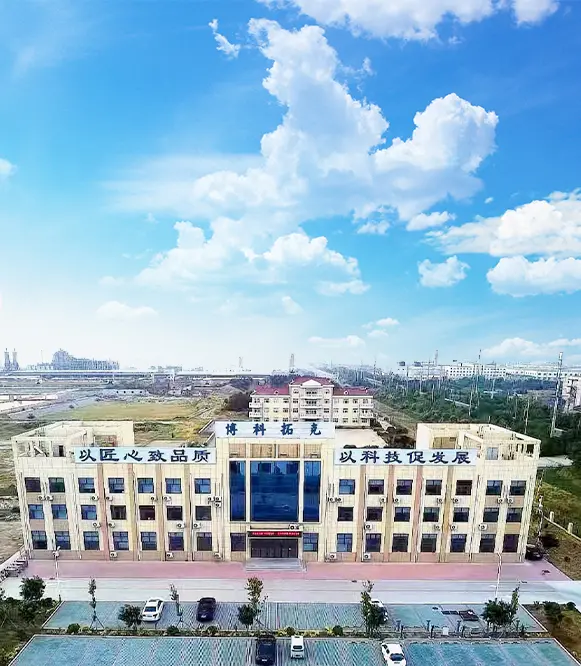
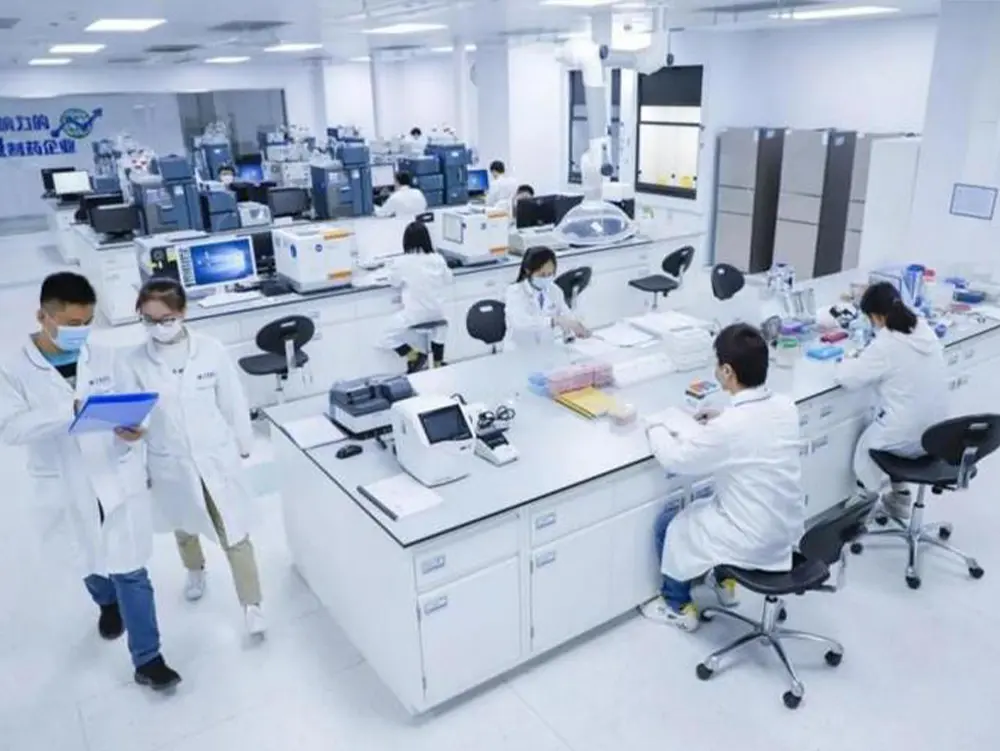
Shandong Boctok Chemical Co., Ltd. was established in 2012 as a global marketing and sales center to handle Boctok™ domestic and international chemical distribution. By combining extensive chemical expertise with localized customer support, we achieved global sales of US$280 million in 2023. Over the last decade, we have established a strong presence in the CIS and Russian markets, where our customized solutions meet demanding industrial criteria.
Boctok operates across three core business divisions:
Continuous investment in safety, environmental management, and production automation secures our position as a reliable supplier.
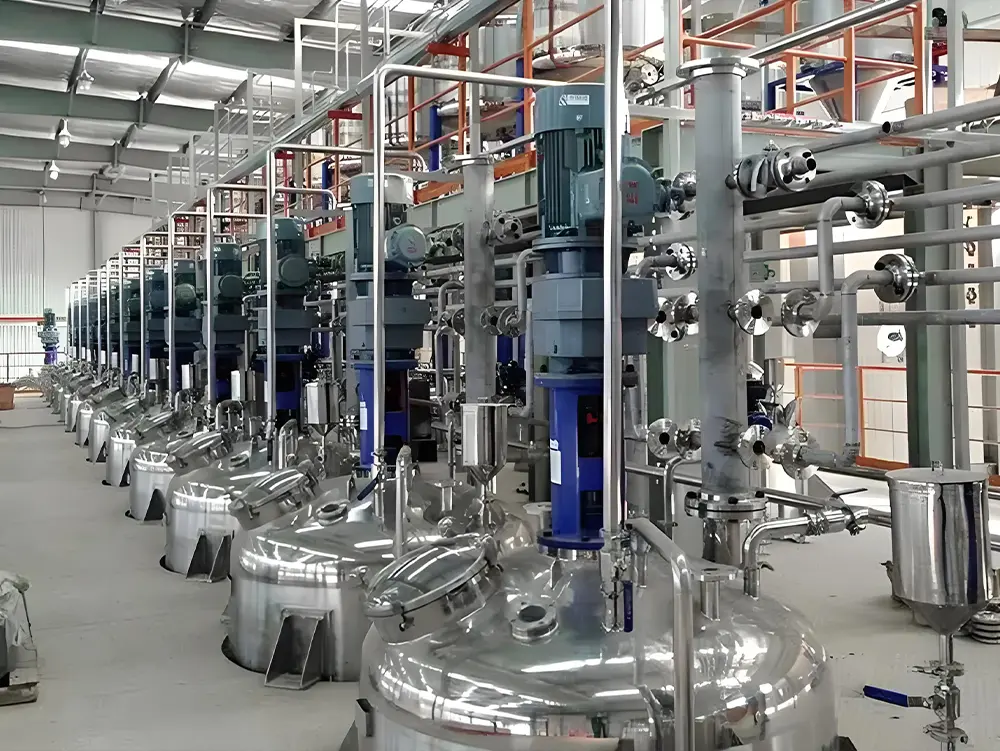
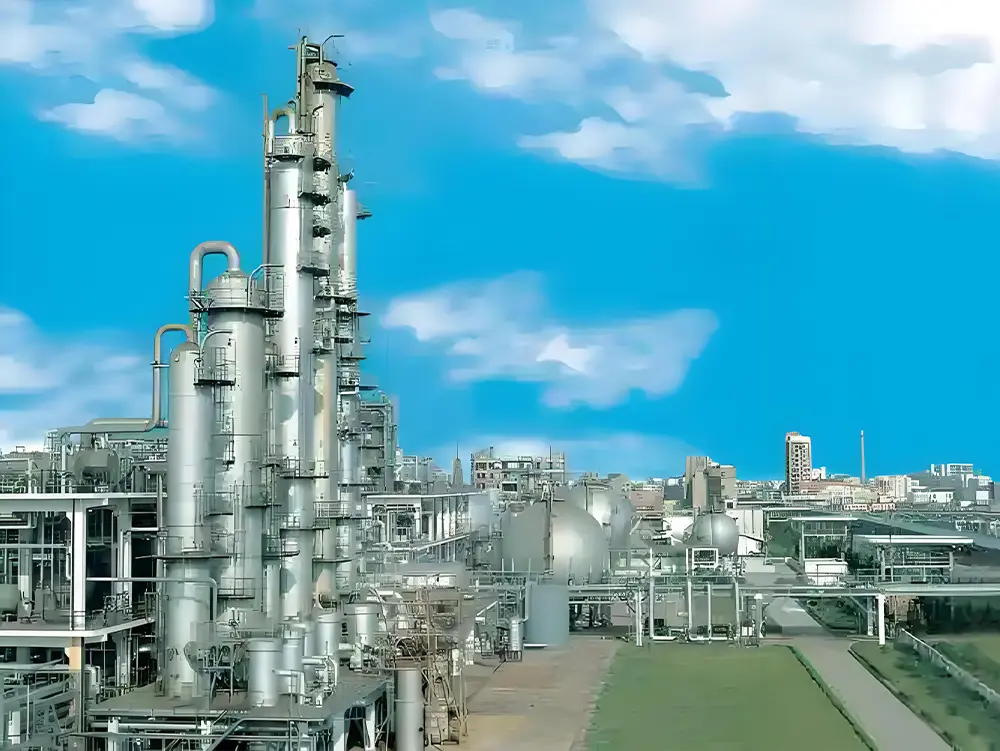
To expand the production chain of silane coupling agents, Boctok recently invested US$65 million to construct a new plant in Shouguang City, Shandong Province (Bohai Industrial Park). This facility features 6 automatic Distributed Control System (DCS) production lines and comprehensive Safety Instrumented Systems (SIS). The plant is designed to maintain consistent product quality under ISO9001 standards, while operating advanced waste gas collection and wastewater treatment infrastructure to minimize environmental impact.
Mapping market demands, logistical strategies, and industrial sourcing trends across key economic corridors.
The global rubber crosslinking agent market is driven by changing performance standards in the automotive, energy, and electronics sectors. Key sourcing trends highlight a shift toward multifunctional chemical additives that serve as both crosslinkers and adhesion promoters. Procurement departments at multinational firms prioritize suppliers that offer high purity, steady logistics, and compliance with local chemical frameworks.
In North America and Europe, buyers focus on low-toxicity, low-VOC crosslinkers to comply with strict environmental directives. In the Asia-Pacific region, the main growth driver is the expansion of manufacturing hubs for electronics and green tires. For the Russian and CIS markets, purchasing decisions are shaped by weather-resistant material requirements and regional logistical arrangements.
Boctok manages these regional needs through specialized logistics and technical support:
Technical analysis of organosilicon crosslinking chemistry and coupling mechanisms.
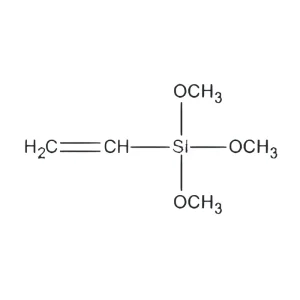
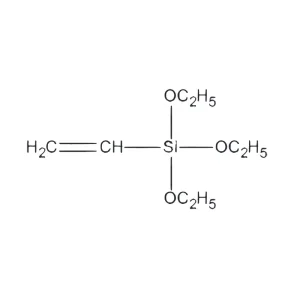
Compounds such as Vinyltrimethoxysilane (CAS 2768-02-7) and Vinyltriethoxysilane (CAS 78-08-0) feature double-bond terminations along with hydrolyzable alkoxy groups. The vinyl group copolymerizes with polyolefin backbones under peroxide initiation, while the alkoxy groups hydrolyze into silanols that crosslink into stable siloxane networks (Si-O-Si) upon exposure to moisture.
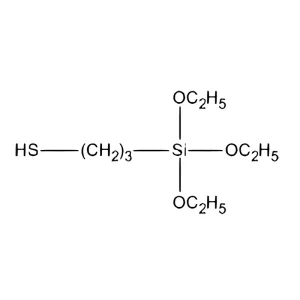
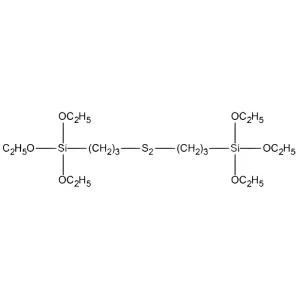
For sulfur-cured elastomer systems, Bis(3-triethoxysilylpropyl) disulfide (CAS 56706-10-6) and 3-Mercaptopropyltriethoxysilane (CAS 14814-09-6) provide dual reactivity. The mercapto or disulfide groups participate directly in the vulcanization process of natural or synthetic rubbers, while the triethoxysilyl groups bond to inorganic silica fillers, improving dispersion and reducing heat build-up.
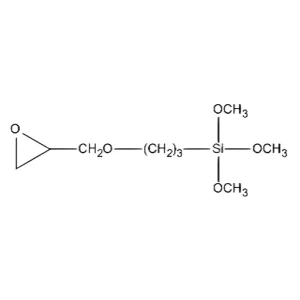
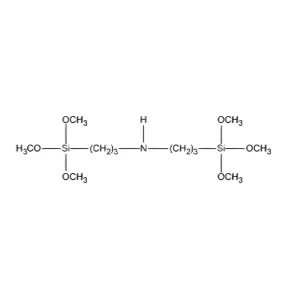
Compounds like 3-(2,3-epoxypropoxy)propyltrimethoxysilane (CAS 2530-83-8) and Bis-[3-(trimethoxysilyl)-propyl]amine (CAS 82985-35-1) act as crosslinkers and adhesion promoters in epoxy, polyurethane, and polyacrylate systems, improving mechanical adhesion between polymers and metallic or glass substrates.
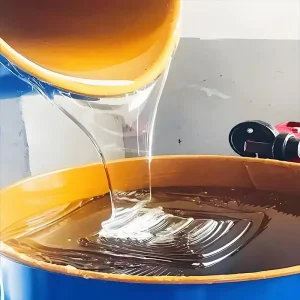
Silanol-terminated silicone polymers (CAS 70131-67-8) and phenyl polysiloxanes (CAS 63148-52-7) form the backbone of heat-resistant, room-temperature vulcanizing (RTV) and liquid silicone rubber (LSR) compounds. These materials provide chemical resistance and electrical insulation under extreme temperatures.
Why leading global manufacturers choose Shandong Boctok Chemical Co., Ltd. as their long-term supply partner.
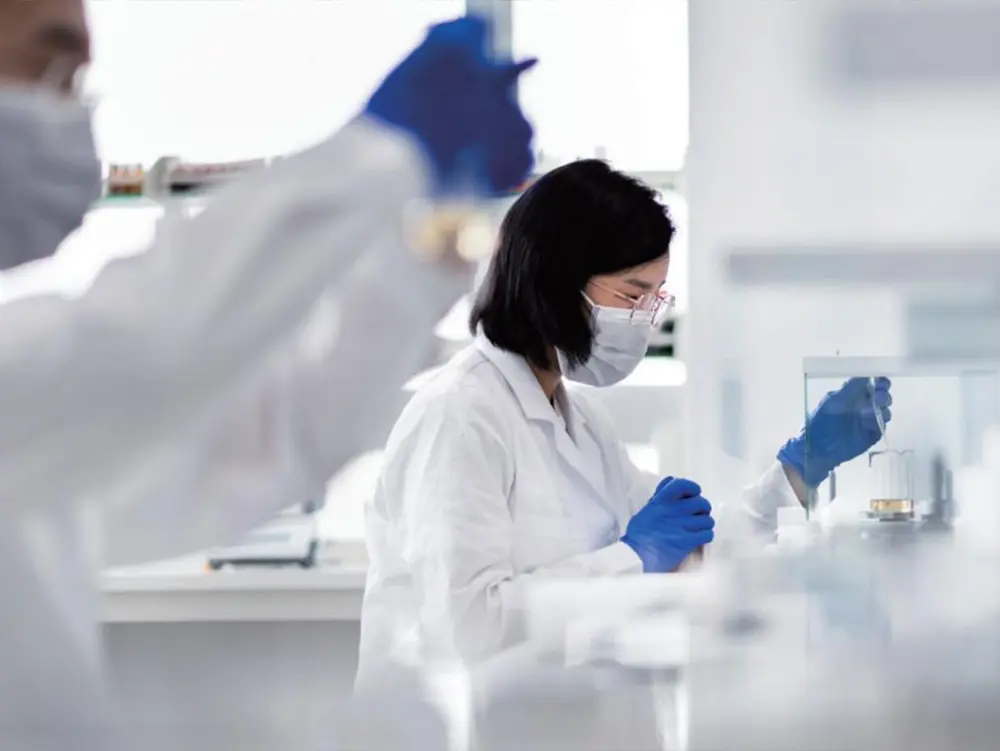
All production batches undergo gas chromatography and mass spectrometry testing to ensure chemical purity and consistent crosslinking performance.
Our Shouguang plant operates continuous DCS-automated production lines with an annual output of 30,000 tons of silane coupling agents to secure regular supply.
Our team of technical engineers is available to help optimize compound formulations, offering solutions for dispersion, curing rate, and adhesion issues.
Optimized logistics networks support timely deliveries via container shipping, ISO tanks, and rail freight to key global industrial centers.
We work to meet REACH registration requirements and GHS safety standards, providing detailed SDS and quality documentation for export safety.
Direct ownership of petroleum resin plants and integration of silane production help maintain cost-efficient manufacturing and competitive pricing.
Our chemical portfolio supports critical industrial sectors worldwide.
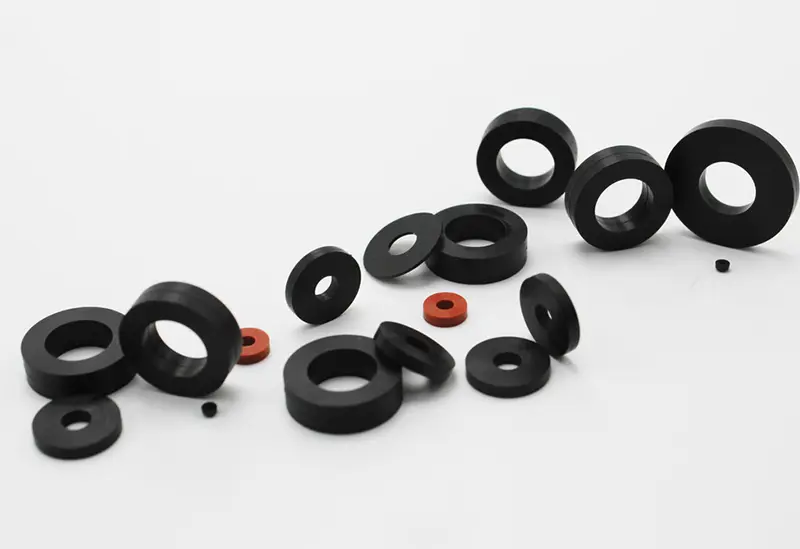
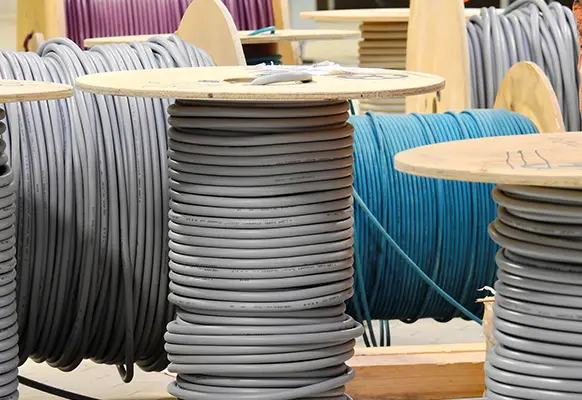
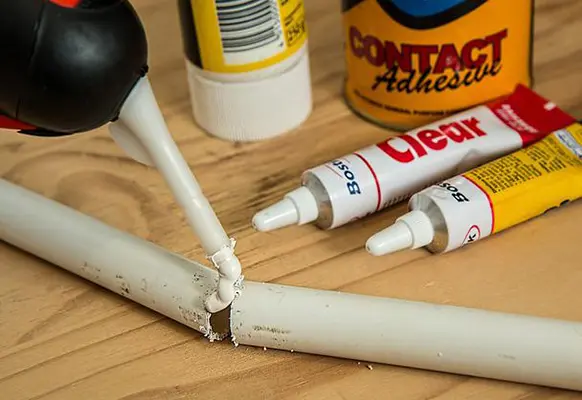





Answers to common technical and sourcing questions from B2B buyers.
Vinyl silanes contain a reactive vinyl group that graft-polymerizes onto polyolefins (like polyethylene) under peroxide initiation. The alkoxy groups then undergo moisture-induced hydrolysis and condensation, forming stable siloxane crosslinks. This crosslinking method is widely used in producing XLPE cables and hot water pipes because it provides excellent thermal stability, dielectric properties, and mechanical strength.
Sulfur-functionalized silanes, such as Bis(3-triethoxysilylpropyl) disulfide (CAS 56706-10-6) and 3-Mercaptopropyltriethoxysilane (CAS 14814-09-6), act as coupling agents in silica-filled rubber compounds. They bond with silica through their silane groups and with the rubber matrix during vulcanization through their sulfur groups. This coupling reduces compound viscosity, improves filler dispersion, lowers rolling resistance, and increases wet grip.
We operate automatic DCS and SIS safety systems at our Shouguang manufacturing facility, ensuring precise control over chemical processing. Our production is managed under ISO9001 quality management guidelines. By sourcing raw materials through SINOPEC and PetroChina and maintaining a 30,000-ton annual silane output, we provide stable pricing and product availability for our international customers.
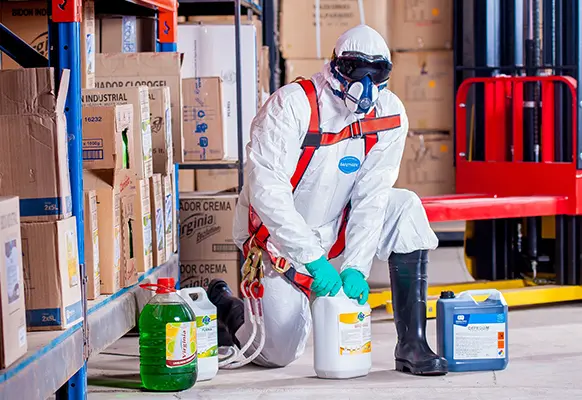
We offer versatile packaging options, including 200L steel drums, 1000L IBC containers, and ISO tanks to meet different storage requirements. Our international logistics team manages door-to-door delivery, customs clearance, and provides GHS-compliant Safety Data Sheets (SDS) and certificates of analysis (COA) for all shipments.
Explore our silicone oils, defoamers, and specialty polymers designed to optimize process efficiency and product durability.
 Boctok Chemical