Explore our highly engineered organosilicon crosslinkers, coupling agents, and specialty formulations engineered for absolute reliability.
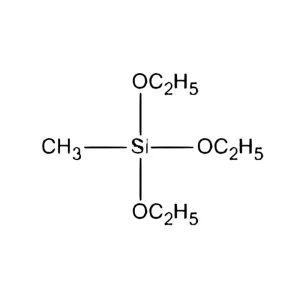
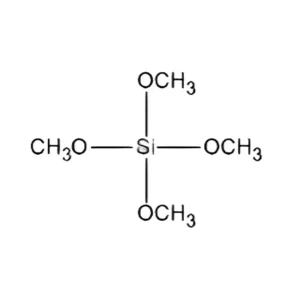
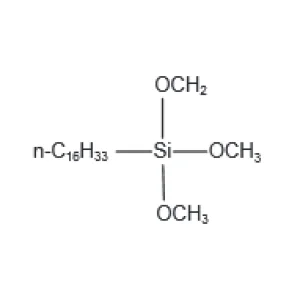
In the rapidly advancing landscape of polymer science, Room Temperature Vulcanizing (RTV) silicone rubber has emerged as an indispensable cornerstone of modern industrial applications. Celebrated for its unique capability to transition from a liquid or paste state into a highly resilient, elastomeric solid without the necessity of high-temperature post-curing, RTV silicone plays a pivotal role in waterproofing, electrical insulation, aerospace gasketing, and structural sealing. Operating at the intersection of dynamic performance and operational efficiency, RTV formulations utilize specialized crosslinkers and organofunctional silanes to establish stable siloxane (Si-O-Si) linkages, ensuring high thermal stability, outstanding UV resistance, and profound chemical inertness.
As a premier marketer and manufacturer in this domain, Shandong Boctok Chemical Co. was established in 2012. Leveraging high-efficiency logistics, state-of-the-art manufacturing facilities, and a dedicated focus on global customer requirements, Boctok achieved an annual sales volume of US$280 million in 2023. Operating with a primary objective to serve global markets, particularly the Russian Federation, Europe, and Asia, our brand has established itself as an authoritative leader in organosilicone chemistry, hydrocarbon resin technologies, and agrochemical intermediates.
"With three main chemical groups—Organosilicones, Petroleum Resins, and Agrochemicals—Shandong Boctok Chemical Co. offers global enterprises integrated chemical synergies, providing advanced raw material security and custom structural performance across diverse industrial verticals."
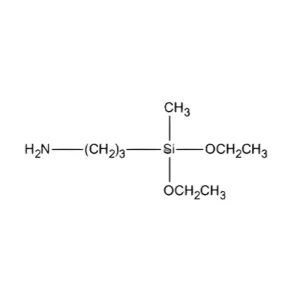
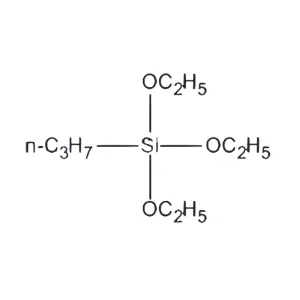
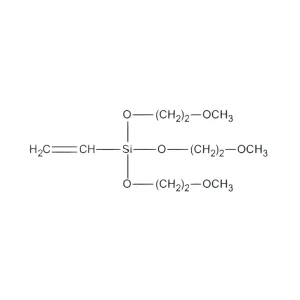
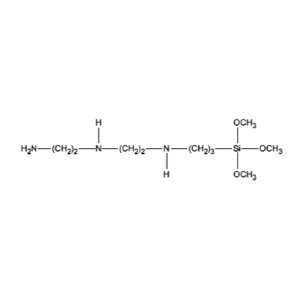
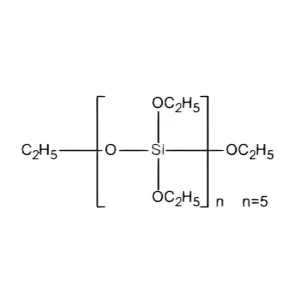
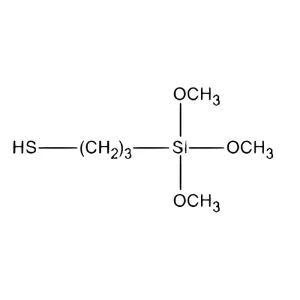
Boctok’s core organosilicone business spans twelve sophisticated series of silane coupling agents and crosslinkers. These include aminosilanes, methacrylate silanes, epoxysilanes, vinylsilanes, mercaptosilanes, alkylsilanes, ethyl silicate, chlorosilanes, silane isocyanates, phenylsilanes, ureidosilanes, and serosilanes.
By synthesizing these high-purity intermediates, Boctok provides the essential crosslinking building blocks for RTV methyl silicone rubber, 110 methyl vinyl silicone rubber, and 120 methyl phenyl rubber. This comprehensive chemical portfolio improves the tensile strength, thermal resistance, and interfacial adhesion of products across aerospace, electronics, daily chemicals, and hot water pipeline manufacturing.
The global demand for high-performance elastomers is undergoing structural transformations, driven primarily by the transition toward green energy, vehicle electrification, and high-density semiconductor architectures. RTV silicone rubbers, especially addition-cure (platinum-catalyzed) and condensation-cure (moisture-cure) variants, are critical to these industries. In the electric vehicle (EV) sector, for instance, RTV silicones serve as thermal interface materials (TIMs), dielectric potting compounds, and environmental seals for lithium-ion battery packs. This demands precise rheological properties, low volatile organic compound (VOC) outgassing, and stable mechanical properties over extreme temperature limits (-60°C to +250°C).
Consequently, global procurement teams are shifting focus from simple unit-cost metrics to comprehensive lifecycle quality and supply security. Modern supply chains demand that chemical suppliers demonstrate:
Through Boctok’s integration with direct hydrocarbon feedstocks and state-of-the-art siloxane distillation facilities, we offer global procurement teams consistent chemical specifications, mitigating risk and ensuring predictable performance for high-throughput automated assembly lines.
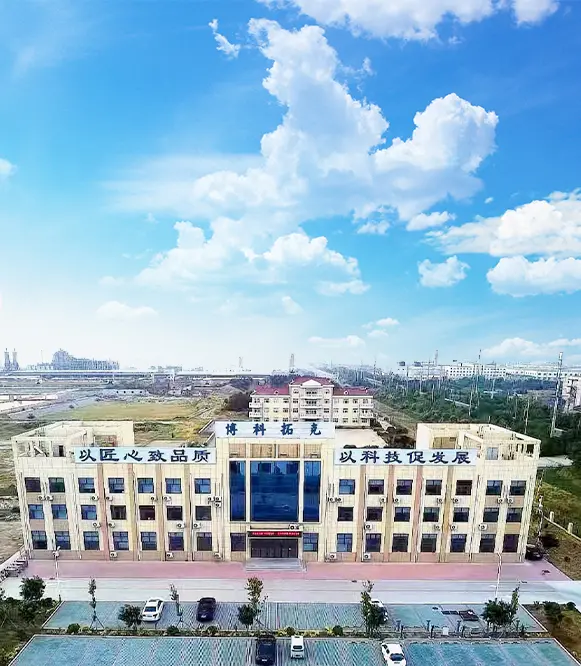
Shandong Boctok Chemical Co. has strategically scaled its manufacturing capabilities to meet the requirements of Industry 4.0. We recently invested US$65 million to build a modern, high-capacity chemical plant in the Bohai Industrial Park, a highly regulated, provincial-level chemical industrial zone located in Shouguang City, Shandong Province. This facility is dedicated to the production of high-grade silane coupling agents and specialty silicone polymers.
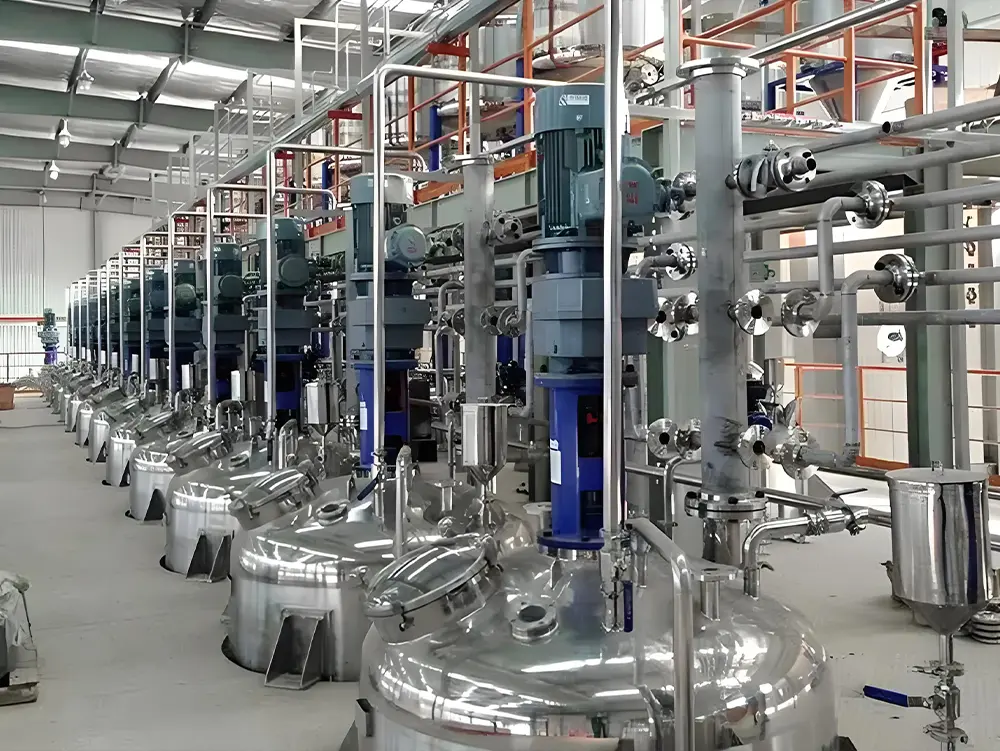

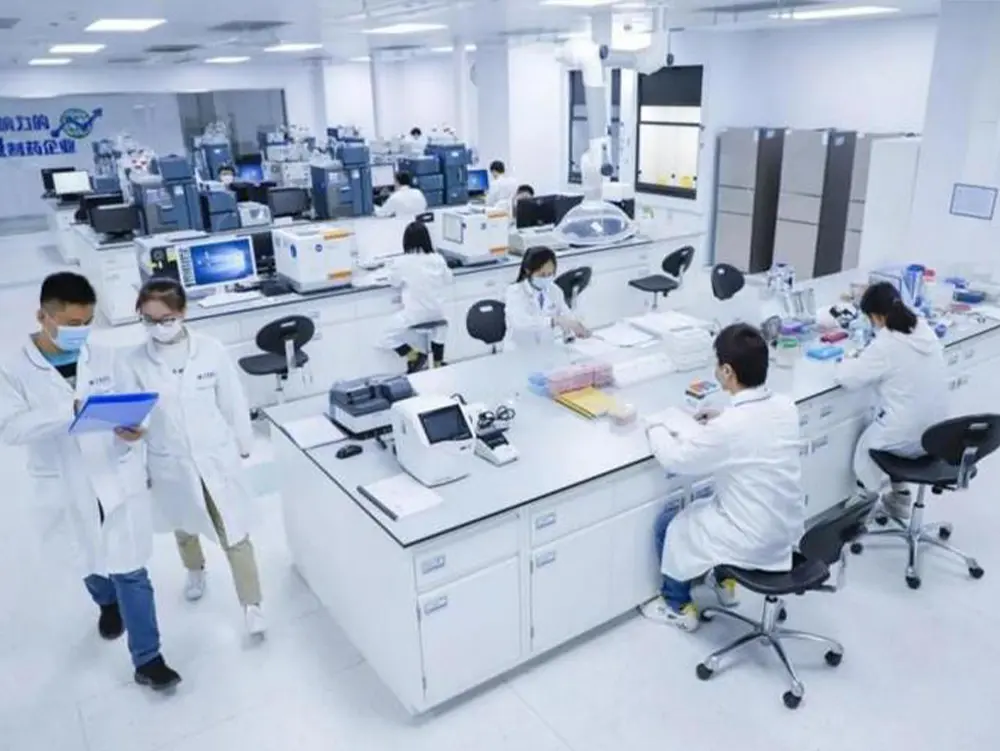
Equipped with 6 fully automated DCS (Distributed Control System) production lines, the plant operates with an annual output capacity of 30,000 tons of silane coupling agents. The implementation of DCS technology enables real-time, remote precision control over temperature, pressure, reaction kinetics, and feed rates. This eliminates human error, minimizes batch-to-batch variation, and ensures optimal yield dynamics.
In addition to the DCS, the plant features a dedicated Safety Instrumented System (SIS) that continuously monitors safety parameters, ensuring safe operations in compliance with rigorous chemical manufacturing protocols. All manufacturing processes adhere to the ISO9001 Quality Management System, securing a stable and continuous supply chain for our global client base.
Operating within a provincial chemical park demands strict adherence to contemporary environmental standards. To meet these compliance targets, Boctok has integrated advanced waste treatment systems directly into our production lines:
Complementing our organosilicone portfolio, Shandong Boctok Chemical Co. maintains a robust Tier II core business centered on petroleum resins. Through strategic investments in leading hydrocarbon resin facilities in China, we operate three high-capacity manufacturing centers situated in Zibo, Fushun, and Nanjing.
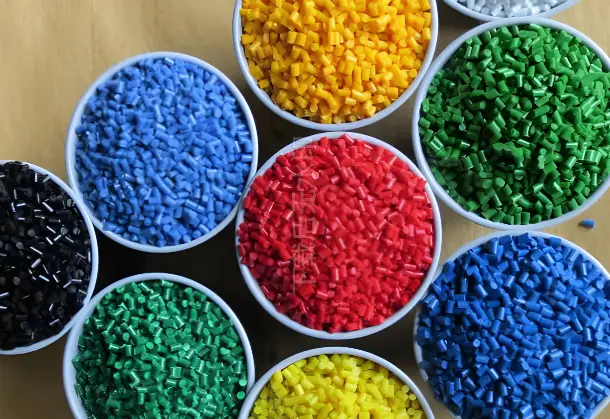
By sourcing high-quality monomers directly from state energy giants SINOPEC and PetroChina, Boctok secures a stable, cost-advantaged feedstock supply. Our hydrocarbon resin product line includes C9 hydrogenated resins, C5 hydrocarbon resins, C5 modified C9 resins, pure C9 resins, dicyclopentadiene (DCPD), and methyl cyclopentadiene dimer (MCPD). These materials serve as critical tackifiers and binders for many Fortune 500 companies in the hot-melt adhesive, industrial coating, and rubber compounding industries.
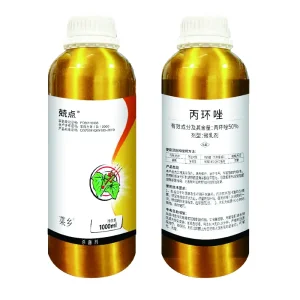
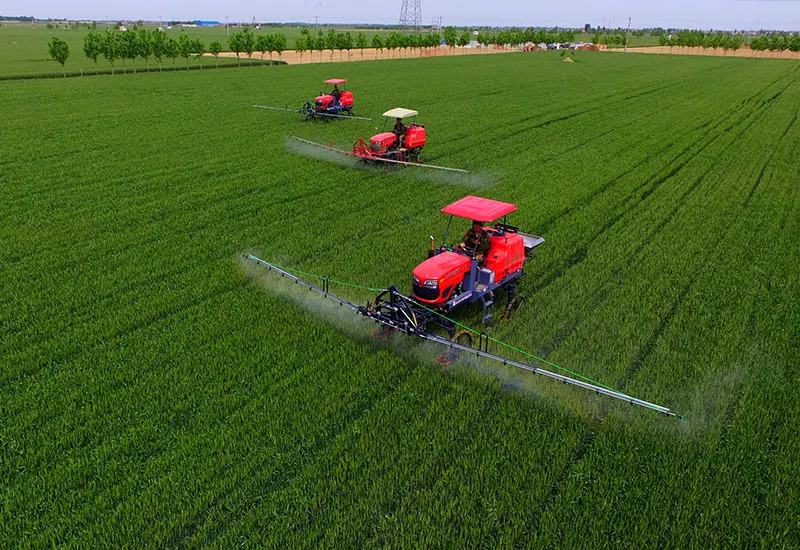
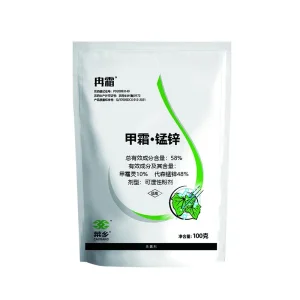
Additionally, our agrochemical division synthesizes high-quality intermediates used globally for manufacturing pesticides, fungicides, insecticides, seed treatments, herbicides, and plant growth regulators. This diverse chemical portfolio creates a strong foundation of technical expertise, driving innovations in polymer crosslinking, formulation stability, and performance design.


The industrial utility of Boctok's organosilicones, coupling agents, and resins is demonstrated across various specialized markets. Our products are formulated to meet the demands of demanding operating environments:
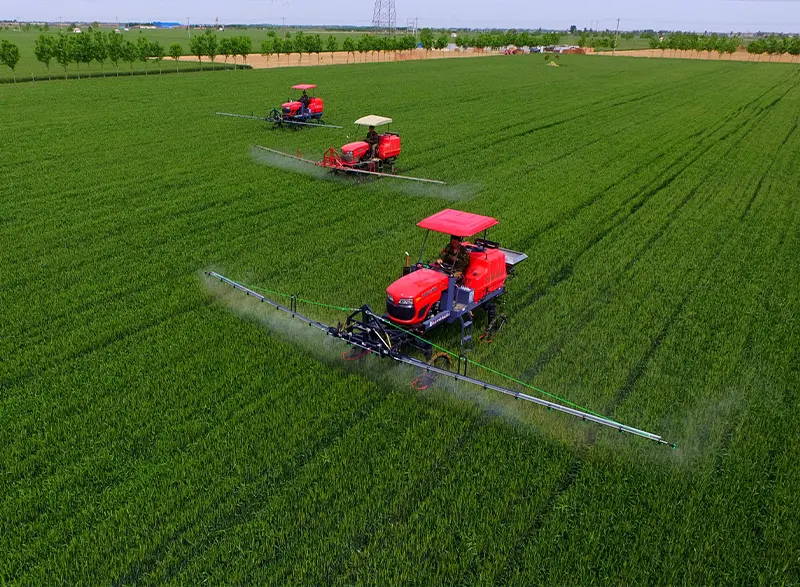




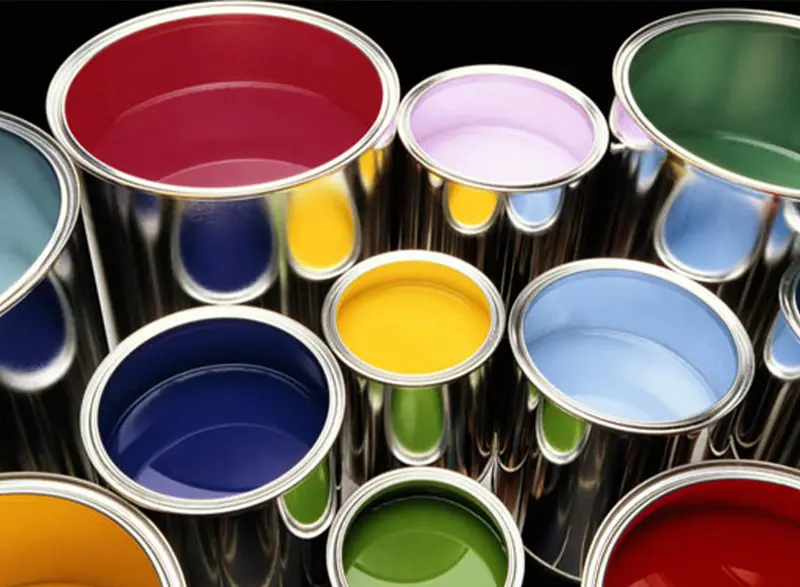
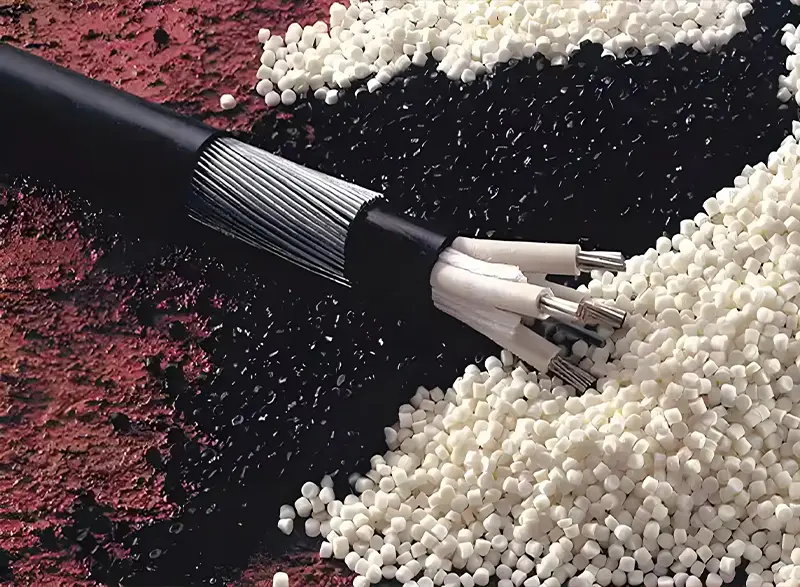

To facilitate structured material selection, Boctok products are categorized into clear functional portfolios:



At Shandong Boctok Chemical Co., our quality assurance strategy is integrated into every step of the synthesis loop. Rather than relying solely on post-production inspection, our quality management begins with the evaluation of incoming chemical precursors. By maintaining direct strategic relationships with feedstock suppliers like SINOPEC and PetroChina, we inspect raw material lots using Gas Chromatography-Mass Spectrometry (GC-MS) to confirm monomer distribution and purity before synthesis begins.
Throughout the manufacturing process at our Shouguang facility, integrated DCS systems control key parameters including chemical feed rates, catalyst concentrations, and temperature profiles during critical reaction stages. This level of process control is essential for preventing structural defects in our silicone polymers. For example, during the synthesis of our 110 methyl vinyl silicone rubber and 120 methyl phenyl rubber, controlling the vinyl and phenyl group distribution is critical to ensuring consistent vulcanization density and low-temperature flexibility in the final cured elastomer.
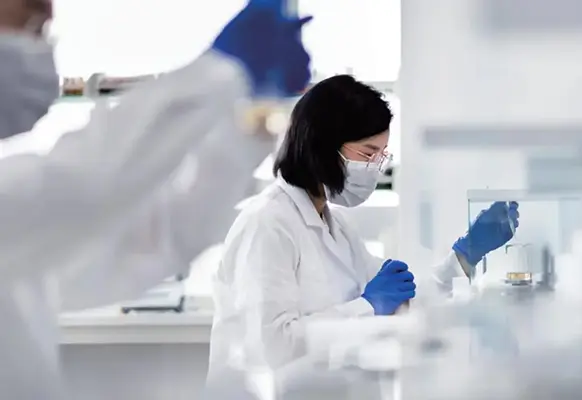
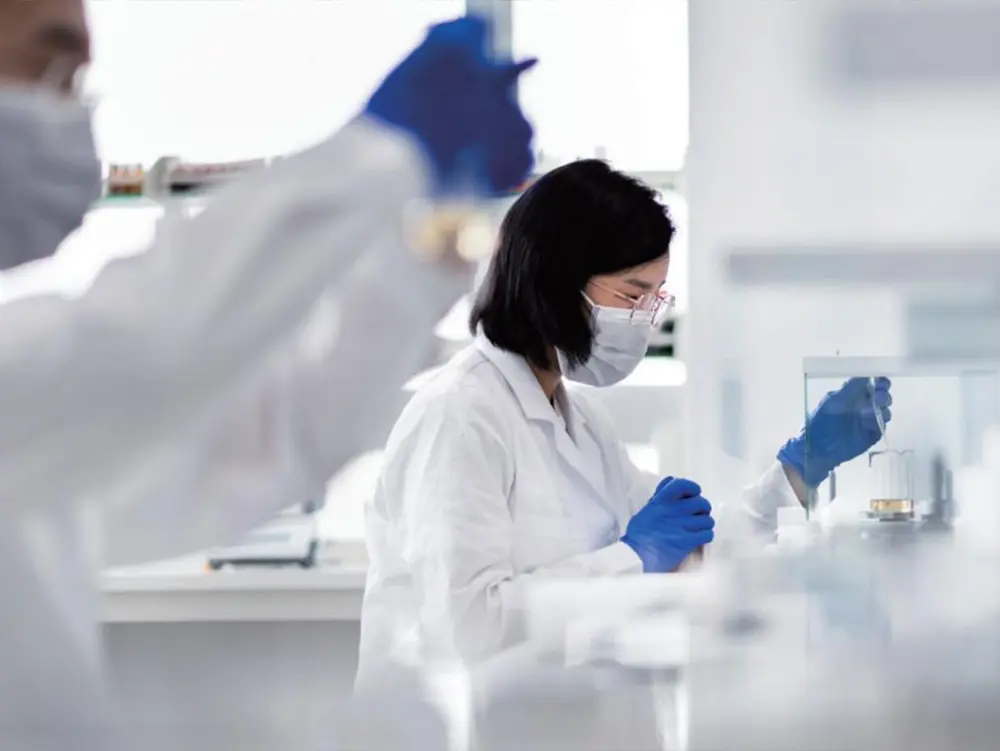
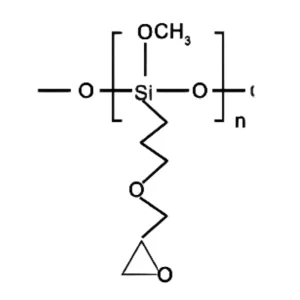
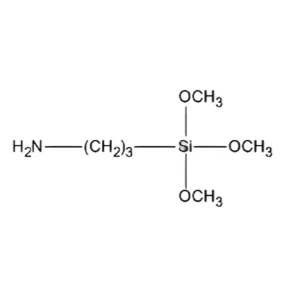
Each production batch is subject to rigorous quality control protocols. In our analytical testing laboratories, we verify viscosity, volatile content, density, and curing rate profiles using rheological testing equipment. For our silane coupling agent series (such as 3-aminopropyltrimethoxysilane and epoxysilane oligomers), we use gas chromatography to verify active silane content, ensuring that clients receive high-performance chemical inputs that integrate reliably into their downstream formulations.
Operating as a global partner with US$280 million in annual sales requires a well-optimized logistics network. Boctok maintains logistics centers near major maritime shipping hubs, facilitating fast transport to destinations across North America, Europe, Japan, South Korea, Australia, South America, the Middle East, India, and Southeast Asia.
Whether transporting bulk liquid cargos of silane coupling agents in ISO tank containers or shipping packaged silicone rubbers and resins, Boctok utilizes tracking systems to monitor shipments from departure to final delivery. This logistical capability ensures reliable delivery schedules, allowing global buyers to maintain lean inventory levels while minimizing supply chain risks.
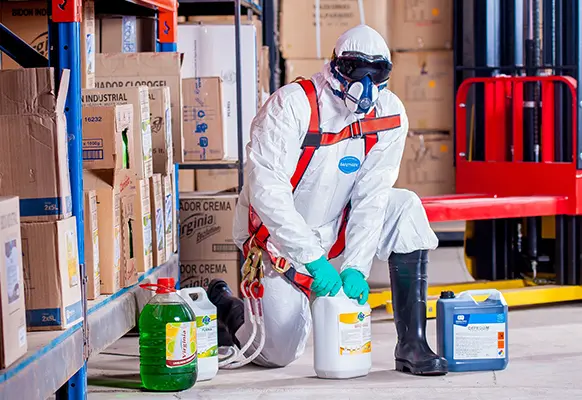
Our materials are packaged in specialized containers to prevent moisture infiltration and premature hydrolysis, preserving product quality from our automated packaging lines to client facilities worldwide.
Addressing key engineering, chemical compatibility, and procurement questions for global buyers.
Browse our advanced epoxy, vinyl, and silicate compounds designed for high-performance industrial coatings and adhesives.
 Boctok Chemical