Explore our premium grade chemical reagents, silanes, and silicone elastomer complexes engineered for high-performance applications.
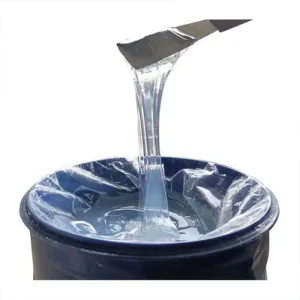
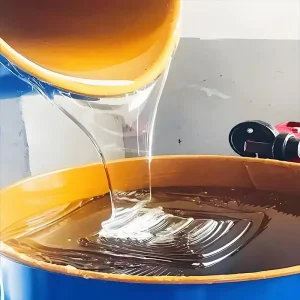
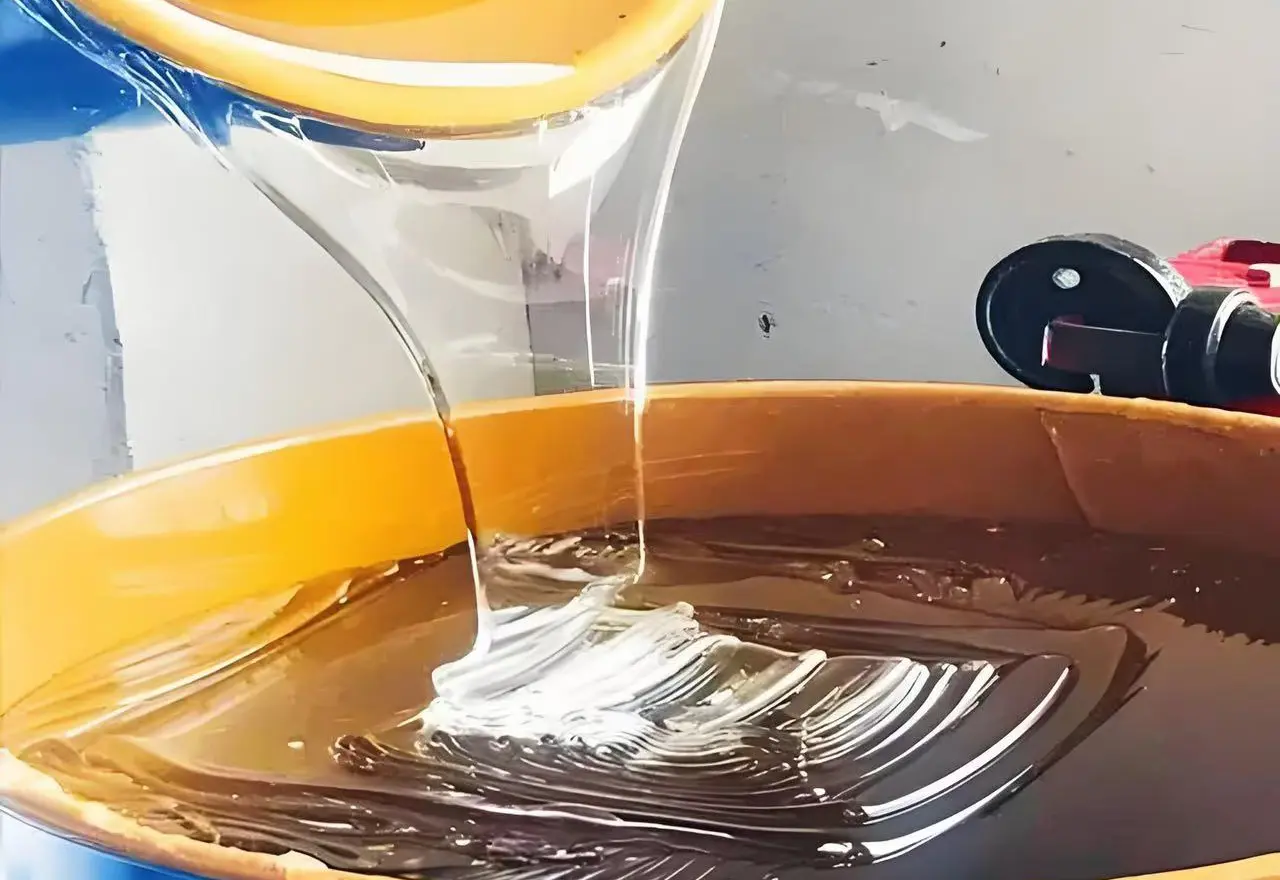
Multi-Vinyl Silicone Oil is a copolymerized organosilicon fluid that incorporates both terminal vinyl groups and pendant vinyl groups distributed strategically along the polydimethylsiloxane (PDMS) backbone. Compared to traditional vinyl-terminated silicone oil, where vinyl functionality is localized strictly at the polymer chain ends, multi-vinyl silicone oil (MVSO) provides a significantly higher density of reactive crosslinking sites.
The chemical synthesis of MVSO is achieved via catalytic ring-opening polymerization of octamethylcyclotetrasiloxane (D4) and tetramethyltetravinylcyclotetrasiloxane (D4Vi), using precise proportions of tetramethyldivinyldisiloxane (reactive chain endblocker). By adjusting the molar ratios of these reactive siloxane rings, manufacturers calibrate the:
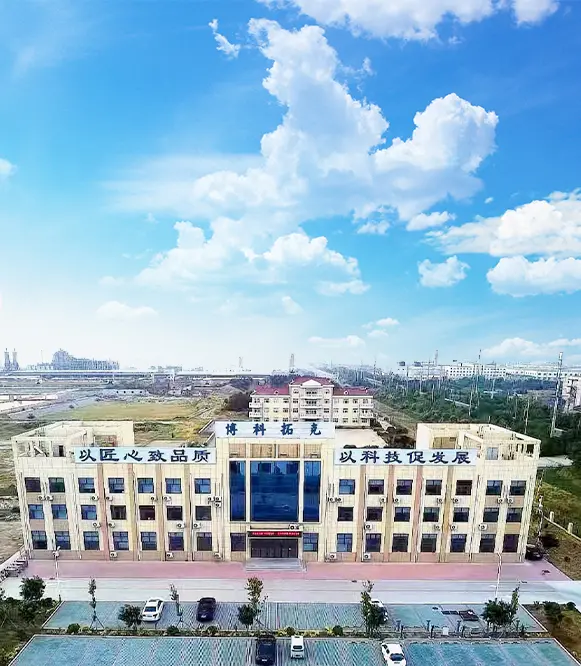
Founded in 2012, Shandong Boctok Chemical Co. serves as an international powerhouse for organosilicone, hydrocarbon resin, and agrochemical innovations.
Shandong Boctok Chemical Co. was established as the primary domestic and overseas sales, marketing, and distribution network for Boctok™ products, culminating in a global transaction volume of US$280 million in 2023. Under this dedicated brand, we have established massive distribution logistics, focusing strongly on meeting the strict technical and economic requirements of global industrial users, including prominent Fortune 500 enterprises.
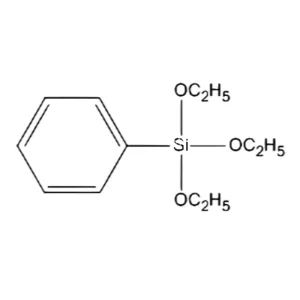
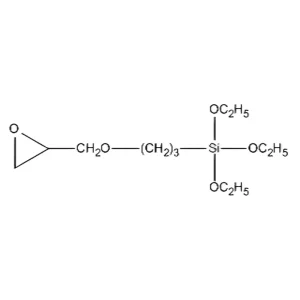
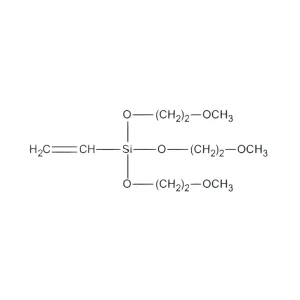
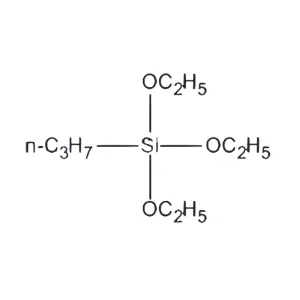
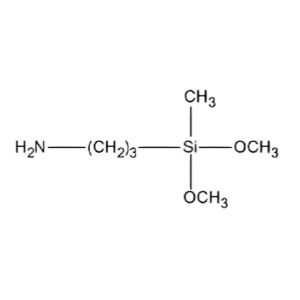
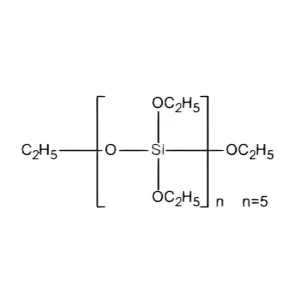
Our core product structure covers twelve series of silane coupling agents and crosslinkers. These include: aminosilane, methacrylate silane, epoxy silane, vinyl silane, mercaptosilane, alkyl silane, ethyl silicate, chlorosilane, silane isocyanates, phenyl silane, ureidosilane, and serosilane.
Additionally, Boctok excels in downstream silicone derivatives such as high-hydrogen silicone oil, dimethicone, vinyl silicone oil, polyphenylmethyldimethylsiloxane, phenyl silicone oil, silanol silicone oil (OH polymer), alkoxy silicone oil, methyl MQ resin, vinyl VMQ resin, and room-temperature vulcanized methyl silicone rubber, along with 110 methyl vinyl rubber and 120 methyl phenyl rubber.
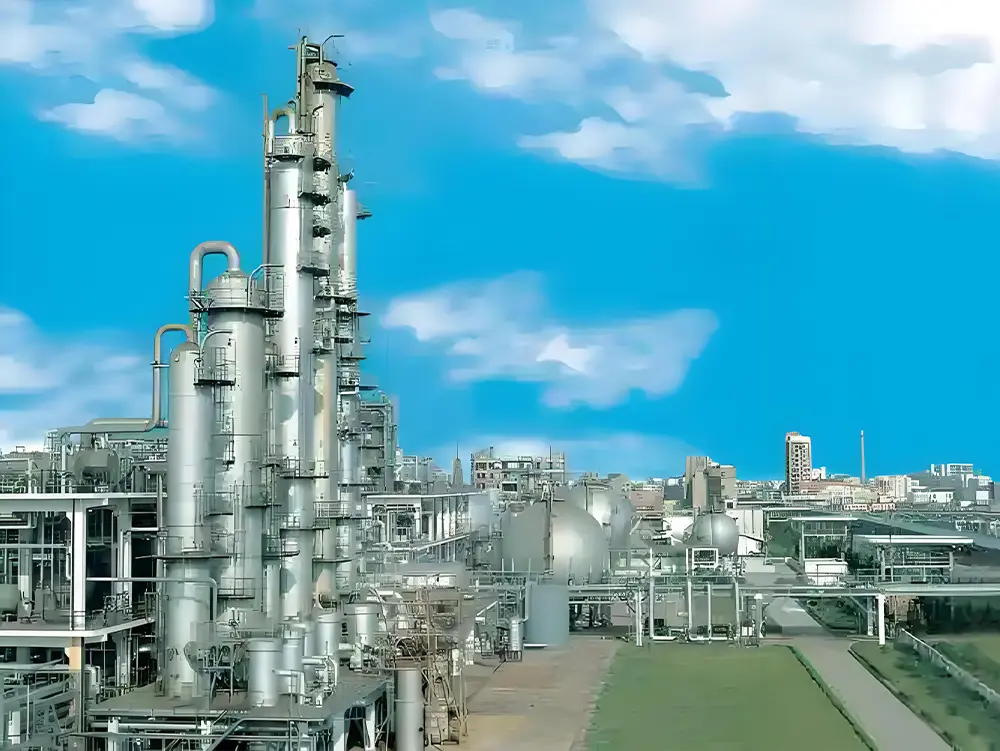
Boctok’s secondary core business consists of hydrocarbon resins. We have invested heavily in a key hydrocarbon resin manufacturer in China, operating three modernized factories strategically situated in Zibo, Fushun, and Nanjing.
Leveraging chemical feedstock logistics from major state enterprises like SINOPEC and PetroChina, we provide stable formulations including C9 hydrogenated resins, C5 hydrocarbon resins, C5 modified C9 hydrocarbon resins, dicyclopentadiene (DCPD), and methyl cyclopentadiene dimer.
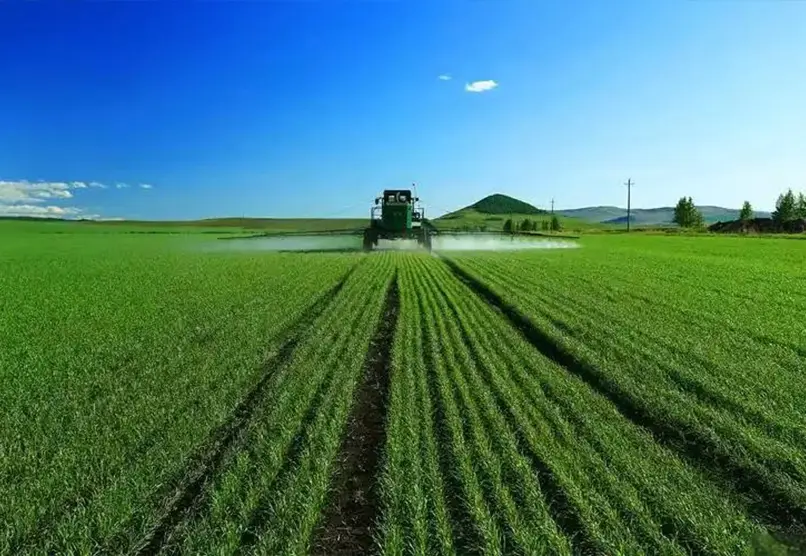
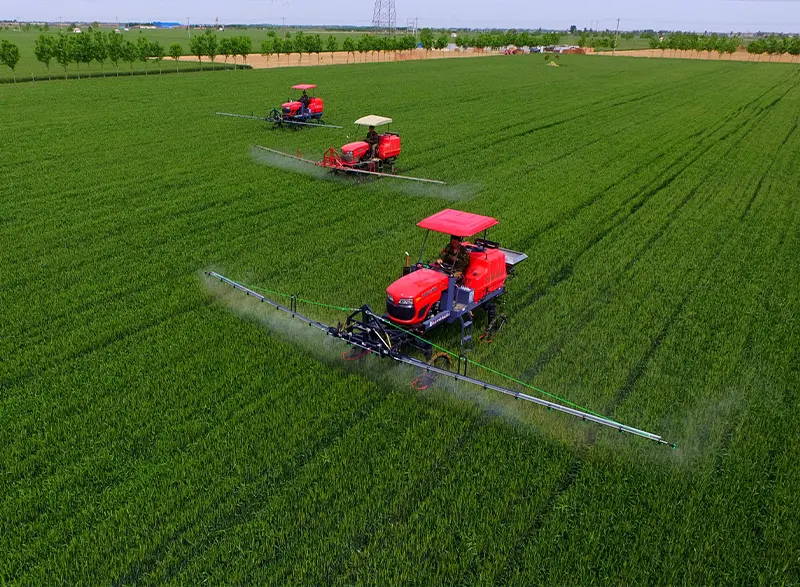
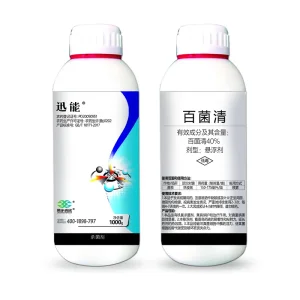
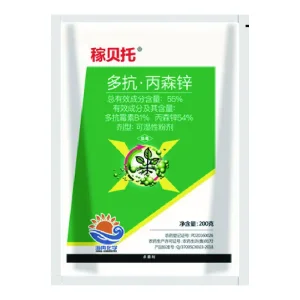
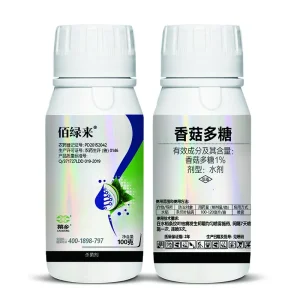
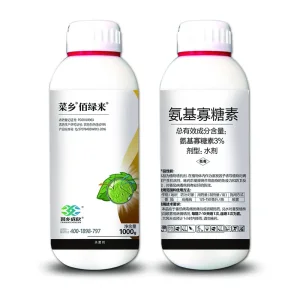
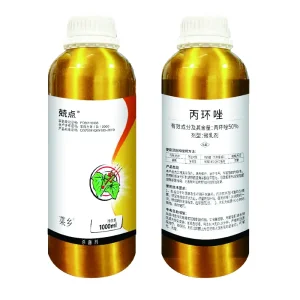
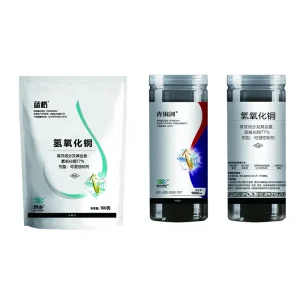
Furthermore, Boctok’s agrochemical segment produces highly functionalized intermediates, active ingredients, and base materials for pesticides, fungicides, insecticides, seed treatments, herbicides, and plant growth regulators.
How automation, strict quality safety standards, and logistical engineering drive reliable global deliveries.
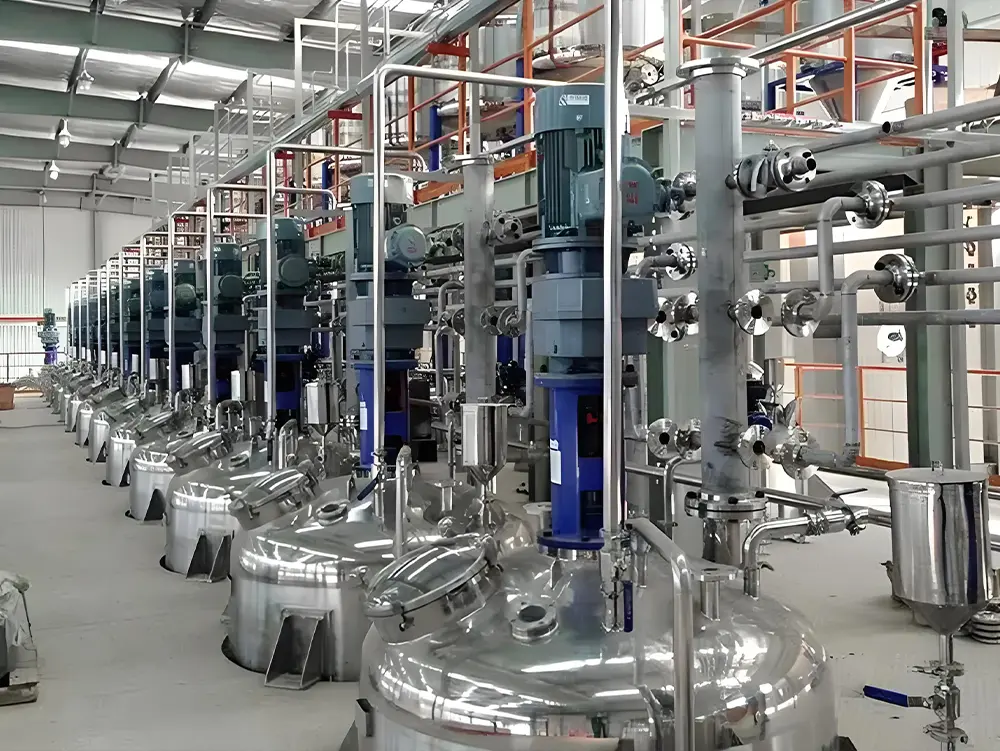
Boctok recently invested US$65 million to establish a brand-new chemical facility inside Shouguang City's provincial Bohai Industrial Park. This expands our production footprint of silane coupling agents and vinyl monomers, incorporating 6 fully automated DCS production lines.
Our production lines feature advanced Remote Distributed Control Systems (DCS) combined with Safety Instrumented Systems (SIS). These networks regulate reactor temperatures, catalyst injection, and vacuum levels to prevent structural deviations in vinyl mol% values.
We have integrated dedicated waste gas collection systems alongside dual-stage wastewater purification networks to eliminate chemical outgassing. This ensures uninterrupted regulatory approvals from provincial environmental departments, guaranteeing supply continuity.
International sourcing managers face increasingly complex demands when evaluating suppliers for high-performance siloxanes. The shift from peroxide-cured silicone systems to platinum-catalyzed addition-cure systems has elevated the demand for multi-vinyl silicone oils globally. Traditional curing mechanisms generate volatile reaction byproducts like acid or alcohol, requiring long post-curing cycles. In contrast, addition-cure systems utilize platinum-catalyzed hydrosilylation, where multi-vinyl silicone oil reacts with methyl hydrogen silicone fluid to form a crosslinked rubber network without emitting volatile components.
Global procurement agencies prioritize suppliers showing excellent molecular consistency, extremely low volatile content (D3-D10 cyclic siloxane rings below 0.1%), stable viscosities, and strict compliance with EU REACH, FDA food-contact standards, and RoHS regulations. China's industrial upgrades (Factory 4.0) allow companies like Boctok to stabilize monomer ratios on a macro-scale, securing long-term cost benefits and high quality for international buyers.
Delivering consistent quality, expanded production capacity, and round-the-clock professional technical support.

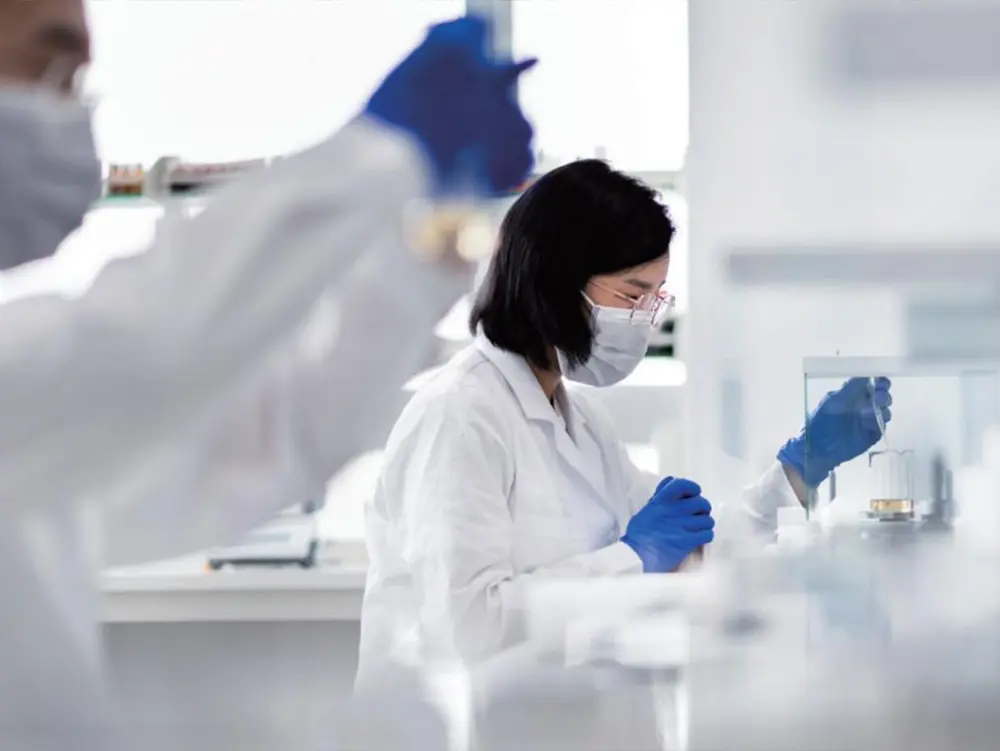
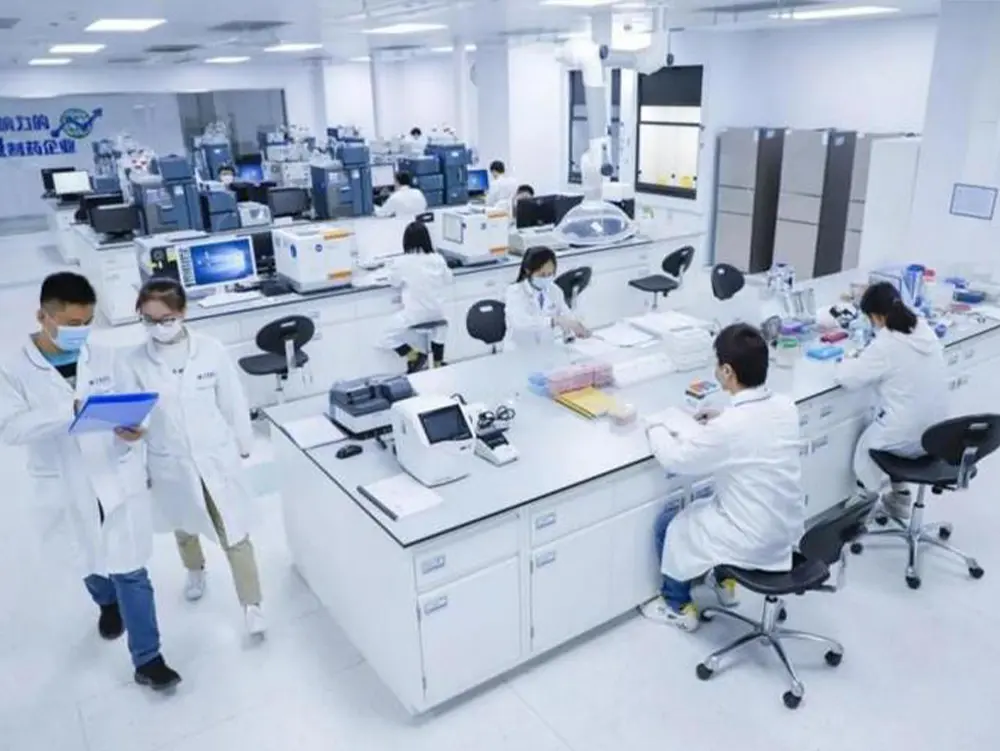
Our products undergo rigorous testing to ensure that every aspect meets the highest quality standards, minimizing batch-to-batch variance.

Advanced production lines allow us to effectively expand production capacity and meet the demand for mass customization and bulk shipments.

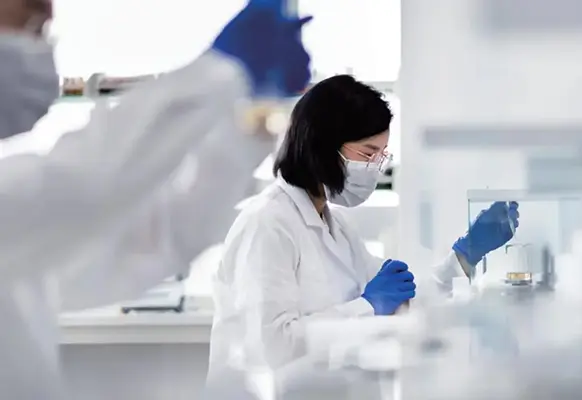
Our professional chemical support team is available online 24 hours a day to provide attentive service and answer all your technical queries.

An optimized logistics system ensures fast order processing, reliable customs clearing, and timely delivery to global customers.
High-quality chemical raw materials and agricultural formulations engineered for demanding international markets.
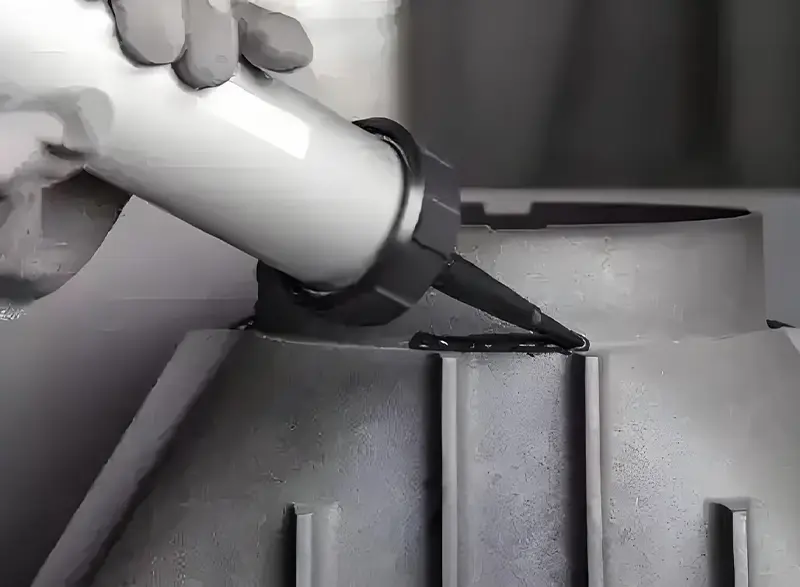
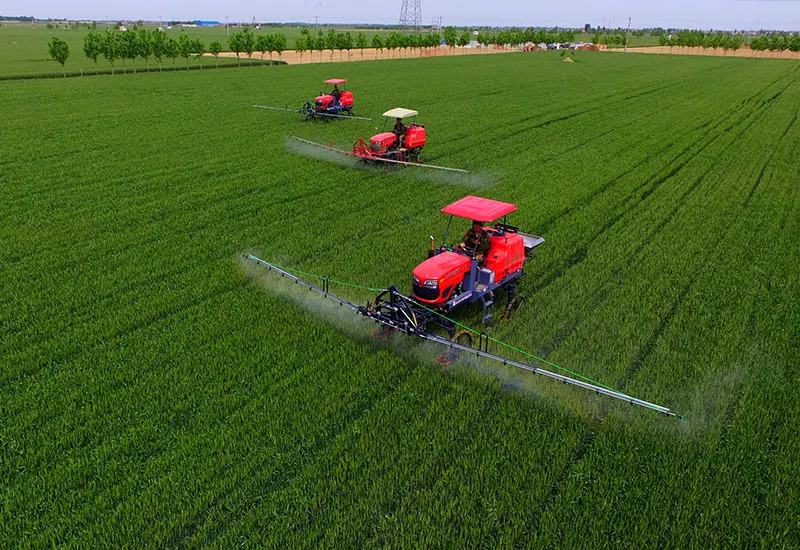
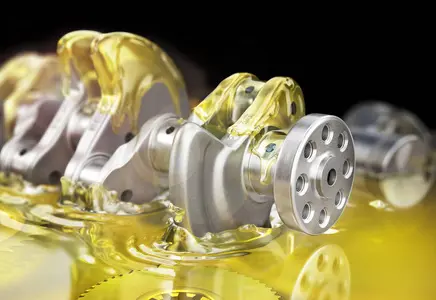
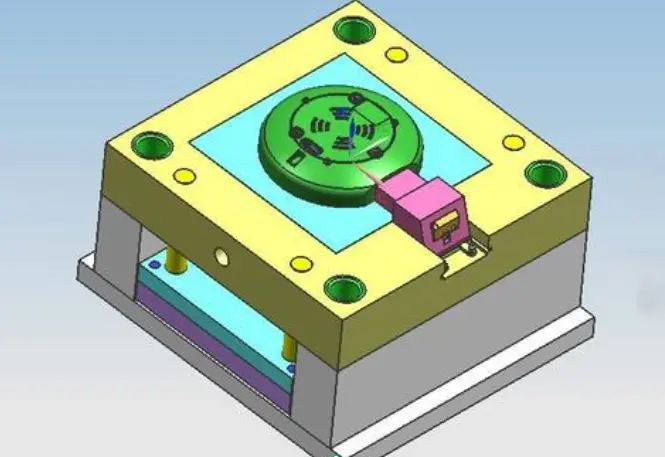
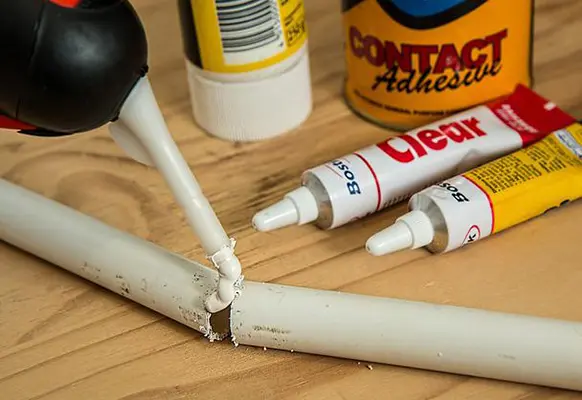
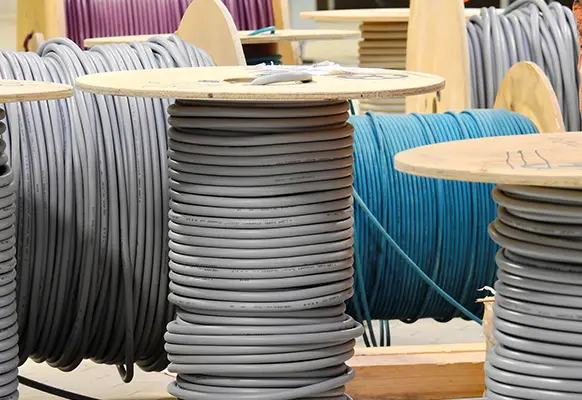
From pesticide carrier formulations to automotive sealants and electronic potting compounds.
Our organosilicon polymers, VMQ resins, and silane coupling systems act as foundational components across these sectors.











Professional guidance and solutions curated by our lead chemical engineers for industrial formulators.
Vinyl-terminated silicone oils contain reactive vinyl groups located strictly at the terminal ends of the polydimethylsiloxane polymer chains. They polymerize to form flexible, high-elongation elastomer networks when reacted with crosslinkers. In contrast, multi-vinyl silicone oils (MVSO) incorporate vinyl groups both at the terminal positions and as lateral groups along the siloxane backbone. This increases the reactive sites per unit chain, leading to a denser crosslinked structure, which improves mechanical properties, tear resistance, and hardness.
Peroxide curing (condensation system) relies on high-temperature decomposition of organic peroxides, which leaves acidic or organic by-products that must be post-cured to clear out gas bubbles and potential toxicity. Addition curing, which reacts multi-vinyl silicone oil with methyl-hydrogen fluids via platinum-catalyzed hydrosilylation, yields no reaction by-products. This enables fast, low-temperature curing, excellent dimensional stability, and safety profile suitable for medical, culinary, and optical applications.
Distributed Control Systems (DCS) monitor chemical synthesis parameters, including temperature fluctuations, raw material dosing speeds, and copolymerization equilibrium periods. In traditional factories, minor manual variance in charging materials results in variable vinyl mol% values. The DCS at our new Shouguang plant regulates monomer injection rates within tight tolerances, keeping batch-to-batch polymer distributions consistent.
Unreinforced silicone rubbers generally exhibit poor mechanical strength. Vinyl-functionalized VMQ silicone resins act as solid-state reinforcing agents. When blended with multi-vinyl silicone oils, the vinyl groups of the VMQ resin participate in the addition-curing network, increasing tensile strength, durometer hardness, and tear resistance while maintaining transparency and thermal resilience.
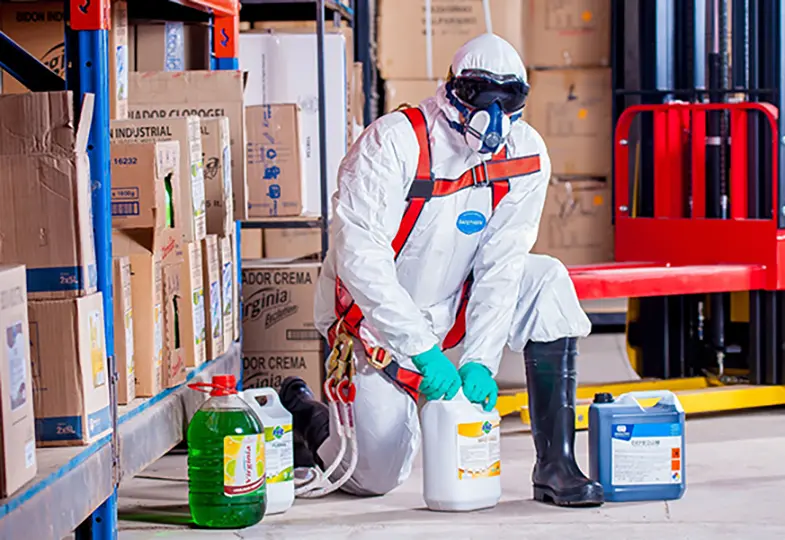
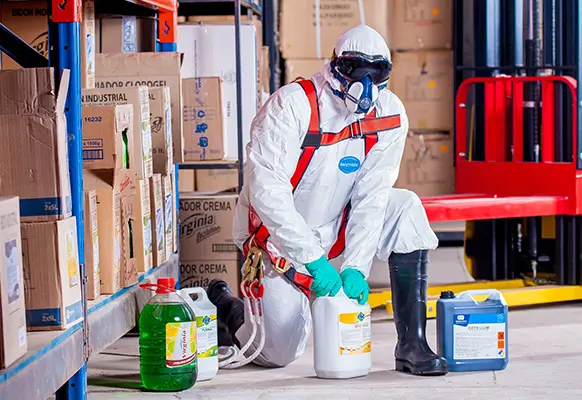
Keep containers tightly sealed in dry, cool, well-ventilated areas away from direct sunlight, acids, alkalis, and moisture. Ensure the formulation is free of heavy metals, sulfur, nitrogen, and phosphorus complexes, as these compounds can poison the platinum catalyst, inhibiting the addition-curing reaction.
Premium functionalized silanes and specialty chemical polymers manufactured to meet rigorous quality standards.
 Boctok Chemical