High-purity silanes, functionalized coupling agents, and specialty resins for global industrial supply chains.
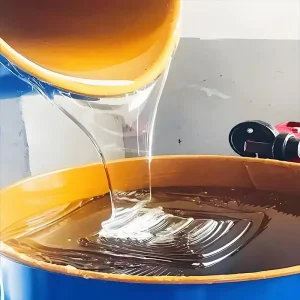
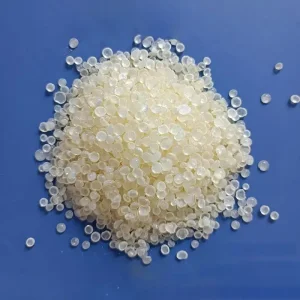
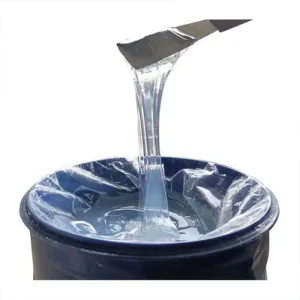
In modern macromolecular chemistry, Methyl Silicone Resin Reinforcing Materials represent a vital class of highly crosslinked three-dimensional siloxane networks. The unique structural composition of these materials—primarily built around M units (monofunctional $[R_3SiO_{1/2}]$) and Q units (tetrafunctional $[SiO_{4/2}]$)—confers exceptional mechanical integrity, thermal boundaries, and chemical resistance when blended into silicone elastomer matrices.
Unlike conventional silica-based fillers, methyl silicone reinforcing resins, particularly MQ and VMQ (vinyl-terminated MQ) resins, form a semi-interpenetrating polymer network (IPN) at the molecular scale. This molecular reinforcement suppresses polymer chain relaxation and improves tensile strength, tear strength, and thermal aging limits without compromising the inherent flexibility, high transparency, and low-temperature performance of the host siloxane matrix.
The reinforcement mechanism functions via steric hindrance and chain immobilization. MQ resins act as molecular anchors. When the M/Q molar ratio is controlled precisely between 0.6 to 0.9, the resin distributes homogeneously inside vinyl-containing liquid silicone rubber (LSR) and high consistency rubber (HCR), enabling uniform stress dispersion during physical deformation.
By adjusting the silanol hydroxyl content (typically kept below 1.0 wt% for thermal stability) or introducing active groups like vinyl or hydrosilyl ($Si-H$), we can customize crosslink density. This control allows precise manipulation of the final elastomer’s hardness, elongation at break, and optical clarity.
Methyl silicone resins display excellent thermal stability up to 300°C - 350°C. The inorganic $Si-O-Si$ backbone provides robust resistance against thermo-oxidative degradation, preventing chain scission in high-temperature environments such as EV powertrains and aerospace sealants.
Founded in 2012, Shandong Boctok Chemical Co. operates as a leading marketing, sales, and manufacturing center for domestic and international organosilicone operations. In 2023, our strategic market outreach and technical expertise culminated in a global sales volume of US$280 million. The BOCTOK brand is a trusted partner in demanding regions, particularly serving the Russian market and Eastern European industrial centers.
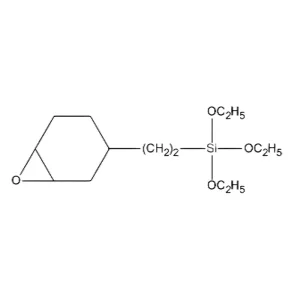
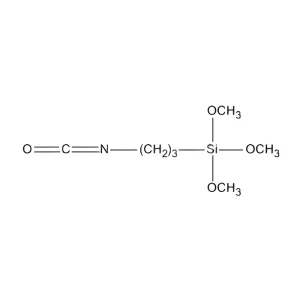
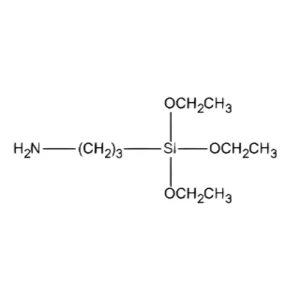
Our organosilicone portfolio covers twelve comprehensive series of silane coupling agents and crosslinkers, including aminosilanes, methacrylate silanes, epoxy silanes, vinyl silanes, mercaptosilanes, alkyl silanes, ethyl silicates, chlorosilanes, silane isocyanates, phenyl silanes, ureidosilanes, and serosilanes. We also manufacture specialty silicone oils, silicone resins, and silicone rubbers, including high-hydrogen silicone fluids, dimethicone, vinyl silicone oils, alkoxy silicone fluids, methyl MQ resins, and vinyl VMQ resins.
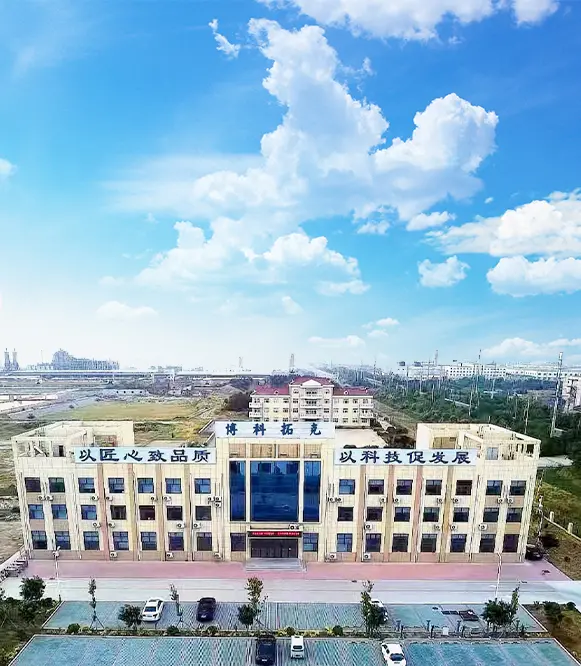
Boctok’s strength lies in our integrated supply chain and state-of-the-art manufacturing infrastructure. We recently invested US$65 million to construct a new chemical plant in the Bohai Industrial Park, a dedicated provincial chemical development zone in Shouguang City, Shandong Province. This facility houses 6 fully automated DCS (Distributed Control System) production lines, yielding an annual capacity of 30,000 tons of high-grade silane coupling agents and reinforcing additives.
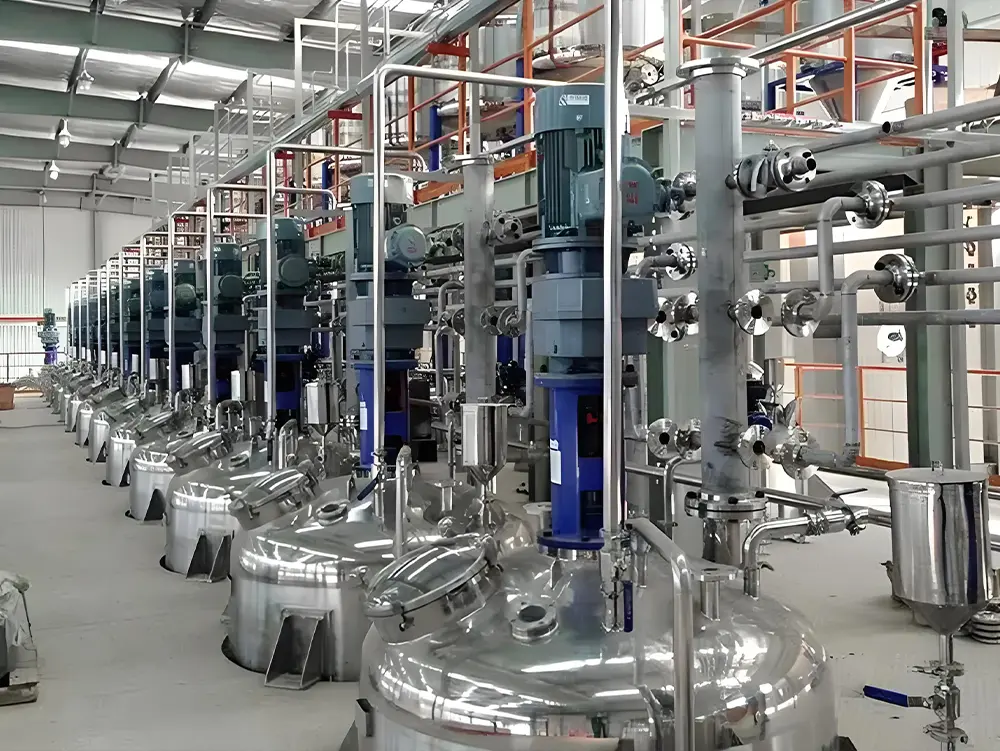

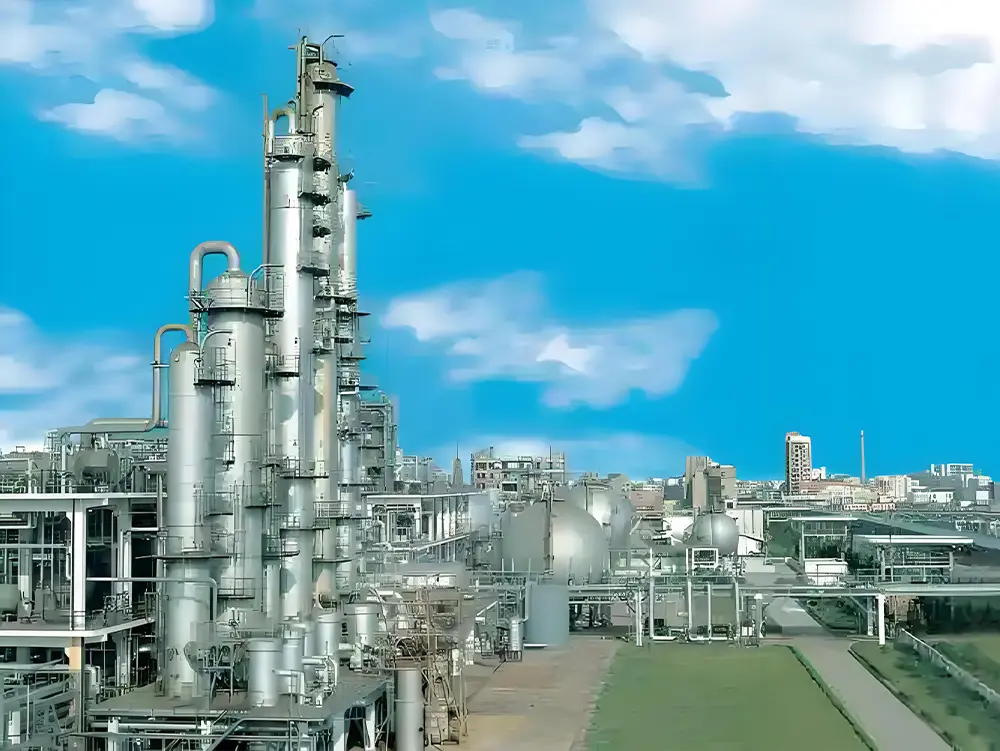
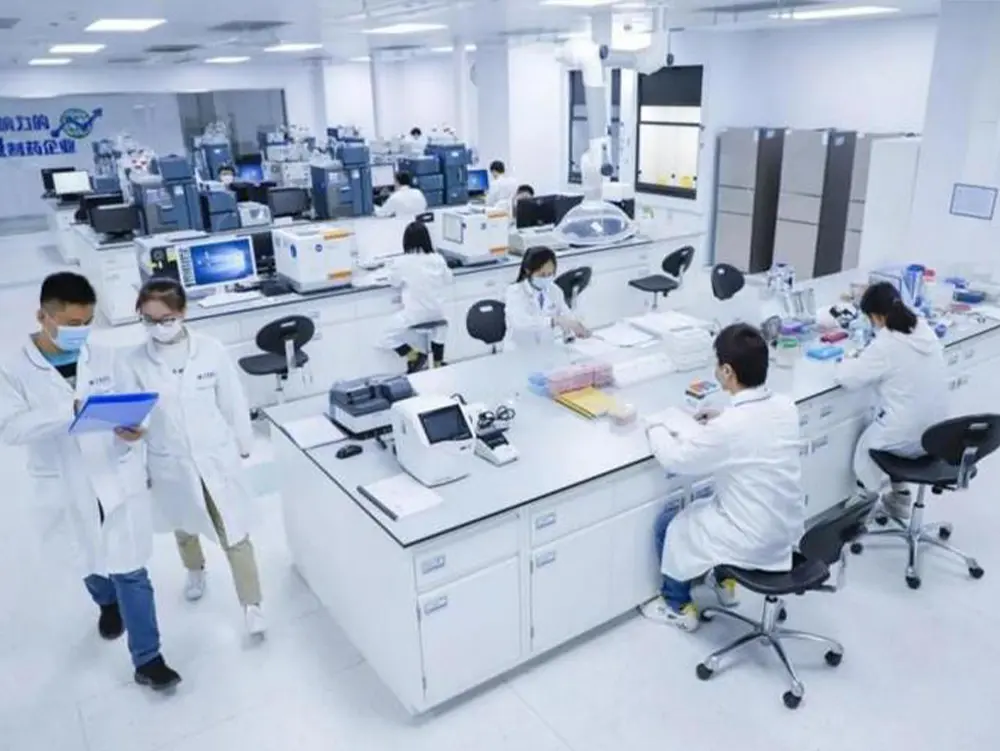
Why leading global enterprises rely on Shandong Boctok Chemical for material engineering and bulk supply.

Every product batch is subjected to high-performance liquid chromatography (HPLC), Fourier-transform infrared spectroscopy (FTIR), and gas chromatography-mass spectrometry (GC-MS) testing to confirm chemical purity and molecular distribution.

Our Shouguang facility runs continuous synthesis processes, ensuring high volume scale-up, mass customization, and stable chemical supply configurations during seasonal shifts.

Our dedicated application engineers provide expert support for silicone compounding, polymer modification, solvent-borne coatings, and custom synthesis paths.

With major warehouse facilities located in proximity to coastal shipping hubs and direct railway access, we ensure transit processing and compliance handling for international shipping, including hazmat classifications. This allows us to serve clients across North America, Europe, Australia, India, and the CIS region efficiently.
Sourcing advanced siloxane materials like methyl silicone resins demands adherence to local and international chemical regulatory structures. Shandong Boctok Chemical maintains compliance across all target jurisdictions:
We provide REACH-registered intermediates and full substance dossiers for European chemical distributors, enabling frictionless customs clearance and supply chain transparency.
Our silicone products satisfy the regulatory inventory prerequisites of the United States EPA (TSCA) and Environment Canada (DSL), meeting compliance thresholds for industrial polymers.
Through our dedicated BOCTOK brand center, we provide technical document translation, GOST-R compliance certification, and customs documentation tailored for CIS chemical logistics.
Beyond regulatory compliance, we offer technical localization. This means modifying volatile content (VOC limits), tailoring the viscosity profile, and adjusting active solid percentages to match the specific application equipment of regional buyers (e.g., custom dilution in aromatic or aliphatic solvent systems).
Mapping high-performance organosilicon chemistry to critical industry sectors.
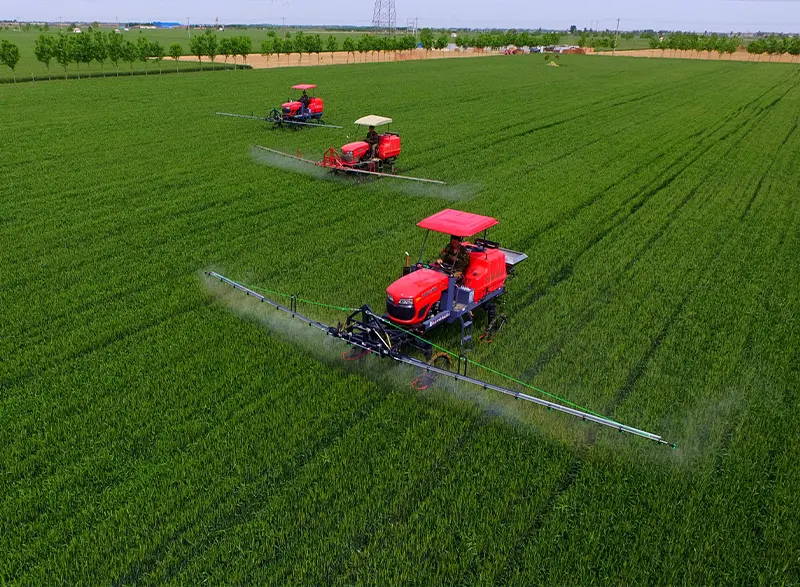




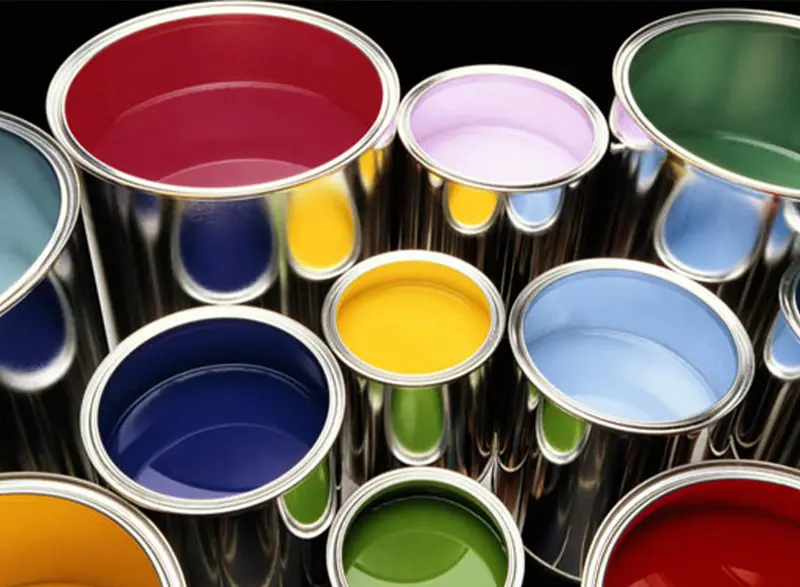
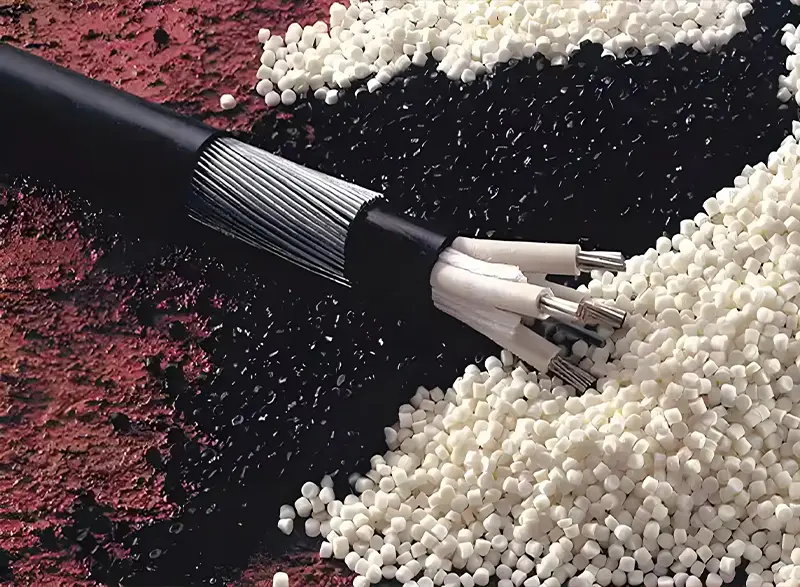
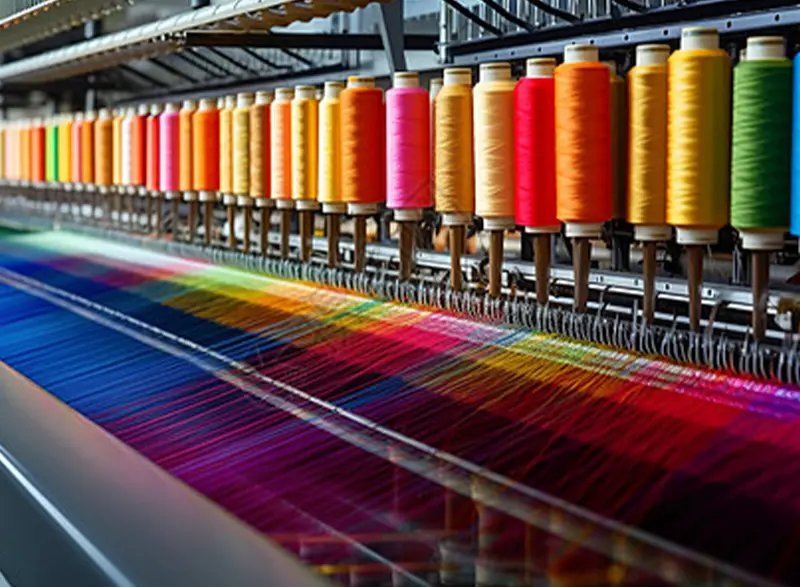
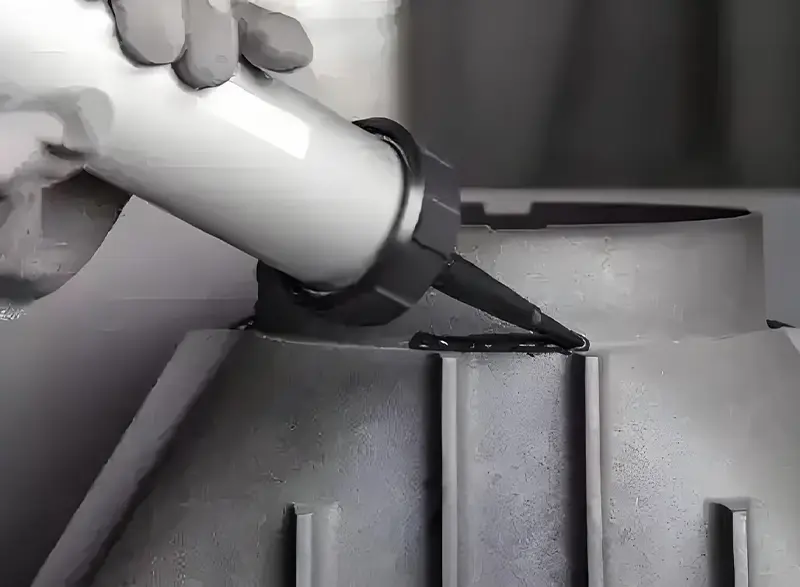
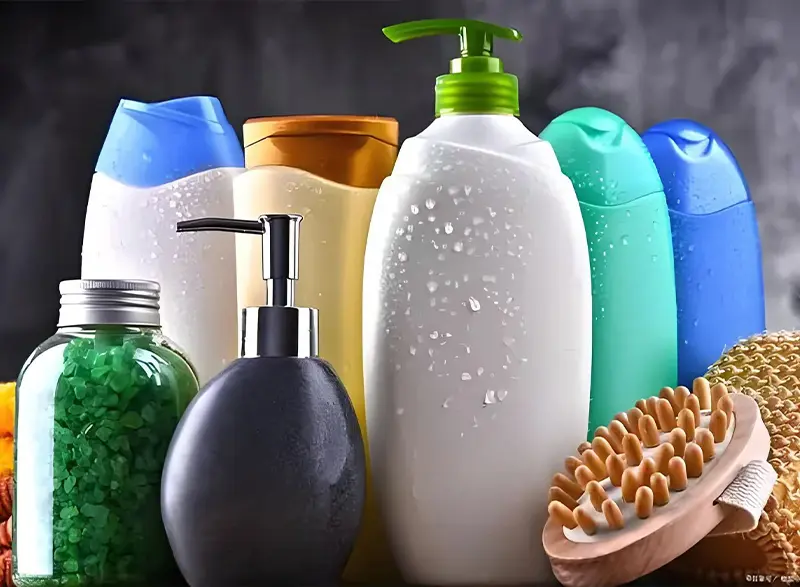
Delivering high-purity organosilicon additives, specialized hydrocarbon resins, and agricultural intermediates.


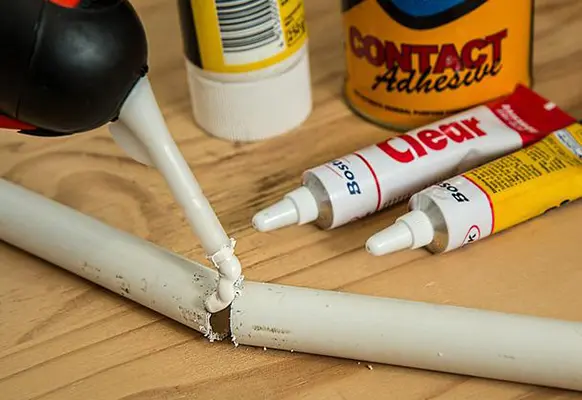
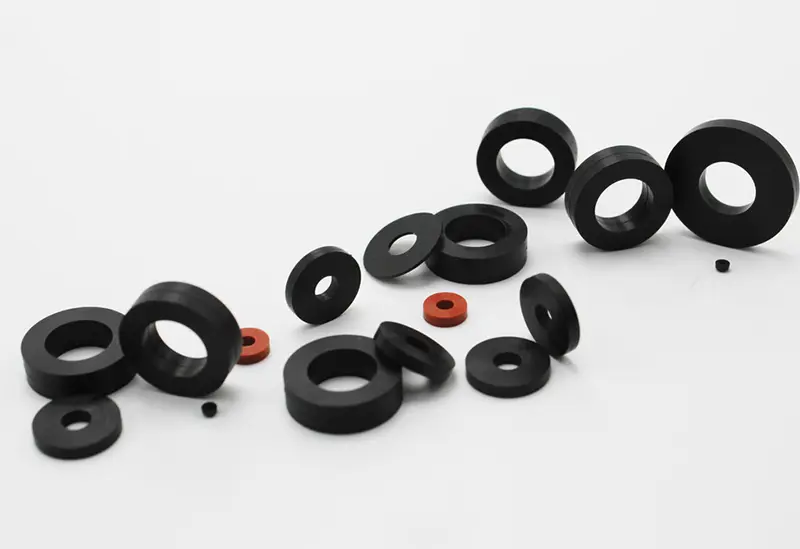
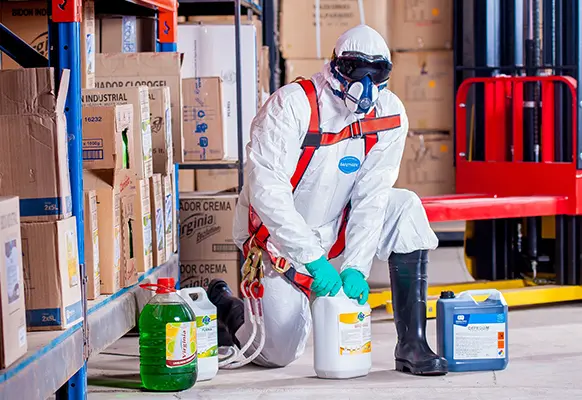
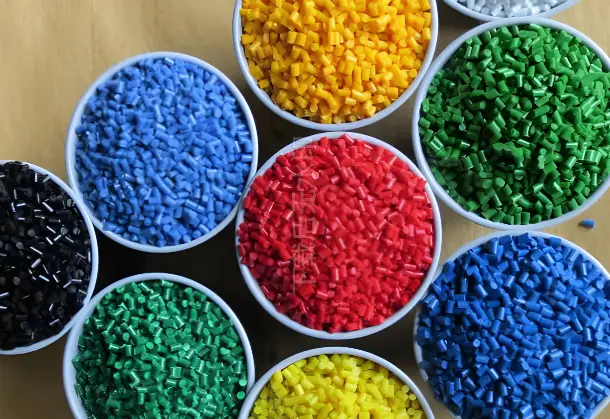
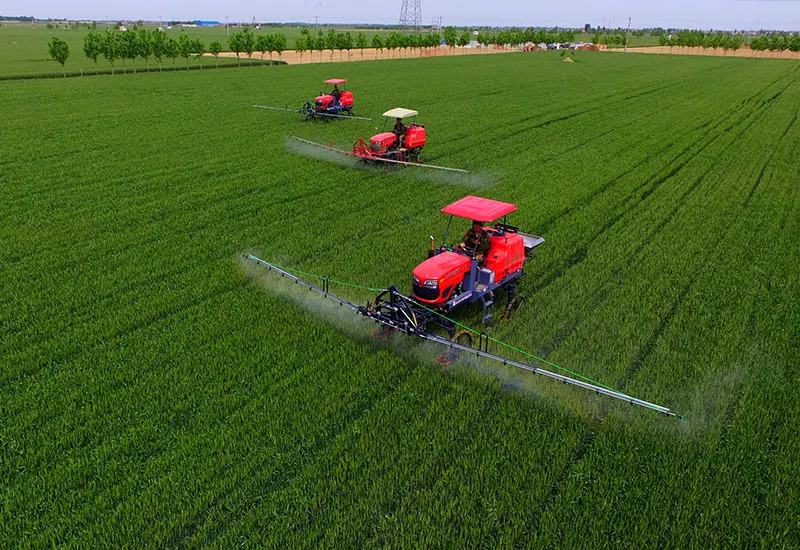
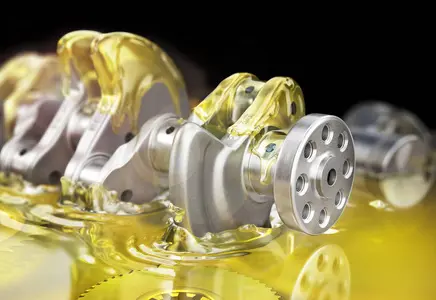
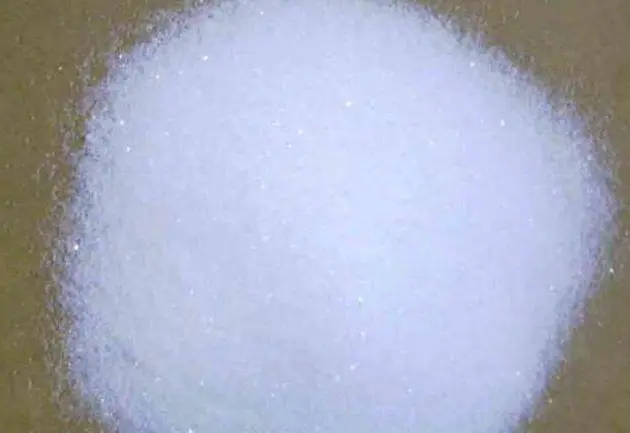

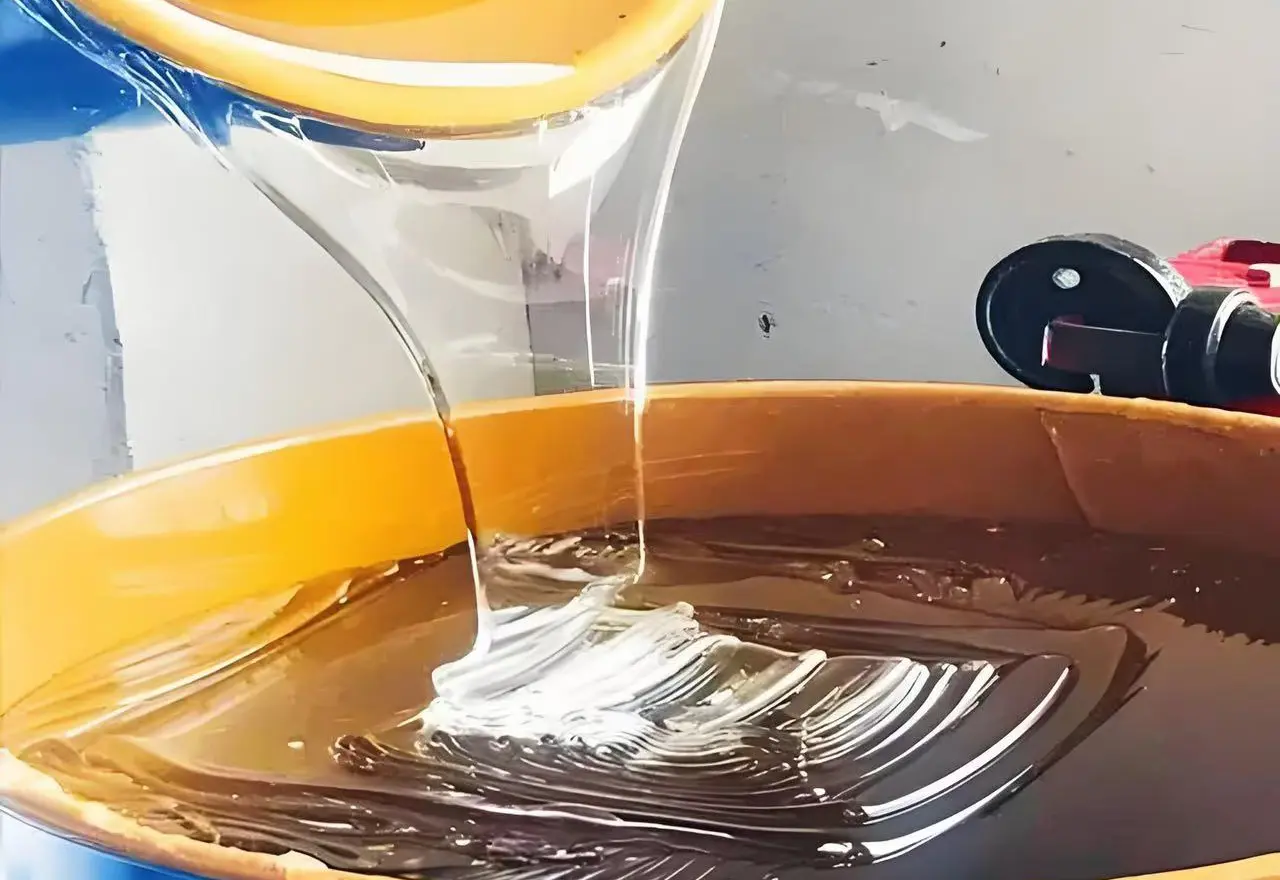

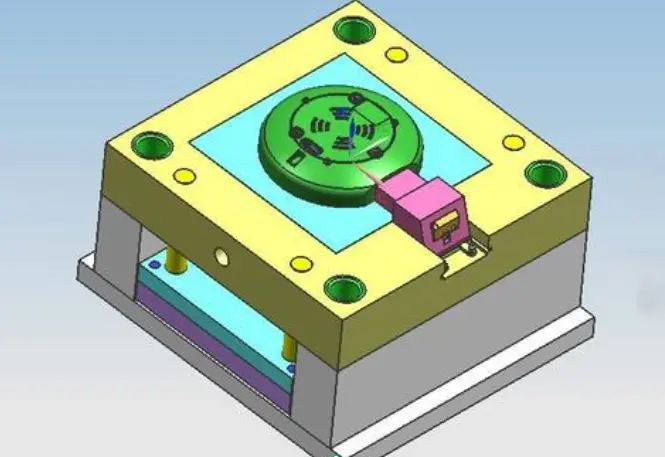







The global demand for high-performance elastomers is shifting toward materials that support sustainable processing and survive extreme environmental conditions. Methyl silicone resins, with their specialized three-dimensional inorganic-organic structure, are at the forefront of these transitions:
Electric vehicle battery assemblies operate under extreme thermal stresses. Conventional reinforcing fillers often fail over extended operations. MQ-based silicone resin rubbers provide high dielectric strength, low volatile outgassing, and thermal insulation at operating temperatures above 250°C.
In high-frequency semiconductor packaging, encapsulants require high transparency and low moisture absorption. Hydroxyl-free methyl silicone resins function as clean reinforcing materials, minimizing mechanical failure and cracking under thermal cycling conditions.
Global regulatory bodies are enforcing stricter thresholds on volatile organic compounds. Current synthesis techniques emphasize the production of solvent-free VMQ resin powders and high-solids emulsions, reducing VOC emissions during downstream compounding.
For procurement departments and material engineers in the automotive, aerospace, and electronics sectors, selecting the right partner involves assessing more than just the price per kilogram. When evaluating a China Methyl Silicone Resin Reinforcing Material Supplier, technical buyers must focus on:
Technical explanations and procurement guidance for methyl silicone resins and reinforcing additives.
High-purity chemical components and raw materials designed for optimal crosslinking and performance.
 Boctok Chemical