Explore our top-tier organosilicone precursors, silane coupling agents, and specialized medical intermediates engineered for crosslinking integrity and biocompatible polymer synthesis.
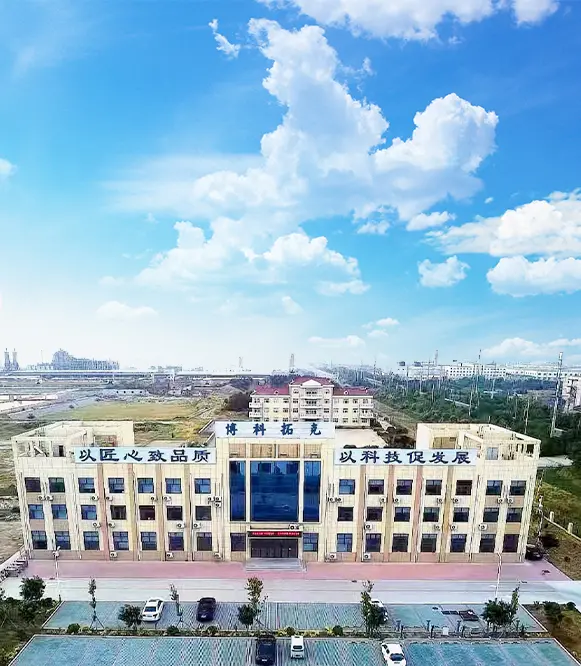
Founded in 2012, Shandong Boctok Chemical Co. has established itself as an international powerhouse in high-performance polymer and specialty silicone distribution, serving as a vital nexus for global sales and technological integration. Under the registered trademark Boctok™, our global sales reached US$280 million in 2023, reflecting our robust market foothold. We have dedicated strategic efforts to expanding infrastructure, ensuring that high-grade silicone raw materials and customized elastomer formulations undergo state-of-the-art chemical synthesis.
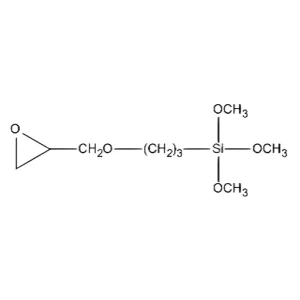
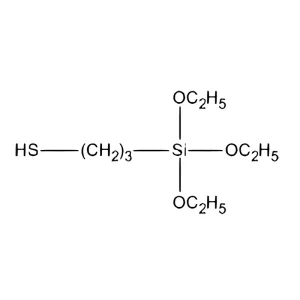
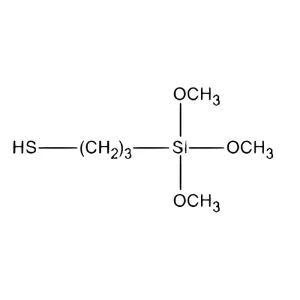
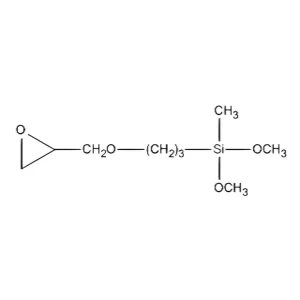
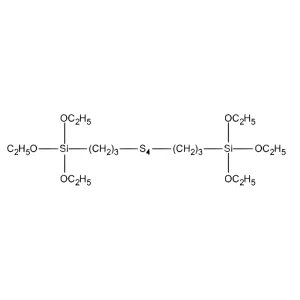
Our organosilicone matrix encompasses twelve series of silane coupling agents and crosslinkers, containing highly functional aminosilane, epoxy silane, methacrylate silane, vinyl silane, mercaptosilane, and silane isocyanates. These molecular configurations serve as critical components for customizing biocompatible interfaces and enhancing the physical properties of Liquid Silicone Rubber (LSR). In tandem with our core silicone operations, Boctok’s Tier II core business encompasses a critical joint venture in advanced hydrocarbon resins (C5, C9, and hydrogenated variants) using stable, direct feedstocks from industry titans SINOPEC and PetroChina.
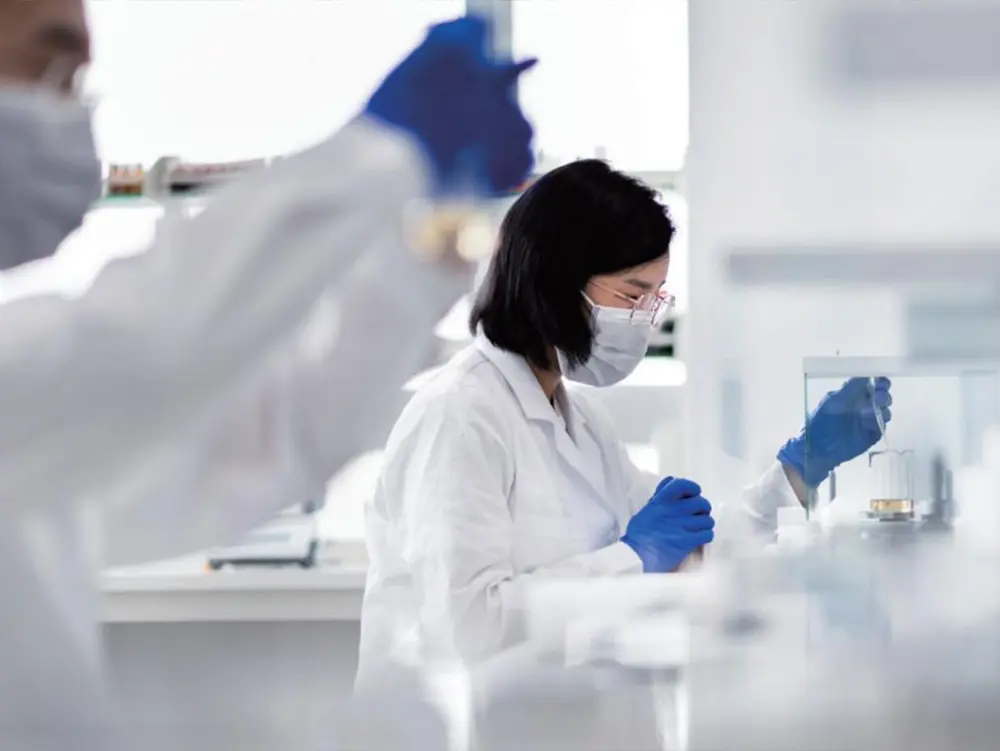
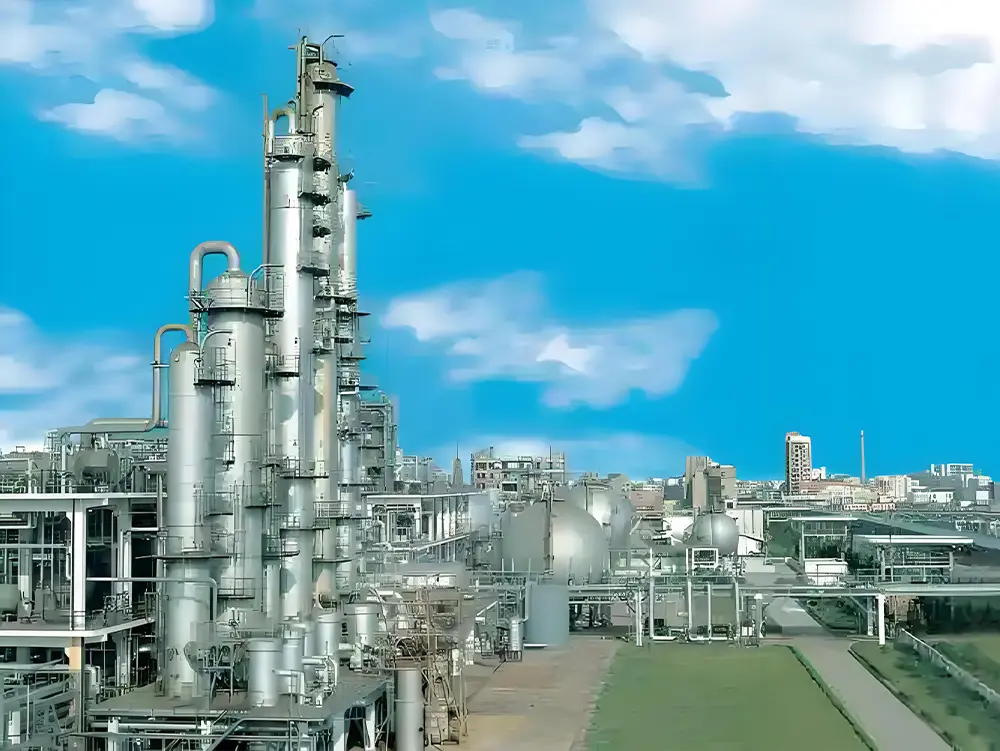
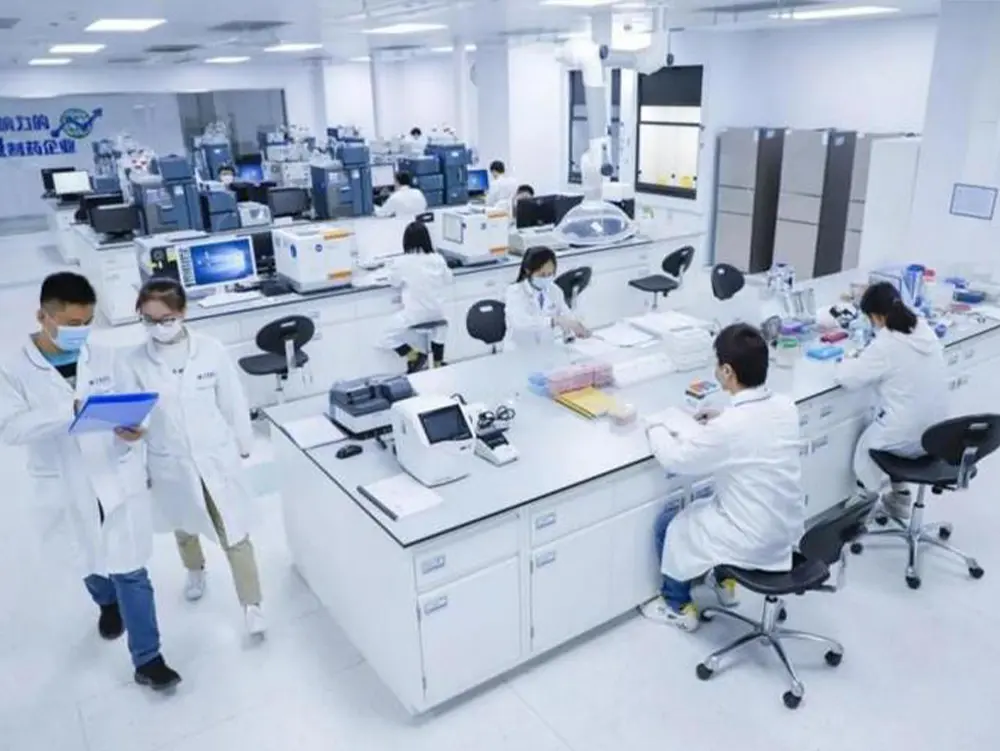
Analyzing the technological advantages, cleanroom standards, supply chain dynamics, and regulatory compliance that empower China's silicone producers on the global stage.
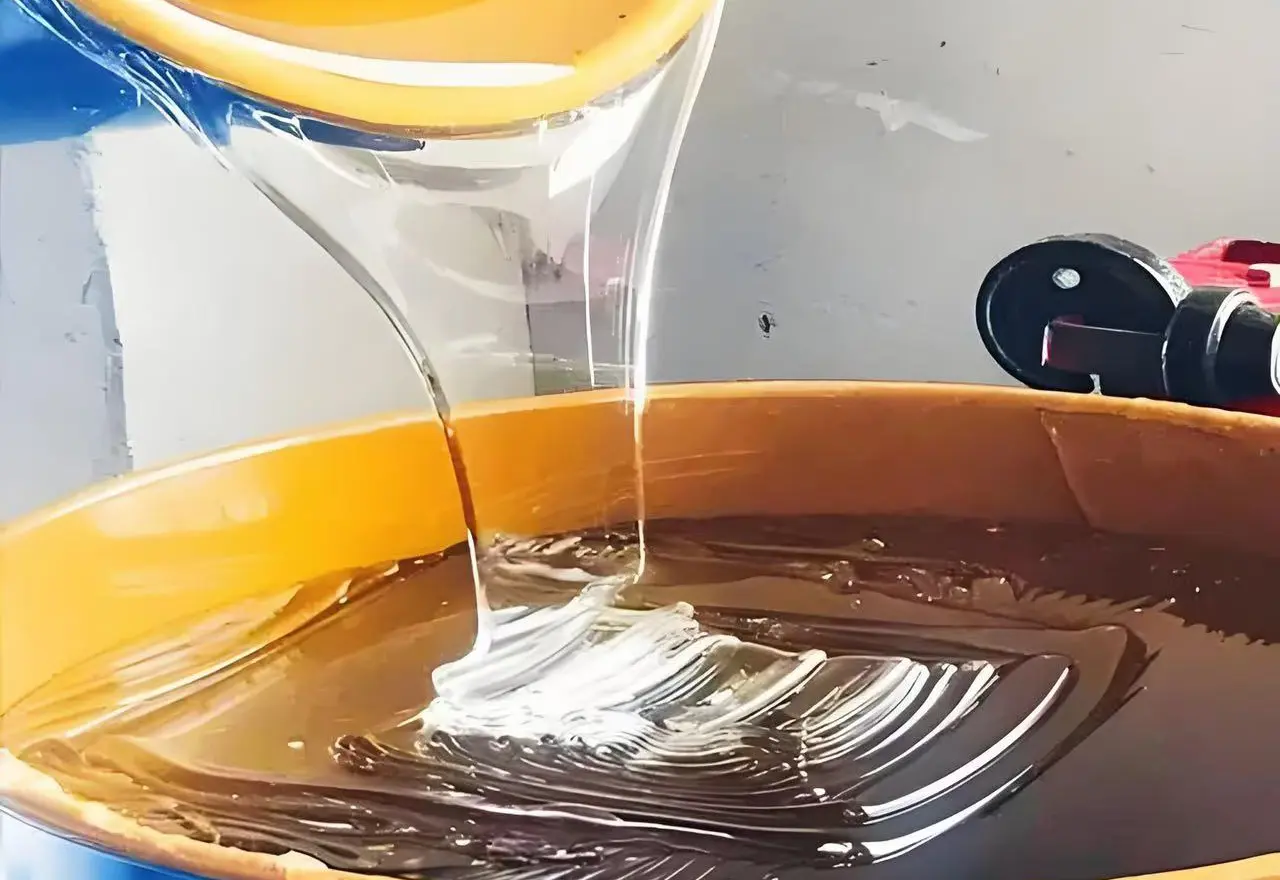
China's elite Liquid Silicone Rubber (LSR) factories have transitioned from basic industrial silicone production to high-precision, medical-grade extrusion and injection molding. Central to this transition is the installation of Class 100,000 (ISO Class 8) and Class 10,000 (ISO Class 7) cleanrooms. In these pristine environments, temperature, airborne particulates, and humidity are strictly controlled to prevent biological or physical contamination.
Medical-grade LSR formulations must exhibit outstanding biocompatibility, meeting strict standards such as USP Class VI and ISO 10993 (including sensitization, intracutaneous reactivity, and systemic toxicity testing). The platinum-catalyzed addition cure system is key; unlike peroxide cure systems, platinum catalysis leaves no acidic residues, ensuring the polymer is inert when in contact with human tissue or fluids.
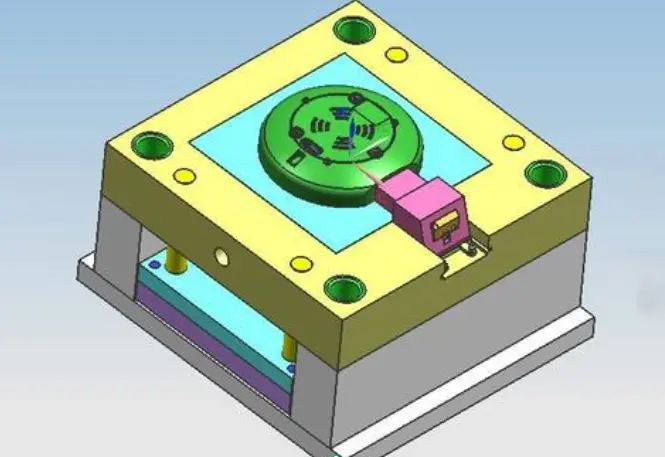
A key capability of top Chinese suppliers is their in-house toolmaking. Liquid Silicone Rubber has a very low viscosity at high temperatures, meaning it can easily flash into parting lines as small as 0.005mm. To prevent flashing and minimize material waste, factories utilize closed-loop cold runner systems and high-tolerance injection molds crafted from premium steel.
These cold runner systems keep the LSR cool in the manifold while heating it only in the mold cavity. This approach achieves zero-waste production, speeds up cycle times, and ensures high dimensional stability for intricate medical components, such as valve diaphragms, respiratory masks, and catheter connectors.
Chinese factories offer a unique combination of vertical integration, massive scale, and rapid prototyping. With direct access to domestic silicon metal refineries and downstream crosslinker production, companies like Boctok ensure a reliable raw material supply chain. This configuration mitigates the global supply shocks common in the specialty chemical sector.
Quality control has evolved significantly. Chinese manufacturers employ inline optical inspection, automated tensile strength testing, and rheology analysis to monitor curing speed. Implementing DCS and SIS systems ensures batch-to-batch consistency, satisfying the rigorous supplier audits required by international medical OEMs.
With optimized logistics infrastructure and close proximity to major shipping hubs, Chinese suppliers guarantee rapid overseas transit. Standardized compliance documentation (including SDS, REACH, RoHS, and biocompatibility declarations) is packaged alongside each shipment to facilitate smooth customs clearance.
Shandong Boctok Chemical Co. leverages specialized production systems, advanced QA protocols, and global delivery networks to supply premium materials worldwide.

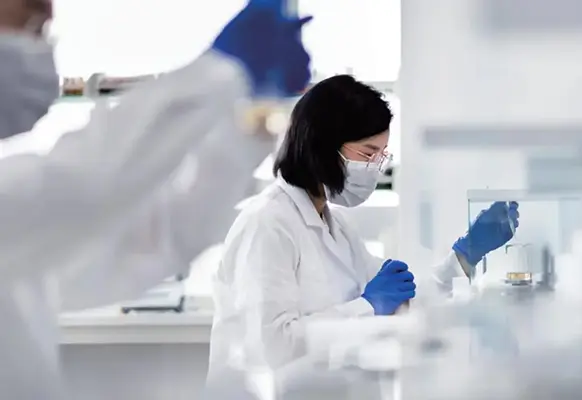
Our products undergo rigorous testing and characterization to ensure that every aspect meets the highest quality and chemical purity standards.

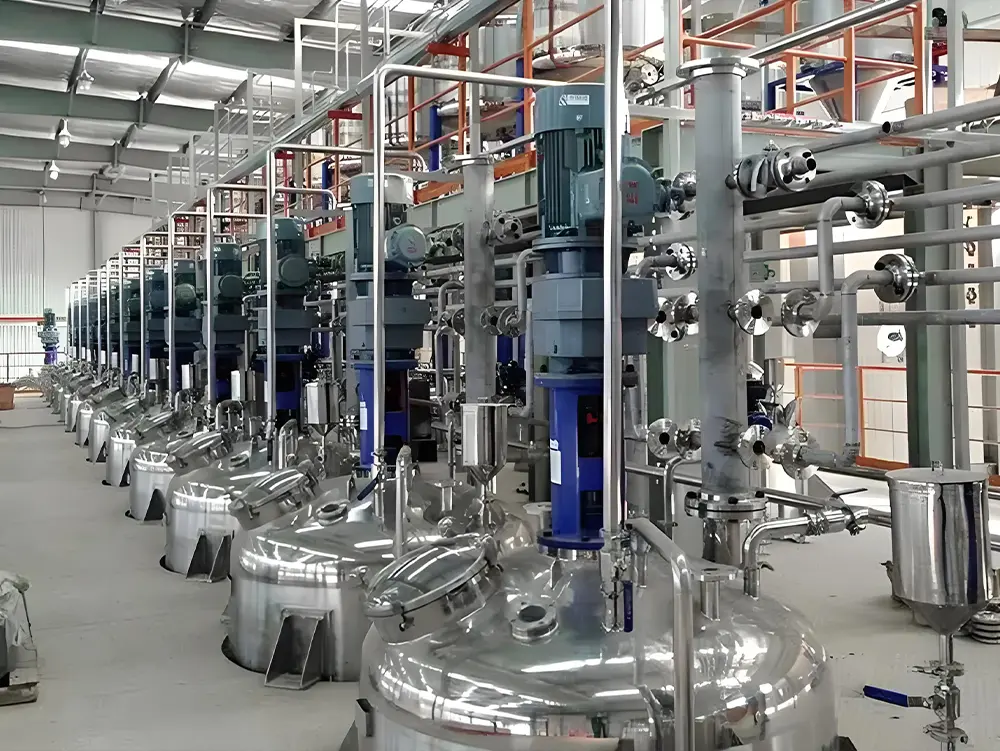
With 6 automated DCS production lines in Shouguang, we can scale up production to meet high-volume orders and customize compounds on demand.

Our technical support and customer service teams are available online to assist with material selection, regulatory documentation, and troubleshooting.

Our optimized logistics system ensures fast order processing, export compliance verification, and timely delivery to global ports.
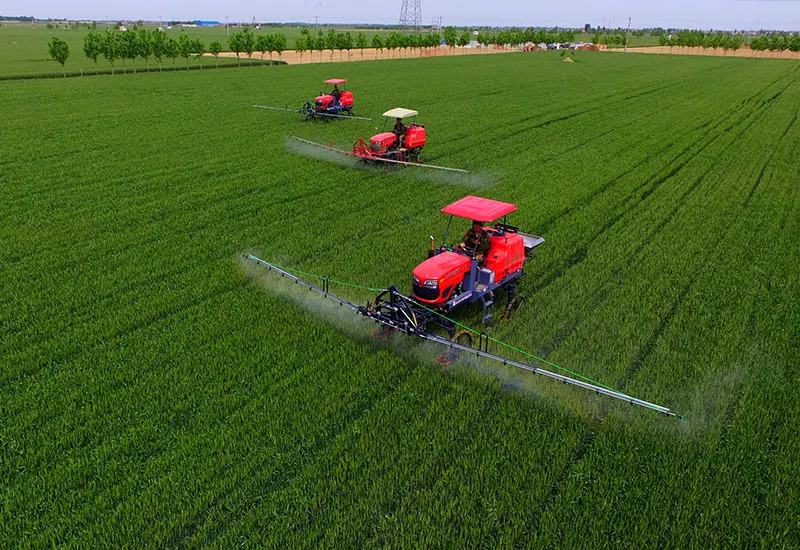
From agricultural chemical additives to high-purity medical-grade elastomers, our product portfolio serves critical global industries.
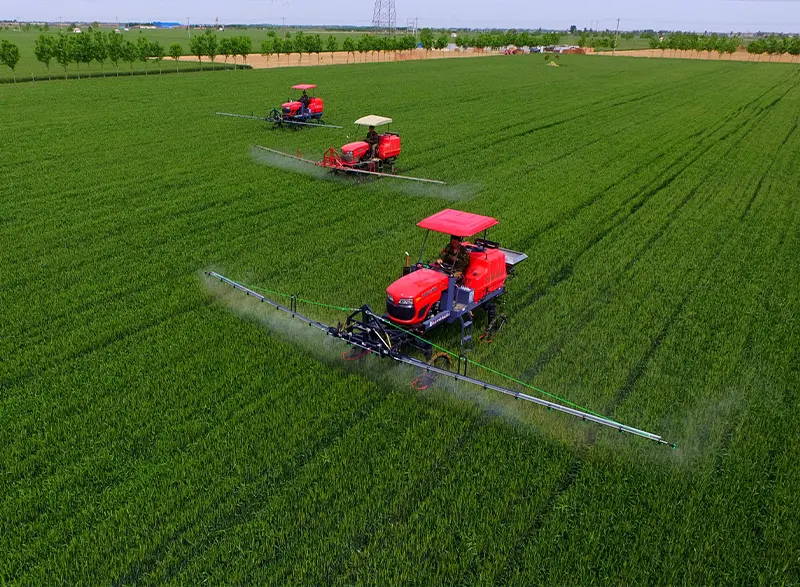




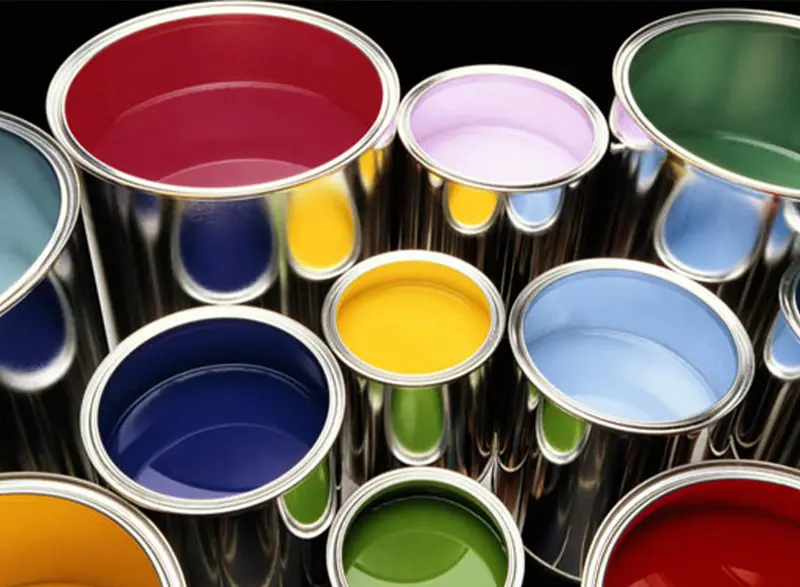
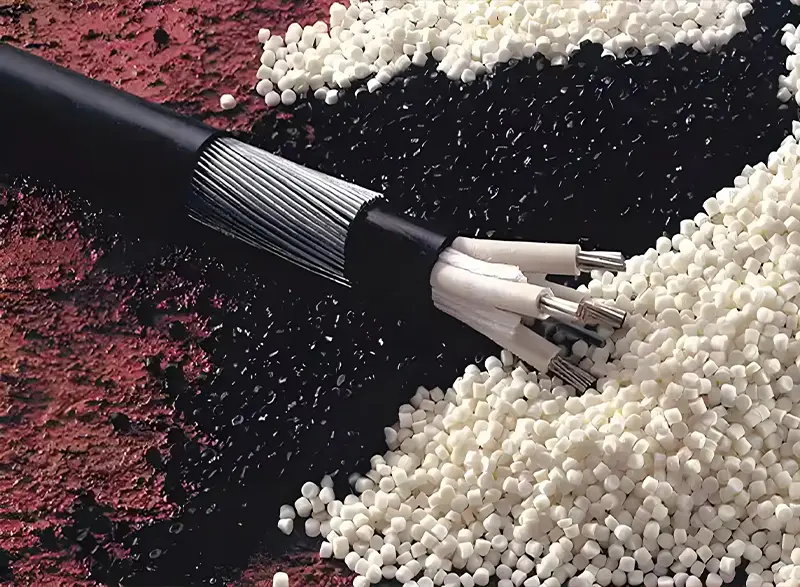
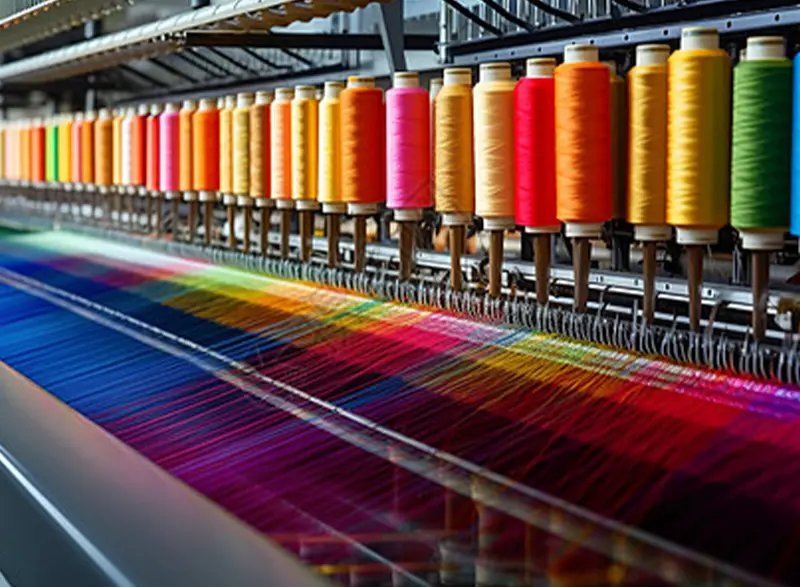
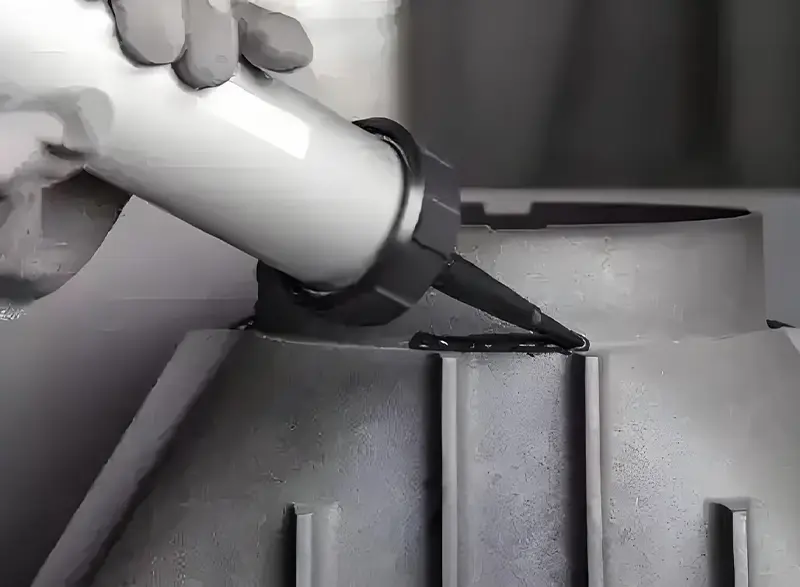
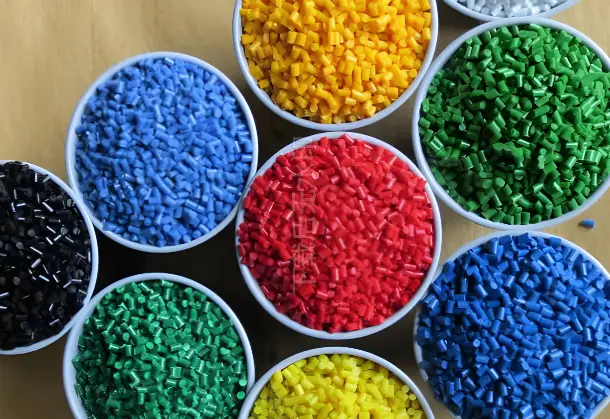
Our polymer formulations, petroleum resins, and silane coupling agents are used across a wide range of specialized industries worldwide.
Expanding polymer performance into critical infrastructure, aerospace, biomedical science, and renewable energy sectors.
An executive guide detailing cure chemistry, biocompatibility standards, and localized supply chain integration.
In medical grade Liquid Silicone Rubber (LSR) processing, the crosslinking chemistry dictates biological safety. Most medical applications utilize addition-cure systems catalyzed by platinum complexes. This reaction involves the hydrosilylation of vinyl-functionalized polydimethylsiloxane (PDMS) with hydrogen-functionalized methyl hydrosiloxane crosslinkers.
Unlike tin-catalyzed condensation systems, which release volatile byproducts like ethanol or acetic acid, platinum-catalyzed addition curing yields no chemical byproducts. This absence of byproducts prevents shrinkage and eliminates toxic compounds, ensuring compliance with USP Class VI requirements. Maintaining precise stoichiometry between vinyl and silicon-hydride (Si-H) functional groups is critical; deviations can lead to unreacted monomers that may leach into biological tissues.
Sourcing medical-grade LSR requires navigating strict regulatory standards. Materials destined for contact with human tissue or mucosal membranes must undergo testing to verify biological inertness:
Global procurement of specialty silicones faces challenges from supply disruptions and raw material volatility. Partnering with vertically integrated Chinese suppliers helps mitigate these risks. Our facility in Shouguang, located in Shandong's Bohai Industrial Park, leverages localized access to upstream silicon precursors, silane coupling agents, and crosslinkers. This integration stabilizes pricing and ensures consistent production capacity, even during periods of global supply chain instability.
Furthermore, the integration of Distributed Control Systems (DCS) and Safety Instrumented Systems (SIS) minimizes human error, ensuring consistent chemical purity and curing kinetics from batch to batch. For global medical device manufacturers, this consistency reduces validation costs and prevents production downtime.
The medical device industry is driving development in functionalized elastomers. Self-lubricating LSRs, which incorporate trace amounts of incompatible silicone fluids that migrate to the surface over time, lower the coefficient of friction to ease insertion of catheters and endoscopic tubes. Additionally, antimicrobial LSRs, which incorporate silver ions or quaternary ammonium compounds, help inhibit bacterial colonization on implant surfaces, addressing device-associated infections.
Common questions regarding material grades, processing methods, and regulatory compliance.
Discover our comprehensive range of specialty monomers, fluorinated compounds, and high-purity siloxanes designed for demanding industrial applications.
 Boctok Chemical