Explore our foundational range of silanes, crosslinkers, and specialized silicone compounds engineered to deliver exceptional purity and crosslinking density.
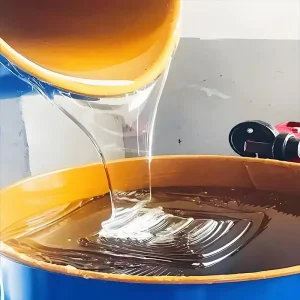
Liquid Silicone Rubber (LSR) has revolutionized the molding sector, but it is the segment of Low Viscosity LSR that addresses the modern requirements of micro-injection, intricate components, and high-speed automated processing. Typically defined by a dynamic viscosity range of 5,000 to 100,000 mPa·s—significantly lower than standard LSR systems which hover between 250,000 to 1,000,000 mPa·s—this formulation ensures high flowability under reduced shear stress.
This rheological performance is driven by a platinum-catalyzed addition curing mechanism (hydrosilylation). By balancing the ratio of vinyl-terminated polydimethylsiloxane polymers and hydrogen-functional siloxane crosslinkers, manufacturers can fine-tune the gel time, curing kinetics, and final elastomer hardness. The result is a finished product with minimal shrinkage, high thermal stability, and exceptional biocompatibility.
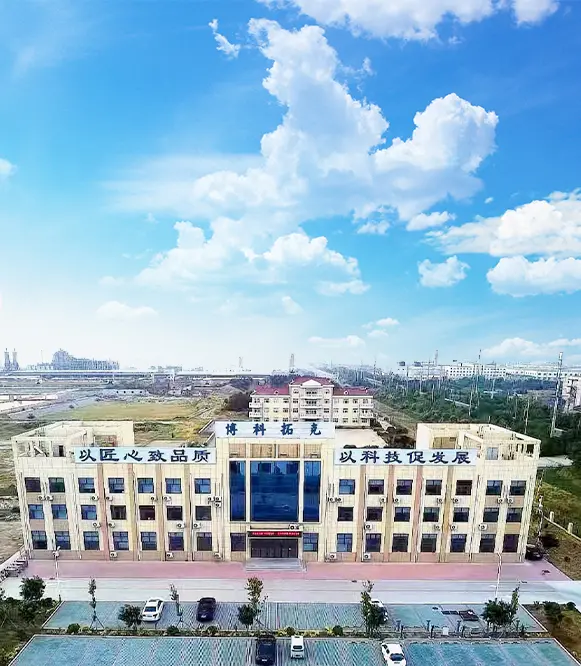
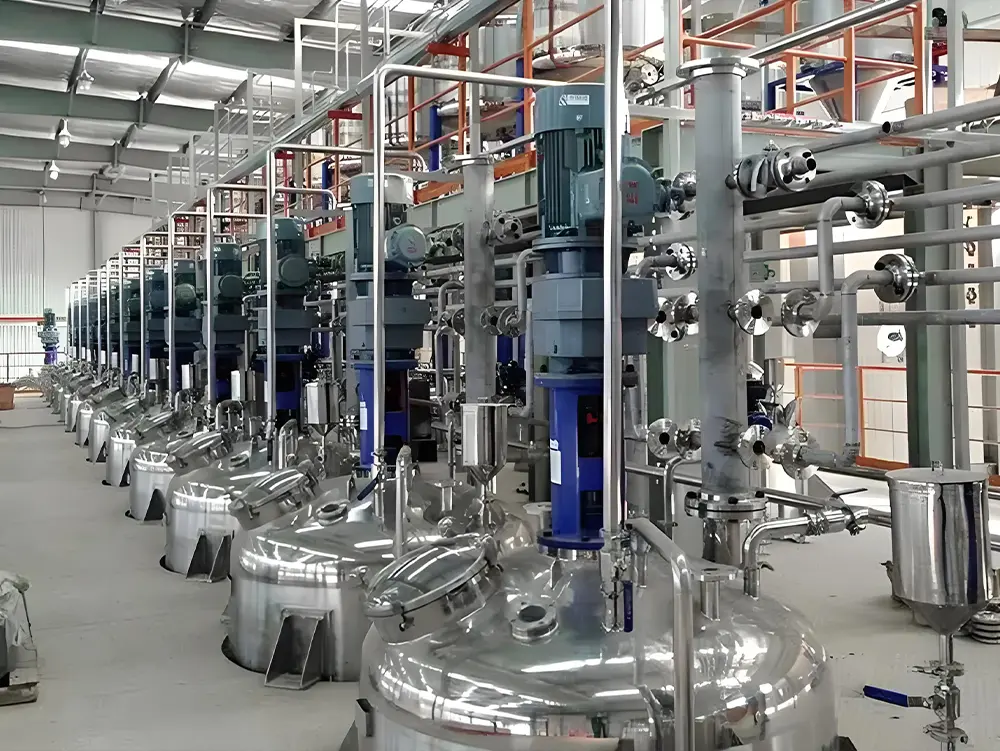

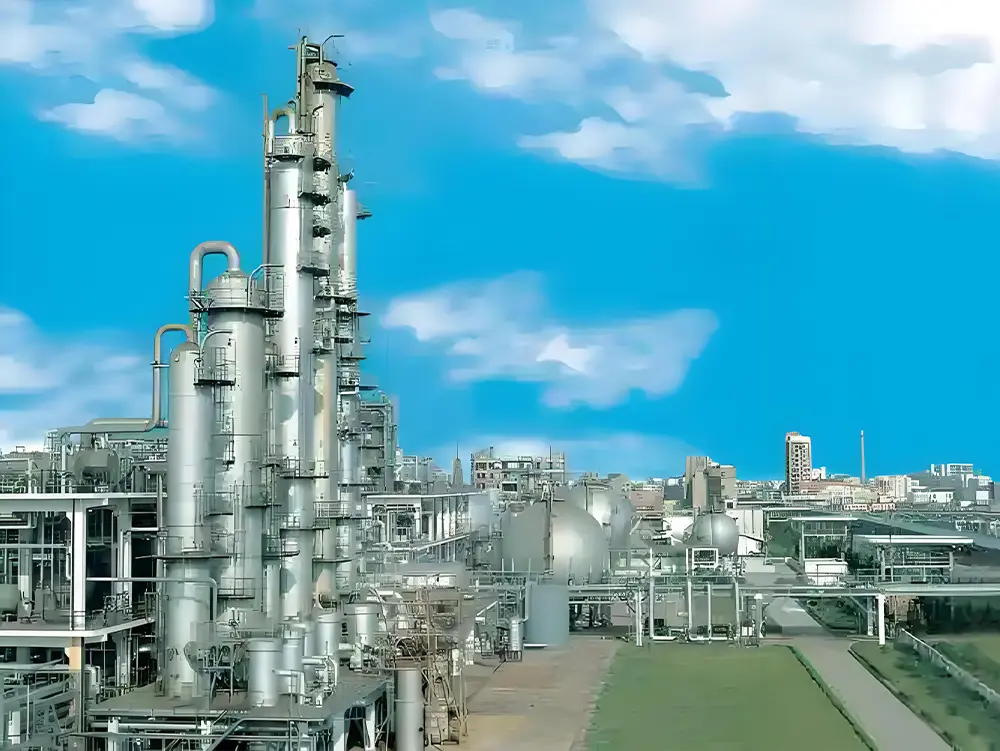
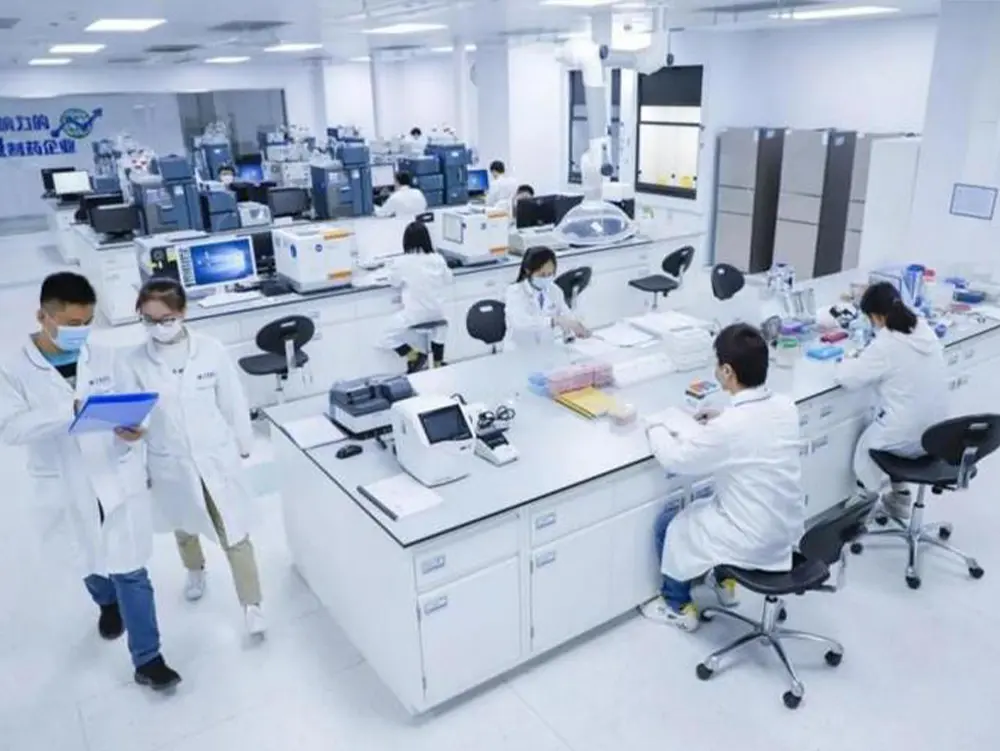
Shandong Boctok Chemical Co. was founded in 2012 as a marketing and sales center for Boctok™ domestic and overseas businesses, achieving sales of US$280 million in 2023. The BOCTOK brand specializes in serving demanding global markets, with a core historical presence in the Russian and Eastern European markets.
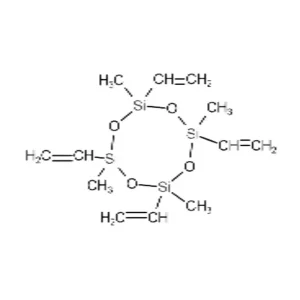
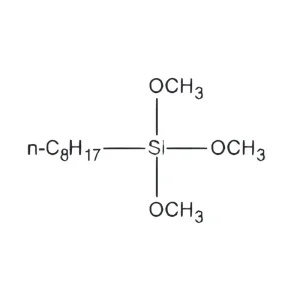
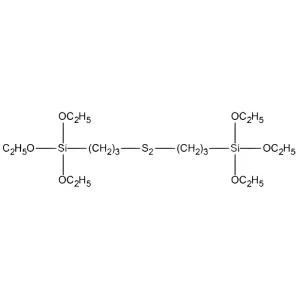
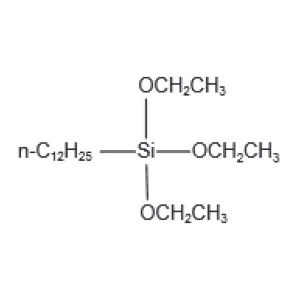
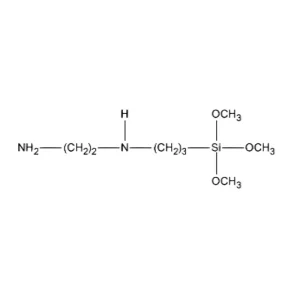
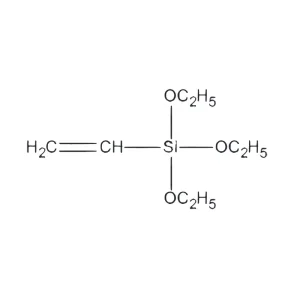
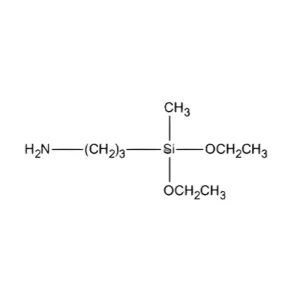
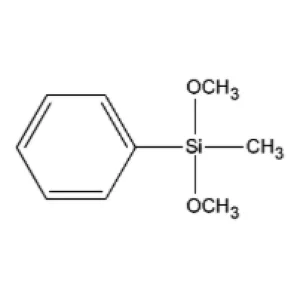
Boctok operates across three main product divisions. The core organosilicone portfolio covers twelve series of silane coupling agents and crosslinkers—including aminosilane, methacrylate silane, epoxy silane, vinyl silane, mercaptosilane, alkyl silane, ethyl silicate, chlorosilane, silane isocyanates, phenyl silane, ureidosilane, and serosilane. Additionally, Boctok focuses on silicone oil, silicone resin, and silicone rubber variations. These include high-hydrogen silicone oil, dimethicone, vinyl silicone oil, polyphenylmethyldimethylsiloxane, phenyl silicone oil, silanol silicone oil, OH polymer, alkoxy silicone oil, methyl MQ resin, vinyl VMQ resin, room-temperature vulcanized methyl silicone rubber, 110 methyl vinyl silicone rubber, and 120 methyl phenyl rubber.
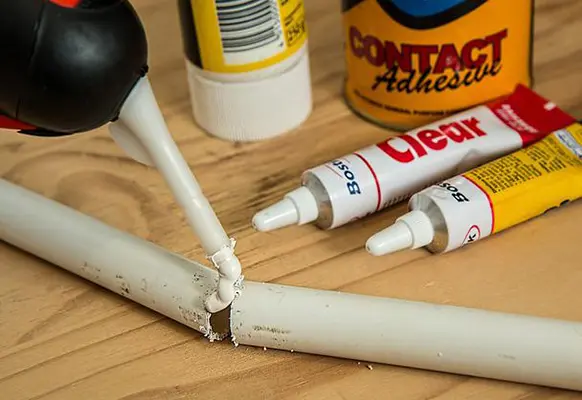
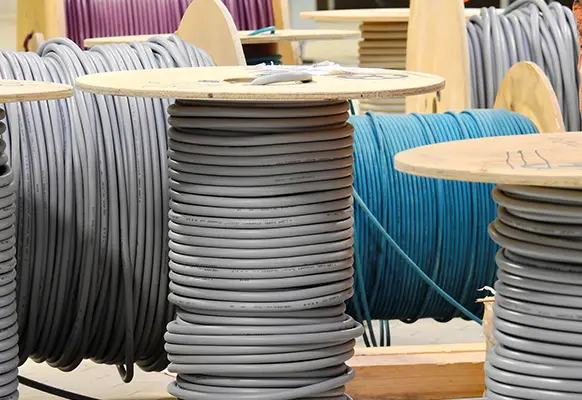
These raw materials improve the quality and performance of products in glass fiber, electronics, wind energy, daily necessities, chemical industry, coatings, adhesives, XLPE electric cables, hot water pipes, oil field drilling, textiles, rubber, and precision molding.
How leading global enterprises analyze sourcing strategies for Low Viscosity Liquid Silicone Rubber.
In the medical manufacturing space, Low Viscosity LSR is critical for components like septa, respiratory masks, and diagnostic valves. Global procurement managers audit suppliers for ISO 13485 certification, USP Class VI compliance, and FDA food-grade certification. The low viscosity profile minimizes injection pressures, which prevents flash defects and guarantees dimensionally stable parts with zero human intervention.
Electric vehicles (EVs) require reliable gasketing, connector seals, and battery module insulation. Low Viscosity LSR enables micro-injection molding over copper busbars and delicate printed circuit boards (PCBs) without causing mechanical stress. Suppliers must ensure continuous thermal resistance from -50°C to +200°C alongside high dielectric strength.
LED and optical sensor manufacturers source optical-grade Low Viscosity LSR to replace glass and PMMA. The compound's fluidity allows for the molding of complex micro-structures and freeform surfaces with high optical transmission rates (>92%) and UV resistance, preventing yellowing over extended operating lifespans.
The future of LSR manufacturing is defined by three core advancements: automated rheological control, self-adhesive/primerless low viscosity systems, and sustainable bio-based precursor sourcing. Shandong Boctok Chemical is investing in these next-generation technology pathways.
Our R&D team focuses on solving the classic viscosity-strength paradox in organosilicon materials:
Boctok's Tier II core business is petroleum resins. We have invested in a key hydrocarbon resin manufacturer in China, operating three production sites located in Zibo, Fushun, and Nanjing. Leveraging stable chemical feedstocks from SINOPEC and PetroChina alongside our engineering infrastructure, our products are widely utilized by global clients, including several Fortune 500 companies.
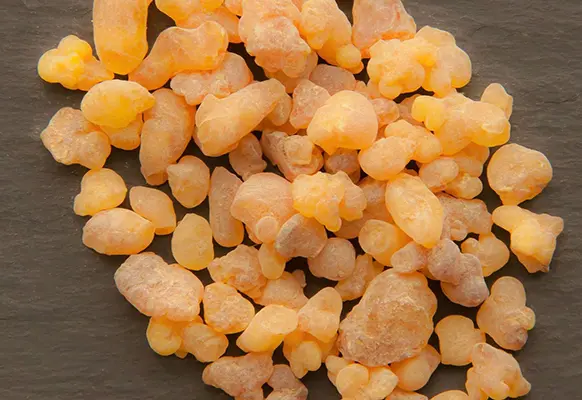
Our portfolio includes C9 hydrogenated resins, C5 hydrocarbon resins, C5 modified C9 hydrocarbon resins, C9 hydrocarbon resins, dicyclopentadiene, and methyl cyclopentadiene dimer.
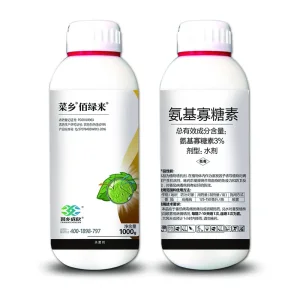
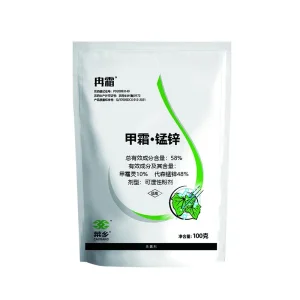
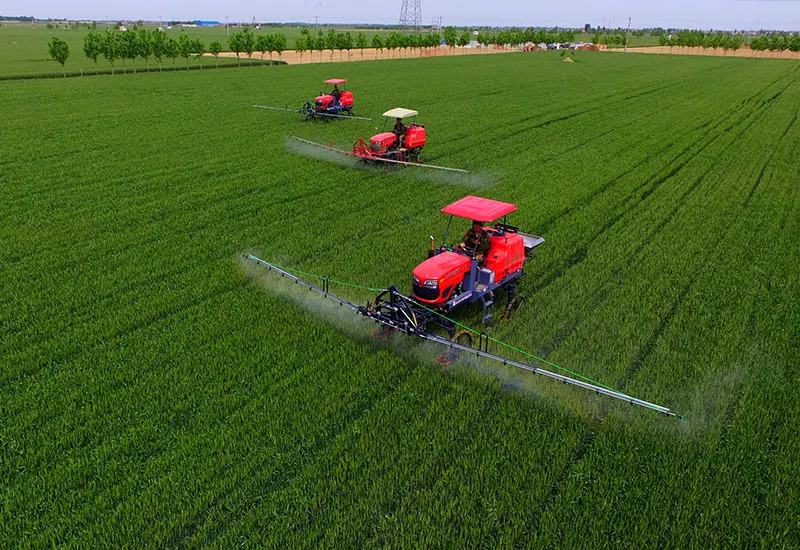
In addition to silicone and resin technologies, Boctok operates in the agrochemical industry, producing intermediates and raw materials for pesticides, fungicides, insecticides, seed treatments, herbicides, and plant growth regulators.
Highly compatible tackifiers and modifiers produced in Zibo, Fushun, and Nanjing using SINOPEC and PetroChina feedstocks.
Specialized intermediates, fungicides, herbicides, and growth regulators developed under strict chemical purity standards.
Our integrated chemical supply chain guarantees quality, safety, and delivery performance for global clients.

Every product batch is subject to verification through ISO9001 protocols, ensuring compliance with specified purity and reactivity metrics.

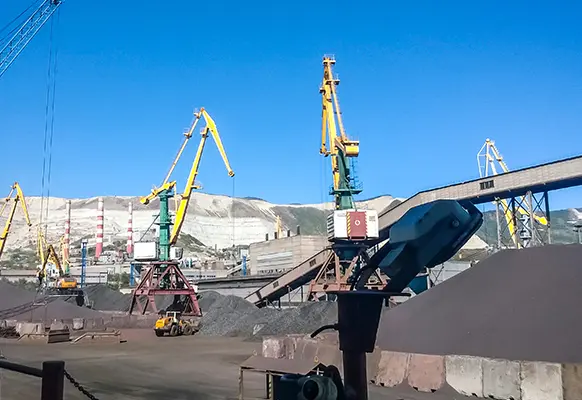
Our DCS-controlled lines in Shouguang scale up effectively to fulfill high-volume and custom chemical formulation orders.

Our technical service teams are available to address questions regarding formulation adjustments, processing issues, and regulatory status.

An optimized logistics system ensures rapid order processing, customs clearing assistance, and on-time shipment arrival globally.
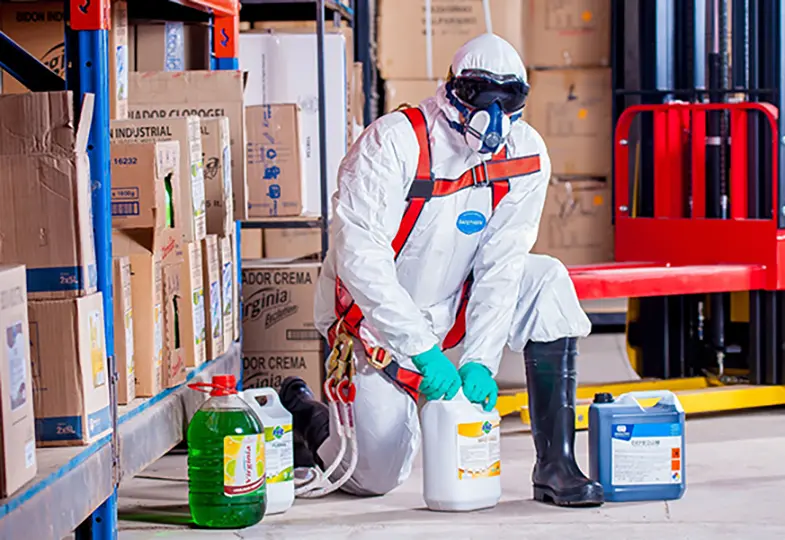
Visual directory of the specific market segments, raw materials, and finished goods utilizing Boctok chemicals.
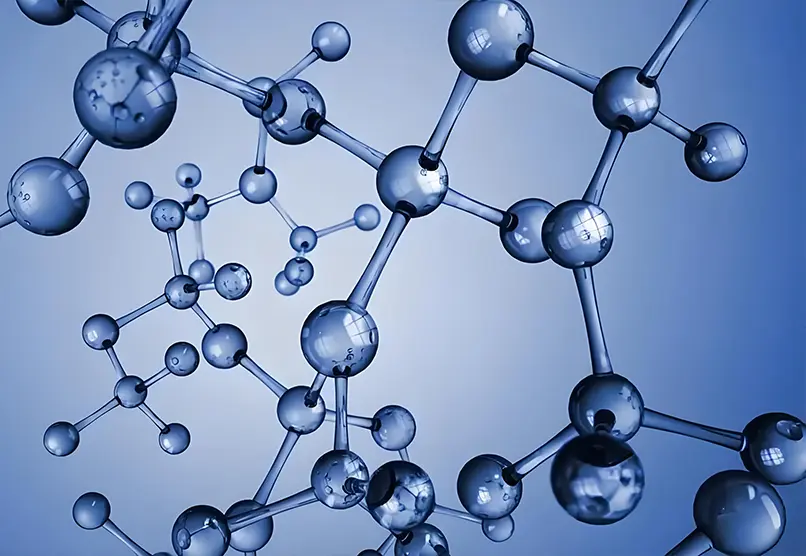
Organosilicones, silanes, resins, and specialized elastomers.

High-purity chemical intermediates and agricultural formulations.
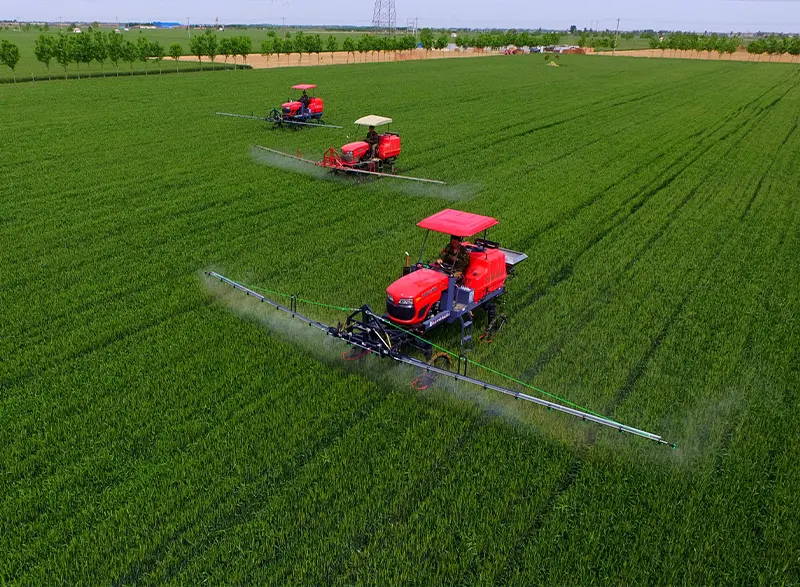


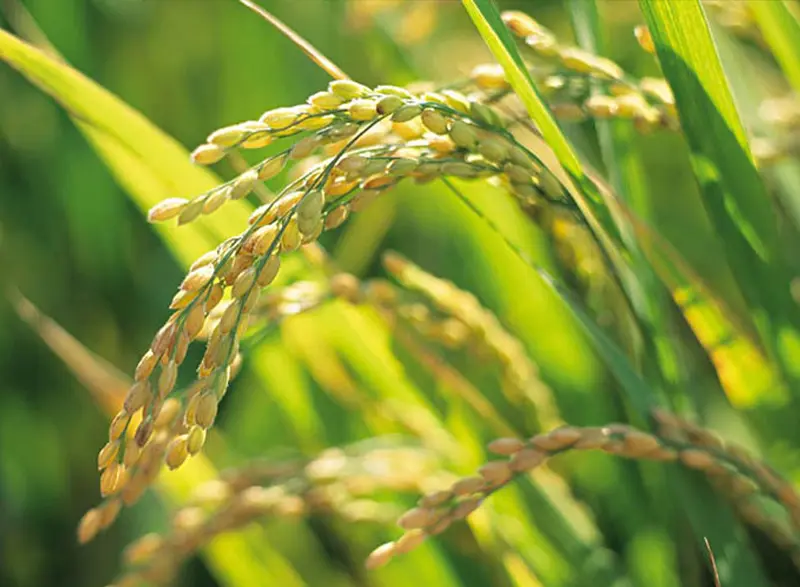

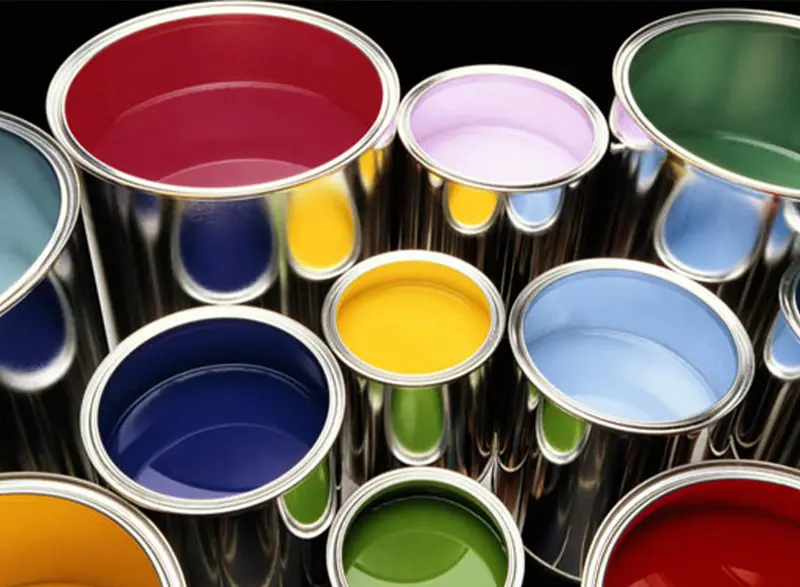
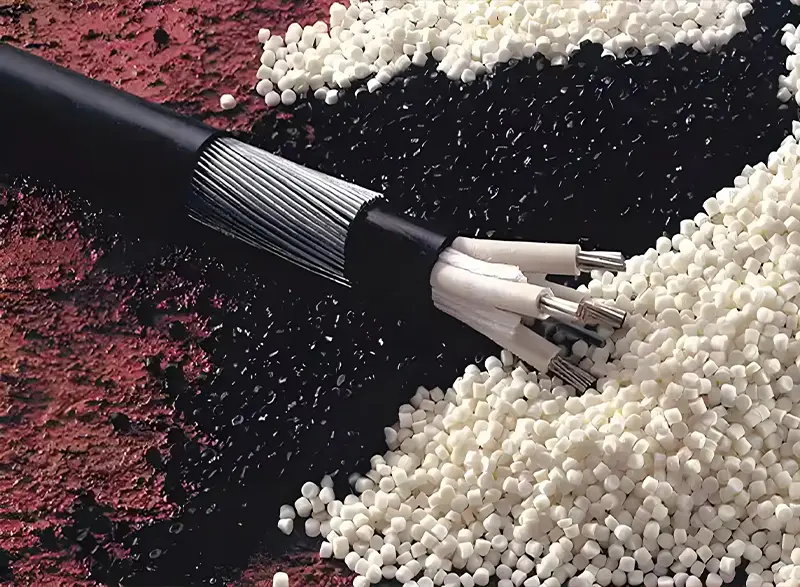
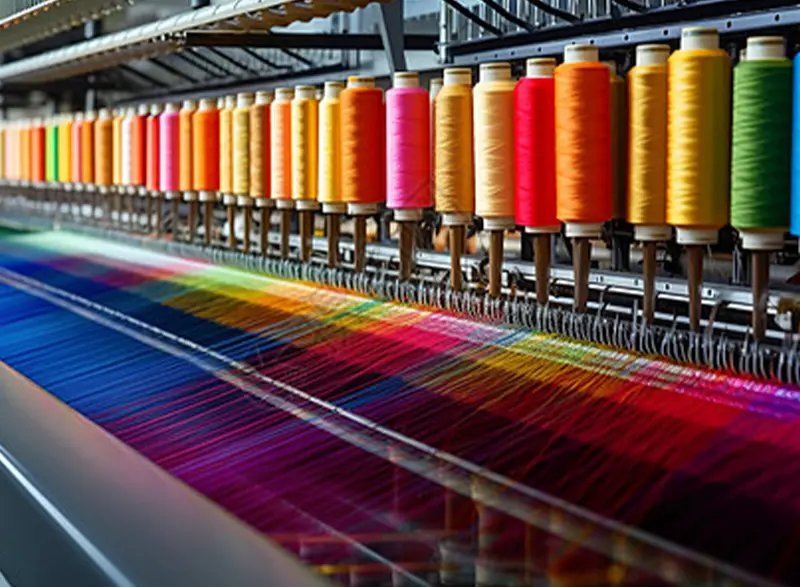
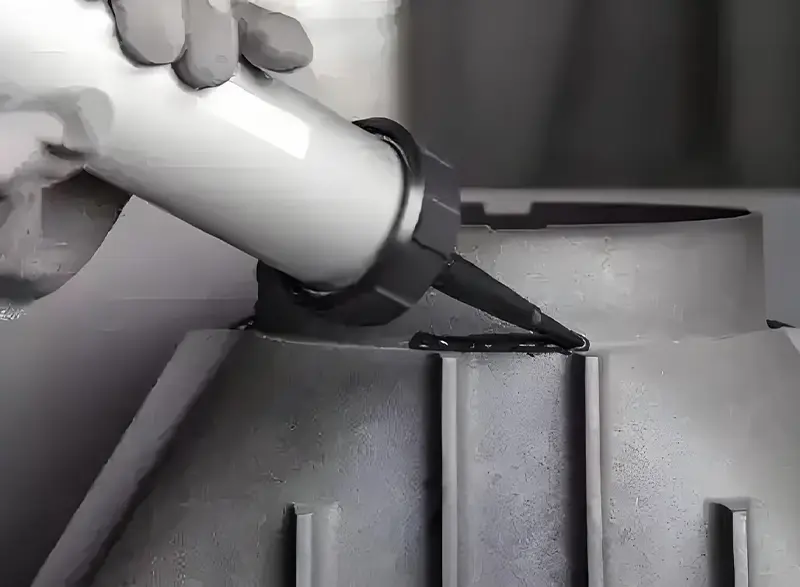
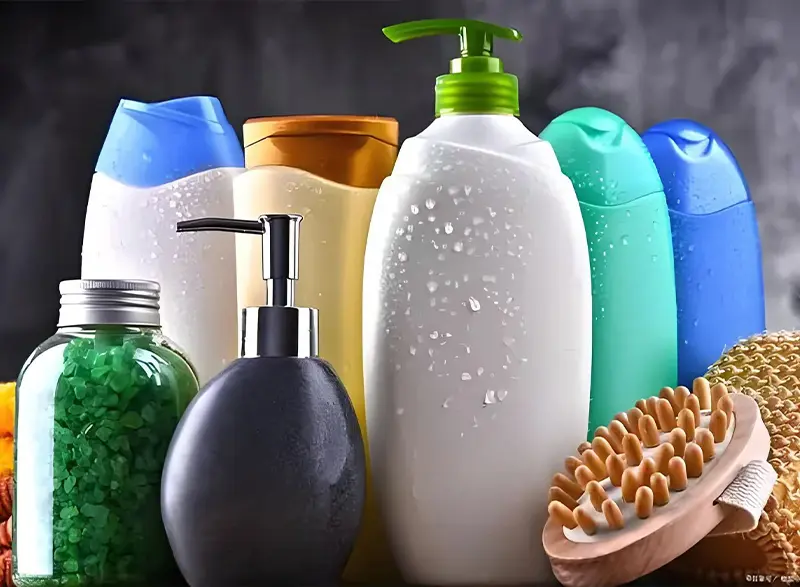
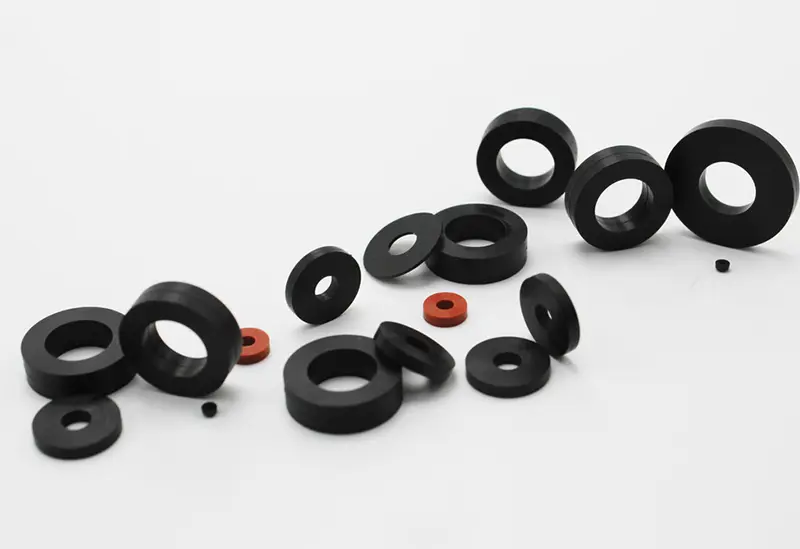
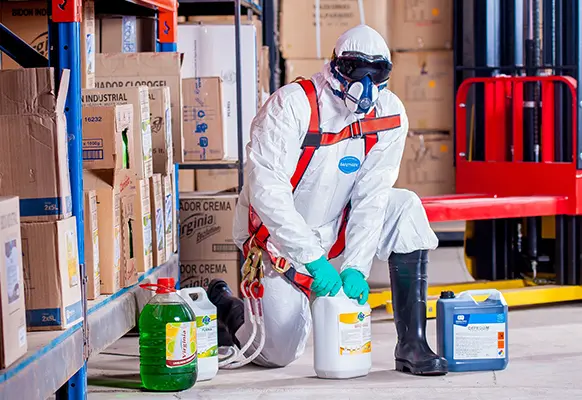
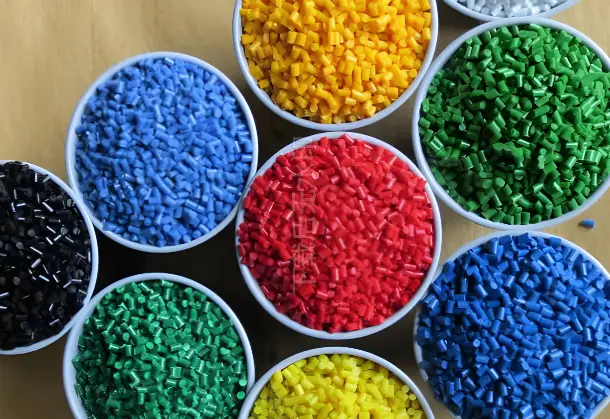
Our organosilicones and advanced polymer modifiers are used across diverse industrial sectors globally.


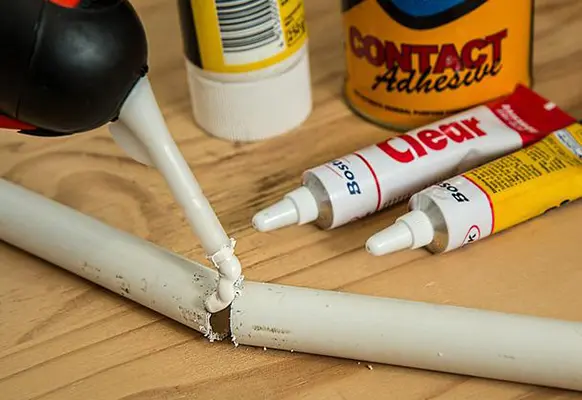









Expert answers addressing the selection, processing, and logistics of Low Viscosity Liquid Silicone Rubber.
Standard LSR grades have a viscosity ranging from 250,000 to over 1,000,000 mPa·s at low shear rates. "Low Viscosity LSR" is formulated to stay within 5,000 to 80,000 mPa·s. This facilitates rapid filling of intricate molds, micro-injection channels, and thin walls without needing high injection pressures that could damage delicate inserts.
Our newly built plant in Shouguang, Shandong (US$65 million investment) features 6 automated DCS production lines. This safety and control system ensures real-time measurement of raw feed ratios, reaction temperatures, and vinyl/hydride balances. This digital control minimizes human error and matches international ISO9001 specifications.
Yes. While platinum-cured addition systems do not generate toxic byproducts like peroxide systems do, post-curing (typically 4 hours at 200°C) is recommended. This process volatilizes remaining low-molecular-weight siloxane cyclics (D4, D5, D6), allowing the elastomer to satisfy FDA, BfR, and USP Class VI requirements.
With sales of US$280 million in 2023, Boctok exports to Europe, North America, South America, Asia, and Russia. We provide comprehensive export documentation, including safety data sheets (SDS) conforming to GHS, certificate of analysis (COA) per batch, and custom clearance support through key transit hubs.
Review our specialized chemical synthesis range designed for advanced polymer modifications and composite coupling.
 Boctok Chemical