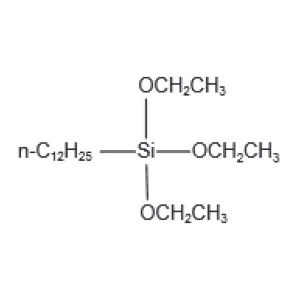
Explore our highly-refined, factory-direct chemical compositions engineered for global industrial excellence.
Linear Vinyl Silicone Oil (Vinyl-terminated Polydimethylsiloxane) serves as the primary base polymer for addition-cure liquid silicone rubber (LSR), silicone gel, and high-consistency rubber (HCR). In the global polymer supply chain, linear vinyl silicone oil acts as the backbone polymer for thermal management materials in electronics, high-voltage electrical insulation, automotive gaskets, and medical device components.
As advanced manufacturing processes shift toward high-performance, heat-resistant, and chemically stable materials, the demand for precise molecular weight distribution and vinyl content control is scaling rapidly. Chinese manufacturing hubs, spearheaded by leading chemical enterprises like Shandong Boctok Chemical Co., have integrated raw material access with high-efficiency catalytic polymerization. This integration provides international markets with reliable supply continuity, custom viscosities, and competitive commercial parameters.
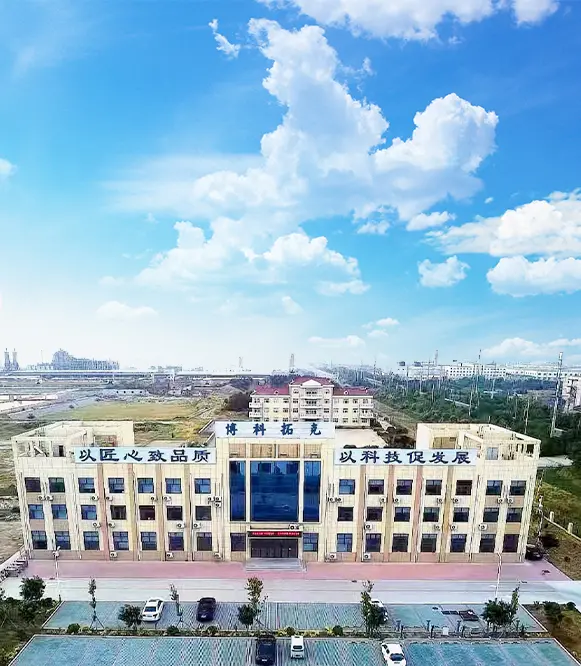
A powerhouse in organosilicone, hydrocarbon resins, and agrochemical operations.
Shandong Boctok Chemical Co. was founded in 2012 as a centralized marketing and sales network for Boctok™ domestic and international business units. Driven by scientific advancement and deep market integration, the company achieved sales of US$280 million in 2023. Under the dedicated BOCTOK brand, the company specializes in serving the Russian market and CIS countries, alongside major export destinations in Europe, the Americas, and Asia.
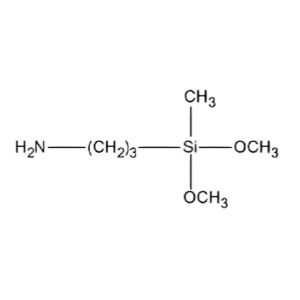
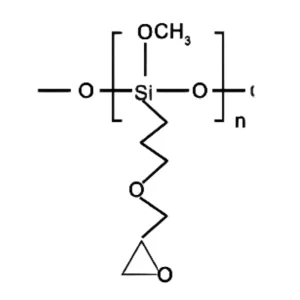
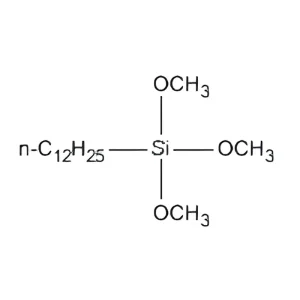
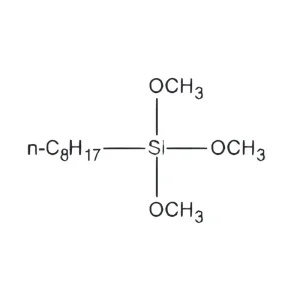
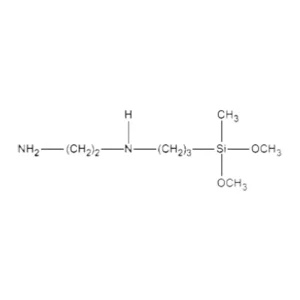
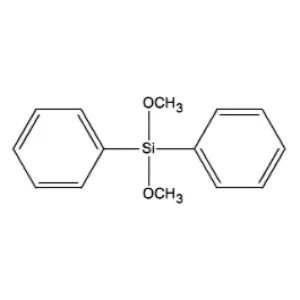
Covers a comprehensive spectrum of crosslinkers and adhesion promoters: aminosilane, methacrylate silane, epoxy silane, vinyl silane, mercaptosilane, alkyl silane, ethyl silicate, chlorosilane, silane isocyanates, phenyl silane, ureidosilane, and serosilane.
Expert formulation of high-hydrogen silicone oil, dimethicone, vinyl silicone oil, polyphenylmethyldimethylsiloxane, phenyl silicone oil, silanol silicone oil/OH polymer, alkoxy silicone oil, methyl MQ resin, vinyl VMQ resin, and specialized vulcanized rubbers.
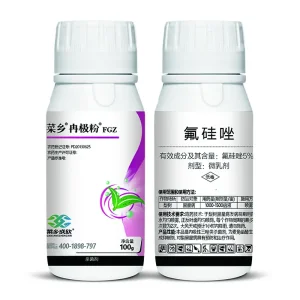
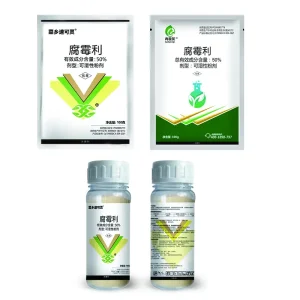
Tier II core business comprising highly compatible hydrocarbon resins (C9 hydrogenated, C5, C5/C9 copolymerized, DCPD, and MCPD dimer) alongside raw chemical intermediates for insecticides, seed treatments, fungicides, and herbicides.
Annual Sales (2023)
Silane Annual Output
Shouguang Plant Investment
DCS Automated Processing
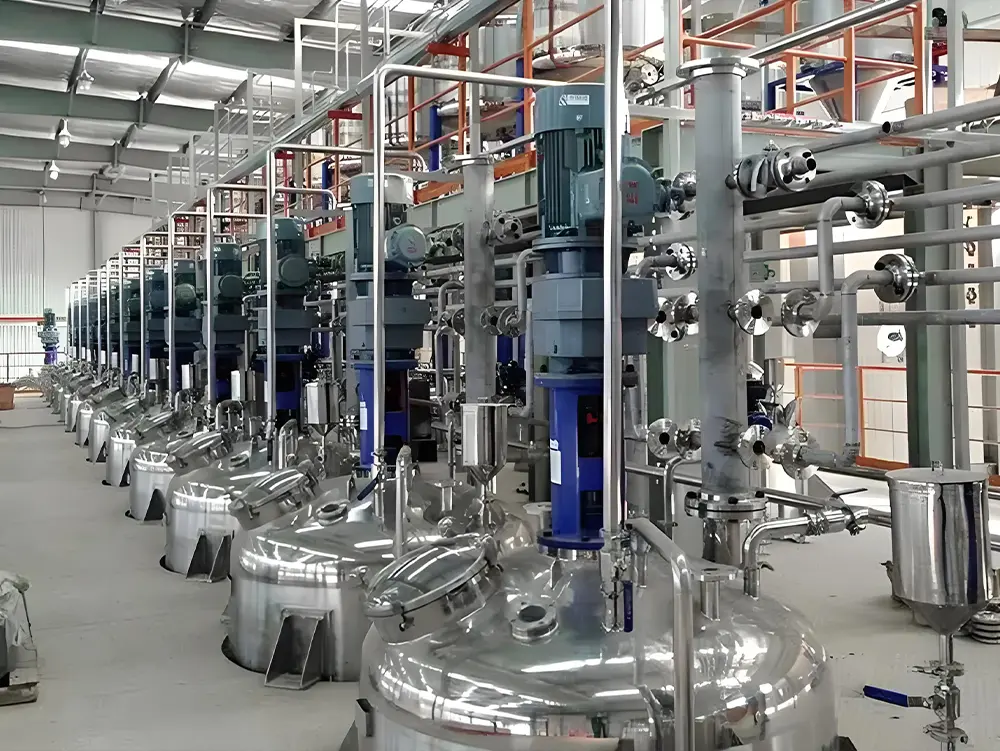

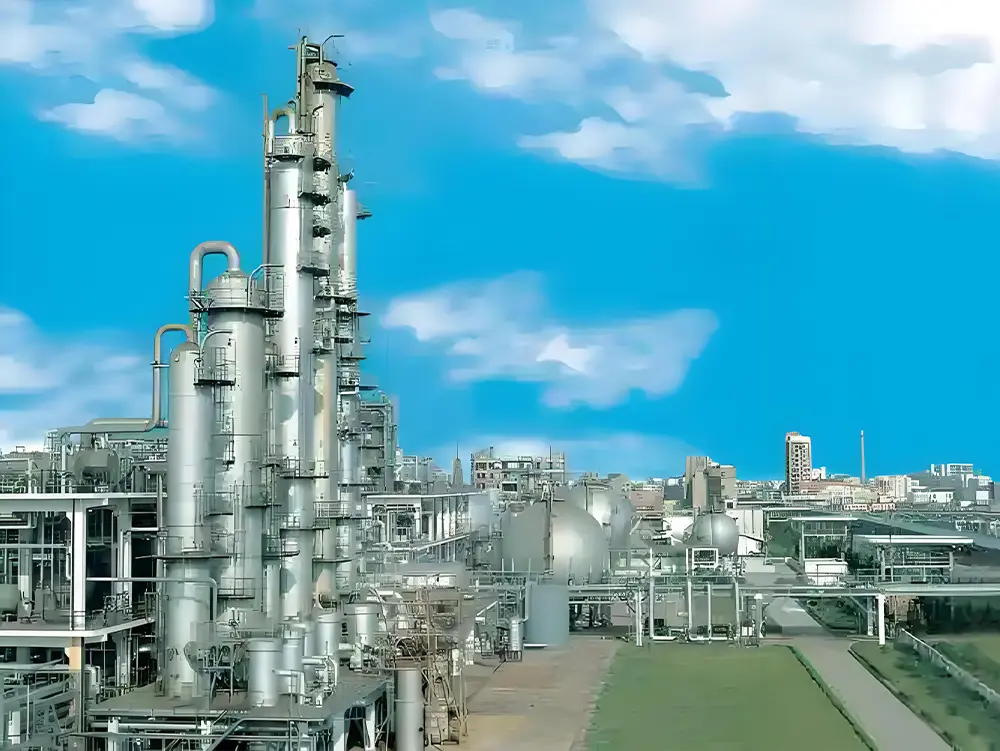
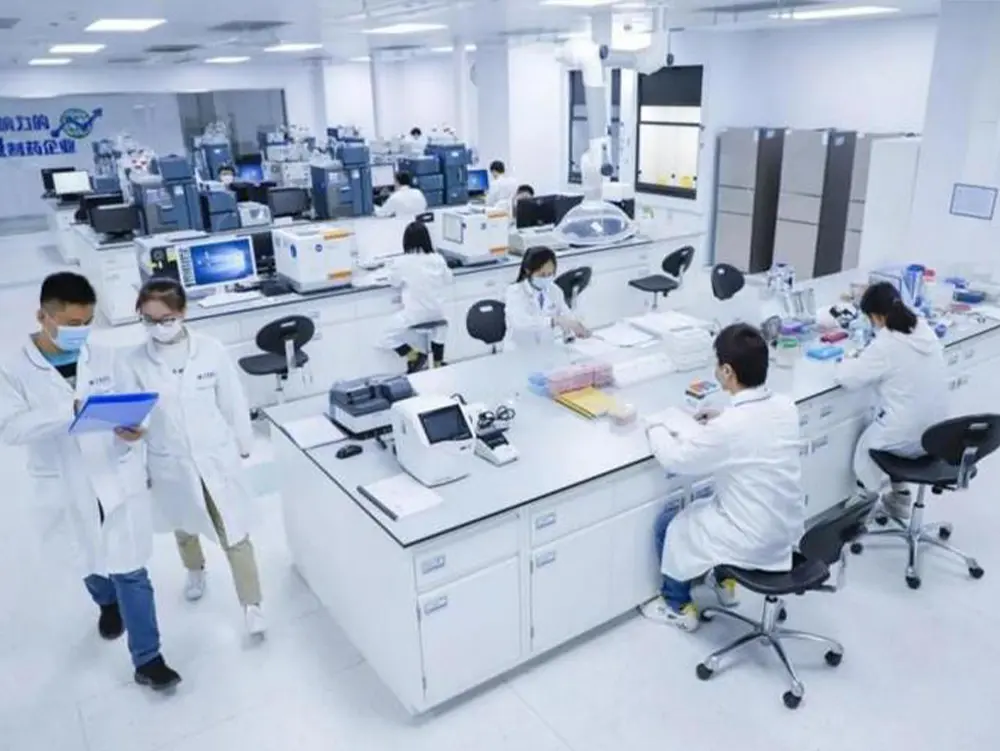
To secure a continuous raw material pipeline and expand manufacturing capacities for global silane coupling and organosilicon agents, Boctok invested US$65 million to build a modern manufacturing complex in the Bohai Industrial Park, Shouguang City, Shandong Province. This provincial chemical industry park meets the strictest environmental and zoning protocols.
Why Tier-1 industrial buyers partner with Shandong Boctok Chemical Co.

Operating under strict ISO9001 quality management guidelines, our laboratories monitor molecular distribution, viscosity indexes, and chemical purity at every phase.

Large-scale processing plants allow Boctok to easily fulfill bulk industrial orders, offering mass customization and flexible chemical parameters.

Our dedicated chemical engineering and customer service teams operate globally to ensure seamless communication, technical consulting, and order processing.

Through optimized shipping systems, specialized hazardous chemical logistics networks, and regional warehousing, we secure swift global delivery.
Targeted solutions using organosilicon compounds, specialized resins, and agrochemical formulations.
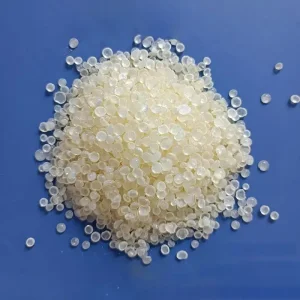
Our strategic manufacturing partnership spans three dedicated hydrocarbon resin plants located in key chemical clusters: Zibo, Fushun, and Nanjing. Leveraging stable, high-quality feedstock streams from SINOPEC and PetroChina, Boctok produces world-class C5 and C9 hydrocarbon resins, copolymerized resins, and hydrogenated variants.
These polymeric binders are critical to many Fortune 500 manufacturers for hot-melt adhesives, pressure-sensitive adhesives (PSA), road marking paints, printing inks, and rubber compounding. By providing optimal tackifying performance, high thermal stability, and light color metrics, Boctok helps clients maintain chemical product consistency.
Optimized for hot-melt adhesives, pressure-sensitive tapes, and rubber compounds.
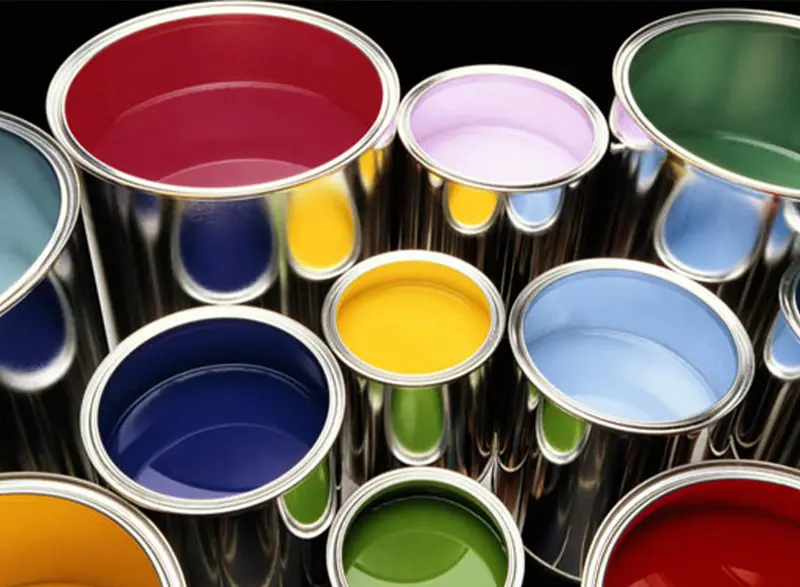
Engineered for paints, industrial varnishes, printing inks, and concrete curing agents.
C5/C9 resins combining compatibility profile with excellent tackifying properties.
Water-white resins for premium sanitary products and high-end adhesives.





Sourcing high-peel-strength PSA resins, MQ/VMQ structures, and copolymerized compounds for advanced structural bonding.

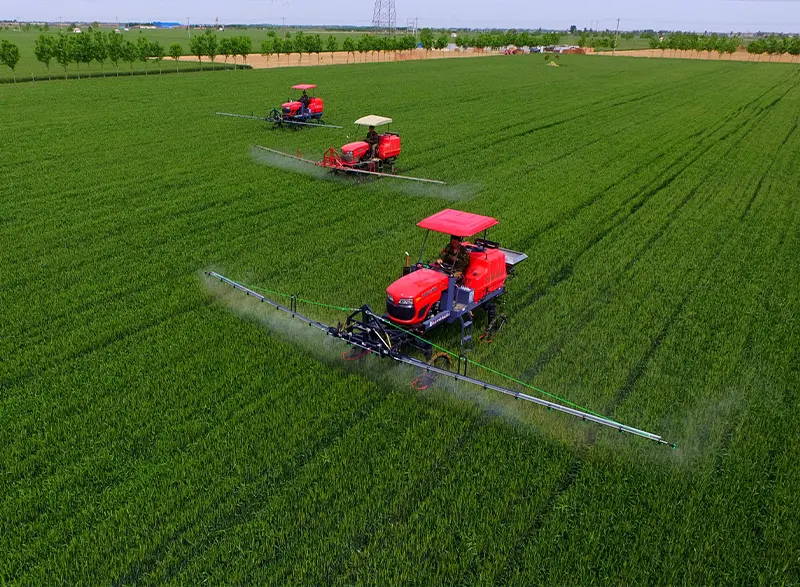
Supplying highly concentrated raw chemicals to manufacture fungicides, insecticides, plant growth regulators, and crop protection mixtures.

Delivering high-purity silane and organosilicon intermediates for synthesis processes requiring strict biocidal and quality compliance.
Connecting chemical specifications to production line requirements.

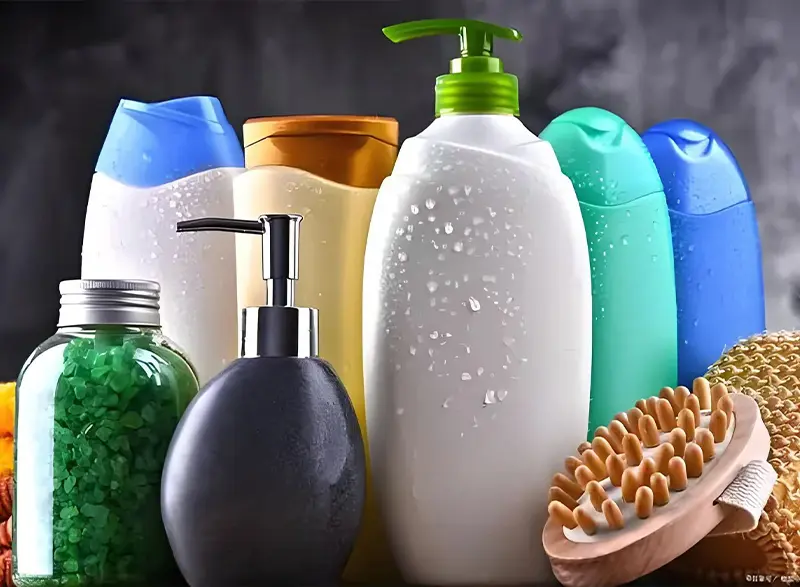
Providing volatile silicones, dimethicone oils, and custom hydrocarbon polymers.
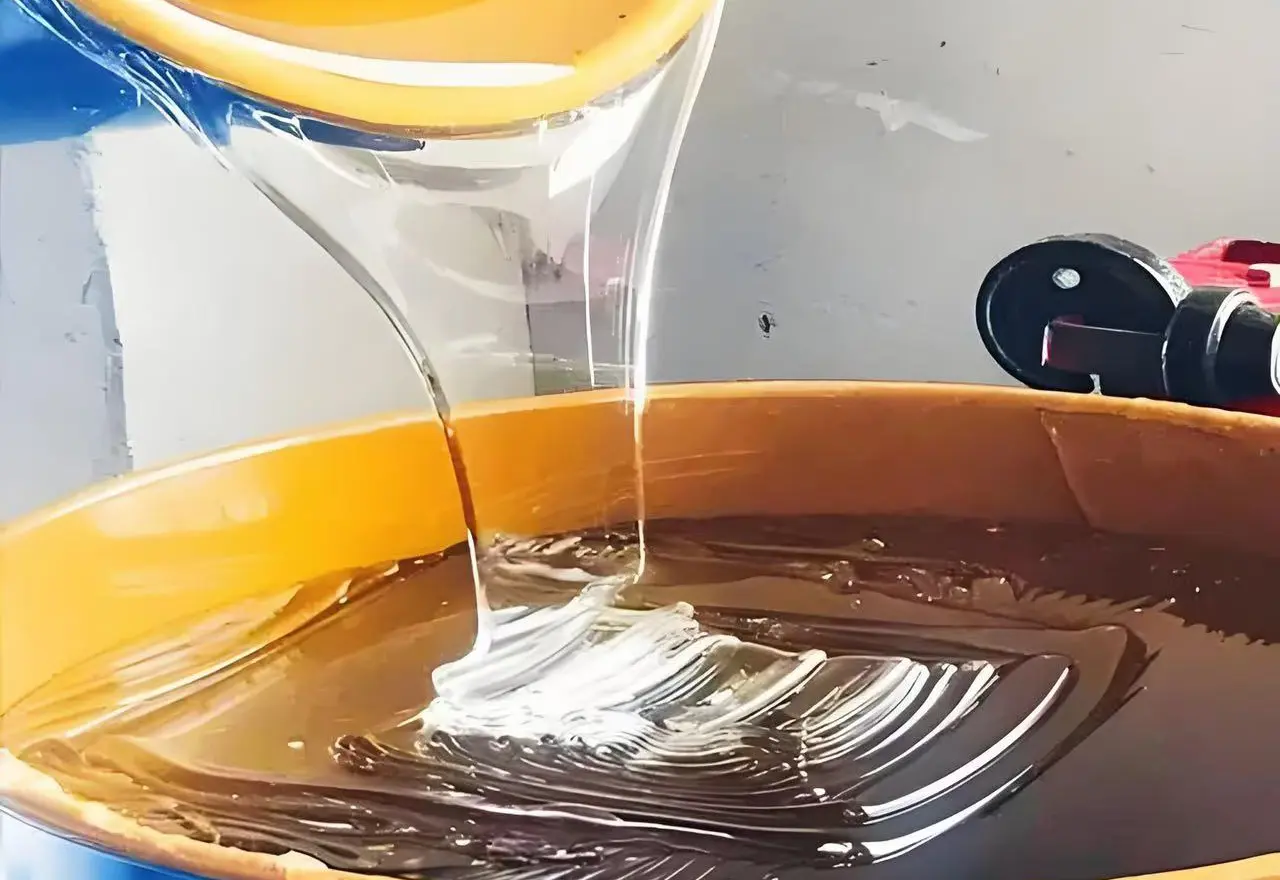
Standard and high-viscosity silicone fluids for heat exchange, dampening, and lubrication.

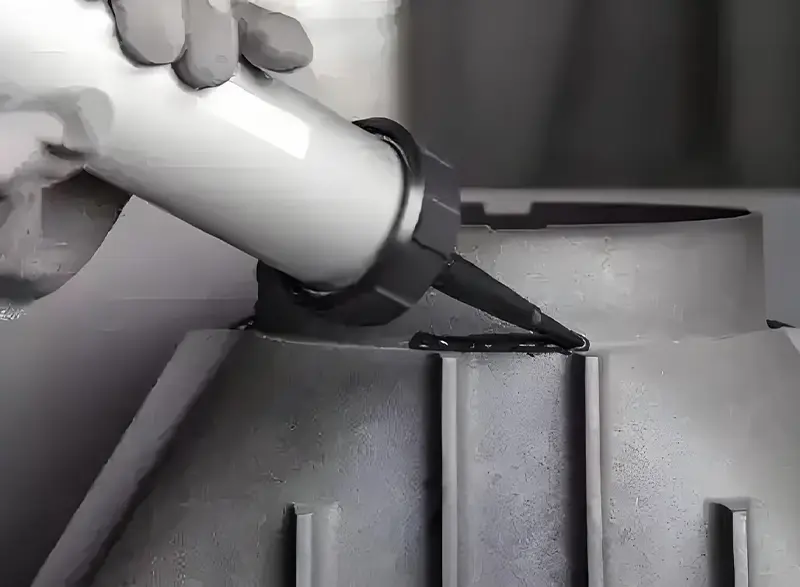
Specialty elastomers and structural potting sealants for demanding operating temperatures.
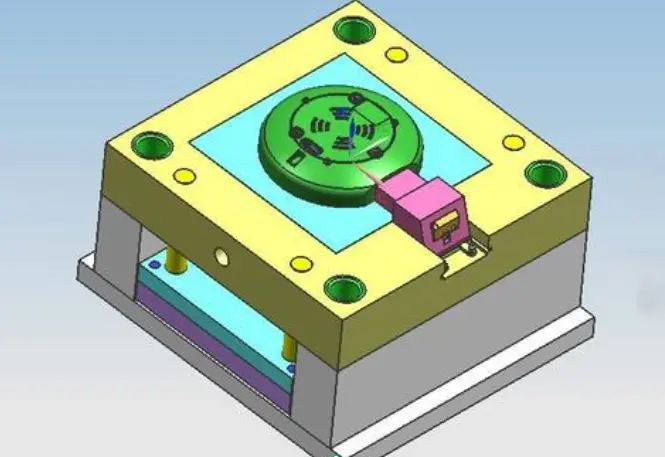
Highly elastic, tear-resistant molding silicones with excellent replication fidelity.

Thermally conductive potting agents and conformal coatings for delicate microchip assemblies.

Hydrophobic surface agents, masonry treatments, and specialized anti-weathering barriers.
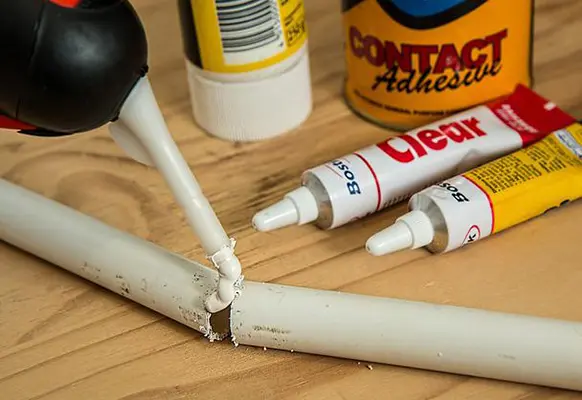
Structural window glazing sealants and moisture-curing building joints.
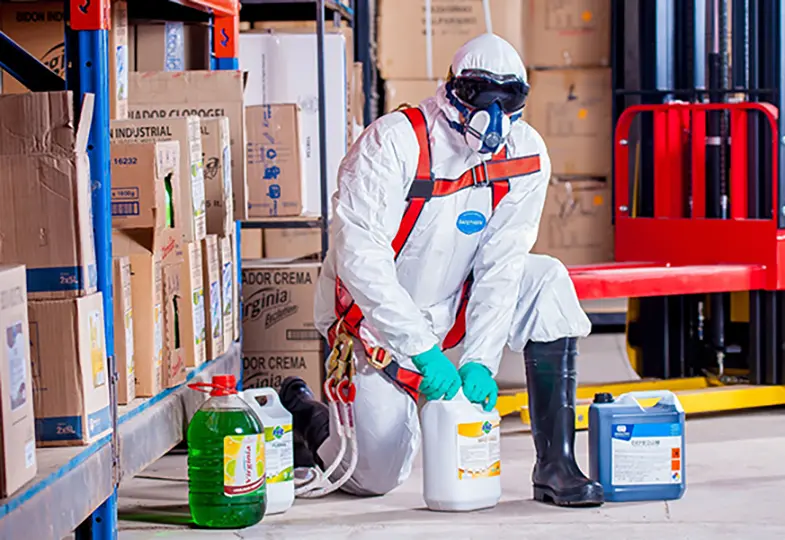
Formulating additives that improve scratch resistance, gloss retention, and flow behavior.

Silane passivation agents that improve adhesion profiles and corrosion resistance.
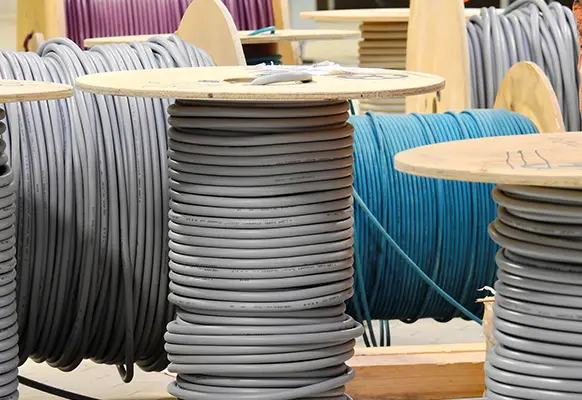
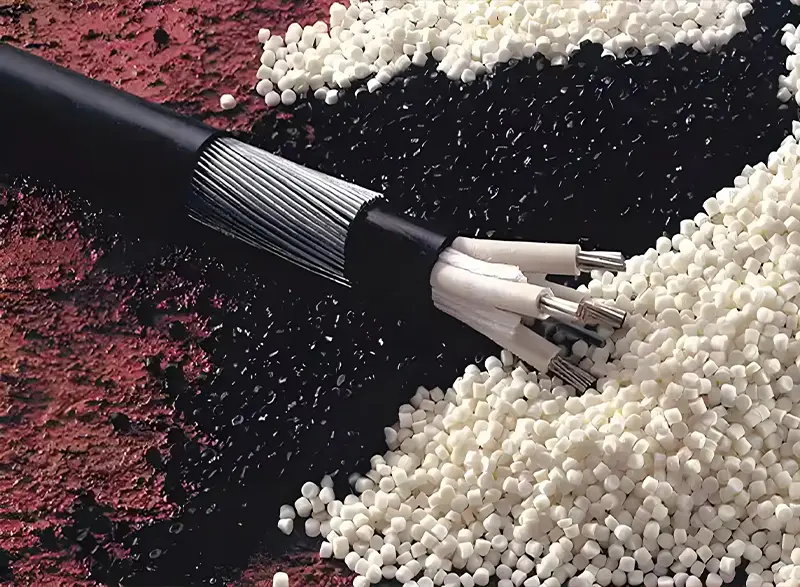
Silane crosslinked polyethylene (XLPE) compounds for high-voltage insulation shielding.
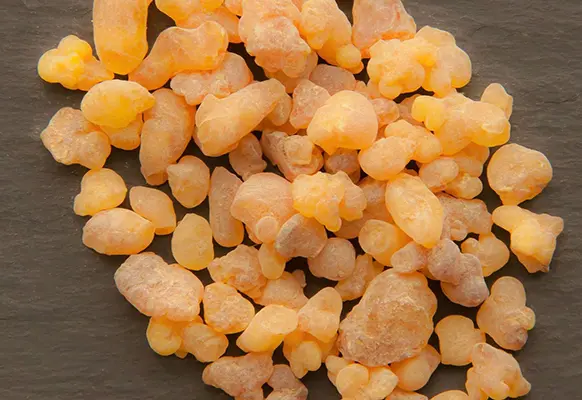
Core reactive monomers for advanced acrylic, epoxy, and polyurethane polymer modifications.

Functional silanes that improve aggregate binding strength in concrete formulations.

High-performance structural glass-fiber sizing agents and blade adhesive additives.

Biocompatible addition-cure medical rubbers, tubing, and surgical mold components.

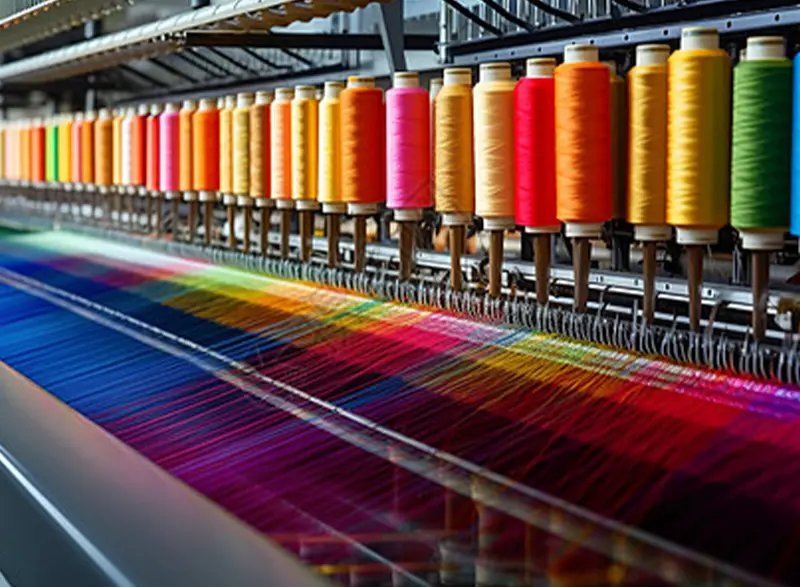
Amino-functional and vinyl modified silicone emulsions for fabric lubrication.

Pre-treatment of silica, talc, and glass beads to optimize resin compatibility.
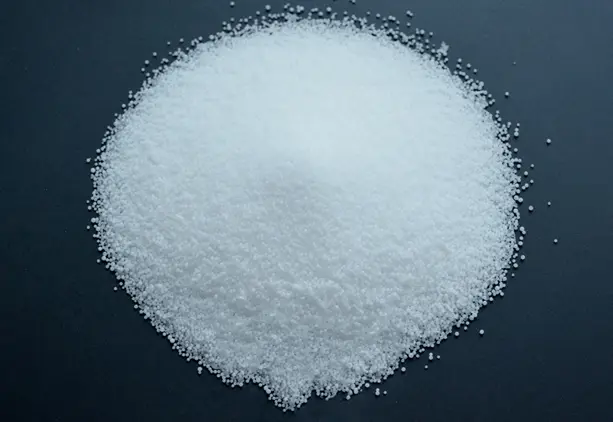
High-purity specialized silicone structures for high-density semiconductors.
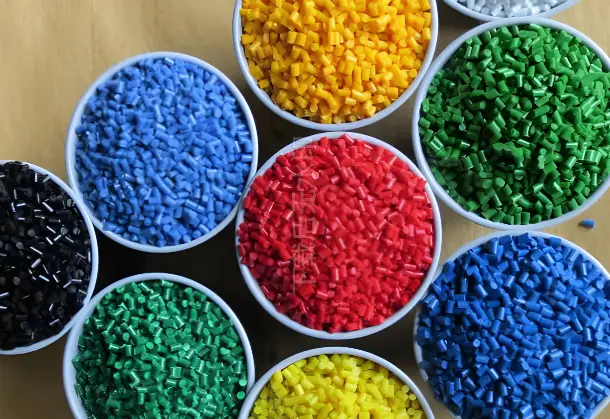
Processing aids and internal lubricants that improve mechanical extrusion throughput.
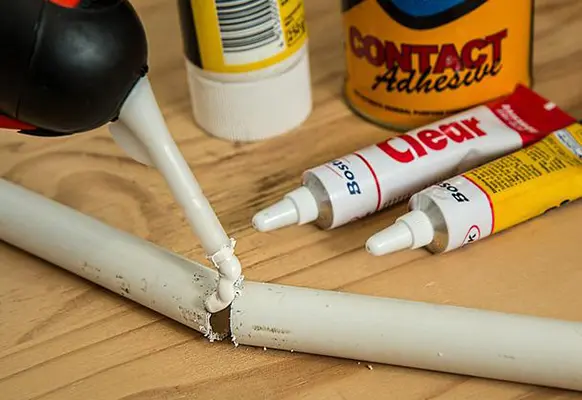
Specialty tackifiers, sealants, and silane crosslinkers for durable bonding.
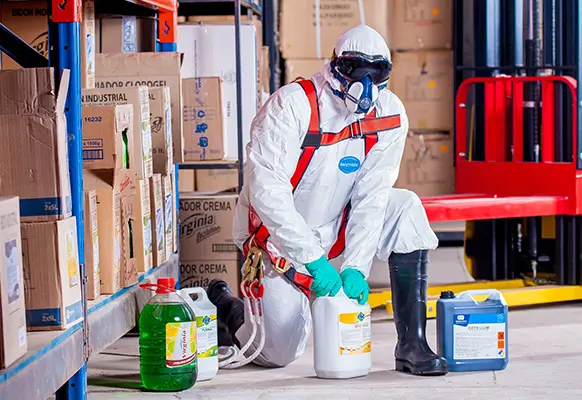
High-durability silicone-modified resins for anti-corrosion coatings.
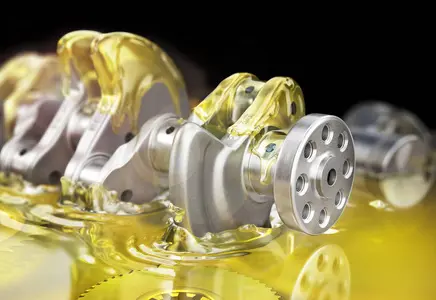
Specialty liquid rubber designed for high-performance dynamic oil seals.
Modified silicone defoamers for wastewater treatment, paper mills, and industrial processes.

Potent potassium methyl siliconate liquids that prevent moisture infiltration in gypsum wallboard.
Need custom viscosities, vinyl concentrations, or functional groups? Our R&D center is ready to collaborate on your specific chemical projects.
Providing high-gain information on the chemical synthesis, quality control, and macro developments of vinyl silicone oil.
Linear vinyl silicone oil, scientifically structured as a vinyl-terminated polydimethylsiloxane, is synthesized via ring-opening polymerization of octamethylcyclotetrasiloxane (D4) and divinyltetramethyldisiloxane in the presence of acid or base catalysts. The density of vinyl groups along the siloxane backbone or strictly at the chain ends dictates the crosslinking density during platinum-catalyzed hydrosilylation. In modern industrial rubber processing, our customers require precise viscosity bands ranging from 100 cSt to over 100,000 cSt. Maintaining low volatile organic compounds (VOCs) and removing cyclic oligomers (D4, D5, D6) is crucial for meeting aerospace and medical standards.
The global silicone raw material market is highly concentrated. Supply disruptions can impact downstream manufacturers of electronics, electric vehicle (EV) batteries, and high-voltage transmission lines. By basing production in Shouguang City, Shandong Province, and securing key feedstocks, Shandong Boctok Chemical Co. maintains high capacity resilience. Our $280 million sales volume in 2023 demonstrates our capacity to mitigate logistics and energy market shocks, ensuring a steady supply of vinyl silicone polymers to our partners in Europe, North America, India, and the CIS region.
As chemical regulatory compliance moves toward zero-emission targets, Boctok has modernized its manufacturing processes. Our Shouguang facility features advanced closed-loop vapor recovery systems, catalytic recovery of precious metals (such as platinum catalysts used in addition-curing compounds), and water purification technologies that reuse process water. This focus on sustainability reduces resource consumption per ton of vinyl silicone oil produced, helping our global clients meet their Scope 3 emission targets.
In-depth insights addressing critical technical questions from chemical engineers, procurement officers, and plant managers.
Direct supply options for silanes, crosslinkers, modified resins, and agricultural intermediates.
 Boctok Chemical
![Bis-[3-(triethoxysilyl)-propyl]amine](https://site.cdnfile.io/www.boctoksilicone.com/837bedcc9470a3ee1f202feb49d8ce69300_300.webp)