Select from our top-tier organosilicon polymers, oligomers, and specialized silane coupling agents engineered for extreme industrial standards.
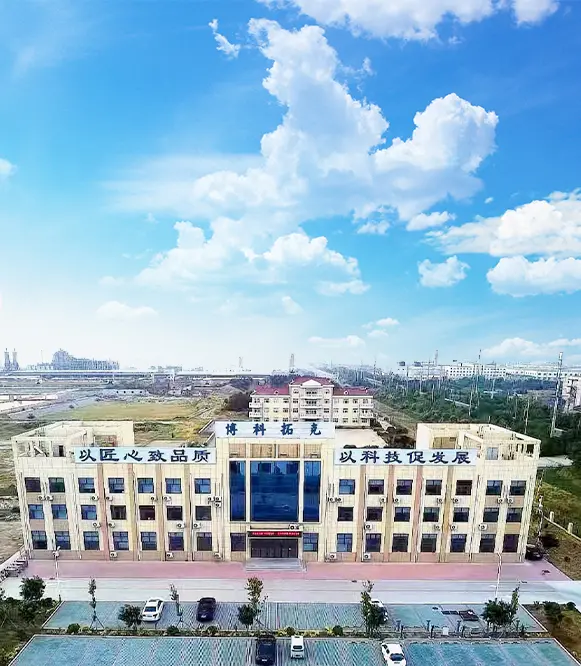
In the advanced materials sector, the role of structural coupling agents is critical to achieving macro-level performance across composite materials. Established in 2012, Shandong Boctok Chemical Co. has consistently developed solutions for domestic and international markets. In 2023, the organization reached a sales milestone of US$280 million, reinforcing its footprint in specialized chemical sectors. Operating under the dedicated BOCTOK™ brand, the company serves international markets, including Russia and CIS countries, with dedicated logistics and application support.
The core division of Boctok specializes in organosilicone chemistry, covering twelve distinct classes of silane coupling agents and crosslinkers. The product range includes aminosilanes, methacrylate silanes, epoxy silanes, vinyl silanes, mercaptosilanes, alkyl silanes, ethyl silicates, chlorosilanes, silane isocyanates, phenyl silanes, ureidosilanes, and serosilanes. This structural variety supports diverse industrial processes—improving mechanical properties, adhesion, and thermal resistance in composite formulations worldwide.
Achieved in FY2023 through specialized chemical distribution and manufacturing excellence.
Equipped with modern safety control networks for precision organosilicon synthesis.
Delivering compliant, high-performance chemistry across North America, Europe, Asia, and Russia.
Ensuring scale and supply chain security for multi-national industrial projects.
Isocyanate silane coupling agents are bifunctional molecules that serve as linkers between organic polymers and inorganic surfaces. Featuring highly reactive isocyanate functionality (-N=C=O) on one end and hydrolyzable alkoxy groups (typically methoxy or ethoxy) on the other, they enable molecular bridging without generating corrosive byproducts, such as hydrogen chloride.
The isocyanate group reacts with active hydrogen atoms present in hydroxyl-terminated polyols, amine curing agents, or carboxylic polymers to form stable urethane or urea linkages. Simultaneously, the alkoxy groups undergo hydrolysis in the presence of trace moisture, forming reactive silanols. These silanols condense with hydroxyl groups on surfaces like silica, glass, or metals, establishing stable siloxane (Si-O-Si or Si-O-Metal) bonds. This mechanism makes these agents useful for polyurethane sealants, MS polymers, and industrial coatings.
| Chemical Name / Structure | CAS Number | Primary Reactivity Profile | Typical Target Substrates & Resins |
|---|---|---|---|
| 3-Isocyanatopropyltriethoxysilane | 24801-88-5 | Ethoxy cleavage (slow hydrolysis, low VOC output) | Polyurethanes, OH-acrylics, Glass Fiber, Metal primers |
| 3-Isocyanatopropyltrimethoxysilane | 15396-00-6 | Methoxy cleavage (rapid moisture-initiated cure) | STP-U, MS Polymers, RTV silicones, Mineral fillers |
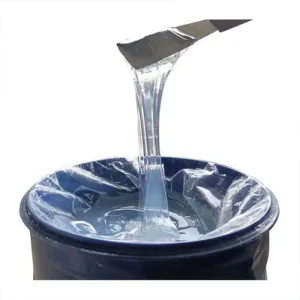
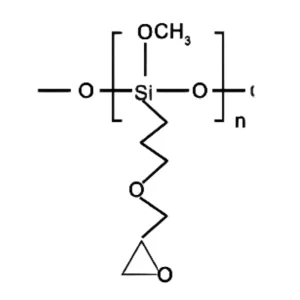
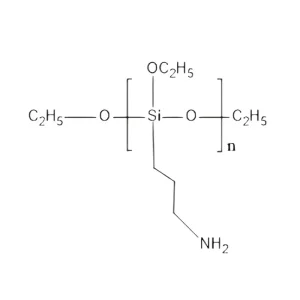
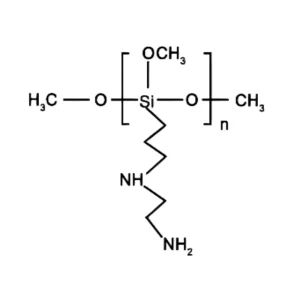
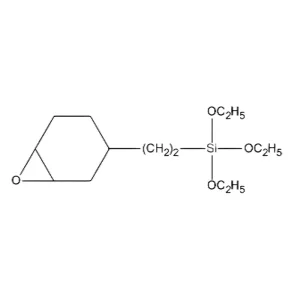
| Epoxysilane Oligomer Formulations | 117329-24-2 | Ring-opening epoxy + oligomeric silane condensation | Polyamides, Epoxies, Concrete, Composite reinforcing agents |
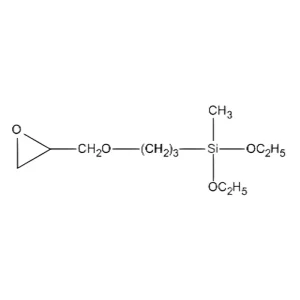
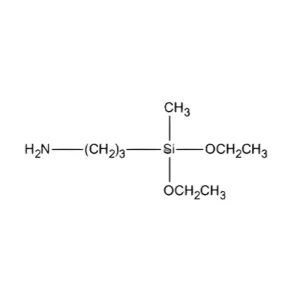
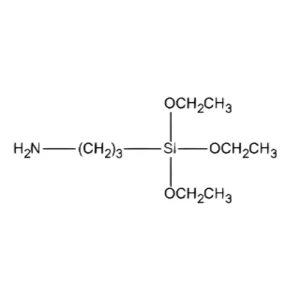
| 3-Aminopropylmethyldiethoxysilane | 3179-76-8 | Primary amine coupling + dialkoxy flexibility | Phenolics, Polyurethanes, Carbon fibers, Metallic alloys |
Global sourcing for isocyanate silanes requires addressing factors such as volatile precursor pricing, stringent chemical transport regulations, and the need for high-purity materials. Procurement officers must evaluate purity levels, moisture content, and chemical stability, as active isocyanate groups are highly sensitive to ambient humidity during transport.
To address supply volatility, Shandong Boctok Chemical has integrated its sourcing channels with major regional petrochemical refiners, including SINOPEC and PetroChina. This relationship secures primary feedstocks for our hydrocarbon resins and organosilicon production lines, shielding global clients from pricing fluctuations and supply delays.
As regulatory environments shift toward lower VOC limits and higher environmental standards, traditional monomeric silanes are transitioning toward advanced oligomeric and water-borne structures. The chemical industry is moving away from high-volatile methoxy silanes in favor of ethoxy silanes and oligomerized formulations, which minimize alcohol emissions during hydrolysis.
Boctok's technical roadmap focuses on developing non-toxic, bio-based silane alternatives, low-temperature curing systems, and multi-functional coupling agents. These systems combine active isocyanate groups with additional protective chemistry, providing weathering and UV stability for demanding applications.
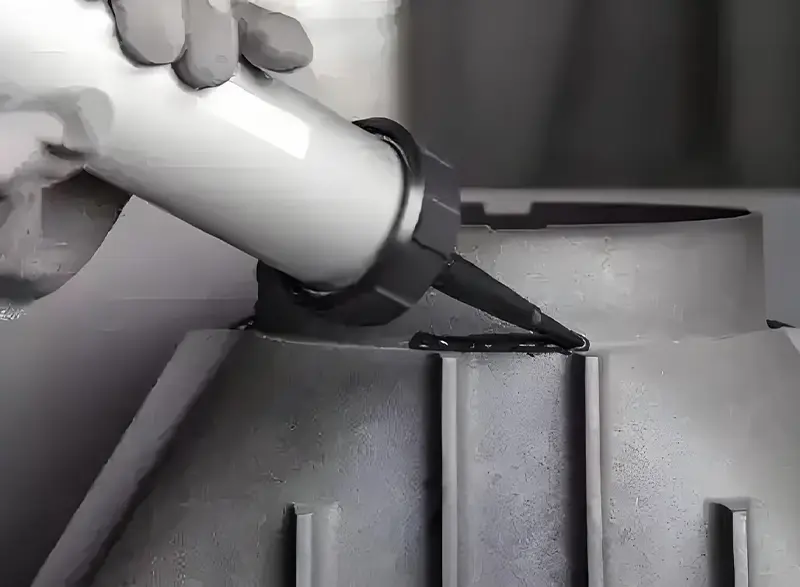
Enhancing glass-to-polyurethane bonding in automotive windshield installations, preventing moisture intrusion and ensuring structural integrity.
Applied in structural fiberglass composites and epoxy/polyurethane hybrids to withstand dynamic forces and mechanical wear.
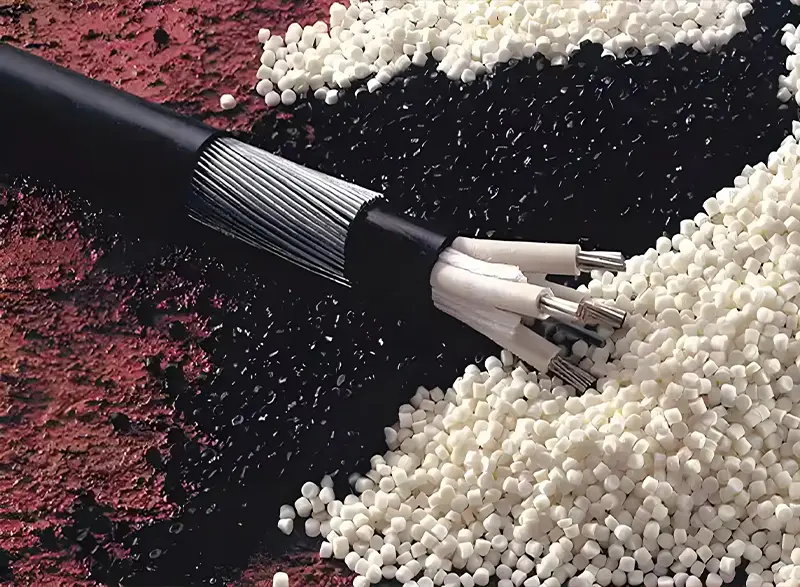
Enabling cross-linking in high-voltage power lines and hot-water piping systems, providing chemical and thermal stability.
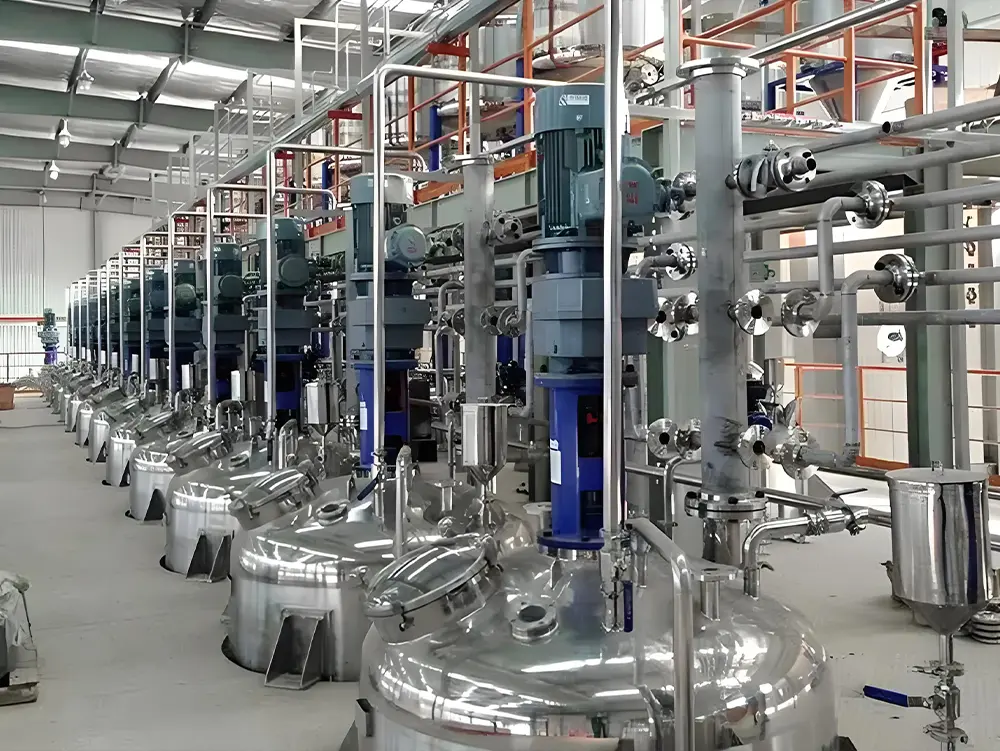
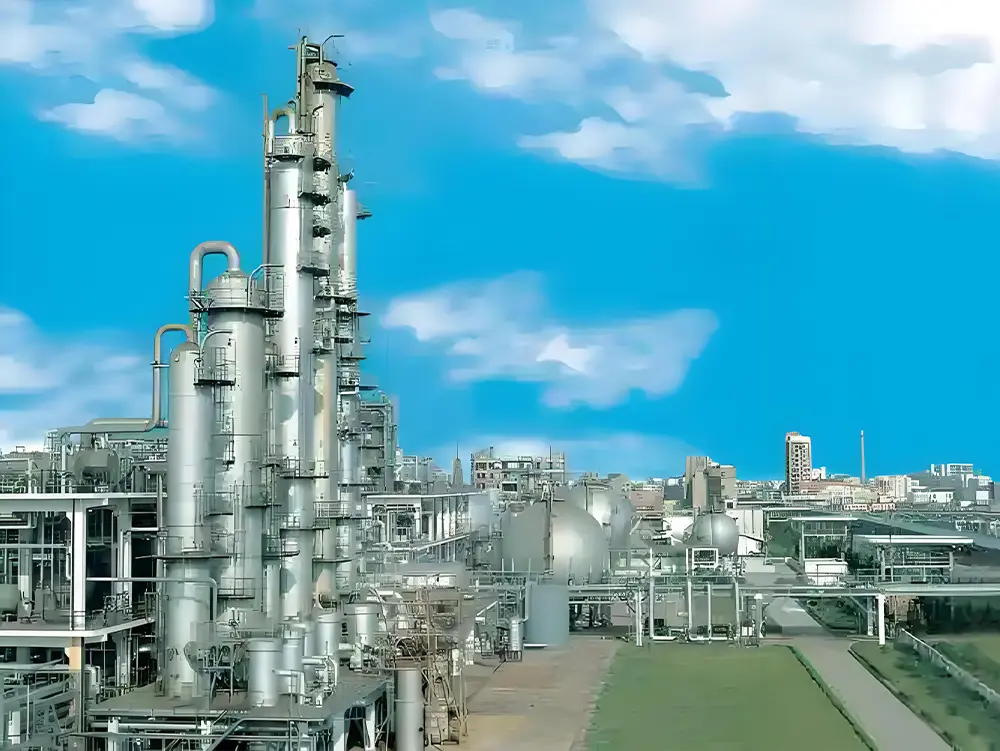
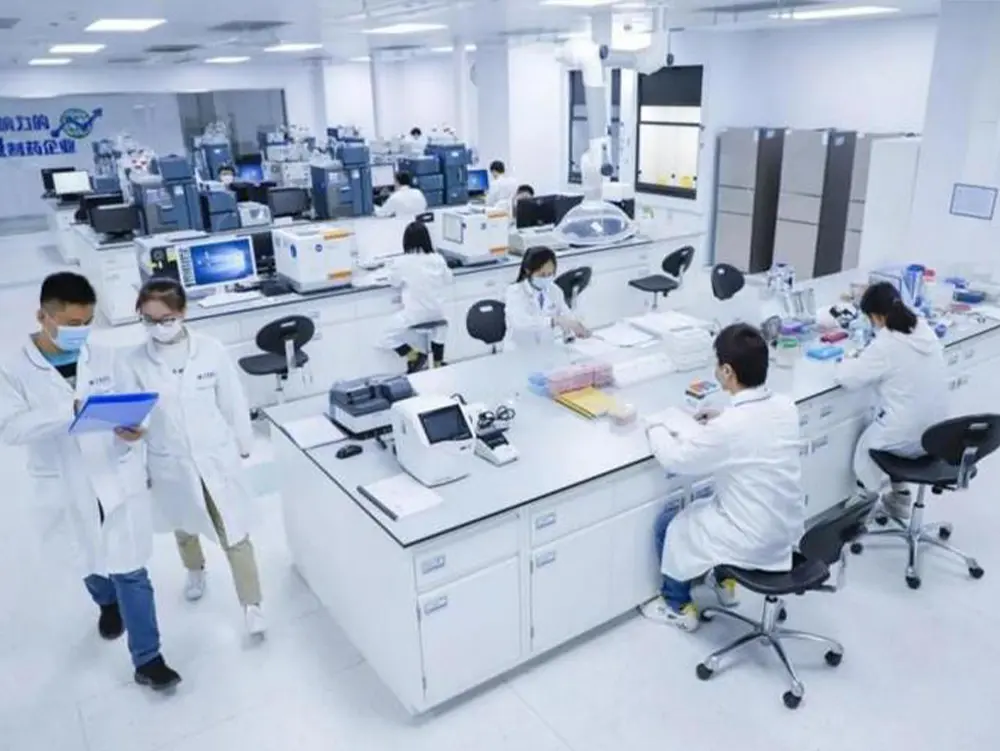
To meet growing global demand, Boctok invested US$65 million in a new manufacturing plant located in the Bohai Industrial Park, a provincial chemical zone in Shouguang City, Shandong Province. This facility expands our production capacity for silane coupling agents.
The facility operates six automated Distributed Control System (DCS) production lines, delivering an annual capacity of 30,000 tons of silane coupling agents. These lines are integrated with automated remote monitoring systems and Safety Instrument Systems (SIS) to ensure safe, stable operations. All production processes comply with ISO9001 quality management guidelines.
The plant is also equipped with modern environmental protection systems, including complete waste gas collection networks and active chemical wastewater treatment systems.
In addition to primary organosilicons, Boctok's Tier II division produces hydrocarbon resins through three processing plants in Zibo, Fushun, and Nanjing. Our raw material sourcing from SINOPEC and PetroChina supports the reliable production of C9 hydrogenated resins, C5 hydrocarbon resins, C5 modified C9 resins, dicyclopentadiene (DCPD), and methyl cyclopentadiene dimer.
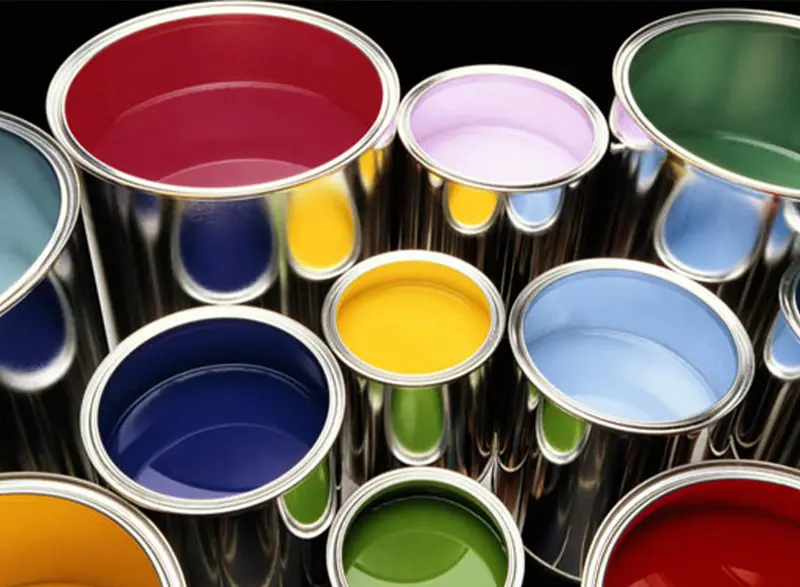
These resin systems are widely used in hot-melt adhesives, solvent-borne coatings, road markings, and synthetic rubber compounding. They work in tandem with our silane coupling agents to provide enhanced adhesion and water resistance.
Providing tackifying properties for pressure-sensitive and hot-melt adhesives, featuring low color values and stable thermal resistance.
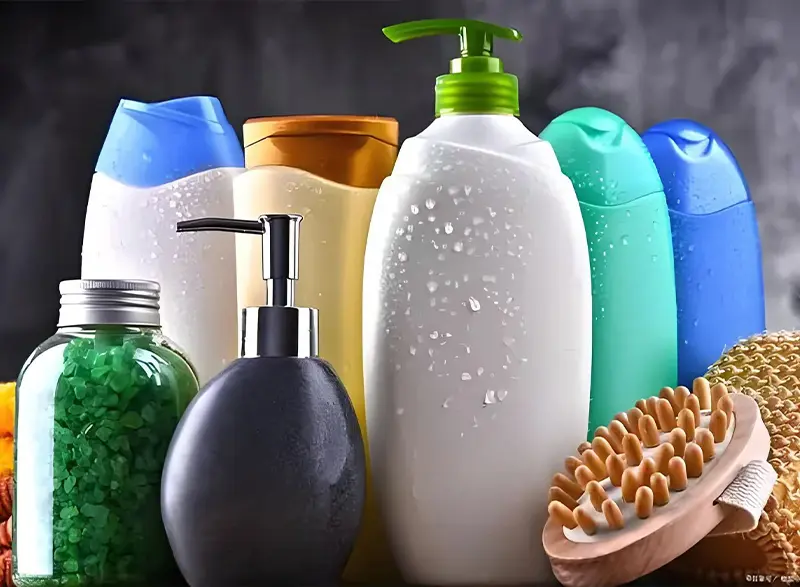
High-clarity, low-odor resins used in cosmetics, personal care products, hygiene adhesives, and premium plastics compounding.
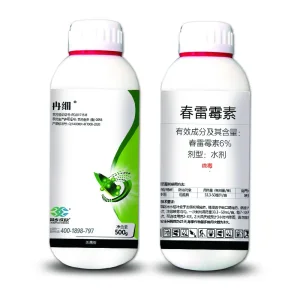
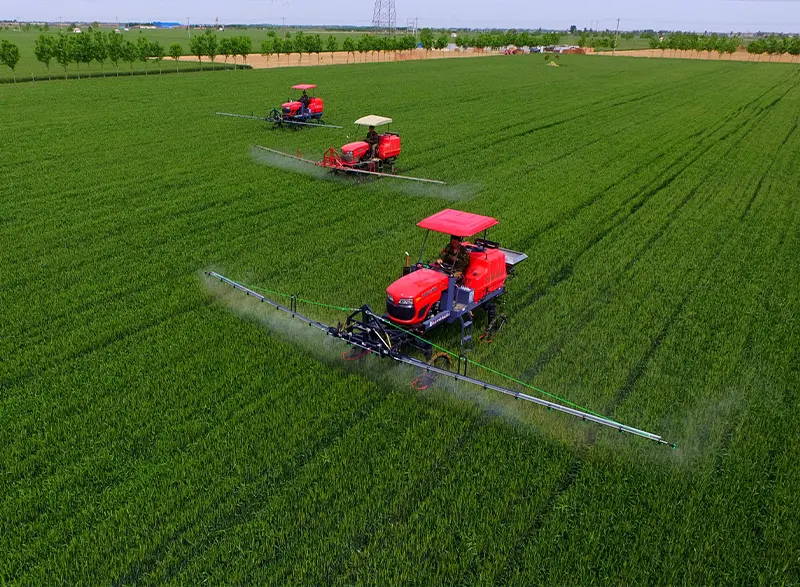
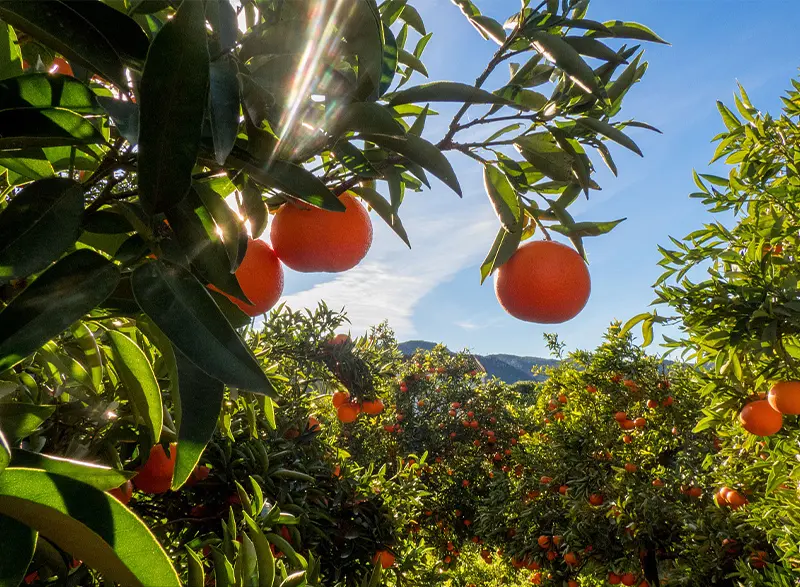
Supplying critical intermediates for pesticides, herbicides, fungicides, insecticides, and plant growth regulators worldwide.
Our chemical portfolio delivers reliable performance across key global industries.



Using reactive chemistry like isocyanate silane coupling agents requires adherence to international safety protocols. The reactive isocyanate group is sensitive to water, heat, and atmospheric moisture. Standard packaging requires steel drums hermetically sealed and blanketed with dry nitrogen to prevent premature gelation, silanol condensation, or isocyanate hydrolysis.
For companies sourcing from China, compliance with regulations like EU REACH, US TSCA, and regional GHS safety labeling is required. Boctok maintains compliance registrations across our product portfolio, helping international customers manage import clearance and environmental safety inspections.
Our manufacturing facility in the Bohai Industrial Park uses continuous recovery systems for process off-gases, treating volatile organics and protecting environmental air quality. Wastewater from our processes undergoes on-site purification before discharge, meeting regional and national environmental mandates.
Beyond coupling agents, Boctok manufactures silicone oils, silicone rubbers, and functional resins. Our fluid products include **high-hydrogen silicone oil, dimethicone, vinyl silicone oil, polyphenylmethyldimethylsiloxane, phenyl silicone oil, silanol silicone oil, and OH polymers**.
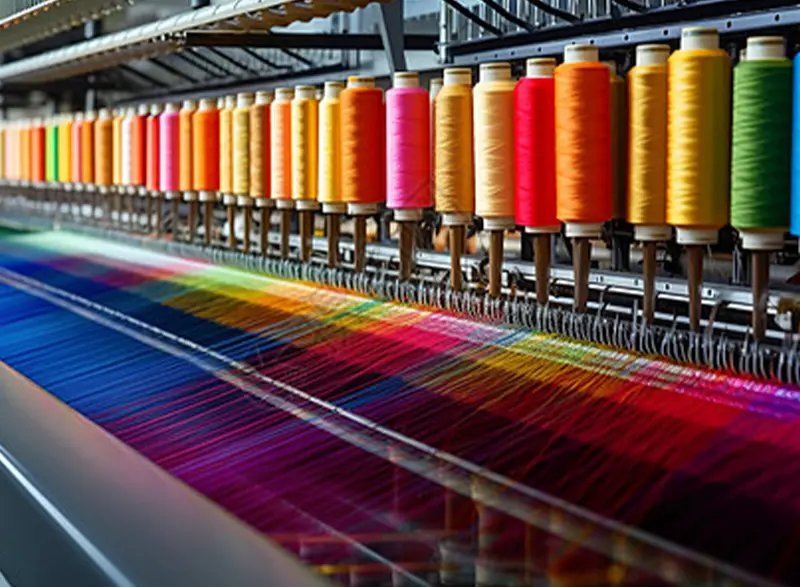
Our resin line features **methyl MQ resins, vinyl VMQ resins, room-temperature vulcanized methyl silicone rubber, 110 methyl vinyl silicone rubber, and 120 methyl phenyl rubber**. These materials serve industries such as electronics encapsulation, wind energy, coatings, adhesives, hot-water piping, oilfield drilling fluids, and technical textiles.
Common technical queries regarding the use, reaction mechanisms, and sourcing of isocyanate silane coupling agents.
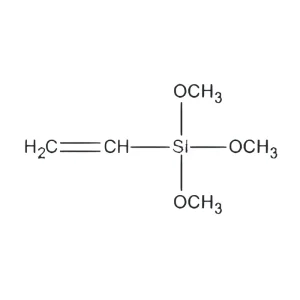
Browse our secondary chemical catalog, including phenyl rubbers, vinyl silanes, and targeted agricultural processing agents.
 Boctok Chemical