Amino silane coupling agents represent one of the most versatile and technologically critical classes of organofunctional alkoxysilanes utilized in modern materials science. Characterized by a dual-reactivity molecular structure—containing a reactive primary or secondary amino group at one end and hydrolyzable alkoxy groups (typically methoxy or ethoxy) at the other—these molecules function as essential molecular bridges. They effectively bond organic polymers with inorganic substrates, transforming the interface from a weak boundary layer into a robust, chemically unified composite matrix.
Under the lens of E-E-A-T (Experience, Expertise, Authoritativeness, and Trustworthiness), this whitepaper details the structural dynamics, synthesis pathways, and macro-industrial value chains established by leading Chinese manufacturers, notably Shandong Boctok Chemical Co.. As global supply chains prioritize high-purity inputs and eco-friendly chemical pathways, understanding the functional capability of amino silanes (such as 3-aminopropyltriethoxysilane or bis(trimethoxysilylpropyl)amine) is crucial for technical buyers in the rubber, coatings, adhesives, electronics, and construction industries.
Hydrolysis & Silanol Formation: Methoxy or ethoxy groups undergo rapid hydrolysis in the presence of moisture to generate highly reactive silanols.
Condensation & Hydrogen Bonding: Silanols hydrogen-bond to surface hydroxyl groups (-OH) on glass, silica, metal oxide, or minerals, followed by covalent siloxane (Si-O-Si) bond formation.
Organic Resin Interpenetration: The amino terminus chemically reacts or interpenetrates with polymers during curing (especially epoxy, polyurethane, phenolic, and acrylic resins).
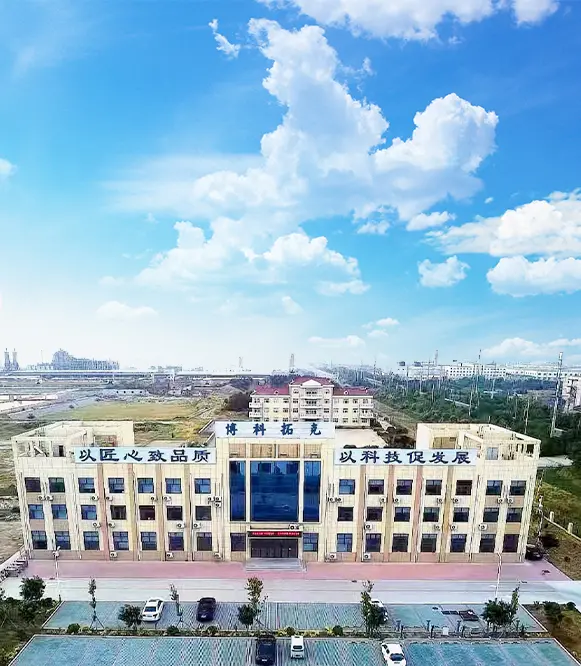
Founded in 2012, Shandong Boctok Chemical Co. was established as a highly specialized marketing and sales engine for the Boctok™ domestic and international business units. Driven by scientific innovation and strict compliance with international manufacturing benchmarks, Boctok scaled its operations rapidly, achieving a record sales volume of US$280 million in 2023. Under the dedicated BOCTOK brand, the company has carved out an authoritative market share, particularly focusing on the demanding and high-growth Russian chemical sector and expanding outward across global economic zones.
Boctok’s core market advantage lies in its vertically integrated product portfolio. Operating across twelve distinct series of silane coupling agents and crosslinkers, the company manufactures not only amino silanes but also methacrylate, epoxy, vinyl, mercapto, alkyl, phenyl, ureido, and serosilanes. This multi-layered product vertical ensures that clients across construction, glass fiber, wind energy, and electronics can source high-purity organosilicon reagents alongside specialized silicone oils, MQ resins, and specialty rubbers from a single, reliable manufacturer.
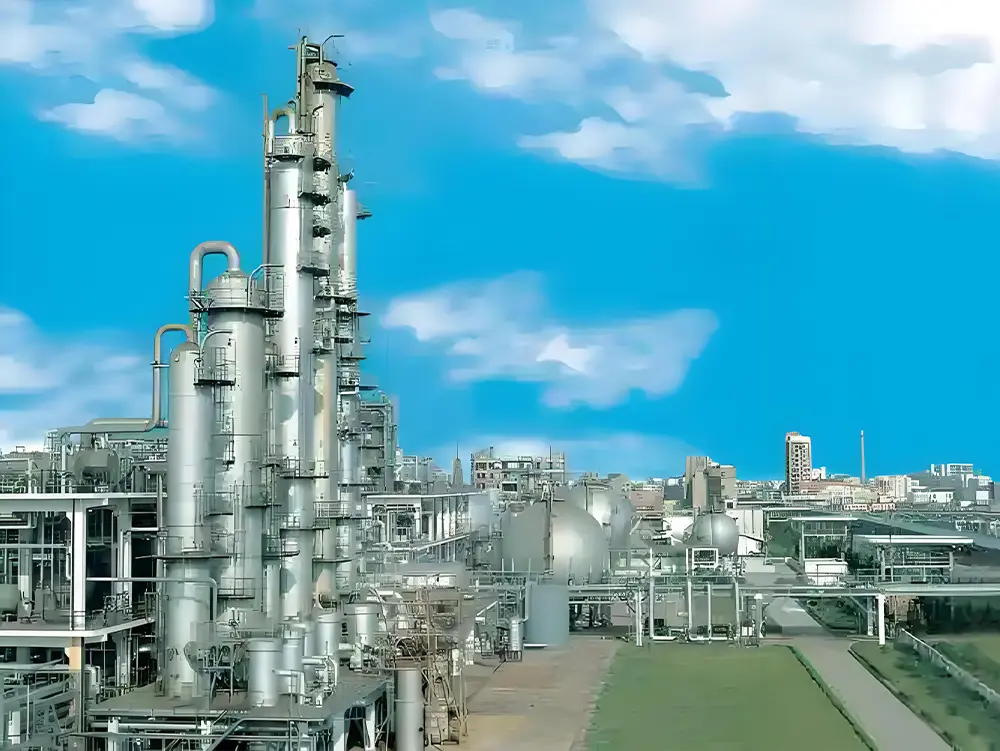
Boctok has invested US$65 million to construct a state-of-the-art manufacturing plant located in the Bohai Industrial Park, a highly regulated, provincial-level chemical industrial zone in Shouguang City, Shandong Province. This plant acts as the focal hub for expanding our silane production chain.
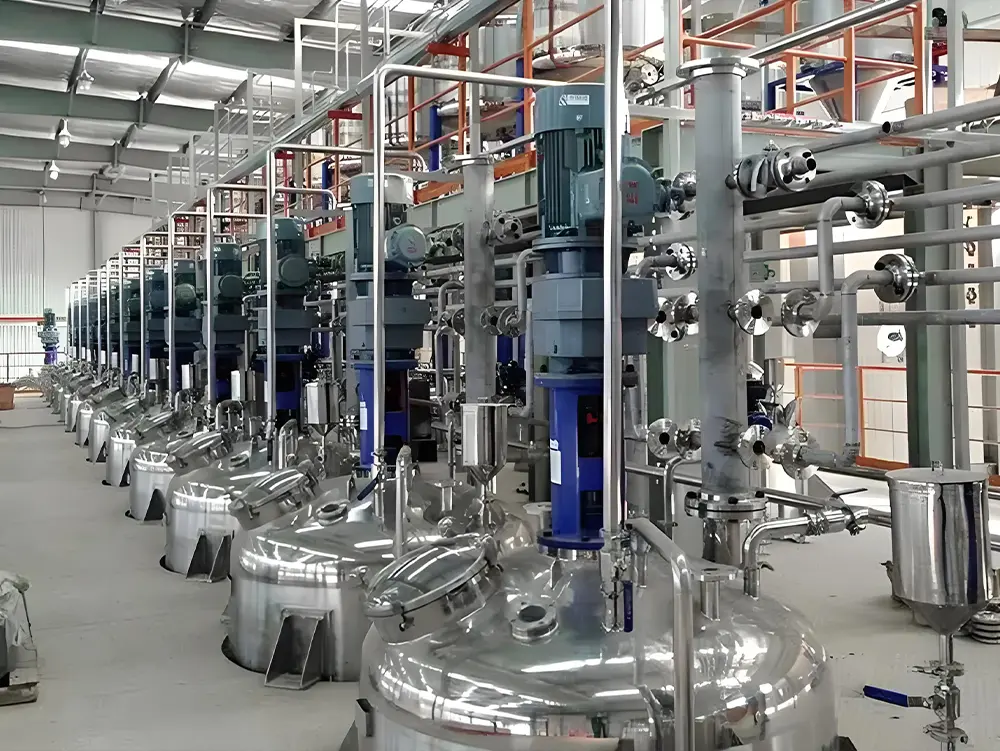
Equipped with 6 automated production lines running advanced Distributed Control Systems (DCS) and Safety Instrumented Systems (SIS), the Shouguang facility ensures a consistent, high-yield annual output of 30,000 metric tons of pure silane coupling agents to satisfy continuous global demand.
Aligning with China's strict ecological goals, Boctok has integrated custom environmental protection facilities at its new factory. This includes closed-loop waste gas collection-destruction thermal oxidizers and advanced multi-stage chemical wastewater treatment systems.
The global market for general-purpose amino silane coupling agents has entered a mature phase characterized by intense competition, technical integration, and a clear migration of capacity toward highly integrated chemical hubs. Amino silanes, such as APTMS (3-aminopropyltrimethoxysilane) and AMEO (3-aminopropyltriethoxysilane), represent the backbone of industrial adhesion promoters, accounting for over 35% of the total organosilicon coupling agent market volume globally.
China has emerged as the definitive global powerhouse for the production of these intermediates. This dominance is driven by two main factors: ready access to foundational silicon metal and key raw materials (like allylamine and chlorosilanes), and optimized industrial infrastructure. Manufacturers in China, like Boctok, have moved beyond low-margin chemical synthesis to invest heavily in automatic, digitalized operations. By transitioning from batch-reactor operations to continuous, highly instrumented DCS loops, Chinese manufacturers deliver products with exceptionally low variance in purity, moisture levels, and active silane content—parameters critical to large-scale industrial compounding.
On a macro-commercial scale, global procurement teams are shifting away from fragmented trading agents toward direct integration with primary manufacturers who hold verified chemical assets, continuous quality assurance protocols, and sound environmental licenses. High-growth sectors such as electric vehicle (EV) lightweighting, offshore wind turbine manufacturing, and high-frequency printed circuit boards (PCBs) demand strict regulatory compliance (REACH, RoHS) and a transparent carbon footprint. Consequently, verified chemical manufacturing hubs like Bohai Industrial Park have become the preferred partners for international Tier-I chemical buyers.
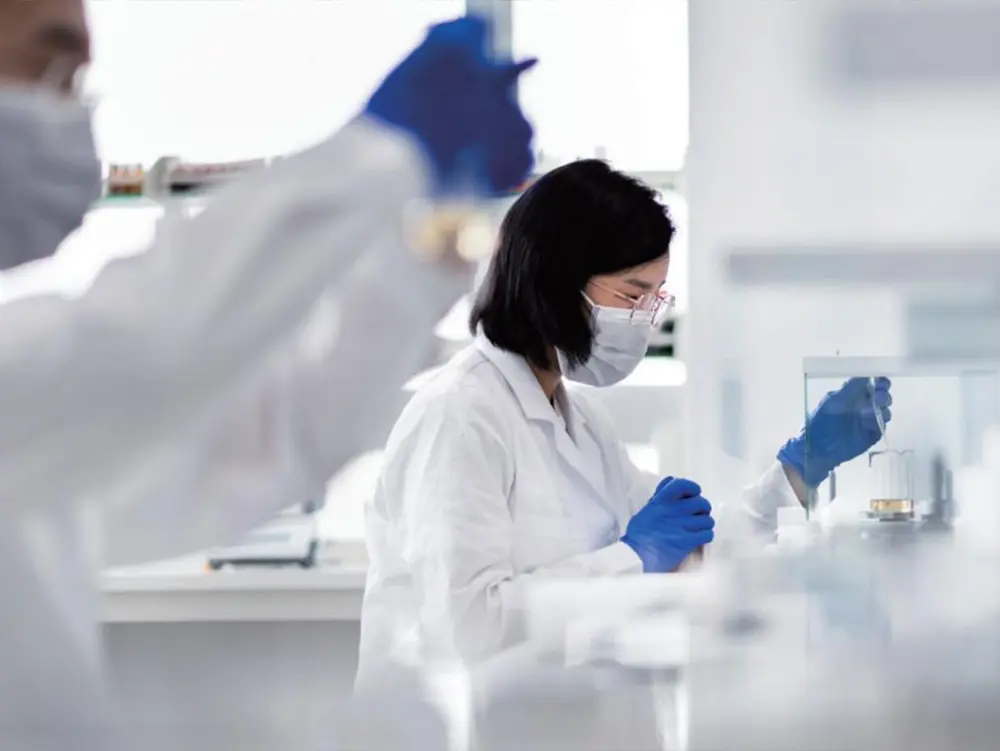
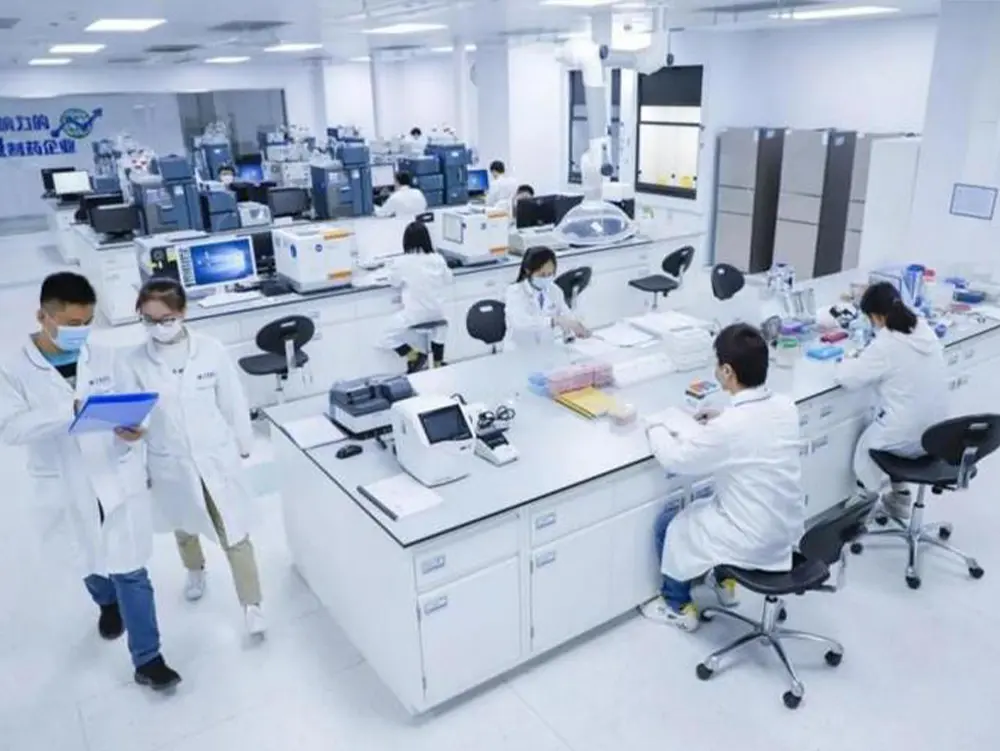
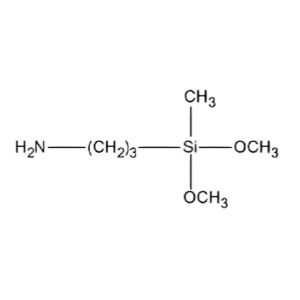
The core synthetic pathway for general-purpose amino silanes involves the hydrosilylation of unsaturated amines (such as allylamine) with trialkoxysilanes in the presence of transition metal catalysts. The resulting chemical structure defines its unique coupling capabilities:
Formulations like 3-aminopropyltriethoxysilane (AMEO) feature a highly reactive primary amine group. It is highly basic and reactive with epoxy rings, isocyanates, and carboxylic acids, making it the standard adhesion promoter in structural epoxies and polyurethanes.
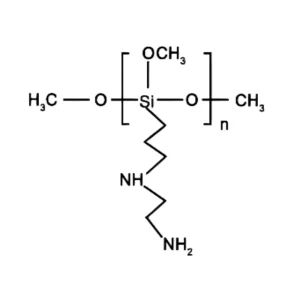
Incorporating a secondary amino group (such as N-(2-aminoethyl)-3-aminopropyltrimethoxysilane or DAMO) increases coordinate bonding capacity and flexibility. This modification improves performance in phenolic resins and plastic coatings.
By pre-hydrolyzing amino silanes in a controlled water-solvent mix, manufacturers yield oligomeric siloxane structures. These water-stable systems release significantly fewer volatile organic compounds (VOCs) like methanol during the application phase.
Looking ahead, the technical roadmap for amino silane formulation points toward molecular engineering that controls hydrolysis kinetics. Traditional trialkoxy silanes release methanol, a hazardous VOC. The industry is actively transitioning toward ethoxy-based counterparts (which release ethanol) or water-soluble oligomers. These alternatives provide high water solubility, stable shelf-life, and compatibility with water-borne acrylic, polyurethane, and epoxy dispersions.
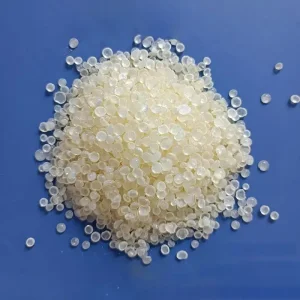
To support its core organosilicon offerings and optimize manufacturing costs, Shandong Boctok Chemical Co. has established a robust **Tier II business unit** focusing on hydrocarbon (petroleum) resins. By investing in key hydrocarbon resin factories across Zibo, Fushun, and Nanjing, Boctok secures a reliable supply chain. This configuration utilizes high-purity C5 and C9 feedstocks directly from SINOPEC and PetroChina.
These petroleum resins find widespread use in adhesives, hot-melt road paints, rubber compounding, and coatings. They operate in tandem with our silane coupling agents to provide comprehensive formulation packages. Our comprehensive product portfolio includes:
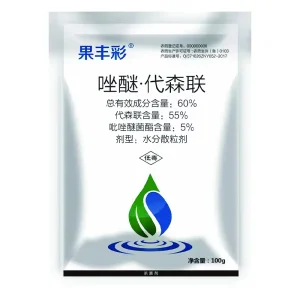
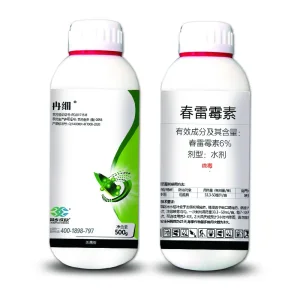
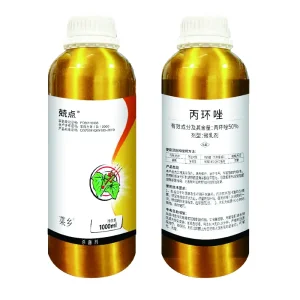
Beyond silicone chemistry and petroleum resins, Boctok utilizes its advanced synthetic capabilities to support the agrochemical industry. The company produces key intermediates and raw materials for agricultural chemistry, including:
• Systemic Fungicides & Specialty Insecticides
• Tailored Seed Treatment Ingredients
• High-selectivity Herbicides & Plant Growth Regulators
Sourcing chemicals internationally requires a high level of operational transparency, product quality control, and reliable logistics. Shandong Boctok Chemical Co. addresses these priorities through four core competencies:

Every batch undergoes strict testing, including gas chromatography (GC), Karl Fischer titration for moisture control, and refractive index checking to match precise purity standards.

With our new Shouguang plant adding 30,000 tons of capacity annually, we comfortably meet large-volume orders and support custom OEM/ODM packaging requirements.

Our team of technical engineers and customer support agents is available online 24/7, providing assistance with formulations, TDS/MSDS documents, and regulatory filings.

Our warehouse networks near major shipping ports (such as Qingdao, Tianjin, and Shanghai) ensure fast order processing and reliable shipping worldwide.
We source raw materials directly from tier-one manufacturers like SINOPEC and PetroChina. Before materials enter our storage facilities, they undergo rigorous purity testing to prevent contaminants from entering our automated DCS synthesis lines.
Synthesis reactions run on fully automated DCS lines, monitoring pressure, temperature, and feeding rates in real time. Our Safety Instrumented Systems (SIS) run parallel to prevent process excursions, ensuring safe, stable, and highly repeatable batch cycles.
Following synthesis, raw silanes undergo vacuum distillation to isolate the target fraction. This step achieves high purity levels (often ≥98.5% for general-purpose amino silanes), stripping out hazardous impurities and free alcohols.
Given the moisture-sensitive nature of hydrolyzable silanes, all products are packed under a high-purity dry nitrogen blanket in sealed drums, IBC containers, or ISO tanks, preserving active shelf life during international transit.
General-purpose amino silanes are essential across a wide range of industrial applications, providing chemical anchoring, dispersion stability, and protection against environmental stress.
Used to optimize agricultural chemical applications and improve dispersion stability in field applications.
Used in crop management solutions to protect high-value agricultural systems from pests and diseases.
Formulations developed specifically to protect ornamental plants and garden systems.
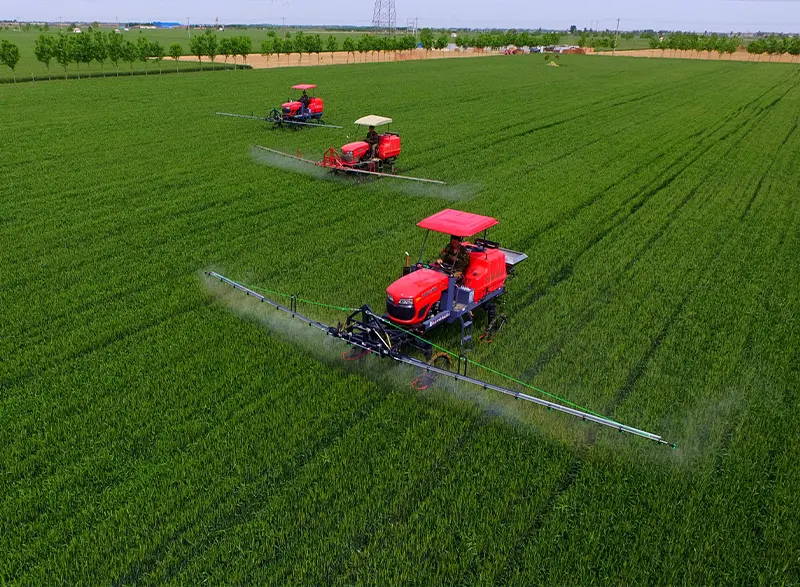
Applied to large-scale grain crops to improve plant resilience, uptake, and overall yield performance.
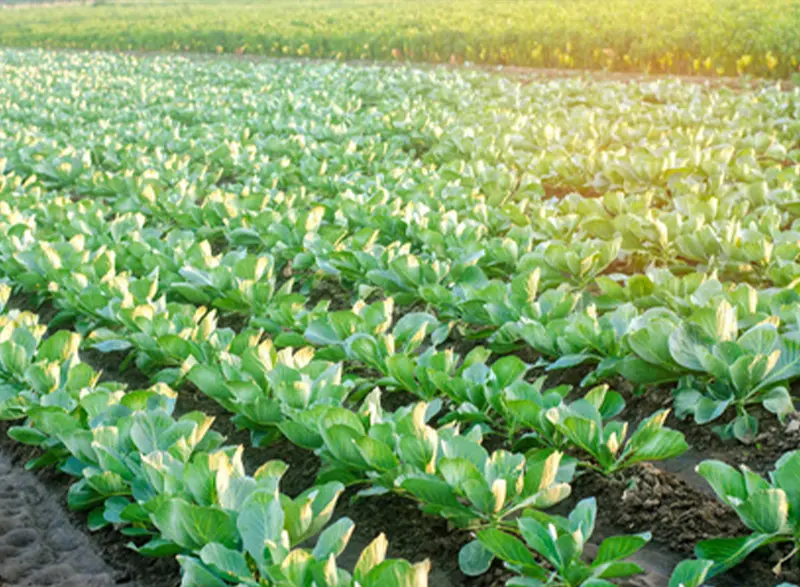
Specialized treatments that protect vegetables and maintain crop safety standards.
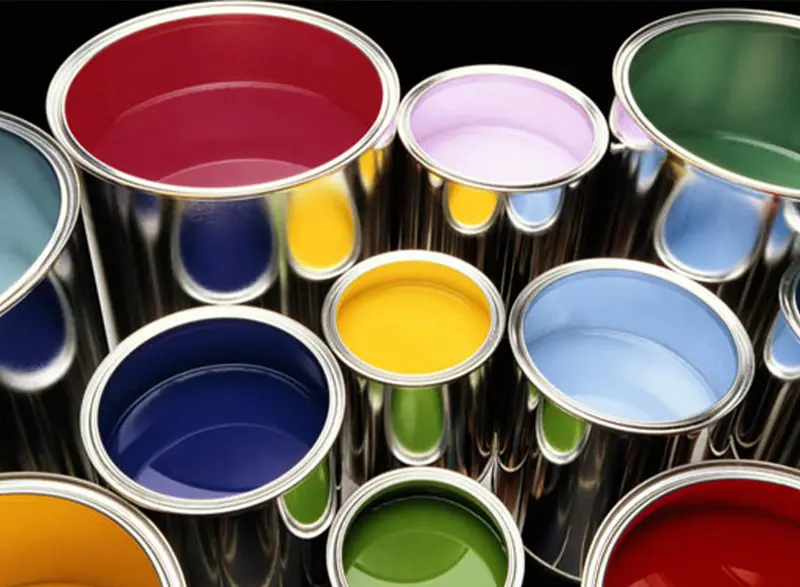
Utilizes petroleum resins in combination with silanes to improve adhesion, gloss, and water resistance in protective paints.
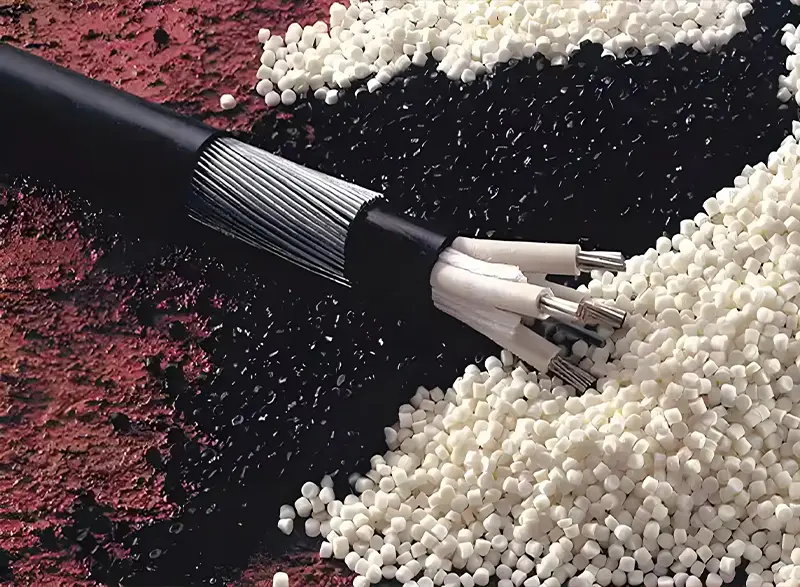
Organosilicone matrices crosslinked with vinyl and amino silanes to provide electrical insulation and moisture-barrier performance.
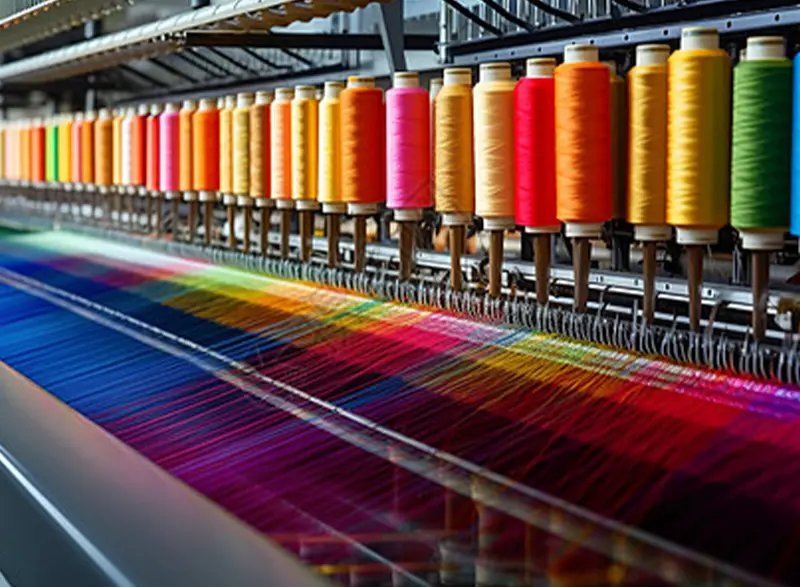
Specialty silicone fluids used to soften fabrics, improve wear resistance, and provide wash-durable water repellency.
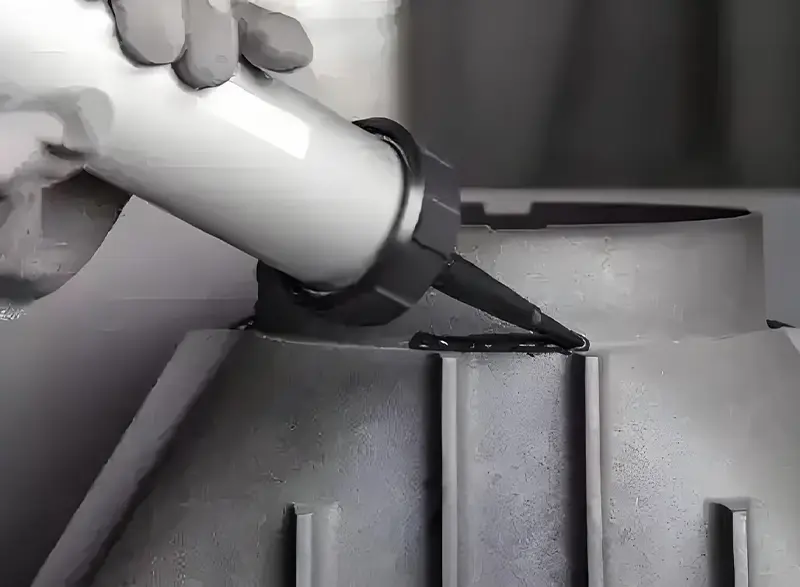
Providing high-strength bonding across metal, glass, and plastic panels, even under UV exposure and high humidity.
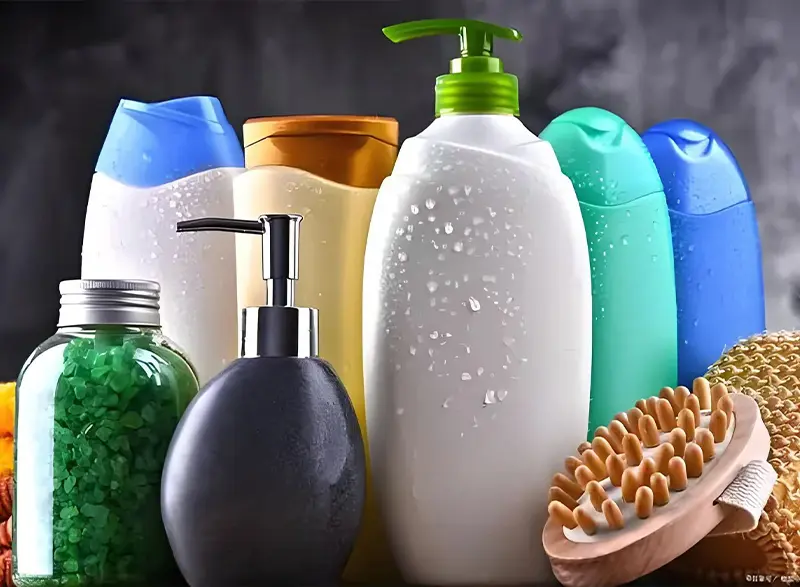
Eco-friendly silicone products used as key ingredients in cosmetics, personal care products, and household goods.
Organofunctional silane coupling agents are designed to bond organic resins with inorganic surfaces. The list below details our direct areas of application:
 Pharmaceutical & Pesticide
Silylating agents used in intermediate synthesis and crop protection formulations.
 Cosmetics & Personal Care
High-purity silicone oils and specialty resins providing hydrophobic properties and smooth texture.
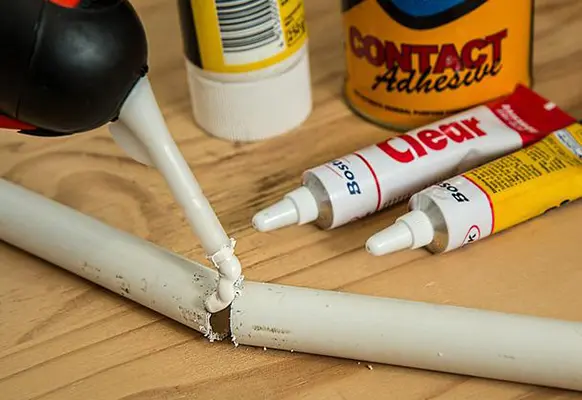 Industrial Adhesives
Formulated with petroleum resins to improve tack and structural peel strength.
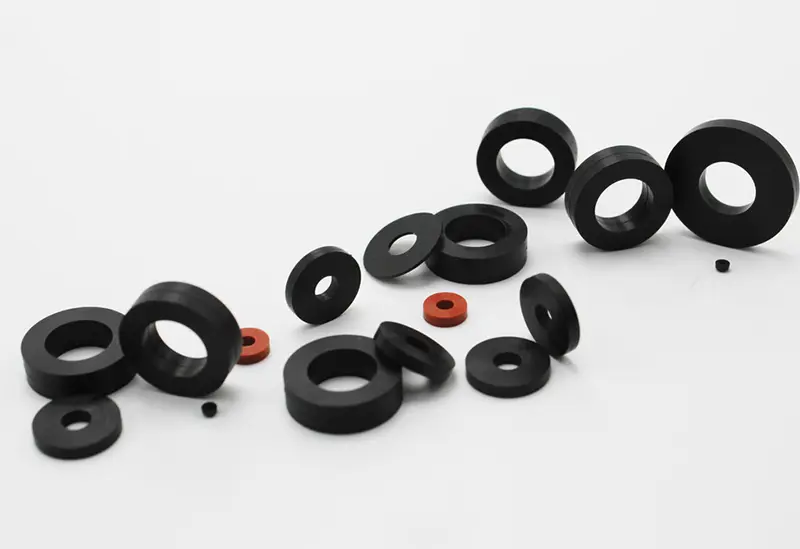 Rubber Compounding
Optimizes silica dispersion in green tire compounds to reduce rolling resistance.
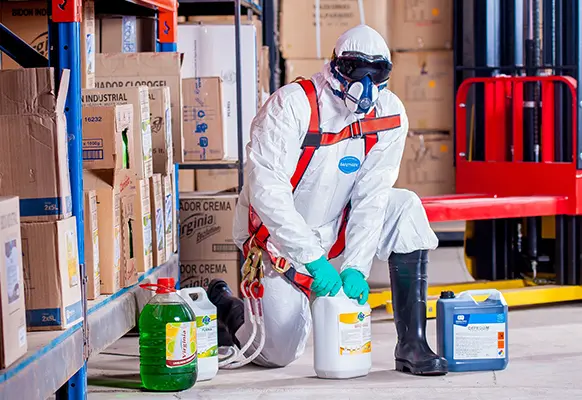 Paints & Coatings
Improves adhesion to metal substrates, enhancing salt spray and corrosion resistance.
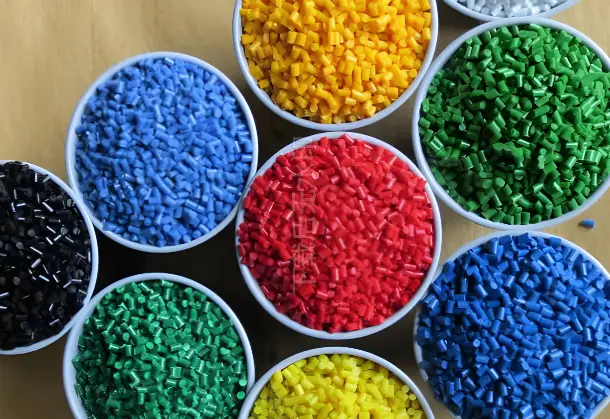 Plastics Modification
Incorporate inorganic mineral fillers into thermoplastic and thermoset matrices.
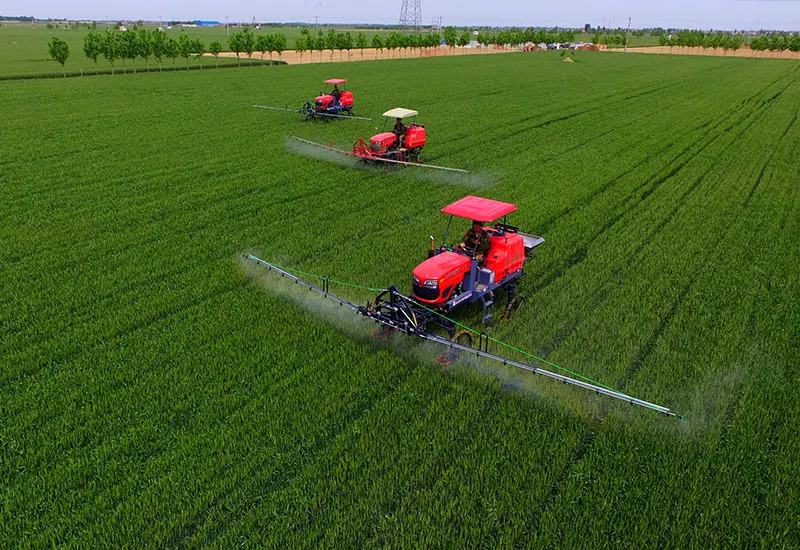 Agrochemical Synergists
Fungicide and insecticide formulations requiring stable active ingredient suspension.
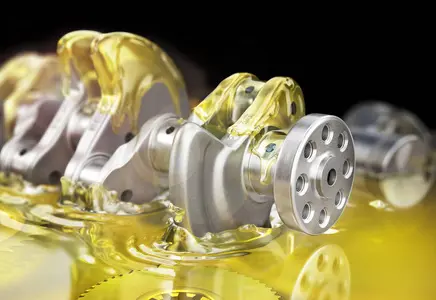 Self-lubricating LSR
Specialty liquid silicone rubbers optimized for high-durability seals and gaskets.
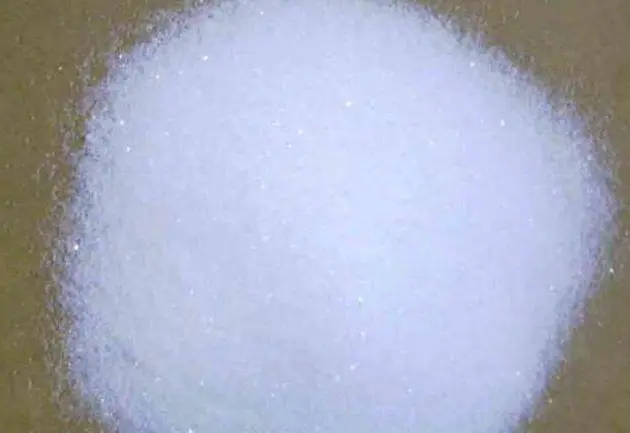 Drywall & Gypsum
Imparts water resistance and enhances structural binding in plasterboards.
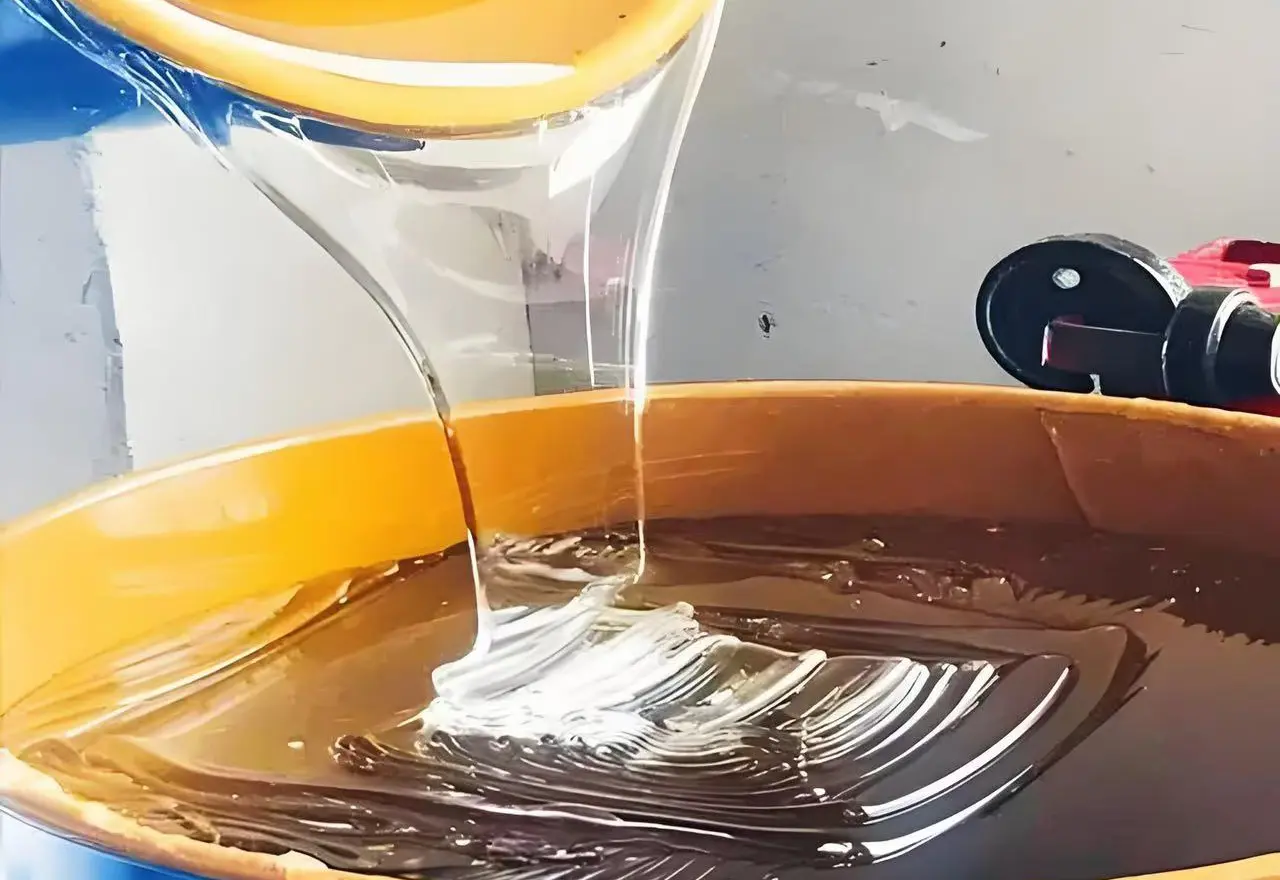 Silicone Liquids
High-purity linear siloxanes used as heat-transfer agents and specialty lubricants.
 Automotive & Marine
Corrosion protection barriers and carbon fiber sizing systems.
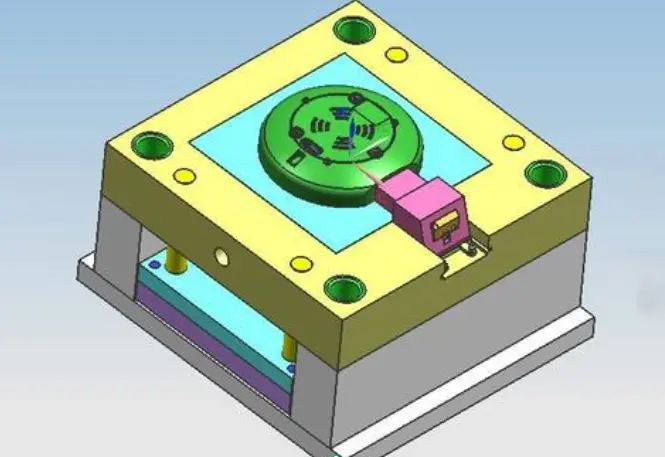 Molding & Casting
Mold-release agents and precision casting compounds for complex parts.
 Electronics Industry
Improves adhesion in semiconductor packaging and printed circuit board materials.
 Construction Industry
Formulated in masonry water repellents and concrete surface sealers.
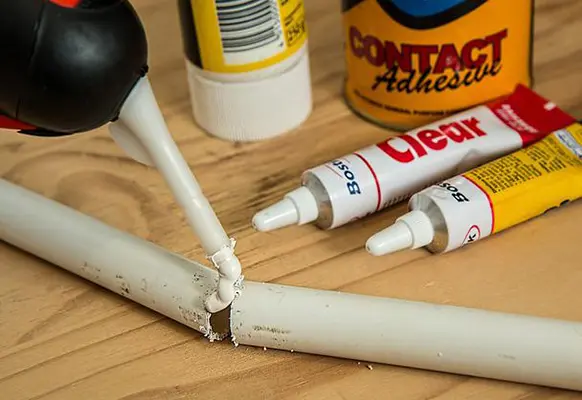 Adhesives & Sealants
Crosslinking agents that improve elasticity and adhesion in MS polymer joints.
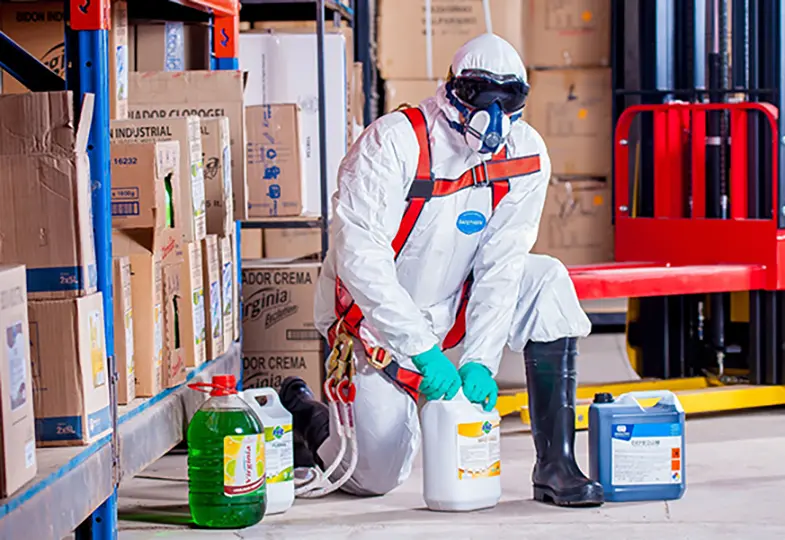 Paints & Varnishes
Improves pigment dispersion and enhances chemical resistance of cured coatings.
 Metal Pre-treatment
Eco-friendly primer alternative to traditional chromate conversion coatings.
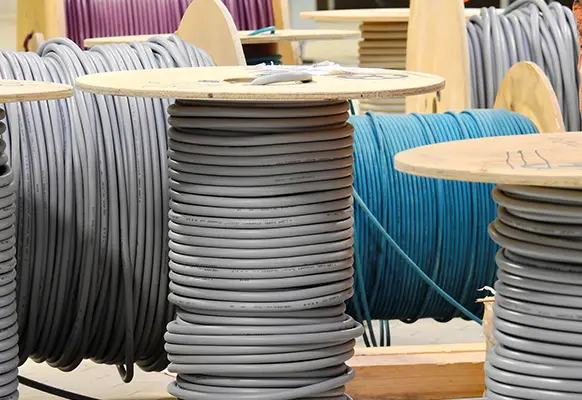 Wire & Cable Insulation
Facilitates silane-grafting in crosslinked polyethylene (XLPE) power lines.
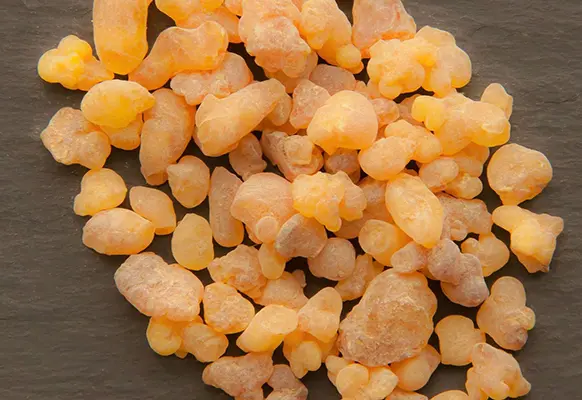 Resin Synthesis
Used as an end-capper or core monomer to modify polyester and acrylic backbones.
 Material Processing
Applied to stone surfaces and composite panels to enhance stain resistance.
 Wind Turbine Blades
Couples glass fibers within epoxy matrices, maximizing dynamic fatigue resistance.
 Biomedical Polymers
Biocompatible surface treatments for dental composites and implants.
 Textile Fiber Binding
Improves finish durability and dye affinity on natural and synthetic fibers.
 Mineral Filler Slurries
Pre-treats silica, kaolin, and talc to reduce slurry viscosity and improve dispersion.
Under humid conditions, water molecules can penetrate adhesive interfaces, replacing physical bonds and causing adhesion loss. Amino silanes form covalent siloxane (Si-O-Si) bonds with inorganic substrates. These covalent linkages are highly stable and resist hydrolytic cleavage, maintaining interfacial bond strength even in water-saturated environments.
Methoxy-based silanes (like APTMS) hydrolyze faster because the methoxy group is a better leaving group, making them suitable for fast-curing systems. However, they release methanol as a byproduct. Ethoxy-based silanes (like AMEO) hydrolyze more slowly and release non-toxic ethanol, making them the preferred choice for green building and automotive interior formulations.
Boctok utilizes state-of-the-art DCS automation across its Shouguang production lines. This system continuously monitors reaction parameters—such as feeding rate, reactor temperature, and distillation vacuum—minimizing human error. Additionally, we run comprehensive quality control checks (GC-MS, Karl Fischer moisture testing, and viscosity verification) on every batch before release.
Yes. Amino silanes can be introduced through integral blending or pre-treating the inorganic fillers. Integral blending is simpler to implement but requires compatibility verification to prevent premature gelation or reaction with the resin matrix before application.
 Boctok Chemical