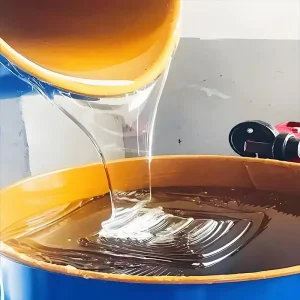
In the modern landscape of high-performance elastomers, Food Grade Liquid Silicone Rubber (LSR) has emerged as the premier choice for manufacturing high-precision components. Unlike solid silicone rubbers (HCR), LSR boasts a liquid state injection-molded format that yields exceptional product consistency, fast cycle times, and minimal human contact during production.
The transition from traditional thermoplastic elastomers to food-grade addition-curing liquid silicone rubber is driven by a global push toward safety, chemical inertness, and thermal resilience. Under strict regulatory paradigms—such as the FDA’s CFR Title 21 and Europe’s LFGB standards—elastomeric materials designed for food contact must demonstrate zero migration of harmful low-molecular-weight siloxanes. Platinum-cured systems fulfill these stringent mandates, creating a cross-linked structure free of toxic vulcanization by-products.
Addition-cured mechanisms ensure that no peroxide decomposition products are released. The reaction is clean, fast, and does not require complex venting processes to eliminate offensive odors or toxic gases, maintaining the physical integrity of food-contact surfaces.
With an extremely stable polydimethylsiloxane (PDMS) backbone, our food-grade LSR resists attack from acidic foods, fats, high alcohols, and common chemical CIP (Clean-in-Place) solvents, maintaining structural stability from -60°C to +230°C.
Designed for automated injection molding, this material exhibits classic shear-thinning behavior, reducing cycle times and enabling the high-volume replication of complex, thin-walled food-processing nozzles and components.
B2B buyers in multinational corporations face complex sourcing strategies when securing high-volume silicone rubber. Cost optimization is no longer the sole driver; quality assurance, supply chain resilience, and chemical pedigree dominate procurement criteria. In regions like North America, Europe, and Japan, regulatory bodies have shifted their focus toward volatile organic compounds (VOCs) and cyclic oligomers (D4, D5, D6 content), forcing manufacturers to present verifiable gas chromatography-mass spectrometry (GC-MS) testing profiles.
By establishing key hubs in strategic chemical zones, Shandong Boctok Chemical Co. addresses these demands through advanced automated DCS operations. We supply direct raw materials, silane coupling agents, and custom food-grade liquid silicone rubber formulations designed to meet custom rheology and Shore A durometer specifications.
Modern food-processing machinery demands more than basic heat resistance. Self-lubricating LSR, antimicrobial formulations, and color-coded materials are increasingly requested by global procurement groups. Our research and development focuses on optimizing compound structures to prevent micro-fissuring and operational wear, reducing machinery downtime and expanding operating envelopes.
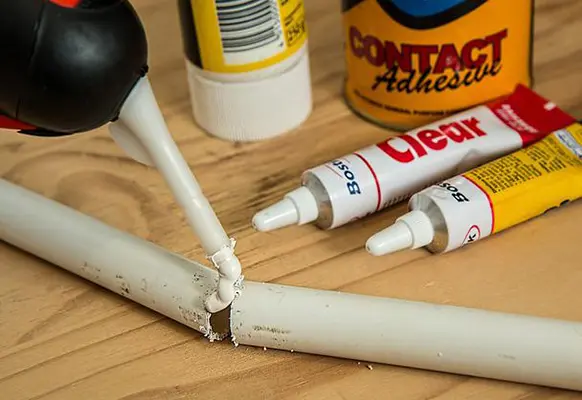
Additionally, the integration of silane coupling agents and crosslinkers from our core organosilicone portfolio provides unique composite properties, ensuring perfect adhesion to metal insert frames or thermoplastic bases without needing primers.
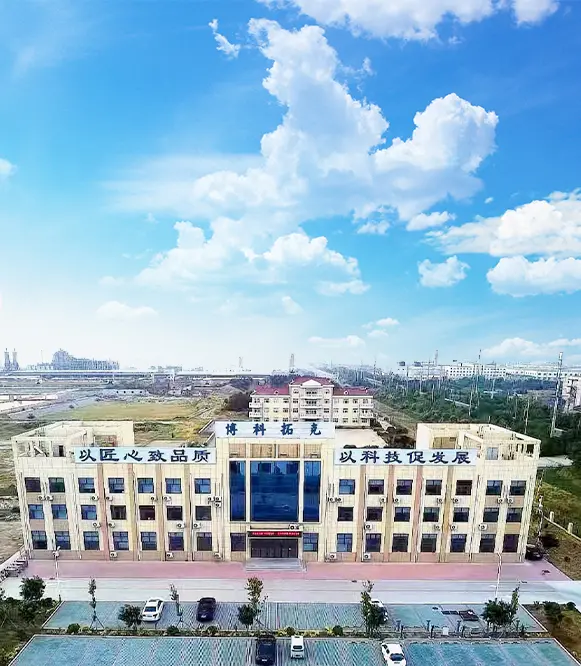
Shandong Boctok Chemical Co. was founded in 2012 as a marketing and sales center for Boctok™ domestic and overseas businesses and achieved sales of US$280 million in 2023. The BOCTOK brand specializes in serving the Russian market.
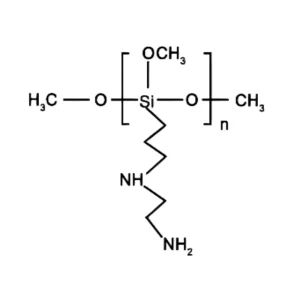
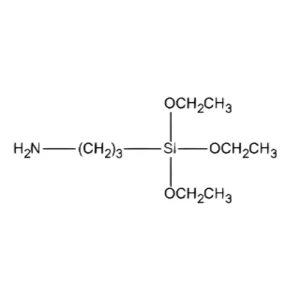
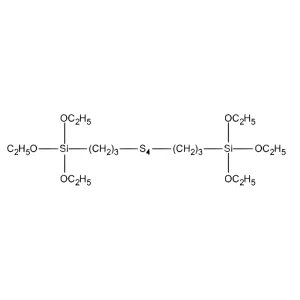
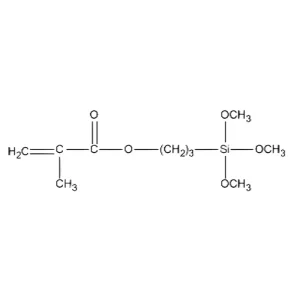
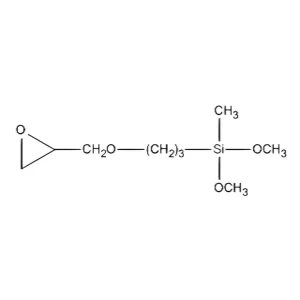
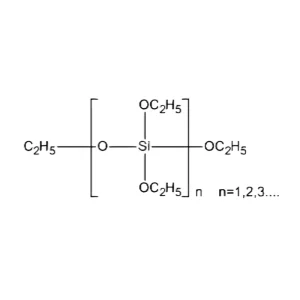
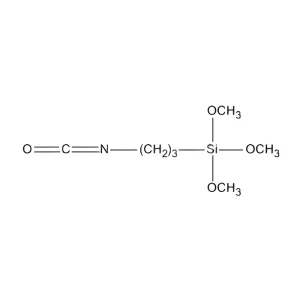
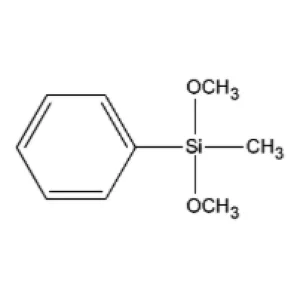
Boctok has three main product categories, the first core business of organosilicone covers twelve series of silane coupling agents and crosslinkers, including aminosilane, methacrylate silane, epoxy silane, vinyl silane, mercaptosilane, alkyl silane, ethyl silicate, chlorosilane, silane isocyanates, phenyl silane, ureidosilane and serosilane. Boctok also focuses on silicon oil, silicon resin, and silicon rubber, covering high-hydrogen silicone oil, dimethicone, vinyl silicone oil, polyphenylmethyldimethylsiloxane, phenyl silicone oil, silanol silicone oil and OH polymer, alkoxy silicone oil, methyl MQ resin, vinyl VMQ resin, room-temperature vulcanized methyl silicone rubber, 110 methyl vinyl silicone rubber, 120 methyl phenyl rubber. They are widely used in glass fiber, electronics, wind energy, daily necessities, chemical industry, coatings, adhesives, XLPE electric cables and hot water pipes, oil field drilling, textiles, rubber and molding, etc. to improve the quality and performance of the applied products.
Boctok's Tier II core business is petroleum resins. We have invested in a key hydrocarbon resin manufacturer in China. We currently have three operating hydrocarbon resin factories located in Zibo, Fushun, and Nanjing. Taking advantage of reliable and abundant raw materials from SINOPEC and PetroChina, our advanced production facilities, and our decades of marketing experience, our products are widely used by customers, including many Fortune 500 companies, in both domestic and overseas markets. These products include C9 hydrogenated resins, C5 hydrocarbon resins, C5 modified C9 hydrocarbon resins, C9 hydrocarbon resins, dicyclopentadiene, and methyl cyclopentadiene dimer.
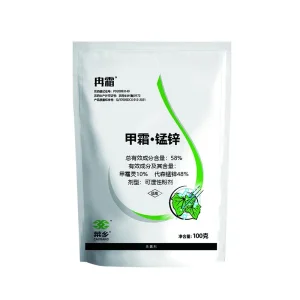
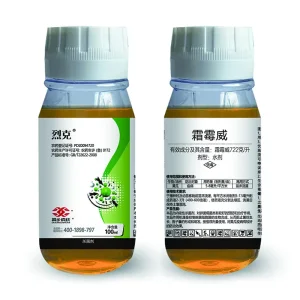
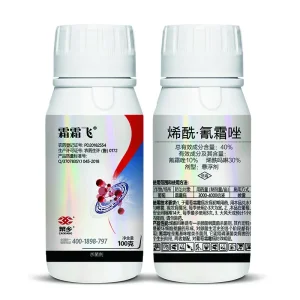
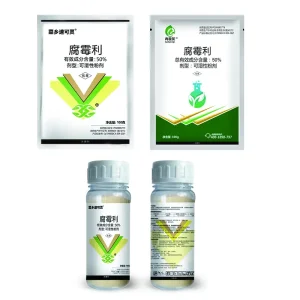
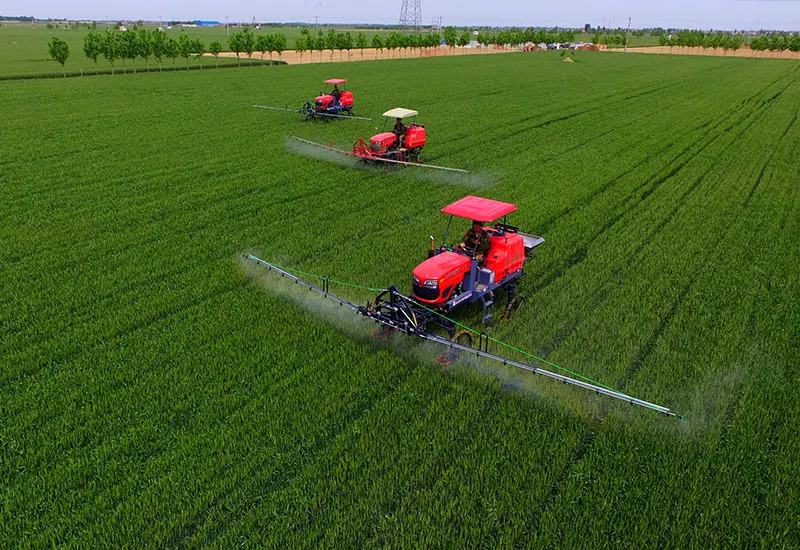
Boctok also focuses on the agrochemical industry. It produces intermediates and raw materials for the production of pesticides, fungicides, insecticides, seed treatments, herbicides, plant growth regulators, and more.

Our products undergo rigorous testing to ensure that every aspect meets the highest quality standards, using ISO9001 protocols throughout our process lines.

We have advanced production lines that allow us to effectively expand production capacity and meet the demand for mass customization.

Our professional team is available online 24 hours a day to provide attentive B2B service and answer all technical inquiries.

An optimized logistics system ensures fast order processing and timely delivery to customers, spanning multi-country trade corridors.
Boctok's products are sold throughout China and exported to North America, Europe, Japan, South Korea, Australia, South America, the Middle East, India, Southeast Asia, Russia, etc., enjoying the well-deserved trust of customers.
Boctok recently invested US$65 million to build a new plant located in Bohai Industrial Park, a provincial chemical industry park in Shouguang City, Shandong Province, to expand the production chain of silane coupling agents, with 6 automatic DCS production lines with an annual output of 30,000 tons of silane coupling agents.
The production lines in the new factory are equipped with automatic remote control system DCS, safety instrument system SIS and other safety equipment, ISO9001 quality management system standards are implemented throughout the process to ensure stable quality.
Treatment facilities have been built to protect the environment, including a waste gas collection and treatment system and a wastewater treatment system.
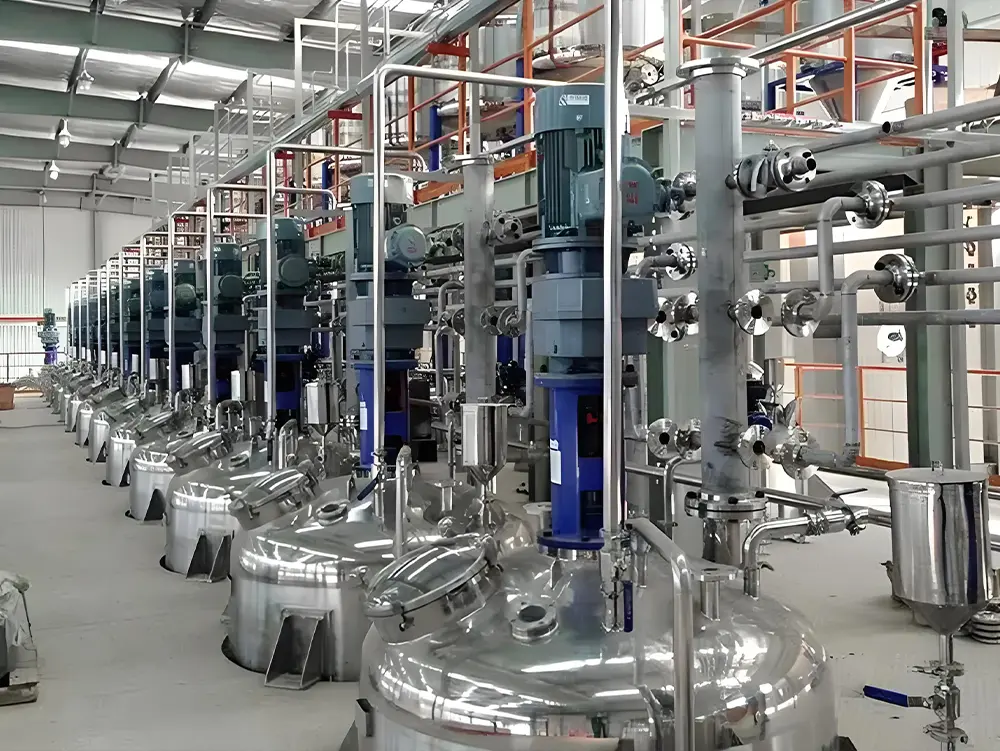
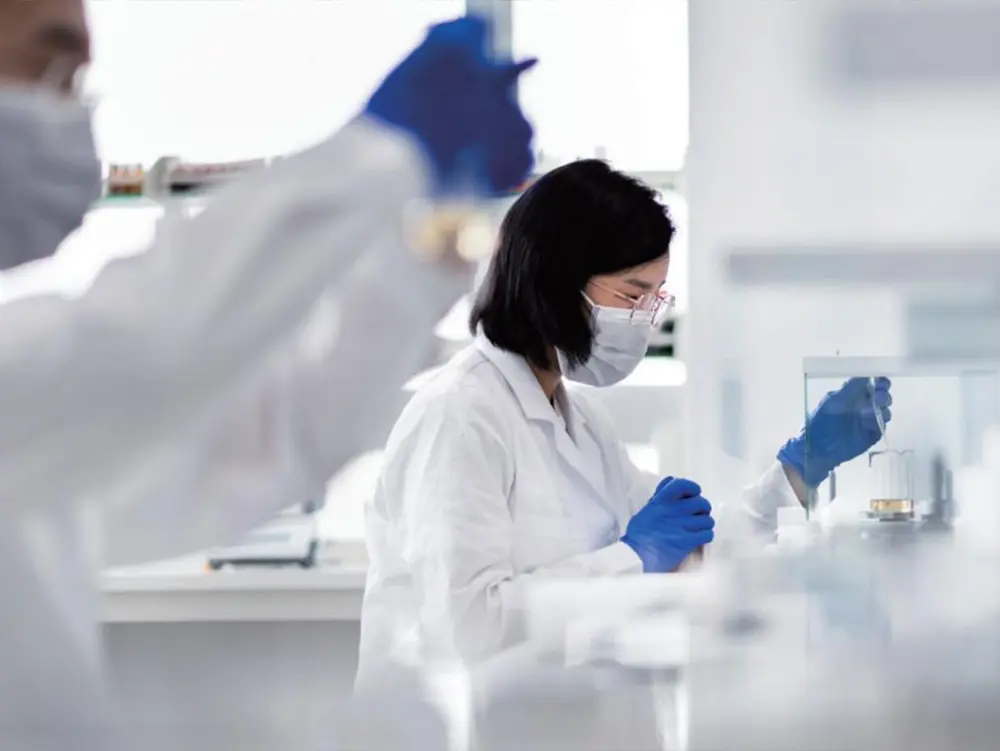
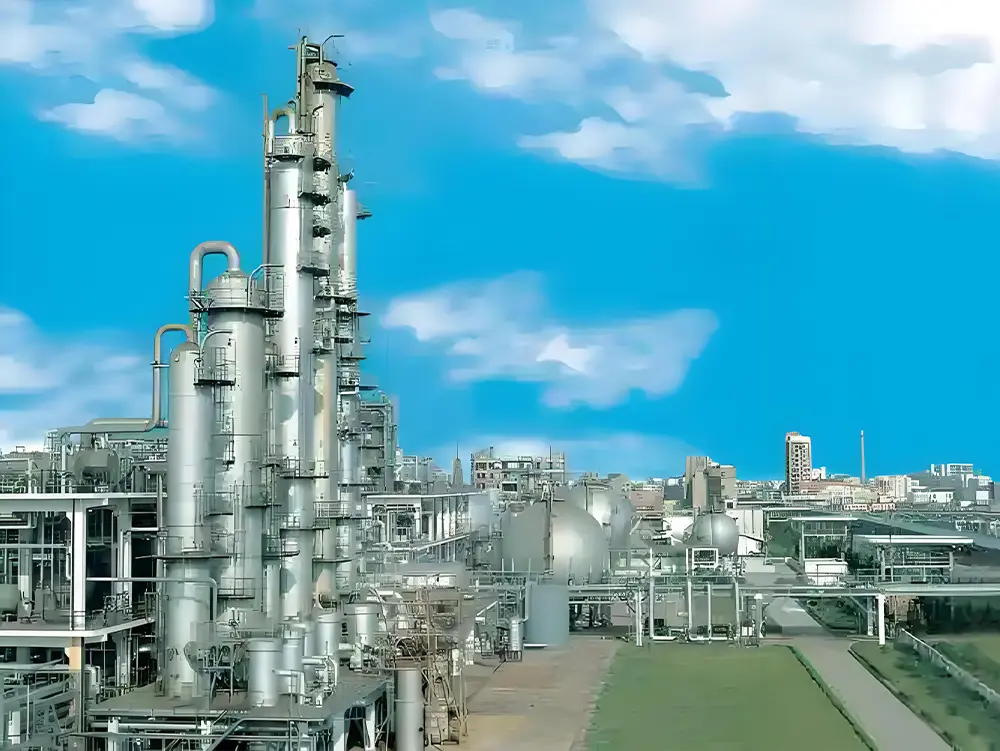
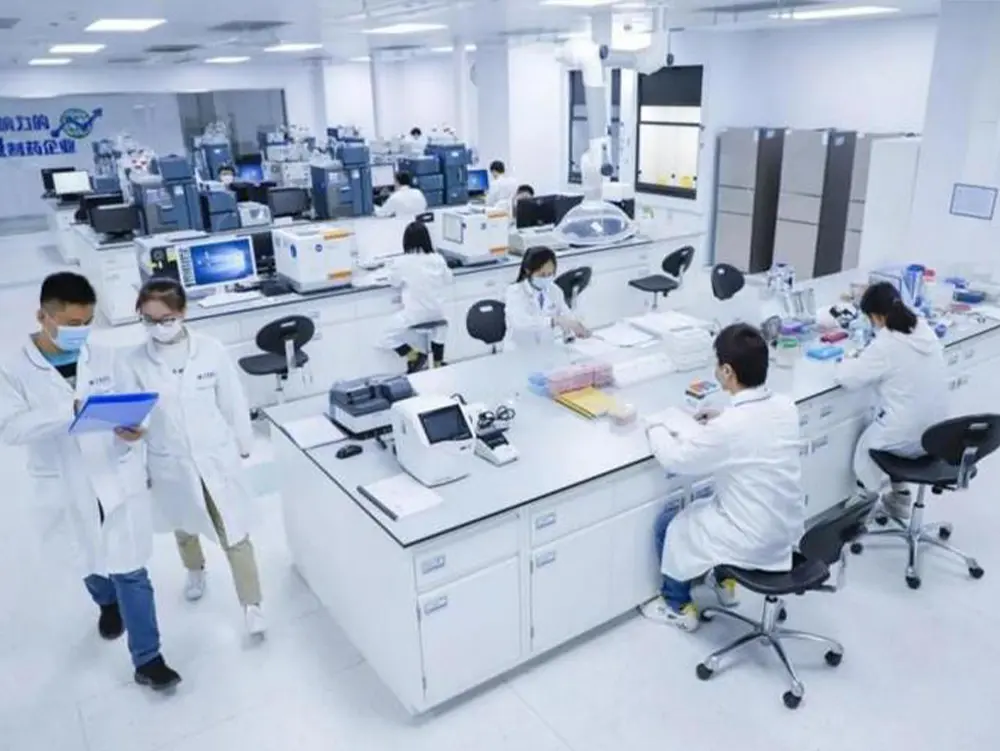
Boctok’s diverse chemical assets allow us to integrate silane chemistry, hydrocarbon resins, and food-grade elastomers across multiple manufacturing domains. The table below represents our core industry applications and their specific technological classifications.
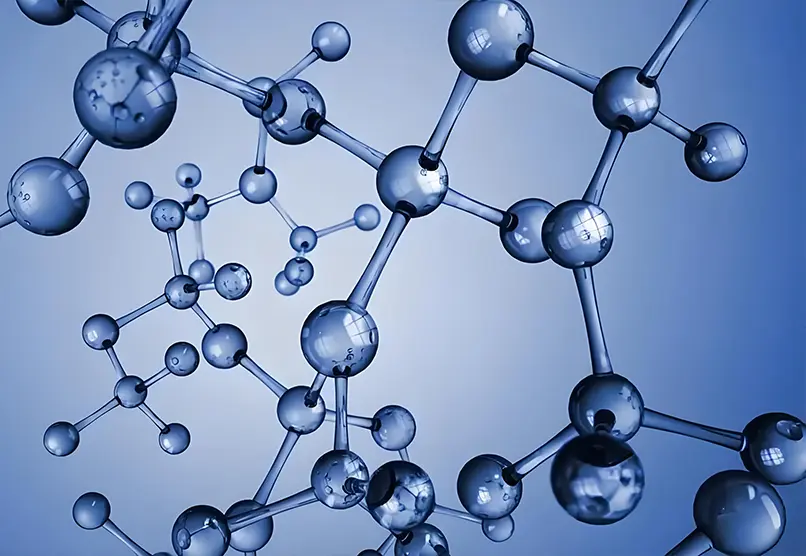
Providing functional silanes and high-purity crosslinkers for advanced synthetic compounds.
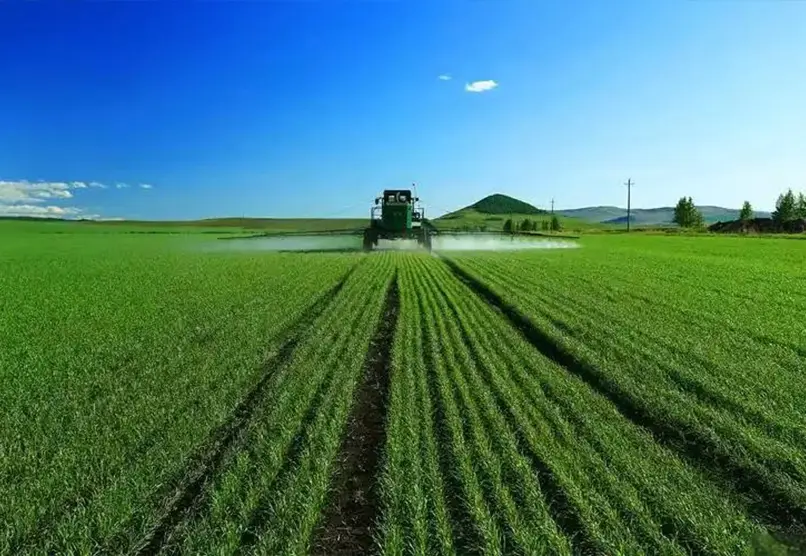
Agrochemical intermediate synthesis with high biological activity control.
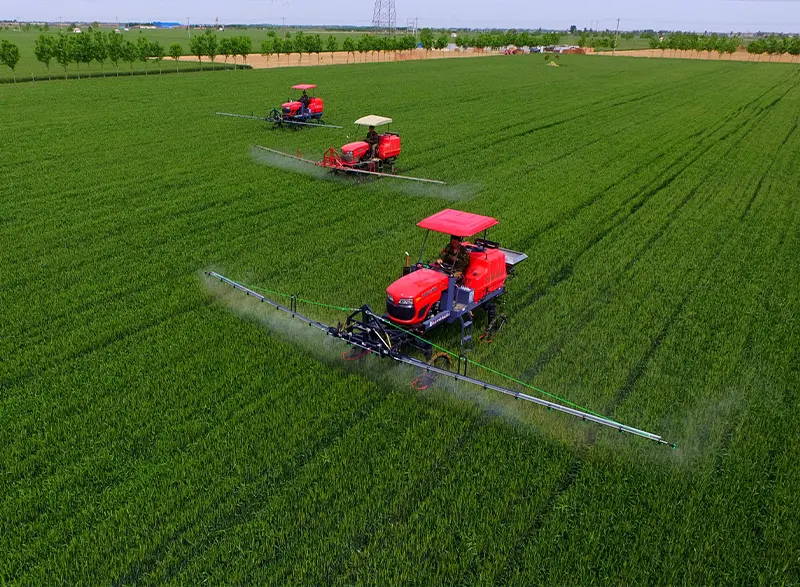
Optimizing surface tension and soil coverage using customized chemical additives.
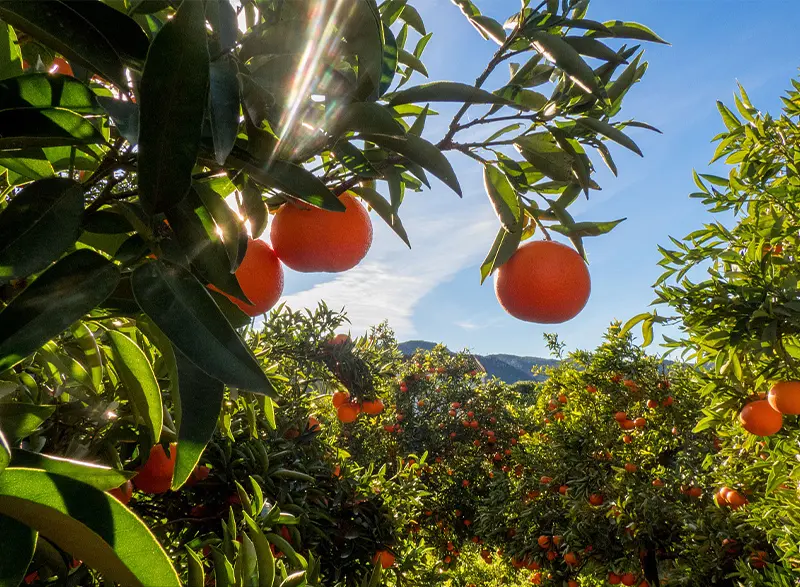
Targeted solutions for horticultures, protecting melon and fruit crops from fungal strain threats.

Optimizing wet dispersion profiles of foliar sprays across diverse botanical surfaces.
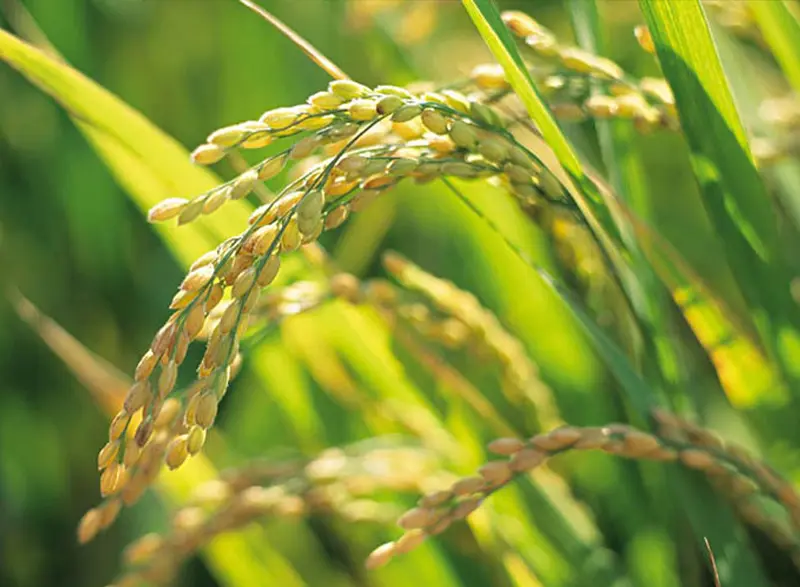
Improving treatment persistence under rainfall conditions through robust formulation chemistry.
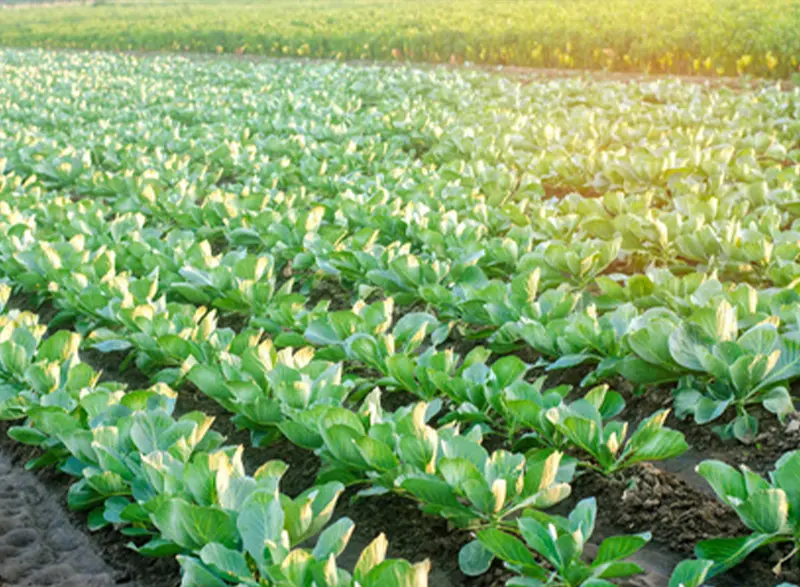
Sustainably developed chemical intermediates with low environment burden metrics.
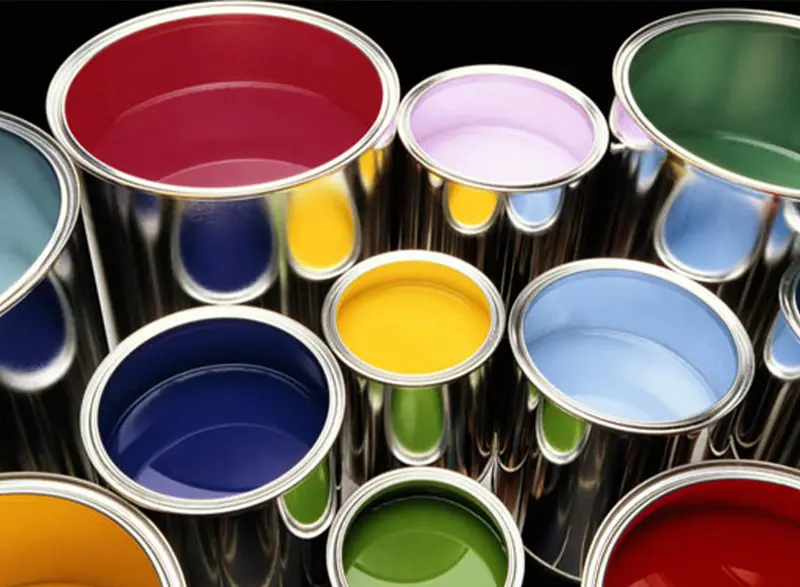
Improving adhesion and hardness in architectural coatings and road marking paint systems.
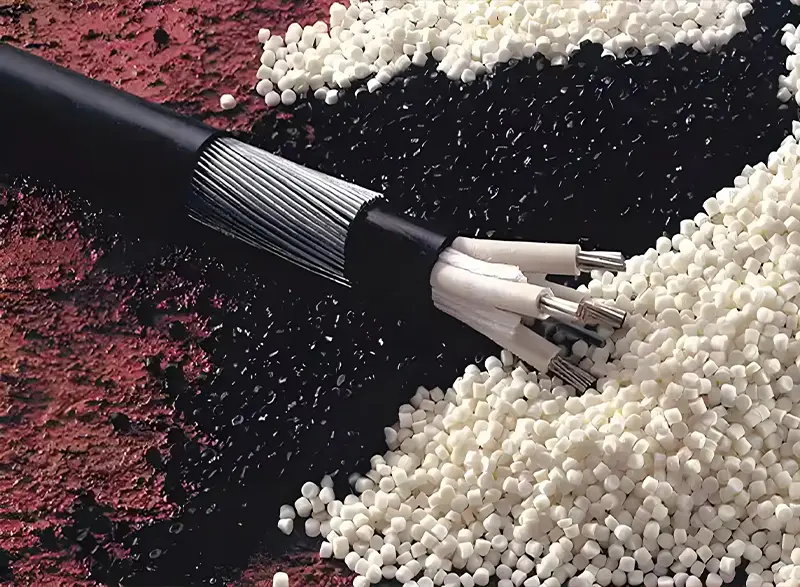
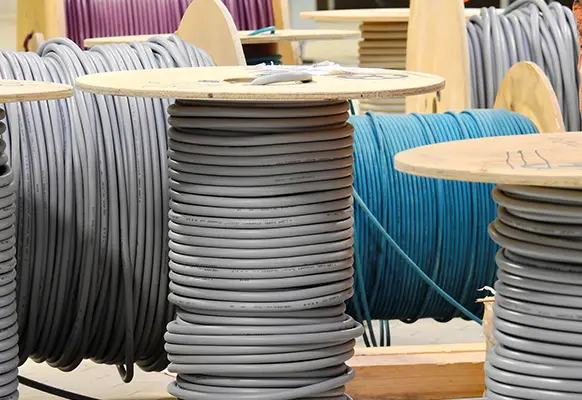
High-voltage cable insulations and flame retardant silicone molding solutions.
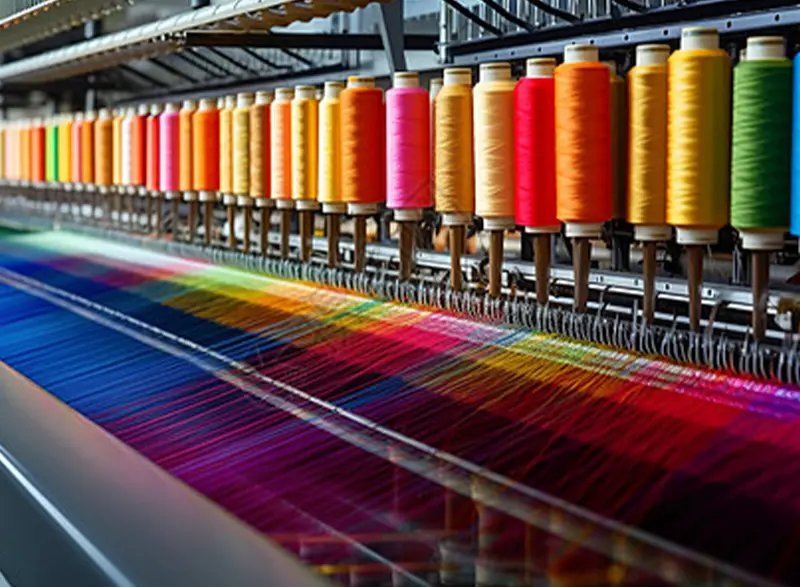
Imparting excellent softness, hydrophobicity, and mechanical drape to woven materials.
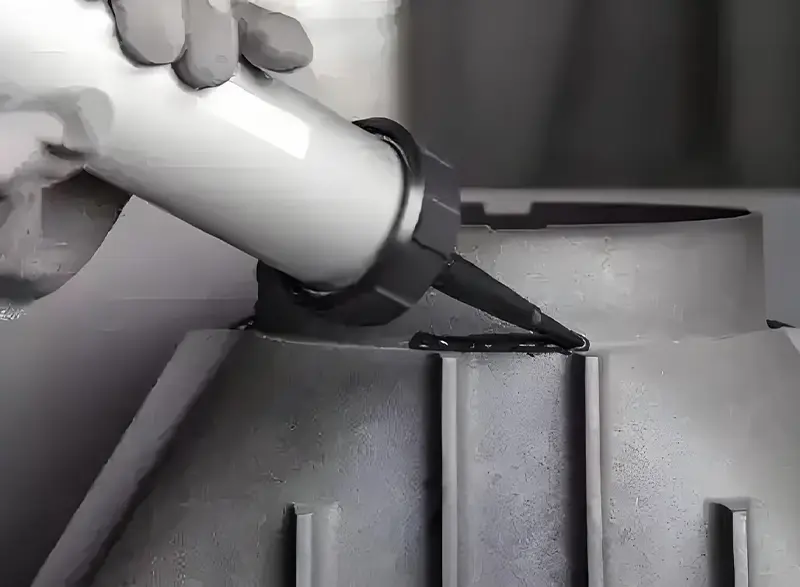
Formulating high tack structural sealants for construction and industrial bonding.
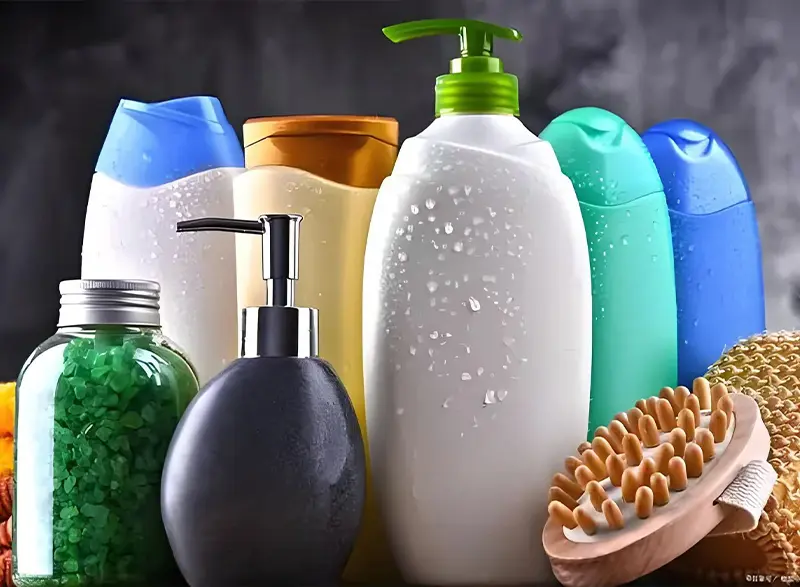
Enhancing formulation sensory performance in personal care, hair care, and cosmetics.
Leveraging advanced hydrocarbon resins and cross-linking siloxanes, our customized solutions address heavy-duty industrial needs. From medical device sealing to self-lubricating automotive connectors, our materials are built to withstand extreme challenges.



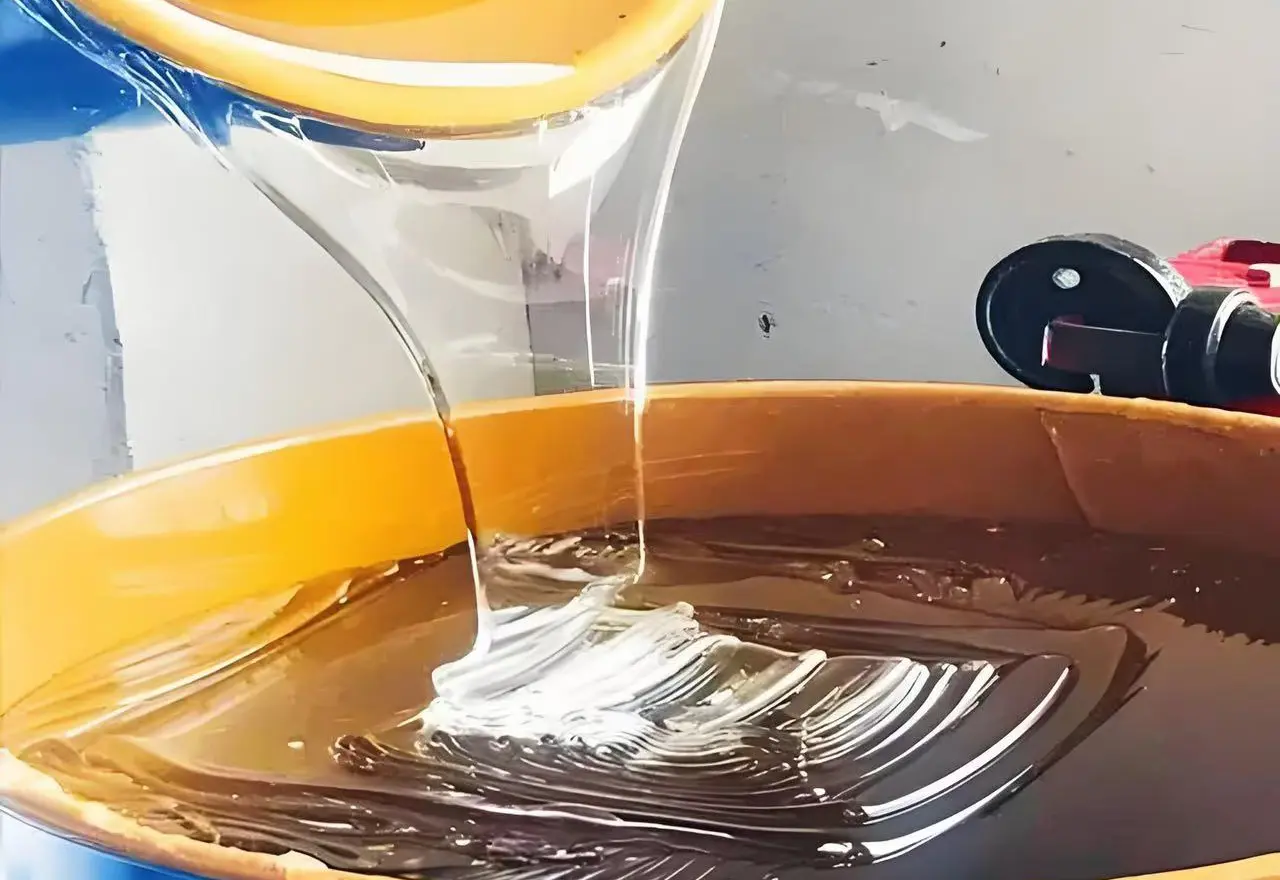

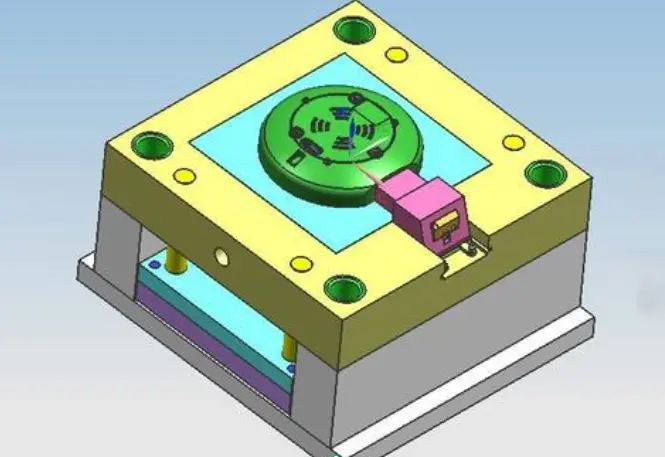







The future of food-grade liquid silicone rubber points toward zero-volatile formulations and automated co-injection molding (2K technology). High-volume production demands materials that cure rapidly at lower temperatures to preserve delicate plastic substrates during overmolding. Furthermore, addressing the stringent European Chemical Agency (ECHA) requirements on siloxane rings (D4/D5/D6 concentration < 0.1% w/w) remains our ultimate quality standard.
Continuous circulation ovens operating at 200°C for 4 hours guarantee the total removal of residual low-molecular weight siloxanes. This process drives down the overall volatile organic content to levels below 0.5% weight, ensuring absolute safety in food-contact materials.
By integrating customized organosilicon coupling agents directly into the LSR formulation, we are developing systems that build high adhesion bonds to substrates like polyamide and polycarbonate during the vulcanization step, cutting production steps.
Through finite element flow simulations, we optimize viscosity curves under high shear rates, helping B2B injection molders minimize flash, avoid air traps, and reduce mold maintenance frequency by up to 35%.
Explore answers to technical engineering and regulatory compliance questions that global B2B procurement professionals ask.
 Boctok Chemical