In the field of high-performance materials, the demand for superior mechanical properties, environmental resistance, and substrate adhesion has driven the development of advanced interface modifiers. Among these, the Epoxy Silane Crosslinking Agent stands out as a critical bifunctional molecule. It forms a chemical bridge between inorganic materials (such as glass, silica, minerals, and metals) and organic polymers (such as epoxies, polyurethanes, acrylics, and engineering plastics).
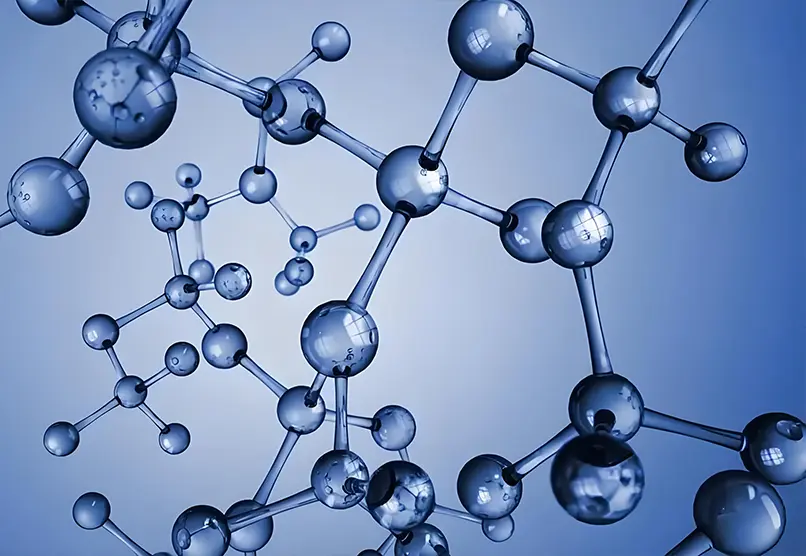
The unique mechanism of epoxy silanes lies in their chemical structure, typically featuring a highly reactive glycidoxy ether group on one end and hydrolyzable alkoxy groups (methoxy or ethoxy) on the other. This structure allows dual-mode reactivity: the epoxy ring undergoes ring-opening reactions with amine, hydroxyl, carboxyl, or anhydride groups in polymers, while the alkoxy groups hydrolyze in the presence of moisture to form silanols, which subsequently condense with inorganic hydroxyl groups.
Shandong Boctok Chemical Co. has established itself as an authoritative leader in this technological space. Founded in 2012 as a global marketing and sales center, our brand has achieved a milestone sales volume of US$280 million in 2023. Through persistent research and development, we specialize in high-demand markets including the Russian Federation, Europe, North America, the Middle East, and Southeast Asia, offering robust localization and tailored structural solutions.
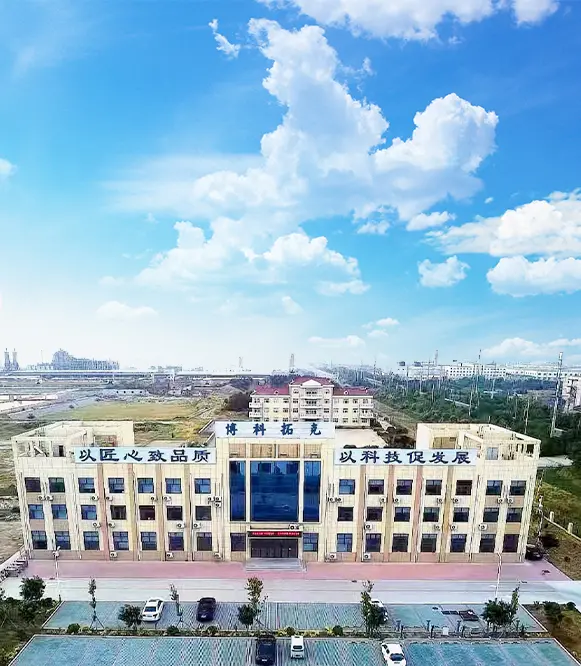
Boctok recently invested US$65 million to build a brand new manufacturing plant located in the Bohai Industrial Park, a highly regulated, provincial-level chemical industry park in Shouguang City, Shandong Province. This facility expands our capability to supply high-purity silane coupling agents on a massive scale.
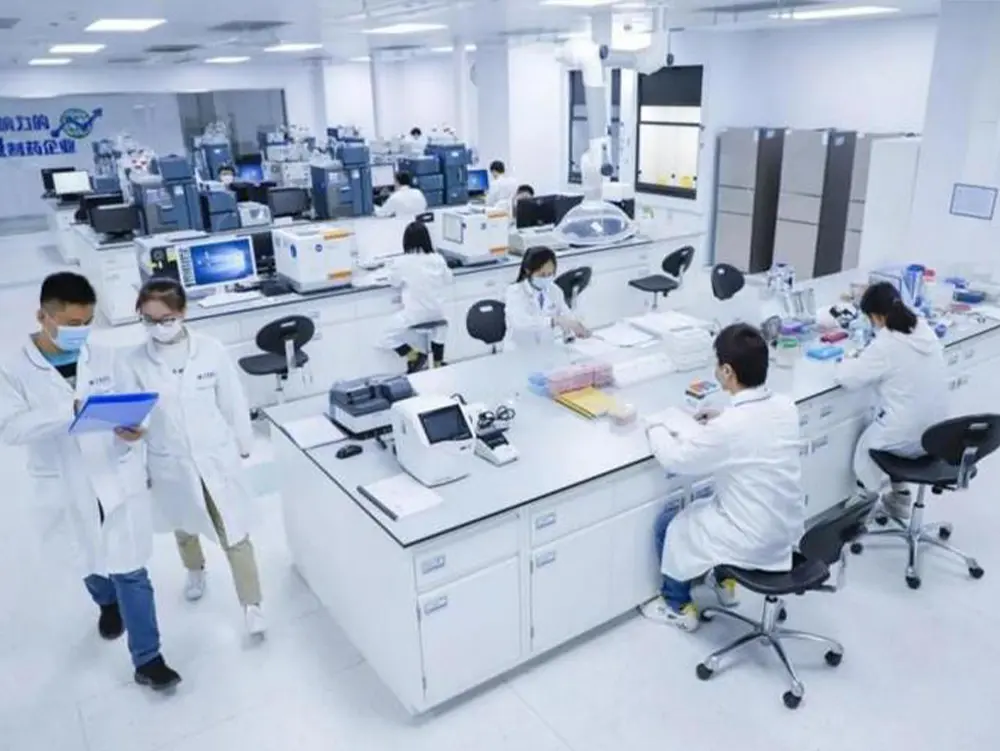
Our new production site features 6 state-of-the-art automatic Distributed Control System (DCS) lines alongside specialized Safety Instrumented Systems (SIS). These systems ensure rigorous safety operations, process stability, and consistent product chemistry. This technological foundation allows us to maintain a stable output of 30,000 tons of silane coupling agents annually.
Partnering directly with Chinese petrochemical giants like SINOPEC and PetroChina guarantees a reliable supply of raw chemicals, insulating our global partners from downstream price volatility.
Every production batch is certified under ISO9001 and ISO14001, adhering to environmental regulations like gas recycling thermal oxidizers and advanced zero-discharge wastewater processing.
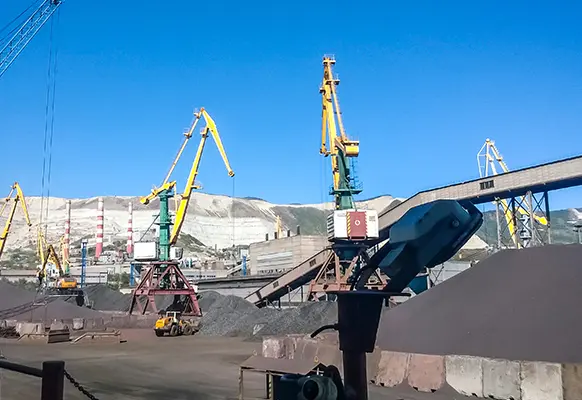
Close proximity to major international ports like Qingdao and Tianjin enables rapid export routes to North America, Western Europe, Southeast Asia, and Russia.
Epoxy silane crosslinking agents are typically classified based on their functional reactivity and the nature of their alkoxy leaving groups. Below is a comparison detailing key differences and recommended industry applications.
| Chemical Identity & CAS No. | Active Group Type | Primary Substrate Affinities | Core Application Fields |
|---|---|---|---|
| 3-Glycidoxypropyltrimethoxysilane (CAS 2530-83-8) | Epoxy / Methoxy | Glass fibers, Silica fillers, Steel, Aluminum | High-solids coatings, structural adhesives, encapsulants |
| 3-Glycidoxypropylmethyldiethoxysilane (CAS 2897-60-1) | Epoxy / Ethoxy (Slow Hydrolysis) | Inorganic oxides, Quartz fillers | Waterborne sealants, architectural coatings, dental materials |
| Beta-(3,4-Epoxycyclohexyl)ethyltrimethoxysilane (CAS 3388-04-3) | Alicyclic Epoxy / Methoxy | High-aspect inorganic fibers, Alumina, Slate | UV-cured electronic polymers, composite insulators |
Boctok operates across three complementary divisions, allowing us to leverage raw materials, streamline R&D, and provide broad compatibility across diverse applications.
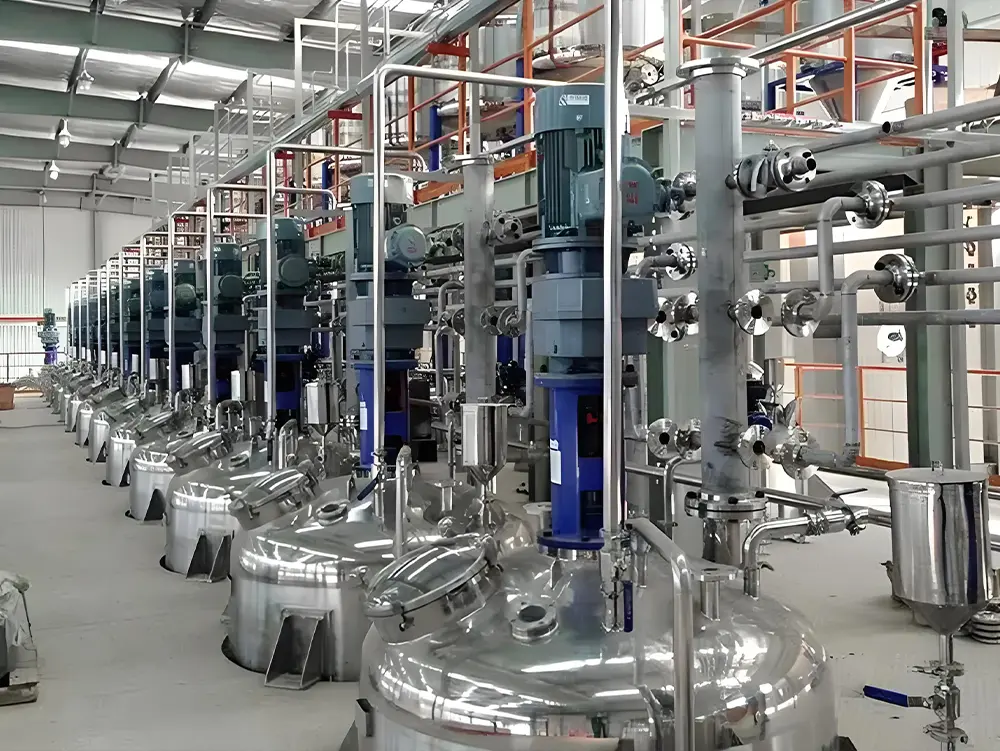
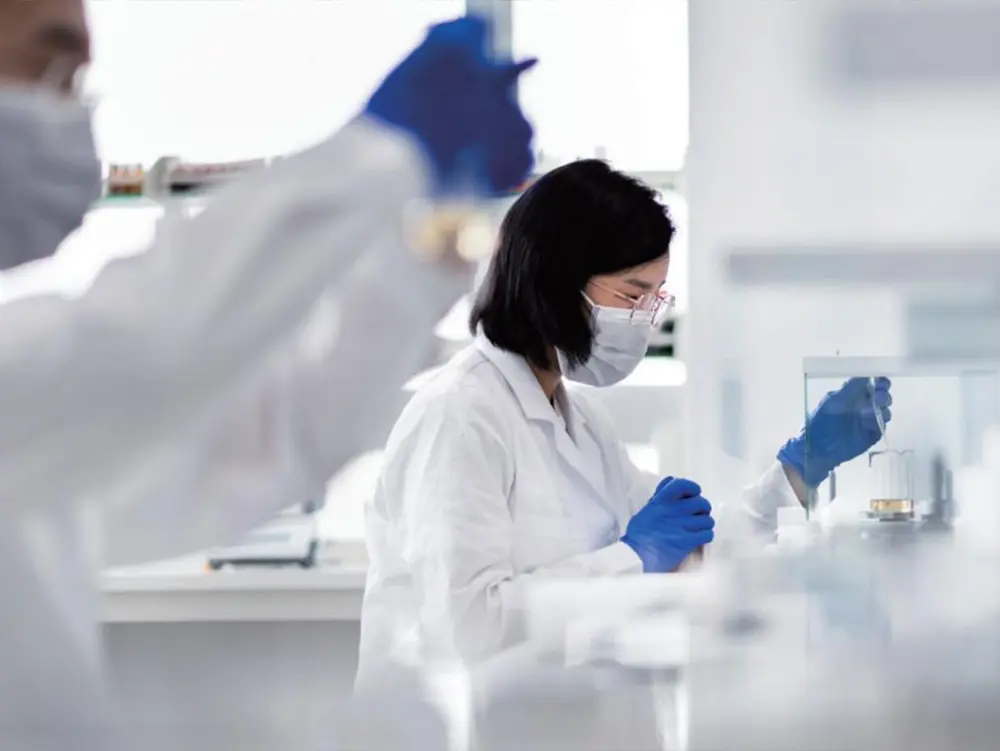
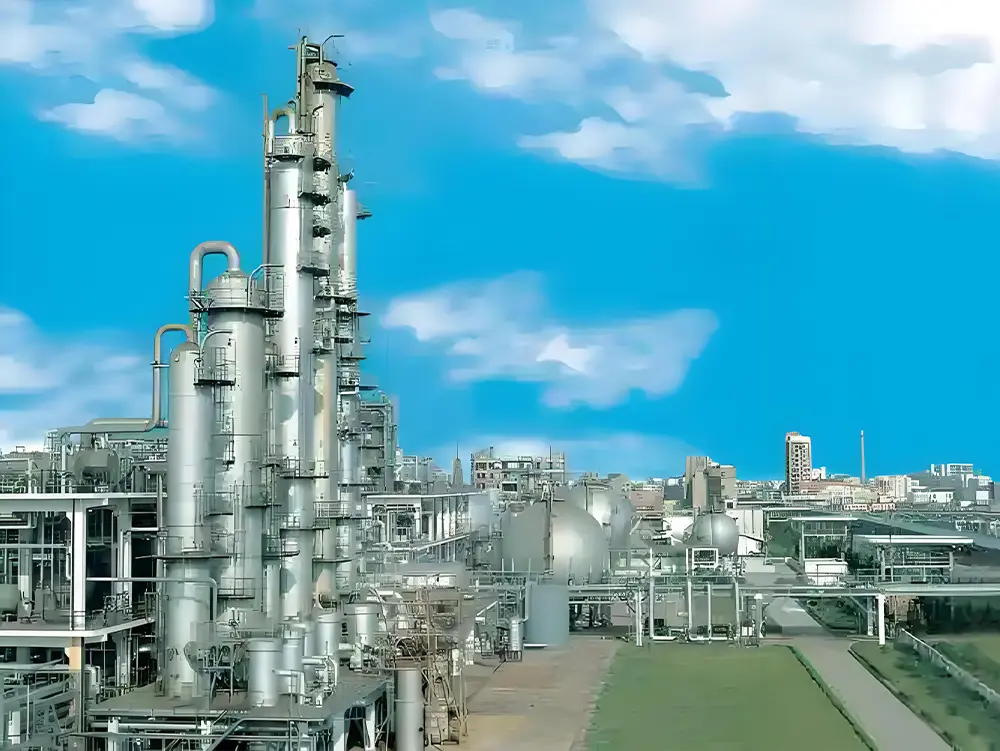
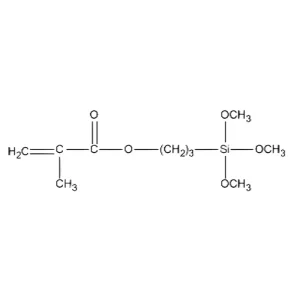
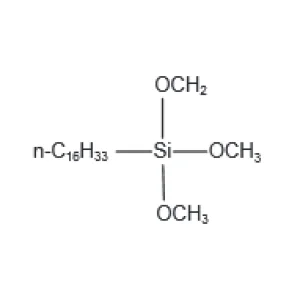
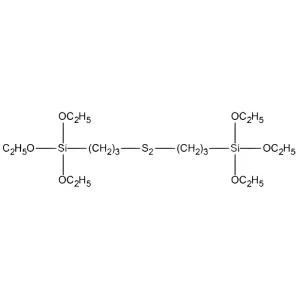
Covers 12 functional series, including aminosilanes, methacrylates, epoxies, vinyls, mercaptosilanes, alkyls, ethyl silicates, and specialty polymers like phenyl silicone rubbers and vinyl VMQ resins.
Produced at our plants in Zibo, Fushun, and Nanjing. We refine high-grade C5 and C9 hydrogenated resins, which are widely utilized by Fortune 500 companies in adhesives, hot-melt markings, and inks.
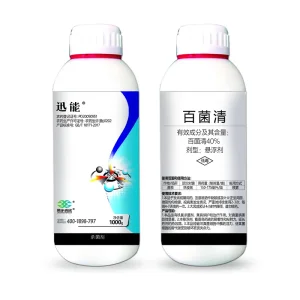
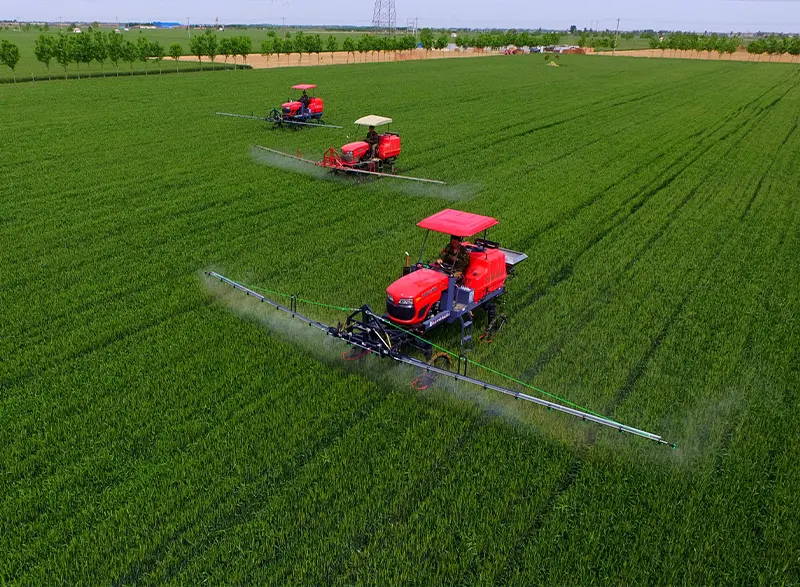
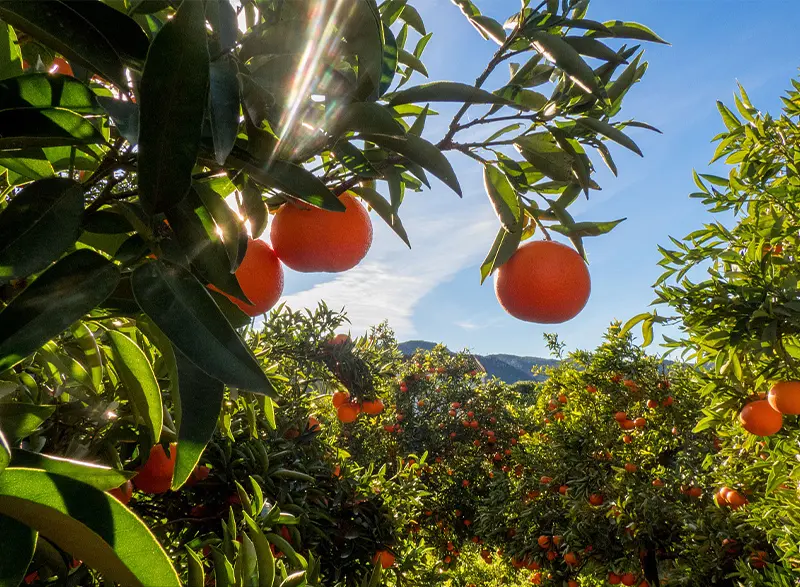
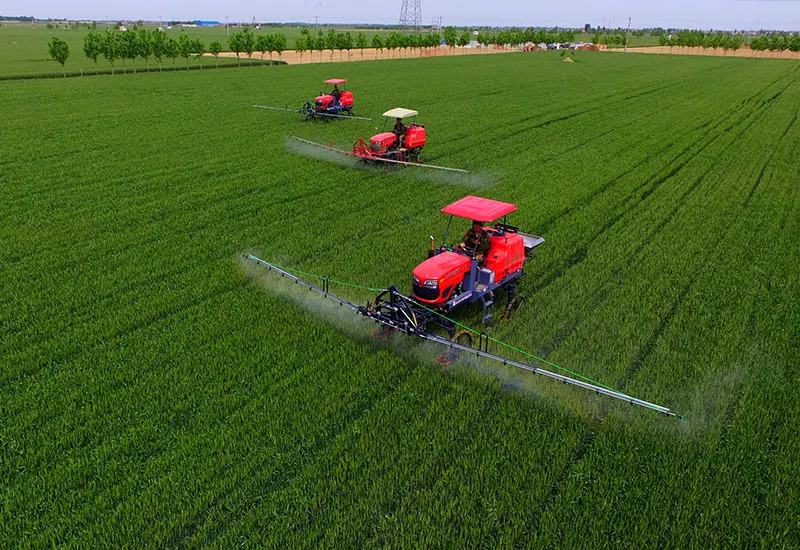
Focuses on producing key active intermediates, crop-protection formulations, herbicides, fungicides, and seed treatment additives for sustainable global agriculture.

The international organosilicone market is transitioning toward environment-friendly formulations. Epoxy silanes are key to this shift, playing vital roles in:
Additionally, the rapid expansion of wind energy requires epoxy silanes to reinforce wind turbine blades, enhancing fatigue resistance and preventing moisture ingress under harsh offshore conditions.

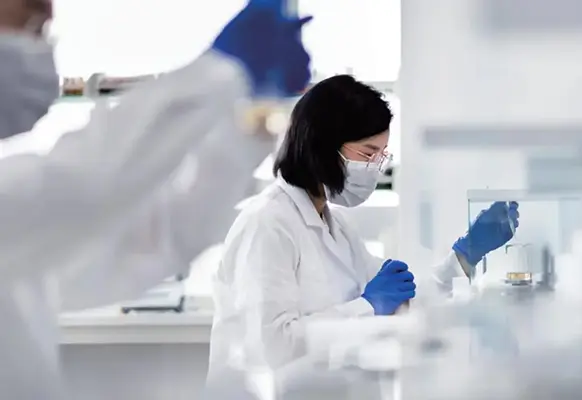
Our products undergo rigorous testing to ensure that every aspect meets the highest quality standards.

We have advanced production lines that allow us to effectively expand production capacity and meet mass customization.

Our professional team is available online 24 hours a day to provide attentive service and answer all your questions.

An optimized logistics system ensures fast order processing and timely delivery to customers.
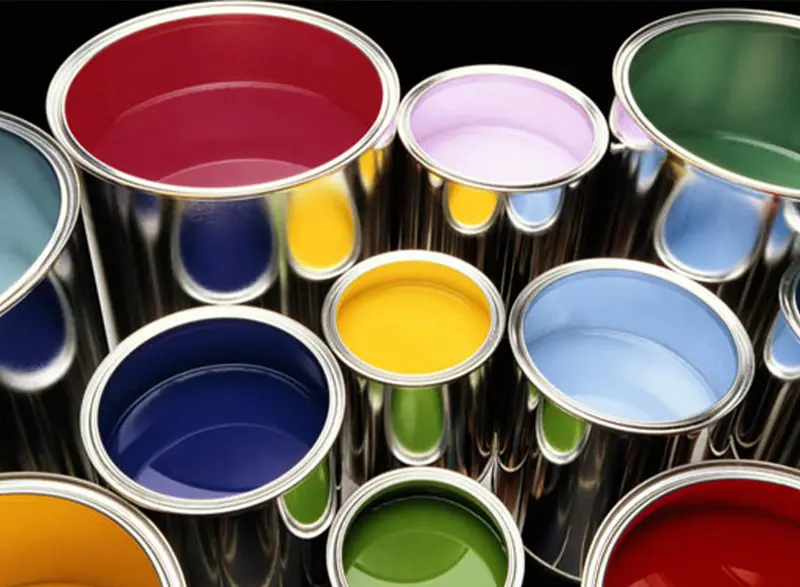
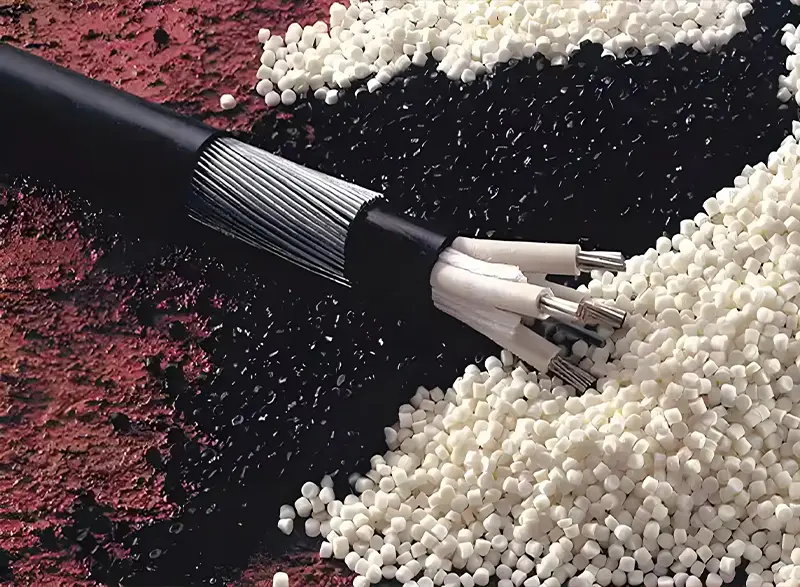
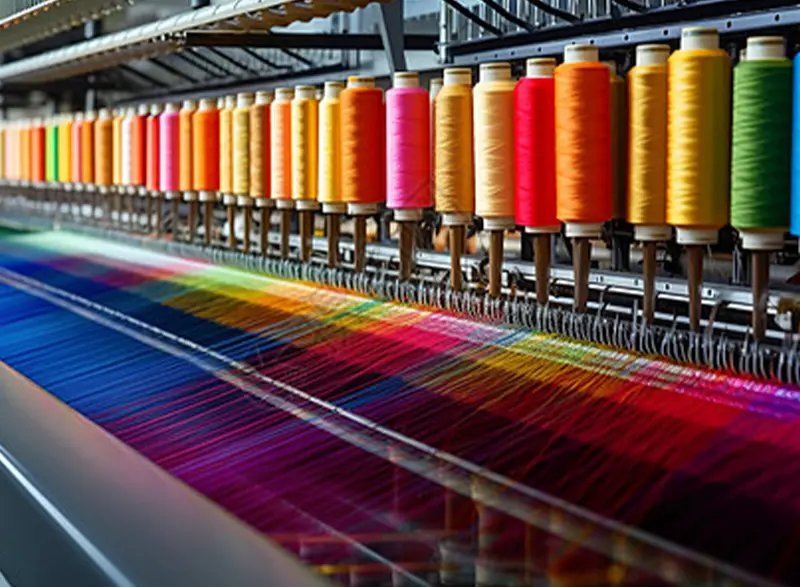
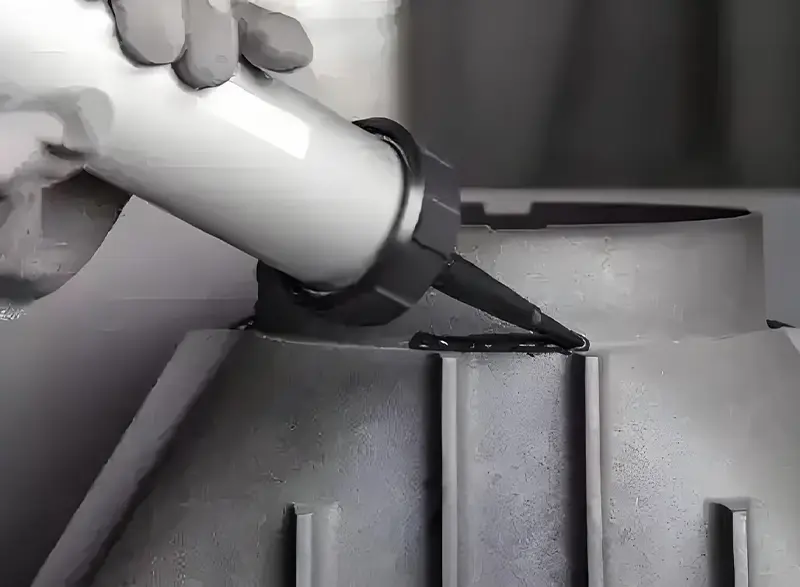
Our materials find wide application in critical global industrial sectors, ensuring physical stability and chemical resistance.




Operating in international markets requires rigorous adherence to regional chemical regulations. Shandong Boctok Chemical Co. maintains updated registrations to facilitate seamless cross-border supply chains.
Full EU REACH registrations for key silanes, minimizing administrative delays for our European partners.
EPA-compliant formulations registered under TSCA, facilitating safe integration into US automotive and industrial manufacturing.
Bilingual technical data sheets (TDS), safety data sheets (SDS) under GHS standards, and localized logistics support.
By establishing local warehousing in key economic hubs, we maintain safety stock levels for large-scale manufacturers. This ensures stable production lines even during periods of ocean freight volatility.










 Boctok Chemical
![Famous Bis-[3-(trimethoxysilyl)-propyl]amine CAS 82985-35-1](https://site.cdnfile.io/www.boctoksilicone.com/b7a8c47713f462756c9e61cb65cea17f300_300.webp)