Premium grade silicone oils, crosslinkers, and specialized chemical solutions engineered for global standards.
Liquid Silicone Rubber (LSR) has revolutionized modern engineering, but the emergence of Colorless Transparent LSR (liquid optical silicone) has created an entirely new paradigm. Historically, optical applications relied heavily on glass or thermoplastic resins such as PMMA (polymethyl methacrylate) and PC (polycarbonate). While these materials offer high clarity, they struggle under high thermal loads, physical stress, and intense UV exposure.
Colorless Transparent LSR addresses these historical vulnerabilities. Characterized by its highly cross-linked siloxane backbone (Si-O-Si), this polymer yields an unprecedented combination of optical clarity (exceeding 92% light transmittance), high Abbe number (~56), and mechanical flexibility. Key global industries, including automotive LED matrices, VR/AR displays, biomedical sensors, and optoelectronics, are rapidly replacing rigid substrates with transparent LSR. As a leading manufacturer, Shandong Boctok Chemical Co. supports this shift by producing high-purity organosilicon complexes that serve as precursors and modifiers for these advanced elastomer formulations.
Information Gain Metric: Standard thermoplastics fail above 85°C, resulting in yellowing and micro-cracking. In contrast, optical-grade Colorless Transparent LSR maintains high transparency (wavelengths 380nm-800nm) and mechanical stability at continuous temperatures exceeding 150°C, providing a highly reliable solution for high-power LED systems.
An in-depth look at the chemical engineering that prevents yellowing and optimizes refractive index parameters.
Unlike condensation-cure systems that release volatile organic compounds (VOCs) or water, colorless optical LSR utilizes a platinum-catalyzed addition-cure (hydrosilylation) mechanism. Vinyl-functionalized polydimethylsiloxanes react directly with hydride-functional siloxanes, yielding zero byproducts. This reaction prevents micro-void formation and maintains high physical density, which is critical for optical applications.
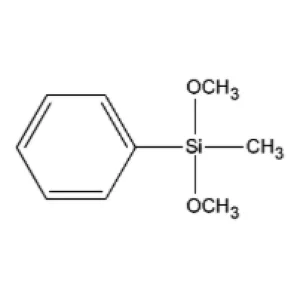
By strategically substituting methyl groups with phenyl groups on the siloxane chain, manufacturers can alter the material's refractive index. A standard methyl-based silicone oil (e.g., dimethicone) has a refractive index of approximately 1.40. Introducing phenyl units increases the index to 1.54 or higher, which helps minimize reflection loss at interface boundaries.
Thermal and UV-induced yellowing in silicone occurs due to residual catalyst reactions and impurities. Modern production lines utilize high-purity silane coupling agents and crosslinkers to eliminate trace metal contamination, ensuring that the cured elastomer maintains its optical clarity over its service life.
Shandong Boctok Chemical Co. (BOCTOK™ brand) specializes in supplying advanced silicone polymers, silanes, and hydrocarbon resins to global markets.
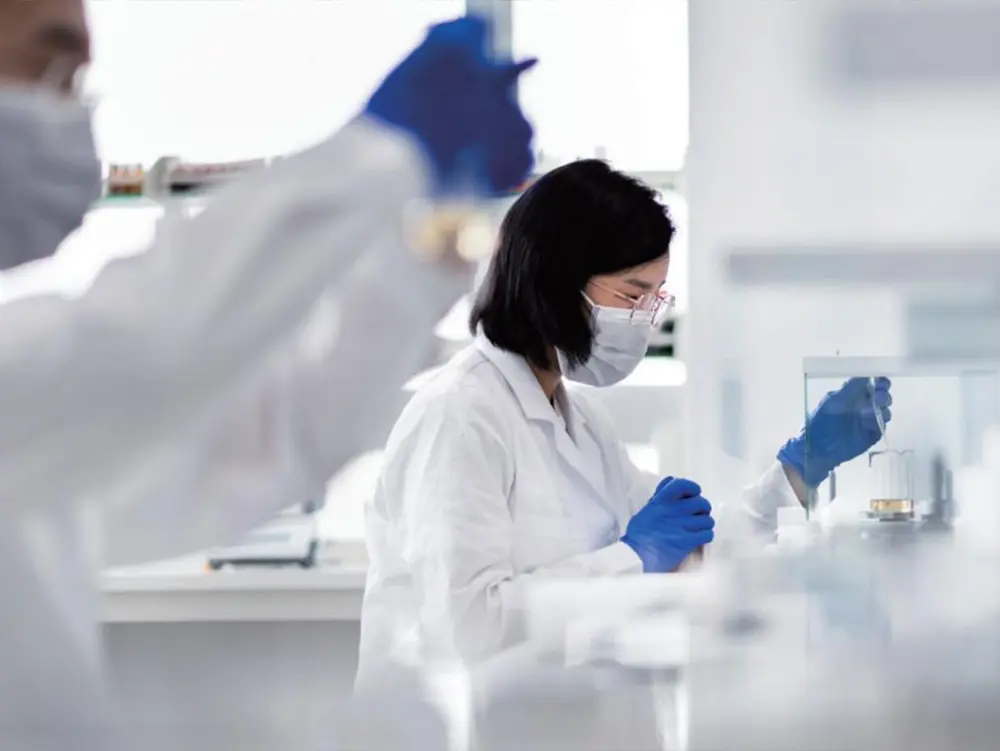

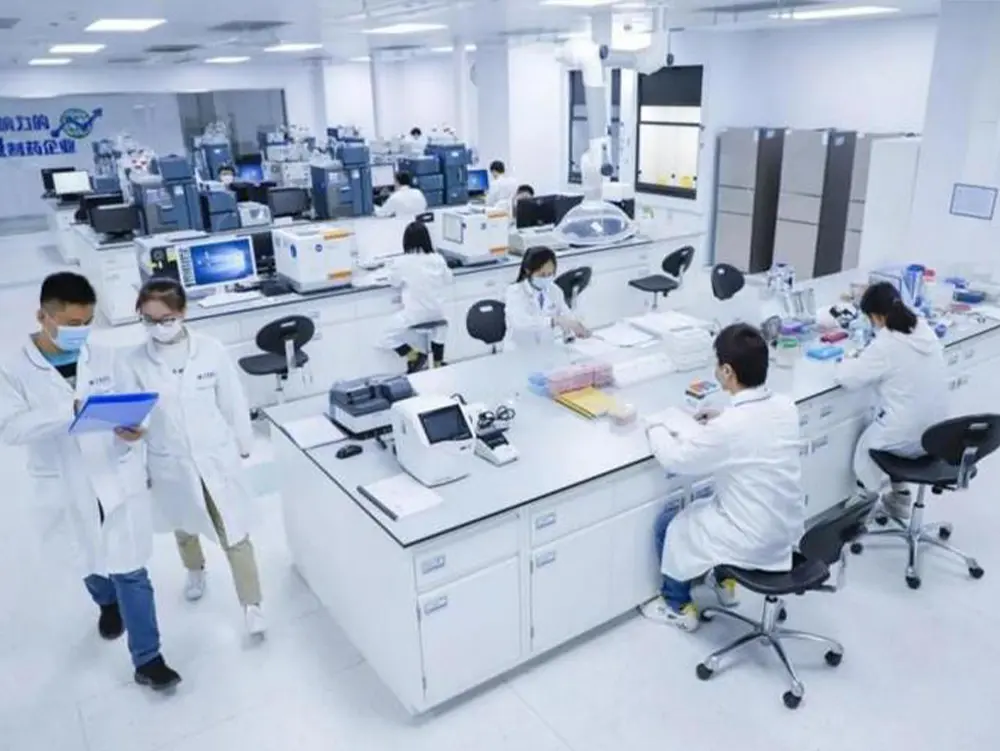
Shandong Boctok Chemical Co. was founded in 2012 as a marketing and sales center for Boctok™ domestic and overseas businesses, achieving sales of US$280 million in 2023. The BOCTOK brand specializes in serving the Russian market and global logistics chains, delivering custom solutions across diverse sectors.
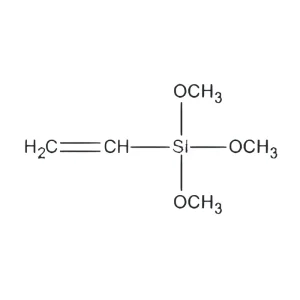
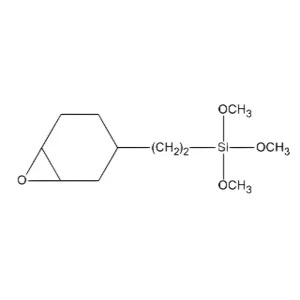
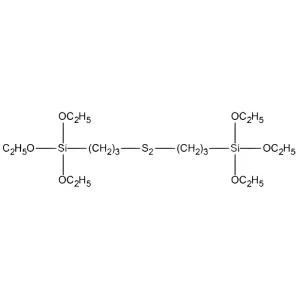
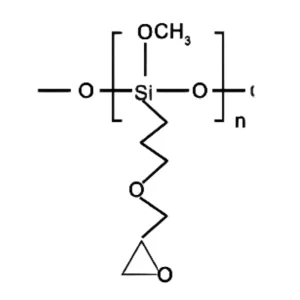
Our core organosilicone business covers twelve series of silane coupling agents and crosslinkers, including aminosilane, methacrylate silane, epoxy silane, vinyl silane, mercaptosilane, alkyl silane, ethyl silicate, chlorosilane, silane isocyanates, phenyl silane, ureidosilane, and serosilane. Boctok also focuses on silicone oil, silicone resin, and silicone rubber, covering high-hydrogen silicone oil, dimethicone, vinyl silicone oil, polyphenylmethyldimethylsiloxane, phenyl silicone oil, silanol silicone oil, OH polymers, alkoxy silicone oil, methyl MQ resin, vinyl VMQ resin, room-temperature vulcanized methyl silicone rubber, 110 methyl vinyl silicone rubber, and 120 methyl phenyl rubber.
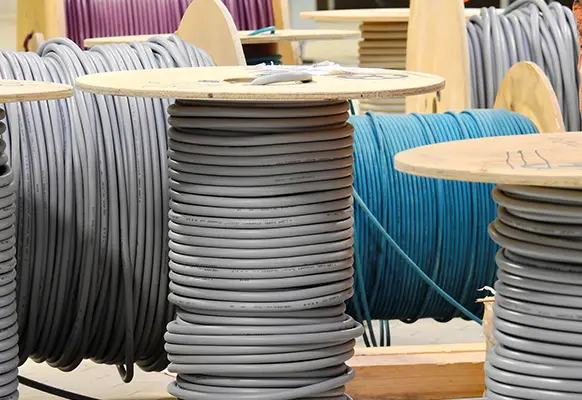
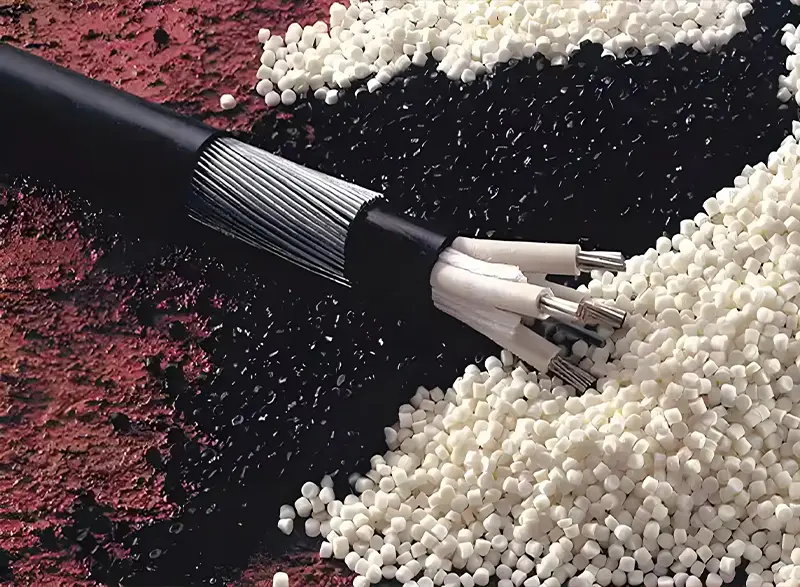
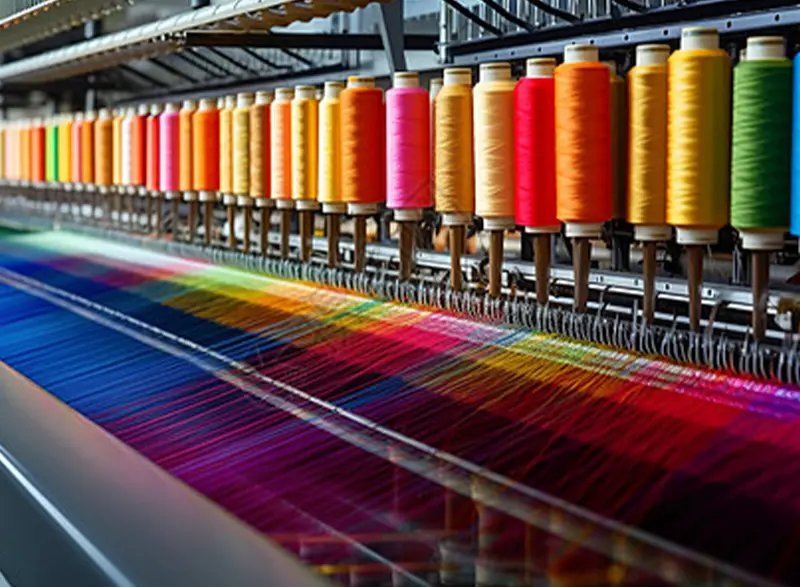
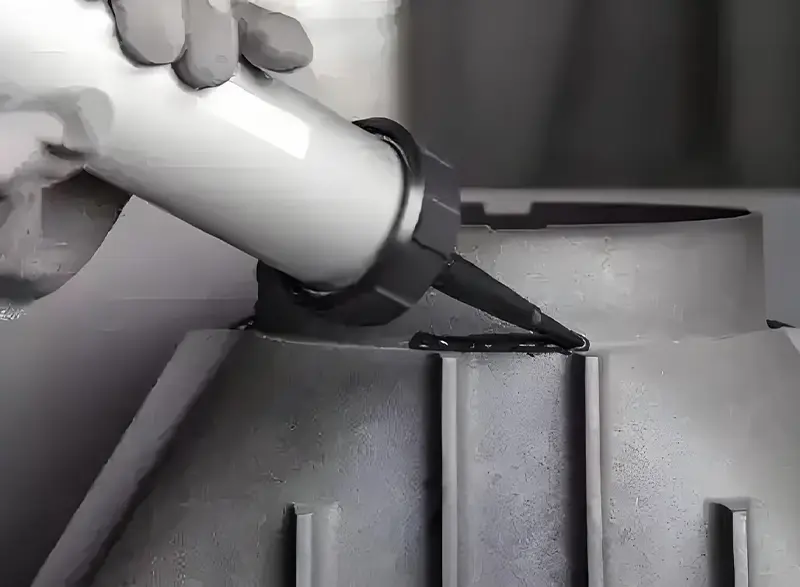
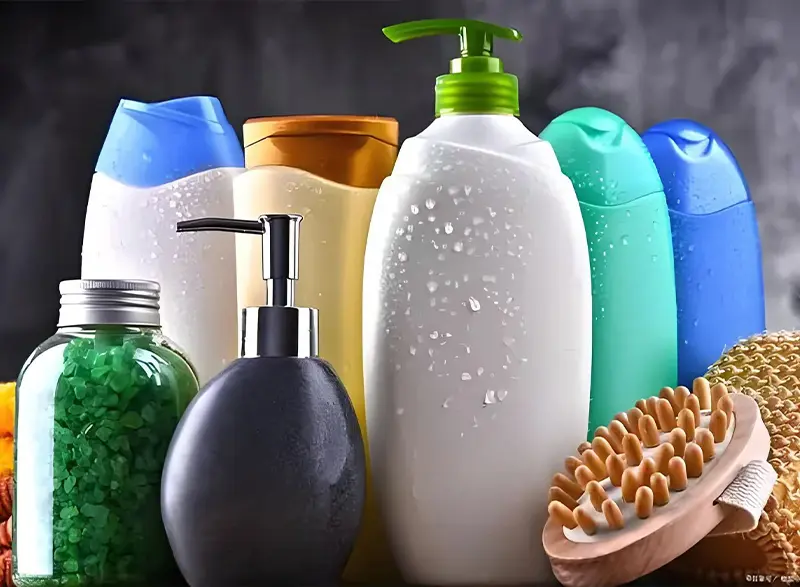
These products are widely used in glass fiber, electronics, wind energy, daily necessities, coatings, adhesives, XLPE electric cables, hot water pipes, oil field drilling, textiles, rubber, and molding applications to improve end-product quality and performance.
Sourcing raw materials and optimizing supply chains in partnership with SINOPEC and PetroChina.
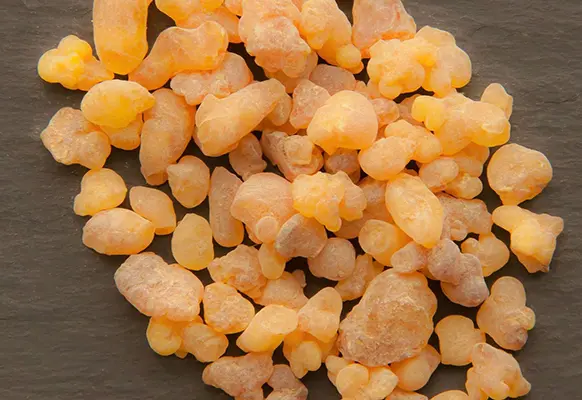
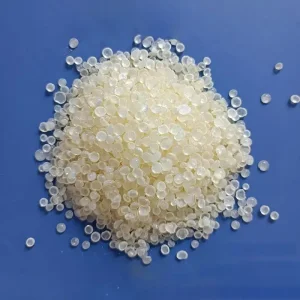
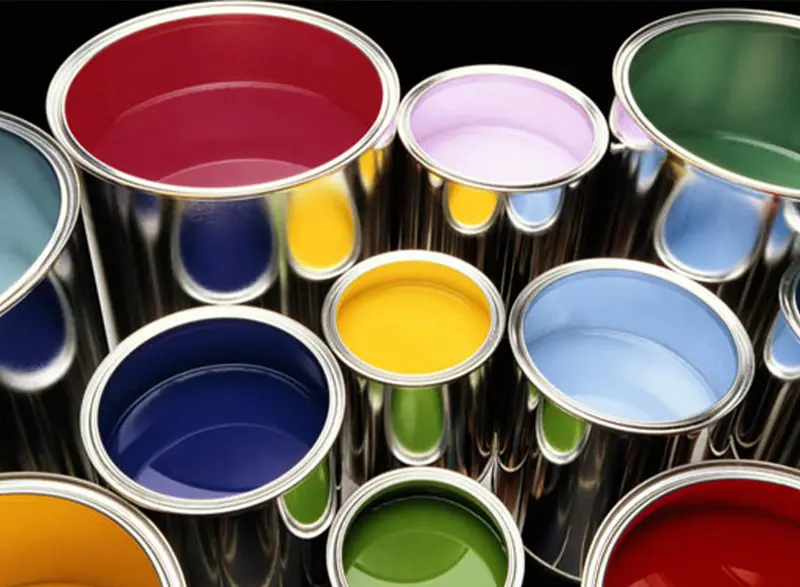
We have invested in a key hydrocarbon resin manufacturer in China, with three operating factories located in Zibo, Fushun, and Nanjing. Leveraging stable raw materials from SINOPEC and PetroChina, our production facilities deliver high-purity C9 hydrogenated resins, C5 hydrocarbon resins, C5 modified C9 hydrocarbon resins, C9 hydrocarbon resins, dicyclopentadiene, and methyl cyclopentadiene dimer. These resins are widely used by customers, including several Fortune 500 companies, in domestic and overseas markets for industrial adhesives, paint formulations, and rubber compounding.
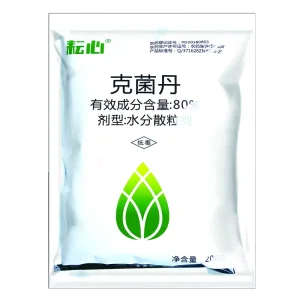
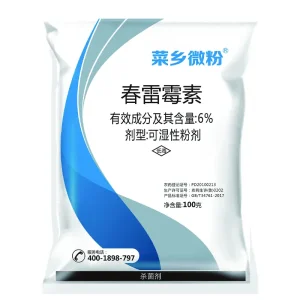
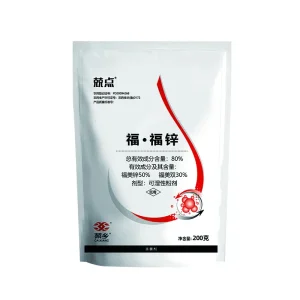
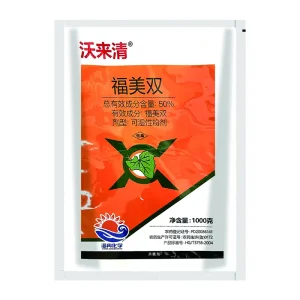
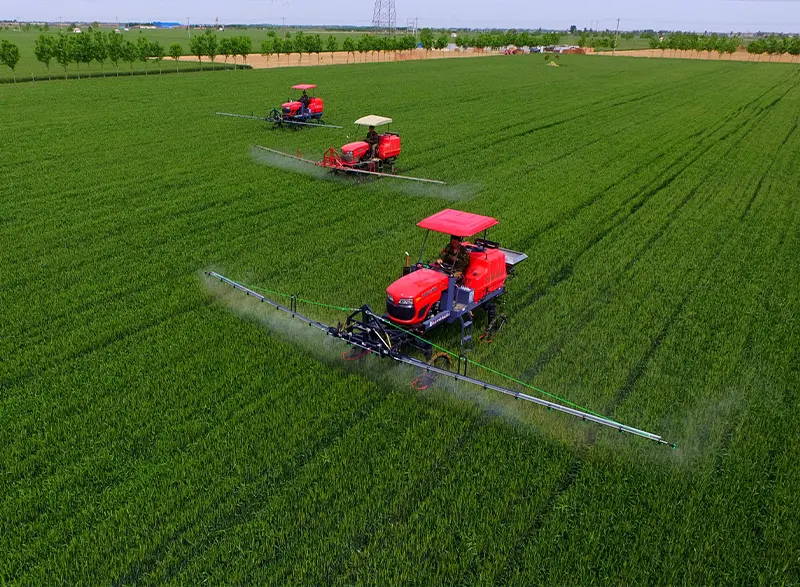
Boctok also serves the agricultural sector, manufacturing intermediates and raw materials for the production of pesticides, fungicides, insecticides, seed treatments, herbicides, and plant growth regulators. This integration allows us to serve diverse global supply chains while maintaining strict quality controls across our chemical portfolios.


Our technical team offers tailored modifications for refractive index, viscosity, and curing times to meet your specific requirements.
Bridging Chinese manufacturing capabilities with global requirements for automotive, aerospace, and medical engineering.




Procuring optical-grade liquid silicone rubber from China requires a thorough evaluation of technical parameters. Standard LSR cannot meet the demands of advanced projects, such as automotive matrix headlamps or consumer electronics displays, which require high optical clarity. Procurement officers must specify details such as the transmission rate (typically >92% at a 2mm thickness), yellowing index (after 1000 hours at 150°C), and Shore A hardness (which ranges from 30 to 70 depending on the application).
Shandong Boctok Chemical Co. maintains supply chain transparency by providing certified documentation for our silanes, resins, and crosslinkers. Our products undergo batch testing to verify refractive index values and cure kinetics, helping ensure consistent performance in the final polymer matrix.
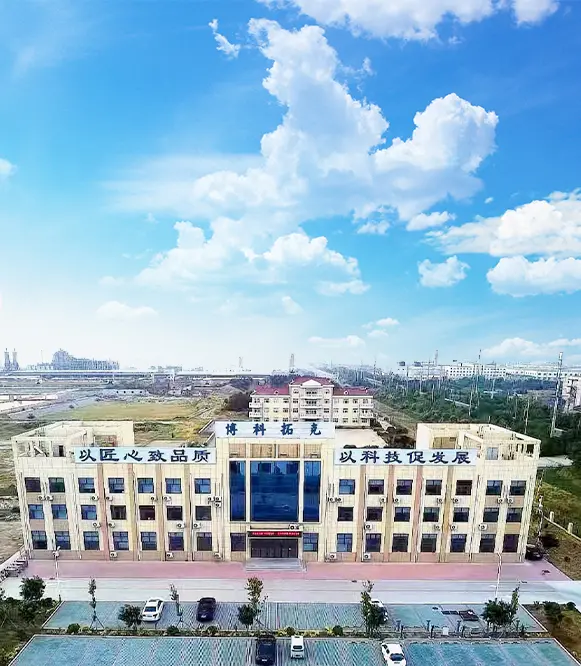
Our Shouguang City production facility implements automated safety controls and environmental protection systems.
Strategic Facility Investment: Recently invested in building a new plant located in Bohai Industrial Park, a provincial chemical industry park in Shouguang City, Shandong Province. This facility expands our production chain of silane coupling agents to meet global demand.
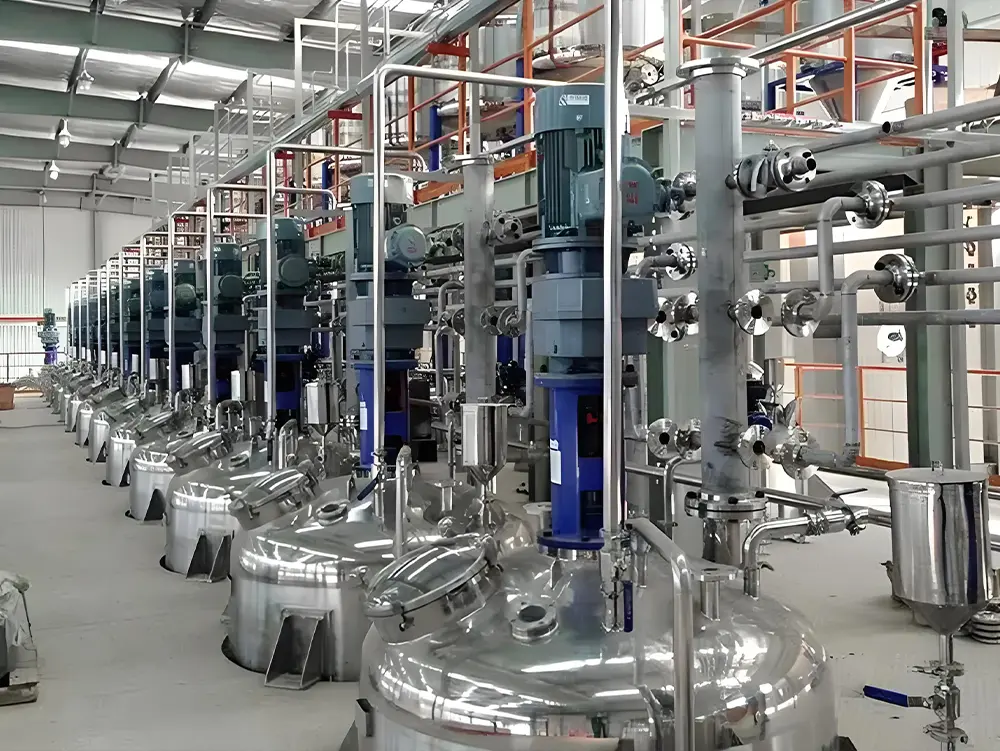
Automated Production: Equipped with six automatic DCS production lines with an annual output of 30,000 tons of silane coupling agents. Remote control systems (DCS) and safety instrumented systems (SIS) help ensure consistent quality.
Environmental Compliance: Fully integrated wastewater treatment systems and waste gas collection/treatment systems operate continuously. This setup minimizes the environmental footprint of our organosilicone manufacturing processes.

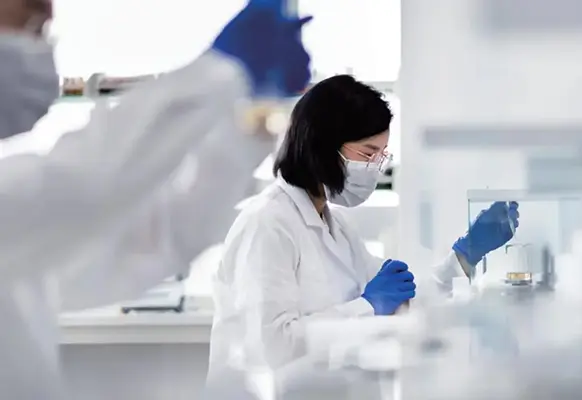
Our products undergo rigorous testing to ensure that every aspect meets the highest quality standards.

We have advanced production lines that allow us to effectively expand production capacity and meet the demand for mass customization.

Our professional team is available online 24 hours a day to provide attentive service and answer all your questions.

An optimized logistics system ensures fast order processing and timely delivery to customers.
An extensive matrix demonstrating the versatility of our silicone and resin products in industrial applications.
Ensuring compliance with international chemical regulations and maintaining strict quality control systems.
Operating in the global chemical sector requires adherence to strict environmental and safety regulations. Shandong Boctok Chemical Co. ensures that its silane coupling agents, silicone rubbers, and hydrocarbon resins comply with international frameworks, including EU REACH (Registration, Evaluation, Authorisation and Restriction of Chemicals), RoHS Directive, and FDA food-contact regulations for specific grades. These certifications help our clients integrate our materials into their products with confidence.
Our Shouguang City plant maintains quality standards through an established ISO 9001 management system. By monitoring every stage of production—from raw material inspection to final packaging—we ensure chemical purity and consistent batch-to-batch quality.
Under the BOCTOK™ brand, we have established localized logistics and support operations tailored for key regions, including the Russian and Eurasian markets. Our team manages import-export documentation, customs clearance, and cold-chain or chemical-grade logistics, helping to ensure secure delivery and minimize shipping delays.
Our production facilities utilize modern environmental control systems. High-capacity waste gas thermal oxidizers and chemical water precipitation systems clean process emissions before discharge, demonstrating our commitment to sustainable chemistry.
Common questions answered by our engineering and product development teams.
A1: Yellowing is primarily caused by trace heavy metals, excess platinum catalyst, and exposure to temperatures above the material's thermal limits. We address this by using high-purity siloxane raw materials and optimized platinum-to-inhibitor ratios. This maintains the clarity of the cured silicone even during continuous operation at temperatures up to 150°C.
A2: Yes. The refractive index can be customized by modifying the polymer structure. Standard polydimethylsiloxane has a refractive index of approximately 1.40. By introducing phenyl groups, the refractive index can be increased to 1.54, which is suitable for high-performance optical lenses and light guides.
A3: Addition-cure systems, catalyzed by platinum, cure through hydrosilylation without producing volatile byproducts. This makes them suitable for thick-section molding and optical components where gas bubbles must be avoided. Condensation-cure systems release small molecules (such as alcohols or acids) and are typically used in thin-film coatings or moisture-cured sealants.
A4: We monitor our production streams through regular gas chromatography and mass spectrometry. Our products comply with REACH and RoHS standards, and we provide technical data sheets (TDS) and material safety data sheets (MSDS) for each batch to simplify international compliance reviews.
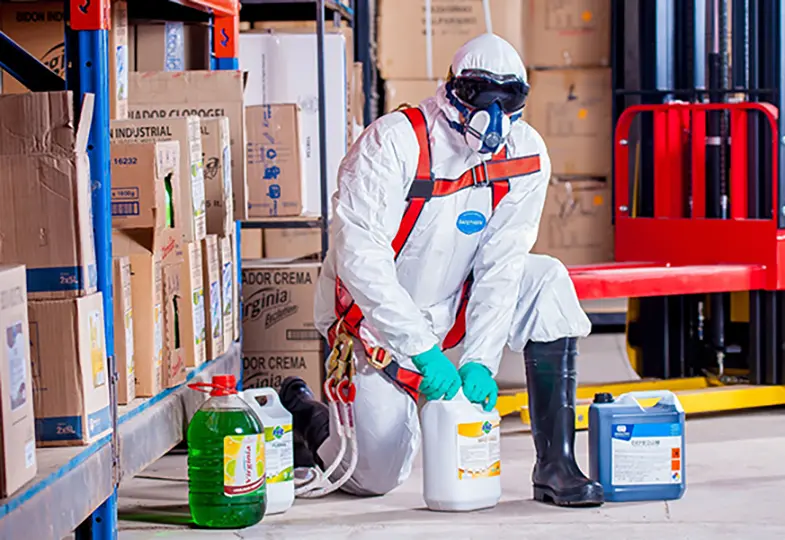
A5: Moisture-sensitive silanes are packaged in sealed steel drums (typically 200L or 1000L IBC containers) flushed with dry nitrogen. This prevents ambient moisture from initiating hydrolysis, helping to maintain product stability during transport and storage.
A6: Yes. We offer custom blending of methyl MQ resins, vinyl VMQ resins, and specialized silicone oils to adjust properties such as viscosity, hardness, and thermal resistance. Please contact our technical team with your specific requirements.
Specialized hydrocarbons, agricultural chemical formulations, and silane crosslinking agents.
 Boctok Chemical