Direct factory sourcing, strict ISO9001 compliance, and global logistical dispatch
An expert analysis of molecular coupling, adhesion mechanisms, and global supply economics
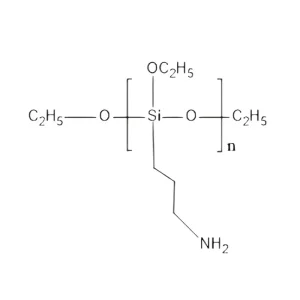
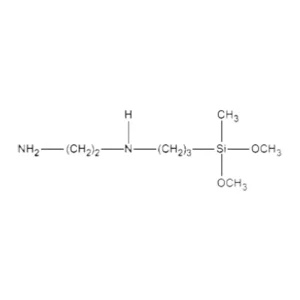
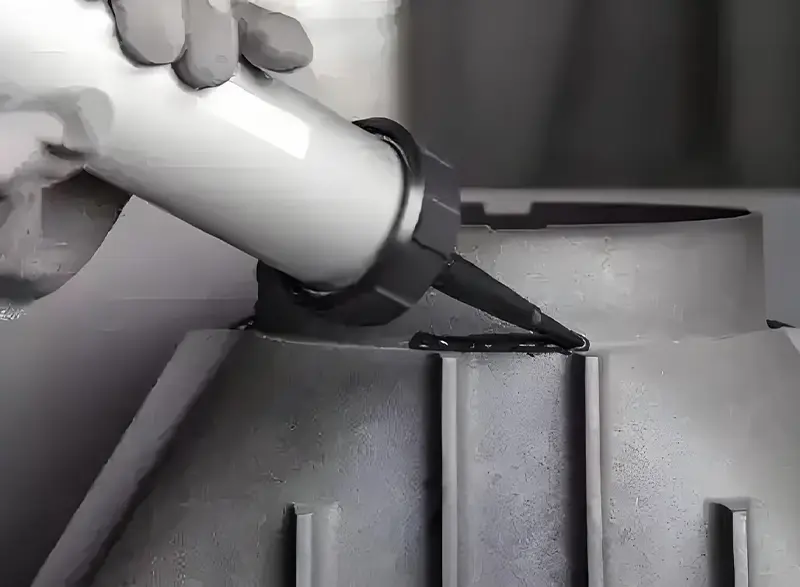
Amino-functional silanes serve as key molecular bridges that unite inorganic mineral substrates with organic polymer matrices. In sealant formulations, such as those based on polyurethane, MS polymer (silyl-modified polyether), or silicone, the amino group (typically a primary or secondary amine) chemically reacts with or physically dissolves into the polymer resin during cure. Simultaneously, the alkoxy groups (methoxy or ethoxy) undergo hydrolysis in the presence of ambient moisture, forming reactive silanol (Si-OH) groups. These silanol moieties then condense with hydroxyl groups present on inorganic surfaces like glass, anodized aluminum, concrete, and metals, forming stable, covalent siloxane (Si-O-Si) bonds.
This dual reactivity is essential for achieving long-lasting wet adhesion and resistance to environmental degradation. In the demanding environments of structural glazing, automotive assembly, and high-movement expansion joints, without an engineered amino silane coupling agent, interfacial adhesion would fail rapidly under mechanical stress and moisture attack.
"The optimization of amino silane concentration and molecular configuration remains one of the most cost-effective and chemically robust routes to enhancing the durability, thermal stability, and mechanical strength of modern industrial sealants."
— Boctok Chemical R&D DivisionThe global demand for amino silane sealant raw materials has seen a strong upward trajectory, driven by the growth of green building codes, lightweight automotive designs, and high-performance electronics. Historically, the market was dominated by multinational chemical firms based in Europe and North America. However, over the past two decades, China has transitioned from a basic exporter of crude chlorosilanes to the primary global hub for high-purity organofunctional silanes, specialty oligomers, and customized crosslinkers.
This shift is backed by integration across the upstream value chain. Chinese factories benefit from direct access to key feedstocks like silicon metal, allyl chloride, and anhydrous ethanol/methanol. By clustering production within state-approved, highly monitored chemical industrial parks (such as the Bohai Industrial Park in Shandong Province), manufacturers achieve cost efficiencies and run continuous, automated production lines. In the current global economic landscape, raw material security and cost predictability are key. Chinese suppliers, backed by robust logistics networks, play a critical role in stabilizing global supply chains.
The organosilicone industry is undergoing a transition driven by regulatory guidelines, sustainability goals, and changing performance requirements. Three major trends define the current market:
A trusted global supplier of organosilicones, petroleum resins, and agrochemical intermediates
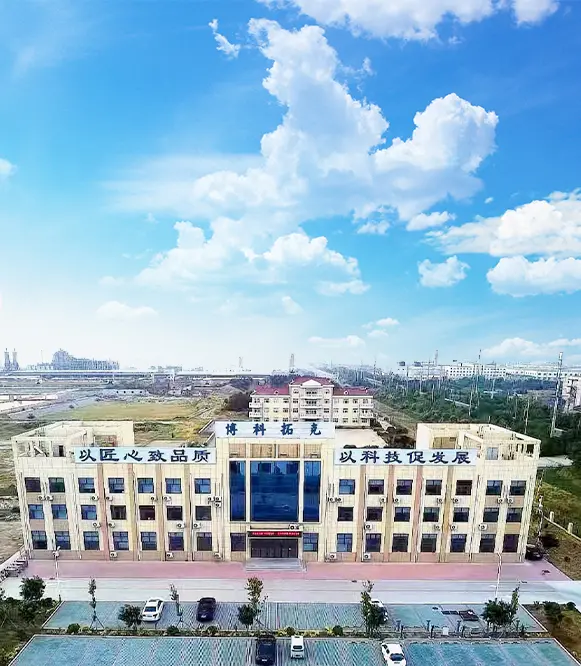
Founded in 2012, Shandong Boctok Chemical Co. was established as a global marketing and sales center to streamline domestic and overseas business. Under the strategic direction of our management team, the company achieved sales of US$280 million in 2023. The BOCTOK brand specializes in serving the Russian market, providing technical service and chemical supplies designed for harsh winters.
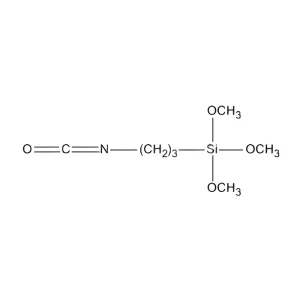
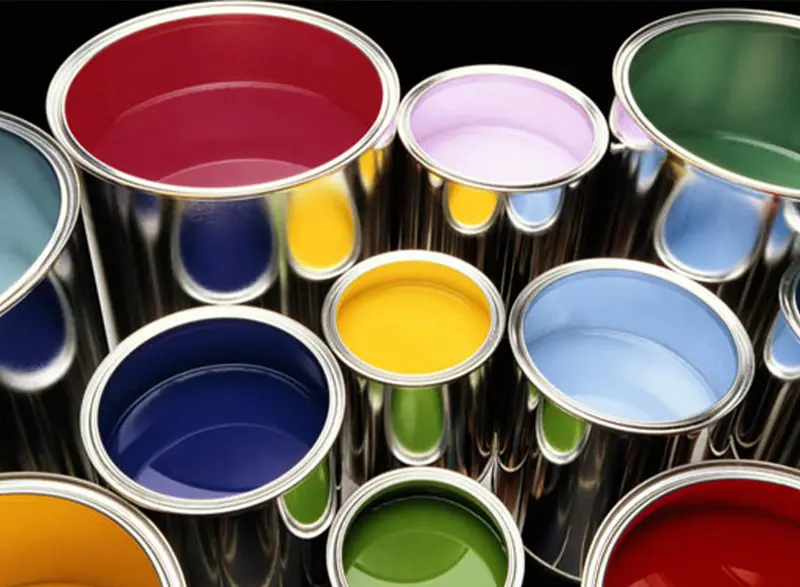
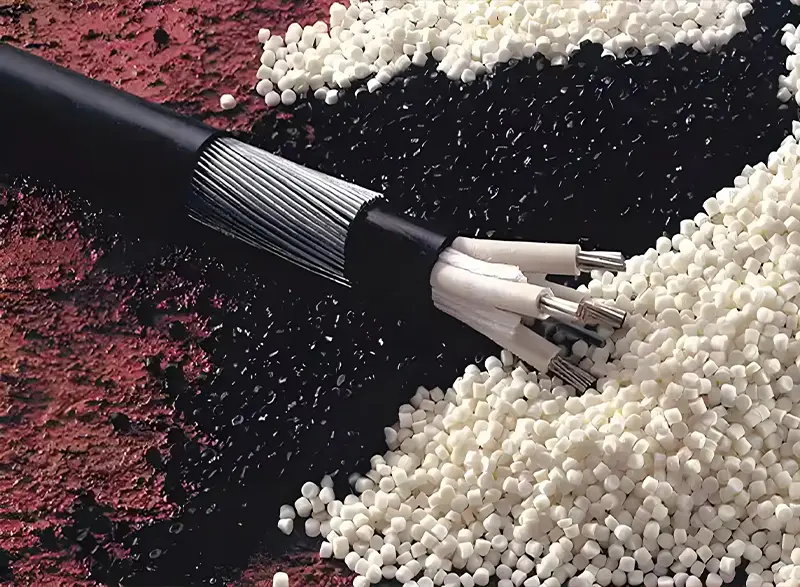
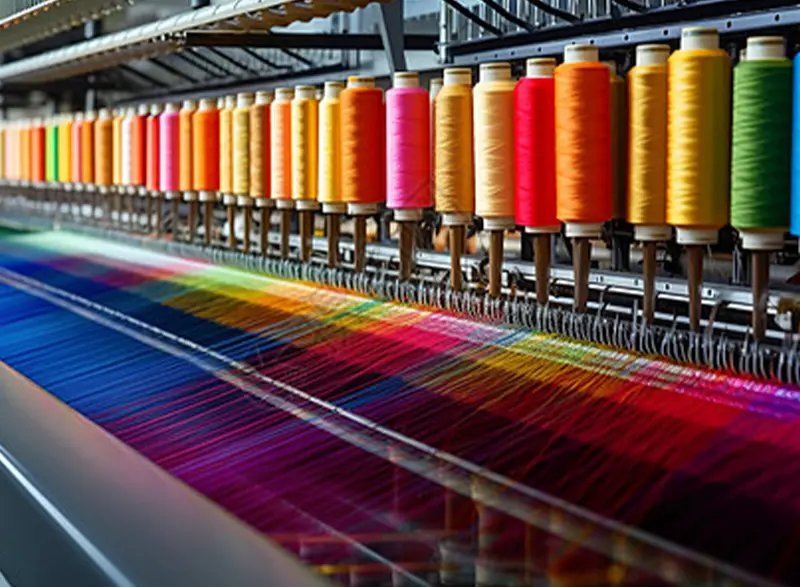
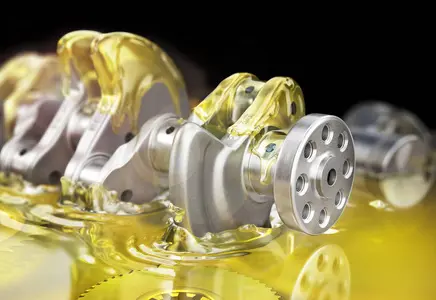
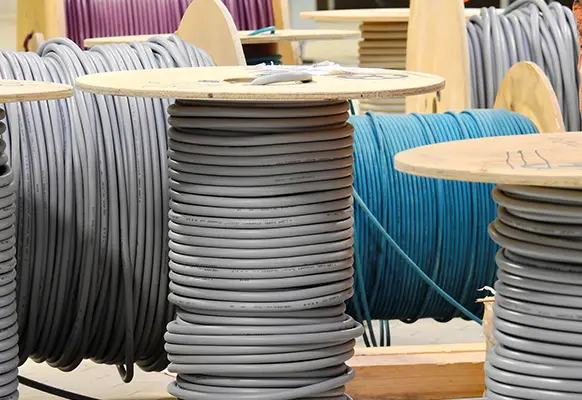
Boctok has three main product categories, the first core business of organosilicone covers twelve series of silane coupling agents and crosslinkers, including aminosilane, methacrylate silane, epoxy silane, vinyl silane, mercaptosilane, alkyl silane, ethyl silicate, chlorosilane, silane isocyanates, phenyl silane, ureidosilane and serosilane. Boctok also focuses on silicon oil, silicon resin, and silicon rubber, covering high-hydrogen silicone oil, dimethicone, vinyl silicone oil, polyphenylmethyldimethylsiloxane, phenyl silicone oil, silanol silicone oil and OH polymer, alkoxy silicone oil, methyl MQ resin, vinyl VMQ resin, room-temperature vulcanized methyl silicone rubber, 110 methyl vinyl silicone rubber, 120 methyl phenyl rubber. They are widely used in glass fiber, electronics, wind energy, daily necessities, chemical industry, coatings, adhesives, XLPE electric cables and hot water pipes, oil field drilling, textiles, rubber and molding, etc. to improve the quality and performance of the applied products.
Ensuring cross-industry synergy and material performance optimization
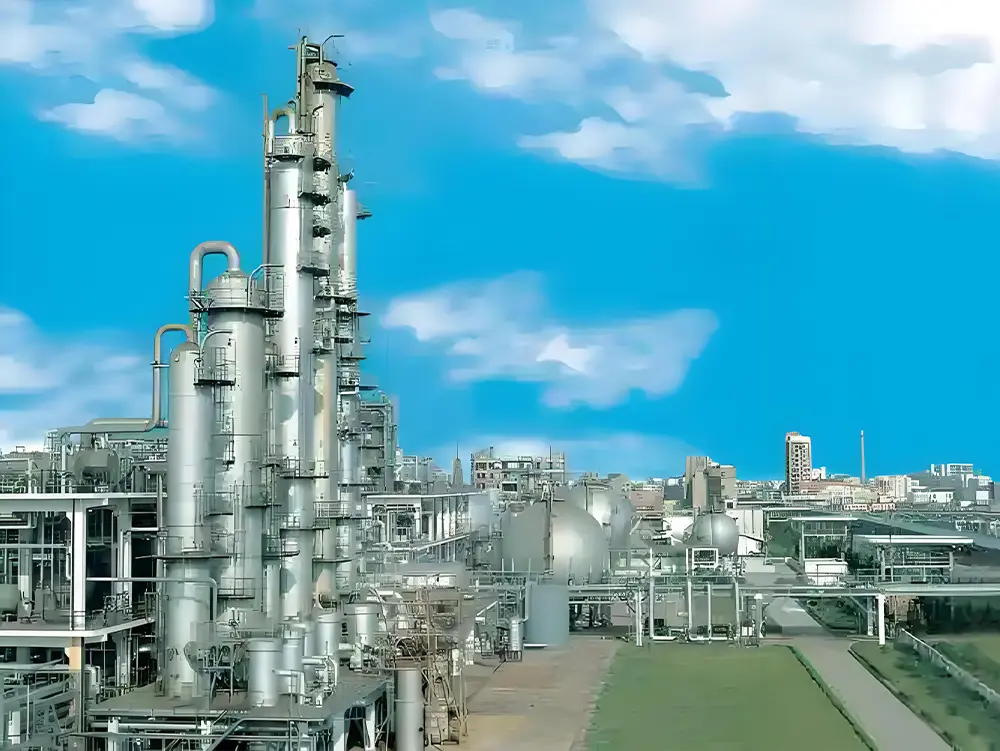
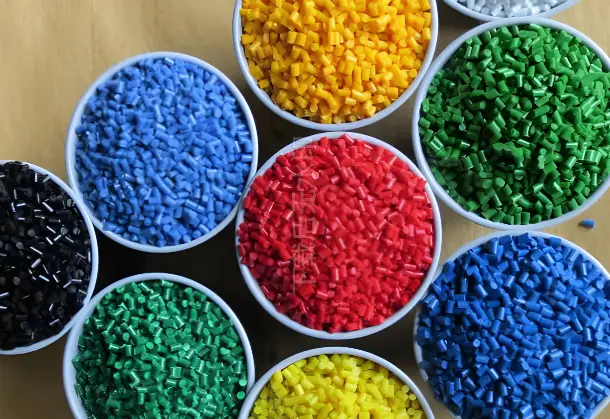
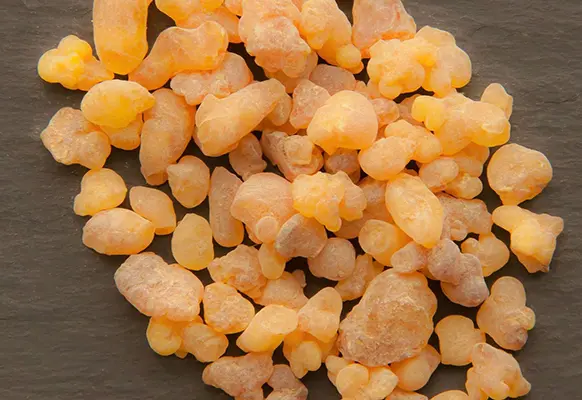
Boctok's Tier II core business is petroleum resins. We have invested in a key hydrocarbon resin manufacturer in China. We currently have three operating hydrocarbon resin factories located in Zibo, Fushun, and Nanjing. Taking advantage of reliable and abundant raw materials from SINOPEC and PetroChina, our advanced production facilities, and our decades of marketing experience, our products are widely used by customers, including many Fortune 500 companies, in both domestic and overseas markets. These products include C9 hydrogenated resins, C5 hydrocarbon resins, C5 modified C9 hydrocarbon resins, C9 hydrocarbon resins, dicyclopentadiene, and methyl cyclopentadiene dimer.
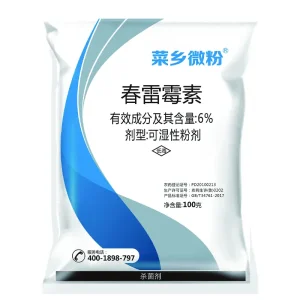
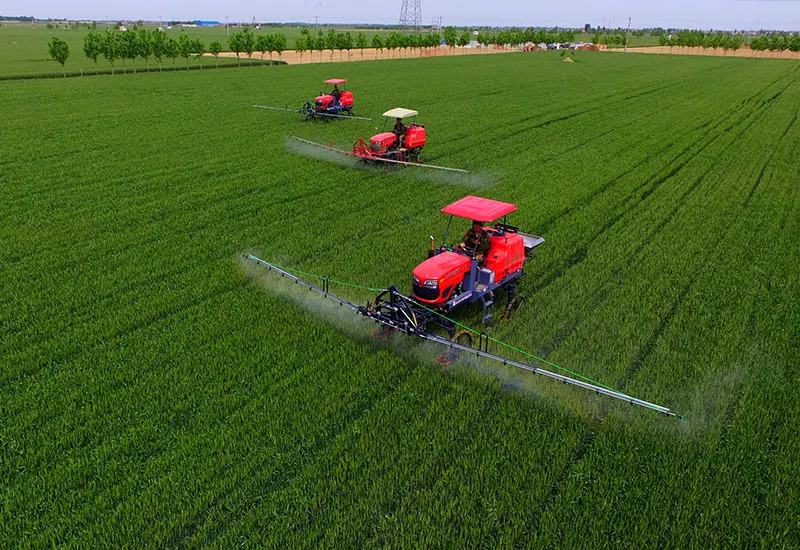
In addition to silicones and resins, Boctok also focuses on the agrochemical industry. It produces intermediates and raw materials for the production of pesticides, fungicides, insecticides, seed treatments, herbicides, plant growth regulators, and more. This diversified chemical matrix allows Boctok to serve broad agricultural and industrial applications worldwide.
Boctok's products are sold throughout China and exported to North America, Europe, Japan, South Korea, Australia, South America, the Middle East, India, Southeast Asia, Russia, etc., enjoying the well-deserved trust of customers.
Providing custom chemical raw materials for global infrastructure and manufacturing













Operational excellence, advanced quality management, and client-focused service

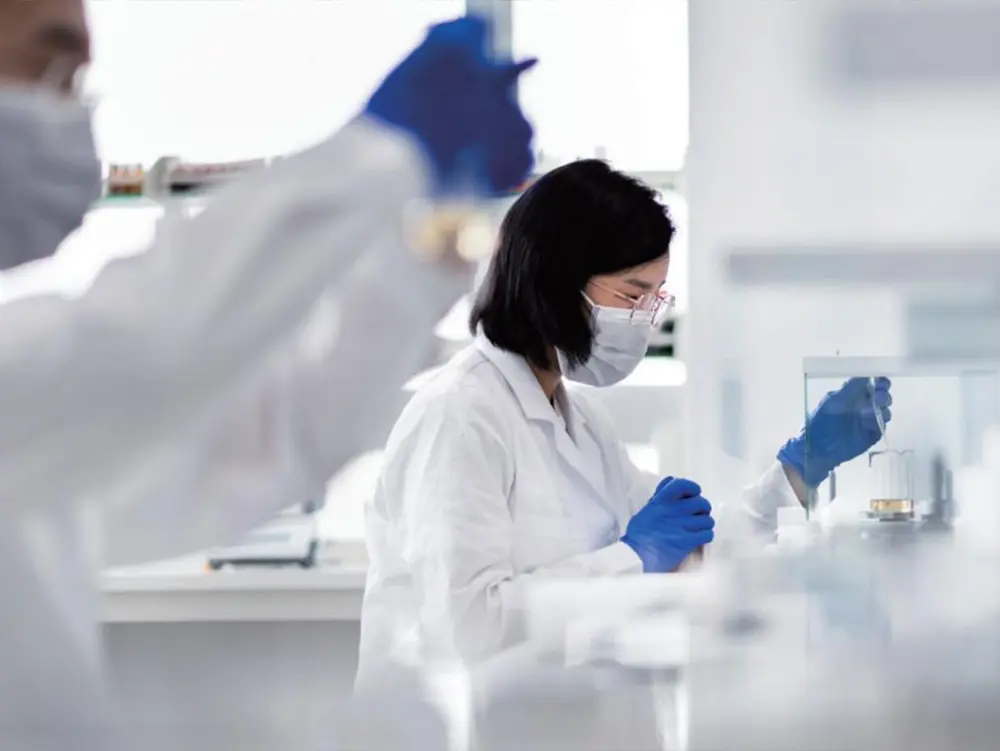
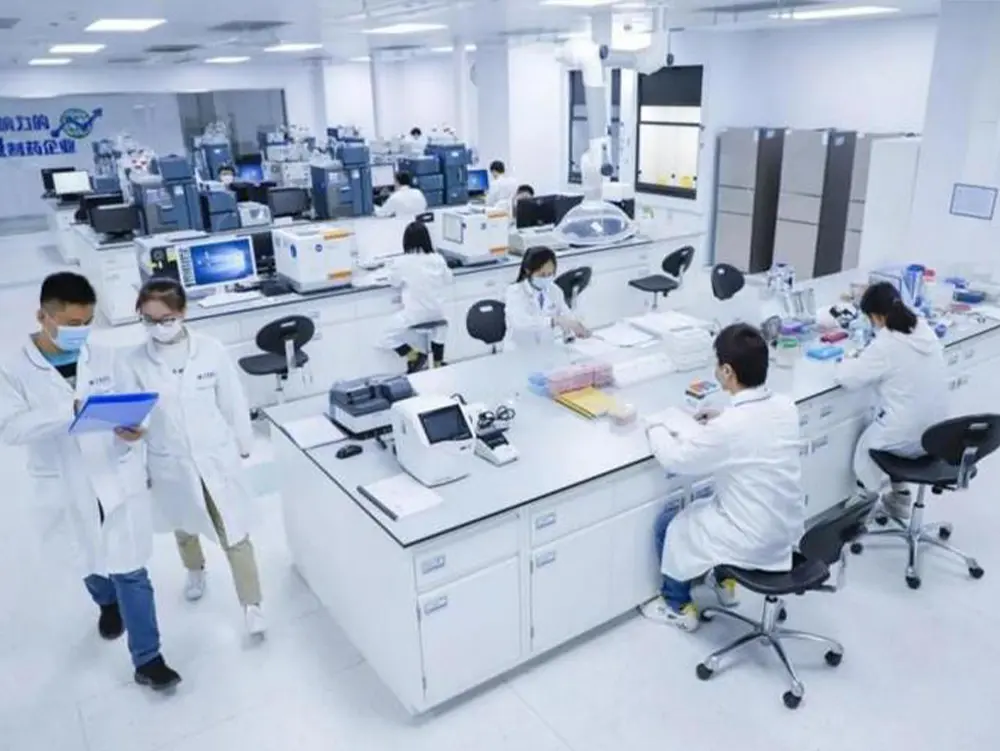
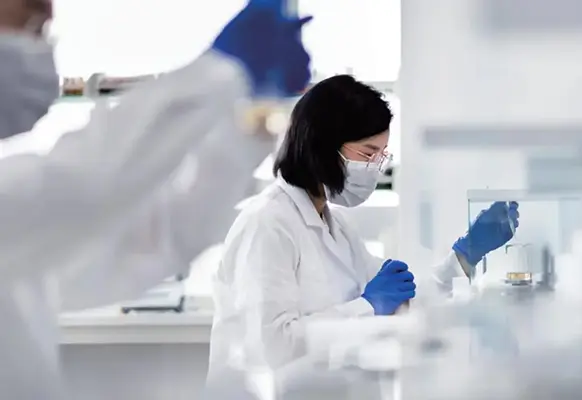
Our products undergo rigorous testing to ensure that every aspect meets the highest quality standards.

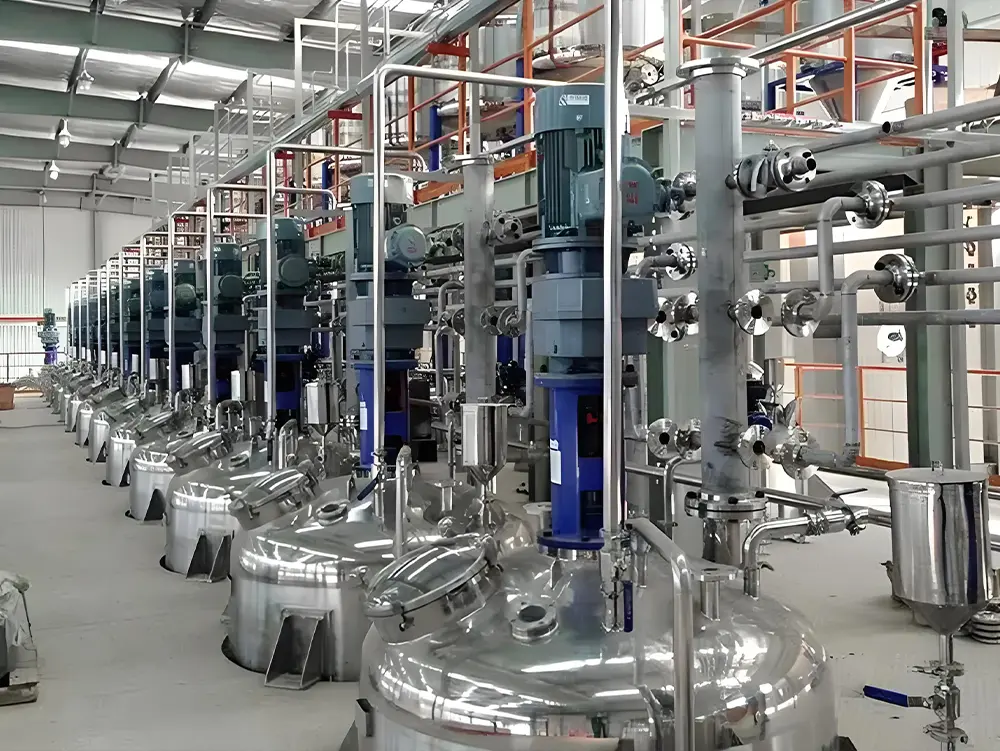
We have advanced production lines that allow us to effectively expand production capacity and meet the demand for mass customization.

Our professional team is available online 24 hours a day to provide attentive service and answer all your questions.

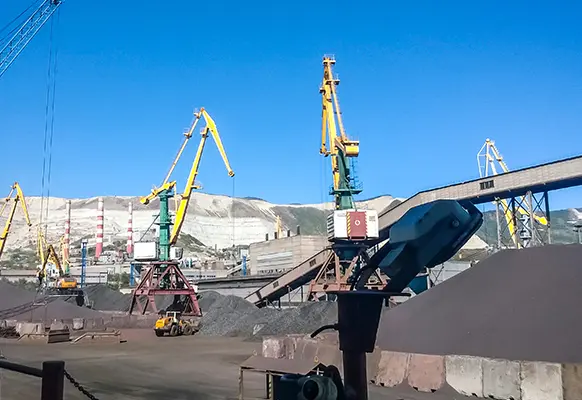
An optimized logistics system ensures fast order processing and timely delivery to customers.
As sealant regulations tighten globally, the primary technological roadmap focuses on modifying amino silane structures to eliminate hazardous byproducts and improve shelf stability. In standard configurations, monomeric amino silanes can hydrolyze too quickly when exposed to trace moisture in packaging. This leads to premature gelation of the sealant inside the cartridge.
To address this, Boctok’s R&D division focuses on "hindered amino silanes." By introducing sterically bulky organic groups around the amine or alkoxy silicon center, we can control the rate of hydrolysis. This extension of shelf life is a significant benefit for manufacturers of one-part polyurethane and MS polymer sealants.
Additionally, the synthesis process is shifting toward raw materials that do not use chlorine. Historically, the synthesis of silane coupling agents involved chlorosilane intermediates, which produced hydrochloric acid as a byproduct. This required neutralization and generated salt waste. Our new Shouguang plant utilizes direct alkoxylation processes. This reduces corrosive byproducts and minimizes environmental impact, aligning with international green manufacturing initiatives.
Boctok Chemical provides more than individual raw material components. We deliver integrated solutions tailored for specific industrial sectors:
Technical answers to common questions about amino silane coupling agents and sealant raw materials
Specialized organosilicon compounds, vinyl polymers, and crosslinking agents
 Boctok Chemical