High-purity organosilicon materials, coupling agents, and industrial chemical intermediates supplied by Boctok
![Bis-[3-(trimethoxysilyl)-propyl]amine CAS 82985-35-1](https://site.cdnfile.io/www.boctoksilicone.com/b7a8c47713f462756c9e61cb65cea17f300_300.webp)
A Comprehensive Industrial Guide to Superior Softness, Elastomeric Recovery, and Structural Material Enhancement
In the modern textile finishing and specialty chemical sectors, achieving a premium, ultra-soft tactile feel (often referred to as the "hand-feel" or "handle") without sacrificing structural fabric integrity is a major competitive differentiator. Alkoxy silicone oil softeners represent the pinnacle of this technological evolution. Unlike traditional linear siloxanes or basic amino-silicones, alkoxy-functionalized siloxanes possess unique reactive groups that chemically cross-link with natural cellulosic fibers (such as cotton, linen, and viscose) and synthetic polymer matrices. This interaction produces a micro-elastomeric film on the fiber surfaces that yields exceptional softness, high bounce, and durable press performance.
Global procurement entities are increasingly shifting from simple commodity silicone fluids to high-engineered alkoxy silicone emulsions. This transition is motivated by the chemical stability of alkoxy siloxanes, which minimize yellowing under elevated drying temperatures and maximize shear stability. As a premier manufacturer, Shandong Boctok Chemical Co. is at the forefront of this shift, providing global textile, cosmetics, and coatings industries with advanced organosilicon polymers tailored to modern high-shear industrial applications.
Why Alkoxy-Functional Silicones Outperform Traditional Amino and Alkyl Siloxanes
The chemical architecture of alkoxy silicone oils is defined by the presence of silicon-bonded alkoxy groups (typically methoxy -Si-OCH₃ or ethoxy -Si-OC₂H₅ functions) along the dimethylsiloxane backbone. During emulsification and subsequent application to textiles, these alkoxy units undergo controlled hydrolysis in the presence of ambient moisture or acid/base catalysts. This reaction forms active silanol (Si-OH) groups, which then undergo condensation reactions to form a durable, cross-linked, three-dimensional siloxane network directly on the fiber surface.
| Silicone Chemistry Type | Yellowing Tendency | Hydrophilic Properties | Fabric Hand-Feel Quality | Shear Resistance (High-Speed Machinery) |
|---|---|---|---|---|
| Traditional Amino Silicone | High (due to nitrogen oxidation) | Low (hydrophobic tendencies) | Very Soft, Greasy/Heavy | Moderate (susceptible to emulsion breakage) |
| Alkoxy Silicone Oil | Negligible (Zero Nitrogen) | High (Balanced Water Absorption) | Silky, Dry, Natural Touch | Excellent (Chemically Stable Structure) |
| Block Copolymer Silicone | Low | High | Soft, Smooth | High |
| Alkyl Aryl Silicone | Low | Low | Smooth, Glossy | High |
This self-crosslinking mechanism provides excellent wash durability. Because the silicone polymer chemically anchors to the fiber structure, the soft finish remains resilient even after multiple industrial laundering cycles. Furthermore, the absence of amino groups prevents nitrogen-based thermal oxidation, the primary cause of yellowing in white and pastel fabrics. This makes alkoxy silicone oil softeners the industry standard for high-end cotton knits, luxury bedding, and premium denim products.
Meeting the strict demands of international supply chains and diverse regional industrial applications
Procuring chemical raw materials from China requires a clear understanding of regulatory frameworks, supply chain logistics, and quality assurance. Global buyers in North America, the European Union, Russia, and Southeast Asia face distinct technical and regional requirements:
Focuses on environmental and chemical compliance, including REACH regulations, TSCA registration, and low VOC limits. Importers require transparent safety data sheets (SDS) and certified zero-alkylphenol ethoxylates (APEO-free) emulsions.
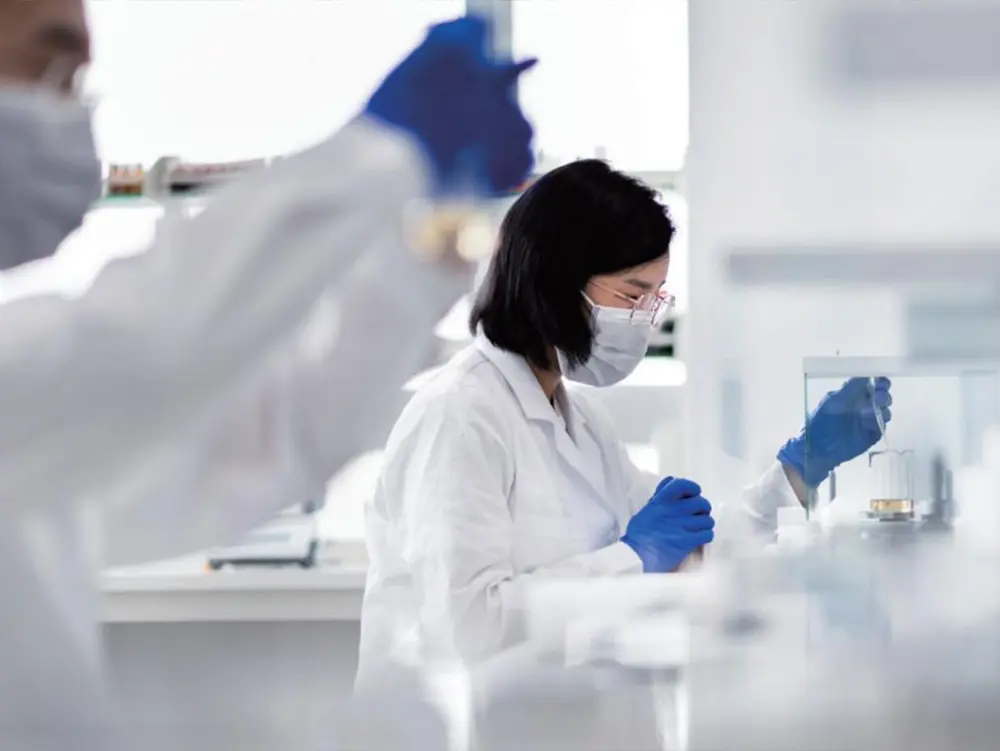
Under the dedicated brand BOCTOK, Shandong Boctok Chemical Co. has developed customized logistics channels and product documentation to simplify customs clearances and address the extreme cold weather performance requirements of the region.

Manufacturers in India, Vietnam, Bangladesh, and Indonesia prioritize high emulsion stability and cost-efficiency. Our silicone systems are designed to resist shear forces in high-speed padding and exhaust processes.
Shandong Boctok Chemical Co. - A trusted industrial chemical partner
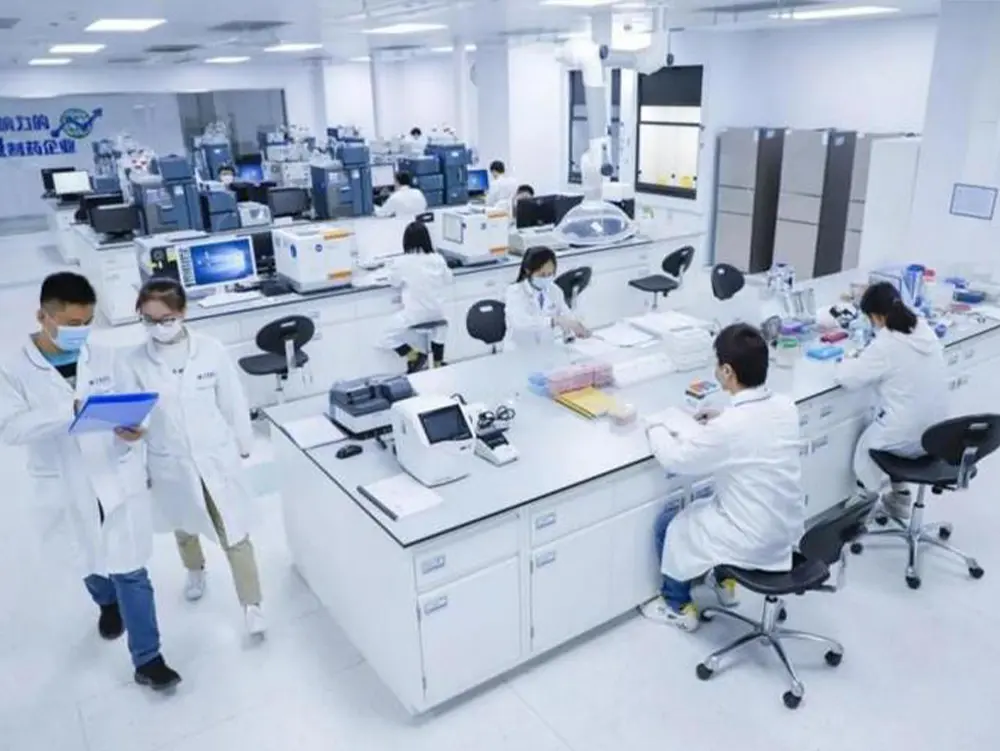
Founded in 2012, Shandong Boctok Chemical Co. has grown to become a leading marketing, sales, and manufacturing center for domestic and international organosilicon businesses, achieving sales of US$280 million in 2023. Our business model integrates raw monomer supply chains with advanced downstream chemical processing.
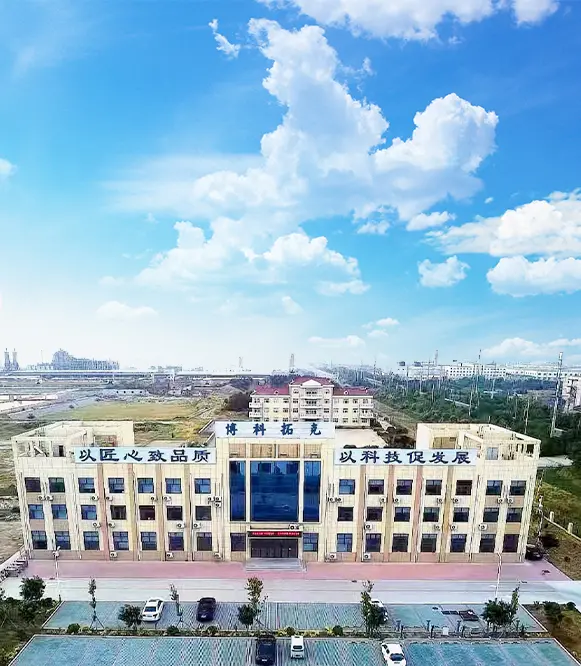
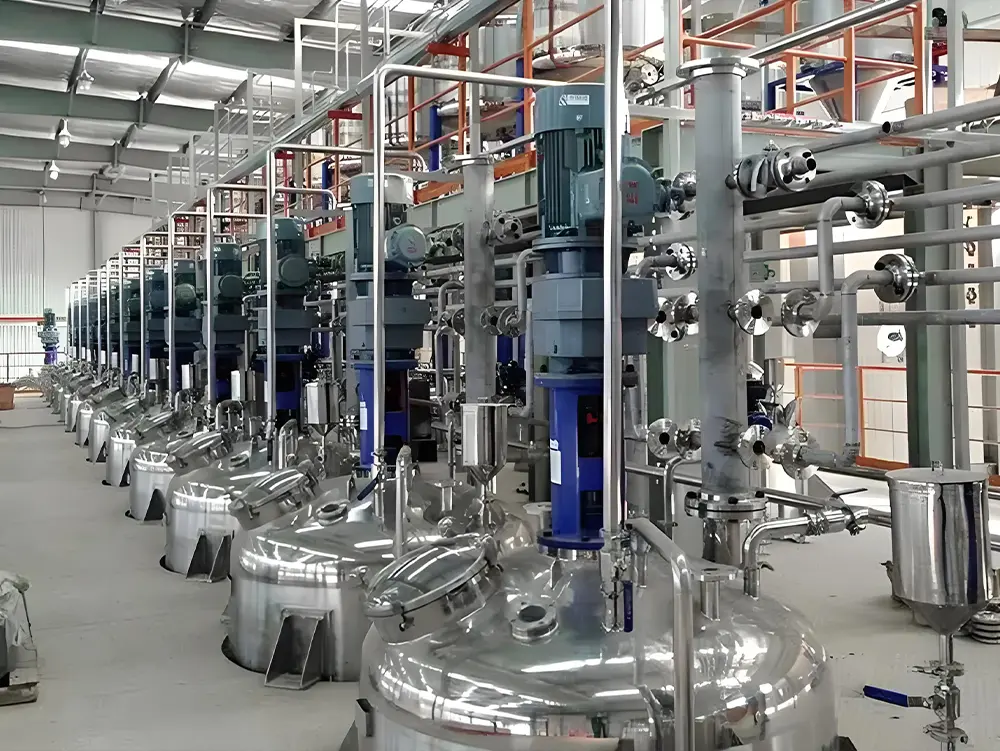
To meet growing global demand, Boctok recently invested US$65 million to construct a state-of-the-art chemical plant in the Bohai Industrial Park, a specialized provincial chemical industry zone in Shouguang City, Shandong Province. This facility expands our production chain of silane coupling agents and advanced silicone fluids, featuring 6 automated DCS (Distributed Control System) production lines that deliver an annual output of 30,000 tons.
The entire facility operates under strict safety and quality protocols. It is equipped with automated remote control systems (DCS), Safety Instrumented Systems (SIS), and is certified to ISO9001 quality management standards. To minimize our environmental footprint, the plant features fully integrated waste gas collection and advanced wastewater treatment systems.

Every production batch undergoes gas chromatography and viscometric testing to guarantee consistency across chemical parameters.

Our 6 automated DCS lines enable rapid production scaling and customization of viscosities and solid content.

Our technical support team is available to assist international R&D and procurement engineers with formulation and application challenges.

Strategic pipeline connections and partnerships with major shipping ports ensure prompt container loading and export delivery.
Discover how our organosilicons, petroleum resins, and chemical intermediates serve diverse industrial sectors worldwide
While alkoxy silicone oils are widely used as textile softeners, the underlying chemistry of Shandong Boctok Chemical Co. supports a range of industrial applications. Our primary business segment covers twelve series of silane coupling agents and crosslinkers: aminosilane, methacrylate silane, epoxy silane, vinyl silane, mercaptosilane, alkyl silane, ethyl silicate, chlorosilane, silane isocyanates, phenyl silane, ureidosilane, and serosilane. Additionally, our second core business segment produces high-performance petroleum resins (hydrocarbon resins), serving adhesive, coating, and agricultural industries worldwide.
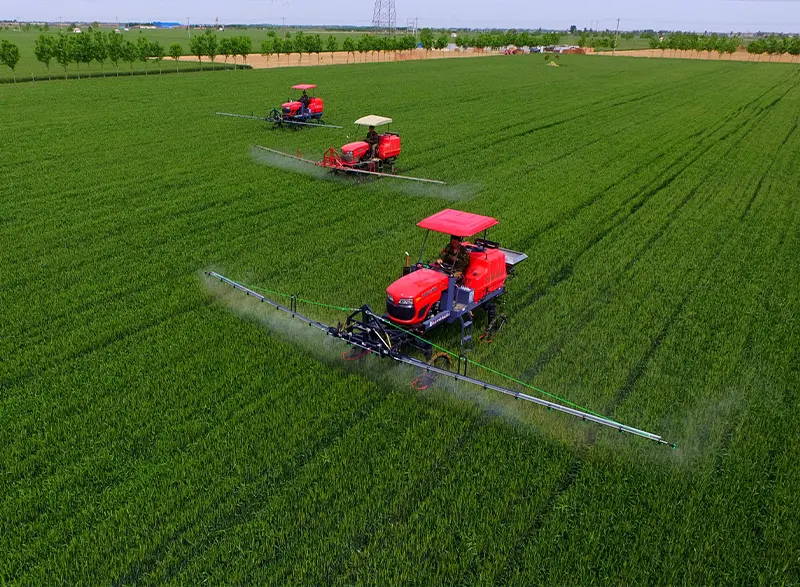
Pesticides - Fertilizers

Pesticides - Fruits

Pesticides - Flora

Agricultural Crops

Pesticides - Vegetables
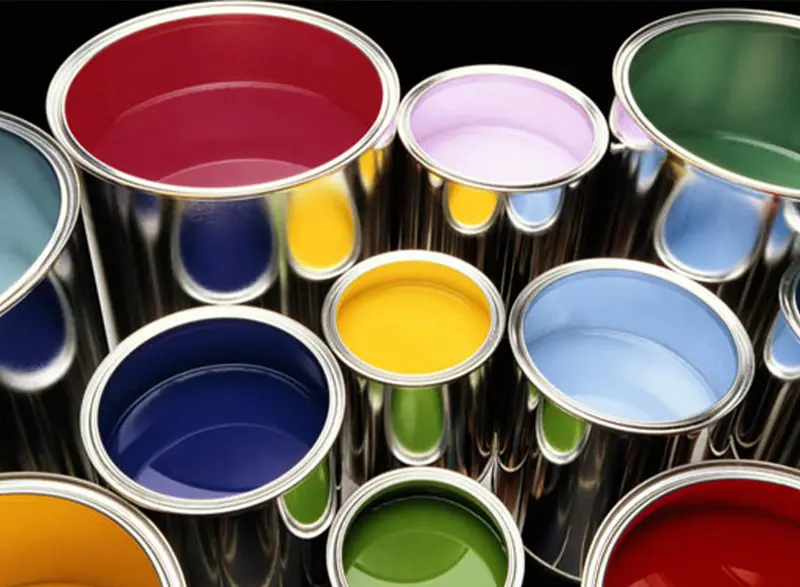
Petroleum Resins - Coatings
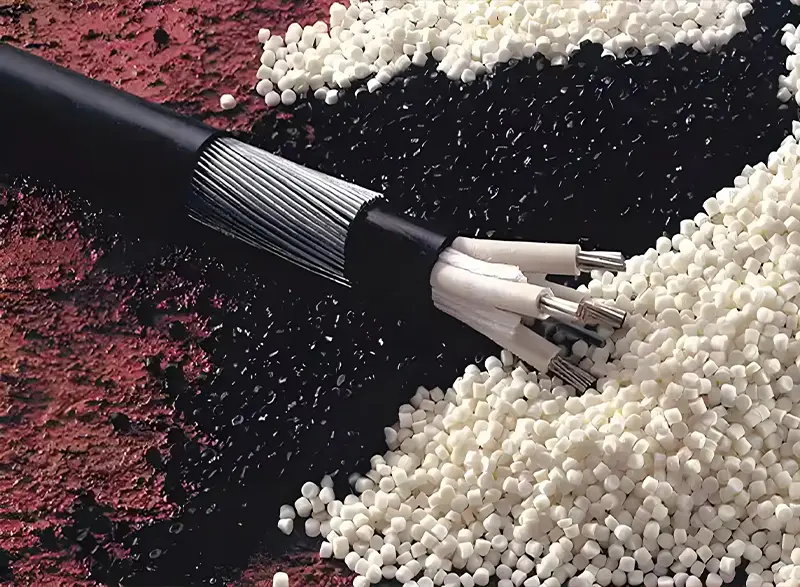
Cable & Casting Materials
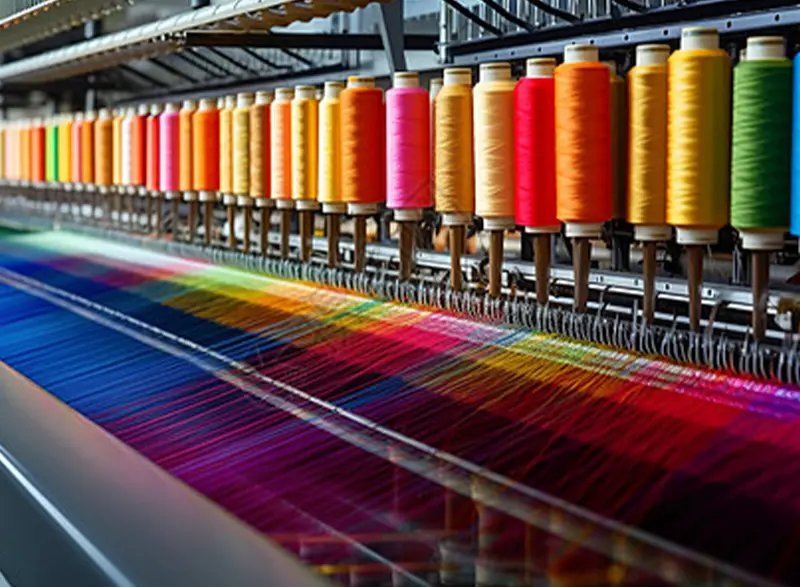
Silicone Textiles
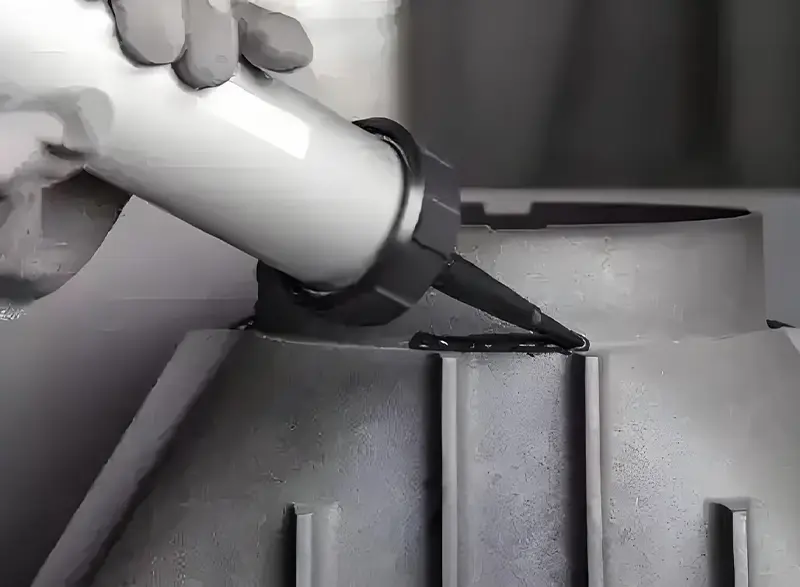
Silicone Adhesives

Daily Chemicals & Cosmetics
Our downstream application range is expanded through a network of strategic partnerships, serving sectors from heavy industrial manufacturing to consumer goods:

Pharmaceutical & Pesticides

Cosmetics & Personal Care
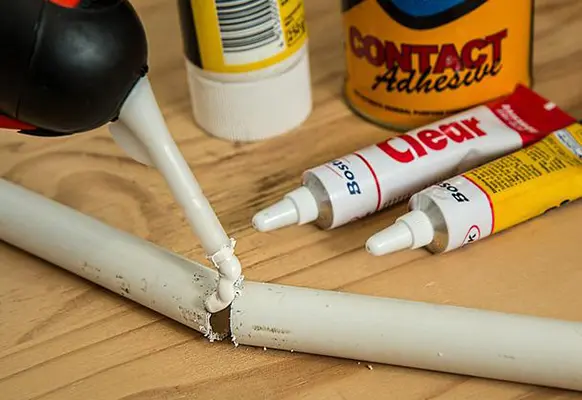
Industrial Adhesives
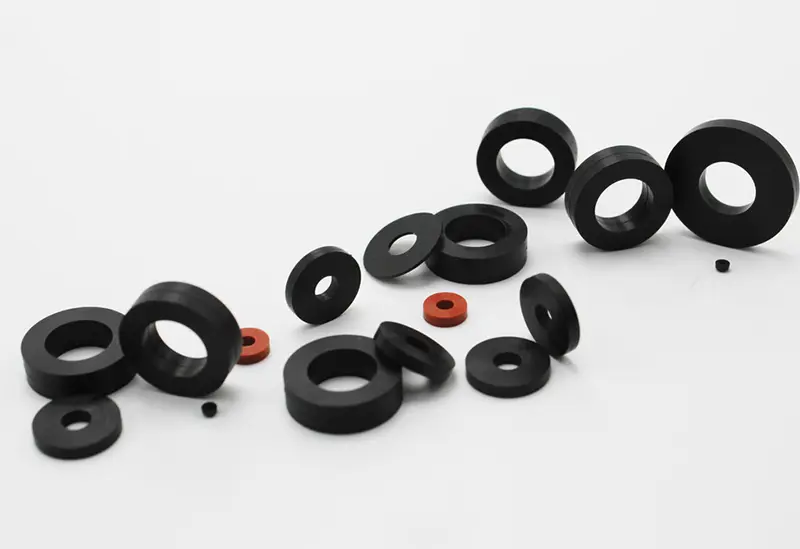
Rubber Industry
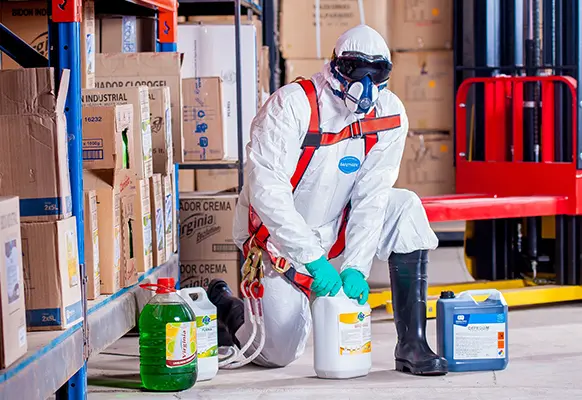
Paints & Coatings
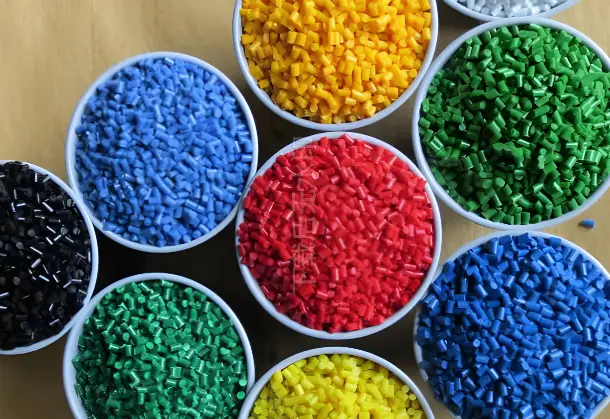
Plastics Industry
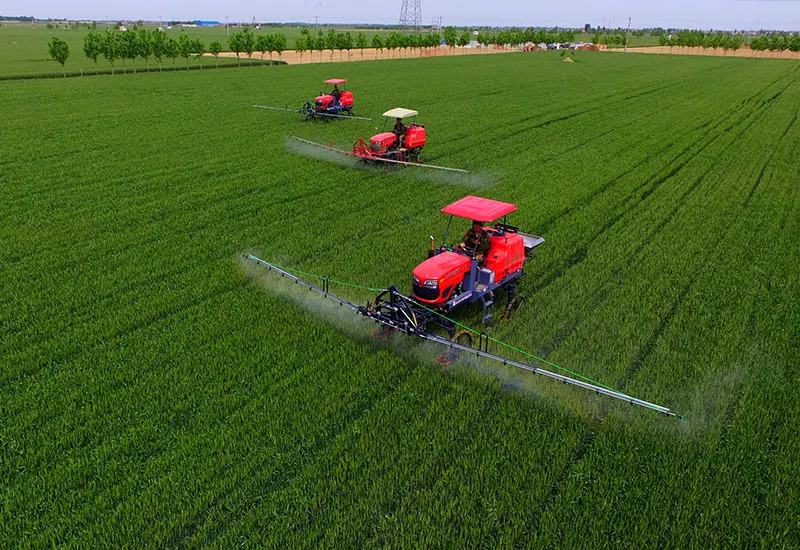
Pesticide Formulations
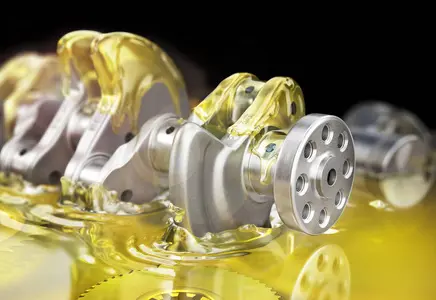
Self-lubricating LSR
Antifoaming Agents

Drywall & Gypsum Boards
Additionally, we supply raw materials for specialized industrial and marine markets, providing heavy-duty performance under harsh conditions:
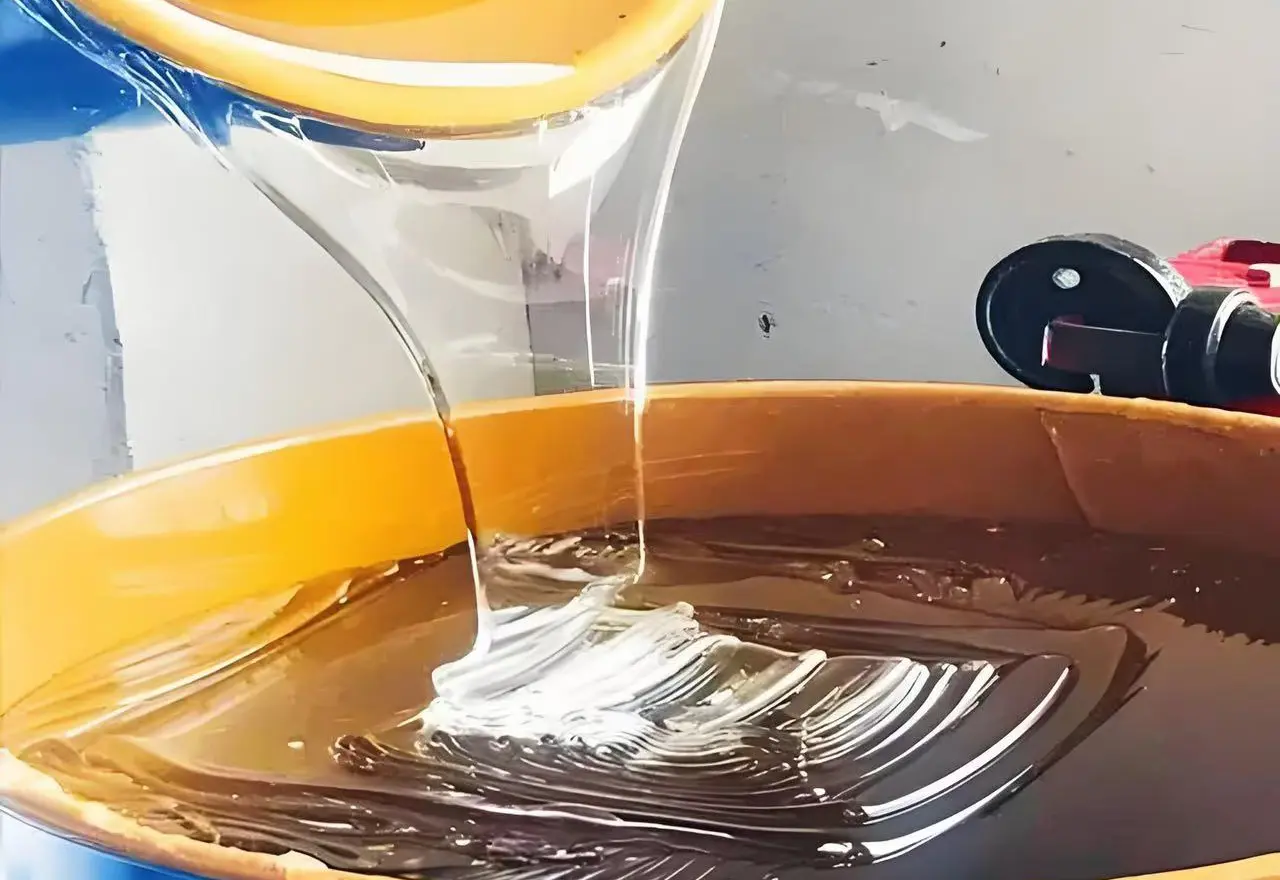
Silicone Liquids

Auto, Marine & Aero

Polymer Molds & Forms

Electronics Potting

Construction Industry
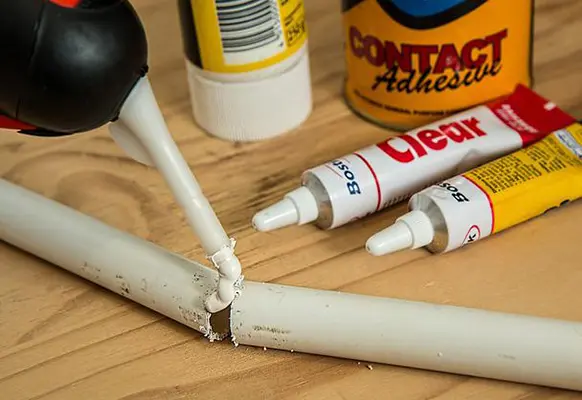
Adhesives & Sealants
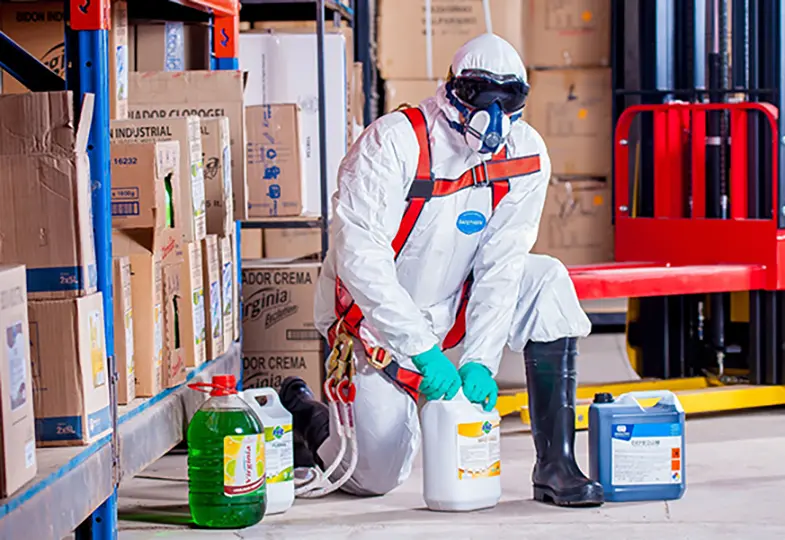
Varnishes & Coatings

Metal Surface Treatment
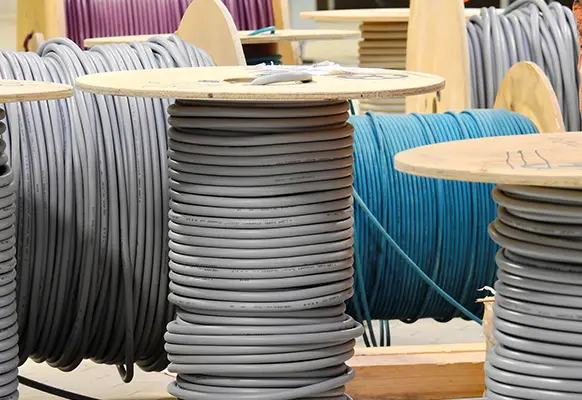
Wire & Cable Insulation
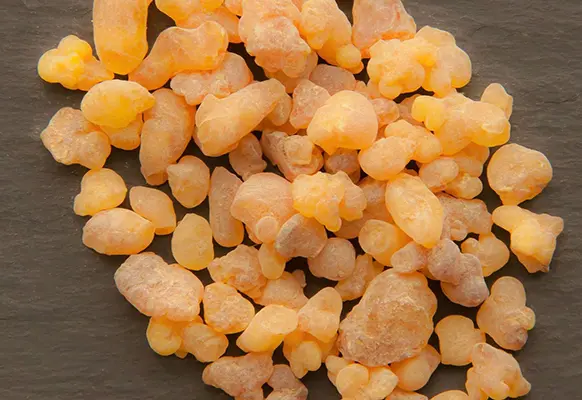
Resin Casting & Synthesis
Finally, Boctok materials are used in specialized processing and infrastructure projects, ensuring stability, durability, and performance:

Building Materials

Wind Turbines
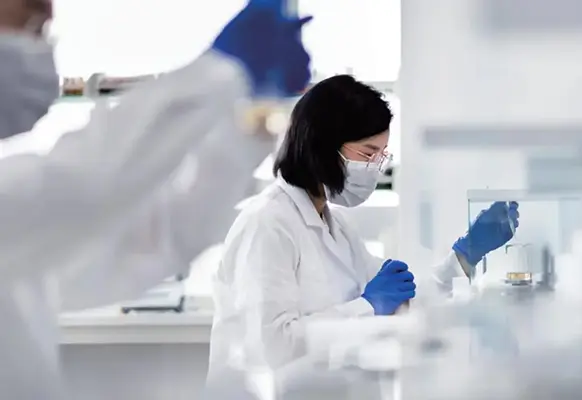
Biomedical Applications

Textile Finishing

Minerals & Fillers
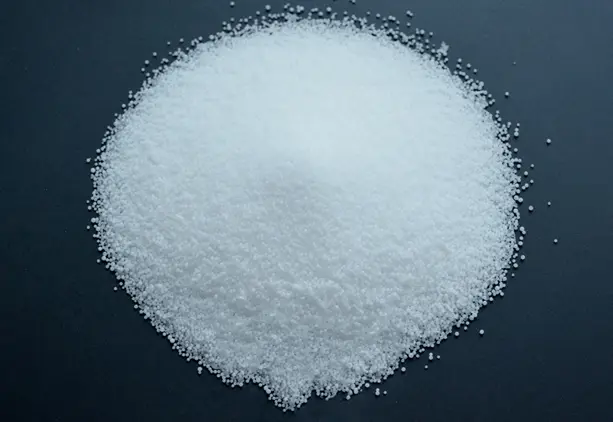
Micro-Polymers
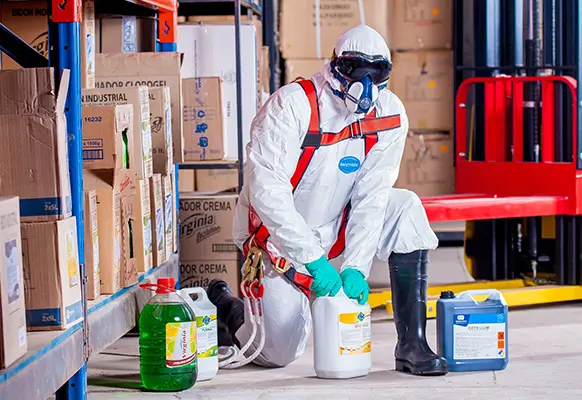
Silicone Paints & Protective Finishes
Driving sustainable development and eco-friendly chemical innovations
The future development of organosilicon softeners is closely tied to environmental sustainability and regulatory compliance. Our research and development initiatives are focused on reducing cyclic siloxanes (D4, D5, D6) to concentrations below 0.1% to comply with European Chemical Agency (ECHA) standards. We are also optimizing low-temperature curing profiles to help manufacturers reduce energy consumption during the stenter frame drying process.
By investing in raw feedstocks through partnerships with SINOPEC and PetroChina, Boctok is developing bio-based carriers to replace petroleum-derived solvents in silicone emulsions. Our roadmap also includes the integration of smart block copolymers that combine the hydrophobic qualities of classic siloxanes with the static control and breathability of polyether chains.
Ensuring supply chain security, regulatory compliance, and reliable product quality
At Shandong Boctok Chemical Co., we implement a comprehensive quality control framework that spans raw material sourcing to final product packaging. Our quality management systems are certified to ISO9001 standards, ensuring consistent production parameters across our lines. The Shouguang Bohai Industrial Park expansion includes an on-site laboratory equipped with high-performance liquid chromatography (HPLC) and gas chromatography-mass spectrometry (GC-MS) instrumentation to verify purity and composition.
We also offer custom formulation services, allowing clients to specify solid content, emulsion particle size, and viscosity profiles to match their specific application requirements. Our logistics network coordinates with primary ports in Qingdao and Tianjin to streamline international shipping, providing clear tracking and documentation for global shipments.
Answers to common questions from chemical engineers, distributors, and procurement managers
What are the primary chemical advantages of Alkoxy Silicone Oil Softeners over conventional Amino Silicone Oils?
Alkoxy silicone oils do not rely on amine groups to bond with substrates. Instead, they utilize reactive alkoxy functions (-OCH3 or -OC2H5) that hydrolyze to silanols and crosslink with fibers. This design eliminates the nitrogen-based thermal oxidation that causes yellowing, making them ideal for white and light-colored fabrics. They also offer improved shear stability in high-speed padding and exhaust systems.
How does Shandong Boctok Chemical Co. ensure the stability of silicone emulsions during long-distance shipping?
We utilize high-efficiency emulsification agents and maintain precise control over particle size distributions (typically in the micro-emulsion range of 20-50nm). This ensures thermodynamic stability, preventing phase separation, creaming, or sediment formation during long ocean transport and exposure to varying temperatures.
What are the minimum order quantities (MOQ) and packaging configurations for bulk exports?
Our standard packaging options include 200kg plastic/iron drums and 1000kg IBC totes. For bulk liquid shipments, we also utilize ISO tanks. MOQs vary depending on the product type, starting from 1 ton for trial orders up to 20-foot full container loads (FCL) for customized formulations.
Are Boctok silicone products compliant with European REACH and OEKO-TEX environmental standards?
Yes, our products are formulated to meet international environmental regulations. We offer APEO-free options and monitor our manufacturing lines to keep cyclic siloxane impurities (D4, D5, D6) well below current regulatory thresholds. This helps clients achieve compliance with OEKO-TEX Standard 100 and related apparel safety standards.
Can these silicone softeners be co-applied with other finishing agents, such as fluorocarbons or flame retardants?
Alkoxy silicone softeners generally exhibit good compatibility with non-ionic and cationic finishing agents. However, because they form crosslinked networks, we recommend conducting laboratory pre-trials when combining them with anionic agents, fluorocarbon water-repellents, or flame retardants to prevent potential emulsion destabilization.
High-purity silanes, silicates, and specialty crosslinkers for advanced chemical applications
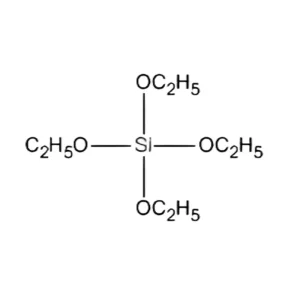
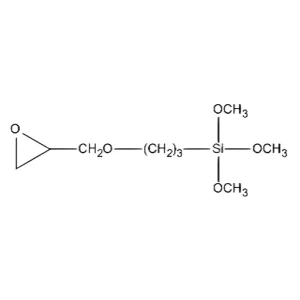
 Boctok Chemical