Explore our highly-curated selection of premium silane coupling agents, advanced silicone oils, crosslinkers, and specialized chemical compounds.
A technical analysis of molecular properties, synthesis kinetics, global sourcing architectures, and macro-industrial application matrices.
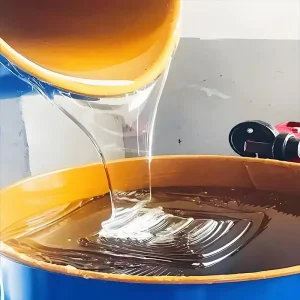
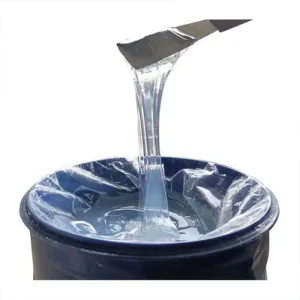
The base polymer of 107 RTV silicone rubber is silanol-terminated polydimethylsiloxane. Chemically symbolized as HO-[-Si(CH3)2-O-]n-H, its viscosity range varies extensively from 1,000 mPa.s up to 500,000 mPa.s, directly determined by the degree of polymerization (n). When formulated for high transparency and mold-making, the molecular chain uniformity must be precisely controlled. Any impurities, low-molecular-weight cyclics (D4, D5, D6), or heavy metal residues can induce turbidity, yellowing, or structural degradation over repeated molding cycles.
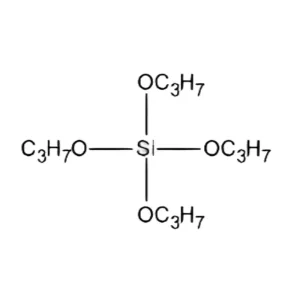
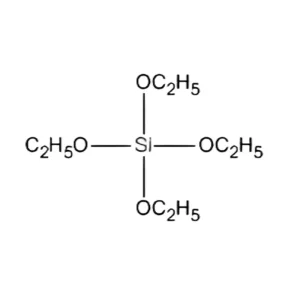
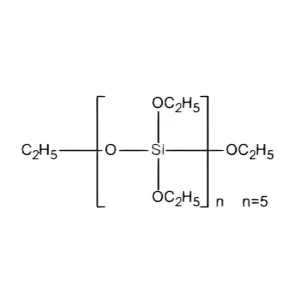
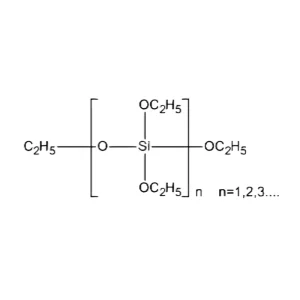
The vulcanization process relies heavily on a condensation crosslinking mechanism. By adding crosslinking agents, such as methyltriethoxysilane or ethyl silicate (including our specialized Ethyl Silicate 40 and Ethyl Silicate 32), and a catalyst, the silanol groups on the polymer chains undergo condensation reactions with the alkoxy groups of the crosslinkers. This constructs a three-dimensional siloxane network (Si-O-Si). The colorless and transparent nature is preserved by selecting matching refractive indices between the filler materials (such as fumed silica) and the silicone polymer fluid.
Global B2B procurement professionals look for key mechanical and optical performance indices when choosing suppliers for 107 RTV Colorless Transparent Mold Silicone Rubber. High-precision tooling requirements—such as those in the aerospace, automotive components, and consumer electronics prototyping sectors—necessitate materials that feature:
A look at our infrastructure expansion and global footprint, showcasing our reliability and authority in the chemical sector.
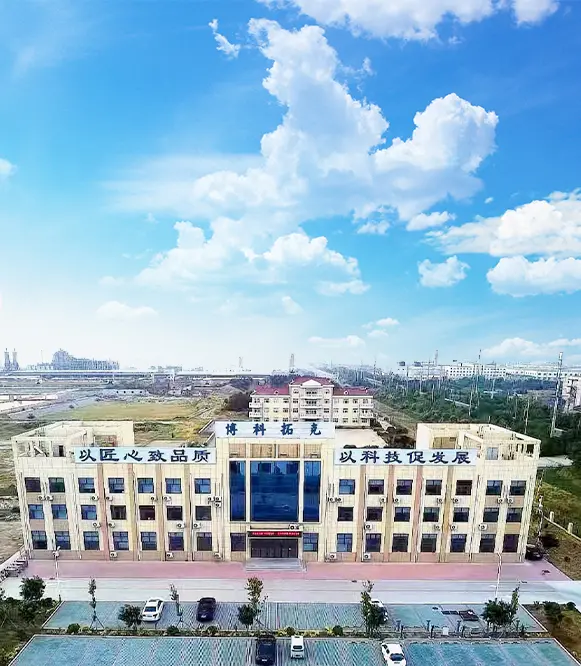
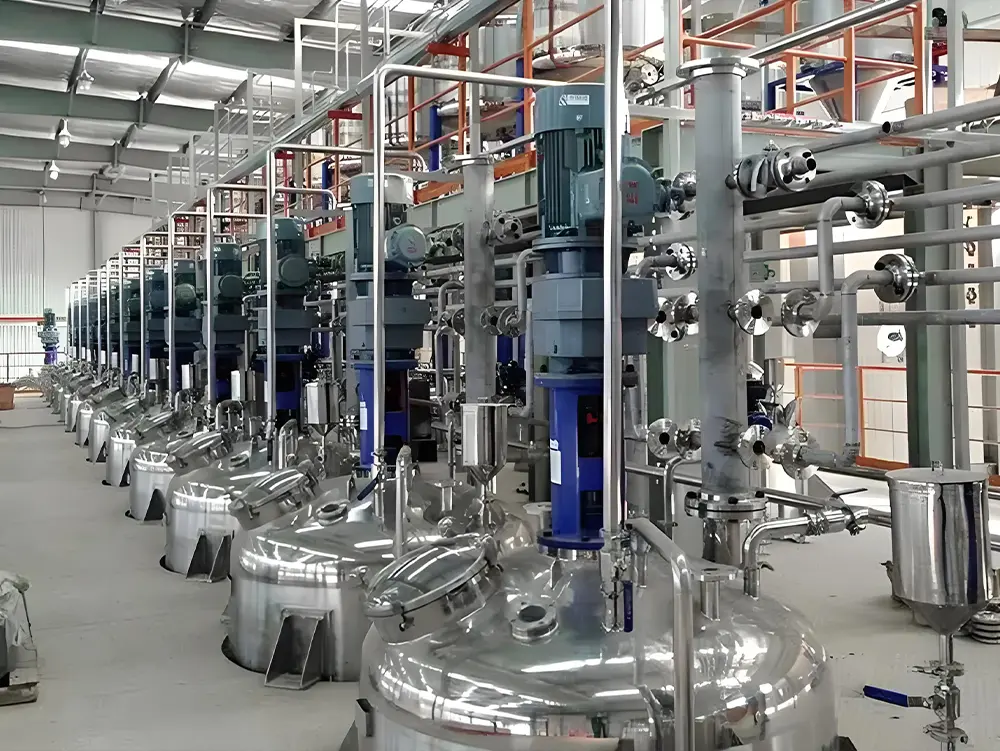
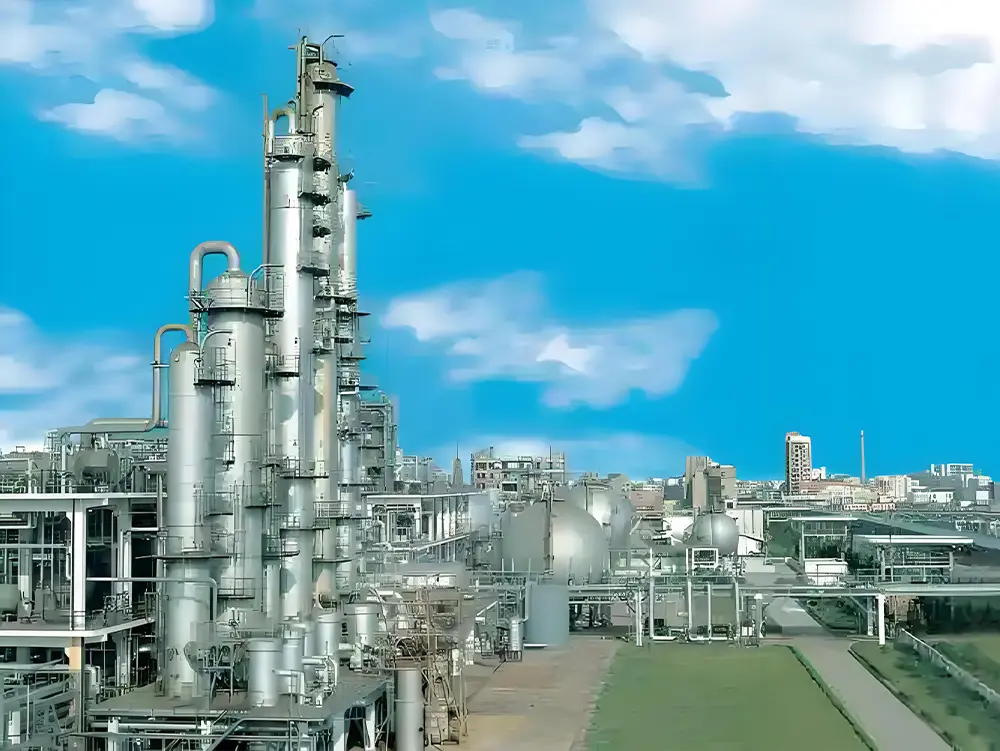
The shift towards smart chemical manufacturing is represented by Shandong Boctok Chemical's recent US$65 million investment in the Bohai Industrial Park, Shouguang City, Shandong Province. This chemical park hosts our advanced facility, housing six fully automated Distributed Control System (DCS) production lines.
By integrating DCS with Safety Instrumented Systems (SIS), our production units monitor parameters like reaction temperatures, pressure thresholds, raw material feed ratios, and vacuum distillation levels in real-time. This level of process automation prevents batch-to-batch variations, a common issue in manual reactor setups. For international procurement partners, this ensures that the 107 RTV silicone rubber ordered today will match the viscosity, curing speed, and physical properties of the batch ordered next year.
In addition, our green manufacturing design features waste gas collection systems and multi-tier wastewater treatment systems. Compliance with environmental regulations ensures that Boctok's production lines remain operational without regulatory disruption, offering supply chain security to global buyers who cannot afford delivery stoppages.
As industrial design requirements become more complex, the applications for 107 RTV Colorless Transparent Mold Silicone Rubber continue to expand. Major international markets require customized formulations to meet localized technological standards:
Why leading industrial manufacturers and Fortune 500 companies choose Shandong Boctok Chemical Co. as their long-term supply partner.

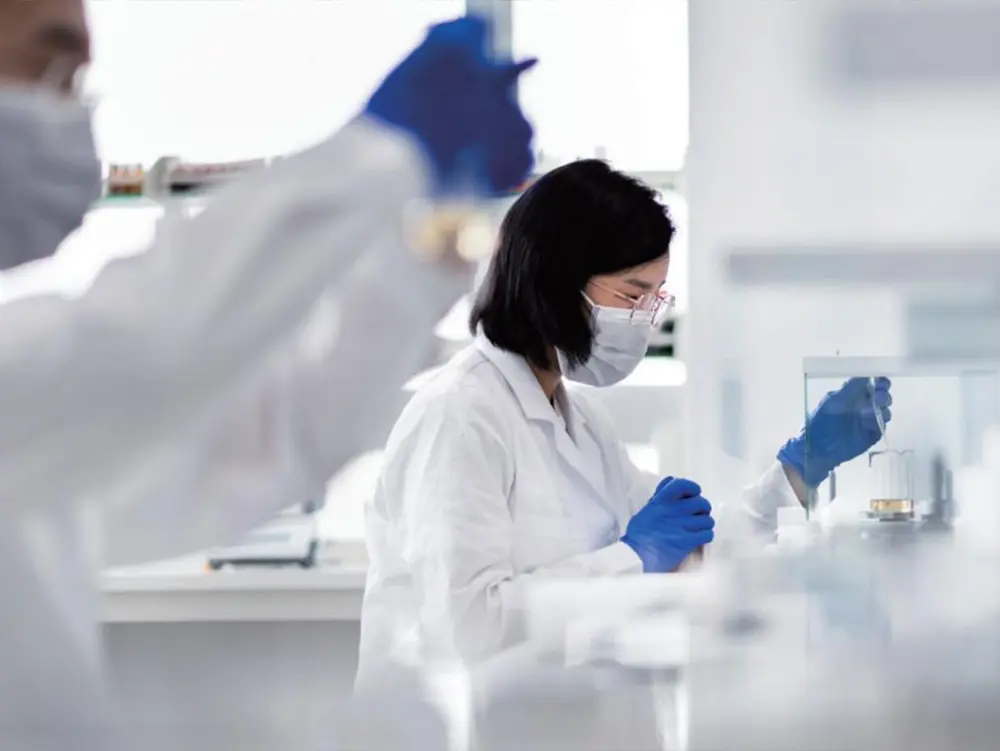
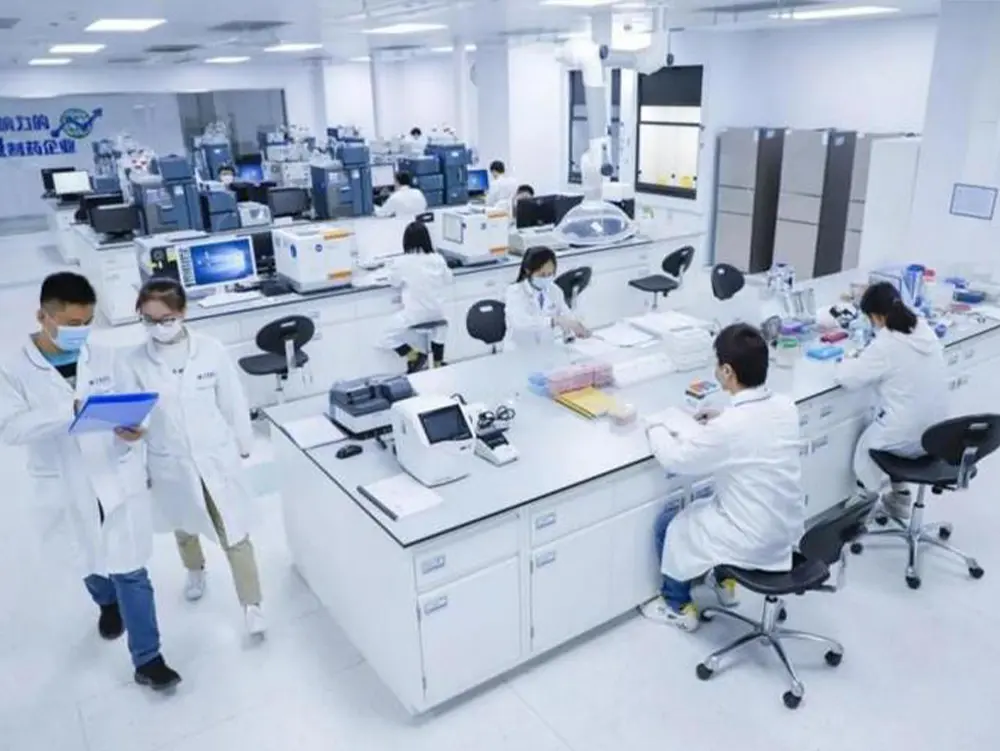
Our products undergo rigorous testing, compliant with ISO 9001 quality management systems throughout the production run. Batch consistency is verified via gas chromatography and spectrophotometric analysis.

Operating high-volume facilities in Shouguang, Zibo, Fushun, and Nanjing, we scale production to meet large-volume bulk orders and custom formulations.

Our technical support team is available online to assist with viscosity selection, crosslinker ratios, and curing profiles.

Strategic proximity to major global ports in China facilitates rapid customs clearance and secure, reliable shipping networks.
A look at Shandong Boctok Chemical's manufacturing infrastructure, mixing vessels, and processing facilities.
From fine organic silicones to advanced hydrocarbon resins and agricultural formulations, Boctok provides critical intermediates for various industries.

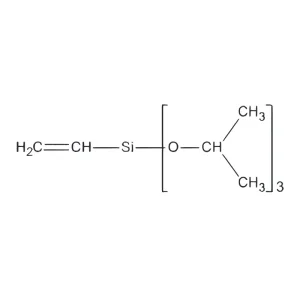
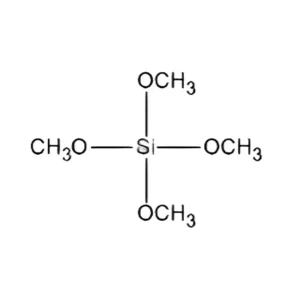
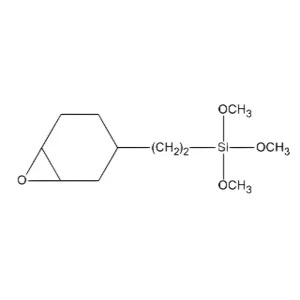
Twelve series of silane coupling agents and crosslinkers including aminosilane, epoxy silane, vinyl silane, phenyl silane, and ethyl silicates.

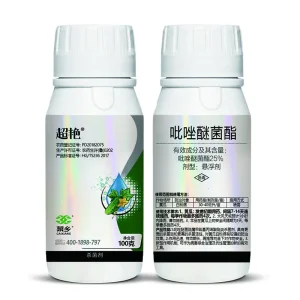
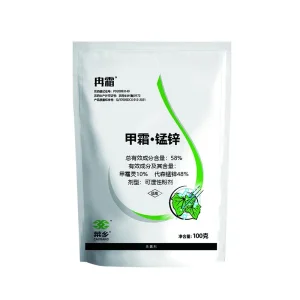
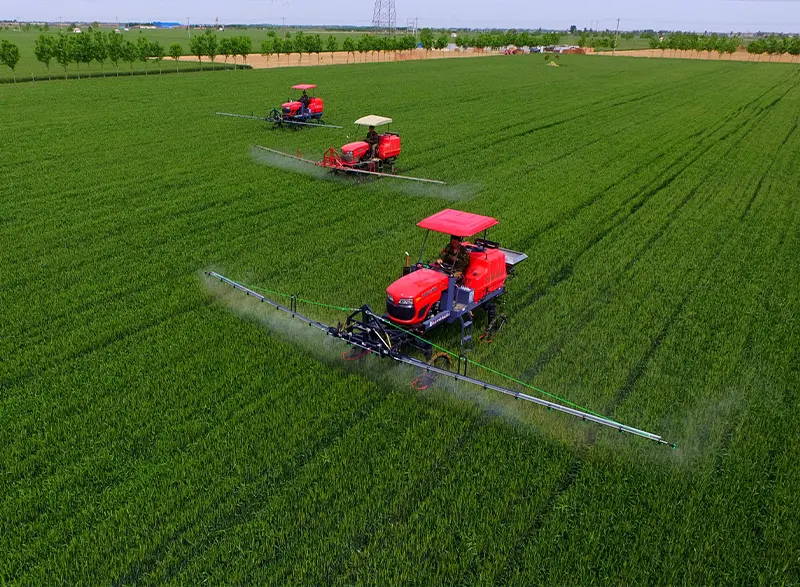
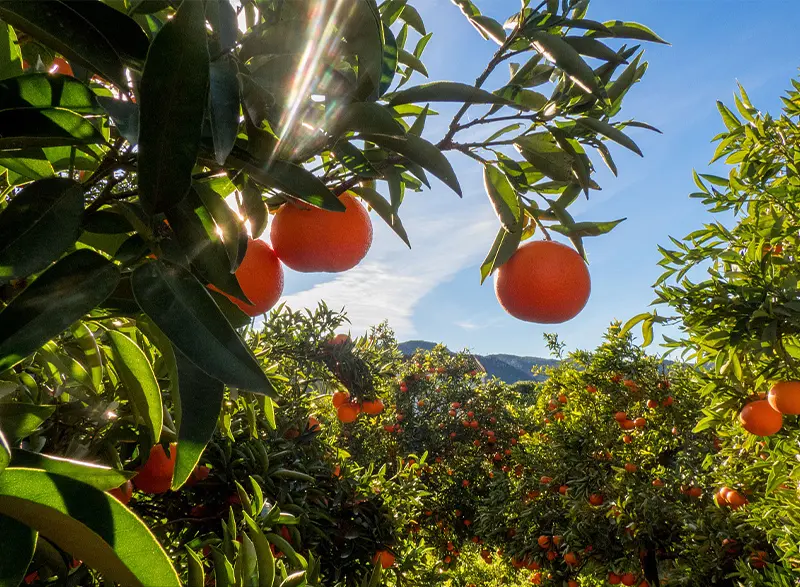
High-purity intermediates for pesticides, fungicides, seed treatments, herbicides, and plant growth regulators.
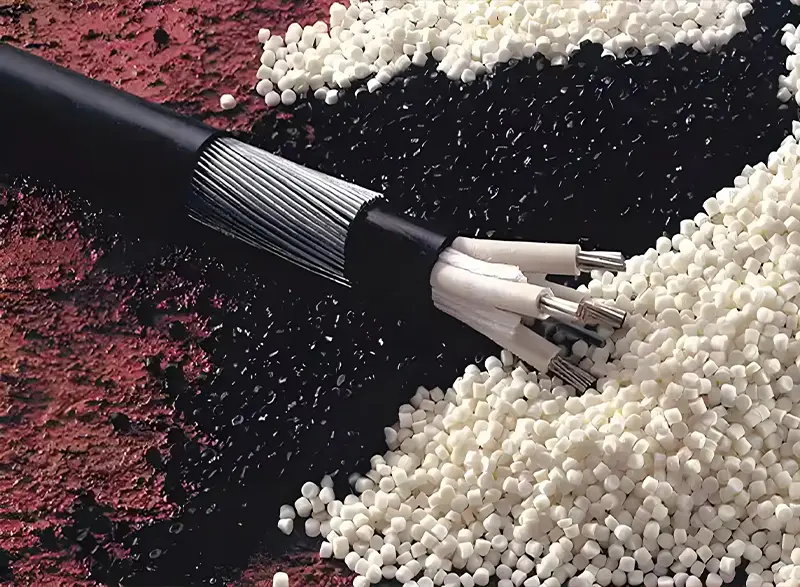
Organosilicone polymers used as insulating materials in XLPE electric cables, hot water pipes, and protective casting components.
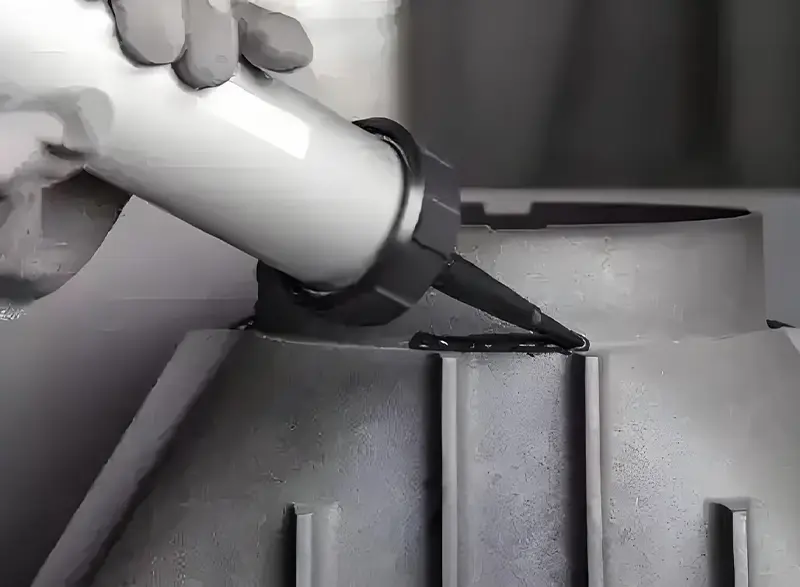
Formulated room-temperature vulcanized rubbers designed for high-adhesion sealing in automotive, electronics, and structural construction.
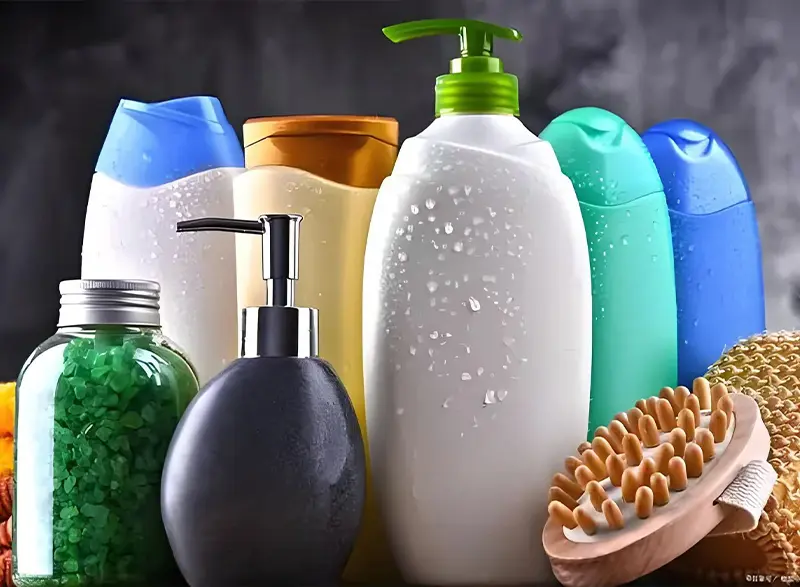
High-purity dimethicone and silanol silicone oils utilized as conditioning agents and emollients in cosmetics and personal care formulations.
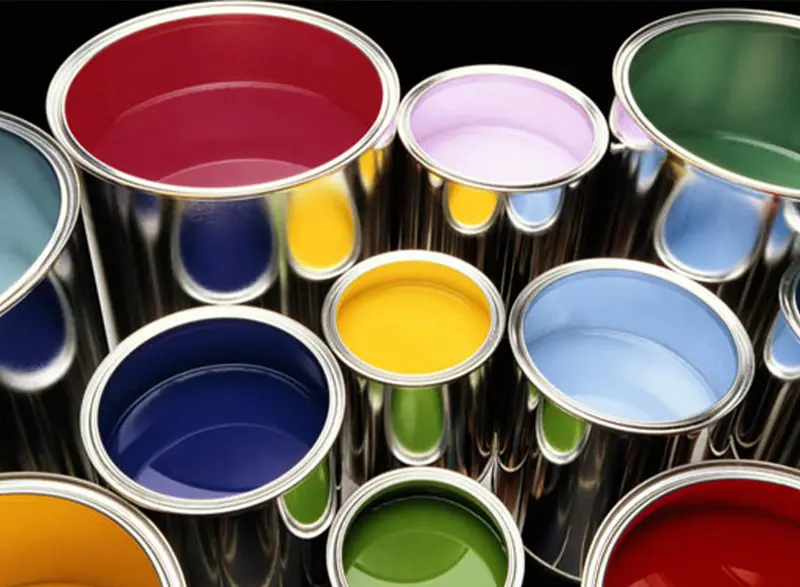
C9 hydrogenated resins, C5 hydrocarbon resins, and dicyclopentadiene sourced using SINOPEC and PetroChina raw materials for coatings and adhesives.
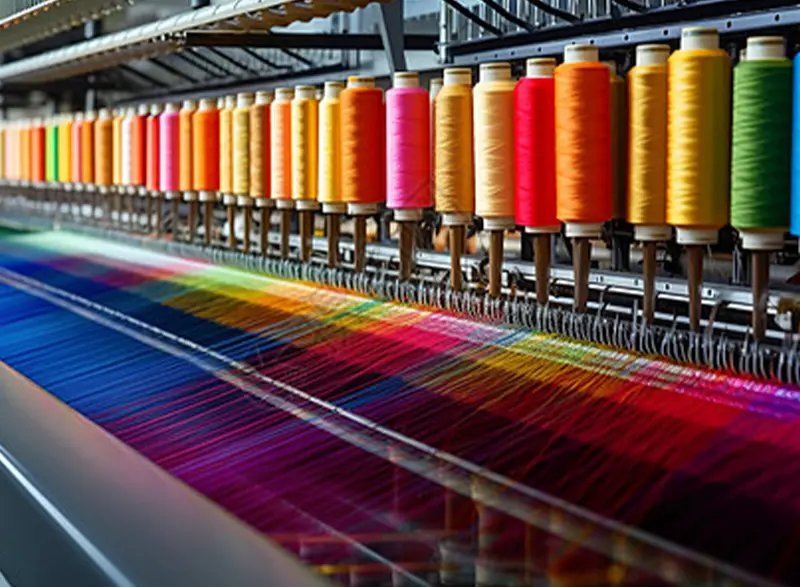
Discover how our chemicals are utilized across global industries, providing stability and quality under harsh operating environments.



Providing expert answers to common technical inquiries regarding processing, performance, and application properties.
The quality of transparent 107 RTV rubber is defined by its refractive index (typically close to 1.403), light transmittance (greater than 92%), crosslinking density, and viscosity control. Lower volatile content prevents shrinkage during curing, and strict control of cyclic siloxanes (D4-D10) ensures environmental safety and prevents yellowing or degradation over time.
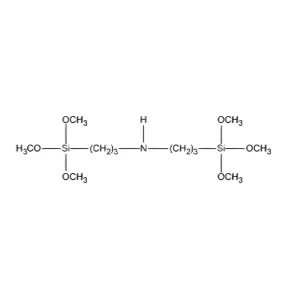
Depending on the desired curing speed and physical properties, alkyl silicates such as Tetraethoxysilane (TEOS), Ethyl Silicate 40, or Ethyl Silicate 32 are commonly used as crosslinking agents. For architectural or electronics applications, specialty silane coupling agents (e.g., aminosilanes or epoxysilanes) are added to improve adhesion to substrates like glass, aluminum, and copper.
We run multiple production plants in Shouguang, Zibo, Fushun, and Nanjing. Our raw materials are sourced through strategic partnerships with major national suppliers like SINOPEC and PetroChina. Supported by automated DCS/SIS control systems, our production remains consistent, minimizing logistics risks and ensuring uninterrupted global shipping.
Silanol silicone polymers (such as hydroxyl-terminated silicone oil/OH polymer) are widely utilized in glass fiber finishing, structural coatings, paper release liners, textile softeners, electrical insulation potting, and mold fabrication. They improve substrate adhesion, moisture resistance, heat stability, and surface flexibility.
Browse our selection of specialized silanes, agrochemical components, and high-performance room-temperature vulcanized rubbers.
 Boctok Chemical