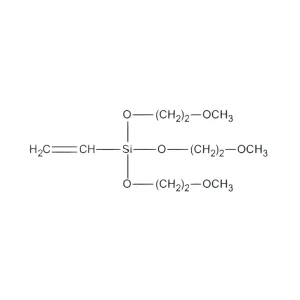
High-purity specialized monomers and adhesives optimized for harsh industrial environments and maritime coastal applications across Greater Mumbai.
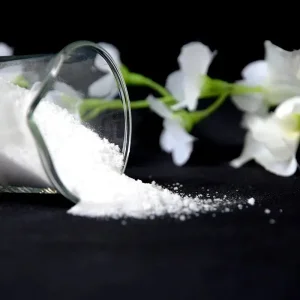
As the commercial capital of India, Mumbai and its surrounding industrial belts—including Thane, Navi Mumbai, Taloja, and Kalyan—are undergoing an unprecedented manufacturing transformation. Driven by heavy investments in infrastructure, automotive manufacturing, high-density electronics, and maritime protection, the demand for specialty polymers has grown exponentially. Specifically, silicone resins, because of their unique organic-inorganic framework, represent the pinnacle of protective polymer chemistry required to sustain Mumbai’s aggressive growth sectors.
Mumbai's coastal location presents extreme environmental challenges. With high relative humidity exceeding 85% for most of the year, saline sea breezes, and harsh monsoon cycles, conventional organic resins succumb rapidly to oxidation, hydrolysis, and UV degradation. Silicone resins (including highly cross-linked MQ and VMQ structures) offer structural silicon-oxygen (Si-O-Si) backbones. The high bond energy of the Si-O bond (460 kJ/mol) compared to carbon-carbon bonds (348 kJ/mol) ensures superior thermal stability, UV resistance, and excellent hydrophobic capabilities. Consequently, modern infrastructure developments like the Mumbai Coastal Road, trans-harbor links, and high-rise commercial structures heavily rely on silicone-modified paints, waterproof coatings, and construction joint sealants.
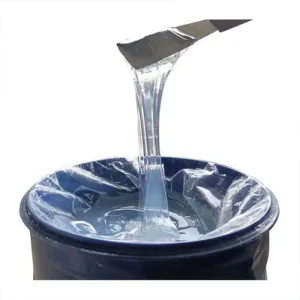
On a global scale, the organosilicon industry is transitioning away from traditional solvent-borne systems toward eco-friendly, low-VOC (volatile organic compound), and solvent-free formulations. This shift is highly relevant to Mumbai’s localized paints and coatings sector, which is increasingly complying with stringent national environmental policies. Modern silicone MQ resins—three-dimensional spherical macromolecular structures comprised of monovalent (M) and tetravalent (Q) siloxy units—are now key components in pressure-sensitive adhesives (PSA), electronics encapsulation, and personal care cosmetics. When utilized as film formers, these resins yield exceptionally durable coatings that exhibit outstanding peel strength, chemical inertness, and structural elasticity.
Founded in 2012, Shandong Boctok Chemical Co. was established as a high-tier marketing and sales headquarters for Boctok™ domestic and international business. Driven by engineering excellence and strict adherence to global quality standards, the company achieved total sales of US$280 million in 2023. Originally focusing on serving the specialized needs of the Russian market under the BOCTOK brand, we have expanded our robust logistics and supply chain networks to cater directly to critical industrial zones worldwide, including the fast-growing chemical markets of Mumbai and Western India.
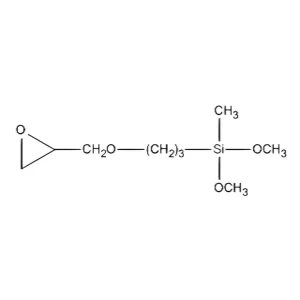
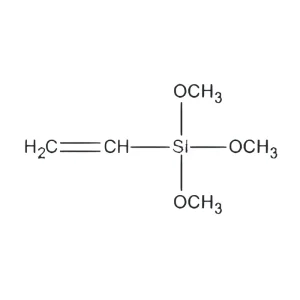
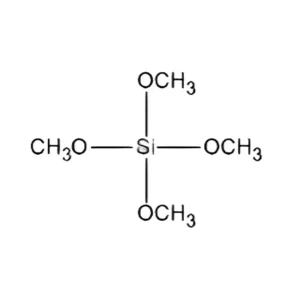
Boctok’s core operations are divided into specialized chemical portfolios. Our primary core business focuses on organosilicone materials, featuring twelve series of silane coupling agents and crosslinkers. These include essential chemical families such as aminosilane, methacrylate silane, epoxy silane, vinyl silane, mercaptosilane, alkyl silane, ethyl silicate, chlorosilane, silane isocyanates, phenyl silane, ureidosilane, and serosilane.
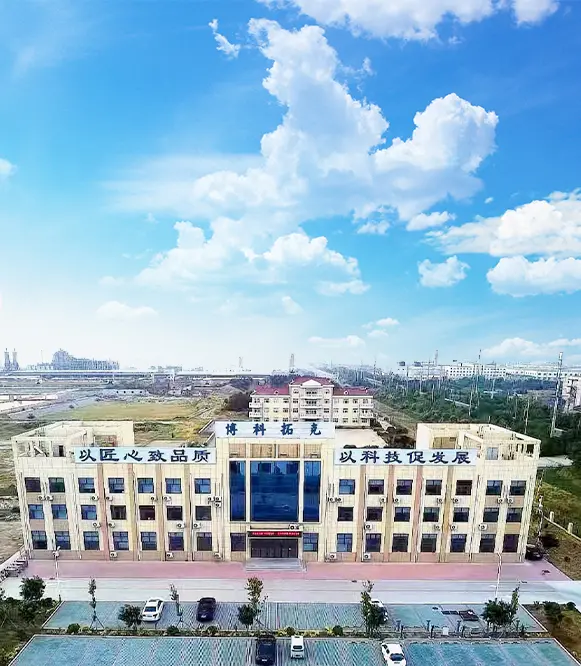

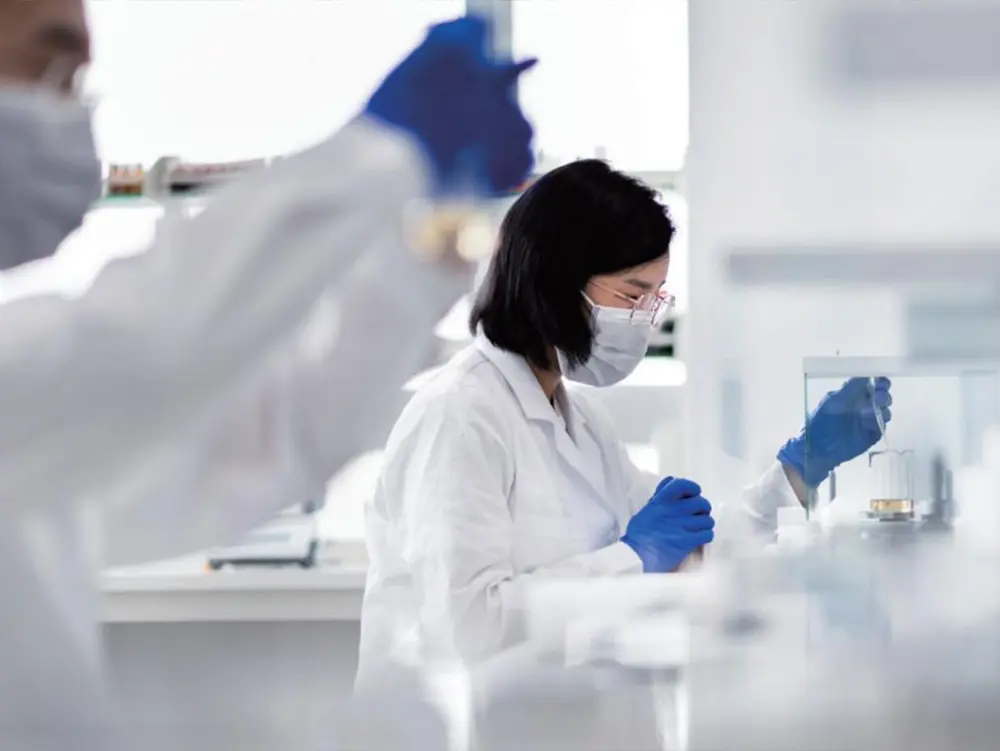
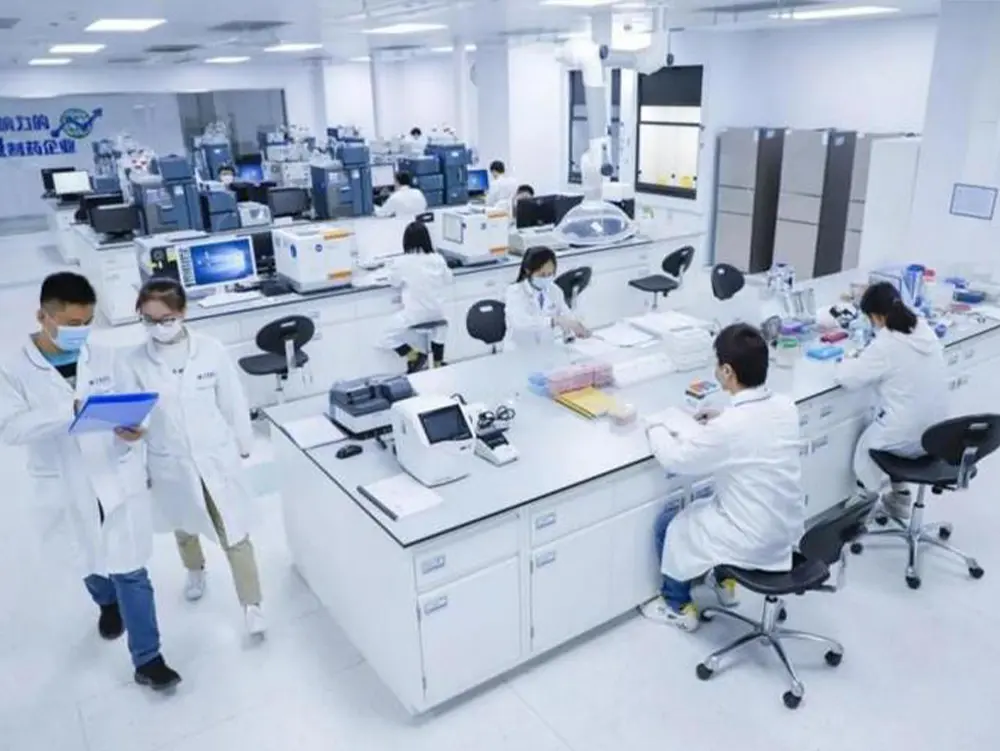
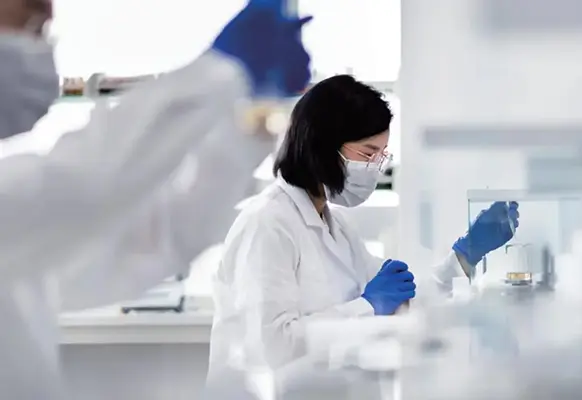
Our products undergo rigorous testing and analytical evaluation to ensure that every compound, from silane monomers to complex MQ resins, meets the highest international quality standards.

Equipped with advanced automated synthesis lines, we scale up production to deliver consistent mass customization while maintaining excellent molecular weight control.

Our technical sales engineering team is available 24/7 online, providing swift, professional advice, technical datasheets, and custom integration consultations.

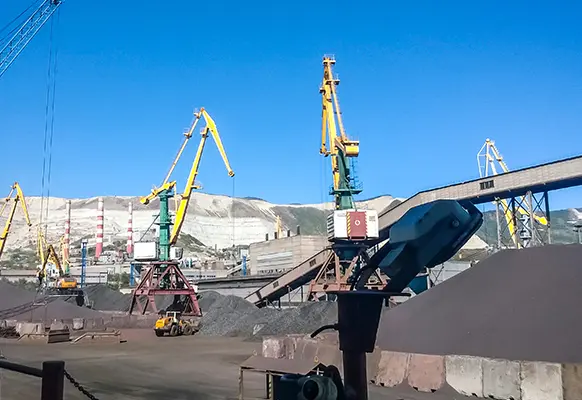
Our logistics network ensures efficient order processing and ocean freight routing directly to Mumbai ports (JNPT) with minimum transit latency.
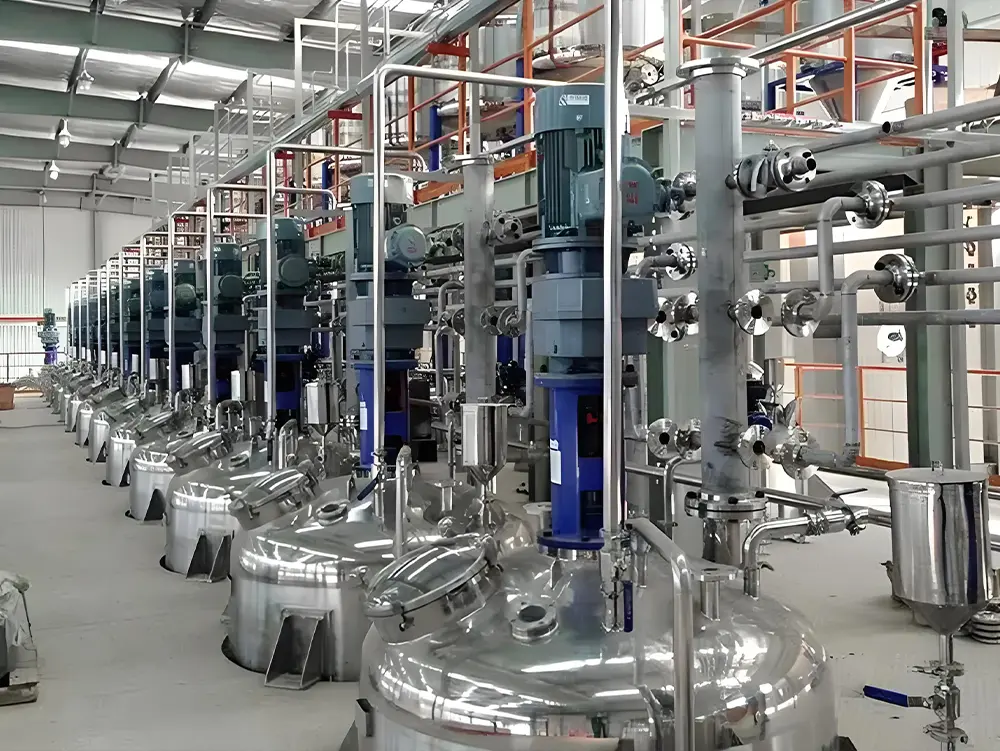
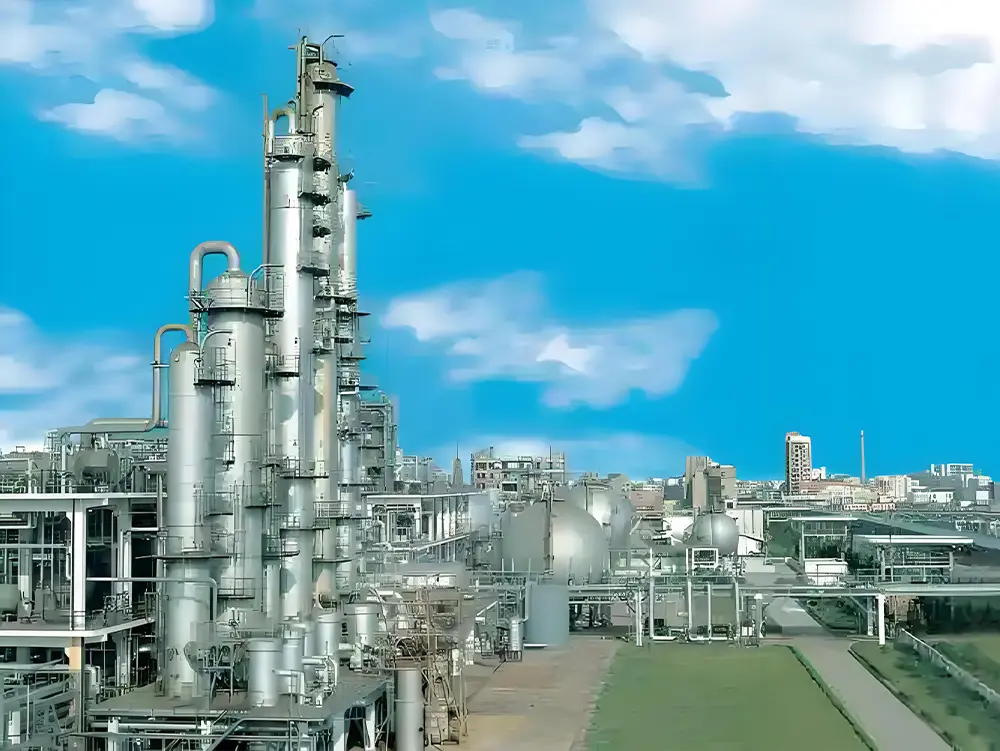
Deploying state-of-the-art chemical engineering systems to ensure steady output, environmental compliance, and high reliability.
To support growing global demand, Boctok invested US$65 million to construct a state-of-the-art manufacturing facility in the Bohai Industrial Park, a provincial chemical industry park located in Shouguang City, Shandong Province. This complex expands our silane coupling agent production chain, featuring 6 automatic DCS production lines with an annual capacity of 30,000 tons of silane coupling agents.
Our facility emphasizes process safety and consistency. The production lines are fully controlled via remote-operation Distributed Control Systems (DCS) and integrated Safety Instrumented Systems (SIS). Production processes adhere to ISO9001 Quality Management Standards to minimize batch-to-batch variation. Additionally, the plant utilizes advanced environment protection systems, including comprehensive waste gas collection and treatment infrastructure alongside high-capacity wastewater treatment plants.
Extending our chemical manufacturing competencies to high-demand hydrocarbon polymers and industrial crop protection formulations.
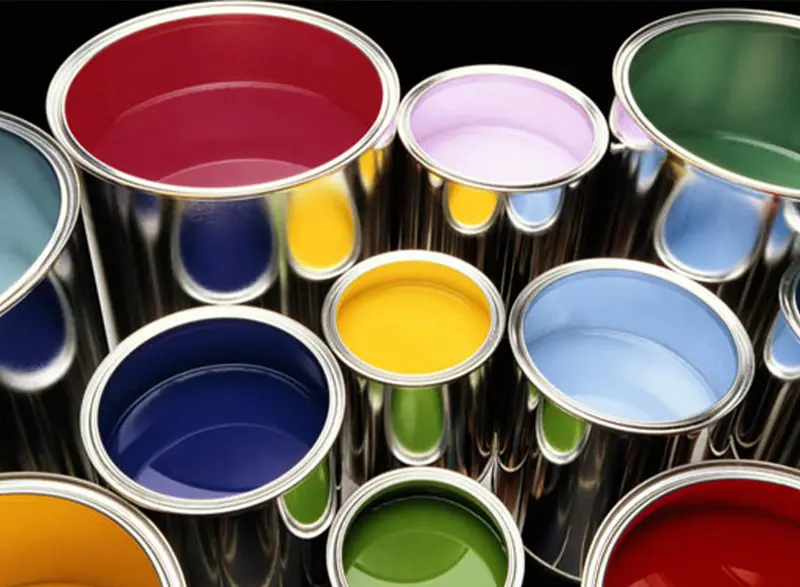
Boctok’s Tier II core business centers on petroleum resins. We have invested in a leading Chinese hydrocarbon resin manufacturer, operating three factories located in Zibo, Fushun, and Nanjing. Leveraging feedstocks from SINOPEC and PetroChina, our production processes yield consistent C9 hydrogenated resins, C5 hydrocarbon resins, C5 modified C9 hydrocarbon resins, C9 hydrocarbon resins, dicyclopentadiene (DCPD), and methyl cyclopentadiene dimer. These polymers are heavily utilized by Fortune 500 companies in adhesives, road marking paints, printing inks, and rubber compounding.
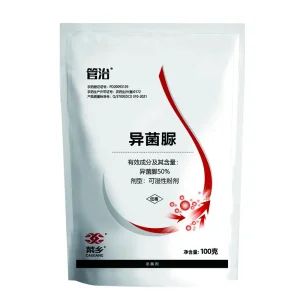
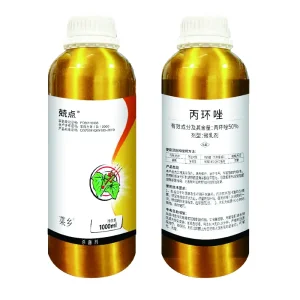
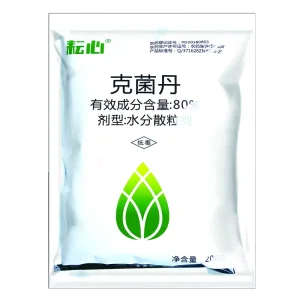
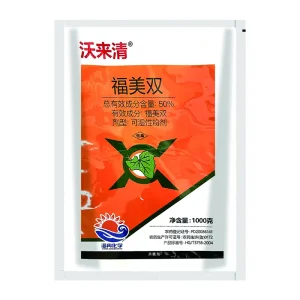
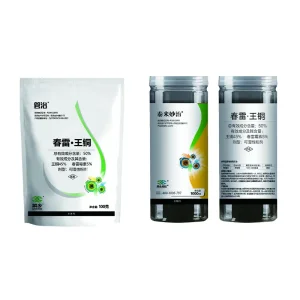
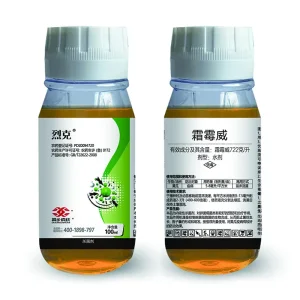
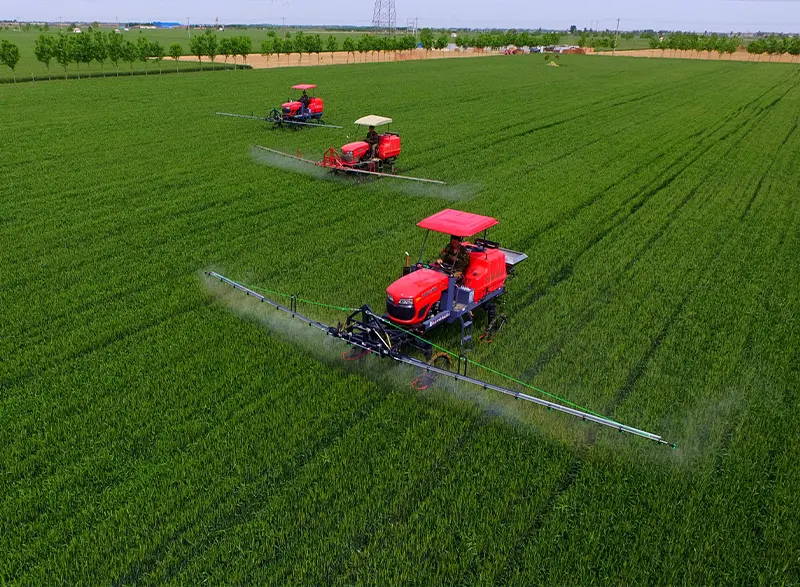
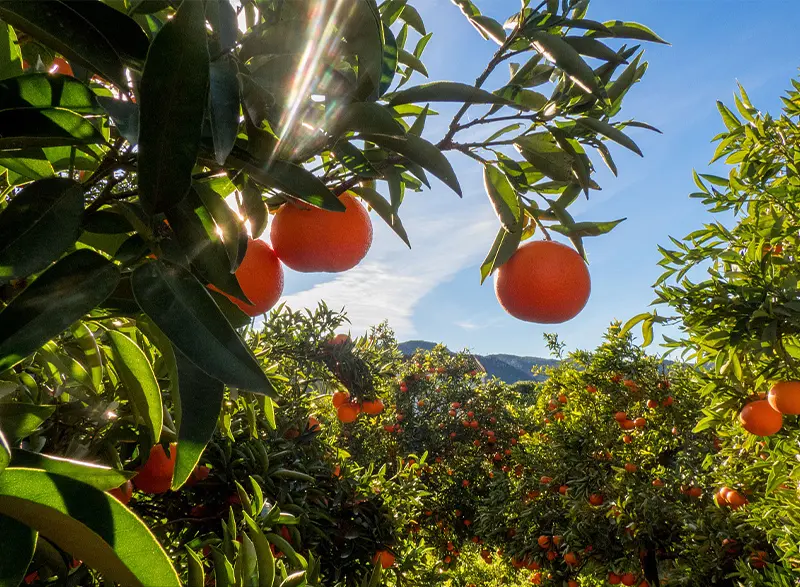
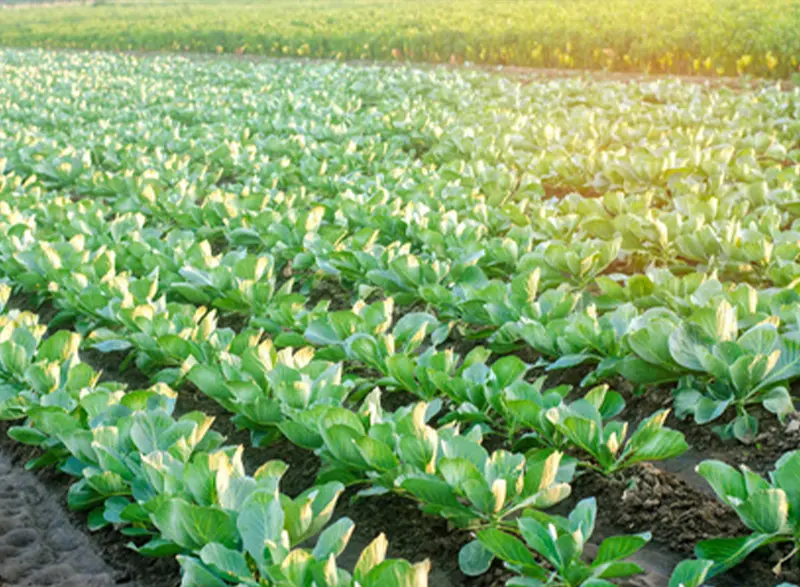
In addition to industrial silicones, Boctok operates a specialized agrochemical branch. We synthesize key intermediates and active ingredients for insecticides, fungicides, herbicides, seed treatments, and plant growth regulators, supporting global agricultural value chains.
High-performance chemicals formulated to meet the demanding requirements of various global industrial sectors.


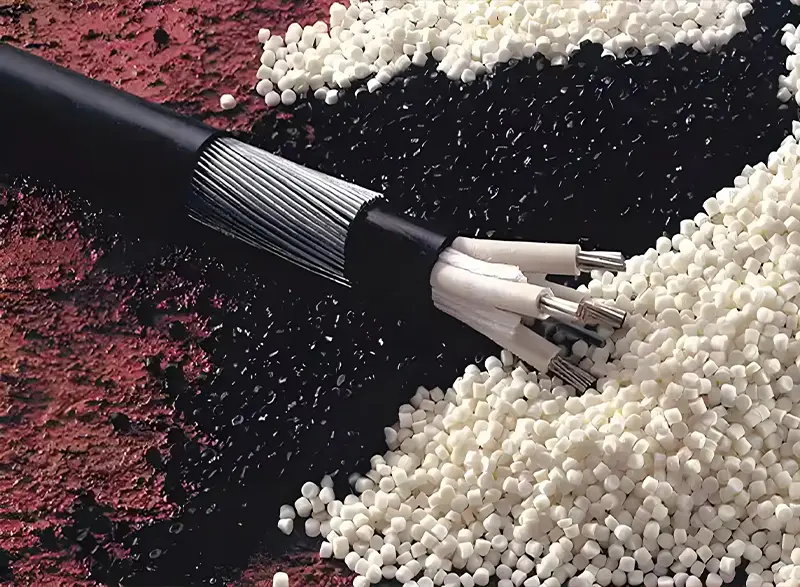
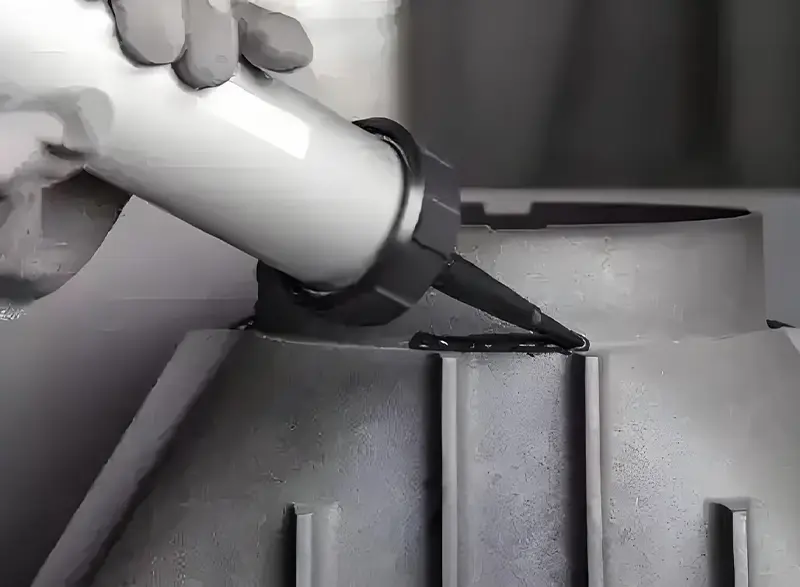

Detailed breakdown of how our polymers integrate into critical technical sectors.


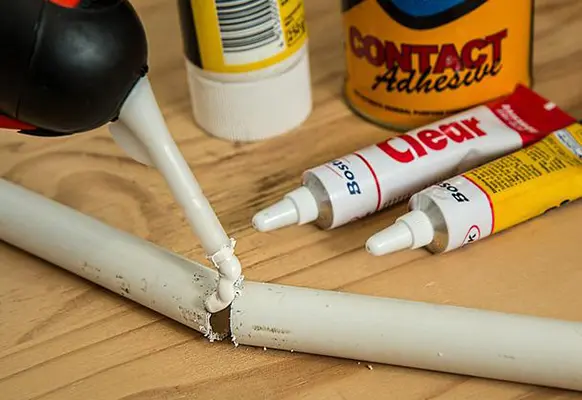
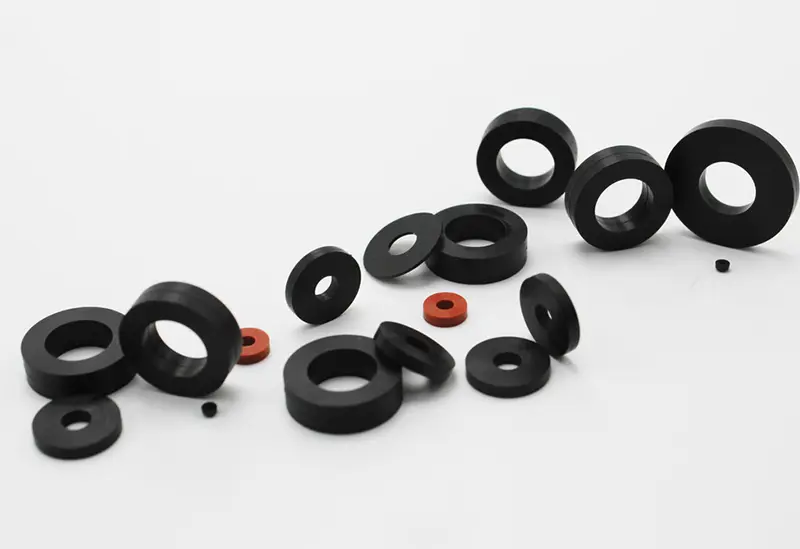
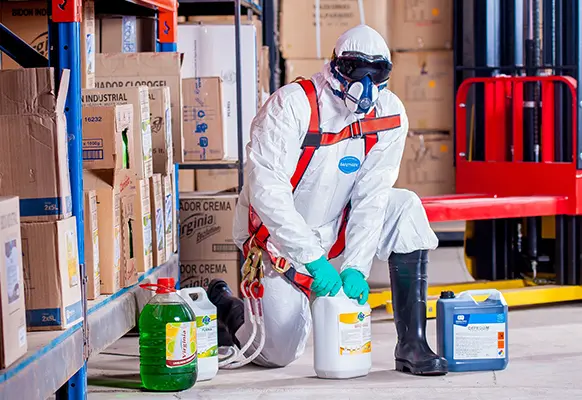
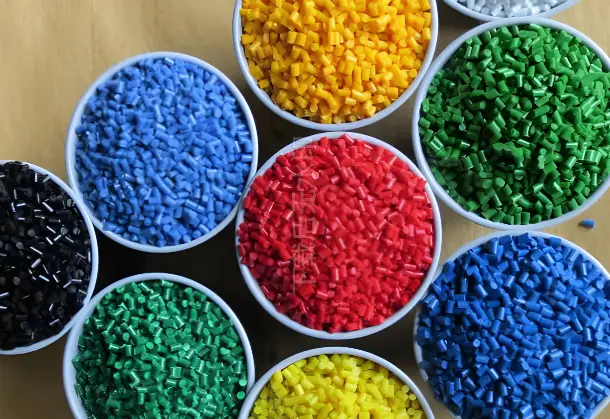
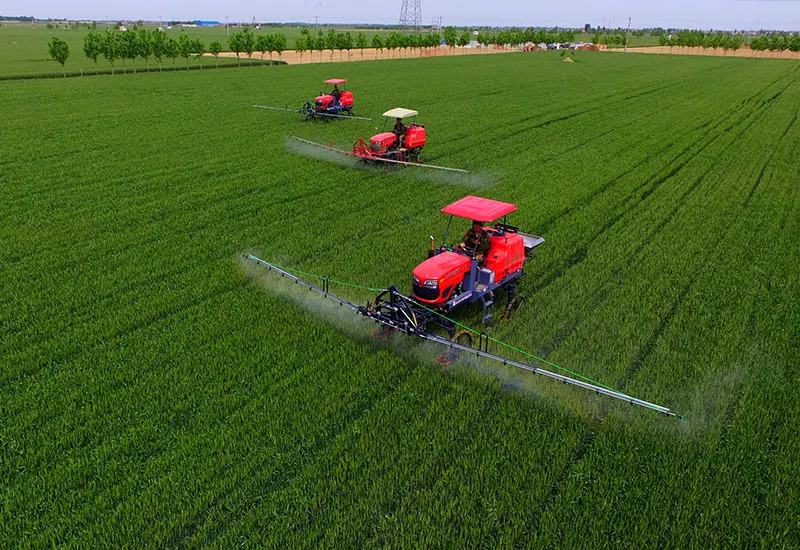
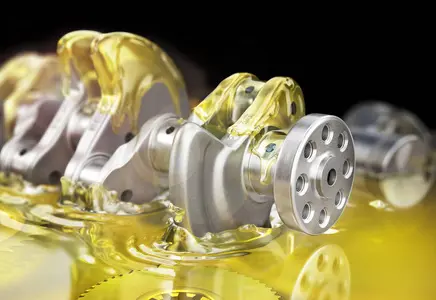
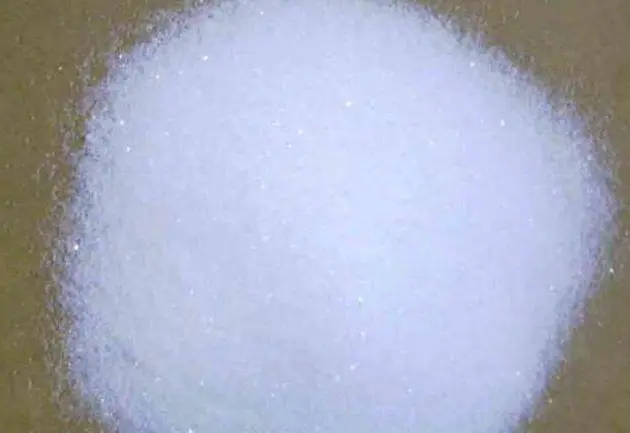

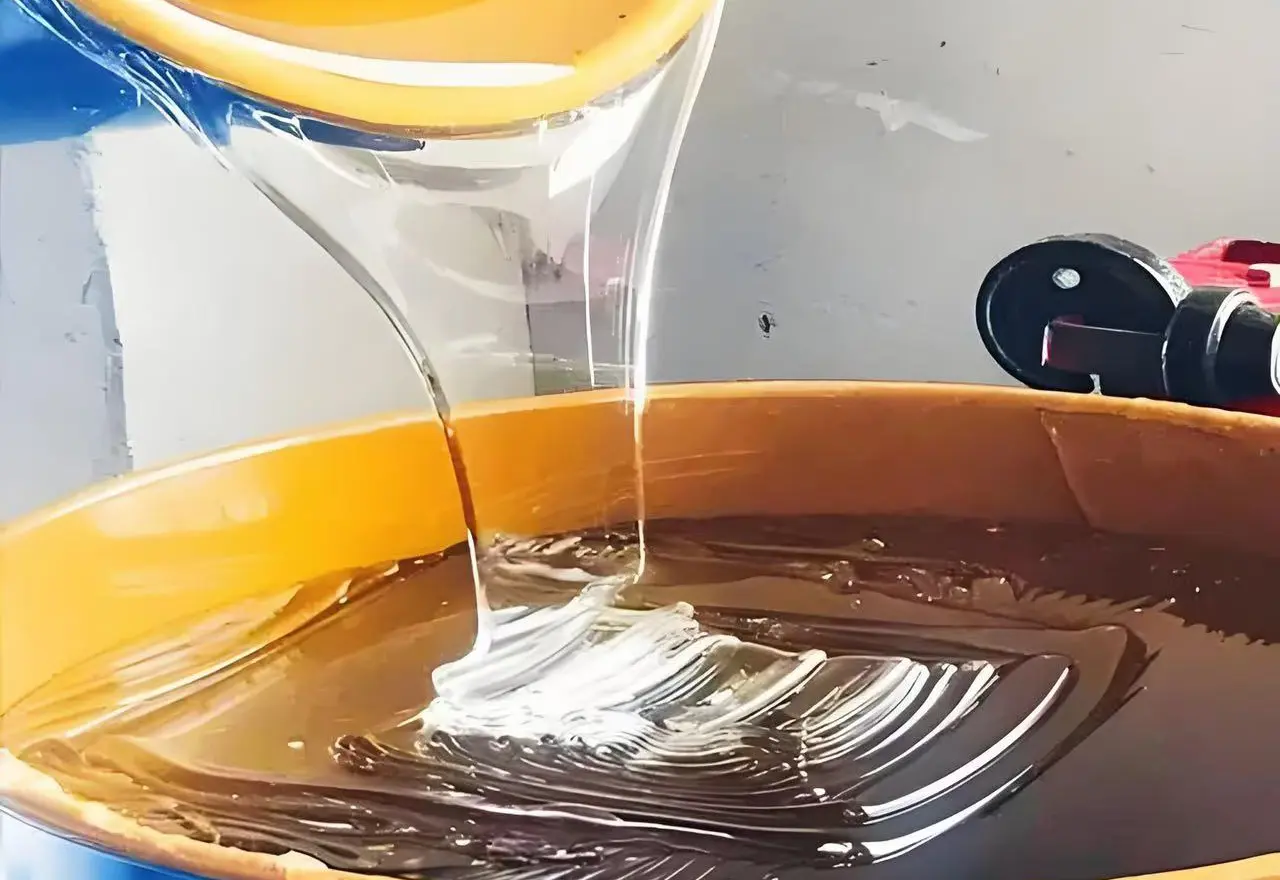

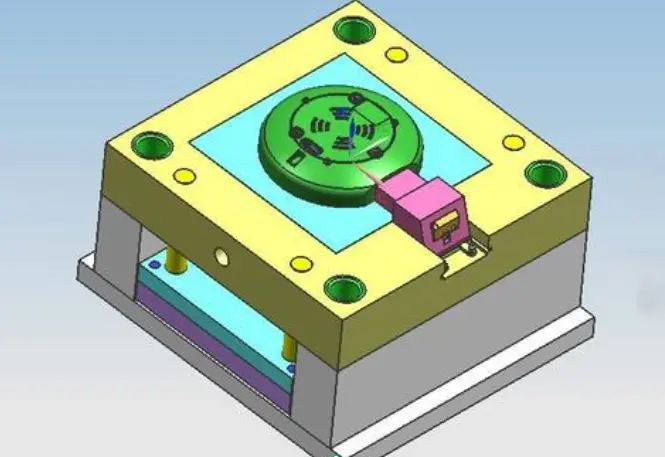

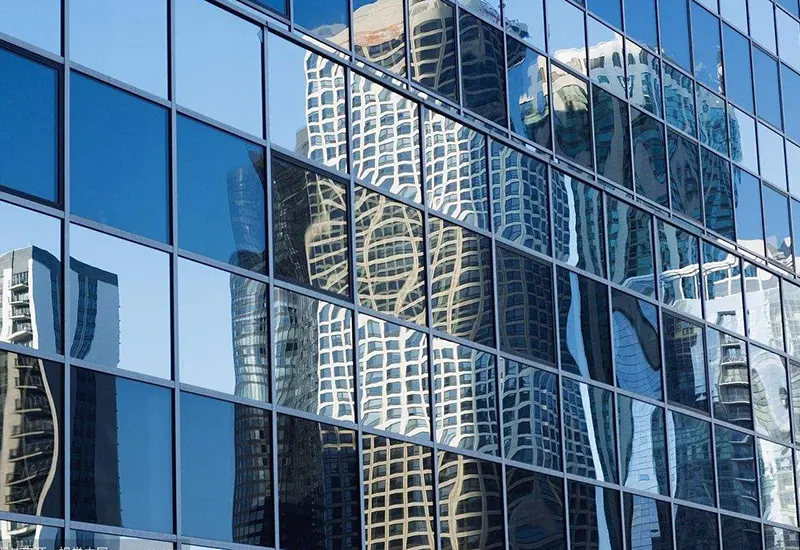
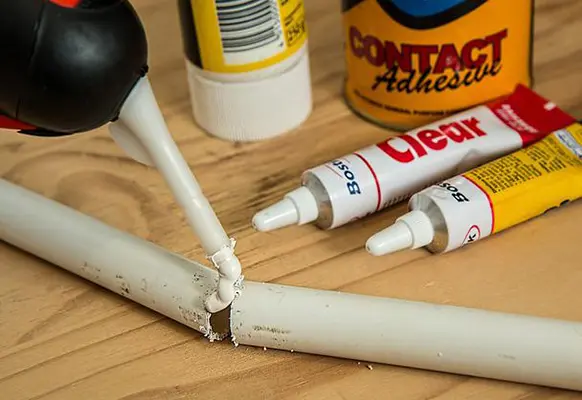
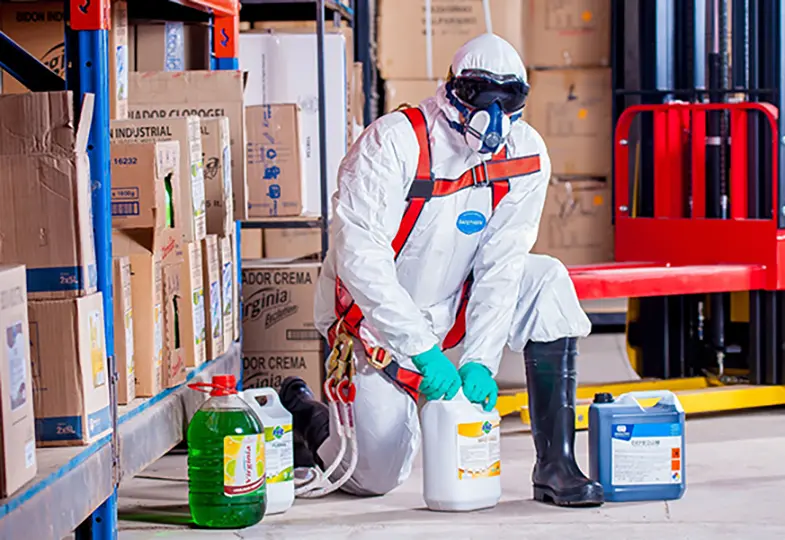

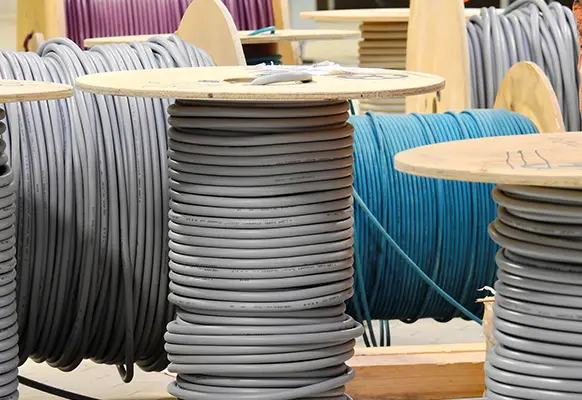
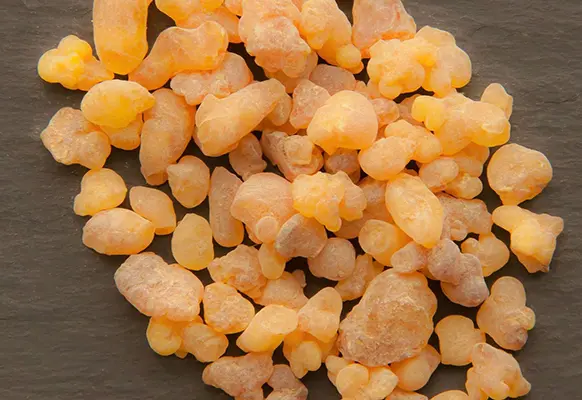



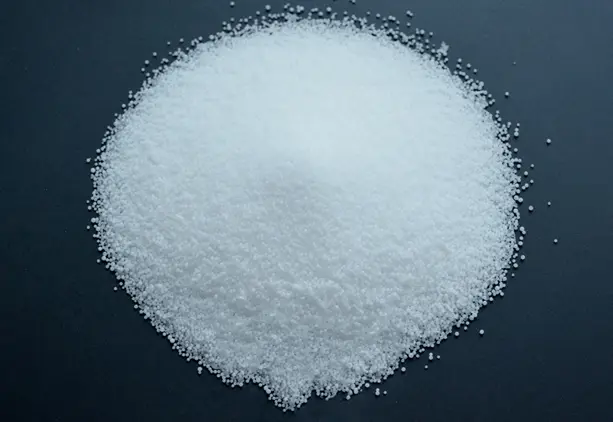
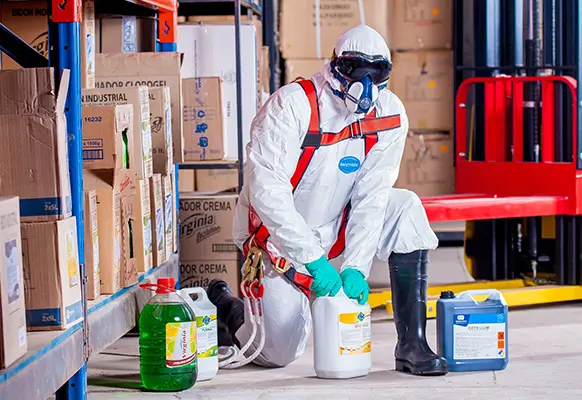
High-purity technical chemicals and polymers engineered for durability under heavy operating loads and high thermal stress.
Ensuring complete chemical optimization and material durability across downstream industrial networks.
The molecular engineering of silicone resins is transitioning toward hybrid polymer systems. Standard siloxane polymers perform well under moderate environmental conditions but can show limitations under extreme mechanical load and temperatures exceeding 300°C. By hybridizing silicone structures with organic resins (such as epoxy, polyester, or acrylic systems), chemists can optimize the properties of both materials. Epoxy-silicone hybrids, for example, combine the superior chemical and mechanical adhesion of epoxies with the thermal and UV degradation resistance of siloxanes. These hybrid systems are gaining traction in Mumbai's heavy engineering, aerospace, and high-performance paint formulation sectors.
Furthermore, developments in waterborne silicone resins are addressing environmental concerns by reducing solvent dependencies. Using water as the primary dispersion medium reduces VOC emissions, helping paint manufacturers in the Taloja and Kalyan industrial zones meet strict environmental regulations without compromising high-temperature resistance or water-repellent properties.
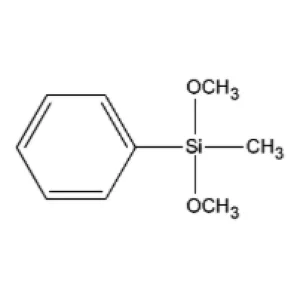
Where standard methyl silicone resins experience thermal degradation above 200°C, the inclusion of phenyl groups in the siloxane structure significantly enhances heat resistance and oxidative stability. High-phenyl silicone polymers can withstand temperatures up to 350°C and maintain flexibility without cracking. This performance makes them suitable for coating exhaust pipes, steam pipelines, and high-capacity transformer insulation in Mumbai's energy and chemical plants.
Technical and logistical insights regarding our silicone resins and chemical shipments to Mumbai.
Standard chemical cargo transit from our advanced Shouguang facilities in Shandong to the Port of Nhava Sheva (JNPT) in Navi Mumbai averages 18 to 25 days. Order preparation, technical documentation verification, and Customs clearing procedures add approximately 7 days, resulting in a total delivery cycle of about 4 weeks.
Polyurethane coatings are susceptible to hydrolysis and UV-induced oxidation when exposed to high solar radiation and extreme coastal humidity (such as in Mumbai). MQ Silicone Resin possesses an inorganic siloxane skeleton (Si-O-Si) that is highly resistant to UV degradation and water absorption, resulting in a service life up to three times longer than organic polyurethane binders.
Yes. Shandong Boctok Chemical Co. maintains ISO9001 certification. All exporting compounds—including our silane coupling agents and specialty resin series—comply with international REACH regulations and align with the Bureau of Indian Standards (BIS) directives for chemical imports, ensuring a smooth customs process and reliable application.
Our US$65 million investment in Shouguang features fully automated Distributed Control Systems (DCS) and Safety Instrumented Systems (SIS). These systems maintain tight control over reaction temperatures, monomer feeding rates, and pressure limits. This minimizes batch-to-batch variation and ensures that the silane cross-linkers delivered to Mumbai maintain highly consistent active ingredient content and cross-linking efficiency.
 Boctok Chemical