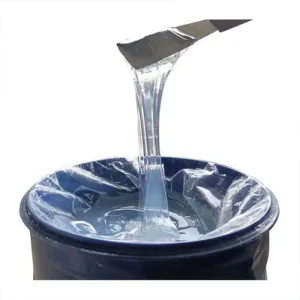
Selected high-peel strength adhesives and specialized release agents optimized for immediate logistics and advanced performance in local US manufacturing sectors.
The industrial and commercial landscape for silicone resins in the United States is marked by an accelerating shift toward high-performance, low-VOC (volatile organic compounds) and thermal-resistant formulations. Across manufacturing hubs in the Midwest and high-tech sectors in California and Texas, demand is surging for MQ silicone resins, vinyl-terminated VMQ resins, and advanced methyl-phenyl silicone systems. These chemical building blocks serve critical roles in aerospace coatings, automotive insulation, structural adhesives, and electronics encapsulation.
Additionally, regulatory frameworks under the EPA (Environmental Protection Agency) and TSCA (Toxic Substances Control Act) are driving chemical sourcing strategies away from hazardous solvents toward water-dispersible and 100% active solid silicone resins. Global supply networks must satisfy both the stringent technical parameters established by organizations like ASTM and UL, and local commercial realities of rapid distribution, local warehousing, and stable pricing agreements.
Tracking the progression of silicone resin formulations to meet next-generation performance benchmarks.
Developing methyl-phenyl and MQ hybrid resins designed to withstand operating environments exceeding 650°C (1200°F). These are essential for aerospace propulsion systems, protective barriers in EV battery packs, and next-generation heavy industrial piping insulation.
Innovating solvent-free solid resins, water-borne siloxane emulsions, and low-VOC coating bases to support regional US regulatory compliance policies. Emphasis is placed on minimizing outgassing and removing restricted chemical agents.
Synthesizing epoxy-silicone, polyester-silicone, and polyurethane-silicone hybrid structures that combine the resilience and hardness of organic polymers with the weatherability and UV-resistance of silicone materials.
Deploying tailored chemical packages across key heavy-industrial sectors to enhance durability and processing speeds.


Navigating the supply chain for silicone resin imports into North America demands rigorous attention to regulatory frameworks. For chemical developers, compliance with the U.S. EPA's Toxic Substances Control Act (TSCA) is essential. All components of MQ resins, methyl-phenyl fluids, and silane coupling agents must be registered on the active TSCA inventory list to prevent regulatory hold-ups at entry ports.
Furthermore, medical devices and food contact applications demand strict adherence to FDA regulations (specifically 21 CFR 177.2600 for rubber articles intended for repeated use). We provide comprehensive compliance support—including detailed SDS (Safety Data Sheets) aligned with OSHA GHS standards, Certificates of Analysis (CoA) for every shipment batch, and complete documentation regarding volatile cyclosiloxane impurities (D4, D5, D6 limit control).
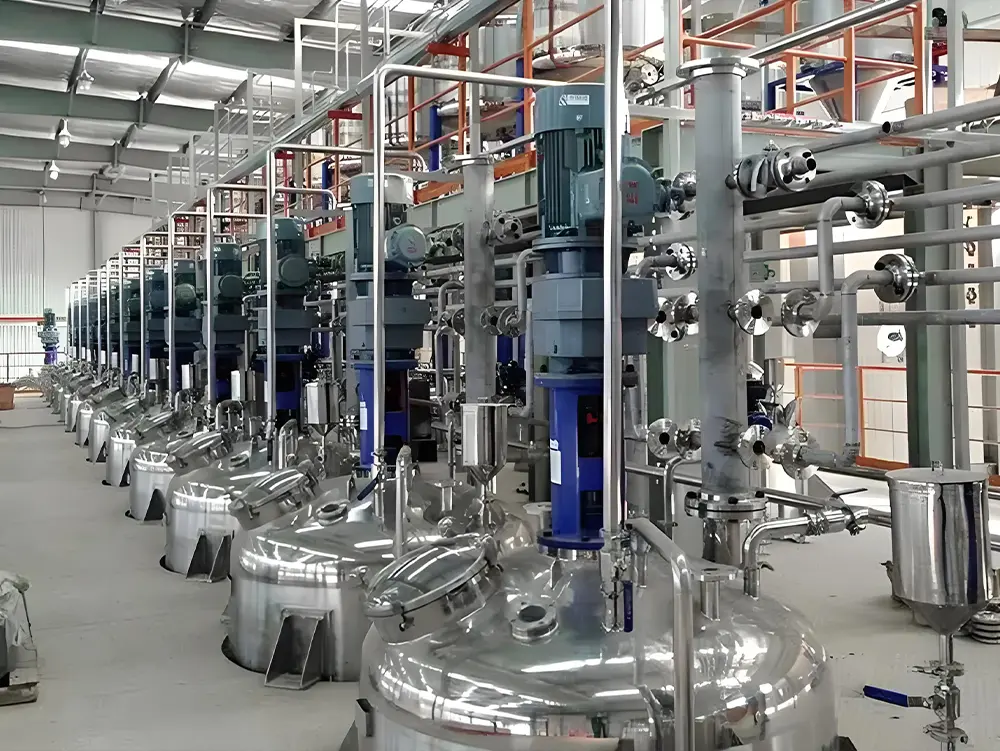
Combining automated synthesis machinery and regional raw material positioning to provide a steady supply of silanes and resins.
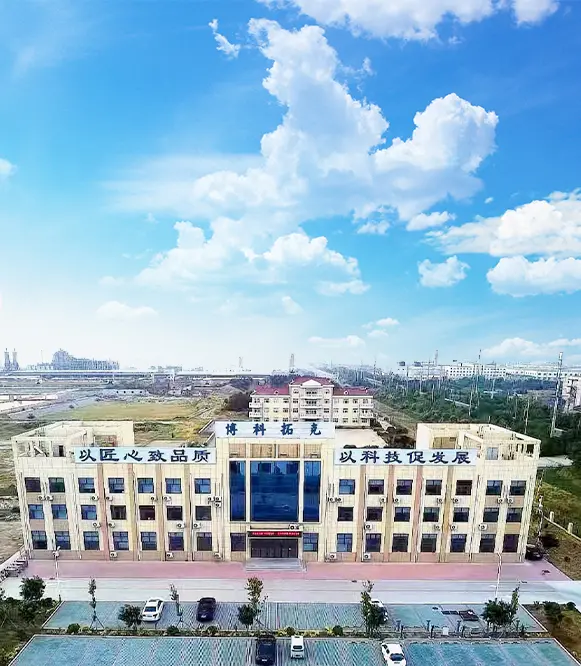
Shandong Boctok Chemical Co., founded in 2012, has grown into a major manufacturing exporter, recording $280 million in international sales in 2023. Our primary focus is built around twelve distinct categories of silane coupling agents, advanced silicone fluids, room-temperature vulcanizing (RTV) rubbers, and premium MQ type methyl-vinyl silicone resins.
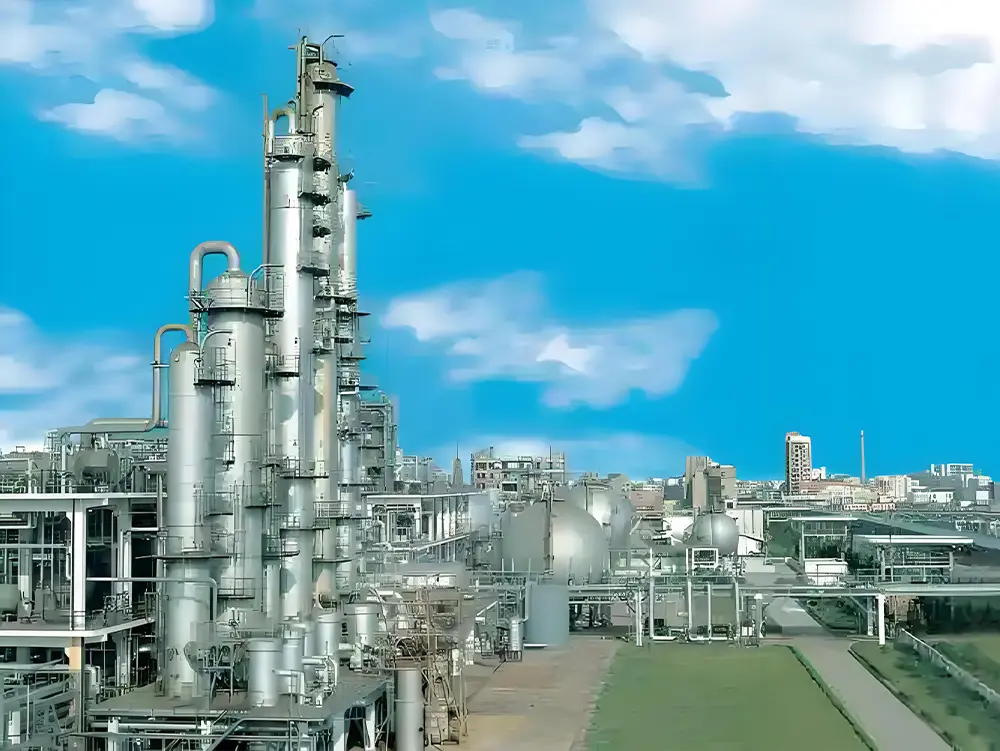
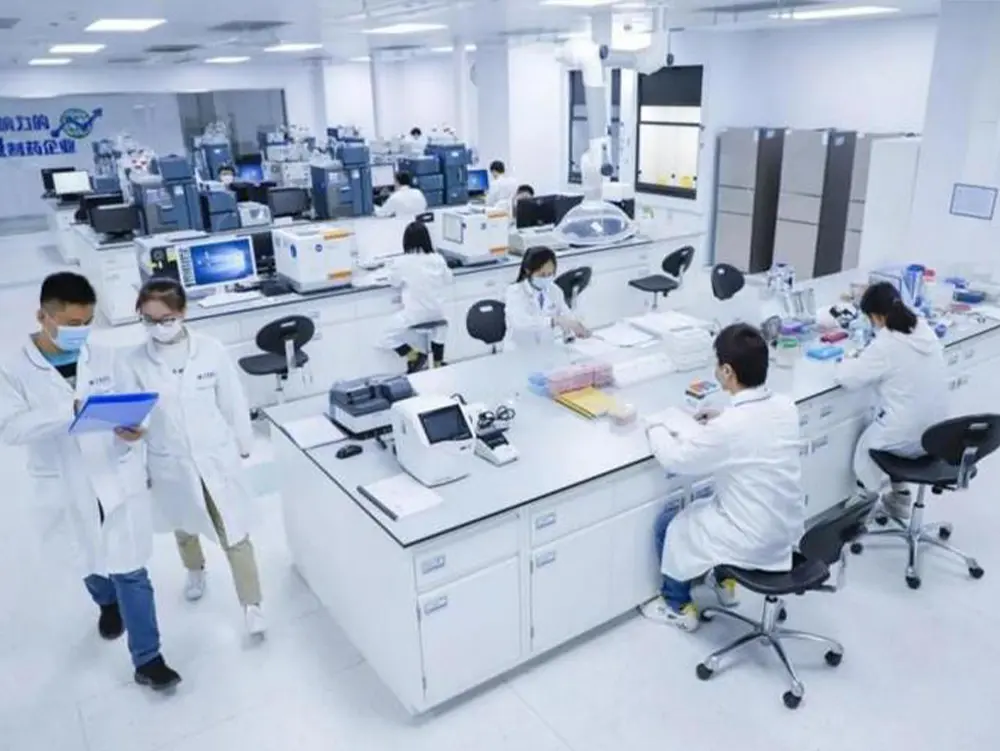
To support growing global requirements, Boctok recently completed a $65 million investment in a state-of-the-art chemical facility in the Bohai Industrial Park in Shouguang, Shandong. This advanced production plant features six automated DCS (Distributed Control System) production lines. These lines are supported by safety instrumentation systems (SIS) and run in strict compliance with ISO9001 quality guidelines, boasting an annual output capacity of 30,000 tons of silanes and resins.


Analyzing key operational considerations for North American and European procurement teams managing chemical supply chains.
To reduce logistics risks, our logistics networks coordinate door-to-door chemical shipping arrangements. We provide real-time batch tracking and maintain partnerships with major sea carriers to ensure predictable arrival schedules at US ports.
Unlike standard distribution models, Boctok provides customization for silanol, vinyl, or phenyl concentration in silicone resins to help meet specific mechanical and thermal properties requested by your engineers.
By leveraging direct access to primary petrochemical reagents through major producers like SINOPEC, we protect our clients from supply shortages and sudden price shifts, maintaining stable contract costs.
A broad range of high-performance intermediates, crosslinkers, and specialty fluids tailored for advanced compounding and production needs.
Expert answers addressing chemistry parameters, manufacturing processes, and import compliance guidelines.
MQ silicone resins are three-dimensional, highly branched siloxane structures consisting of monofunctional (M) siloxy units and tetrafunctional (Q) siloxy units. This structural design provides them with hardness, high thermal resistance (often exceeding 300°C), and excellent film-forming capabilities. In contrast, linear silicone fluids consist of repeating difunctional (D) units that result in highly flexible, linear chains with typical lubricating and viscosity-slip behaviors.
Vinyl-terminated VMQ resins incorporate methyl-vinyl (V) groups into the siloxane network, allowing for chemical crosslinking with methyl hydrogen silicone fluids through platinum-catalyzed hydrosilylation reactions. In PSA designs, these resins act as tackifiers, optimizing cohesive strength and peel performance. For release agents, they form a cured silicone surface that provides controlled release forces against standard acrylic and rubber adhesives.
Every silane coupling agent and silicone intermediate manufactured at our Shouguang plant is verified against the Active TSCA inventory list. We work closely with import agents to manage regulatory filings, ensuring all CAS numbers, including 68554-70-1 (trimethylsiloxysilicate) and 2530-83-8 (epoxysilane), are correctly logged on import documentation to prevent delays at US ports.
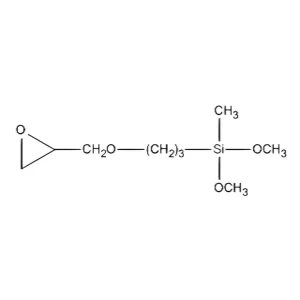
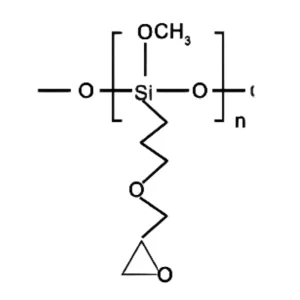
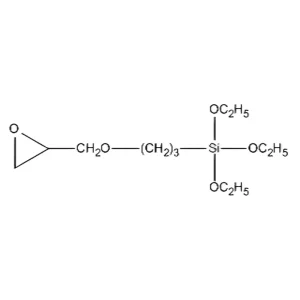
Epoxy-functional silanes, such as 3-(2,3-epoxypropoxy)propyltrimethoxysilane (CAS 2530-83-8), act as molecular bridges between inorganic matrices (like glass fibers, quartz, or silica) and organic polymer resins (such as epoxy or polyurethane). The alkoxy groups hydrolyze to form stable silanol bonds with the mineral substrate, while the epoxy ring reacts with the polymer matrix, improving the mechanical strength, moisture resistance, and electrical insulation properties of the composite.
Get in touch with our technical sales engineers for batch pricing quotes, customized specifications, and samples of MQ/VMQ silicone resins and silanes.
Send Inquiry Now Boctok Chemical