High-performance silicone solutions tailored for high tack, extreme resistance, and compatibility with Western European regulatory directives.
Belgium is historically situated at the geometric heart of Western Europe's chemical industry. Anchored by the Port of Antwerp-Bruges—the second largest petrochemical hub in the world—Belgium's chemical sector operates as a hyper-connected nexus. This location provides unparalleled supply chain integrations, raw material access, and logistics efficiency. In this dense ecosystem, silicone resins serve as indispensable functional modifiers for downstream manufacturing. They are extensively utilized in aerospace structures, microelectronics, maritime coatings, and building facade conservation.
The demand for organosilicon products in Belgium is shaped by stringent sustainability criteria under the European Green Deal and REACH (Registration, Evaluation, Authorisation and Restriction of Chemicals) regulations. As traditional organic coatings are phased out due to Volatile Organic Compound (VOC) emissions, high-solid or solventless silicone resins are stepping forward. They provide thermal stability, UV resistance, and weatherproofing with minimal environmental impact.
“In Western Europe's high-tech manufacturing corridors, silicone resins are no longer simple protective sealants. They are key components in the transition to sustainable energy infrastructure, especially in the offshore wind turbines of the Belgian North Sea.”
To implement silicone solutions successfully, procurement teams and industrial chemists must understand the synthesis pathways of these materials. Silicone resins are highly crosslinked siloxane networks characterized by a three-dimensional structure. The most common type is MQ resin, where the M unit (trimethylsiloxy, [R3SiO0.5]) forms the shell, and the Q unit (silicon dioxide, [SiO4/2]) forms the core. The balance between M and Q units determines the physical properties of the adhesive:
When vinyl groups are integrated into this network, it forms Methyl Vinyl MQ resin (VMQ). VMQ can undergo addition-cure (hydrosilylation) with methyl hydrogen silicone fluids under platinum catalysis. This curing mechanism releases no volatile byproducts, making it suitable for cleanrooms and precision electronics fabrication in Belgian technology parks.
Shandong Boctok Chemical Co. was founded in 2012 as a marketing and sales center for Boctok™ domestic and overseas businesses and achieved sales of US$280 million in 2023. The BOCTOK brand specializes in serving demanding global markets, including Eastern Europe, the CIS region, and Western European distribution channels.
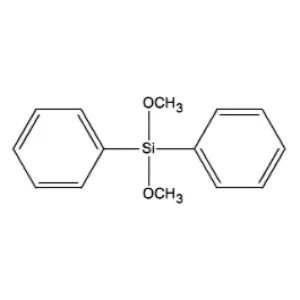
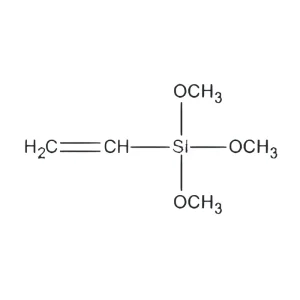
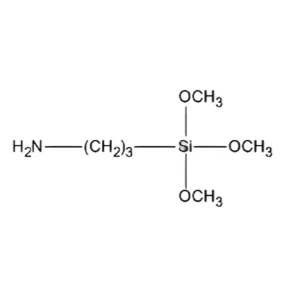
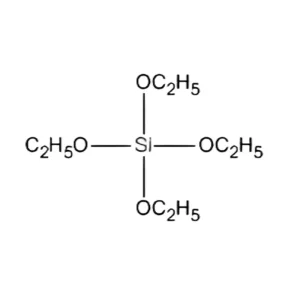
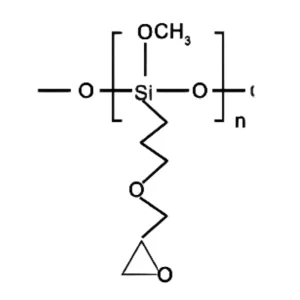
Boctok has three main product categories. Our core business of organosilicon covers twelve series of silane coupling agents and crosslinkers, including aminosilane, methacrylate silane, epoxy silane, vinyl silane, mercaptosilane, alkyl silane, ethyl silicate, chlorosilane, silane isocyanates, phenyl silane, ureidosilane, and serosilane. Boctok also focuses on silicone oil, silicone resin, and silicone rubber, covering high-hydrogen silicone oil, dimethicone, vinyl silicone oil, polyphenylmethyldimethylsiloxane, phenyl silicone oil, silanol silicone oil and OH polymer, alkoxy silicone oil, methyl MQ resin, vinyl VMQ resin, room-temperature vulcanized methyl silicone rubber, 110 methyl vinyl silicone rubber, and 120 methyl phenyl rubber.
These materials are widely used in glass fiber, electronics, wind energy, daily necessities, chemical industry, coatings, adhesives, XLPE electric cables and hot water pipes, oil field drilling, textiles, rubber, and molding, improving the quality and performance of the applied products.
Annual Revenue (2023)
Annual Silane Output
DCS Automated Production
Organosilicon Series
Boctok's Tier II core business is petroleum resins. We have invested in a key hydrocarbon resin manufacturer in China. We currently have three operating hydrocarbon resin factories located in Zibo, Fushun, and Nanjing. Taking advantage of reliable and abundant raw materials from SINOPEC and PetroChina, our advanced production facilities, and our decades of marketing experience, our products are widely used by customers, including many Fortune 500 companies, in both domestic and overseas markets. These products include C9 hydrogenated resins, C5 hydrocarbon resins, C5 modified C9 hydrocarbon resins, C9 hydrocarbon resins, dicyclopentadiene, and methyl cyclopentadiene dimer.
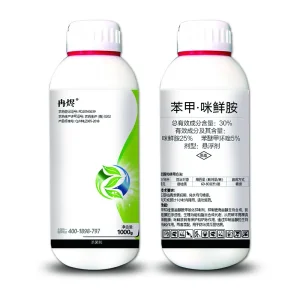
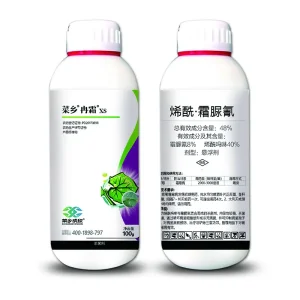
Beyond synthetic polymers, Boctok also focuses on the agrochemical industry. We produce high-purity intermediates and raw materials for the production of pesticides, fungicides, insecticides, seed treatments, herbicides, and plant growth regulators. This integration allows us to serve chemical formulators in the agricultural regions of Flanders and Wallonia.
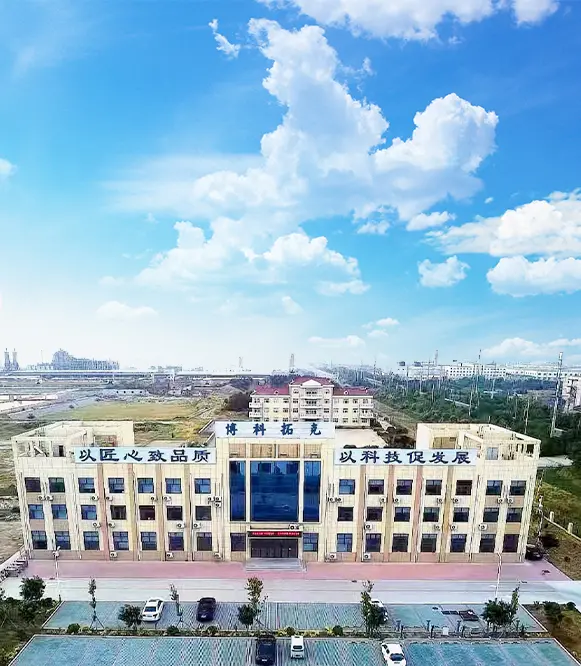
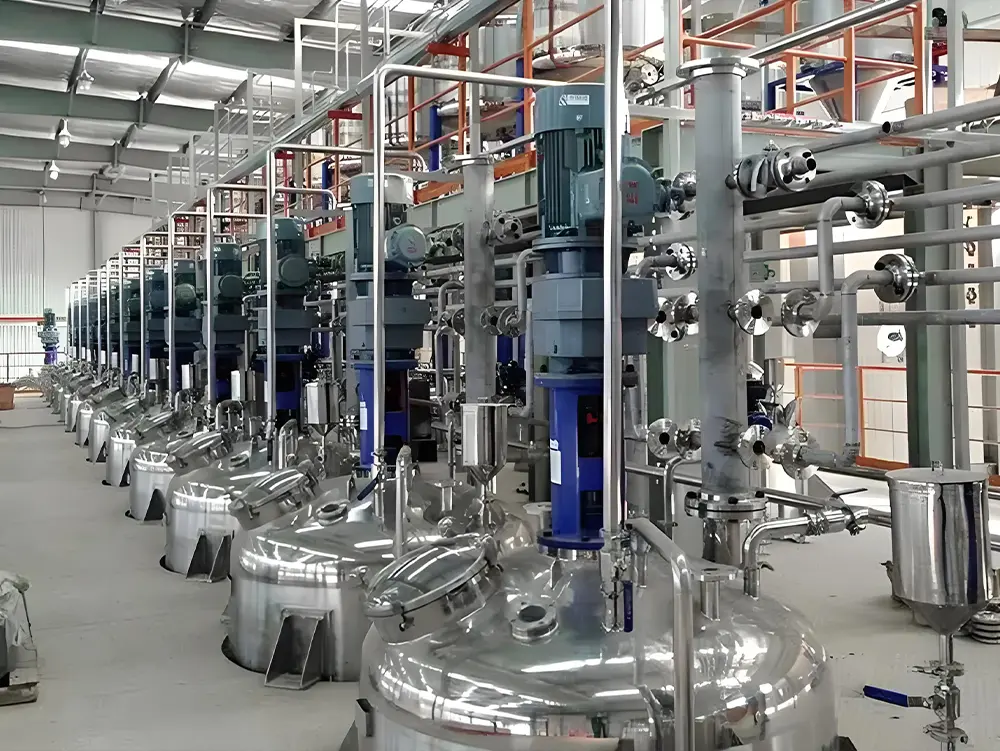
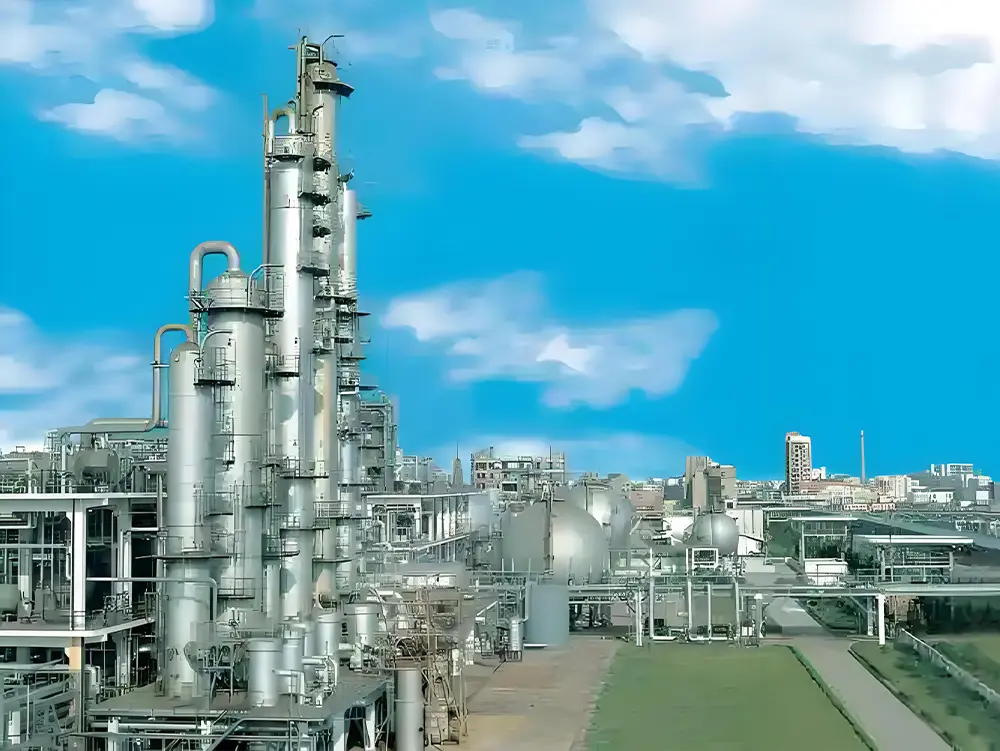
Boctok recently invested US$65 million to build a new plant located in Bohai Industrial Park, a provincial chemical industry park in Shouguang City, Shandong Province. This facility expands the production chain of silane coupling agents, incorporating 6 automatic DCS production lines with an annual output of 30,000 tons. The production lines in the new factory are equipped with automatic remote control system DCS, safety instrument system SIS, and other modern safety equipment. ISO9001 quality management system standards are implemented throughout the process to ensure stable quality.
To meet environmental regulations, we have built treatment facilities, including a waste gas collection and treatment system and a wastewater treatment system. This allows our operations to align with global environmental expectations, ensuring our supply chain remains reliable for international buyers.
Why leading global manufacturers rely on Boctok for high-performance chemical materials.

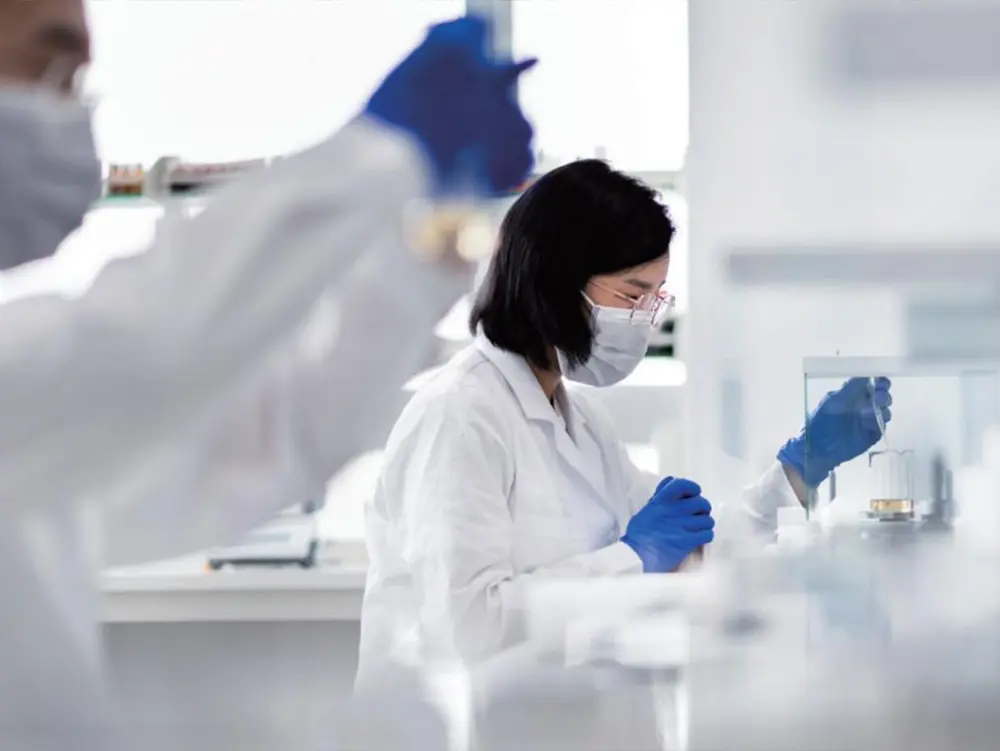
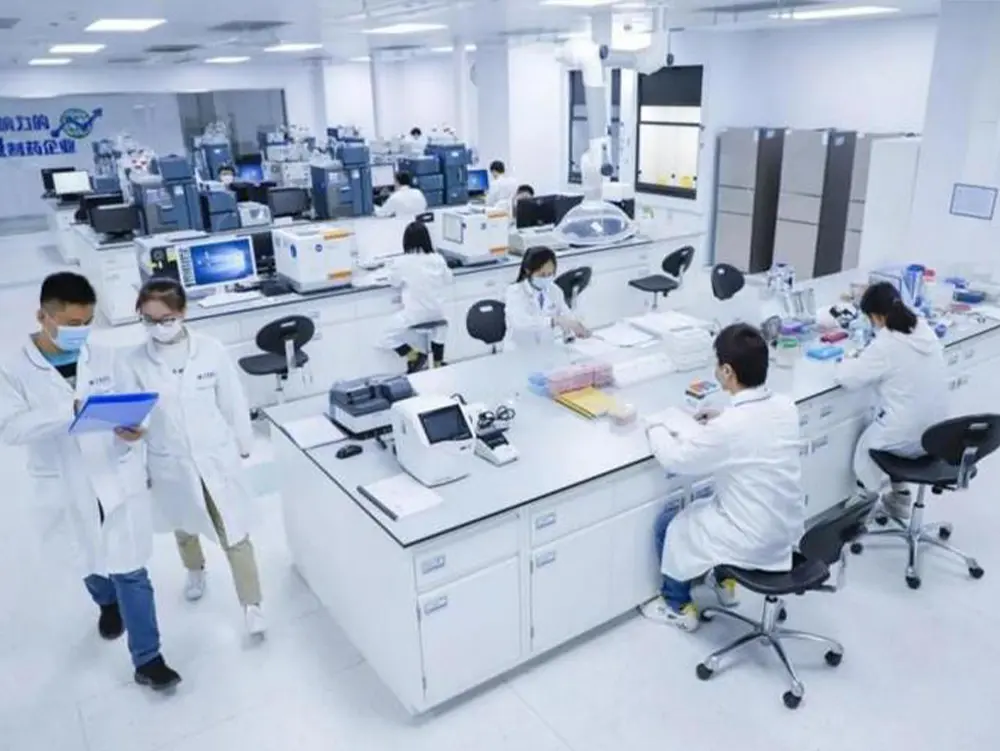
Our products undergo rigorous testing to ensure that every aspect meets the highest quality standards. From GC-MS chromatography validation to moisture testing, we ensure that batch-to-batch consistency matches European specifications.

We have advanced production lines that allow us to expand production capacity and meet the demand for mass customization. Our Shouguang facility handles bulk orders and can adapt formulations dynamically.

Our professional team is available online 24 hours a day to provide attentive service and answer all your technical questions. We offer complete SDS documentation, REACH certificates, and chemical analysis sheets.
 Fast Delivery: An optimized logistics system ensures fast order processing and timely delivery to Antwerp and global chemical terminals.
From polymer stabilization to crop protection, explore our functional chemicals in action.
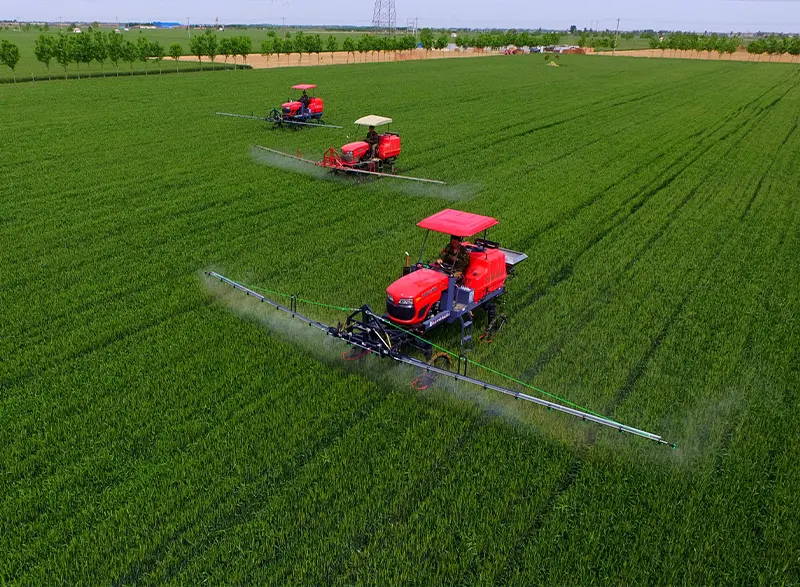
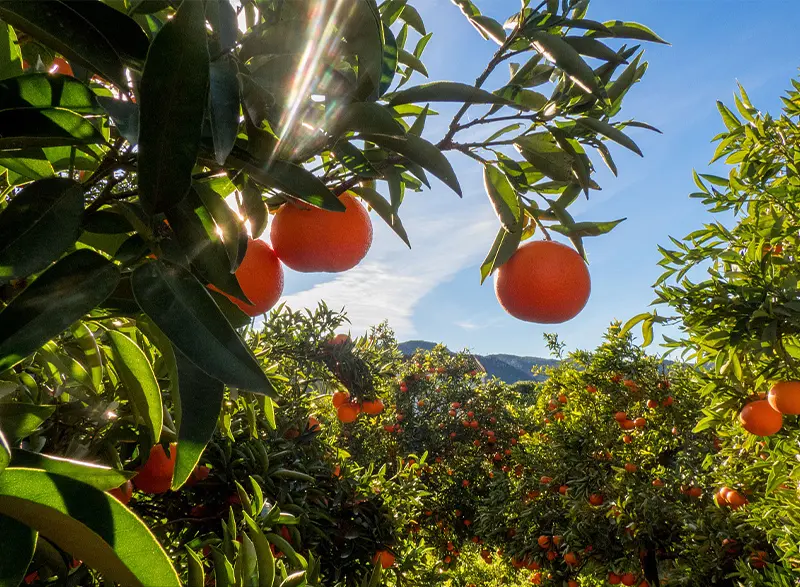



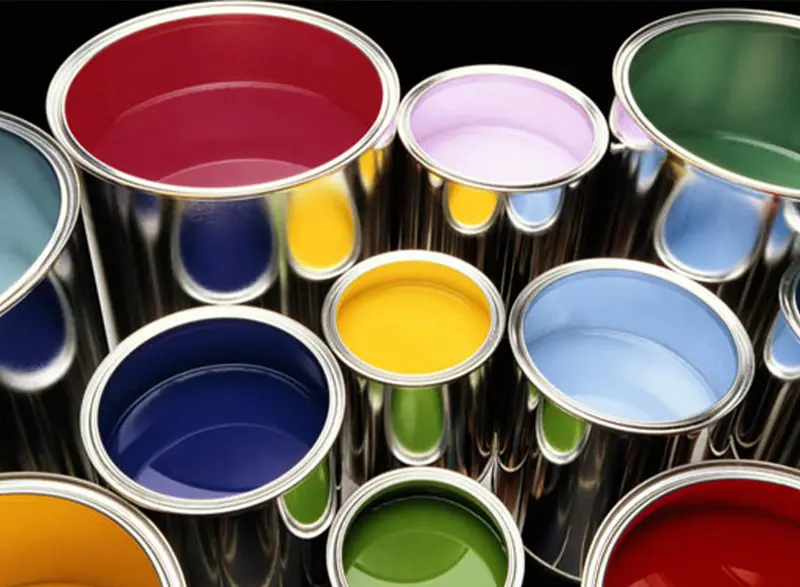
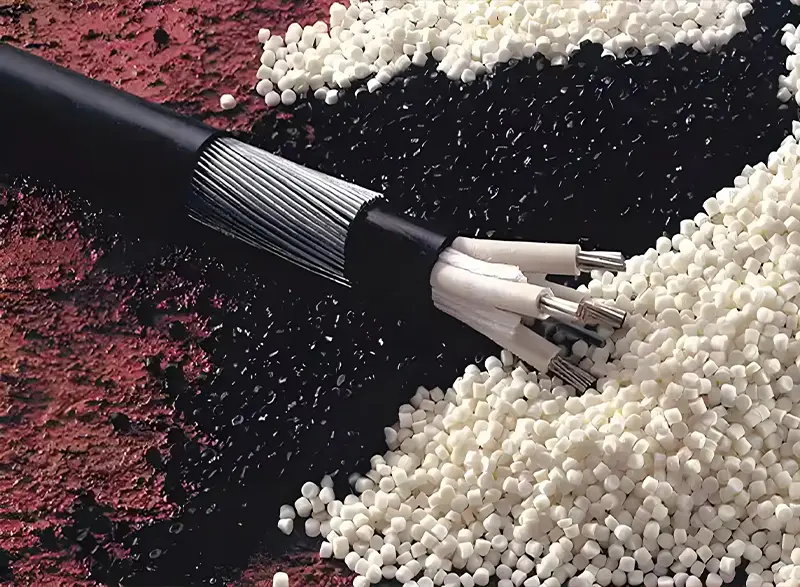
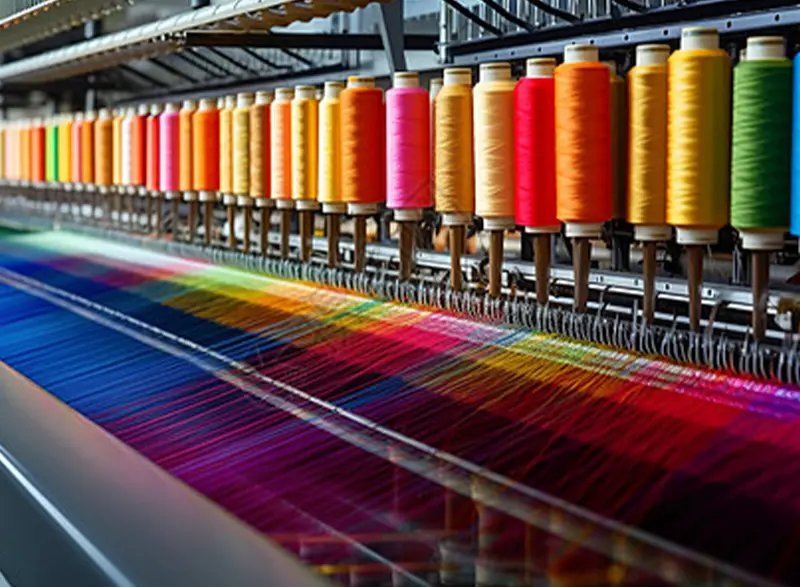
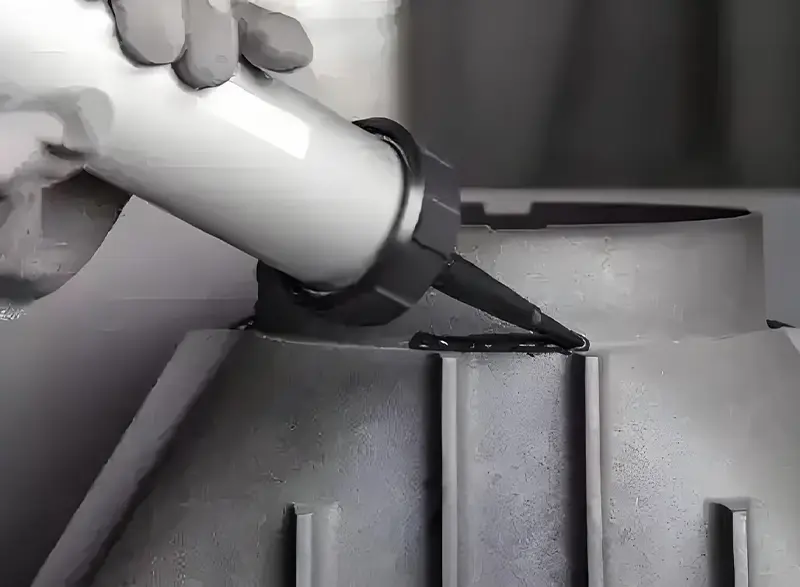
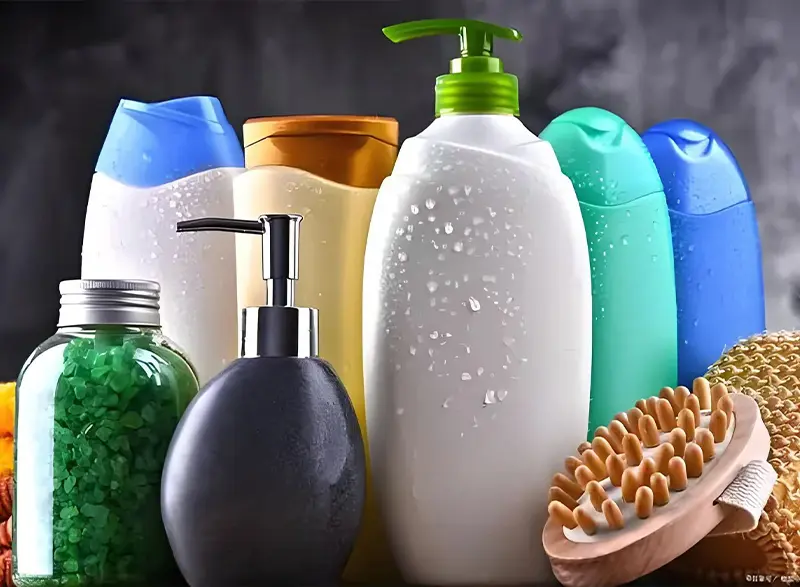
Explore where our silicone oils, coupling agents, and hydrocarbon resins are applied across global industries.


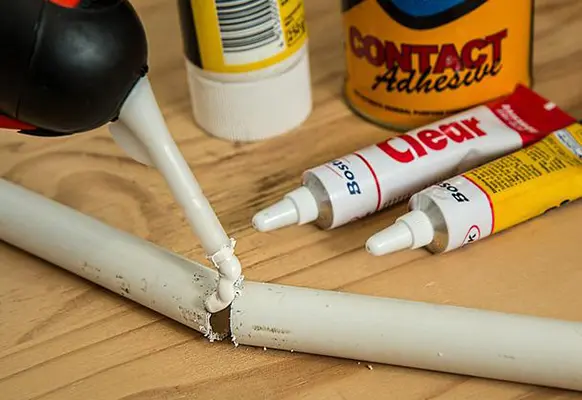
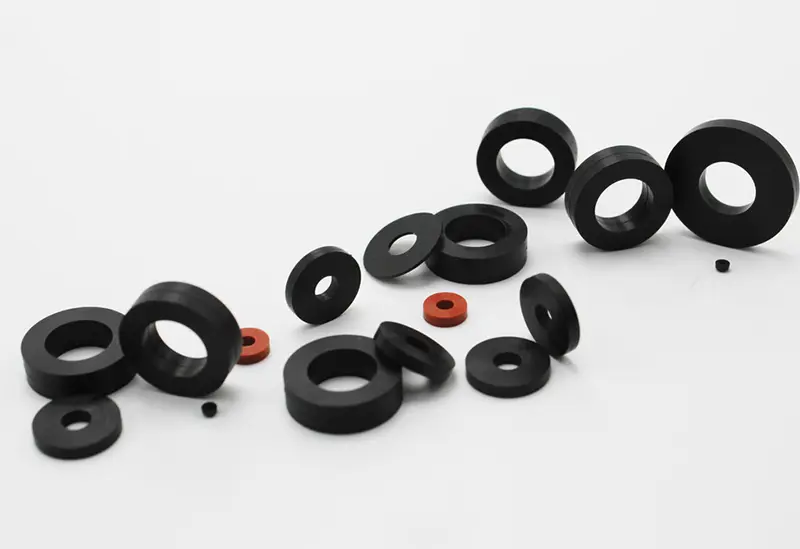
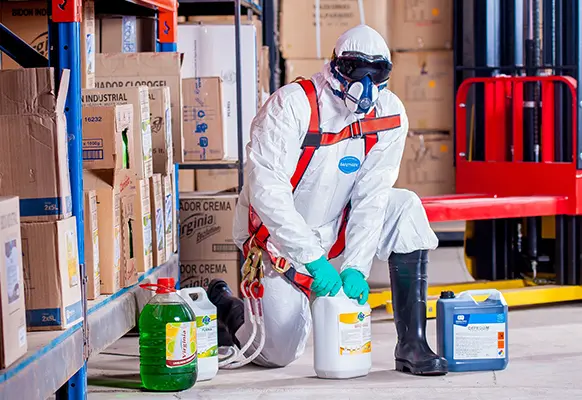
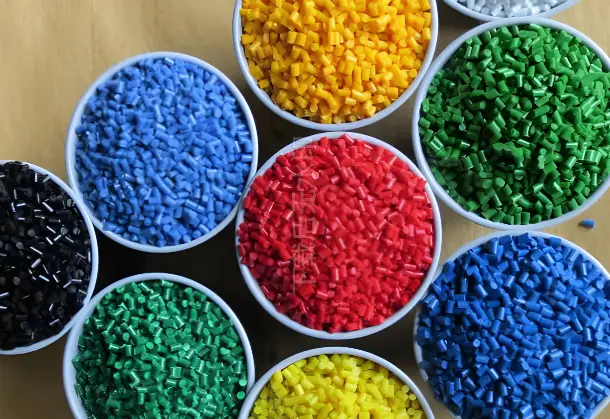
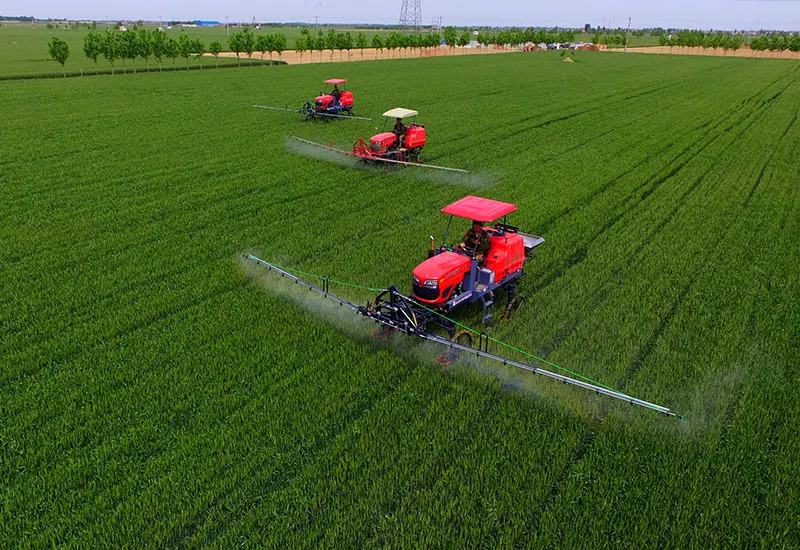
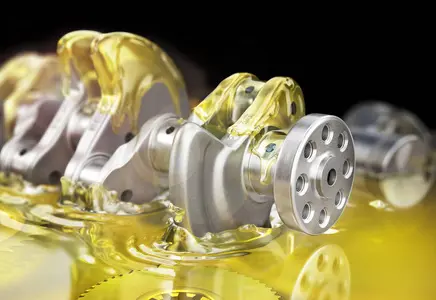
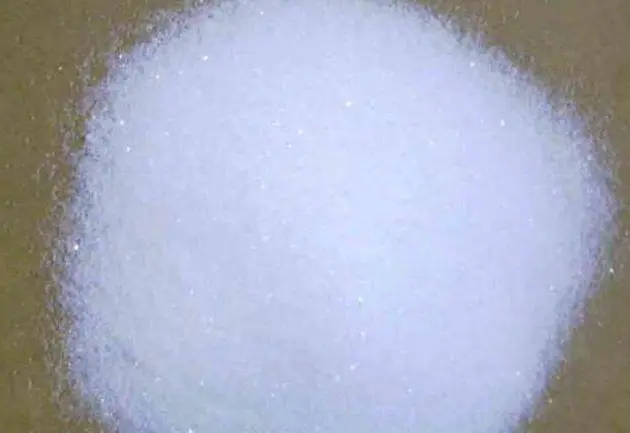

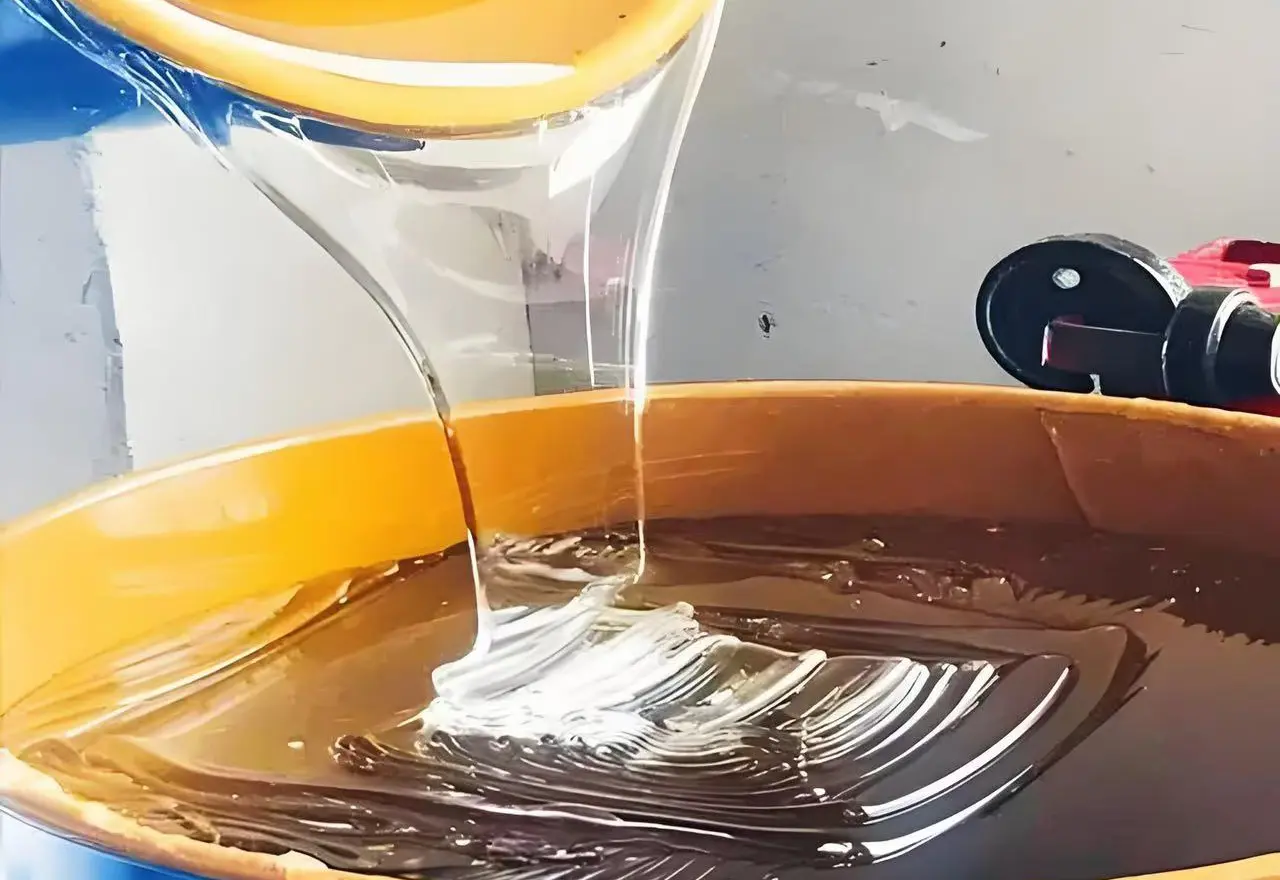

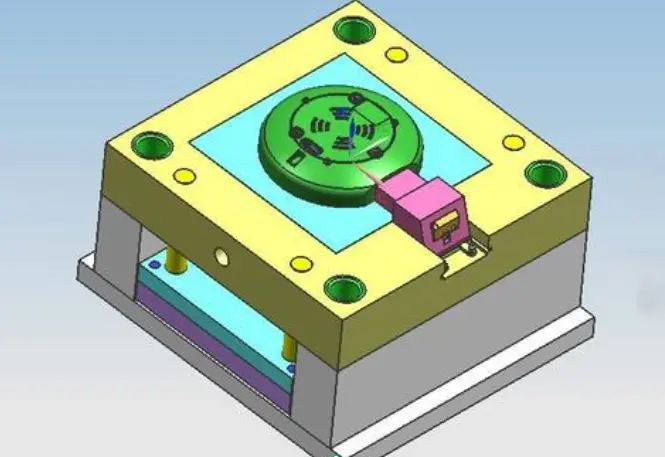


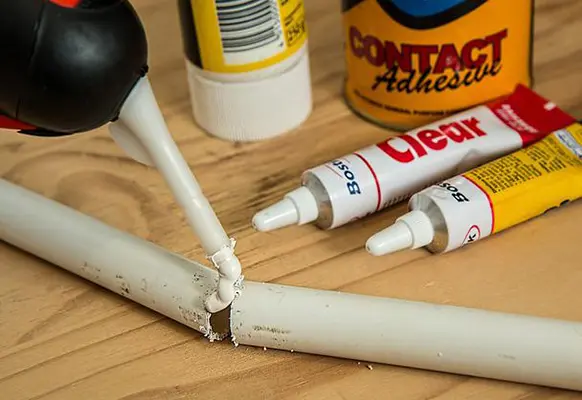
Different industries require specific chemical characteristics to achieve performance targets. In Western Europe's chemical market, our products are engineered for specific high-value applications:
The offshore wind fields of the Belgian North Sea operate in highly corrosive marine environments. The wind turbines are exposed to constant salt spray, physical abrasion from water droplets, and cyclic mechanical stress. To protect these assets, anti-corrosive coatings use high-solid silicone resins blended with epoxy silane oligomers. The silane coupling agent acts as an adhesion promoter, creating a chemical bridge between the metal primer and the siloxane-modified topcoat. This system resists moisture degradation and chalking from UV exposure, extending maintenance intervals for offshore structures.
In Belgium's electronics sector, the shift toward electric vehicles (EVs) requires thermal management materials that can withstand high temperatures. MQ silicone resins, which feature high thermal stability (up to 300°C continuous, 600°C peak), are used to formulate thermal interface materials (TIMs) and silicone potting compounds. These materials isolate sensitive micro-electronics from thermal shocks and moisture ingress while maintaining dielectric insulation.
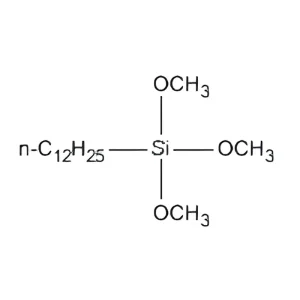
Historic structures in Flanders and Wallonia suffer from moisture absorption, which can cause cracking and spalling. Treating these porous substrates with dodecyltrimethoxysilane and other alkyl silanes creates a breathable, hydrophobic barrier. The silanes react with the inorganic hydroxyl groups in concrete or stone, forming a microscopic siloxane network that repels liquid water while allowing water vapor to escape.
For industrial buyers, securing a reliable supply chain is critical. Partnering with Boctok allows buyers to combine cost-effective production in China with efficient logistics at European ports. Our logistics process ensures reliability:
Technical-grade silane coupling agents, specialty crosslinkers, and organic intermediates for European industry.
Technical and regulatory answers regarding the supply of silicone resins to the European market.
Linear silicone fluids (dimethicones) consist of repeating D units (dimethylsiloxane, [R2SiO]) that yield flexible, linear polymers. In contrast, MQ resins are spherical nanoparticles with a three-dimensional core-shell structure. The Q units (SiO4/2) form a rigid silica core, while the M units (R3SiO0.5) shield the core, providing solubility in organic media and compatibility with polymers. This structured profile allows MQ resins to act as tackifiers in adhesives and reinforcement agents in silicone elastomers.
We work closely with EU-based Only Representatives (OR) to manage registration dossiers under REACH regulations. Our chemical products are audited for compliance with EU directives, including RoHS and SVHC limits. We provide complete regulatory documentation to facilitate customs clearance at Antwerp and Rotterdam.
Yes, our technical team can adjust the M/Q ratio (typically between 0.6 and 1.2) to match your adhesion and cohesion requirements. We also offer options for solvent carrier customization (e.g., Toluene, Xylene, or solventless solids) to help you meet local VOC regulations.
Our Shouguang plant operates under ISO9001 quality management guidelines. We use automated DCS and SIS safety control systems to manage the reaction parameters for our silane coupling agents and silicone resins. This automated control maintains process consistency, reducing variance in our products.
VMQ resin contains vinyl functional groups that react with crosslinkers to form a thin, chemically resistant layer on the mold surface. This layer has low surface energy, preventing polymers from sticking. The crosslinked structure resists high heat and chemical exposure, ensuring the release agent remains active over multiple molding cycles.
 Boctok Chemical