The Danish chemical manufacturing and advanced materials sectors are undergoing a profound transformation. Driven by Denmark's ambitious target of achieving a 70% reduction in greenhouse gas emissions by 2030 and full carbon neutrality by 2045, procurement requirements for structural chemicals have shifted. Industrial buyers in Copenhagen, Aarhus, Esbjerg, and Odense no longer purchase materials based strictly on primary technical performance; rather, raw materials must now conform to rigorous ESG parameters and European Chemicals Agency (ECHA) standards.
Silane Technical Data Sheets (TDS) serve as the foundational regulatory and technical benchmark for this market. Organofunctional silanes function as molecular bridges that link organic polymers (such as epoxies, polyurethanes, and acrylics) with inorganic substrates (such as glass fibers, silica fillers, and metal surfaces). Our latest generation of silanes is tailored to support key Danish commercial operations, including:
Wind Energy Composites: Assisting offshore wind energy manufacturers in building high-tensile, moisture-resistant turbine blades utilizing functional glass fiber sizing.
Marine Protection: Providing specialized anti-corrosion barrier coatings for commercial maritime shipping fleets operating under the harsh salinity profiles of the Baltic and North Seas.
Eco-Conscious Building Adhesives: Supplying low-VOC, high-stability silanes for construction sealants that conform directly to the DGNB Denmark green building rating system.
The Chemistry of Organofunctional Silane Coupling Agents
Hydrolysis Mechanics
Alkoxy groups on the silane undergo hydrolysis in the presence of trace moisture, forming reactive silanol ($Si-OH$) groups. Methoxy groups act faster but release methanol; Ethoxy groups provide slower hydrolysis with safer ethanol byproduct release.
Interfacial Bonding
Hydrogen bonding occurs between the silanol groups and the hydroxyl-rich inorganic surfaces. Condensation subsequently takes place, forming stable covalent metalloxane or siloxane ($Si-O-Si$) linkages.
Polymer Compatibility
The functional organic group ($Y$) tailors compatibility. Aminosilanes bond with epoxies and polyurethanes, while methacryloxy silanes copolymerize with unsaturated polyesters and acrylic formulations.
Understanding Critical TDS Sourcing Metrics
When engineering teams in Denmark evaluate silane products, the following Technical Data Sheet (TDS) parameters must be analyzed to ensure process stability and regulatory compliance:
Property
Standard Range
Sourcing Impact
Danish Regulatory Relevance
Active Purity
≥ 98.0%
Determines bonding efficacy and dosage concentration in resin matrices.
Limits impurity profiles to meet REACH registration limits.
Flash Point
Customizable by compound type
Defines handling safety, ventilation, and explosive classification limits.
Direct impact on ATEX explosion protection zoning guidelines.
Hydrolysis Speed
pH-dependent kinetics
Ensures shelf-life stability and governs compounding bath residence times.
Optimized to minimize free alcohol emissions inside workplaces.
Refractive Index
1.400 - 1.450 (varies)
Ensures optical clarity when sizing glass fibers for transparent composites.
Sourced for architectural light-transmitting composites.
About Shandong Boctok Chemical Co.
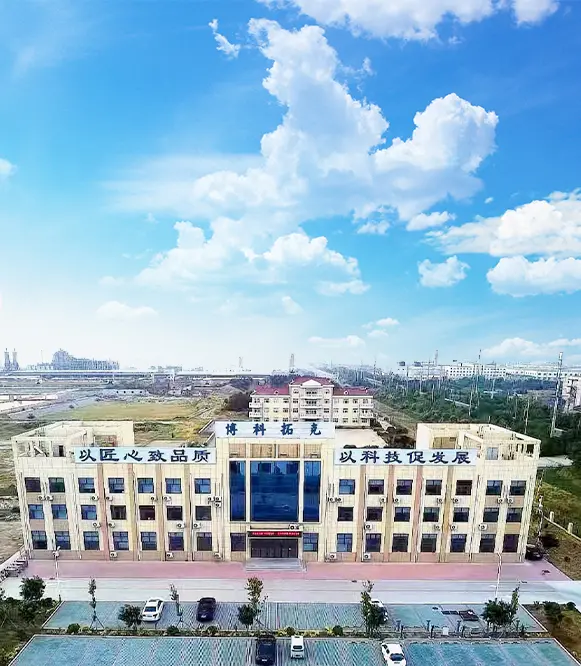
Shandong Boctok Chemical Co. was founded in 2012 as a marketing and sales center for Boctok™ domestic and overseas businesses, achieving sales of US$280 million in 2023. The BOCTOK brand specializes in serving complex international markets, supporting high-tech manufacturing ecosystems with advanced organic silicones and chemical materials.
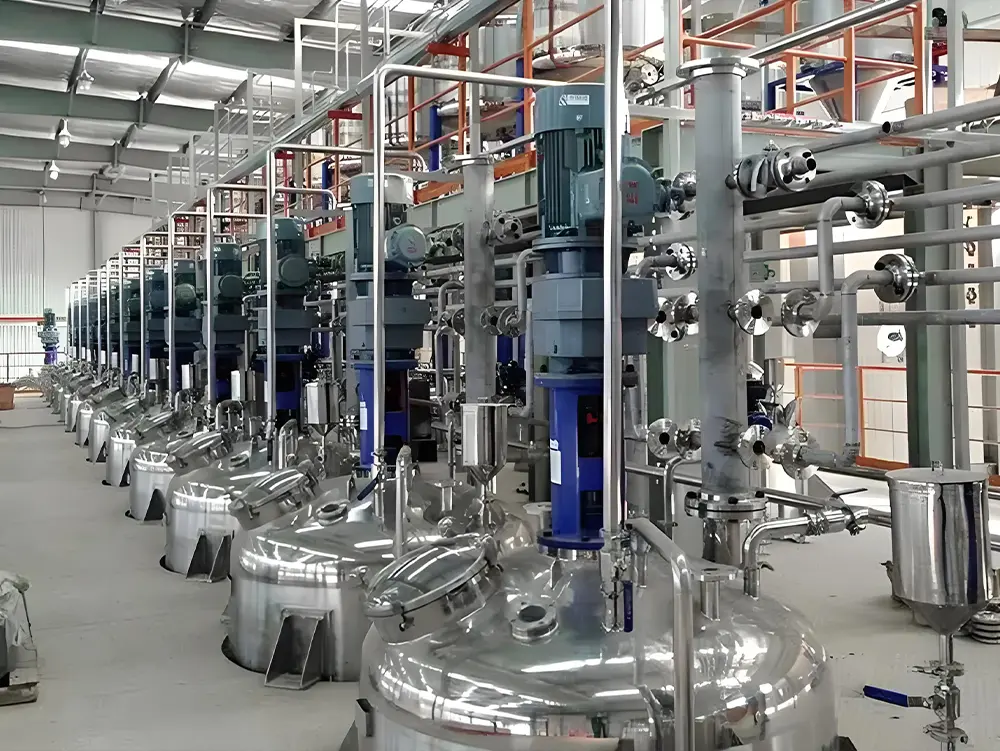
Recently, Boctok invested US$65 million to build a new, state-of-the-art plant located in Bohai Industrial Park, a provincial chemical industry park in Shouguang City, Shandong Province. This facility expands our production chain of silane coupling agents, incorporating 6 automatic DCS production lines with an annual output of 30,000 tons of high-grade silane coupling agents. The entire process implements ISO9001 quality management system standards to ensure stable quality and technical predictability.
To support sustainable manufacturing and protect the environment, we have built advanced treatment facilities, including a comprehensive waste gas collection and treatment system and a wastewater treatment plant. This commitment to environmentally sound production makes Boctok a reliable global partner for manufacturers in Northern Europe.
$280M
Sales Revenue (2023)
30K t
Annual Silane Output
6 Lines
DCS Automated Production
$65M
Investment in New Plant
Product Classifications & Industrial Applications
Our chemical portfolio comprises three main pillars, structured to serve diverse manufacturing verticals in Denmark and globally.
1. Advanced Organosilicones
Covers 12 functional series of silane coupling agents and crosslinkers: aminosilanes, methacrylates, epoxies, vinyls, mercaptosilanes, alkyls, ethyl silicates, chlorosilanes, isocyanates, phenyls, ureidosilanes, and serosilanes.
Also includes high-hydrogen silicone oils, dimethicone, vinyl silicone oils, alkoxy silicone oils, methyl MQ resins, vinyl VMQ resins, and room-temperature vulcanized (RTV) rubbers.
2. Specialty Petroleum Resins
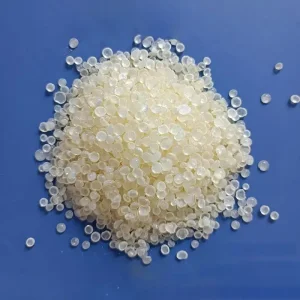
Advanced hydrocarbon resins manufactured across three key Chinese production hubs in Zibo, Fushun, and Nanjing. Our raw materials are sourced from SINOPEC and PetroChina to guarantee batch consistency.
Products include C9 hydrogenated resins, C5 hydrocarbon resins, C5 modified C9 resins, dicyclopentadiene (DCPD) resin profiles, and methyl cyclopentadiene dimers.
3. Functional Agrochemicals
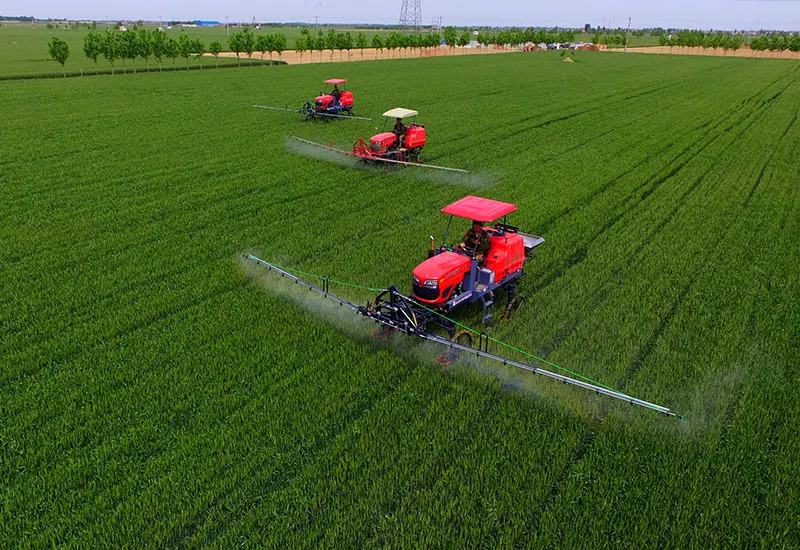
Focuses on the agrochemical synthesis value chain. We supply high-purity intermediates and primary raw materials for the production of pesticides, fungicides, insecticides, seed treatments, herbicides, and plant growth regulators.
Manufactured to high purity specifications to meet the stringent pesticide residue regulations enforced across the Nordic agricultural zones.
Pharmaceutical & Agrochemical Intermediates
Cosmetics & Personal Care (Silicone Oils)
Industrial & Construction Adhesives
High-Performance Rubber Formulations
Protective Paints & Marine Coatings
Thermoplastic Composites & Fillers
Precision Crop Protection Systems
Self-Lubricating Liquid Silicone Rubber
Antifoaming Agents for Industrial Synthesis
Drywall & Wallboard Hydrophobic Treatments
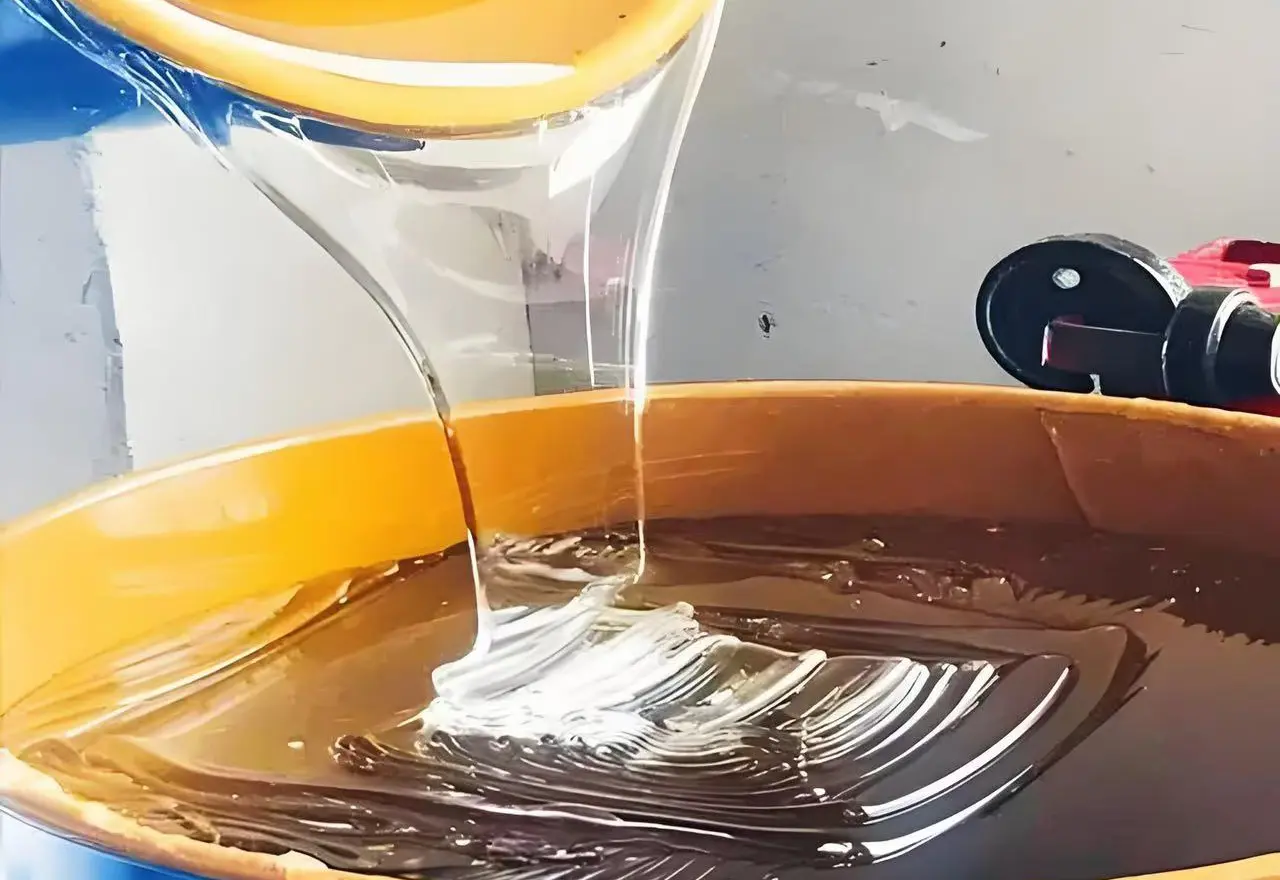
Specialty Silicone Liquids
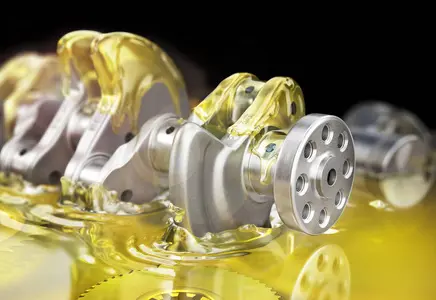
Automotive, Marine & Aviation Composites
Core Silanes & Resins for Sourcing
Explore the detailed technical profiles and specific CAS designations of our core offerings for the Danish market.
TDS Active
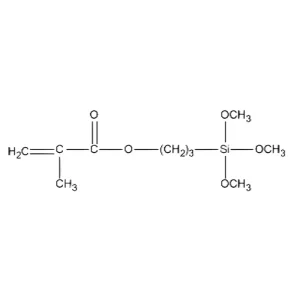
Danish Wind Composite 3-Methacryloxypropyltrimethoxysilane Cas 2530-85-0
Essential coupling agent optimized for fiberglass sizing, enhancing interphase shear strength in radical-cured resins.
Denmark is the global epicenter of wind energy innovation. As wind turbine blades exceed lengths of 100 meters, structural engineering faces severe shear and fatigue challenges. Sizing glass fibers with coupling agents like 3-Methacryloxypropyltrimethoxysilane CAS 2530-85-0 ensures optimal wetting and chemical bonding with organic epoxy resins. The methacryloxy group copolymerizes with the resin, while the hydrolyzable silane groups bond to the glass fibers, creating a moisture-resistant interface that prevents micro-cracking and delamination under cyclical marine wind loads.
Sustainable Coatings & Construction Adhesives
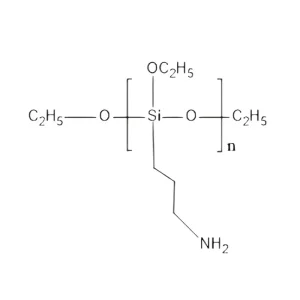
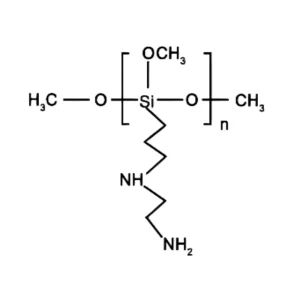
Under the Danish Building Regulations (BR18), new building materials must document their volatile chemical release profiles. Conventional solvent-based binders are being replaced by silane-terminated polymers (STPs) and water-borne systems. Implementing low-VOC Aminosilane oligomers CAS 106127-44-9 provides excellent moisture-curing characteristics and adhesion without the toxic emissions associated with standard monomeric silanes. This aligns with Nordic Swan Ecolabel and DGNB certifications for green buildings in Denmark.
Marine Protective & Anti-Fouling Coatings
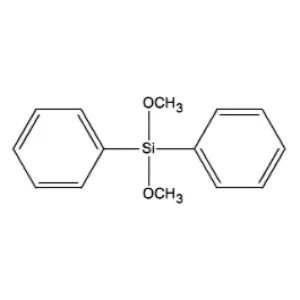
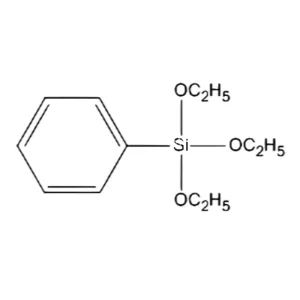
The shipping sector requires long-lasting protective finishes. Binders modified with Phenyltriethoxysilane CAS 780-69-8 and Diphenyl dimethoxysilane CAS 6843-66-9 display exceptional thermal resistance, weathering stability, and surface hydrophobicity. These properties prevent moisture and chloride ions from penetrating the underlying steel hulls, reducing drag and maintenance cycles for maritime vessels.
Compliance & Supply Chain Security
Sourcing from Shandong Boctok Chemical ensures full compliance with European customs and safety standards. Our automated DCS/SIS infrastructure ensures batch reproducibility, and all technical documentation (TDS and SDS) is drafted in alignment with ECHA guidelines. Our logistical networks facilitate safe delivery to major Danish industrial ports, including Copenhagen, Aarhus, Esbjerg, and Fredericia.
Technical Q&A / Sourcing FAQ
Essential information addressing technical challenges, compliance, and product handling for Danish chemical engineers and sourcing procurement departments.
What is the primary difference in hydrolysis rates between methoxy and ethoxy silane coupling agents?
Methoxy-silanes ($Si-OCH_3$) hydrolyze significantly faster than ethoxy-silanes ($Si-OCH_2CH_3$) due to the smaller steric profile of the methoxy group. However, methoxy hydrolysis releases methanol, which requires stricter workplace ventilation controls. Ethoxy-silanes release ethanol, which is favored in Danish workplace settings to meet strict environmental health and occupational safety guidelines.
How do aminosilane oligomers (CAS 106127-44-9) improve formulation profiles compared to monomeric aminosilanes?
Oligomeric aminosilanes contain multiple amine and reactive silanol groups on a pre-condensed siloxane backbone. During crosslinking, they release significantly fewer volatile organic compounds (VOCs) per unit of active silane. This low-emission profile is essential for building sealants seeking Nordic Swan Ecolabel and DGNB certifications.
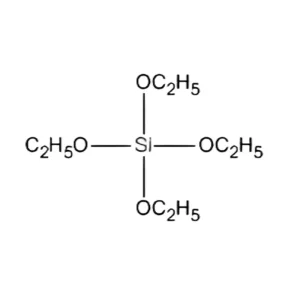
How does the active purity of Tetraethoxysilane CAS 78-10-4 affect sol-gel coatings?
The active purity of TEOS (typically ≥ 99.0%) governs the rate of silica network formation during acid- or base-catalyzed hydrolysis. Higher purity levels prevent premature gelation and minimize impurities that cause haze or reduce optical clarity in anti-reflective solar panel coatings and specialized glass surface treatments.
What storage precautions must be taken for moisture-sensitive silanes in Northern Europe?
Organofunctional silanes are highly moisture-sensitive. They must be stored in original, tightly sealed containers under a dry nitrogen blanket in a cool, well-ventilated warehouse. Exposure to ambient moisture initiates pre-hydrolysis, leading to gelation and loss of bonding efficacy.
Are Boctok silanes fully registered under REACH regulations for import into Denmark?
Yes, our key exports are fully registered or pre-registered in compliance with EU REACH requirements. We partner with only representative (OR) services to ensure uninterrupted customs clearance at Danish ports like Aarhus and Copenhagen.
What is the standard lead time for bulk shipments from Boctok's Shouguang plant to Denmark?
Bulk container shipping from Qingdao Port to major Danish ports (e.g., Aarhus, Esbjerg) typically takes 35 to 45 days. We also offer air freight options for high-value specialty silanes and can arrange local warehousing buffer stocks for long-term contract partners.
How does the DCS control system in your factory ensure batch stability?
Our Shouguang plant features a Distributed Control System (DCS) linked to Safety Instrumented Systems (SIS). The DCS automates temperature, pressure, feed rates, and distillation cycles. This limits human error and maintains chemical purity within strict tolerances (±0.5%), ensuring consistent performance in downstream applications.
Can you customize silane blends or formulate water-borne silane systems?
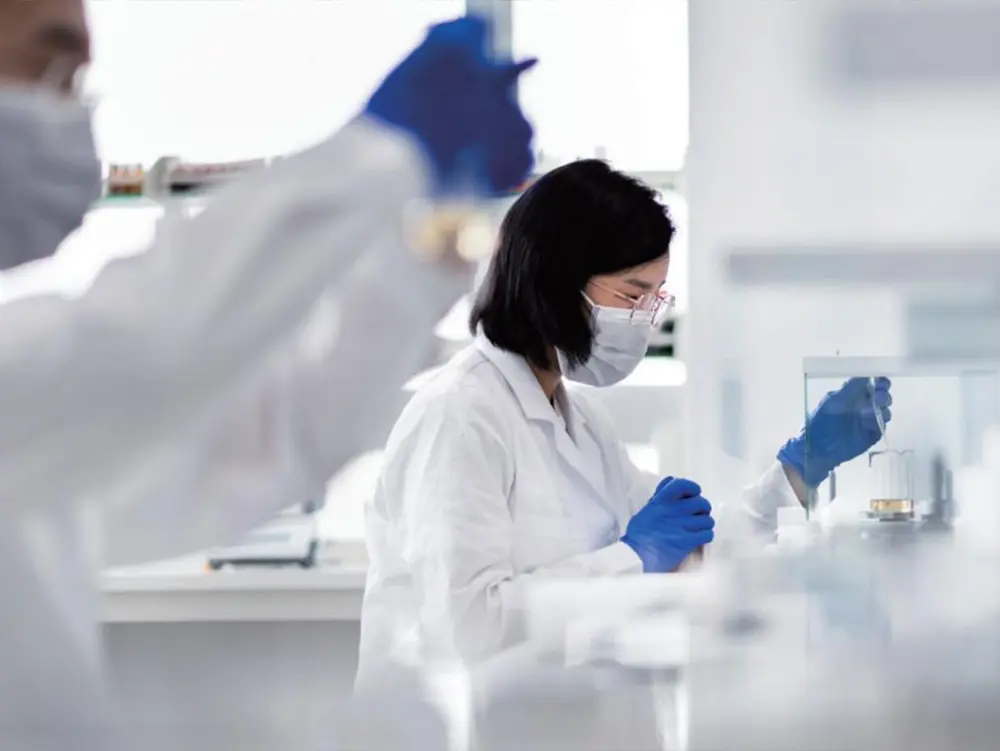
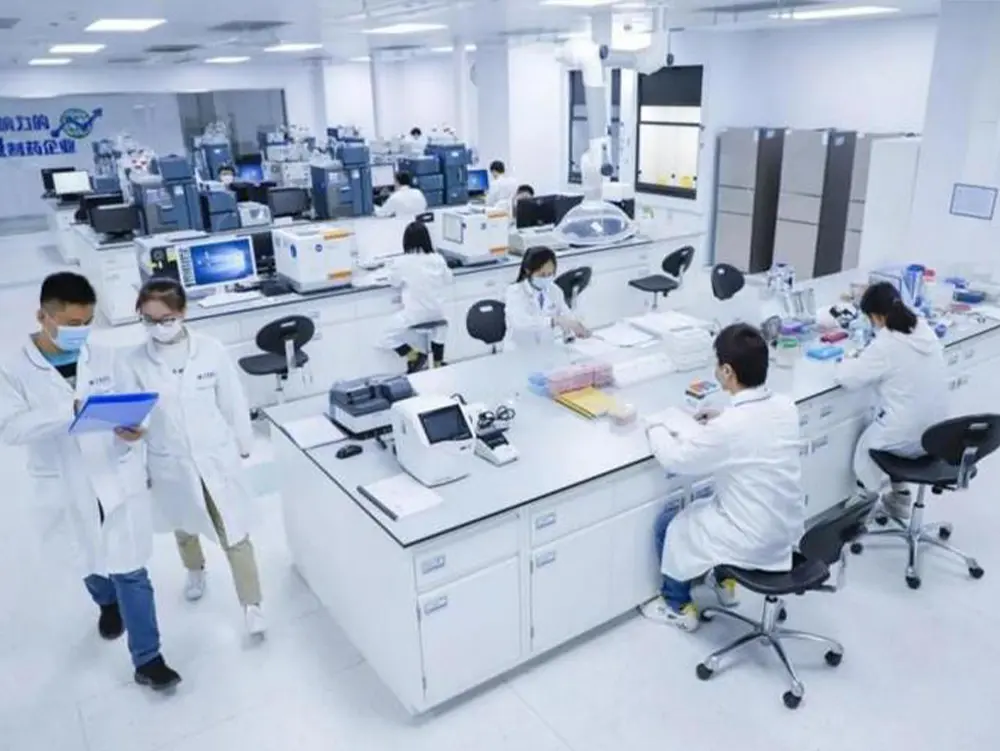
Yes, our R&D team can customize active ingredients, flash points, and solvent mixtures to align with specific processing requirements. We also offer pre-hydrolyzed, water-stabilized silane solutions for environment-friendly, low-emission applications.
Optimize Your Material Interfaces Today
Connect with our technical engineers to receive detailed Technical Data Sheets (TDS), safety guidelines, custom formulation options, and competitive bulk pricing tailored for the Danish market.
 Boctok Chemical