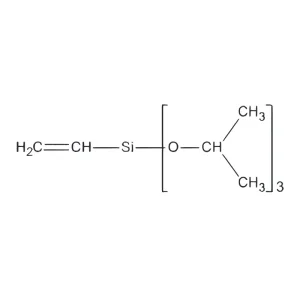
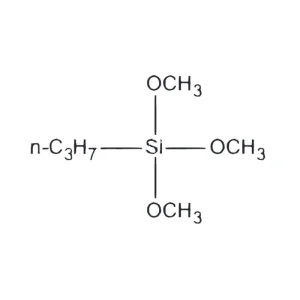
In the world of high-performance organosilicon chemistry, Vinyltriisopropoxysilane (commonly recognized under the Chemical Abstracts Service registry as CAS 18023-33-1) represents a pinnacle of structural engineering. Functioning as a trifunctional silane coupling agent, this monomer possesses a highly reactive vinyl group paired with three bulky isopropoxy groups attached directly to the silicon core. The molecular formula CH2=CHSi(OCH(CH3)2)3 dictates a controlled hydrolysis profile that marks a significant advancement over typical methoxy or ethoxy alternatives.
"The unique performance profile of Vinyltriisopropoxysilane lies in the steric hindrance generated by the bulky isopropoxy groups. This significantly retards the initial hydrolysis phase under ambient humidity, rendering the chemical highly stable during mixing and compounding stages, while preventing pre-cure gelation in crosslinkable compounds."
For compounding specialists and chemical engineers in XLPE cable manufacturing, RTV formulation, and high-performance paint production, managing the hydrolysis and condensation reaction rate is critical. Methoxysilanes hydrolyze instantly upon contact with water, releasing methanol—a hazardous material requiring strict workplace air handling systems. Ethoxysilanes act somewhat slower but still pose processing speed limitations. Vinyltriisopropoxysilane, on the other hand, hydrolyzes at a highly controlled speed, releasing isopropanol (IPA), which has lower toxicity and a more favorable industrial VOC profile. This enables polymer matrix formulations to achieve uniform dispersing characteristics without premature crosslinking.
Understanding these technical attributes is essential for R&D engineers to ensure complete compatibility with organic polymer chains and mineral substrates:
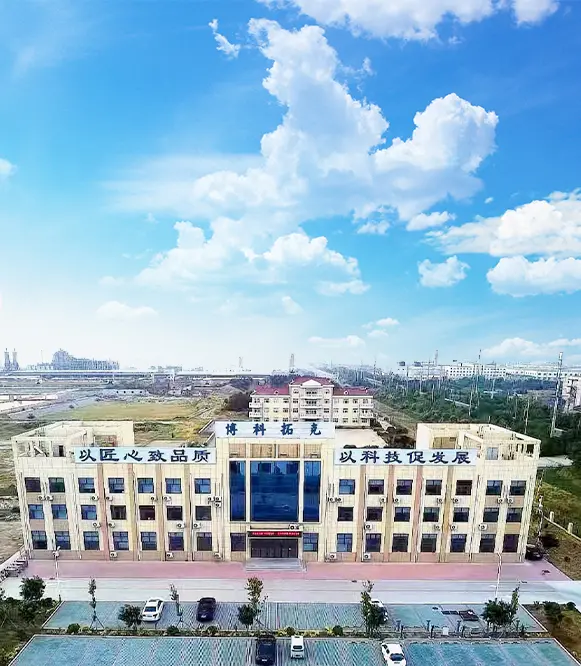
Established in 2012, Shandong Boctok Chemical Co. has developed into a dominant force in the global organosilicon and specialty resin markets, reaching total domestic and international sales of USD 280 million in 2023.
We recently scaled our production capacity by constructing a greenfield plant in Bohai Industrial Park, Shouguang City, Shandong Province. This provincial-level chemical industry park offers state-of-the-art infrastructure for silane coupling agent expansion.
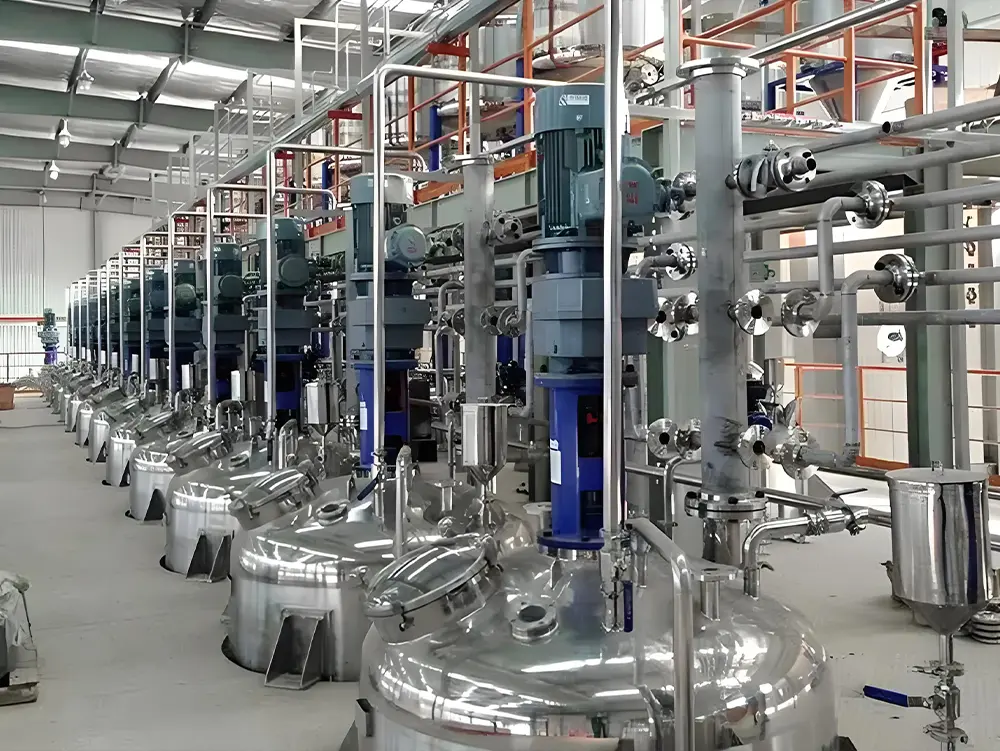
Our new facility runs 6 highly automated Distributed Control System (DCS) lines dedicated to producing silanes, delivering an annual output of 30,000 tons with high precision and minimal batch-to-batch variation.
To guarantee occupational safety and raw material containment, all lines are equipped with Safety Instrument Systems (SIS) alongside advanced environmental protective equipment including waste gas collection and wastewater treatment units.



Through strict control loops and deep raw material integration, we guarantee technical superiority and supply chain security.

Our products undergo rigorous testing via chromatography and NMR analysis to ensure every deliverable meets international polymer and electrical standards.

With our newly built 30,000-ton capacity layout, we efficiently scale production to handle bulk spot orders and mass customization for multinational distributors.

Our specialist technical and logistics teams are active 24/7 online, providing swift support on applications, safe handling, and customs processing.

Leveraging strategic shipping lanes from Qingdao Port and integrated overland rail links to Europe and Russia, we achieve fast lead times.
Our comprehensive industry footprint ranges from crosslinking silanes to advanced petroleum hydrocarbons and selective crop protection compounds.
Beyond our dominant position in organosilicon and silane coupling agent production, Shandong Boctok Chemical operates a robust, integrated Tier II business division focused on Petroleum Resins. In partnership with major refining centers in China—specifically leveraging reliable and abundant C5/C9 raw feedstocks from state energy giants SINOPEC and PetroChina—we have established three primary hydrocarbon resin production plants in Zibo, Fushun, and Nanjing.
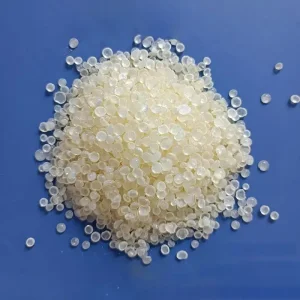
These installations deploy advanced polymerization and catalytic hydrogenation systems. This ensures that our hydrocarbon resins meet the rigorous quality standards required by many Fortune 500 adhesive, paint, and tire manufacturers globally. Our resin product matrix includes high-clarity C9 hydrogenated resins, tackifying C5 hydrocarbon resins, hybrid C5 modified C9 resins, as well as high-purity dicyclopentadiene (DCPD) and methyl cyclopentadiene dimers.
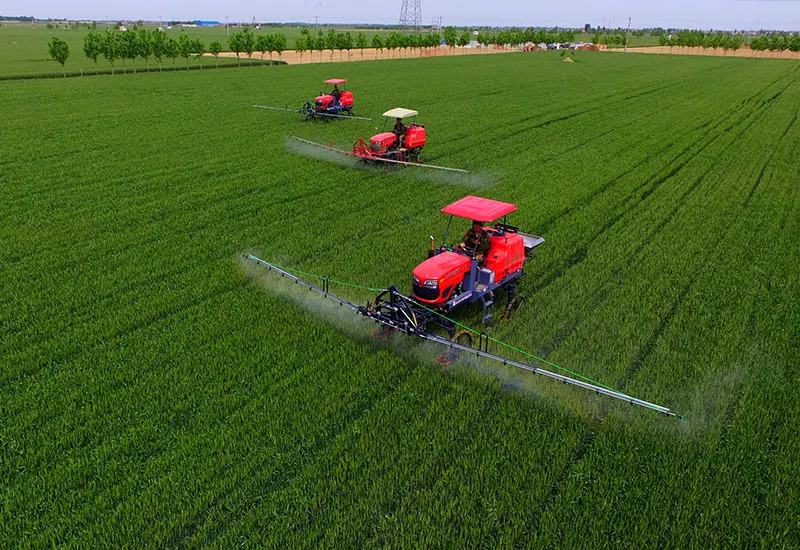
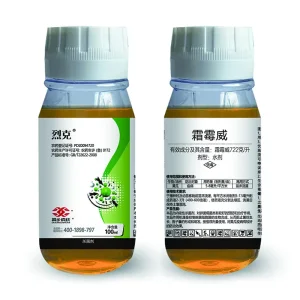
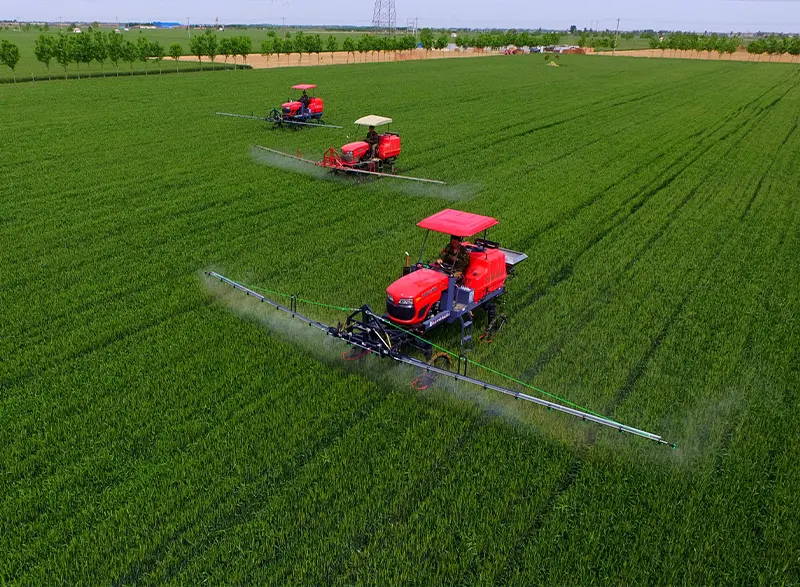
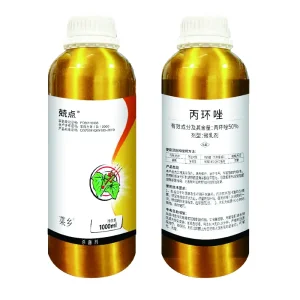
Furthermore, Boctok's chemical syntheses extend into the agrochemical sector. We manufacture key intermediates and active raw materials for the production of insecticides, fungicides, seed treatments, herbicides, and plant growth regulators (PGRs). This diversified setup provides structural financial resilience and extensive technical knowledge crossover, ensuring we deliver value to clients worldwide.


From microelectronics protection to heavy industrial coatings and polymer modification, Vinyltriisopropoxysilane serves as a crucial chemistry link.




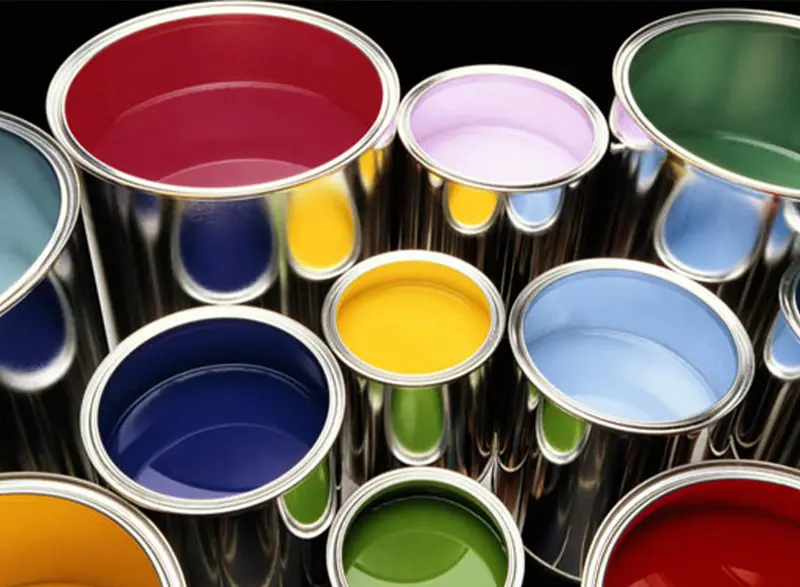
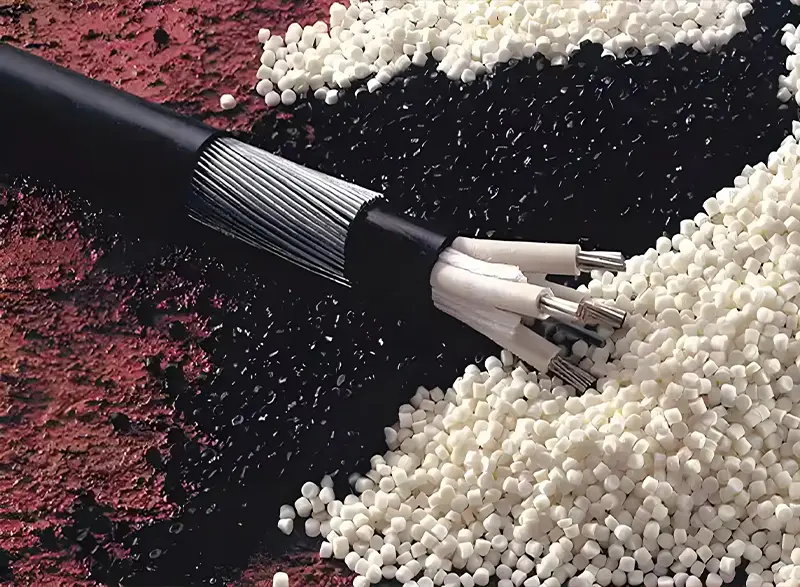

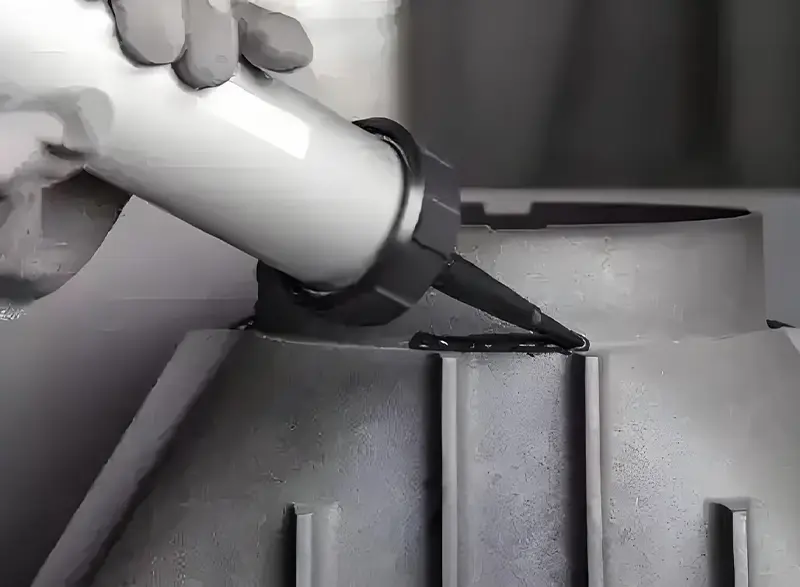

The manufacturing and application landscapes of organosilicon coupling agents have shifted over the last decade. As environmental regulations tighten under European REACH and EPA mandates, global sourcing managers are pivoting away from traditional silanes that release toxic methanol by-products upon hydrolysis. In response, Vinyltriisopropoxysilane has emerged as a preferred solution, showing significant demand growth in both industrial operations and consumer-facing applications.
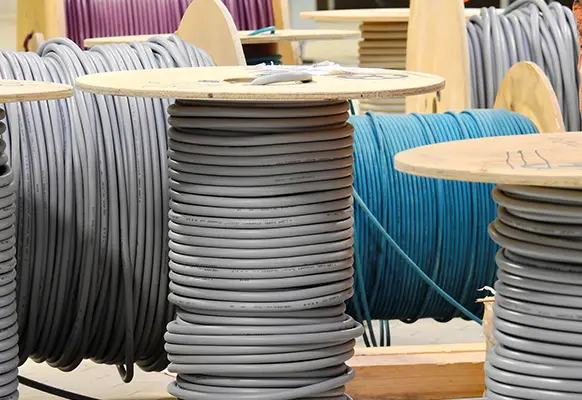
Industrial procurement trends indicate that the primary driver for high-end vinyl silane adoption is the growing demand for Crosslinked Polyethylene (XLPE) cables. These cables are critical for expanding high-voltage urban power grids and constructing offshore wind farms. Using Vinyltriisopropoxysilane as a grafting agent allows cable manufacturers to process compounds at higher temperatures with lower risk of premature crosslinking in the extruder. This translates to fewer production line shutdowns, reduced waste, and more consistent wall thickness in extruded insulation layers.
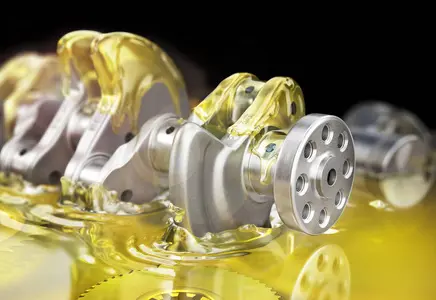
In the automotive and marine coating sectors, Vinyltriisopropoxysilane is extensively utilized to functionalize acrylic, polyurethane, and polyester resin systems. By grafting vinyl silane chemistry onto these backbones, manufacturers produce coatings with superior UV resistance, improved adhesion to inorganic substrates (like aluminum, steel, and glass fiber), and excellent hydrophobic characteristics. This protects automotive finishes and marine hulls from corrosive environments and harsh weathering.
China remains the leading hub for global organosilicon production, with domestic manufacturers offering significant supply chain benefits. Shandong Boctok Chemical Co.'s specialized chemical park setup in Shouguang, Shandong Province, illustrates these advantages. By concentrating raw material sourcing, automated DCS synthesis, and wastewater treatment systems in a single location, Chinese plants achieve high operational efficiency.
Through close partnerships with domestic upstream energy giants like SINOPEC, Boctok secures a steady supply of basic silicon and chlorosilane intermediates. This buffers our production lines from raw material price volatility, ensuring stable pricing and reliable delivery schedules for our international distribution network. Furthermore, our investment in automated DCS and SIS platforms reduces labor costs while maximizing quality consistency, meeting the stringent standards of top-tier industrial buyers.
When sourcing CAS 18023-33-1, procurement teams must look beyond unit price to evaluate supplier capabilities, chemical purity, and logistical support. Buyers should verify key quality metrics, including active monomer purity (determined via gas chromatography), trace chloride levels, and moisture content (which must be kept extremely low to prevent premature polymerization in transit).
Because silanes are moisture-sensitive, packaging and storage conditions are critical to shelf life. High-quality Vinyltriisopropoxysilane should be packaged under dry nitrogen blanket conditions in airtight, UV-stabilized high-density polyethylene (HDPE) drums, steel drums with epoxy liners, or sealed ISO tanks. Suppliers must also provide robust technical documentation, including comprehensive safety data sheets (SDS) and certificates of analysis (COA) for every production batch.
Explore our verified applications across critical industrial, medical, and manufacturing fields.
Direct answers to the most common questions raised by chemical engineers, procurement officers, and formulation experts.
The core advantage is controlled reaction kinetics. The bulky isopropoxy groups on Vinyltriisopropoxysilane (CAS 18023-33-1) create steric hindrance, which slows the rate of moisture-initiated hydrolysis compared to methoxy-based silanes. This prevents premature crosslinking (pre-gelation) during compounding and extrusion phases. Additionally, hydrolysis of this monomer releases isopropyl alcohol (IPA) instead of toxic methanol, making it safer to handle and improving compliance with strict workplace VOC limits.
It acts as a molecular bridge between inorganic mineral fillers (such as silica, clay, talc, or alumina trihydrate) and organic polymer matrix resins (like polyethylene or polypropylene). The hydrolyzed silanol groups condense with the hydroxyl sites on the mineral surface, while the vinyl group chemically bonds to the polymer chain during peroxide-initiated grafting or vulcanization. This significantly enhances interfacial adhesion, improving tensile strength, impact resistance, and moisture protection.
Vinyltriisopropoxysilane must be stored in original, tightly sealed containers under a dry nitrogen blanket to prevent exposure to atmospheric moisture. It should be kept in a cool, well-ventilated warehouse away from direct sunlight, open flames, peroxides, and strong acids or bases. Exposure to moisture initiates self-condensation, leading to increased viscosity and eventual gelation.
Shandong Boctok Chemical Co. maintains ISO9001 quality management system certification across our automated DCS lines. Every batch of silane coupling agents is shipped with a comprehensive Certificate of Analysis (COA) specifying purity (determined by gas chromatography), density, and refractive index. We also provide compliant Safety Data Sheets (SDS) and REACH registration documentation for European imports.

 Boctok Chemical